

Texas has no shortage of stories. Some are loud and proud, told on front porches or shared over plates of barbecue. Others sit quietly in the background. These are the stories found in the old towns that once pulsed with life but now sit at the edges of maps. Some places have a handful of residents left. Others have faded into empty streets, broken foundations, and a few stubborn buildings that refuse to fall.
These ghost towns and nearly forgotten communities are windows into the past. They remind us of changing economies, shifting rail lines, droughts, booms, busts, and a whole mix of human grit. Many of these places boomed fast, then burned out even faster. Some had bright hopes pinned on the railroad. Others relied on ranching, farming, or oil. When fortunes changed, people packed up and moved on.
This tour through Texas ghost towns is not about spooky legends. It is about history and survival. It is about the remarkable ability of Texans to chase opportunity and adapt to change. What remains today offers a quiet lesson on how communities rise, fall, and sometimes linger in between.
What Makes a Texas Ghost Town
A ghost town does not always mean a place with no living soul. In Texas, the definition can be flexible. Some ghost towns have zero residents and little more than rubble. Others have a few families holding on to traditions. Many exist because the one thing that kept the town alive stopped working. Maybe the railroad shut down. Maybe mine dried up. Maybe a highway rerouted traffic. Sometimes nature played a hand, and the land no longer supported farms or cattle.
Texas has more than a thousand towns that fall into the “ghost” or “nearly gone” category. They are scattered across prairies, deserts, pine forests, and hill country valleys. Each one has its own personality and past.
Independence, Washington County
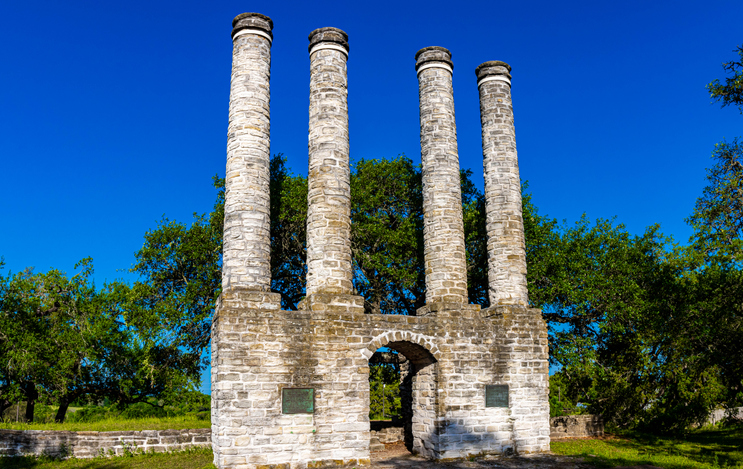
Independence once stood tall in the early days of the Republic of Texas. This was the home of Baylor University before it moved to Waco. The town had churches, schools, shops, and a strong community. For a while, it looked like Independence would keep growing.
But the railroad passed it by. Without a rail line, trade slowed, and the population slipped away. Baylor left in the 1880s. The town never recovered.
Today, Independence is peaceful. You will find a few historic buildings, markers, and the remnants of homes. The landscape feels quiet and warm. The town is not empty, but it carries the feeling of a place that once expected a bigger future.
Terlingua, Brewster County
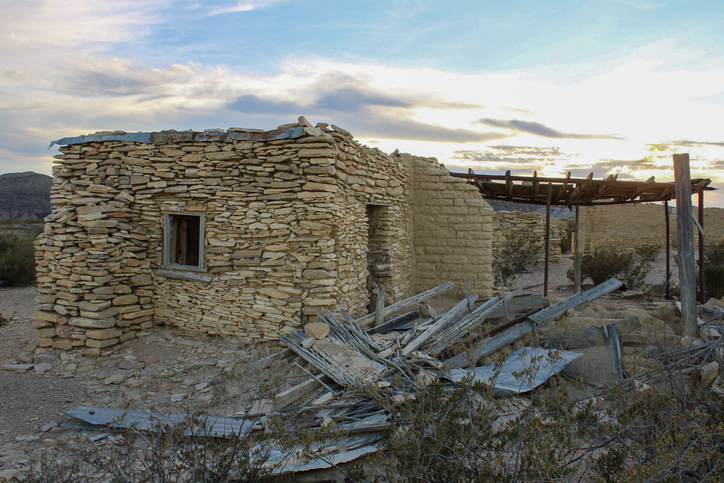
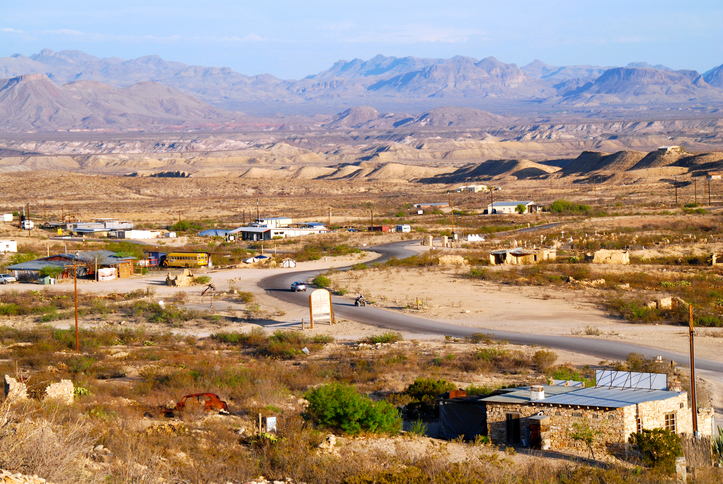
Terlingua is one of the most famous ghost towns in Texas. The Chisos Mining Company once operated here, pulling mercury from the earth. The company attracted workers, families, and businesses. At its peak, Terlingua thrived.
When the mines closed in the 1940s, the town emptied out. Houses and company structures were left behind. The desert winds took over. For years, Terlingua was a true ghost town.
Then something unusual happened. Adventurers, artists, and travelers rediscovered it. Today, Terlingua is part ghost town and part quirky desert community. People visit for the scenery, the chili cook-offs, and the rugged charm. Old buildings still lean against the desert sun. They share space with new restaurants and small motels.
Terlingua shows how a ghost town can gain new life without losing its old character.
Lobo, Culberson County
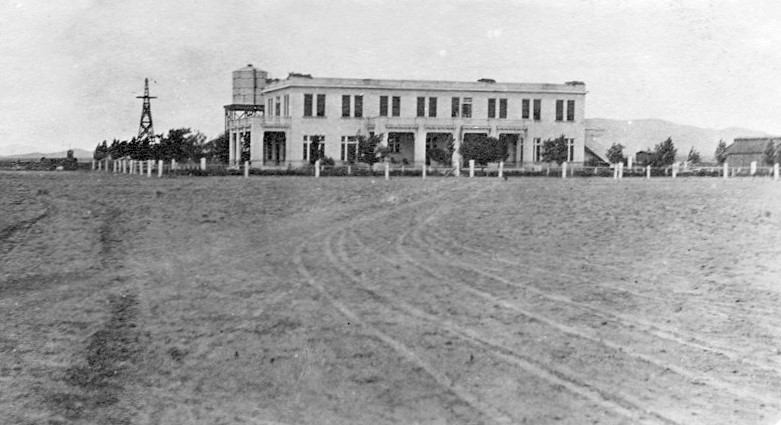
Unknown authorUnknown author, Hotel in Lobo, Texas (circa 1910s), Unknown
Lobo sits in far West Texas, near the Davis Mountains. It once depended on irrigation and farming. The community had homes, a store, and a cotton gin. For a small desert town, it did well.
But water became scarce. Crops could not survive the drought cycles. As farming declined, families moved away. By the early 1990s, Lobo was empty.
Today, Lobo is private property run by a group of artists who maintain the remaining buildings. Visitors cannot explore it freely, but the old gas station and structures are visible from the highway. They stand as reminders of how quickly life can shift in the desert.
Toyah, Reeves County
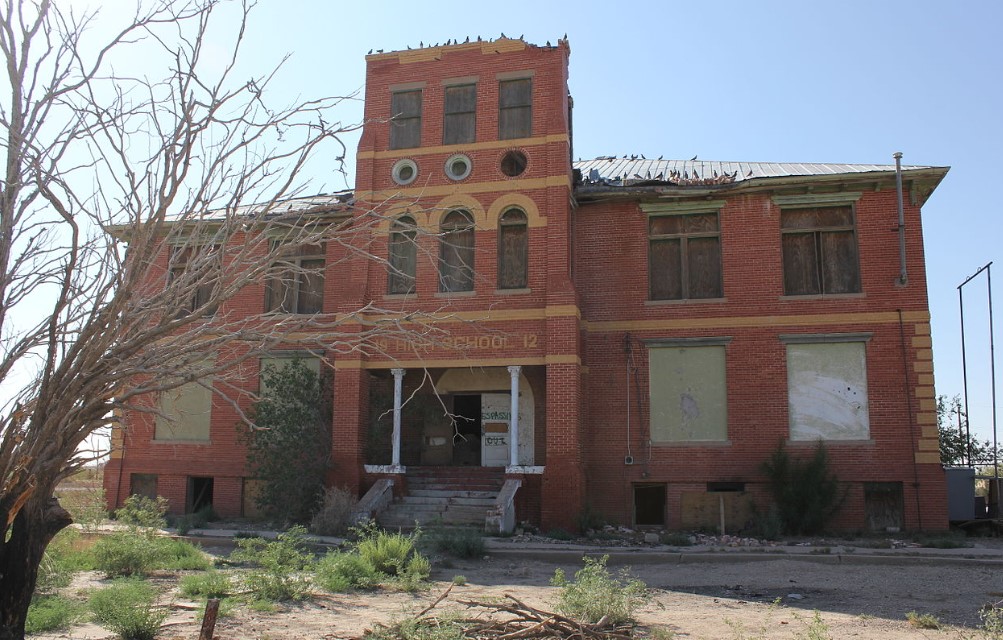
Nicolas Henderson from Coppell, Texas, Abandoned school in Toyah, Texas, CC BY 2.0
Toyah has roots stretching back to the days of the cattle drives. The railroad later boosted the town, and it became a lively community. Merchants, ranchers, and travelers filled the streets.
Floods hit the area several times in the twentieth century. The last major one in 2004 damaged buildings and pushed many residents to leave. The town never regained its population.
Today, a few people still live in Toyah. The streets feel wide, open, and quiet. Abandoned houses with broken windows sit alongside occupied homes. It is a place where the past and present share the same space.
Shafter, Presidio County
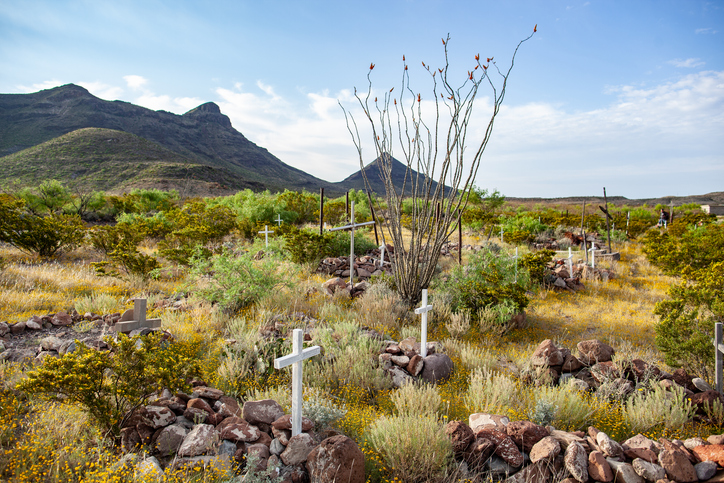
Shafter grew because of silver. In the late 1800s, miners worked the nearby hills. The community grew into a settlement with a post office, church, homes, and businesses. It had a long life for a mining town.
Mining stopped in the 1940s and restarted several times in later decades. Each cycle brought a few people back, then sent them away again. Today, a handful of residents remain. Shafter has a cemetery, church, and scattered ruins. The desert has reclaimed much of it.
Shafter is a quiet reminder of the mining era that shaped many West Texas communities.
Glenrio, Oldham County
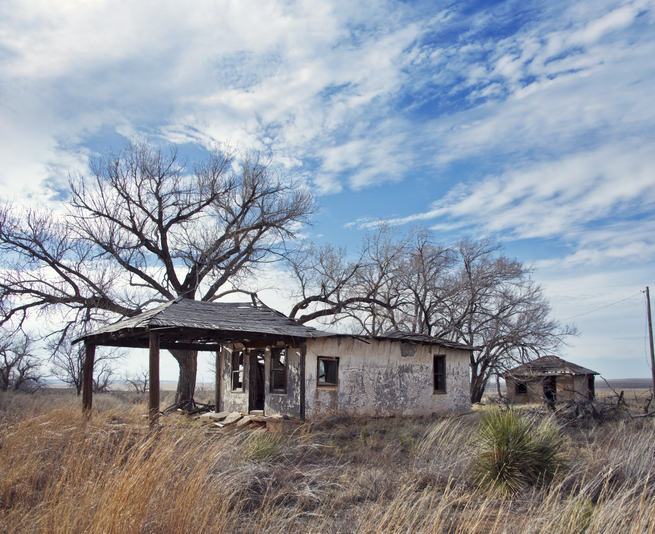
Glenrio sits along the Texas and New Mexico border. Route 66 once brought steady traffic through this small town. Gas stations, motels, diners, and shops kept the local economy moving.
When Interstate 40 opened, it bypassed Glenrio. Almost overnight, travelers vanished. Businesses closed. Families moved away. The town froze in time.
Today, visitors can still see the old Route 66 motel, abandoned gas stations, and a few scattered buildings. Glenrio feels untouched, like a snapshot from a different era.
Old Garner, Parker County
Old Garner began as a rural community with a school, church, and store. The area relied on farming and small trade. Over time, people moved to nearby towns with larger economies. New Garner developed closer to the highway, pulling activity away from the original community.
You can still find the old cemetery and a few historic structures in Old Garner. It is not a dramatic ghost town, but it carries the slow fading common in many rural Texas communities.
Barstow, Ward County
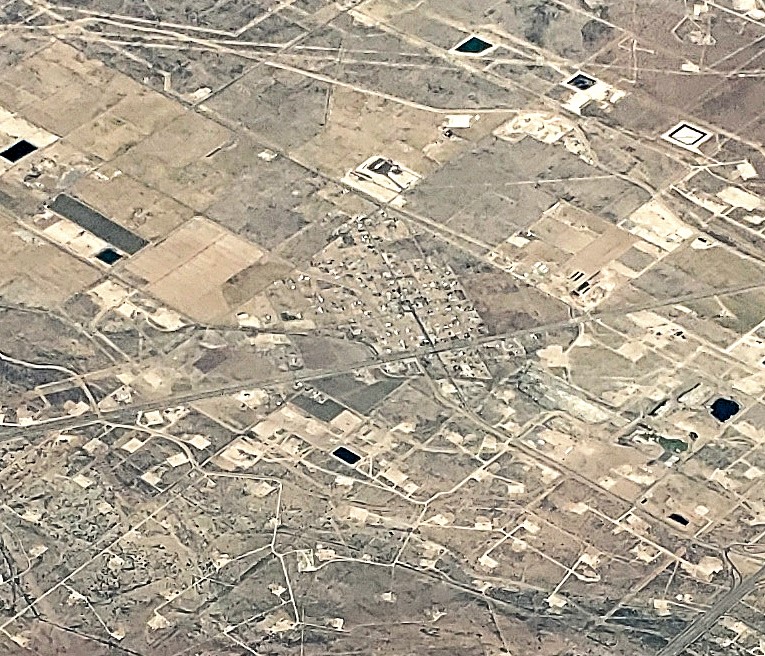
Eric Polk, Barstow, TX, CC BY-SA 4.0
Barstow once had high hopes. In the early 1900s, irrigation projects promised fertile farmland. Grapes and orchards thrived. The town had a courthouse, school, and homes.
Then the water supply dropped. Drought and failed irrigation projects took their toll. Farmers suffered. Prosperity slipped away.
Barstow is not fully abandoned today, but the population is small. Old brick buildings crumble in the West Texas heat. The remaining residents keep the town afloat, but the quiet streets tell a different story.
Indianola, Calhoun County
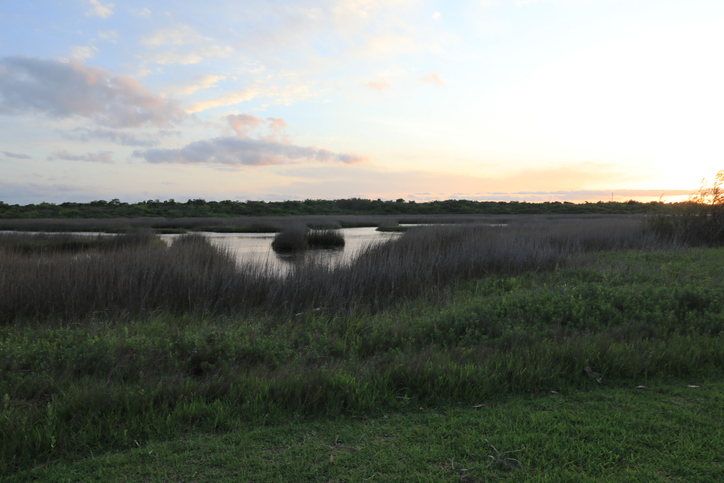
Indianola is one of Texas’s most dramatic “lost towns.” In the mid 1800s, it was a major port on the Gulf Coast. People thought it might rival Galveston or New Orleans. Immigrants arrived through Indianola. It had bustling markets and busy docks.
Then nature struck twice. A hurricane in 1875 caused heavy destruction. The town was rebuilt. Another hurricane in 1886 wiped it out. After that, Indianola was abandoned for good.
Today, only foundations, scattered markers, and a few stones remain. The sea and wind have reclaimed most of it. Indianola’s story is a reminder of how fragile early coastal towns could be.
Britt, Hutchinson County
Britt was a small Panhandle town tied to ranching and the early oil industry. It never had a large population, but it served the surrounding ranches and workers. When jobs moved elsewhere, residents followed. The school closed. Businesses shut their doors.
Today, only faint traces of Britt remain. Old maps show where it once stood. A few foundations and scattered debris mark the site. It is one of many tiny Texas communities that faded without much fanfare.
Catarina, Dimmit County
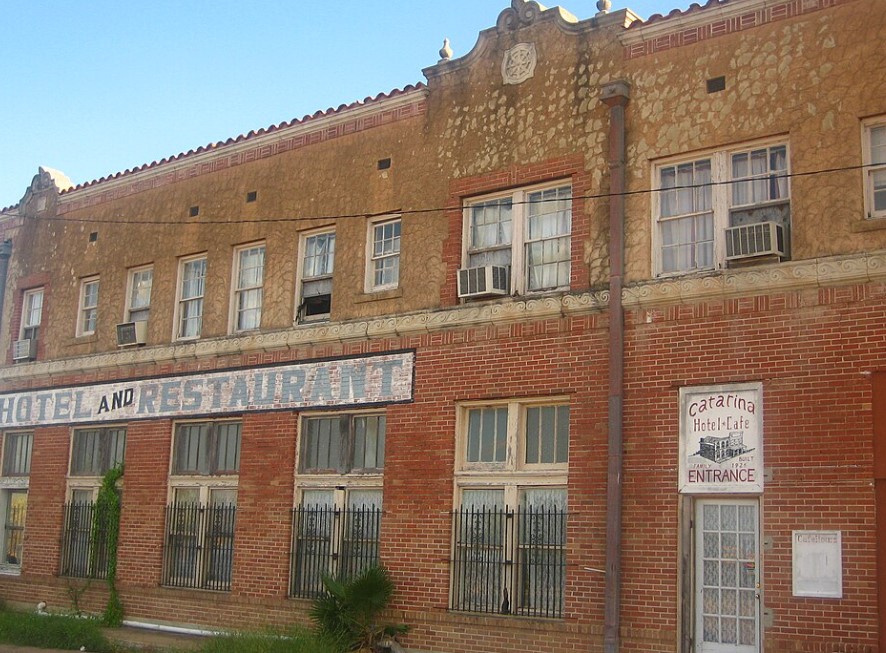
Billy Hathorn at en.wikipedia, Restaurant in Catarina, TX IMG 1925, CC BY-SA 3.0
Catarina is the kind of town with a story that feels almost cinematic. It was planned as an irrigation oasis. Developers promised a green paradise in South Texas. For a while, it worked. Crops grew. Families settled. The town even had a hotel known for its grand entrance.
Water problems hit Catarina over time. Irrigation costs rose. Farming profits fell. People left to find work elsewhere.
Some residents still call Catarina home, but many of the old buildings sit empty. The hotel stands as a shell of its former self, with a staircase that once welcomed guests now open to the elements.
Thurber, Erath County
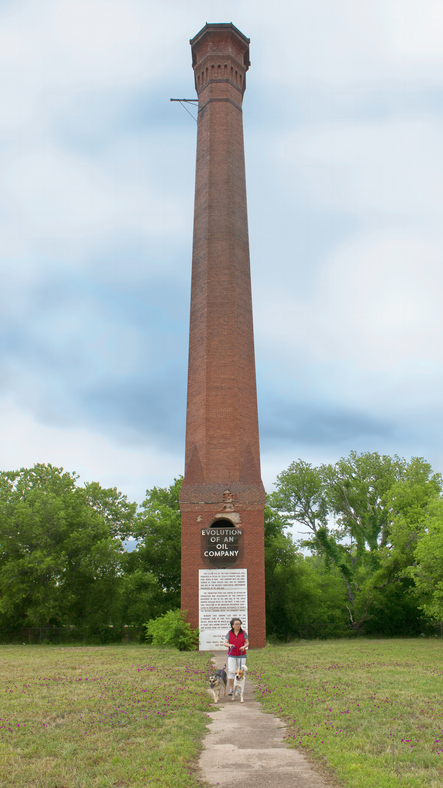
Thurber was once the largest coal-mining town in Texas. It was also a company town, meaning the company owned the homes, stores, and even the roads. Workers came from around the world. Thurber had restaurants, schools, a theater, and everything a bustling community needed.
When oil took over as the main fuel in the early twentieth century, coal demand dropped. The mines closed. Without the company driving the economy, the town emptied quickly.
Today, only a few buildings remain, including the old smokestack and the famous restaurant known as the Smokestack. The site offers a glimpse into what life looked like in a company-controlled town.
Why These Towns Matter
Some people wonder why ghost towns matter at all. The answer is simple. These towns hold pieces of Texas identity. They show how communities grow from courage, opportunity, and sometimes luck. They also show how fragile success can be.
When you walk through a ghost town, even a small one, you can feel the old rhythms. You can imagine the general store on a busy day or the schoolhouse filled with noise. You can picture ranchers sitting outside after a long day or miners gathering at a saloon. The silence tells the story as much as the ruins.
Texas continues to grow. New cities expand. Highways stretch farther. Yet these old towns remind us that Texas has always been a land of change. People built, rebuilt, moved, adapted, and kept going.
Visiting Texas Ghost Towns
Many ghost towns are open to the public, but some sit on private land. If you plan to visit, it is important to respect property lines and local rules. Some communities still have residents, so kindness and courtesy go a long way.
For towns like Terlingua, Glenrio, or Thurber, public areas are easy to reach. Others require good directions and an understanding that roads in remote areas can change with the weather. Safety and preparation matter in the Texas countryside.
Visitors often say that exploring ghost towns feels peaceful. There is no rush. You can stand in the quiet, look at an old building, and let your mind wander. The past does not feel far away in places like these.
How Ghost Towns Reflect the Bigger Texas Story
Texas has always been shaped by movement. People arrived seeking land, work, freedom, or adventure. Many towns started with big hopes. Some succeeded. Some did not. Ghost towns reflect this bigger story.
Railroads changed the map. Highways replaced railroads. Oil fields shifted attention from one region to another. Water shortages reshaped rural communities. Economic waves lifted whole counties and then left them behind.
Through it all, Texans kept moving. They built new lives in new places. They took memories with them, but the towns they left behind stayed as quiet reminders. Ghost towns help connect modern Texas to the families and workers who came before.
The Future of These Forgotten Places
Some Texas ghost towns may stay empty forever. The land will pull them back piece by piece. Others may continue to reinvent themselves. Terlingua did. So did a handful of other once-forgotten towns.
A few ghost towns attract history buffs and photographers. Others interest investors who dream of restoring old structures. Some attract artists who see beauty in wide skies and worn buildings. Not every town will return to life, but each has the possibility of a new story.
Even the towns that stay empty still matter. They hold traces of early dreams. They offer lessons about land, weather, industries, and the choices people make when faced with change.
A Final Word on Texas Ghost Towns
Texas ghost towns and nearly forgotten communities are more than points on a map. They are places that once carried laughter, work, struggle, and proud moments. As you drive across Texas, it is easy to think the state is defined by its big cities. But tucked between highways and open plains are the shadows of towns that helped shape the state we know today.
Walking among the ruins or looking at an abandoned store feels like stepping into a quiet chapter of Texas history. You can feel the resilience. You can sense ambition. You can picture the lives that unfolded there.
These towns may be small or forgotten, but their stories still echo through the state. They remind us that Texas has always been bold, restless, and ready to embrace change. And even when a town fades, the spirit of the people who built it leaves a mark that lasts.