

Texas offers paddling experiences on rivers, lakes, bayous, creeks, and coastal marshes. Although some routes require strong skills and careful navigation, many official paddling trails are suitable for beginners who want a manageable introduction to kayaking or canoeing.
The Texas Parks and Wildlife Department maintains a statewide network of mapped paddling trails with information about distances, access points, expected conditions, wildlife, and nearby services. The system includes more than 90 trails across several regions of the state.
Here are several Texas paddle trails that can be good starting points when weather and water conditions are favorable.
Beaver Pond Paddling Trail in Lewisville
The Beaver Pond Paddling Trail is one of the shortest official routes in North Texas. This one-mile loop passes through willow thickets, open water, floating vegetation, and wildlife habitat.
Because it is a loop, paddlers return to the same general area where they started. That removes the need to arrange a vehicle shuttle between separate launch and take-out points.
Beginners can move at a comfortable pace while watching for herons, egrets, ducks, frogs, turtles, and deer. The short distance also makes the trail practical for families or anyone trying kayaking for the first time.
Bosque Bluffs Paddling Trail in Waco
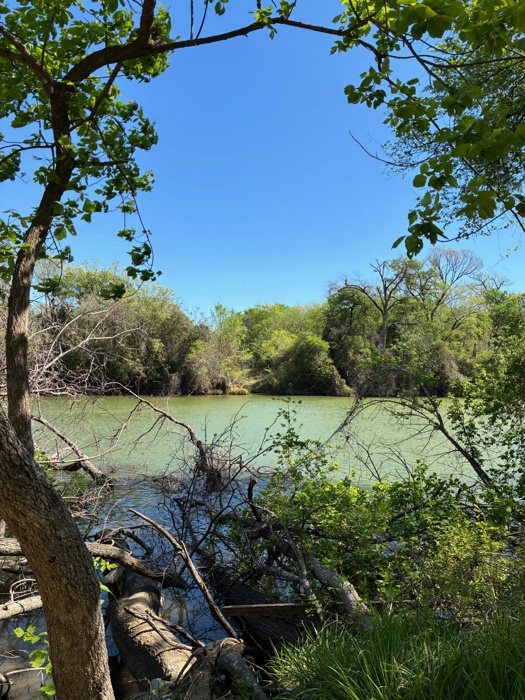
The Bosque Bluffs Paddling Trail offers a two-mile loop on the Bosque River near downtown Waco. It provides relatively easy access while still giving paddlers the feeling of exploring a natural river corridor.
Its short length makes it easier for beginners to judge their energy level without committing to a long day on the water. The nearby Brazos Bridges Paddling Trail offers a longer five-mile option for paddlers who become more comfortable and want to extend their outing.
Both routes were developed for beginning and experienced paddlers, making the area a useful place to build basic skills.
Independence Paddling Trail in Gonzales
The Independence Paddling Trail is a 2.6-mile loop on the Guadalupe River. Texas Parks and Wildlife describes it as appropriate for beginners and families.
The loop design simplifies trip planning because paddlers do not need to arrange a separate pickup at the end. The relatively short distance also allows time to practice turning, stopping, and controlling the boat without spending several hours on the water.
River conditions can change after heavy rain, so beginners should still check local conditions before launching.
Pecan Bayou Paddling Trail in Brownwood
Pecan Bayou offers a peaceful three- to four-mile loop through a slow-moving section of water. Because the current is generally mild, paddlers can travel in either direction and return to their starting point.
The route is long enough to feel like a complete outdoor trip but short enough for many beginners to manage comfortably. Its calmer setting can also help new paddlers concentrate on balance, paddle strokes, and steering.
Wind can make even slow water more difficult, so a calm morning is usually the best time for a first outing.
Inks Lake Paddling Trails
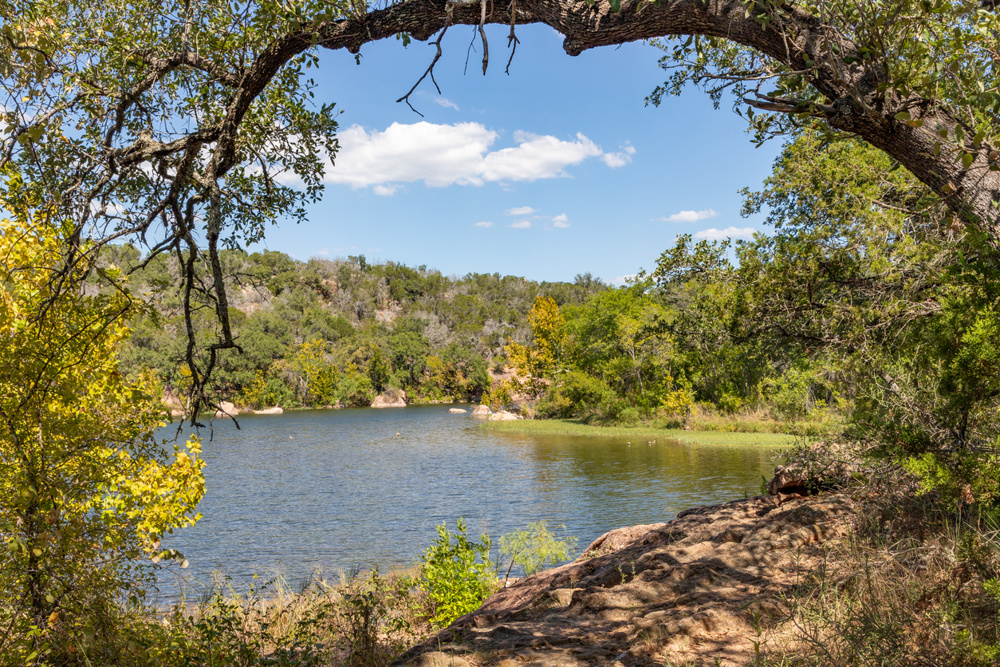
Inks Lake State Park offers three paddling routes ranging from approximately one to four miles. These options allow visitors to choose a distance that matches their comfort level.
The Waterfowl Run and Stumpy Hollow areas can provide quieter exploration, while the Devil’s Waterhole route offers views of the park’s rocky scenery. Since these trails are located within a state park, paddlers also have access to established visitor facilities.
Inks Lake State Park is among the Texas state parks that offer paddling rentals, although availability may be seasonal or affected by weather.
Luling Zedler Mill Paddling Trail
View this post on Instagram
The Luling Zedler Mill Paddling Trail follows about six miles of the San Marcos River. The route usually takes approximately two to four hours, depending on conditions and the paddler’s pace.
The river is lined with trees and provides opportunities to see birds and other wildlife. The trail is described as a gentle, family-friendly trip, making it a possible next step for beginners who have already completed a shorter loop.
Unlike a simple lake loop, this river route requires more planning. Paddlers should understand the launch and take-out arrangement before beginning.
El Camino Real Paddling Trail in Bastrop
View this post on Instagram
The El Camino Real Paddling Trail covers six miles of the Colorado River near Bastrop. This section is generally wide and slow-moving, and a trip can take between approximately 1.5 and four hours.
The broad river gives paddlers room to maneuver, while the moderate distance provides a useful introduction to point-to-point river travel. Beginners should plan transportation carefully because the launch and take-out locations are separate.
Water flow affects both the speed and difficulty of the trip. A route that feels easy during moderate conditions may become harder after storms or during unusually low water.
Lighthouse Lakes Paddling Trail Near Port Aransas
Lighthouse Lakes was the first designated Texas paddling trail. It includes several coastal loops ranging from approximately 1.25 to 6.8 miles.
The shorter loops can be manageable for beginners who want to experience shallow coastal water, mangroves, marshes, and bird habitat. However, coastal paddling requires additional caution. Wind, tides, heat, and changing weather can quickly make a trip more demanding.
New paddlers should choose a short loop, stay close to marked routes, and avoid launching when strong winds or storms are expected.
Galveston Island State Park Paddling Trails
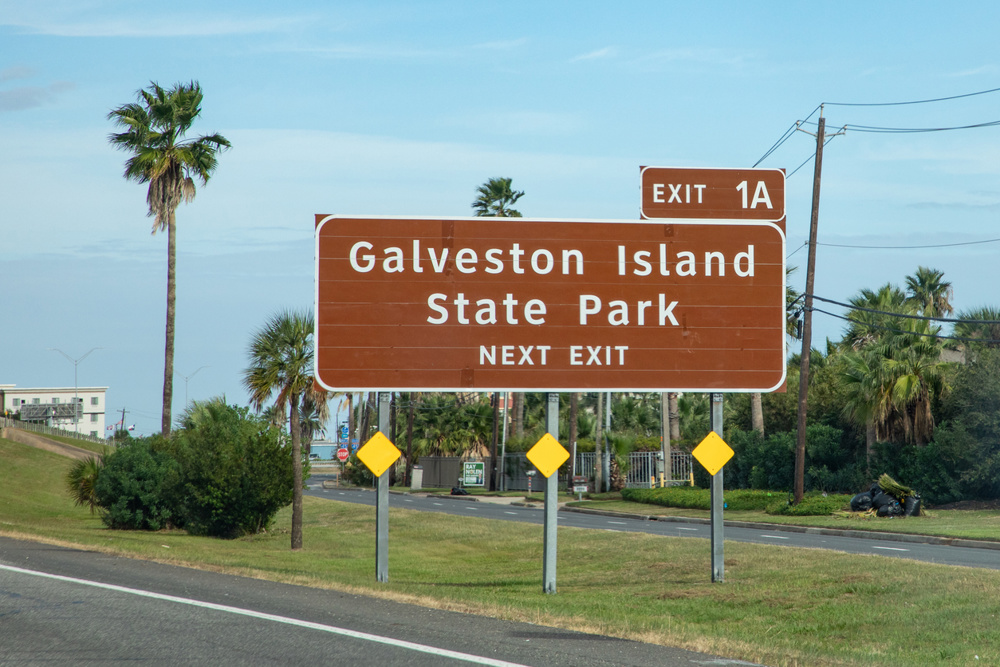
Galveston Island State Park has three designated paddling routes: the 2.6-mile Dana Cove Trail, the 2.8-mile Jenkins Bayou Trail, and the 4.8-mile Oak Bayou Trail.
The two shorter routes can provide a reasonable introduction to coastal marsh paddling. Visitors may see seagrass beds, shorebirds, fish, and other wildlife associated with the island’s bay side.
These routes are protected compared with open Gulf waters, but they are still influenced by wind and tides. Beginners should select calm conditions and confirm the park’s current access information before visiting.
Caddo Lake’s Shorter Paddling Routes
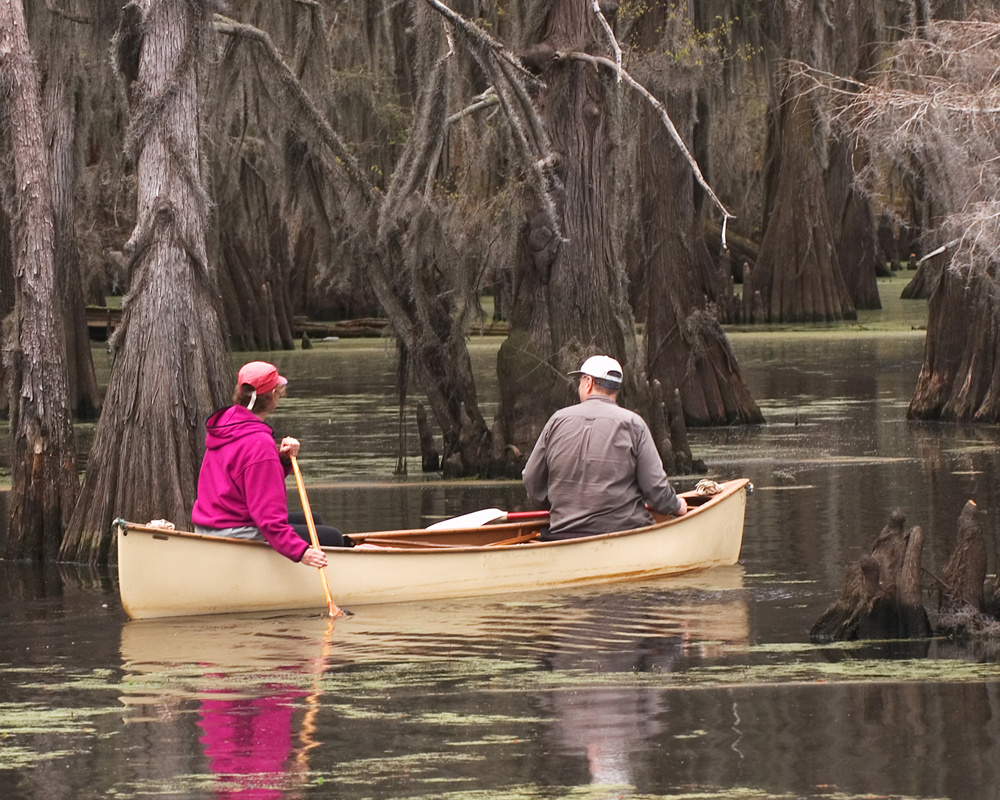
Caddo Lake and nearby Big Cypress Bayou contain a large network of marked canoe and kayak routes. The scenery includes bald cypress trees, wetlands, sloughs, and quiet bayous.
Some routes are longer and more complicated, but beginners can choose shorter marked trails and stay near established access points. Following trail markers is especially important because the lake contains many channels that can look similar.
Caddo Lake State Park also offers canoe rentals, which can make the area more accessible to visitors who do not own equipment.
What Makes a Trail Beginner-Friendly?
Distance is important, but it is not the only factor. A short coastal route can become difficult in strong wind, while a longer river trip may feel comfortable when the current and weather are mild.
Beginners should look for several helpful features:
- A short loop or clearly marked route
- Calm or slow-moving water
- Easy launch and landing areas
- Limited motorboat traffic
- Reliable maps and visible trail markers
- Nearby facilities or rental services
- Several opportunities to return to shore
Loop trails are especially convenient because they usually eliminate the need for a shuttle.
Basic Equipment for a First Paddle
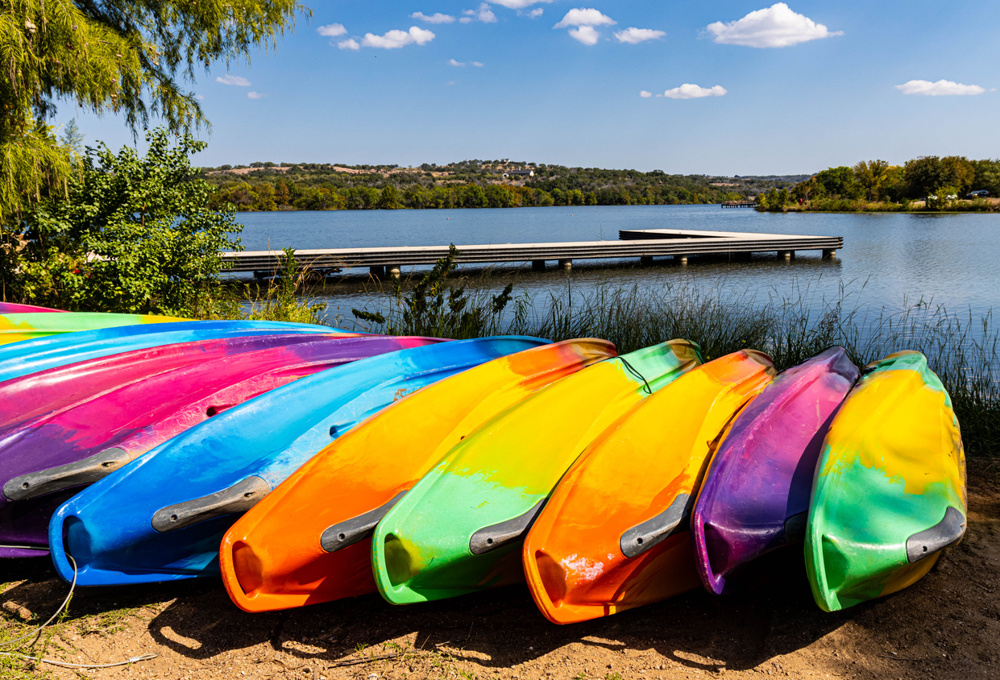
Every paddler should wear a properly fitted personal flotation device. It should remain fastened throughout the trip, even on shallow or calm water.
Other useful items include drinking water, sunscreen, a hat, a whistle, a waterproof phone case, a basic first-aid kit, and a dry bag for keys or other valuables. Bright clothing can make paddlers easier for boat operators to see.
A first trip is also more comfortable when the kayak or canoe fits the paddler’s size and experience. Recreational sit-on-top kayaks are popular with beginners because they are stable and relatively easy to enter after a capsize.
Check Conditions Before Launching
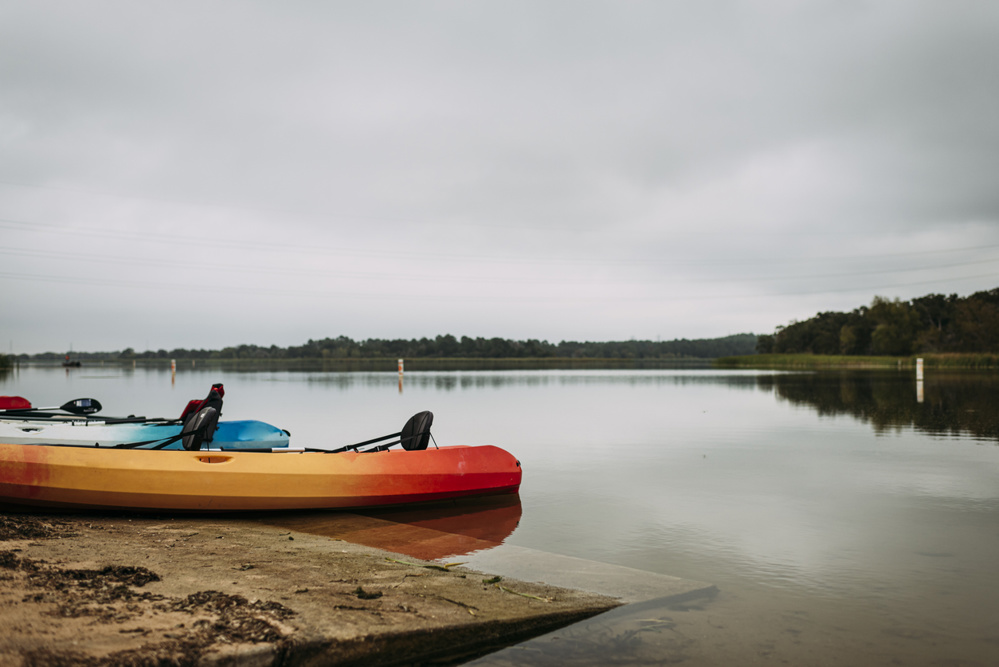
Official trail descriptions cannot guarantee that a route will be easy on a particular day. Rainfall, river flow, tides, wind, extreme heat, debris, and temporary access restrictions can all affect conditions.
Beginners should review the latest trail information, check the weather, and study the launch and take-out points before leaving home. Texas Parks and Wildlife recommends using current online trail information because routes and local conditions may change.
It is also important to watch for motorized boats. Official paddling trails are often shared waterways, so paddlers should remain outside busy navigation channels when possible and make themselves visible.
Start Short and Build Experience
A beginner’s first paddle does not need to cover many miles. A one- or two-mile loop can provide enough time to learn how a boat responds to wind, current, and different paddle strokes.
After gaining confidence, paddlers can move to longer lake loops, gentle river sections, and protected coastal routes. Choosing suitable conditions is more important than choosing the most impressive destination.
With realistic planning and proper safety equipment, Texas paddling trails offer an accessible way to explore wetlands, rivers, lakes, forests, and coastal habitats from a different point of view.