

Pocket parks are small public green spaces tucked into neighborhoods, downtown blocks, mixed-use districts, and residential areas. They may be no larger than a vacant lot, a corner plaza, or a small landscaped space between buildings, but they can make a noticeable difference in how a city feels.
In Texas cities, where growth is fast and land is often heavily developed, pocket parks offer a practical way to bring shade, trees, seating, play areas, and gathering space closer to everyday life.
What Is a Pocket Park?

A pocket park is a small park designed to serve people nearby. Unlike large regional parks, which may include miles of trails, sports fields, lakes, or major recreation facilities, pocket parks usually focus on simple daily use.
They might include benches, walking paths, native plants, public art, small lawns, playground equipment, picnic tables, water fountains, or shaded seating. Some are quiet places to rest. Others are built for children, dog owners, office workers, or people walking through a busy district.
The main idea is convenience. A pocket park gives people a small outdoor place within a short walk of homes, shops, apartments, schools, or workplaces.
Why Pocket Parks Matter in Texas Cities
Texas cities have expanded quickly over the past several decades. Places such as Houston, Dallas, Austin, San Antonio, Fort Worth, Plano, Frisco, and many smaller cities have seen new housing, roads, shopping centers, and office developments spread across large areas.
This growth can make green space harder to reach, especially in dense neighborhoods or commercial districts. Large parks are important, but they are not always nearby. A pocket park helps fill that gap by placing small outdoor spaces where people already live and move.
For a person on a lunch break, a parent with a young child, a senior taking a short walk, or someone waiting for transit, a pocket park can be more useful than a large park several miles away.
A Small Answer to Big Heat
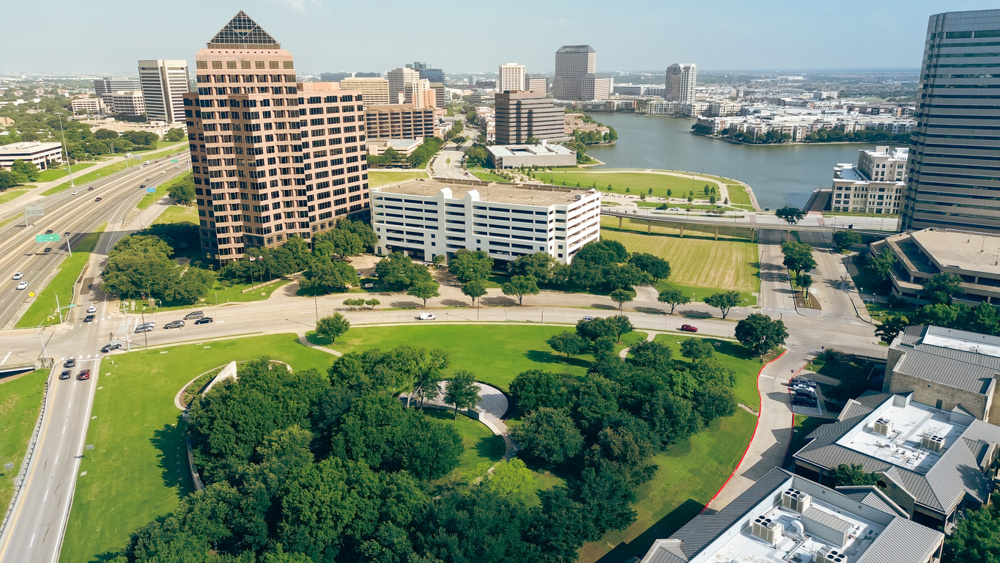
Heat is one of the biggest reasons pocket parks matter in Texas. Many cities deal with long summers, hot pavement, wide roads, and parking lots that absorb and reflect heat. This can make walking uncomfortable and discourage people from spending time outdoors.
Pocket parks can help soften these conditions. Trees, shade structures, grass, and planted areas can cool small spaces and make sidewalks more pleasant. Even a compact green area can feel like a relief when surrounded by concrete, brick, asphalt, and glass.
Shade is especially important. A pocket park with mature trees or well-designed shade can become a practical resting point in a hot urban area.
Making Neighborhoods More Walkable
Pocket parks can support walkability by giving people small destinations close to home. A short walk feels more inviting when there is a place to sit, relax, meet a neighbor, or let children play.
In many Texas neighborhoods, daily life has been shaped around driving. Pocket parks cannot solve that alone, but they can make streets feel more human-scaled. When placed near sidewalks, apartments, schools, shops, or transit stops, they encourage people to move through the neighborhood on foot.
They also help break up long stretches of development. A small park on a corner or between buildings can make a walk feel more comfortable and interesting.
Useful Spaces for Families
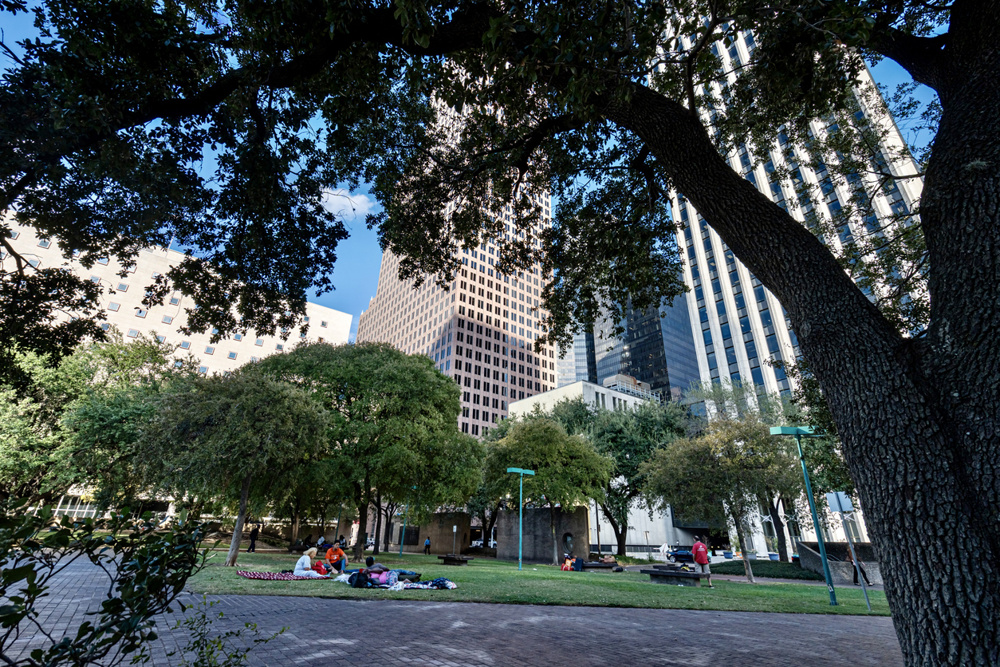
For families, pocket parks can be especially valuable. A small playground or shaded open space nearby gives children a place to play without requiring a long trip.
This matters in apartment-heavy areas, downtown districts, and older neighborhoods where private yards may be small or unavailable. A pocket park can give families a safe and simple outdoor option for everyday use.
The best family-friendly pocket parks usually include clear sightlines, shade, seating for adults, safe walking surfaces, and equipment suited to younger children. They do not need to be large to be helpful.
Quiet Places in Busy Areas
Not every park has to be active. Some pocket parks are designed for quiet.
In downtown areas and commercial districts, a small shaded plaza with benches, trees, and landscaping can offer a pause from traffic, noise, and work. These spaces are useful for office workers, students, visitors, and residents who want a brief outdoor break.
A well-designed pocket park can create a sense of calm even in a busy city. The size is less important than the feeling of comfort, shade, and separation from the street.
Supporting Local Identity
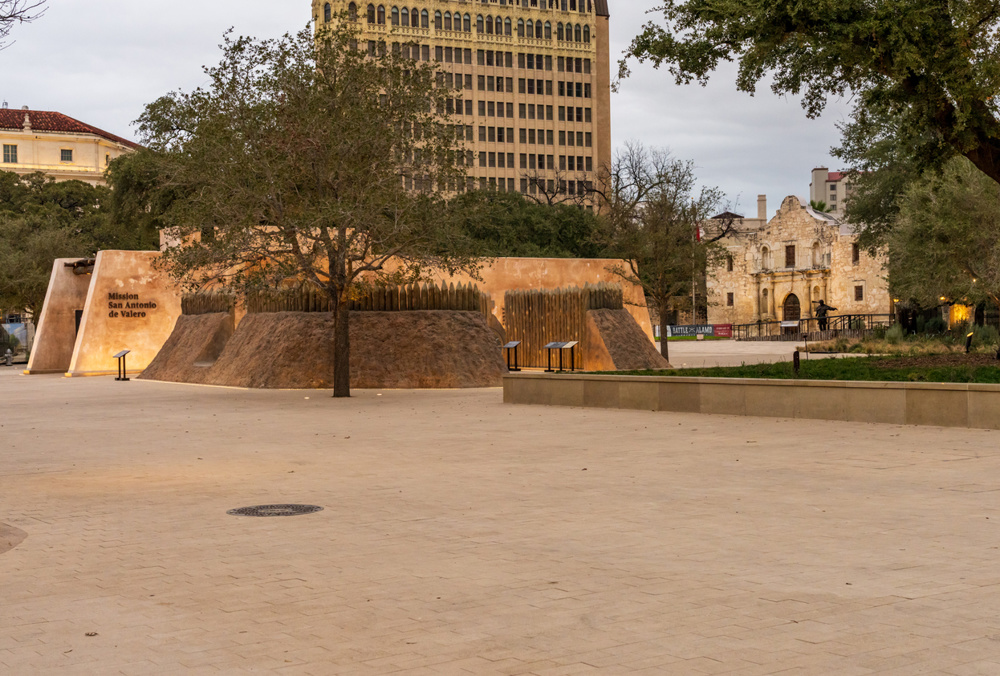
Pocket parks can also reflect the character of a neighborhood. Because they are small, they often have room for local details that might feel lost in a larger park system.
A pocket park might include murals, sculptures, historical markers, native plants, community gardens, or design elements connected to the area’s culture and history. In Texas, this can be especially meaningful because cities often include many different neighborhood identities within one metro area.
A small park can help tell a local story while also serving a practical purpose.
Environmental Benefits
Pocket parks are not just decorative. They can provide environmental benefits, especially when they use thoughtful landscaping.
Native and drought-tolerant plants can support birds, butterflies, bees, and other pollinators. Trees can provide shade and help improve air quality. Planted areas can absorb rainwater and reduce runoff compared with fully paved surfaces.
In cities that experience both drought and heavy storms, smart design matters. Pocket parks that use native plants, rain gardens, permeable surfaces, and efficient irrigation can be both attractive and practical.
Reusing Small and Forgotten Spaces
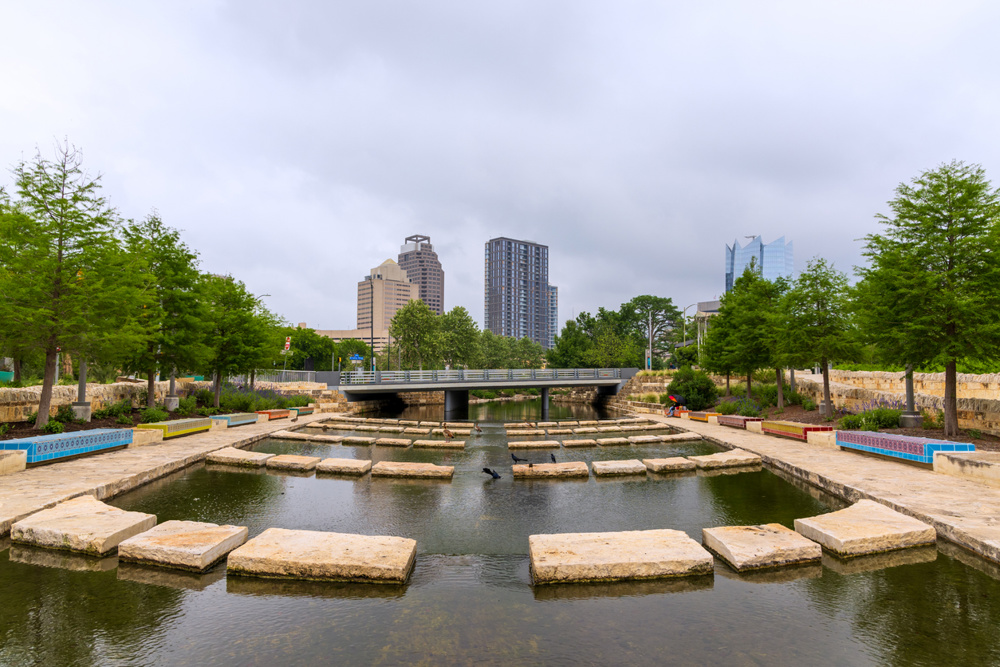
One reason pocket parks are appealing is that they can fit into leftover urban spaces. A vacant lot, unused corner, former parking area, alley edge, or small parcel near a public building can sometimes be turned into a useful park.
This is important in built-out parts of Texas cities, where finding land for large new parks can be expensive and difficult. Pocket parks offer a way to improve public space without needing dozens of acres.
They can also help revitalize areas that feel neglected. A small, well-kept park can make a street feel safer, cleaner, and more cared for.
Design Makes the Difference
A pocket park may be small, but it still needs good planning. Poorly designed spaces can feel empty, uncomfortable, or unsafe. Successful pocket parks are usually easy to see, easy to enter, and comfortable to use.
Important design features include:
- Shade from trees or structures
- Seating that feels comfortable and visible
- Good lighting for safety
- Clear paths and accessible entrances
- Plants suited to the Texas climate
- A purpose that fits the neighborhood
- Regular maintenance
A pocket park should not feel like leftover land with a bench added. It should feel intentional.
Maintenance Is Essential
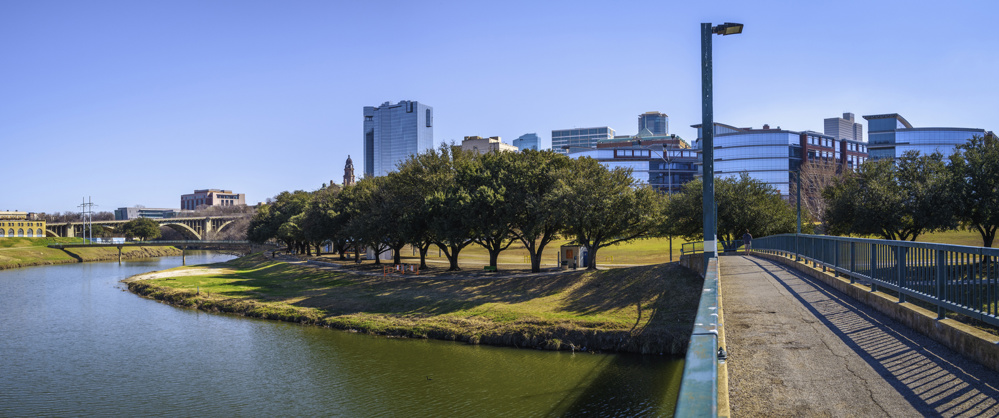
Because pocket parks are small and highly visible, maintenance matters. Litter, broken equipment, dead plants, poor lighting, or damaged seating can quickly make the space feel unwelcoming.
Cities, neighborhood groups, business districts, and developers may all play a role in caring for these parks. In some areas, partnerships help keep pocket parks clean and active.
Maintenance is not just about appearance. It affects safety, comfort, and whether people actually use the space.
Why Texans Are Drawn to Them
The appeal of pocket parks comes from their simplicity. They do not require a long drive, special equipment, or a full afternoon. They are places for ordinary moments: drinking coffee outside, reading under a tree, letting a child climb for a few minutes, meeting a friend, walking a dog, or taking a break from work.
In Texas cities, where daily life can feel spread out and car-centered, pocket parks create small points of connection. They make neighborhoods feel softer, cooler, and more livable.
A Small Park Can Have a Big Effect
Pocket parks will never replace large city parks, nature preserves, greenbelts, or state parks. Those bigger spaces are still essential for recreation, wildlife, and regional access to nature.
But pocket parks serve a different purpose. They bring green space into the daily routine. They make dense areas more comfortable. They give people nearby a place to pause, gather, and enjoy a bit of shade.
In fast-growing Texas cities, that small difference can matter a lot.