
When people visit a Texas state park, they’re often hoping to spot deer, roadrunners, alligators, or maybe even a bobcat. Those larger animals are certainly exciting to see, but they’re only part of the story. Some of the most fascinating wildlife in Texas is much smaller, and once you start paying attention to it, every hike becomes more rewarding.
Tiny lizards dart across sunlit rocks, dragonflies patrol ponds like miniature helicopters, orb-weaver spiders build intricate webs overnight, and colorful butterflies drift through wildflower meadows. Even creatures hiding beneath logs or in shallow streams play important roles in keeping Texas ecosystems healthy. Texas Parks and Wildlife encourages visitors to look beyond the obvious because parks protect an incredible diversity of plants and animals, many of which are easy to overlook.
The next time you’re exploring a trail, slow your pace a little. You may discover that the smallest residents of the park are often the most interesting.
Dragonflies Are Among the Park’s Best Hunters
View this post on Instagram
Few insects are as enjoyable to watch as dragonflies.
You’ll often see them hovering over ponds, creeks, marshes, and even grassy fields before suddenly darting away in pursuit of another insect. Their speed and agility make them some of the most effective aerial predators in the insect world, and both adults and their aquatic young feed on other small animals. Dragonfly nymphs spend months or even years underwater before emerging as the flying adults most visitors recognize.
Dragonflies also help reduce mosquito populations, although mosquitoes make up only part of their diet. They’re especially common during the warmer months at parks such as McKinney Falls, Palmetto, Lake Livingston, Possum Kingdom, and many other parks with ponds, lakes, or slow-moving water.
Tiny Lizards Are Everywhere If You Watch Carefully
View this post on Instagram
Many hikers unknowingly walk past dozens of lizards without noticing them.
Species such as Texas spiny lizards, little brown skinks, whiptails, and green anoles often remain perfectly still until someone gets too close. Then they dash into brush, disappear beneath rocks, or climb tree trunks so quickly they’re gone in seconds.
These reptiles are important insect predators, feeding on ants, beetles, flies, spiders, and many other invertebrates. They also become prey for hawks, snakes, roadrunners, and mammals, making them an important link in the food chain. Even large parks such as Enchanted Rock State Natural Area encourage visitors to watch for lizards basking on warm rock surfaces throughout the year.
Early morning is often one of the best times to spot them as they warm themselves in the sun before becoming more active.
Jumping Spiders Are Surprisingly Curious
View this post on Instagram
Spiders usually aren’t the first animals people get excited about, but jumping spiders often change that opinion.
Unlike web-building spiders, jumping spiders actively stalk their prey using excellent eyesight and quick leaps. Their large forward-facing eyes give them an almost expressive appearance, and many species will actually turn to look at people who approach slowly. The University of Texas notes that jumping spiders have some of the best vision of any arthropod and rely heavily on sight while hunting.
They’re also completely different from the frightening image many people associate with spiders.
Most are small, harmless to people, and surprisingly colorful when viewed up close. If you pause near sunny rocks, wooden railings, or picnic tables, you may notice one quietly watching its surroundings before making an impressive leap toward an unsuspecting insect.
Orb-Weaver Spiders Create Nature’s Architecture
If you arrive early in the morning, you’ll often find one of the park’s overnight construction projects.
Orb-weaver spiders build the familiar circular webs stretched between branches, grasses, fences, and trail-side vegetation. Dew collecting on the silk often makes these webs sparkle in the morning sunlight, revealing intricate designs that can be difficult to see later in the day.
Although their size sometimes surprises visitors, orb-weavers are beneficial predators that capture flies, mosquitoes, moths, and other flying insects. Texas state parks host a remarkable diversity of spiders, with some parks documenting well over 100 species.
Rather than avoiding these webs, take a moment to appreciate the engineering involved. Many orb-weavers rebuild or repair their webs regularly, creating one of the most impressive structures made by any small animal in Texas.
Butterflies Tell You a Lot About the Habitat
View this post on Instagram
Butterflies aren’t just beautiful—they’re excellent indicators of a healthy ecosystem.
Native butterflies depend on native plants throughout their lives. Caterpillars often feed on very specific host plants, while adults visit flowering plants for nectar. Parks with diverse wildflowers usually support far more butterfly species than heavily landscaped areas.
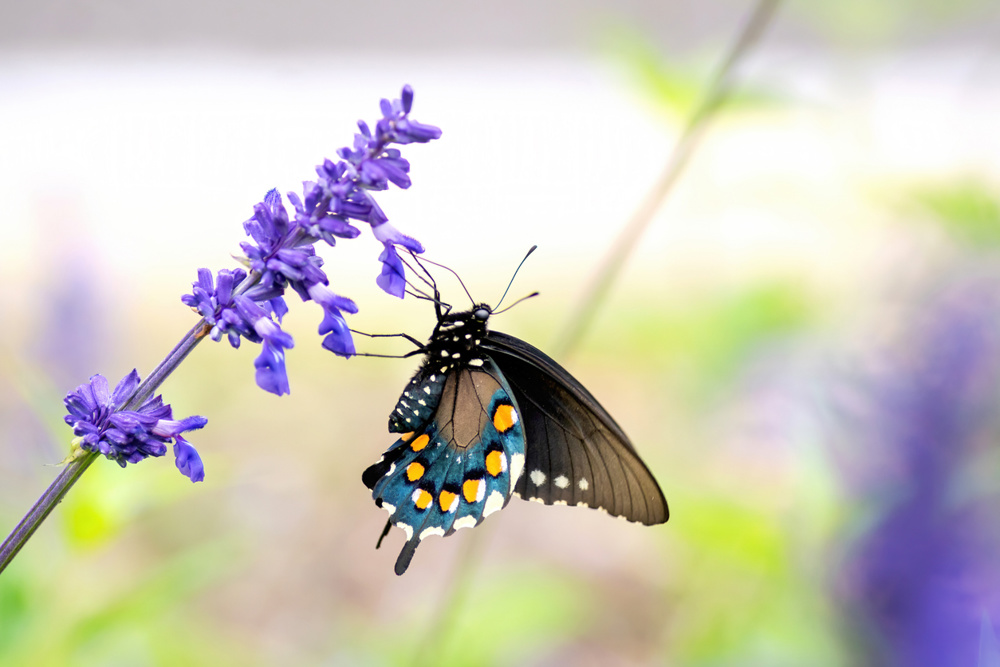
Spring and early summer are especially rewarding times to watch for monarchs, queens, swallowtails, sulphurs, painted ladies, and dozens of other butterflies moving through prairies, forests, and wetlands. Their presence often signals healthy native vegetation and abundant pollinators working throughout the landscape.
Crayfish Keep Streams and Ponds Active
Not all of Texas’s interesting creatures live above ground.
Crayfish spend much of their lives in streams, ponds, wetlands, and even underground burrows. They feed on both plant and animal material, helping recycle nutrients while also serving as food for fish, turtles, herons, raccoons, and many other animals. Burrowing species often create distinctive mud “chimneys” near the edges of ponds or wetlands after rainy periods.
If you’re exploring a creek with clear water, look beneath submerged rocks or fallen branches. You may spot a crayfish backing away with its claws raised in a defensive posture before quickly disappearing into cover.
Tiny Aquatic Life Supports Everything Above It
A pond may appear quiet from the surface, but beneath the water it’s full of activity.
Dragonfly nymphs, damselfly nymphs, diving beetles, water boatmen, backswimmers, fairy shrimp, scuds, and countless other aquatic invertebrates spend their lives underwater. Many of these animals become food for fish, frogs, turtles, wading birds, and dragonflies later in their life cycles.
Without these tiny creatures, many larger animals that visitors come to see wouldn’t have enough food to survive. This hidden world is one reason wetlands, ponds, and shallow streams are among the richest habitats in Texas state parks.
Don’t Ignore the Ants
Ants may seem ordinary, but Texas parks would function very differently without them. They aerate soil through tunneling, disperse seeds for certain native plants, recycle dead insects and organic material, and provide food for animals ranging from horned lizards to birds and spiders. Harvester ants, for example, play an important role in grassland ecosystems by collecting seeds and influencing plant distribution over time.
While it’s best to admire them from a respectful distance—especially around fire ant mounds—watching an active ant colony can reveal an impressive level of organization and teamwork.
Small Creatures Reveal Healthy Ecosystems
One of the easiest ways to judge the health of a park is by noticing its smaller wildlife.
A pond filled with dragonflies usually supports abundant aquatic insects. Native wildflowers attracting butterflies also support bees and other pollinators. Lizards hunting insects suggest healthy food supplies, while spiders help keep insect populations balanced. Together, these creatures create an intricate web of relationships that supports larger wildlife throughout the park.
Scientists often view biodiversity as a sign of ecological health, and small animals make up much of that diversity. When you notice many different insects, reptiles, spiders, amphibians, and aquatic organisms in one area, you’re often looking at a thriving ecosystem.
Slow Down and You’ll See Much More
Many visitors walk through Texas parks focused on reaching a scenic overlook or finishing a hiking trail. There’s nothing wrong with that, but moving quickly often means missing the wildlife that’s closest to your feet.
Stopping for just a few minutes beside a pond, wildflower patch, or rocky outcrop can completely change your experience. Dragonflies begin hunting again, butterflies return to flowers, lizards emerge to bask, and spiders become easier to spot once your eyes adjust to the landscape.
The longer you observe, the more connections you’ll notice between these animals and the habitats they depend on.
The Smallest Wildlife Often Leaves the Biggest Impression
Texas parks are famous for their sweeping landscapes and larger wildlife, but it’s often the smaller creatures that make every visit feel different. They’re active throughout the day, easy to observe with a little patience, and constantly carrying out the work that keeps ecosystems functioning.
The next time you’re hiking a trail or relaxing beside a creek, spend a few extra moments looking closer instead of farther away. You may discover that the most memorable wildlife encounter of the day isn’t a deer crossing the trail—it’s a tiny jumping spider, a brilliant dragonfly, or a lizard no bigger than your hand quietly going about its day.