

Texas reservoirs are often associated with fishing boats, marinas, and water sports. However, many of these man-made lakes also offer hiking trails, wildlife habitats, campgrounds, beaches, picnic areas, and scenic overlooks.
For visitors who prefer to stay on land—or simply want more variety during a lake trip—several Texas reservoirs provide outdoor experiences that go well beyond boating.
Possum Kingdom Lake

Possum Kingdom Lake is known for its clear water and dramatic limestone cliffs, especially around the famous Hell’s Gate formation. The rugged scenery also makes the area appealing to hikers, campers, photographers, and wildlife watchers.
Possum Kingdom State Park offers campsites, picnic areas, swimming access, and short walking trails. Visitors may spot white-tailed deer, wild turkeys, armadillos, and a variety of birds.
The rocky shoreline and elevated viewpoints give the reservoir a different appearance from many flatter Texas lakes. Sunsets are especially impressive when the light reflects off the cliffs and open water.
Lake Mineral Wells

Lake Mineral Wells combines reservoir recreation with some of the best-known rock formations in North Texas. Lake Mineral Wells State Park and Trailway attracts hikers, mountain bikers, campers, and rock climbers.
Penitentiary Hollow is one of the park’s main attractions. Its sandstone formations create narrow passages, rocky ledges, and shaded spaces that feel very different from the surrounding prairie.
The park also has trails through woodlands and open grasslands. Visitors can swim, camp, watch birds, or explore the long trailway that follows a former railroad route.
Lake Whitney
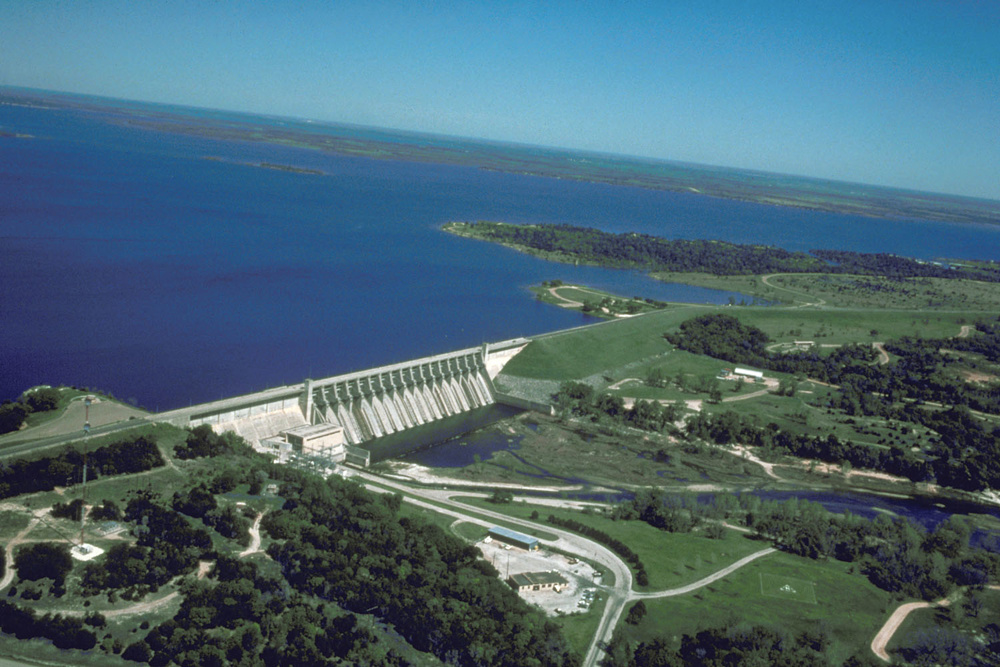
Lake Whitney is surrounded by limestone bluffs, wooded areas, and open prairie. Lake Whitney State Park provides easy access to the reservoir while offering plenty of activities away from boats.
Hiking trails pass through grasslands and areas filled with native plants. Spring visitors may see bluebonnets and other Texas wildflowers. The park is also a good place for birdwatching because the lake attracts waterfowl, shorebirds, and birds of prey.
Camping is available close to the water, and designated swimming areas provide a simple way to enjoy the reservoir without needing a boat.
Inks Lake
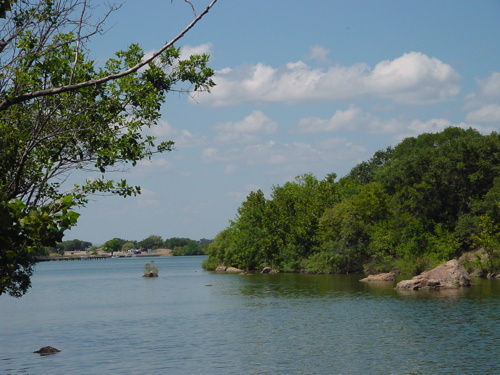
Inks Lake stands out because of its pink granite outcrops, rocky shorelines, and relatively constant water level. These features make Inks Lake State Park popular with hikers, swimmers, campers, and landscape photographers.
One of the park’s most recognizable areas is Devil’s Waterhole, where steep rock formations surround a narrow section of the lake. Visitors can explore nearby trails, relax along the shore, or observe native plants growing between the granite formations.
The park also offers opportunities to see deer, squirrels, birds, and other Hill Country wildlife. Because the water level usually remains stable, the shoreline often stays accessible even when other Texas lakes experience major changes.
Canyon Lake
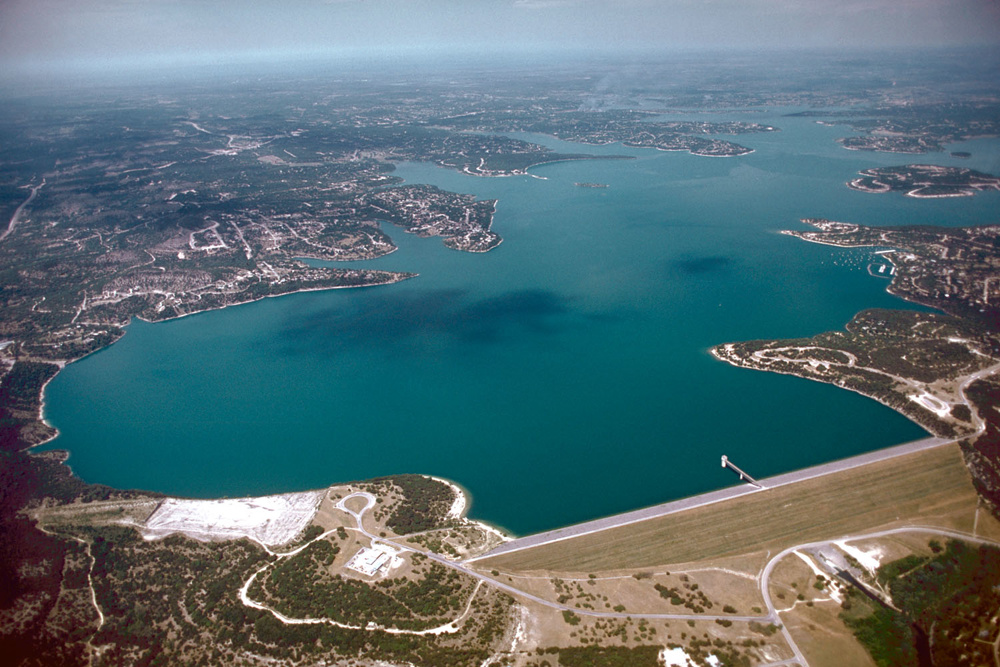
Canyon Lake is surrounded by limestone hills, cedar-covered slopes, and sections of preserved natural land. The area offers hiking, camping, swimming, and wildlife viewing in addition to its well-known water activities.
The Canyon Lake Gorge is one of the most unusual nearby attractions. Floodwaters exposed ancient limestone layers, fossils, and dinosaur tracks, creating an outdoor geological classroom. Access is generally provided through guided tours.
Several parks around the reservoir include walking paths, picnic areas, beaches, and campsites. The nearby Guadalupe River also adds opportunities for riverside hiking and nature observation.
Lake Meredith

Lake Meredith sits within the Canadian River region of the Texas Panhandle. Its setting includes steep canyon walls, open grasslands, rocky coves, and wide views that are very different from the wooded reservoirs of East Texas.
Lake Meredith National Recreation Area offers hiking, camping, hunting, birdwatching, and stargazing. The surrounding landscape supports wildlife such as mule deer, coyotes, wild turkeys, and prairie animals.
The region’s open skies make it especially attractive after sunset. With fewer large cities nearby, visitors may experience clear views of stars, planets, and seasonal meteor showers.
Toledo Bend Reservoir

Toledo Bend Reservoir stretches along the Texas-Louisiana border and is surrounded by pine forests. While it is widely known for fishing, its wooded shoreline also attracts campers, hikers, birdwatchers, and nature photographers.
Sabine National Forest borders large portions of the Texas side. Visitors can explore forest roads, hiking areas, campgrounds, and wildlife habitats near the reservoir.
The combination of deep woods and open water creates good conditions for observing bald eagles, woodpeckers, waterfowl, and other birds. The area is particularly appealing to travelers looking for a quiet forest setting.
Lake Tawakoni

Lake Tawakoni is a convenient outdoor destination east of the Dallas-Fort Worth area. Lake Tawakoni State Park includes several miles of shoreline, wooded trails, campsites, and open spaces for picnicking.
The park contains oak forests and patches of native prairie. Birdwatchers may see herons, egrets, hawks, and migratory waterfowl, depending on the season.
Lake Tawakoni has also become known for occasional large spiderweb formations created by groups of spiders working across trees and shrubs. These natural events are temporary, but they demonstrate the variety of wildlife found around the reservoir.
Martin Dies Jr. Reservoir

Martin Dies Jr. State Park lies near the meeting point of the Angelina and Neches rivers in East Texas. Its wetlands, cypress trees, sloughs, and forested shorelines create a setting that feels more like a swamp or slow-moving river system than a typical open reservoir.
The park offers hiking trails, camping, birdwatching, and nature programs. Visitors may encounter turtles, deer, alligators, and numerous bird species.
Boardwalks and shoreline paths provide opportunities to explore wetland habitats without entering the water. Early mornings are often especially peaceful, with mist rising above the trees and quiet coves.
Choke Canyon Reservoir

Choke Canyon Reservoir is one of South Texas’s best destinations for wildlife observation. Choke Canyon State Park includes grasslands, brush country, wetlands, and shoreline habitats.
The park is home to white-tailed deer, javelinas, wild turkeys, alligators, and many bird species. Because South Texas lies along important migration routes, birdwatching can be rewarding throughout much of the year.
Visitors can also camp, hike, picnic, and photograph the reservoir’s broad landscapes. Sunrise and sunset often provide the best conditions for seeing wildlife near the shoreline.
More Than a Place to Launch a Boat
Texas reservoirs support much more than boating and fishing. They protect wildlife habitat, preserve geological features, provide camping areas, and give visitors access to forests, canyons, wetlands, and open prairie.
The best reservoir for a land-based trip depends on the experience you want. Inks Lake and Lake Mineral Wells offer unusual rock formations. Lake Meredith provides canyon scenery and dark skies. Toledo Bend and Martin Dies Jr. are ideal for forest and wetland environments, while Choke Canyon is especially strong for wildlife watching.
By looking beyond the marina, visitors can discover that many Texas reservoirs are complete outdoor destinations with something to offer in every season.