

Texas offers a wide range of places to kayak, from spring-fed rivers and quiet lakes to coastal bays and cypress-lined wetlands. However, not every body of water provides the same experience.
A good kayaking destination combines suitable water conditions, safe access, interesting scenery, and a route that matches the paddler’s skill level. Knowing what to look for can make a trip more enjoyable and help prevent common problems.
Reliable Water Conditions
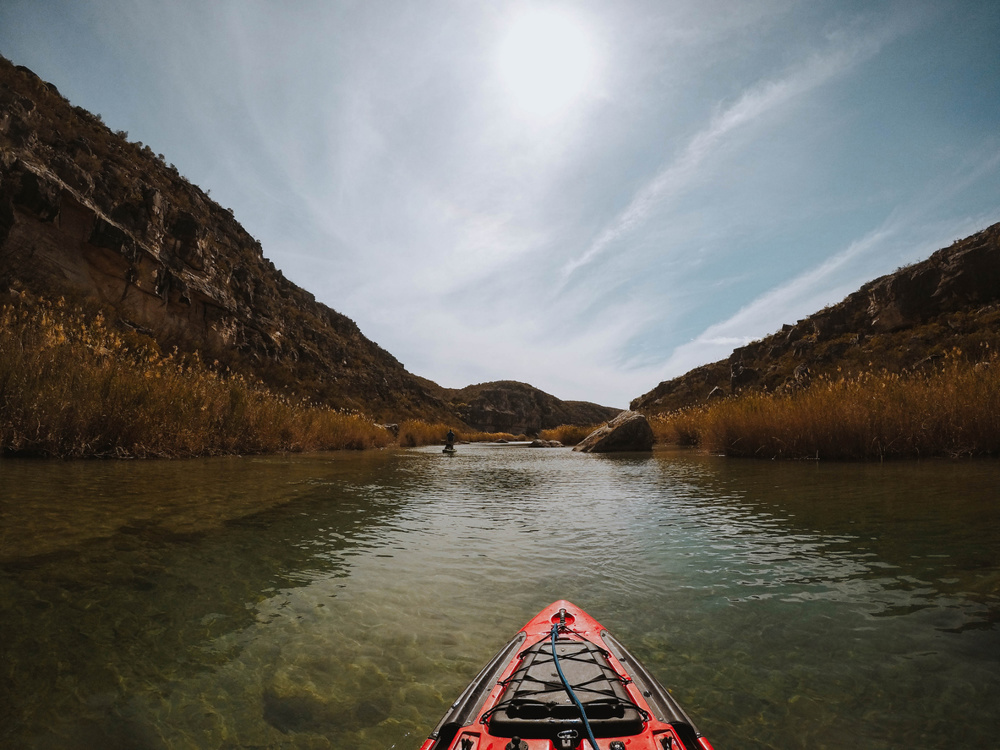
Water level is one of the most important factors in choosing a kayaking destination.
Some Texas rivers depend heavily on rainfall. During dry periods, sections may become too shallow to paddle. After major storms, the same waterways can become fast, muddy, and dangerous.
Spring-fed rivers often provide more dependable conditions because their flow remains relatively steady throughout the year. Lakes and reservoirs can also be reliable, although strong winds may create rough water.
Before leaving, paddlers should check:
- Current water levels and flow rates
- Recent rainfall
- Flood warnings
- Wind speed and direction
- Local closure notices
Even a familiar route can change quickly after severe weather.
Easy and Legal Water Access
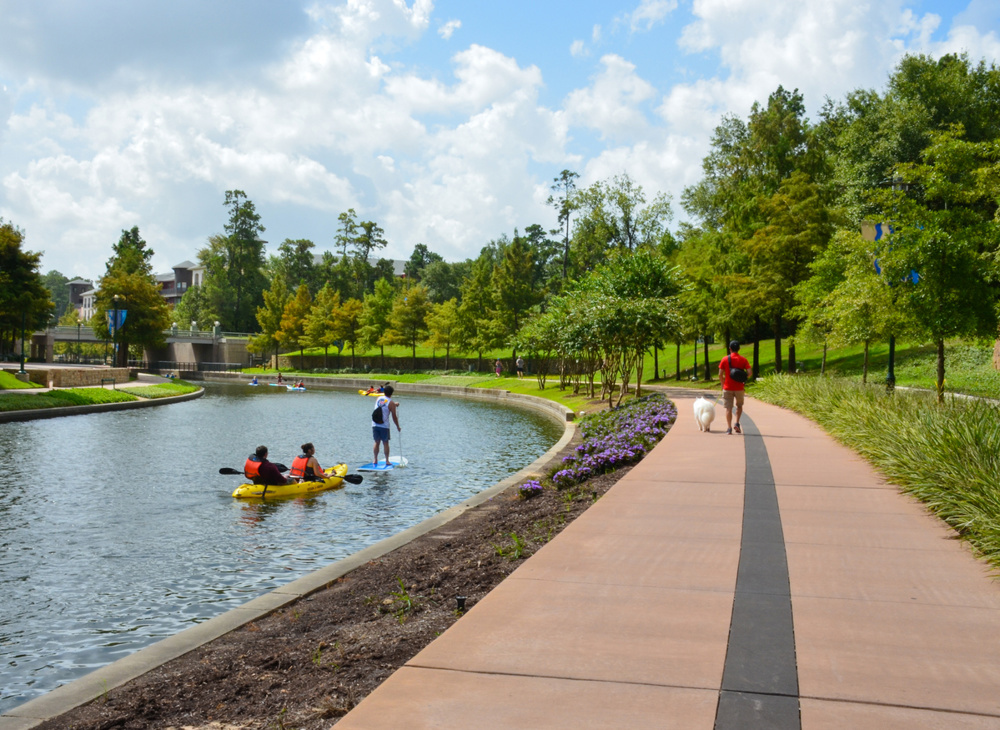
A good destination needs safe places to enter and leave the water.
Public boat ramps, designated paddling launches, and riverside parks usually provide the easiest access. These locations may also have parking, restrooms, maps, and nearby emergency services.
Paddlers should avoid crossing private land without permission. In Texas, river access rules can be complicated, especially where public waterways pass between privately owned properties. Using clearly marked public access points helps prevent conflicts.
For one-way river trips, the launch and takeout points should be planned before the trip begins. Transportation between the two locations may also need to be arranged.
A Route That Matches the Paddler’s Ability
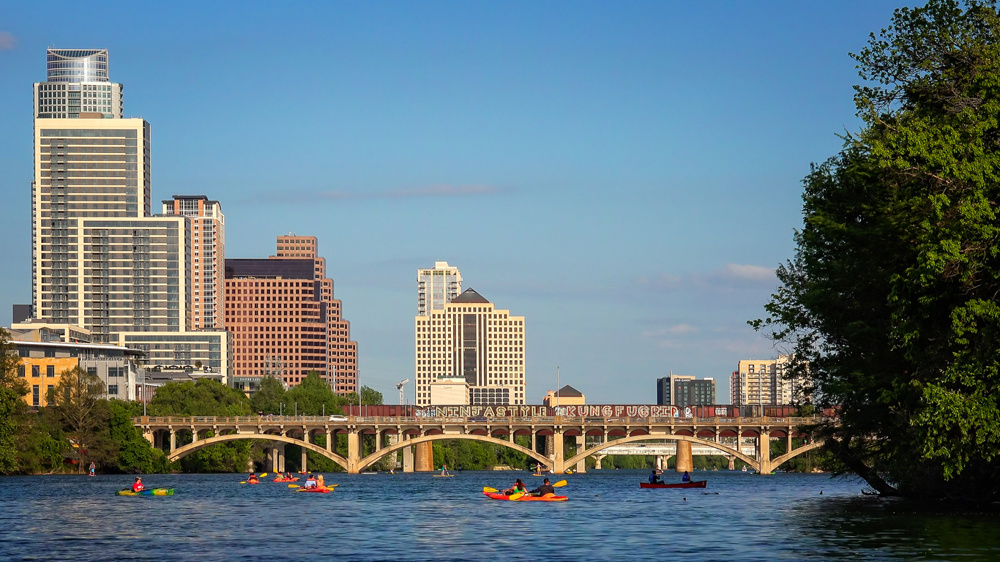
A good kayaking destination is not necessarily the most challenging one. The best route is one that suits the paddler’s experience, fitness, and equipment.
Beginners often do best on calm lakes, slow-moving rivers, and protected bays. These areas allow paddlers to practice steering, stopping, and balancing without dealing with strong currents.
More experienced kayakers may look for longer routes, mild rapids, coastal crossings, or areas with changing tides. However, advanced conditions require better preparation and stronger rescue skills.
Route length also matters. A six-mile river paddle may feel much longer when paddling against the wind or navigating around fallen trees.
Attractive Natural Scenery
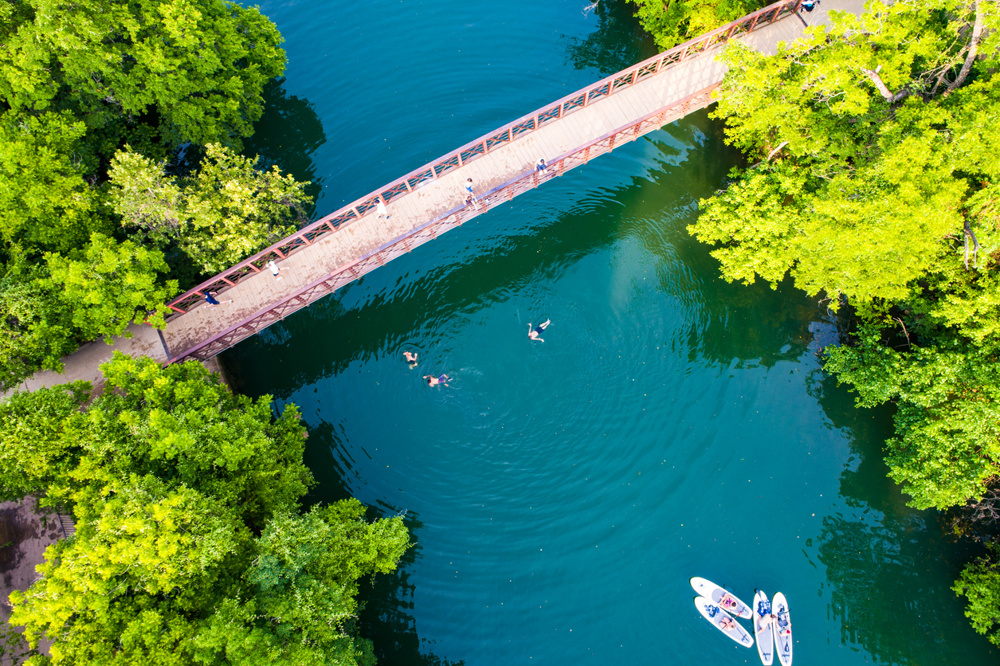
Scenery is a major reason people choose to kayak in Texas.
Some routes pass beneath limestone cliffs or through clear Hill Country rivers. Others lead through East Texas forests, coastal marshes, or open reservoirs surrounded by wide views.
A visually interesting route may include:
- Rock formations
- Cypress trees
- Sandbars
- Springs
- Wetlands
- Waterfalls or small rapids
- Undeveloped shoreline
Natural surroundings can make even a short trip feel memorable. Destinations with limited motorboat traffic often provide a quieter experience.
Wildlife Viewing Opportunities
Kayaks allow paddlers to move quietly through habitats that may be difficult to explore from land.
Depending on the location, paddlers may see turtles, herons, egrets, kingfishers, deer, fish, and other wildlife. Coastal routes may also offer views of dolphins, pelicans, and shorebirds.
Wildlife should be observed from a respectful distance. Paddlers should avoid approaching nests, feeding animals, or entering areas closed for habitat protection.
In some regions, alligators may be present. They usually avoid people, but paddlers should remain alert, avoid feeding them, and keep away from the shoreline during nesting season.
Protection From Heavy Boat Traffic
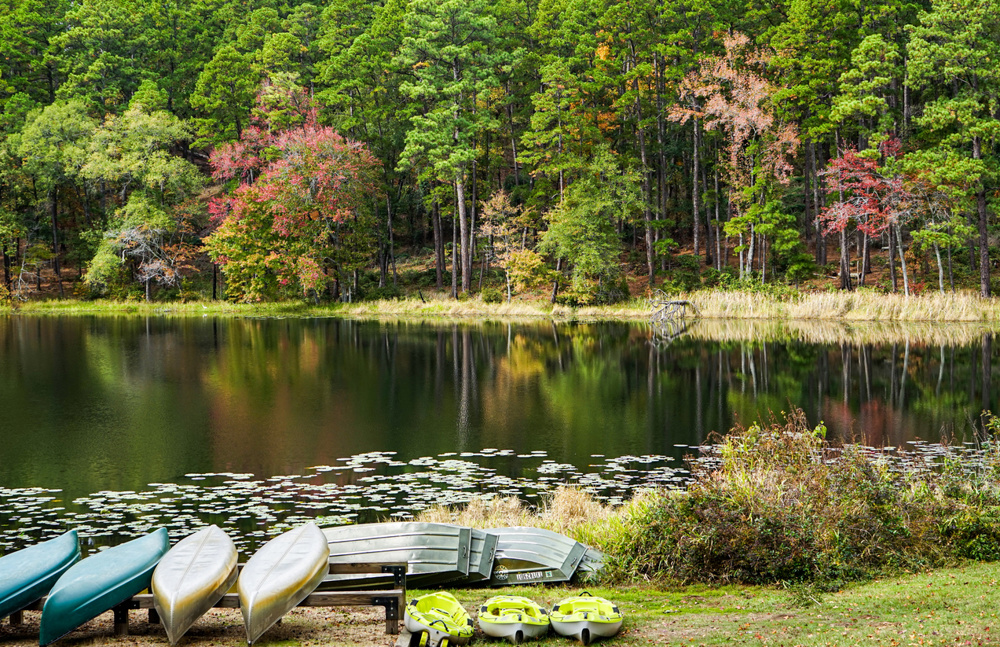
Motorboats can create wakes, noise, and safety risks for kayakers.
Good paddling areas often have no-wake zones, narrow waterways, shallow sections, or designated paddling trails that limit high-speed boat traffic. Protected coves and smaller lakes can also provide calmer conditions.
On shared waterways, kayakers should remain visible and stay aware of nearby boats. Bright clothing, reflective equipment, and a safety flag can help other water users notice a low-profile kayak.
Helpful Facilities and Services
Facilities are not required for a good kayaking trip, but they can make the experience easier.
Useful features may include:
- Secure parking
- Restrooms
- Drinking water
- Picnic areas
- Campsites
- Kayak rentals
- Shuttle services
- Maps and route markers
Rental and shuttle services are especially helpful for visitors who do not own equipment or who are planning a one-way river trip.
Remote routes can still be excellent destinations, but paddlers need to carry more supplies and prepare for limited phone service.
Reasonable Weather Exposure
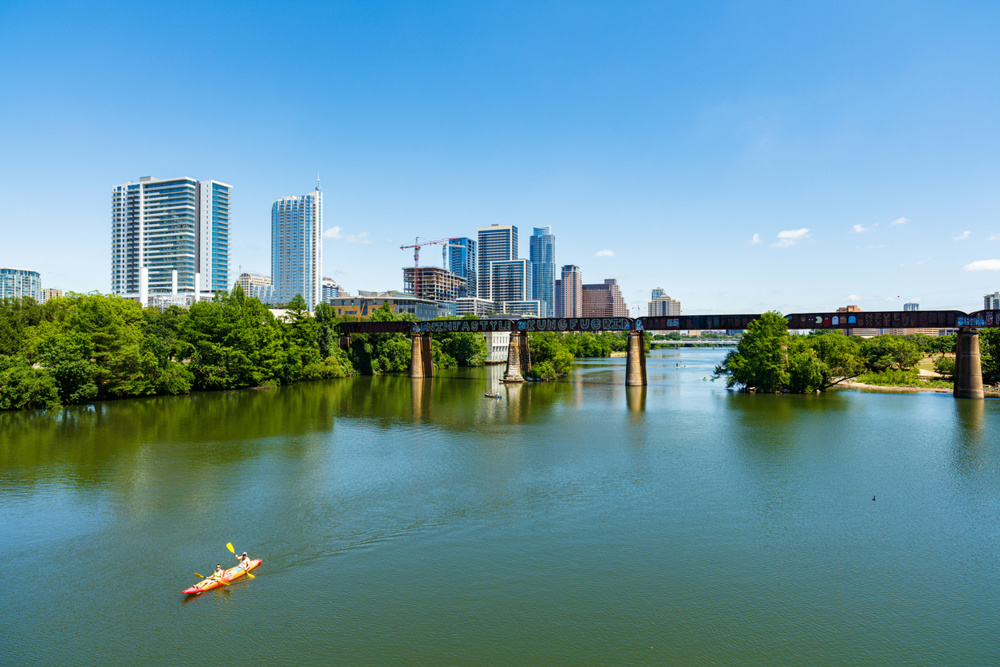
Texas weather can create serious challenges for paddlers.
Summer heat increases the risk of dehydration, sunburn, and heat exhaustion. Open lakes and coastal areas may offer little shade. Thunderstorms can also develop quickly and bring lightning, high winds, and rough water.
Good destinations often provide shaded shorelines, places to stop, and routes that can be completed before the hottest part of the day.
Spring and fall usually offer milder temperatures, although weather conditions can still change rapidly.
Safe Places to Stop
Rest areas can improve both comfort and safety.
Sandbars, parks, islands, and designated shoreline areas allow paddlers to stretch, eat, check equipment, or wait for bad weather to pass. These stops are especially useful on longer routes.
Paddlers should confirm that stopping areas are public or officially permitted. A sandy bank may look accessible but could be part of private property.
Clear Route Information
Well-marked paddling trails make it easier to estimate distance, identify hazards, and locate exit points.
Maps should show launch sites, takeout locations, route length, portages, rapids, dams, and nearby roads. Coastal routes may also require information about tides and channels.
Local outfitters, park offices, river authorities, and paddling organizations can provide useful updates. Older online descriptions may not reflect recent storm damage, fallen trees, or access changes.
A Strong Safety Plan
Even calm water requires preparation.
Every paddler should wear a properly fitted personal flotation device. A whistle, drinking water, sun protection, basic first-aid supplies, and a waterproof phone case are also important.
For remote trips, paddlers should tell someone where they are going and when they expect to return. Traveling with another person adds an extra level of safety.
A destination becomes less suitable when conditions exceed the paddler’s abilities, even if the location is popular or highly recommended.
Choosing the Right Texas Kayaking Destination
A good Texas kayaking destination offers more than attractive water. It should have dependable conditions, safe access, manageable routes, and enough information for paddlers to prepare properly.
The best destination will depend on the type of experience someone wants. A beginner may prefer a calm reservoir, while a wildlife photographer may choose a quiet wetland. A more experienced paddler may look for a longer river route or a coastal trail.
By checking access, weather, water flow, distance, and local hazards, paddlers can choose routes that are both enjoyable and appropriate for their skill level.