

Wetlands don’t always get the attention they deserve. They may look like shallow marshes, muddy swamps, or flooded patches of land, but they’re among the most important ecosystems in Texas. From coastal marshes along the Gulf to cypress swamps in East Texas and playa lakes in the Panhandle, wetlands quietly support wildlife, improve water quality, and help protect communities from flooding.
Texas contains millions of acres of wetlands, despite its reputation as a dry state. These wetlands include freshwater marshes, bottomland hardwood forests, riparian wetlands, playa lakes, and saltwater or brackish marshes along the coast. Each type supports different plants and animals, but they all perform vital ecological functions that benefit both wildlife and people.
Whether you’re a birder, angler, paddler, or simply someone who enjoys exploring the outdoors, understanding wetlands helps explain why they’re among the most valuable landscapes in Texas.
What Exactly Is a Wetland?
View this post on Instagram
A wetland is an area where water is present long enough to shape the soil and the plants that grow there.
Some wetlands remain flooded throughout the year, while others only fill during rainy seasons or after rivers overflow. Even wetlands that appear dry for part of the year still perform important ecological functions once water returns. They’re identified not only by standing water but also by their unique soils and vegetation that have adapted to wet conditions.
Texas has remarkable wetland diversity because of its size and geography. Coastal marshes border the Gulf of Mexico, cypress swamps thrive in East Texas, riparian wetlands line rivers across the state, and seasonal playa lakes provide essential habitat on the High Plains.
Although these habitats differ greatly, they all share one thing in common: they support an extraordinary amount of life.
Wetlands Are Some of Texas’s Richest Wildlife Habitats
Wetlands are often described as some of the most productive ecosystems on Earth, rivaling rainforests and coral reefs in biological productivity.
The combination of shallow water, sunlight, nutrients, and abundant plant growth creates ideal conditions for insects, crustaceans, amphibians, fish, reptiles, birds, and mammals. Tiny aquatic organisms feed small fish and insects, which in turn become food for larger fish, wading birds, turtles, snakes, alligators, and mammals. The result is a complex food web that supports wildlife at every level.
Because wetlands produce such abundant food, animals often gather there even if they spend much of their lives elsewhere.
Why Birds Depend on Texas Wetlands
View this post on Instagram
Texas sits along the Central Flyway, one of North America’s major bird migration routes.
Every spring and fall, millions of birds travel through the state, and wetlands provide critical places to rest, feed, and regain energy before continuing their journeys. Without these stopover habitats, many migratory birds would struggle to complete migrations that can span thousands of miles.
Year-round residents depend on wetlands as well.
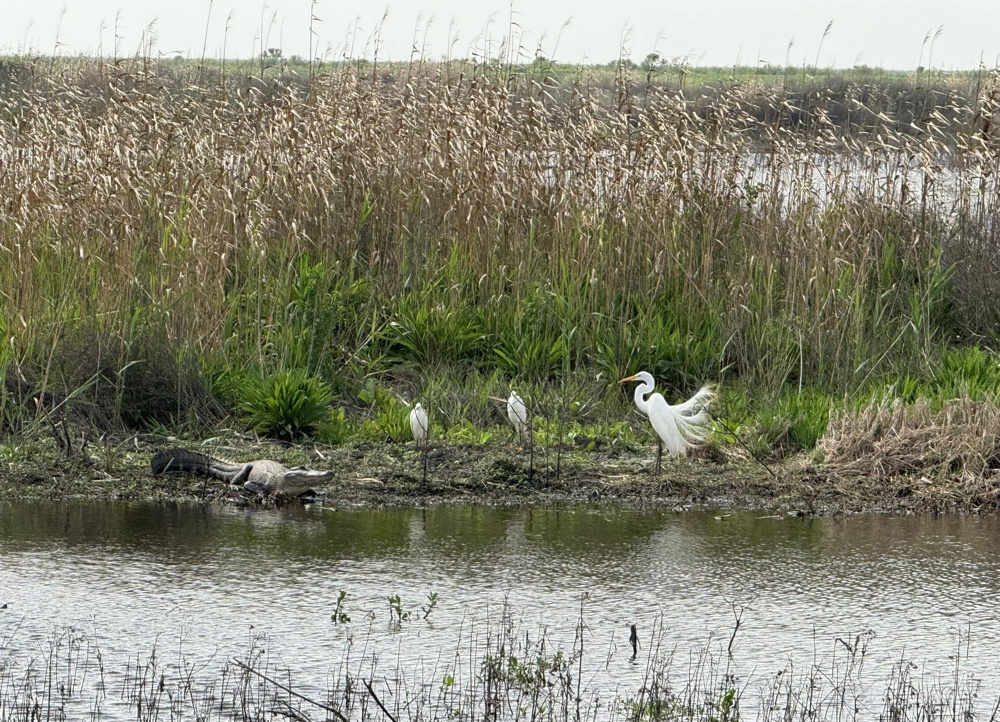
Great Blue Herons stalk fish in shallow water, Roseate Spoonbills sweep their bills through marshes searching for small aquatic animals, while egrets, ibises, ducks, rails, kingfishers, and countless shorebirds rely on healthy wetlands for food and nesting habitat. Bottomland hardwood forests also provide nesting sites for wood ducks, owls, and many songbirds.
For birdwatchers, wetlands consistently rank among the most rewarding places to visit because they’re capable of supporting dozens of species in a relatively small area.
Wetlands Function as Nurseries for Fish
Healthy fisheries begin long before fish reach lakes or the Gulf. Many freshwater fish spawn in wetlands, while coastal marshes serve as nursery habitat for juvenile fish, shrimp, and blue crabs. The calm, shallow water offers protection from larger predators while providing an abundance of food during the earliest stages of life.
Along the Texas coast, this nursery function is especially important. Species that eventually support commercial and recreational fishing spend part of their life cycles within coastal marshes before moving into larger bays and Gulf waters. Without healthy wetlands, far fewer young fish would survive to adulthood, affecting both ecosystems and Texas’s fishing economy.
Even inland wetlands contribute by supporting baitfish, amphibians, aquatic insects, and other organisms that sustain freshwater food webs.
Natural Flood Protection You Can’t Easily Replace
One of the most valuable services wetlands provide happens during heavy rain.
Instead of allowing rainfall to rush immediately into rivers and streams, wetlands temporarily store and slow floodwater. As water spreads across these low-lying areas, flood peaks become less severe downstream, helping reduce erosion and lowering flood risk for nearby communities. This process is often described as floodflow alteration.
Texas Parks and Wildlife compares wetlands to natural storage areas that hold excess water before gradually releasing it.
This function becomes especially important during major storms, when rivers overflow their banks or intense rainfall produces rapid runoff. While wetlands cannot prevent every flood, they help reduce flood intensity by giving water somewhere to go besides roads, neighborhoods, and businesses.
Protecting wetlands is often far more effective than trying to recreate their flood-control benefits after they’ve been lost.
Wetlands Help Improve Water Quality
Wetlands don’t just store water—they also help clean it. As runoff moves slowly through wetland vegetation, sediments settle to the bottom instead of continuing downstream. Wetland plants and microorganisms also absorb excess nutrients and help break down certain pollutants before they reach rivers, lakes, bays, and estuaries.
This natural filtering process benefits both wildlife and people. Cleaner water supports healthier fish populations, reduces sediment entering reservoirs, and improves downstream habitats. In some places, constructed wetlands are even used to help treat wastewater because of these natural filtration abilities.
Wetlands Support More Than Birds and Fish
View this post on Instagram
Although birds and fish receive much of the attention, countless other species rely on wetlands.
American alligators inhabit coastal marshes and freshwater wetlands in East Texas. River otters hunt fish and crayfish along wetland waterways, while frogs, salamanders, turtles, snakes, dragonflies, butterflies, and native bees all depend on wetland habitats during some portion of their lives.
Mammals such as white-tailed deer, raccoons, bobcats, and coyotes also visit wetlands regularly because they provide dependable water and abundant prey. The diversity found in these habitats makes wetlands some of the best destinations in Texas for wildlife watching and nature photography.
Some of the Best Places to Experience Texas Wetlands
View this post on Instagram
Texas offers excellent opportunities to explore wetlands firsthand.
Brazos Bend State Park is famous for its lakes, marshes, wading birds, and American alligators. Caddo Lake State Park protects one of the state’s most distinctive wetland landscapes, where bald cypress trees draped in Spanish moss rise from slow-moving bayous. The area’s flooded forests support turtles, river otters, wood ducks, herons, and a remarkable diversity of fish and amphibians.
Along the Gulf Coast, Aransas National Wildlife Refuge and Anahuac National Wildlife Refuge provide internationally important habitat for migratory birds, waterfowl, and coastal wildlife. Padre Island National Seashore also protects coastal wetlands that support fish, shorebirds, and many species of marsh wildlife.
These destinations allow visitors to experience firsthand why wetlands rank among Texas’s richest ecosystems.
Why Wetlands Face Ongoing Threats
Despite their importance, wetlands have declined significantly over the past century.
Historically, many wetlands were drained or filled for agriculture, housing, industry, and transportation projects because they were mistakenly viewed as unproductive land. Today they’re recognized as valuable ecosystems that provide benefits far beyond their boundaries, including wildlife habitat, cleaner water, flood protection, recreation, and economic value.
Development, altered river flows, invasive species, pollution, and climate-related changes continue to affect wetlands across Texas. Conservation efforts by Texas Parks and Wildlife, the U.S. Fish and Wildlife Service, conservation organizations, and local communities help protect remaining wetlands while restoring degraded habitats where possible.
Why Every Texan Benefits from Healthy Wetlands
You don’t have to be a birder or angler to benefit from wetlands.
The same marsh that shelters migrating ducks also slows floodwater before it reaches downstream neighborhoods. The wetland supporting juvenile fish also helps improve water quality, while the habitat attracting herons and spoonbills creates opportunities for outdoor recreation, tourism, photography, paddling, and environmental education.
These benefits extend well beyond the wetland itself, making healthy wetlands an investment in both ecological health and community resilience.
More Than Just Marshes
It’s easy to overlook wetlands because they often appear quiet compared to mountains, canyons, or forests. Yet beneath the surface, they’re constantly at work—raising young fish, feeding migratory birds, filtering water, storing floodwaters, and supporting an extraordinary variety of wildlife.
For anyone who enjoys exploring Texas outdoors, wetlands are among the state’s most rewarding places to visit. They offer exceptional birdwatching, productive fishing, beautiful paddling routes, and some of the richest wildlife habitats in the state.
More importantly, they remind us that some of Texas’s most valuable landscapes aren’t always the most dramatic. Sometimes the places doing the hardest work are the shallow marshes, flooded forests, and winding bayous quietly keeping nature—and nearby communities—healthy year after year.