
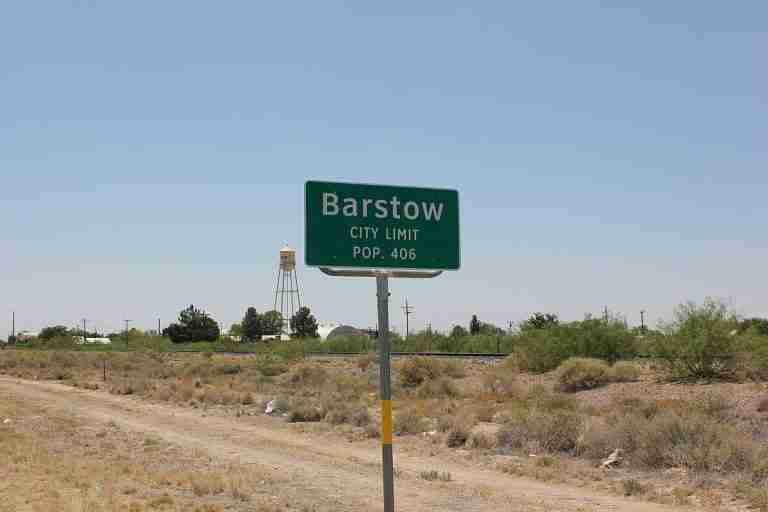
Barstow, located in Ward County in far West Texas, was founded in 1892 and named after George Eames Barstow, an irrigation pioneer from Rhode Island. Drawn by the agricultural potential of the Pecos River valley, Barstow promoted the idea that water from the river could transform the arid landscape into fertile farmland. His vision led to the construction of canals and irrigation systems that supported vineyards, orchards, and gardens.
Barstow’s early success earned national attention. In 1904, the town won a silver medal for its grapes at the St. Louis World’s Fair, symbolizing the promise of irrigation agriculture in the desert. The community quickly became a hub for settlers attracted to this new agricultural frontier.
The Collapse of Irrigation Agriculture
The prosperity was short-lived. In 1904, an earthen dam on the Pecos River burst after heavy rains, flooding the farmland and increasing soil salinity. The disaster ruined many crops and made irrigation difficult to sustain. Droughts followed, and by 1918, large-scale farming had virtually ceased. The population, once hopeful and growing, began to decline as families left in search of better opportunities.
County Seat and Civic Life
Despite economic struggles, Barstow remained the county seat of Ward County for decades. A red sandstone courthouse was completed in 1893, serving as the centerpiece of local government. However, as oil discoveries in nearby Monahans drew business and population growth, residents voted in 1938 to move the county seat there. The courthouse in Barstow was eventually razed, leaving only its cornerstone as a reminder of its past civic importance.
Architectural Heritage and Preservation
Several historic structures from Barstow’s early days still stand. The Ward County Bank building, constructed in 1901, remains one of the most prominent reminders of the town’s turn-of-the-century optimism. The building reflects the prosperity that irrigation and agriculture once brought to this corner of West Texas.
Barstow also holds the distinction of being the final resting place of its founder, George E. Barstow. Few Texas towns can claim to have their namesake buried within their borders, giving the community a rare personal connection to its origins.
Life in Modern Barstow
By the 2020 census, Barstow’s population stood at 265, with most residents identifying as Hispanic or Latino. The town is part of the Pecos-Barstow-Toyah Independent School District, and while much smaller than in its early days, it continues to maintain a sense of local identity.
Though not officially a ghost town, Barstow is often described as a “living ghost town.” Many original buildings stand vacant, and the quiet streets contrast sharply with the ambition that once defined the settlement. Yet for those who stop to visit, Barstow offers a glimpse into a fascinating chapter of Texas history—one built on vision, water, and perseverance in the desert.
Photos:
Map:
Sorry, no records were found. Please adjust your search criteria and try again.
Sorry, unable to load the Maps API.
Ward County
Texas
79719
United States
Yes
- Exploring historical structures
- Photography of the ghost town landscape
- Picnicking in open areas
- Open spaces for visitors
- Historical markers
- Parks and recreational areas nearby
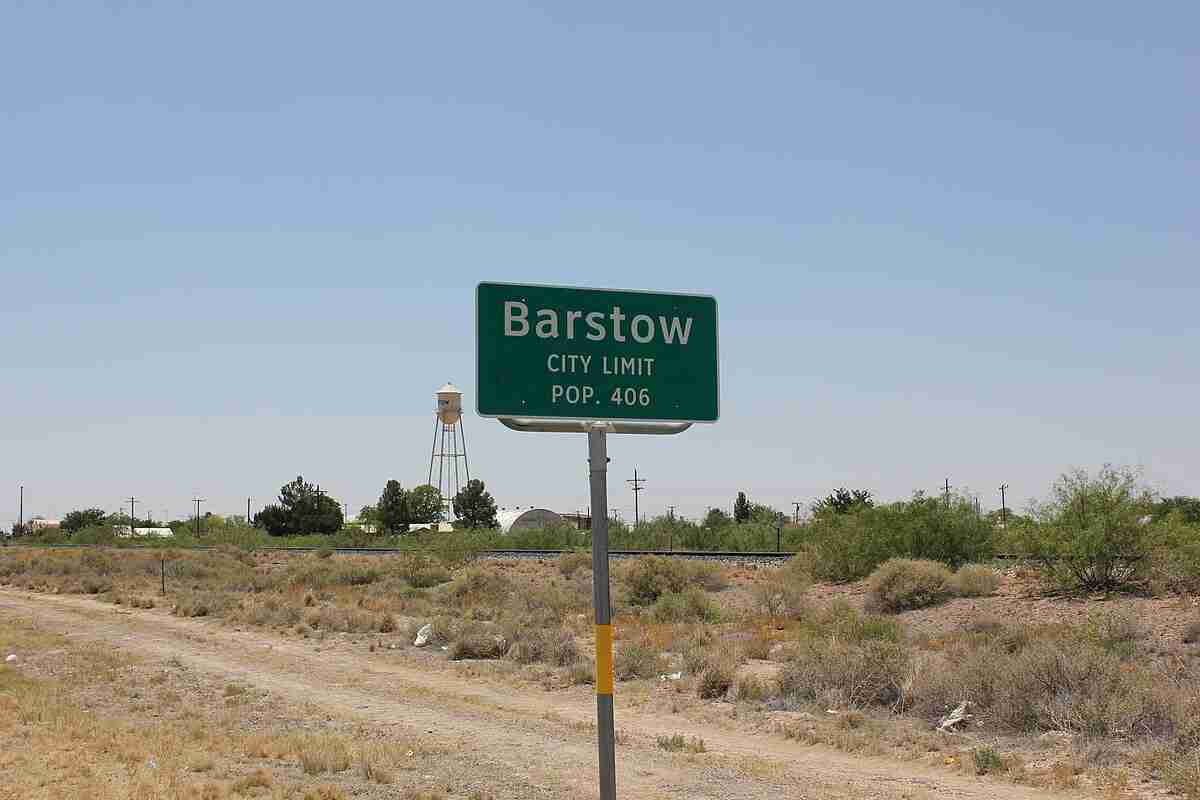
Nicolas Henderson from Coppell, Texas, Barstow, Texas, CC BY 2.0