

North Texas might not be the first place people think of when they picture bouldering. There are no towering granite domes or famous desert crags. Still, the region has quietly built a solid mix of outdoor bouldering areas and well-designed indoor gyms that make the sport approachable for beginners and rewarding for experienced climbers.
What makes North Texas especially appealing is accessibility. Many spots sit within short drives of major cities like Dallas, Fort Worth, Denton, and Plano. Some locations work well for a quick after-work session, while others feel like a proper day trip without needing serious travel planning.
This guide focuses on bouldering spots that are realistic for most people. That includes easy access, manageable approaches, clear parking options, and nearby amenities. The goal is simple. Help you find places where you can climb, learn, and enjoy the experience without unnecessary hurdles.
Why Bouldering Works Well in North Texas
Bouldering fits North Texas lifestyles surprisingly well. The sport requires minimal gear, short time commitments, and flexible schedules. That pairs nicely with busy urban living and unpredictable weather.
Another factor is terrain. North Texas is known for limestone rather than granite. Limestone offers different movement styles that emphasize body positioning, balance, and technical footwork. It may not look dramatic from a distance, but it rewards thoughtful climbing.
The region also benefits from a strong indoor climbing culture. Several gyms invest heavily in route setting, community events, and beginner-friendly instruction. For many climbers, gyms act as a training ground before heading outside.
Cleburne State Park
Near Fort Worth
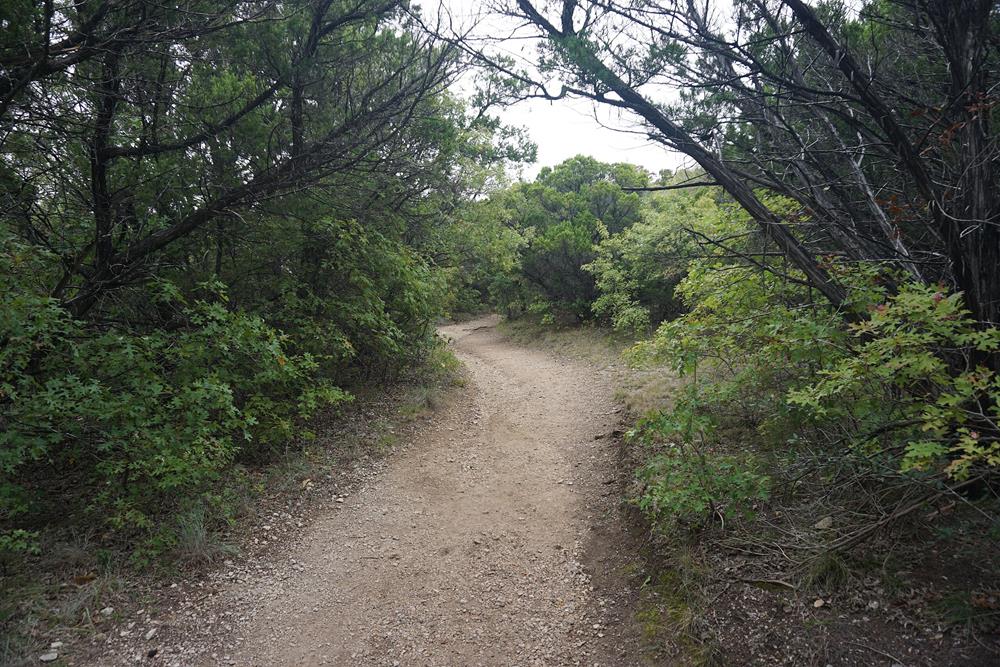
Cleburne State Park stands out as one of the best outdoor bouldering destinations near North Texas cities. Located about 40 miles south of Fort Worth, the park features limestone boulders scattered throughout wooded areas near Cedar Lake.
Access is straightforward. Paved roads lead into the park, parking areas are clearly marked, and most boulders require short walks on maintained trails. That makes it friendly for climbers who want outdoor experience without committing to long hikes.
The climbing itself focuses on technical movement. Holds can be sharp, and problems often rely on precise foot placement. Many boulders are low enough to feel comfortable for newer climbers while still offering challenges for stronger ones.
Cleburne also works well as a full-day outing. The park has restrooms, picnic tables, and shaded areas. Families and non-climbers can enjoy hiking or relaxing by the water while climbers get their sessions in.
Dinosaur Valley State Park
Near Glen Rose
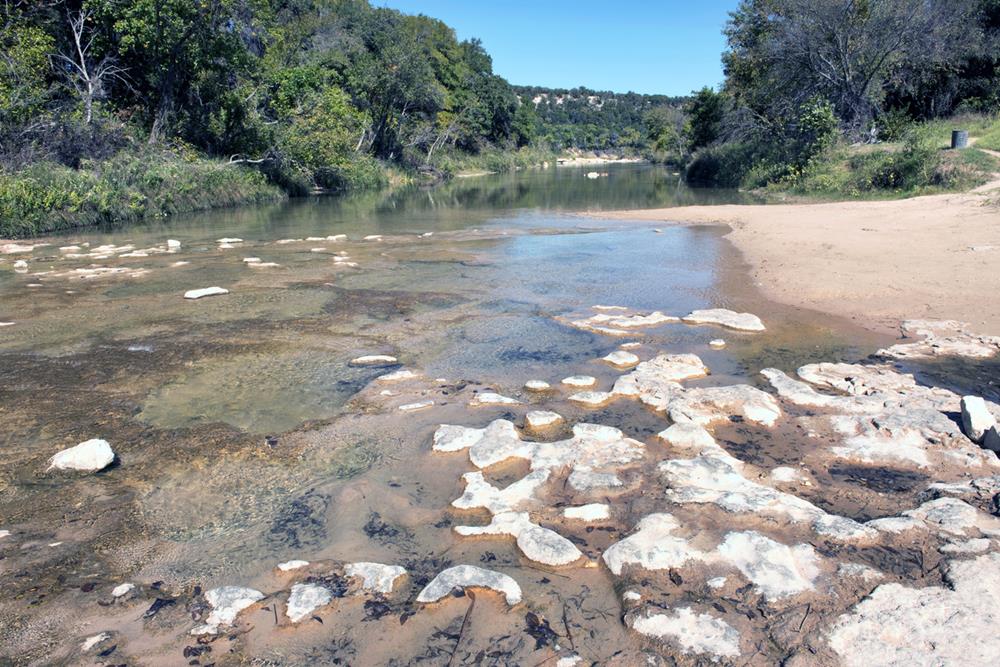
Dinosaur Valley State Park is better known for its fossilized dinosaur tracks, but climbers know it for something else. The park contains several limestone formations suitable for bouldering, especially along the river and surrounding rocky areas.
Accessibility varies by section, but many problems sit close to trails or open areas. The terrain stays relatively flat, which helps with approach and landing zones. Crash pads are still important, but the setting feels approachable.
The rock texture is typical limestone, featuring edges, pockets, and occasional slopers. Movement here often feels deliberate and controlled rather than powerful. This makes it a good place to refine technique.
The park’s popularity means climbers should plan visits early in the day or on weekdays when possible. Rangers also enforce rules strictly, so staying on established paths and respecting boundaries is important.
Lake Mineral Wells State Park

Near Weatherford
Lake Mineral Wells State Park offers one of the most diverse climbing experiences in the region. While the park is better known for top-rope climbing and traditional routes, it also has bouldering opportunities worth exploring.
Some boulders sit near the climbing wall area, making access easy. Others require short hikes along well-marked trails. The landscape feels more rugged than other North Texas parks, but it remains manageable.
Bouldering here ranges from beginner-friendly traverses to more committing problems that require confidence and balance. The rock texture varies slightly depending on location, which keeps sessions interesting.
This park appeals to climbers who enjoy variety. You can boulder for part of the day, watch rope climbers tackle routes, or simply enjoy the natural scenery. Facilities include restrooms, parking, and picnic areas.
The Nature Preserve at Arbor Hills

Plano
Arbor Hills Nature Preserve sits right in Plano, making it one of the most accessible outdoor spots for climbers who live in the Dallas area. While it does not feature large boulders, it offers low limestone formations suitable for traversing and technique practice.
This area works best for beginners or climbers focused on movement drills. The rock is close to the ground, and falls are generally short. That reduces risk and makes it a comfortable place to experiment.
Because the preserve serves many users, climbers should stay mindful of foot traffic and park guidelines. Early mornings tend to be the quietest time to visit.
For climbers who want outdoor practice without leaving the city, Arbor Hills fills a valuable role.
Grayson County Limestone Outcrops
Near Sherman and Denison
North of Dallas, Grayson County contains scattered limestone outcrops that local climbers have quietly explored over the years. These areas are less formal than state parks, and access varies depending on land ownership.
Some spots sit near public trails or lakes, while others require permission from landowners. Climbers interested in these areas should research carefully and respect private property.
When accessible, the bouldering can be rewarding. Problems often feel raw and less polished, which appeals to climbers who enjoy exploration. The rock quality can vary, so testing holds before committing is wise.
These areas suit climbers who already have some outdoor experience and understand land access considerations.
Summit Climbing, Yoga and Fitness
Dallas and Fort Worth
Summit gyms play a major role in North Texas bouldering. With multiple locations across Dallas and Fort Worth, they offer consistent access to high-quality problems year-round.
The bouldering areas are spacious, well-lit, and thoughtfully set. Routes change regularly, keeping things fresh. Problems span a wide range of grades, making it easy for beginners to progress at their own pace.
Summit gyms also focus on education. Intro classes, technique workshops, and youth programs help build confidence and skill. Staff members are usually approachable and happy to answer questions.
For many climbers, Summit acts as both a training space and a social hub.
Movement Gyms
Dallas Area
Movement gyms have brought a modern approach to indoor bouldering in North Texas. The facilities emphasize clean design, creative setting, and community engagement.
Bouldering areas feature varied wall angles and thoughtful problem design. Movement often prioritizes coordination and flow, which helps climbers develop dynamic skills.
The gyms also offer fitness areas, yoga classes, and social events. This makes them appealing to people who want more than just climbing.
Accessibility remains a strong point. Locations are easy to reach, parking is available, and hours accommodate busy schedules.
Oso Climbing Gym
Dallas
Oso Climbing Gym offers a more intimate indoor climbing experience. While smaller than some chain gyms, it focuses heavily on bouldering and skill development.
The setting feels relaxed and welcoming. Route setters often include problems that reward technique rather than brute strength. That makes Oso a good place for climbers working on balance and footwork.
Oso also hosts community events and competitions that encourage participation without pressure. New climbers often find it easier to connect with others here.
Choosing the Right Spot for Your Skill Level
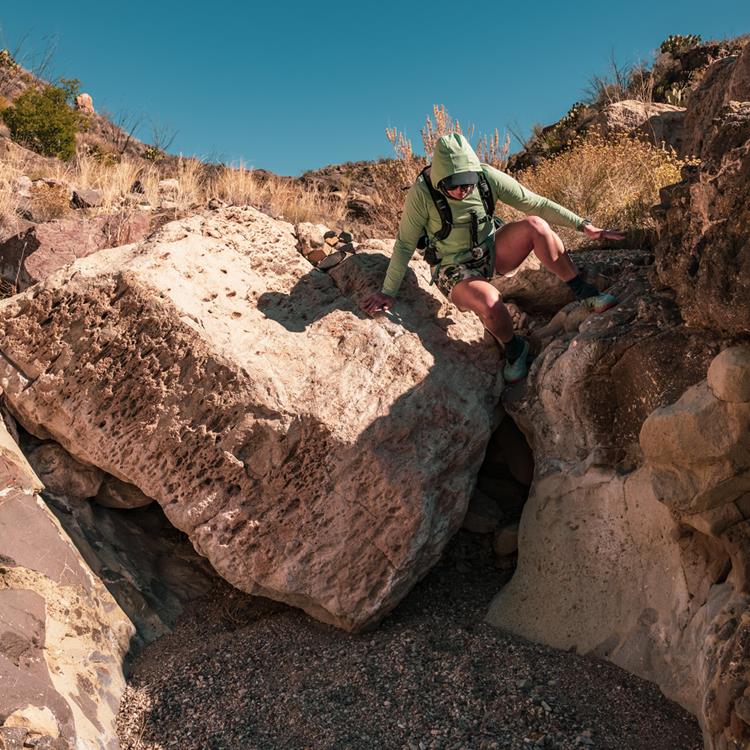
Not every bouldering spot suits every climber. Beginners often benefit from places with lower boulders, clear landings, and nearby amenities. State parks and indoor gyms usually fit this need well.
Intermediate climbers may enjoy exploring lesser-known outdoor areas or tackling harder problems at established parks. These climbers often start combining indoor training with outdoor sessions.
Advanced climbers typically look for unique movement challenges and less crowded settings. They may venture farther from cities or seek permission-based areas.
Knowing what you want from a session helps narrow choices and keeps the experience enjoyable.
Seasonal Considerations in North Texas
Weather plays a major role in planning bouldering trips. Summers bring high heat and humidity, making early mornings or indoor gyms the best option. Many climbers switch almost entirely to gyms during peak summer months.
Fall and spring offer the best outdoor conditions. Temperatures are moderate, and rock friction improves. These seasons tend to attract more climbers to parks.
Winter days can still be climbable, especially when temperatures stay above freezing. Limestone dries quickly after light rain, but checking conditions remains important.
Safety and Etiquette
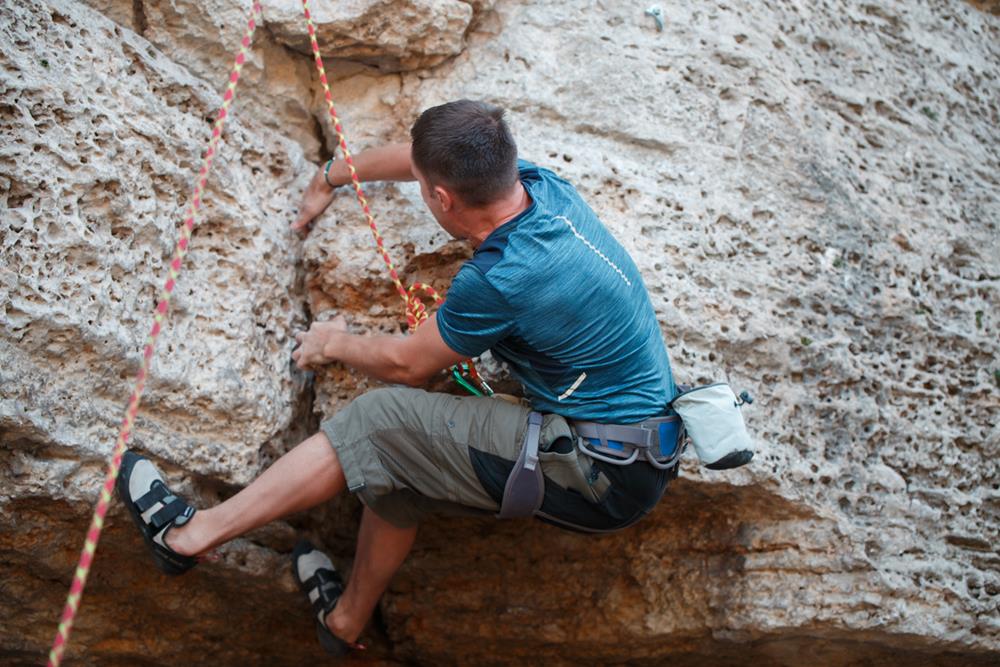
Accessibility also means responsibility. Always follow park rules and respect other visitors. Stay on trails, avoid damaging vegetation, and pack out trash.
Using crash pads and spotting properly reduces injury risk. Wearing helmets is uncommon for bouldering but remains a personal choice.
Climbers should also be mindful of chalk use. Excessive chalk can impact rock appearance and access agreements. Brushing holds after use helps keep areas clean.
Building a Local Climbing Routine
Many North Texas climbers balance indoor and outdoor sessions. Gyms provide consistent training, while outdoor spots add variety and real-world experience.
A common routine includes weekday gym sessions and occasional weekend trips to state parks. This approach builds skill while keeping logistics manageable.
Community plays a big role too. Joining gym events or local climbing groups helps climbers discover new areas and learn from others.
Final Thoughts
Accessible bouldering in North Texas looks different than in mountain regions, but it remains rewarding. The mix of state parks, urban preserves, and strong indoor gyms creates plenty of options close to major cities.
Whether you are new to climbing or looking to expand your outdoor experience, North Texas offers realistic paths to get there. With thoughtful planning and respect for the environment, these spots can support years of enjoyable climbing.
The rock may be modest, but the opportunities are real.