

North Texas may not have towering peaks or alpine switchbacks, but it offers a strong and steadily growing mountain biking scene. Riders here learn to work with what the land gives them: rolling hills, wooded creek bottoms, limestone shelves, and fast singletrack carved into greenbelts and nature preserves. The result is a network of trails that rewards skill, creativity, and local knowledge.
From urban trail systems tucked inside city limits to longer loops that feel far removed from traffic, North Texas has options for beginners, weekend riders, and experienced cyclists looking for technical challenges. Trail builders and volunteer groups have also played a big role, constantly improving routes and keeping them rideable through changing seasons.
This guide takes a close look at some of the most popular and well-regarded mountain biking trails in North Texas. It also explains what makes riding in this region unique, what to expect from the terrain, and how to plan a solid day on the trail.
What Makes Mountain Biking in North Texas Different
North Texas terrain shapes the riding experience in specific ways. Elevation changes tend to be short and frequent rather than long climbs followed by extended descents. You might climb, descend, and climb again within a few hundred yards. Trails often follow creek beds and ridgelines, creating tight turns and quick transitions.
Soil conditions matter a lot here. Clay-heavy dirt can hold water and become slick after rain. Many trail systems close temporarily to protect the surface and prevent damage. When trails are dry, they can be fast and smooth. When wet, they can become nearly unrideable.
Tree cover plays a big role as well. Most North Texas trails wind through wooded areas, offering shade during warm months. Roots, rocks, and narrow passages keep riders alert and reward good bike handling.
Another defining feature is accessibility. Many trail systems sit inside city parks or along greenbelt corridors. You can ride quality singletrack without driving hours outside the metro area, which helps explain why mountain biking remains popular here year-round.
North Shore Trail at Grapevine Lake
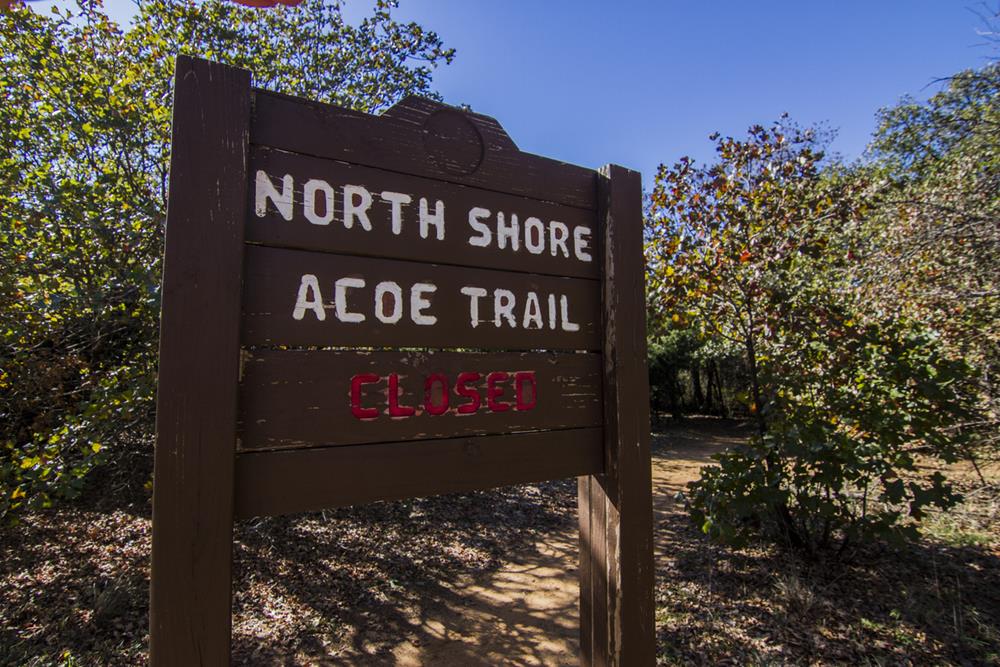
North Shore Trail is often the first name mentioned when people talk about mountain biking in North Texas. Located along Grapevine Lake, this trail stretches for more than twenty miles, with riders able to choose shorter segments or ride long point-to-point sections.
The trail hugs the shoreline in many places, offering scenic lake views mixed with wooded stretches and exposed rock. Terrain varies from smooth dirt to rocky sections that demand attention. Short climbs and quick descents appear frequently, making the ride feel active and engaging.
North Shore Trail is known for its technical elements, including rock ledges, tight turns, and narrow paths. At the same time, newer riders can still enjoy parts of the trail by selecting easier segments and riding at a comfortable pace.
Parking access is available at multiple trailheads, making it easy to plan rides of different lengths. Because the trail is popular, it is also well-maintained by local groups who work to improve flow and sustainability.
Oak Cliff Nature Preserve
Oak Cliff Nature Preserve, often called OCNP, sits just southwest of downtown Dallas and offers a surprisingly immersive riding experience for an urban location. The trail system features stacked loops that range from beginner-friendly paths to advanced technical sections.
Elevation changes here are more noticeable than at many North Texas trails. Riders encounter longer climbs, fast descents, and switchbacks that require good control. Rock gardens and root-heavy sections keep things interesting, especially on the more advanced loops.
One of the strengths of Oak Cliff Nature Preserve is its layout. Trails are clearly marked and designed to reduce congestion. Riders can build a route that matches their skill level and gradually add more challenging sections as confidence grows.
The preserve is also popular with trail runners and hikers, so awareness and courtesy go a long way. Early mornings tend to be quieter, especially during warmer months.
Big Cedar Wilderness Trails
Big Cedar Wilderness Trails sit near Oak Cliff Nature Preserve and offer a different but complementary riding experience. These trails wind through a larger natural area and provide a more open feel in certain sections.
The terrain includes rolling hills, wooded corridors, and open spaces where riders can maintain steady speed. While technical features exist, Big Cedar leans more toward flow and endurance than constant obstacles.
Many riders combine Big Cedar and Oak Cliff trails into a longer outing, using connecting paths to create a full day of riding. The contrast between the two systems adds variety and keeps rides from feeling repetitive.
Trail conditions at Big Cedar depend heavily on recent weather. Checking local trail status before heading out is always a good idea.
Erwin Park in McKinney
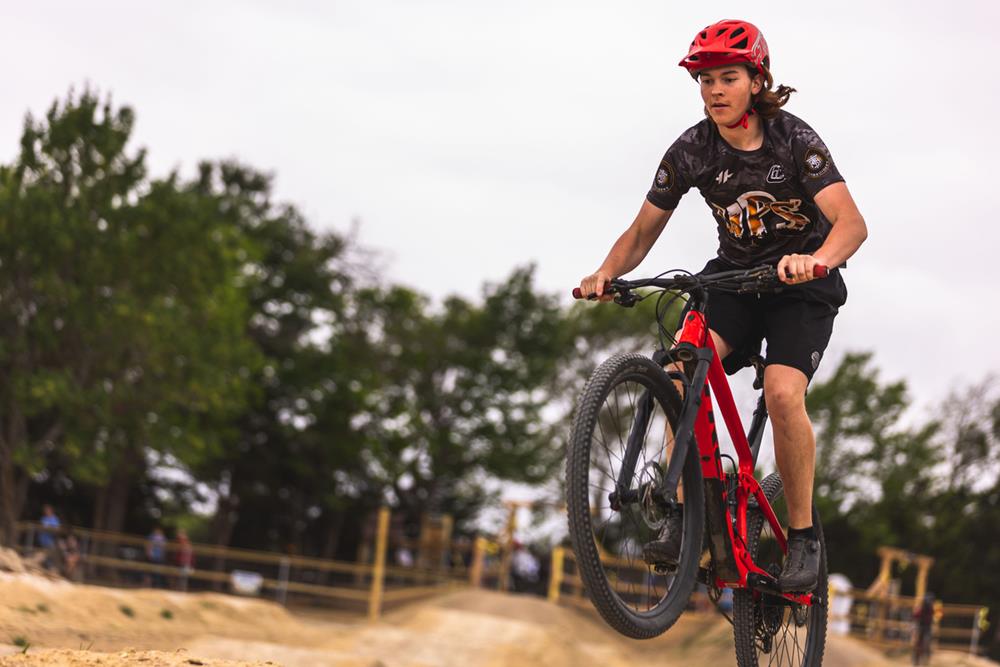
Erwin Park has earned a strong reputation among North Texas mountain bikers, especially those who enjoy smooth, fast singletrack. Located in McKinney, the trail system features a large loop with optional spurs and connectors.
The trail flows well, with gentle climbs and descents that encourage momentum. Turns are often wide and predictable, making Erwin Park a good choice for newer riders who want to build confidence. At the same time, experienced cyclists can push speed and focus on efficiency.
Tree cover provides shade through much of the trail, which helps during hot weather. The park also includes open areas where wind and sun come into play, adding variety to the ride.
Erwin Park is family-friendly and popular, especially on weekends. Riding during off-peak hours can lead to a more relaxed experience.
Rowlett Creek Preserve
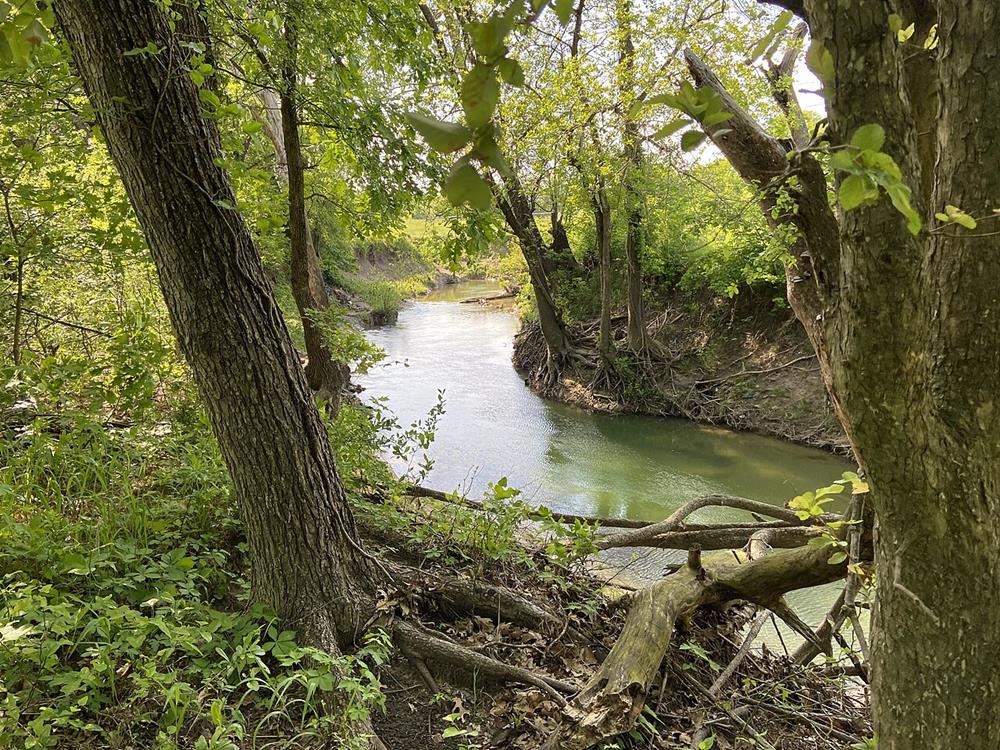
Rowlett Creek Preserve offers one of the longest continuous trail systems in the Dallas area. With more than fifteen miles of trail, riders can settle into extended rides without repeating sections too often.
The trail follows Rowlett Creek and features a mix of fast stretches, technical turns, and occasional rocky areas. Wooden bridges and narrow crossings add interest, especially after rainfall when water levels rise.
Rowlett Creek Preserve rewards endurance and pacing. While individual climbs may not be extreme, the cumulative effort adds up over long rides. Riders often describe the trail as demanding but satisfying.
Navigation can feel confusing for first-time visitors due to multiple intersections. Carrying a trail map or using a GPS app helps avoid wrong turns and missed loops.
Boulder Park in Dallas
Boulder Park is smaller than some other North Texas trail systems, but it packs a lot into a compact space. Located in southwest Dallas, the trail features tight turns, short climbs, and technical features that keep riders engaged.
As the name suggests, rocks play a role here. Limestone outcroppings and rocky patches demand attention and careful line choice. The trail rewards riders who enjoy technical riding rather than long-distance cruising.
Because Boulder Park is relatively short, it works well for quick rides or skill-focused sessions. Riders often repeat laps, experimenting with different lines and improving technique.
Trail conditions can change quickly after rain, so checking status before visiting is important.
Gateway Park in Fort Worth
Gateway Park serves as a hub for mountain biking in Fort Worth. The park includes several trail loops that cater to a wide range of skill levels, from beginner-friendly paths to more advanced routes.
The trails run along the Trinity River, combining flat sections with rolling hills and wooded areas. Technical features are present but generally optional, allowing riders to choose how challenging they want the ride to be.
Gateway Park’s layout makes it easy to link loops together for longer rides. Clear signage and well-marked intersections help riders navigate without confusion.
Because of its size and accessibility, Gateway Park hosts group rides and events throughout the year. It is a good place to connect with the local riding community.
Horseshoe Trail at Grapevine Lake
Horseshoe Trail often gets overshadowed by North Shore Trail, but it offers a different experience that many riders appreciate. The trail loops through wooded areas and open spaces near Grapevine Lake, providing a quieter alternative.
Terrain here is generally less technical than North Shore, with smoother paths and fewer rocky sections. This makes Horseshoe Trail suitable for riders who want a relaxed ride or are new to mountain biking.
The trail still includes enough elevation change and turns to stay interesting. Scenic views and wildlife sightings add to the appeal.
Because it sees less traffic, Horseshoe Trail can feel more peaceful, especially during weekday rides.
Weather, Seasons, and Trail Conditions
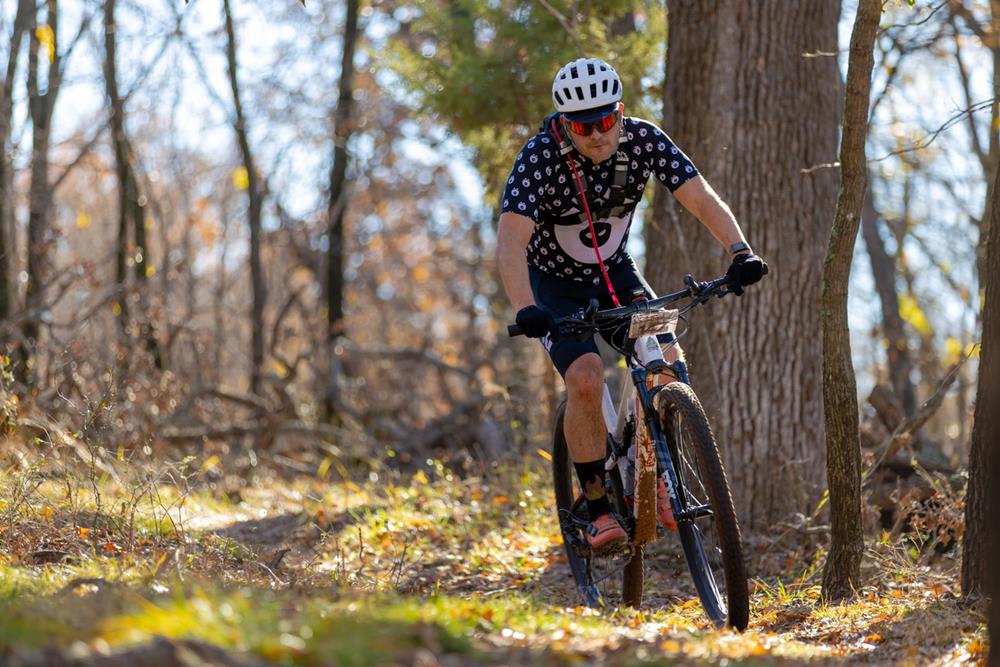
North Texas riding conditions change with the seasons. Spring and fall are often the most comfortable times to ride, with mild temperatures and active trail maintenance. Summer brings heat, making early morning or evening rides more appealing. Shade becomes especially valuable during these months.
Winter riding is possible most years, though cold snaps and wet conditions can lead to temporary trail closures. Many local trail systems post updates through social media or trail status websites.
Respecting closures helps preserve trail quality. Riding muddy trails damages surfaces and leads to longer closures for repairs. Patience pays off in the long run.
Trail Etiquette and Safety
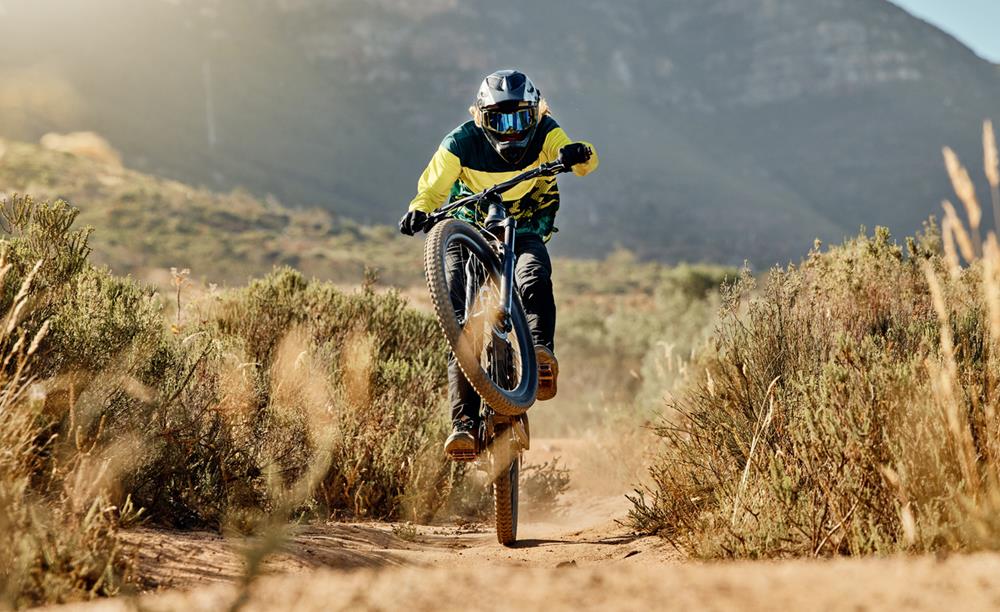
Mountain biking in North Texas often means sharing trails with hikers and runners. Yielding, communicating clearly, and slowing down around blind corners help keep everyone safe.
Wearing a helmet is strongly recommended, and carrying water is essential, especially during warmer months. Many trails have limited access to water once you are riding, so planning ahead matters.
Knowing your limits also helps prevent injuries. North Texas trails can feel deceptively challenging, with frequent transitions and technical features appearing quickly.
The Role of Local Trail Groups
Volunteer organizations play a major role in maintaining and expanding North Texas trails. These groups build new sections, repair erosion, and work with cities and park departments to keep trails open.
Getting involved through trail workdays or group rides strengthens the biking community and helps riders feel connected to the places they ride. Even small contributions make a difference.
Why North Texas Trails Are Worth Riding
Mountain biking in North Texas rewards adaptability. Riders learn to read terrain, manage short climbs, and handle technical features packed into relatively small spaces. The lack of mountains encourages creativity and thoughtful trail design.
The accessibility of these trails means you can ride often without extensive travel. A quick evening loop after work or a longer weekend ride is usually within reach.
North Texas may not match regions known for dramatic elevation, but it offers something just as valuable: a close-knit riding community, well-maintained trails, and a variety of experiences packed into a manageable area.
For riders willing to explore, North Texas delivers more than expected, one winding singletrack at a time.