

When many people think of alligators, they picture the Deep South, wide marshes, and slow-moving bayous. Texas belongs in that picture too. More specifically, East Texas does.
This part of the state has the wet, warm, heavily vegetated landscape that American alligators need. It has river bottoms, cypress swamps, marshes, bayous, oxbow lakes, and wooded wetlands. It also sits in the eastern third of Texas, which is where Texas Parks and Wildlife says the American alligator is naturally found in the state.
That is why East Texas has earned its reputation as the heart of alligator country. It is not a slogan made up for tourism. It is a plain description of geography, climate, wildlife habitat, and history. In East Texas, the land and water come together in a way that makes alligator life possible on a large scale.
East Texas Has the Right Kind of Water
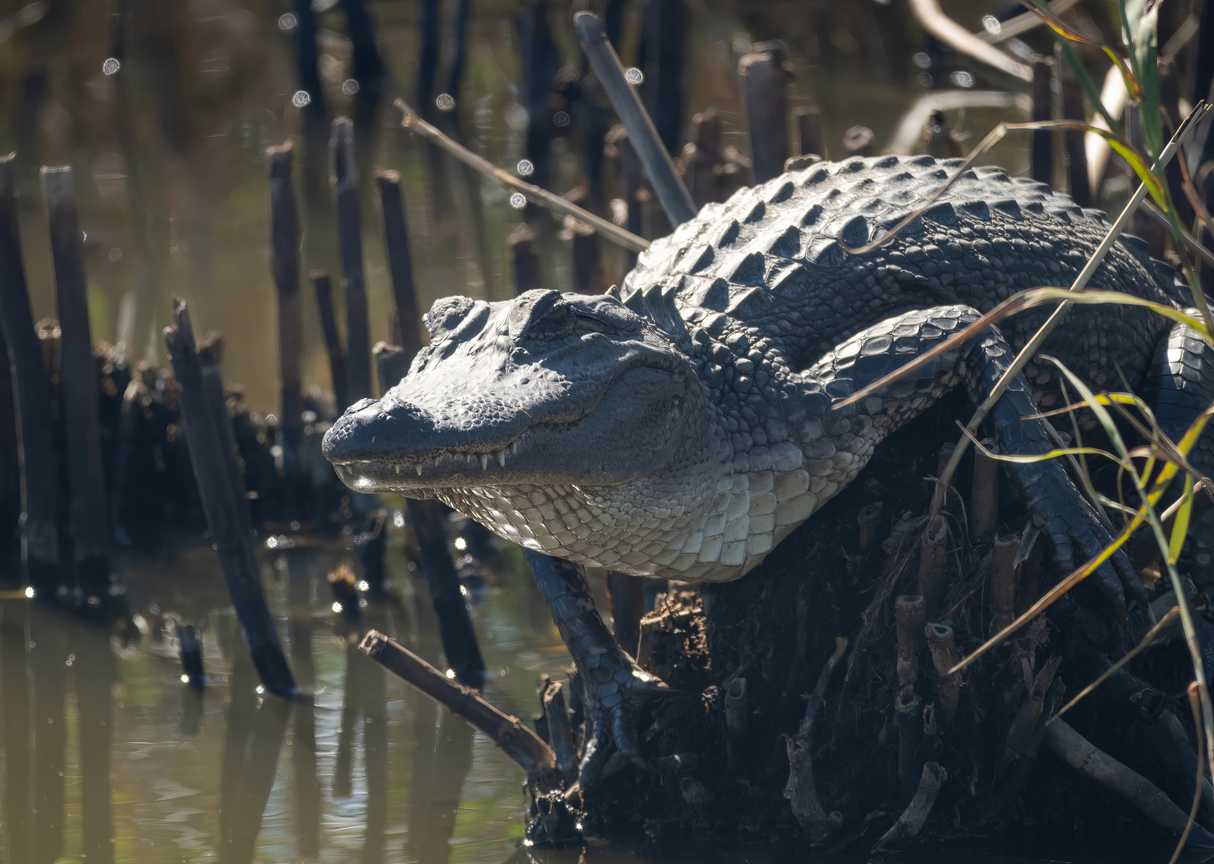
Alligators are tied to water. They live in or near it, move through it, hunt in it, and raise their young beside it. Texas Parks and Wildlife notes that they are common in swamps, rivers, bayous, and marshes, and can even tolerate brackish water. East Texas offers all of those conditions across a broad stretch of land.
This matters because not all Texas landscapes are equal for an animal like the alligator. West Texas is too dry. Large parts of Central Texas do not have the same density of wetlands and swamp habitat. East Texas, especially the southeast portion, is different. Water is part of the region’s identity. Creeks feed larger rivers. Floodplains hold water. Marshy ground stays wet for long periods. That gives alligators room to live, hide, feed, and nest.
The alligator does best in places where water and cover work together. A bare pond is one thing. A wetland full of grasses, mud banks, woody edges, and thick vegetation is another. East Texas has many of those richer habitats, which is one reason the species has stayed so closely tied to the region.
The Climate Helps Alligators Thrive
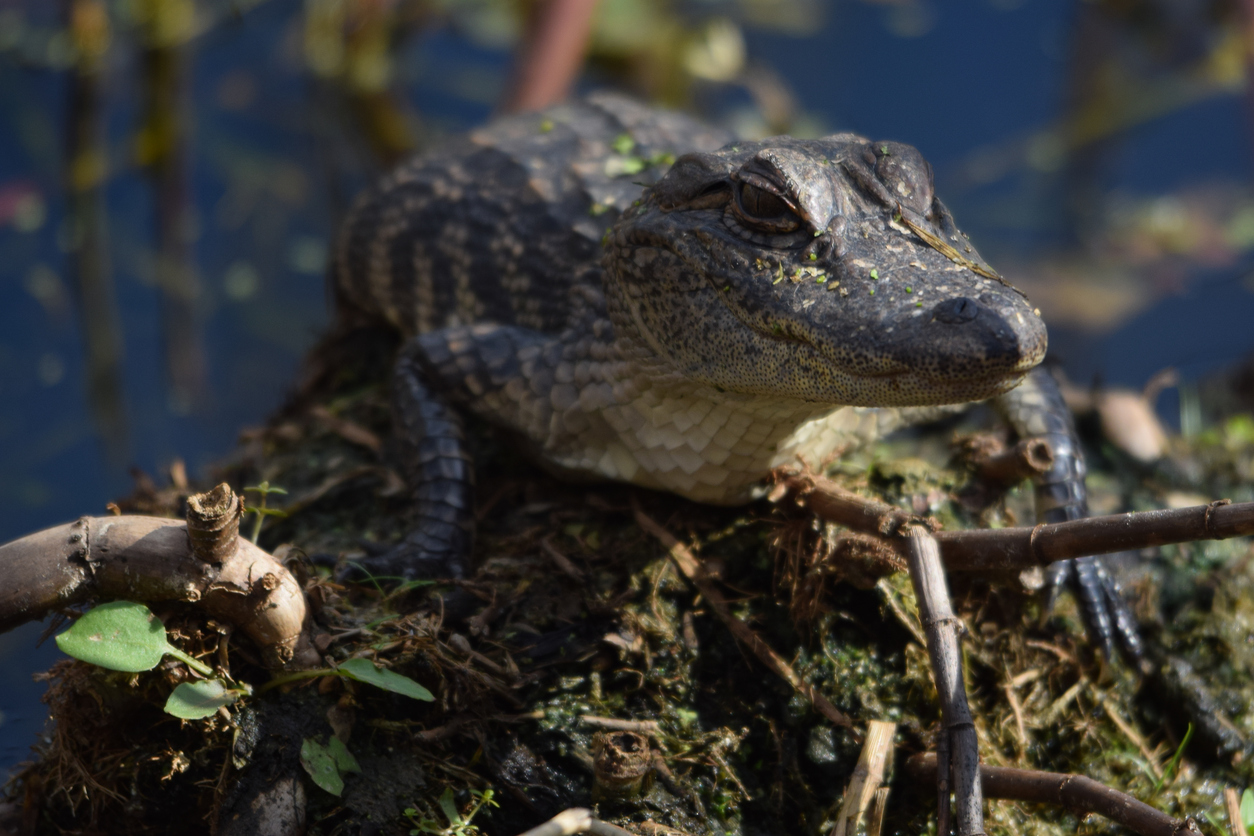
Alligators are reptiles, which means temperature affects how they live. They depend on outside warmth to regulate their bodies. East Texas gives them a long warm season and relatively mild winters compared with much of the rest of the country.
That does not mean every season is easy. Cold snaps still matter. Heavy rain and drought can also change movement patterns. Texas Parks and Wildlife notes that extreme weather conditions can cause alligators to move more than usual. Even so, East Texas remains one of the best places in Texas for a large reptile that needs warmth and water for most of the year.
Warmth also matters during nesting season. Female alligators build nests out of vegetation and mud. As the plant material breaks down, it helps create heat for incubation. Sunlight helps too. That combination works especially well in the humid, marshy environments found in East Texas.
Big Thicket Shows What Makes the Region Special
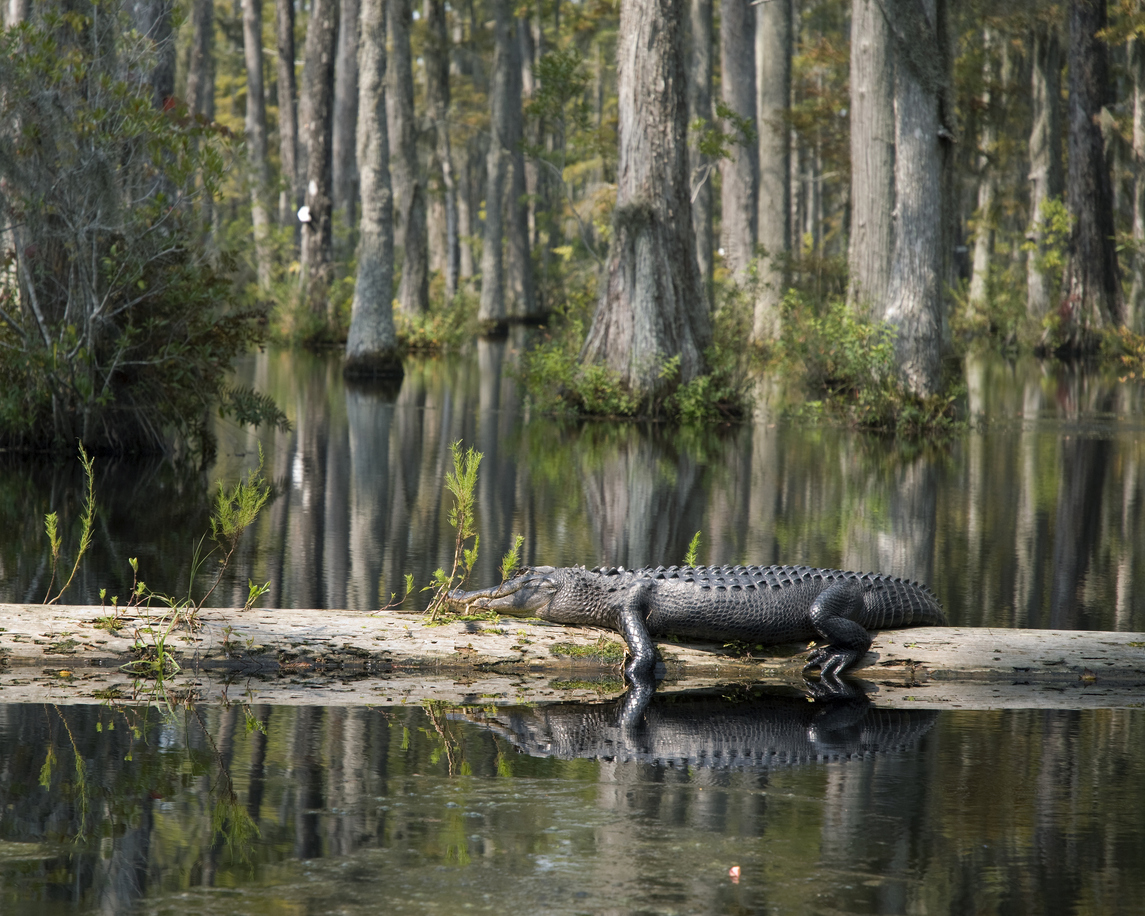
One of the clearest examples of East Texas alligator habitat is Big Thicket National Preserve. The National Park Service describes Big Thicket as a place where multiple habitats meet, with ecosystems ranging from longleaf pine forests to cypress-lined bayous. It is one of the most biologically diverse areas in North America.
That mix of habitats is important. Alligators do not live in isolation from the rest of the environment. They are part of a bigger natural system. In Big Thicket, wetlands connect with wooded areas, waterways, and flood-prone lowlands. The Park Service specifically notes that American alligators in the preserve are primarily found in freshwater cypress swamps and marshes. That is classic alligator country.
Big Thicket also helps explain why East Texas feels different from the Texas that many outsiders imagine. People often picture dry ranchland and open plains. East Texas can be green, soggy, shaded, and swampy. In places like Big Thicket, paddlers may see alligators in bald cypress-tupelo swamps. That kind of habitat looks and feels more like the Gulf South than the cowboy image many people connect with Texas.
Alligators Are Built for This Landscape
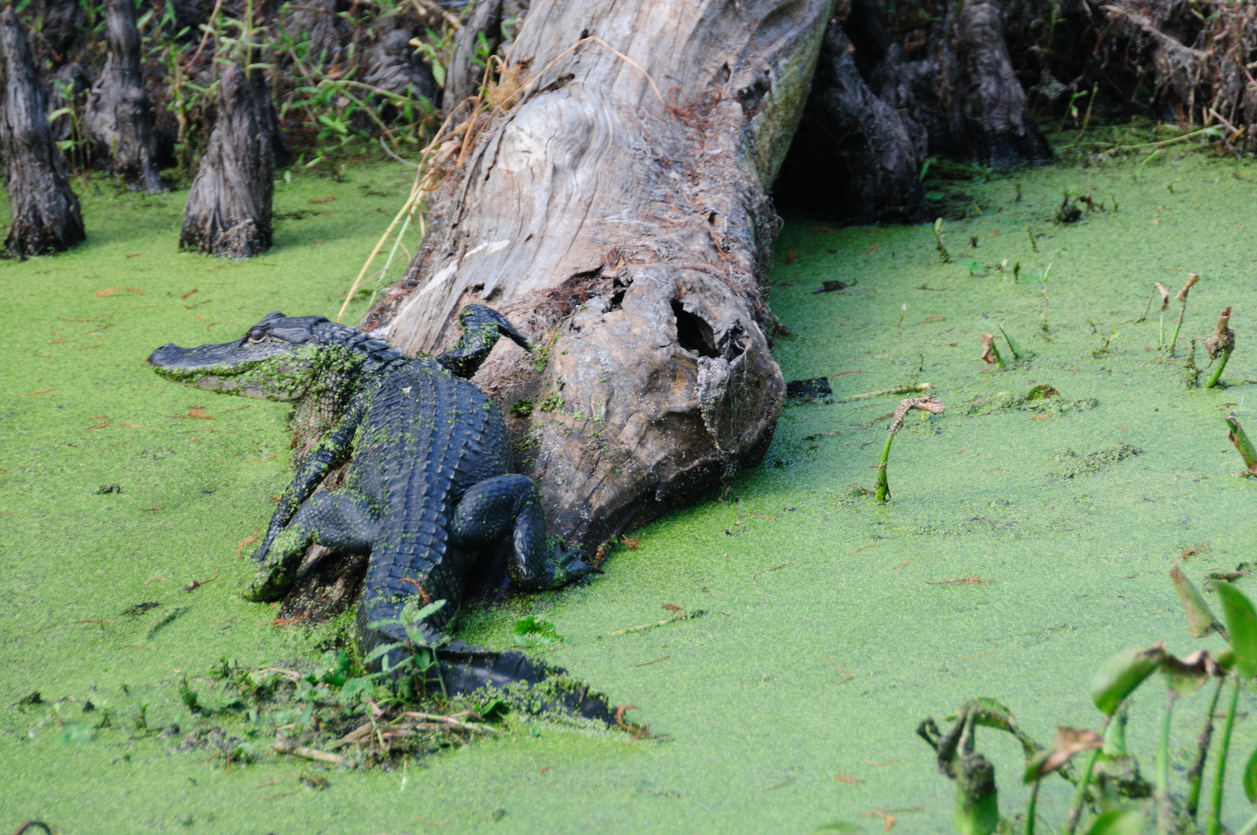
The American alligator is not just surviving in East Texas. It is built for places like it.
Its body is designed for slow water, muddy banks, and concealed movement. The eyes and nostrils sit high on the head, which helps the animal stay mostly underwater while still seeing and breathing. Its tail powers it through water. Its coloration blends with dark wetlands and shaded shorelines. In swampy East Texas habitat, those traits work well.
The animal’s behavior also matches the region. Texas Parks and Wildlife notes that basking is common. People often see alligators stretched along banks for long periods while they warm their bodies. They may also sit with their mouths open to cool down, not because they are actively hunting. In a place filled with ponds, bayous, marsh edges, and creek banks, that behavior becomes part of the normal outdoor scene.
Alligators are also apex predators in these systems. The National Park Service identifies them that way in Big Thicket. That means they sit near the top of the food web. A healthy alligator population usually points to a landscape that still supports a functioning wetland ecosystem.
East Texas Supports Nesting and Young Alligators
A place does not become the heart of alligator country because a few adults pass through. It earns that reputation when alligators can live out their full life cycle there.
East Texas provides that. Texas Parks and Wildlife explains that females build nests from local vegetation, often forming mounds several feet across. They lay eggs in the center, where heat from sunlight and decaying plant matter helps incubate them. Eggs hatch in about two months, and the female guards the nest during that period.
That nesting strategy depends on exactly the kind of environment East Texas offers. Wetlands with dense plant growth give females the materials they need. Quiet backwaters and marshy margins give them places with cover and less disturbance. The region’s long warm season also supports successful incubation.
After hatching, the young stay near the female for protection. Texas Parks and Wildlife says hatchlings are about 9 inches long and may stay near their mother for up to two years. That early period is dangerous. A different TPWD page notes that only a small share of baby alligators survive long enough to reach a few feet in length because many predators eat them. East Texas wetlands, with their shelter and shallow cover, give young alligators a better shot.
The Region Has Deep Historical Ties to the Species
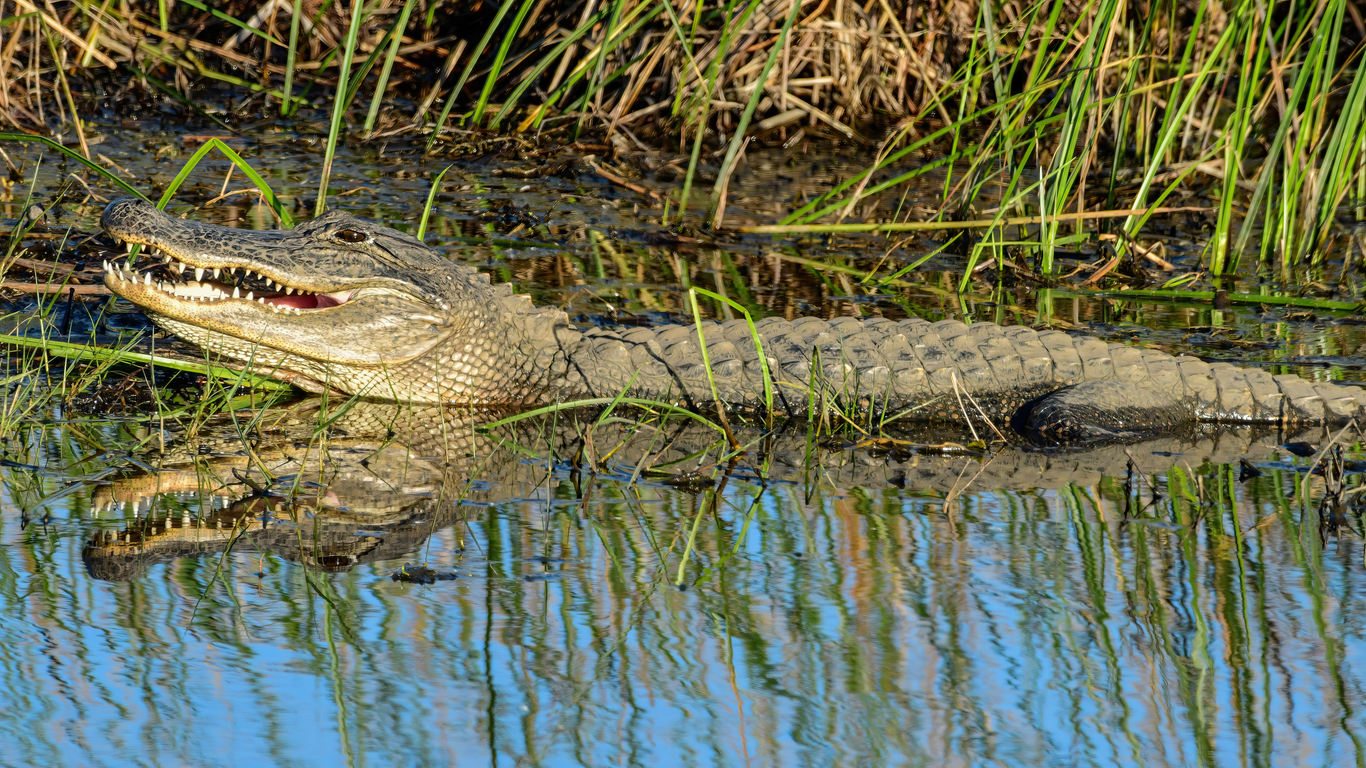
East Texas is not newly associated with alligators. This is part of the species’ long-established range.
Texas Parks and Wildlife states that the American alligator occurs in the eastern third of Texas. That is not a recent expansion created by suburban ponds or isolated sightings. It reflects the animal’s natural distribution in the state. When people talk about East Texas as alligator country, they are talking about native wildlife living where it belongs.
There is also a conservation story here. TPWD explains that alligators were once heavily depleted due to market hunting and habitat loss. Texas gave the species complete protection in 1969, and the animal later recovered enough to be removed from endangered status in 1985. Today it is a protected game animal in Texas.
That recovery matters because it shows East Texas was able to support the comeback once protections were put in place. The habitat was still there. Management improved. The species rebounded. A region cannot be called the heart of alligator country without both suitable landscape and a lasting connection to the animal’s history. East Texas has both.
People in East Texas Are Used to Living Near Alligators
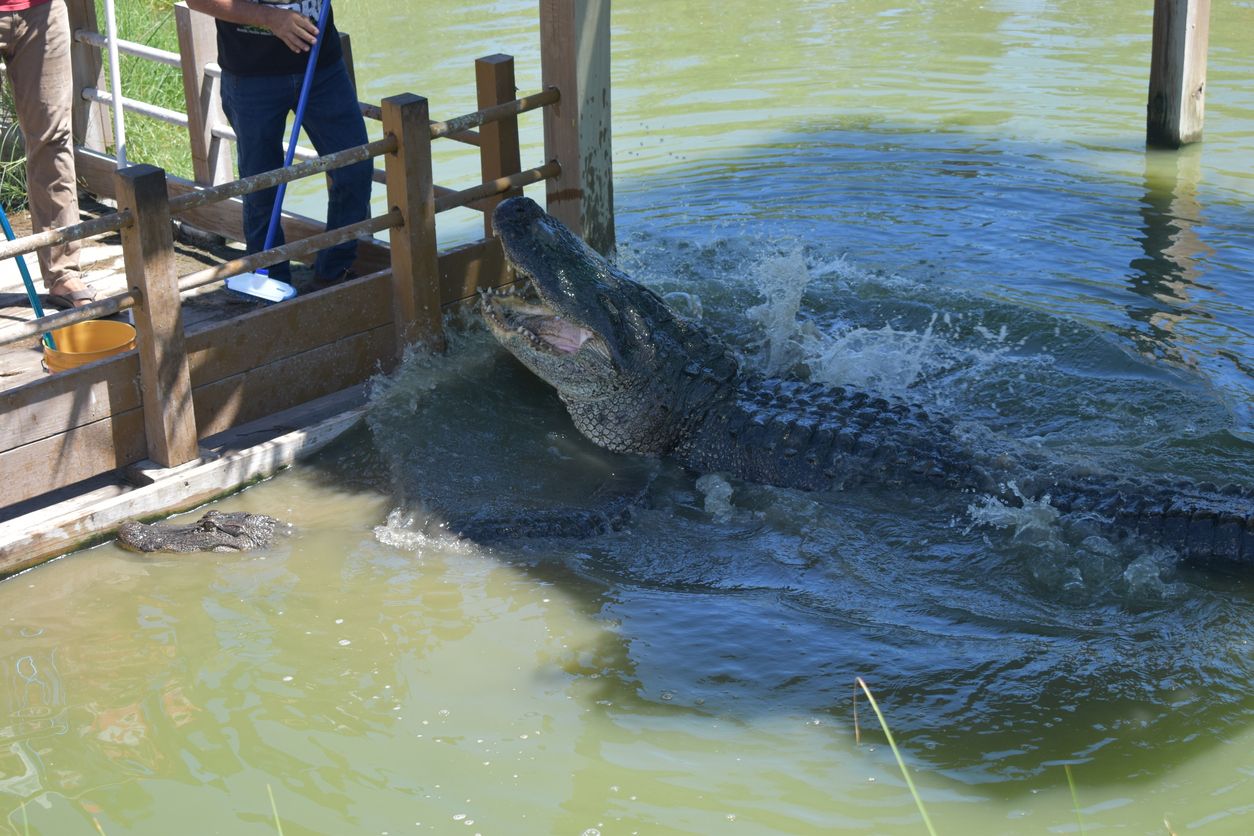
In East Texas, especially in the southeast, alligators are not treated as some strange animal far from daily life. They are part of the region’s outdoors.
That does not mean people ignore them. It means the relationship is more practical. Folks who fish, paddle, hike, hunt, or own land near water often understand that alligators may be present. Texas Parks and Wildlife even has public safety guidance because sightings are common enough to require plain advice. The agency notes that basking alligators are usually warming themselves, while females near nests can behave defensively if someone gets too close.
This everyday familiarity shapes local identity. It shows up in stories, warning signs, wildlife talks, hunting regulations, and general outdoor common sense. In some parts of Texas, an alligator sighting is unusual news. In East Texas, it is often just a reminder that the wetland is doing what wetlands do.
Management and Monitoring Keep the Connection Strong
Another reason East Texas remains central to alligator country is that the species is actively monitored and managed there. Texas Parks and Wildlife says it conducts extensive studies on alligator numbers, harvest, habitat, and trends to help guide responsible management.
That kind of oversight matters in a region where wildlife, people, recreation, and private land ownership overlap. East Texas has public wetlands, private property, working landscapes, and protected areas. Managing alligators in such a region takes science, consistent rules, and public education.
TPWD regulations also recognize “core counties” as prime historical habitat for the American alligator in Texas where commercial hunting is viable and biological monitoring is significant. That language says a lot. It shows that the state does not view alligator habitat as scattered or accidental. There are parts of Texas, largely in the east and southeast, where alligators are central enough to require specialized management.
Why the Title Fits So Well
So why is East Texas the heart of alligator country?
Because the habitat fits. The climate fits. The history fits. The species’ life cycle fits. The local culture fits too.
East Texas has the swamps, rivers, marshes, bayous, and wooded wetlands that alligators need. It includes places like Big Thicket, where cypress-lined waters and diverse ecosystems create prime reptile habitat. It sits within the alligator’s natural Texas range. It helped hold on to the species through decline and recovery. It remains one of the few parts of the state where seeing an alligator near the water feels completely natural.
In other words, East Texas is alligator country because the land itself says so.
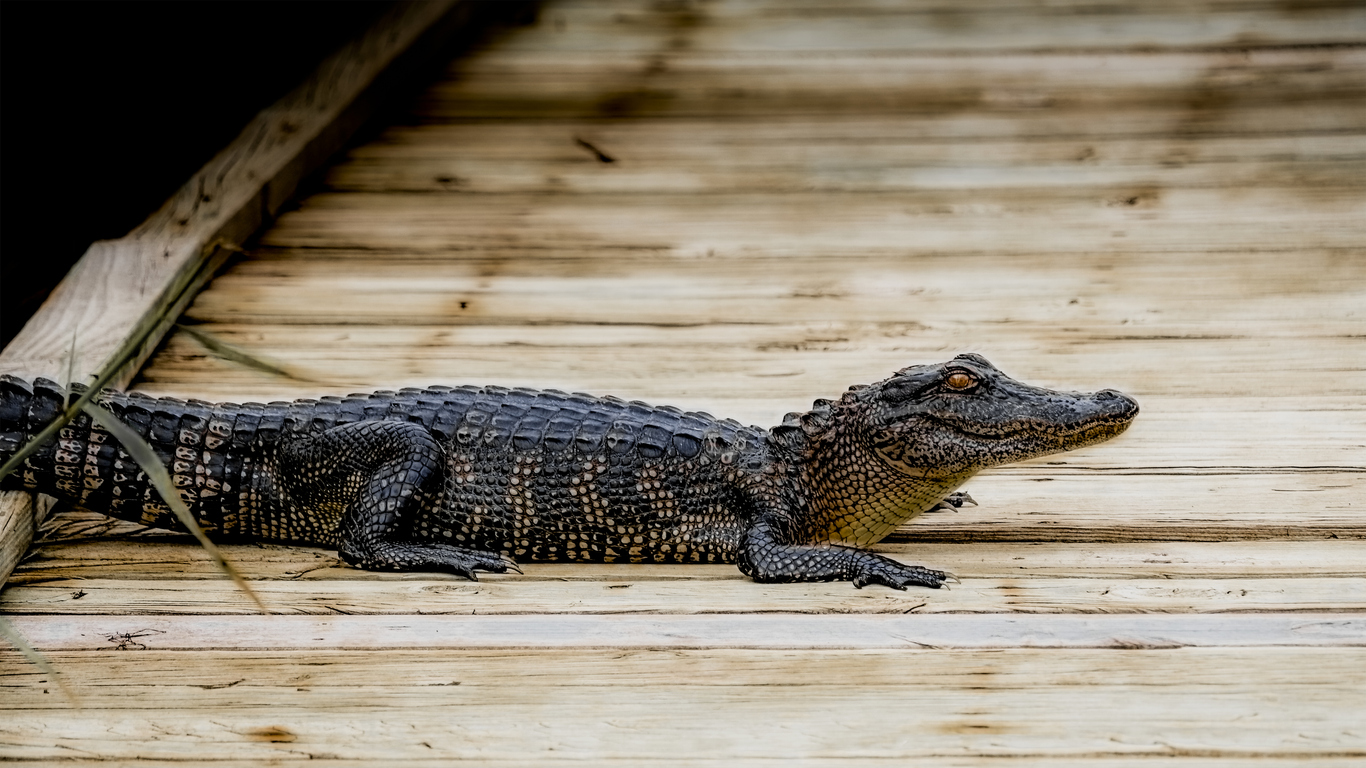
And when you look at the slow bayous, the cypress knees rising out of dark water, the marsh grass along the bank, and the quiet shape of an alligator sunning near the edge, the reason becomes easy to understand. East Texas is where this animal belongs, and that is what makes it the heart of alligator country.