

Texas is a place where land and water shape daily life in a big way. People often think first of ranches, oil fields, football, and wide-open highways. Those things matter, of course, but so does fishing. Across the state, fishing is part tradition, part pastime, part industry, and part family habit. It reaches into small towns, big cities, coastal communities, and country backroads.
That is one reason fishing holds such a strong place in Texas culture. It is not limited to one region or one type of person. A child with a cane pole at a farm pond, a family fishing from a pier on the Gulf Coast, and a serious angler chasing bass on a tournament lake are all taking part in something Texans have valued for generations.
Fishing in Texas is easy to connect with because it can be simple or highly skilled. It can be peaceful and quiet, or competitive and intense. It can fill a cooler, create a memory, or support a local business. In many parts of the state, it does all of that at once.
Texas Has Water in Many Forms
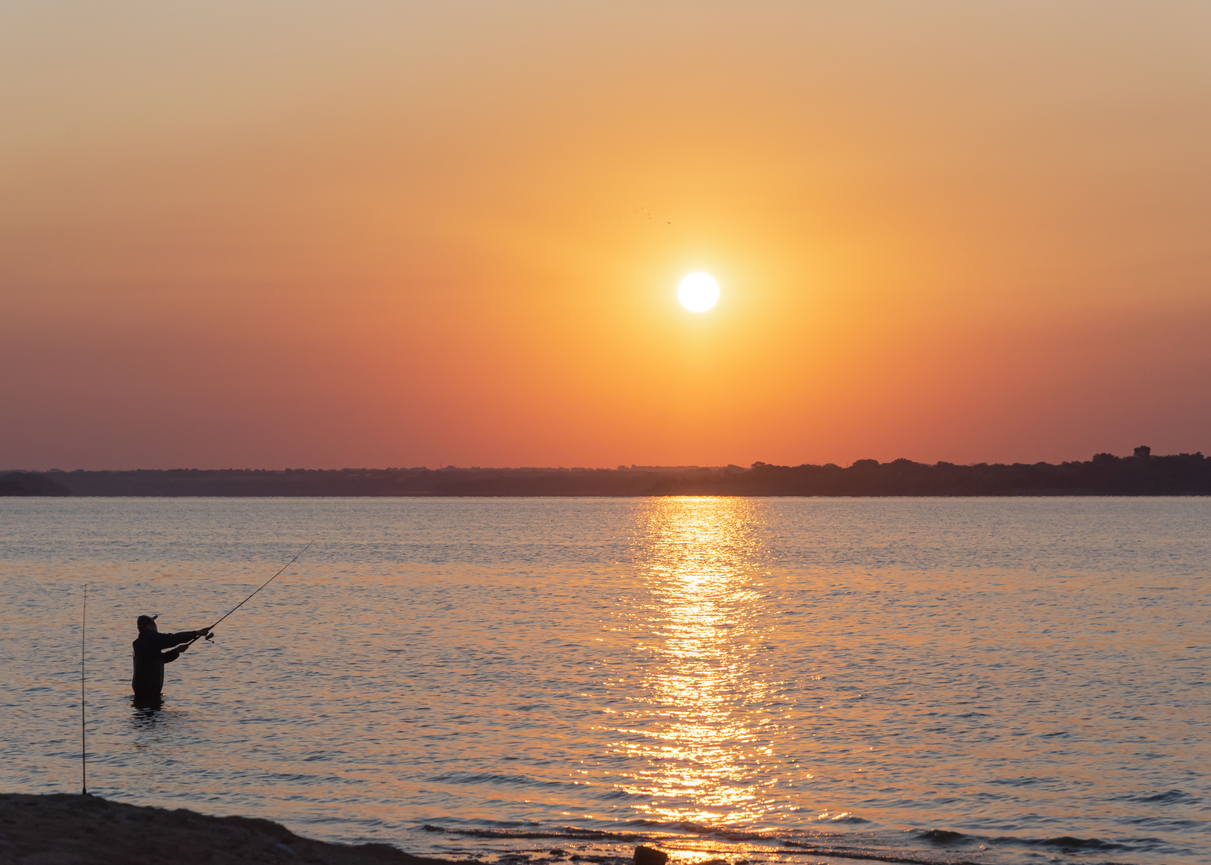
One big reason fishing matters so much in Texas is the variety of places to fish. Texas is huge, and its waters are just as varied as its landscapes. The state has the Gulf Coast, bays, marshes, rivers, reservoirs, creeks, ponds, and spring-fed lakes. That range gives Texans many ways to fish without leaving their own state.
Along the coast, anglers go after redfish, speckled trout, flounder, black drum, and many other species. In inland lakes, bass fishing is especially popular, but catfish and crappie also draw plenty of attention. Rivers and streams offer their own experience, often with slower rhythms and a closer feel to the land.
This variety helps fishing become part of normal life. Someone in East Texas may grow up fishing timber-lined lakes. Someone near Houston may spend weekends on bays or jetties. In Central Texas, people may head for rivers or reservoirs after work. In South Texas, fishing can feel tied to both family life and coastal identity. The setting changes, but the habit stays strong.
Fishing Fits the Texas Mindset
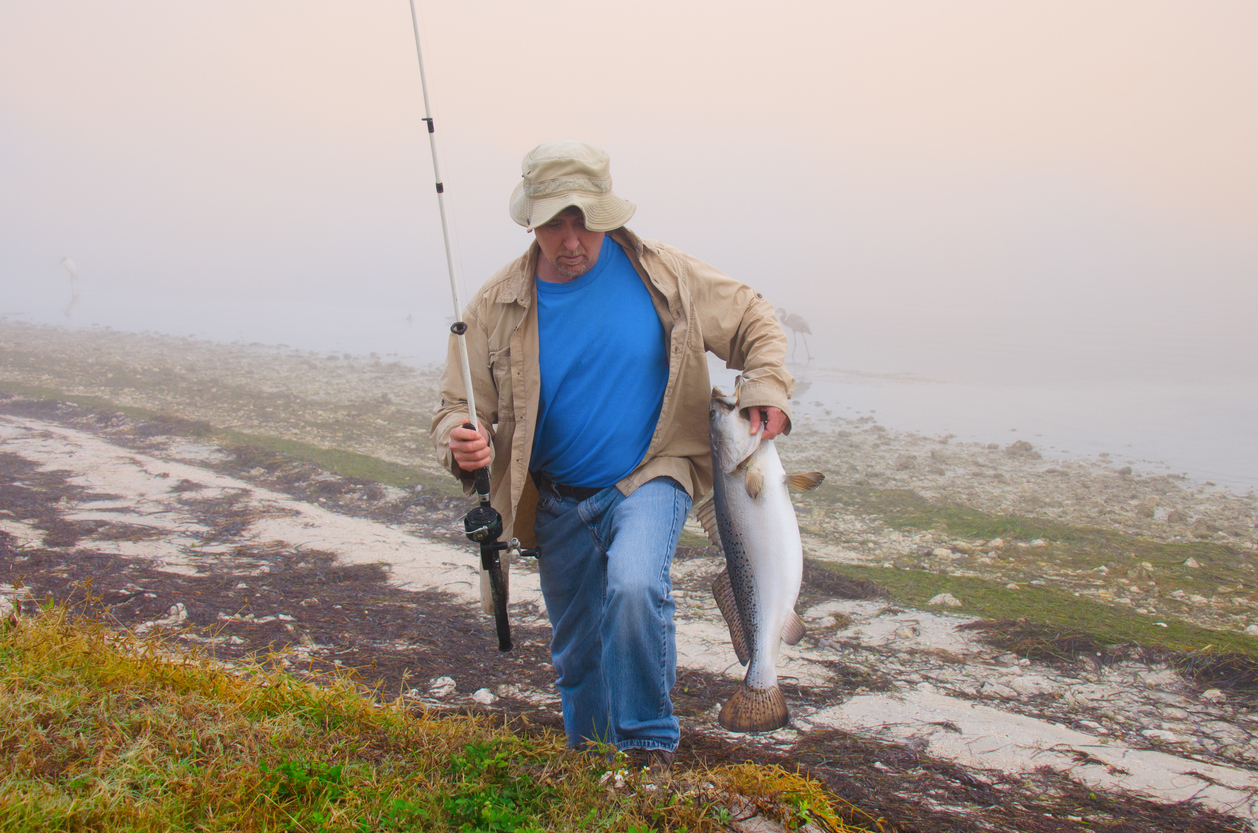
Fishing also suits the Texas way of life because it matches values many people in the state respect. Texans often admire self-reliance, patience, outdoor skill, and practical knowledge. Fishing calls for all of those.
A good angler learns how weather affects fish movement. They pay attention to wind, water depth, bait, tide, season, and structure. They learn when to wait and when to move. They learn how to read a shoreline or a patch of open water. Over time, fishing becomes more than dropping a line into the water. It becomes a way of observing the world closely.
That appeals to people in Texas. It rewards knowledge that is earned, not just taught. A person may learn from a parent, a grandparent, a neighbor, or years of trial and error. That kind of learning carries weight in a state where hands-on experience is often respected.
Fishing also gives people a direct relationship with the outdoors. In a fast-moving world, many Texans still value activities that slow the mind and sharpen attention. Fishing does exactly that. Even when the action is slow, the experience still matters.
It Brings Families Together
For many Texans, fishing starts in childhood. It is one of the easiest outdoor traditions to pass from one generation to the next. A child does not need expensive gear or expert-level skill to get started. All it takes is a line in the water, a little patience, and someone willing to show the basics.
That makes fishing a family activity in the strongest sense. Grandparents teach knots. Parents explain how to cast. Kids learn how to bait a hook, handle a fish, and watch the water. Some of these lessons are practical, but others are deeper than that. Fishing teaches patience, respect for nature, quiet focus, and the value of time spent together.
In Texas, these moments often become lasting family stories. People remember who caught the first bass, who fell into the lake, who lost the big one, or who always seemed to bring the luck. Those memories stick because fishing is not rushed. It gives people time to talk, joke, and share space without distraction.
That helps explain why fishing is more than recreation. It becomes part of family identity. In many Texas households, it is one of the traditions that keeps generations connected.
The Gulf Coast Gives Fishing a Special Place
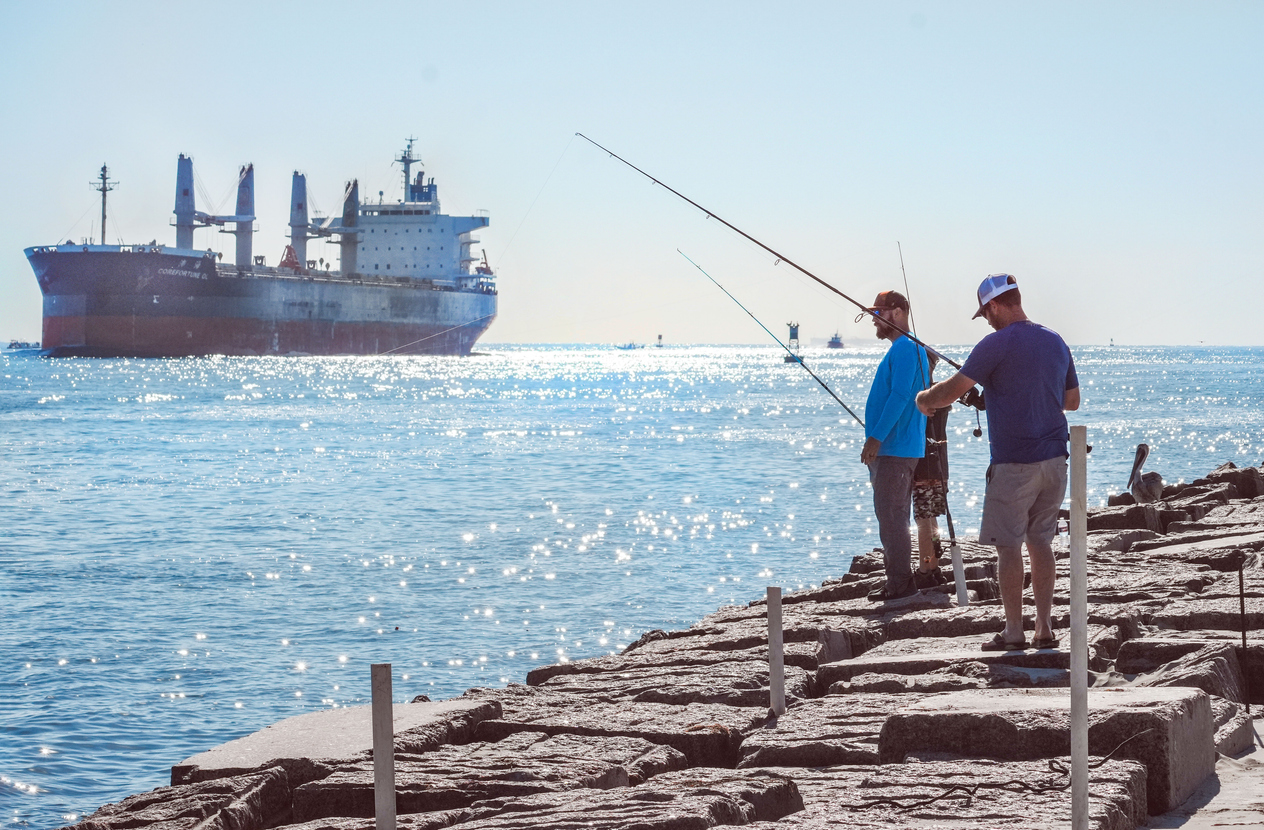
The Texas coast gives fishing an even bigger role in state life. Coastal fishing is not just a hobby there. It is part of the local economy, local culture, and local routine. Towns along the Gulf often grow around water-based work and recreation. Fishing fits naturally into that pattern.
Bay fishing, surf fishing, offshore trips, and pier fishing all attract Texans year-round. Coastal anglers may launch before sunrise, wade shallow flats, or fish from a dock late into the evening. For some, this is a weekend break. For others, it is a serious practice tied to skill, tradition, and local pride.
The coast also gives fishing a social side. Friends plan trips around tides and weather. Families rent cabins near the water. Local bait shops become gathering spots where people trade reports, advice, and stories. Restaurants, marinas, guides, and tackle stores all benefit from the activity that fishing brings.
In coastal Texas, fishing feels woven into the rhythm of daily life. It shapes weekends, vacations, and conversations. It also helps connect inland Texans to the coast, since many people travel there specifically to fish.
Texas Lakes Help Turn Fishing Into a Year-Round Habit
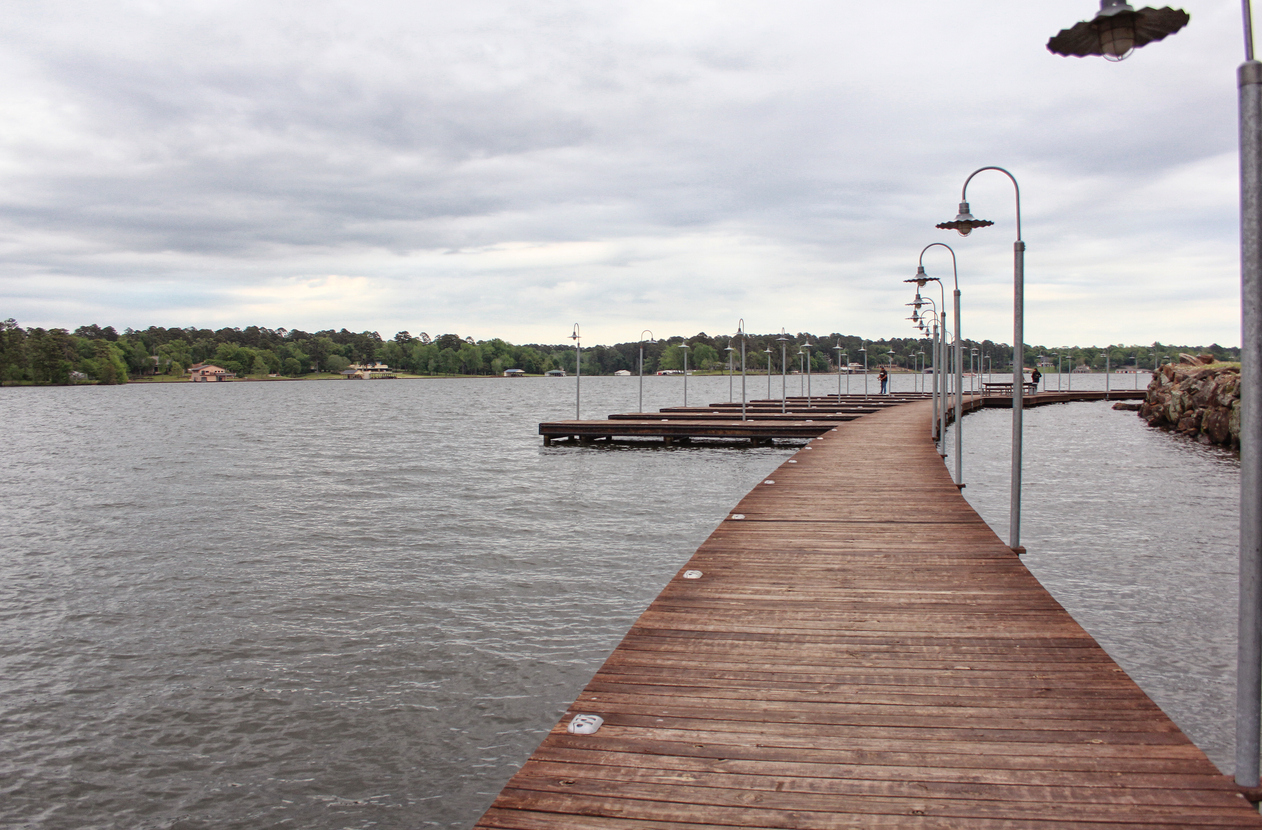
Inland fishing matters just as much. Texas has many reservoirs and lakes that support strong fishing culture throughout the year. These lakes make fishing more accessible to people who live far from the coast. They also create local traditions in towns that may be hours away from saltwater.
Bass fishing stands out in particular. Texas has built a strong reputation around largemouth bass, and many anglers take pride in the quality of the state’s fisheries. Serious bass anglers study gear, water temperature, fish patterns, and seasonal movements with almost scientific interest. Yet the same lakes that attract experienced anglers also welcome beginners who just want a calm afternoon outdoors.
Catfish and crappie are also a major part of inland fishing life. They are popular, accessible, and familiar. A lot of Texans who may never enter a tournament still spend plenty of time fishing for these species with family or friends. In that way, fishing stays wide open. It does not belong only to experts.
Because of all this, fishing has become routine. It is not always a special event that takes months to plan. Often, it is just what people do on a Saturday morning.
Fishing Supports Local Economies
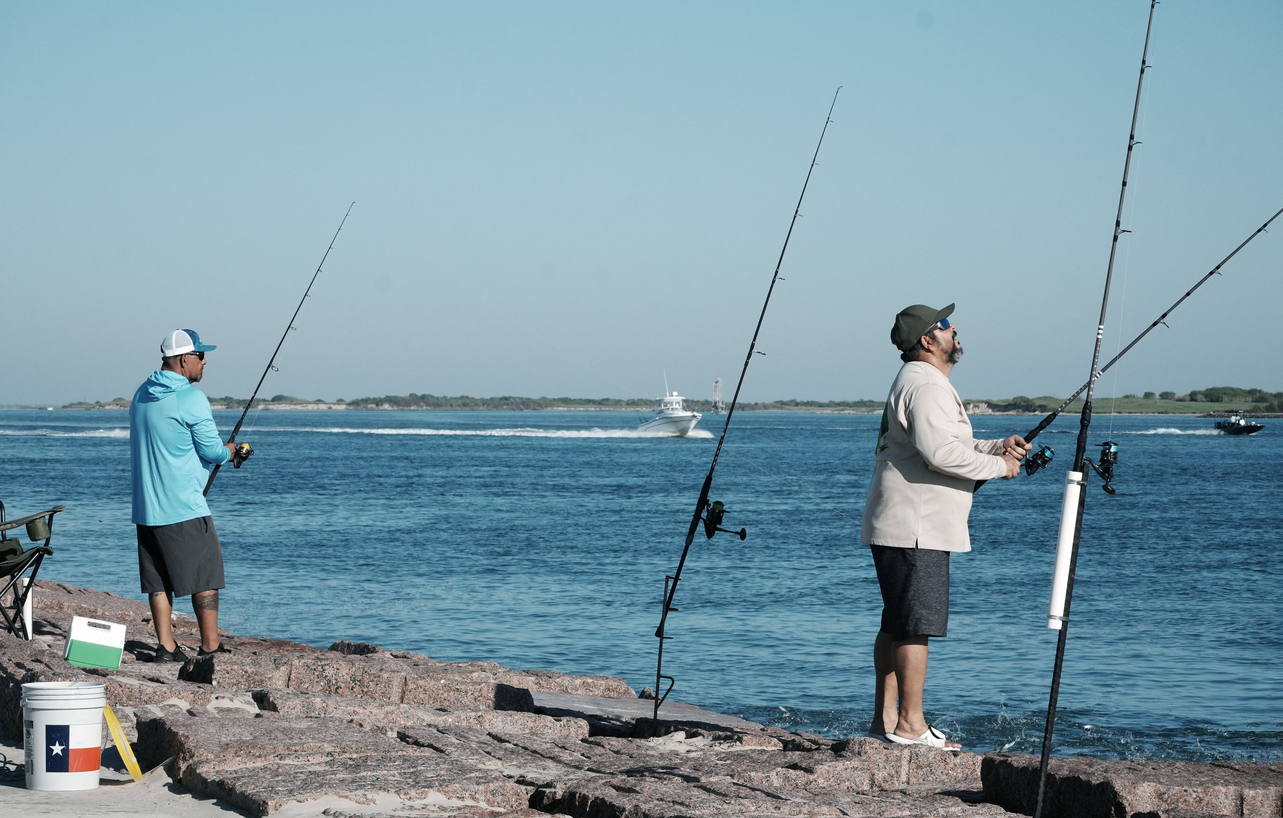
Another reason fishing matters in Texas is economic. Fishing helps support jobs and businesses across the state. The effect is easy to see in coastal towns, lake communities, and places near popular public waters.
People who fish spend money on bait, tackle, fuel, boats, repairs, guides, lodging, food, licenses, and outdoor clothing. Even a simple trip can support several local businesses in one day. A larger trip may support many more.
Guide services are especially important in some areas. Experienced fishing guides help visitors enjoy Texas waters safely and successfully. They also pass along local knowledge and bring tourism money into communities. Marinas, boat ramps, campgrounds, and lakeside stores all benefit from fishing traffic.
The same goes for tournaments and fishing events. These can bring crowds, media attention, and spending to an area. Hotels fill up. Restaurants get busy. Local shops see more customers. That makes fishing important not just as a pastime, but as a reliable source of local activity.
For many Texas communities, fishing is not something extra. It is part of how business gets done.
It Connects Recreation and Food
Fishing in Texas also stays important because it links recreation with food in a direct, practical way. Many people enjoy the simple fact that a day on the water can lead to a meal at home. That connection gives fishing a deeper meaning than some other forms of outdoor activity.
For families and friends, cleaning and cooking fish can be part of the tradition. Fried catfish, grilled trout, and fresh coastal catches bring people together around the table after the trip is over. The meal becomes part of the memory.
This practical side has long mattered in Texas. In earlier times, fishing could help feed a household more directly. Today, many people fish mainly for enjoyment, but the link between water and table still carries meaning. It adds purpose to the experience and helps people feel more connected to the land and water around them.
That mix of fun and usefulness gives fishing staying power. It feels rewarding in more than one way.
Fishing Offers a Break From Modern Life
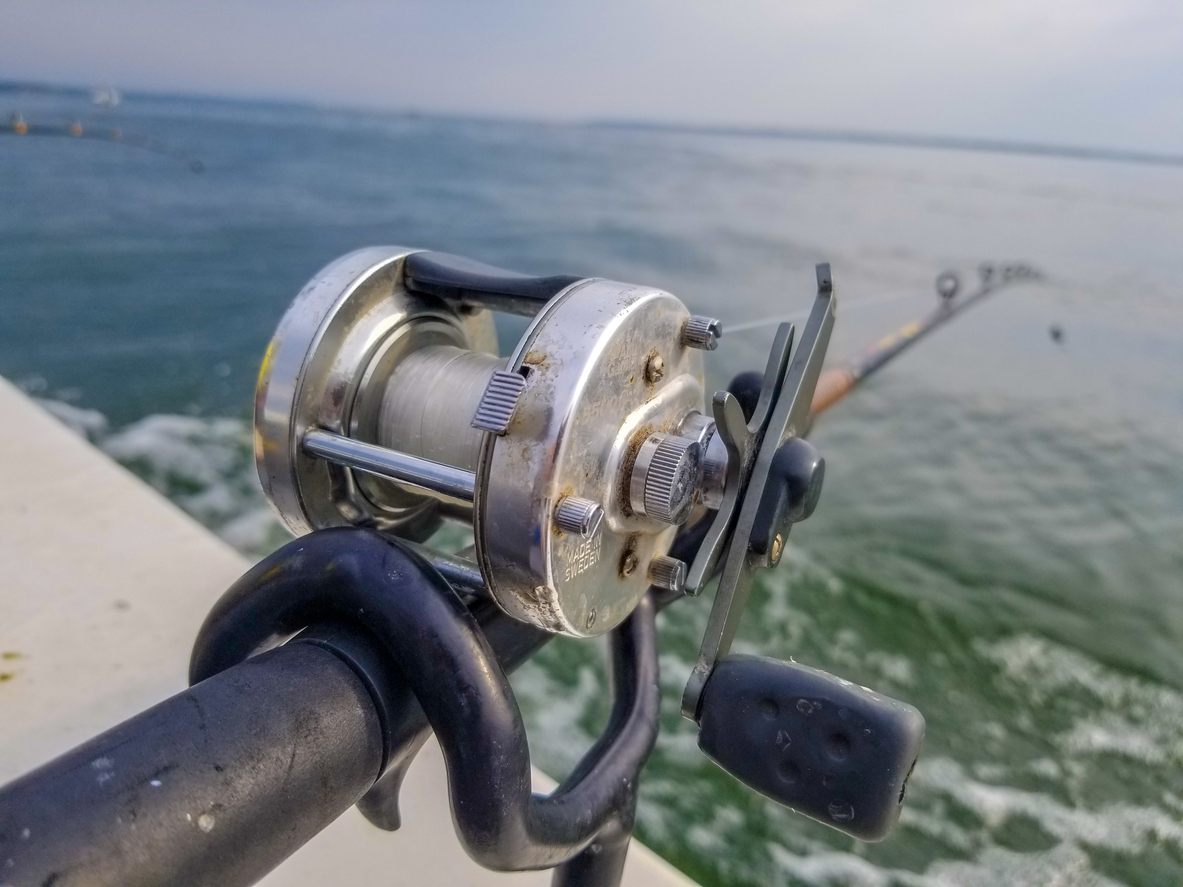
Modern life is loud, rushed, and packed with screens. Fishing offers something different. It gives people time outdoors without demanding constant noise or speed. That alone makes it valuable.
In Texas, where many people work long hours and deal with busy roads, crowded schedules, and fast-moving routines, fishing can feel like a reset. A few hours on the water can clear the mind. The act of casting, waiting, watching birds, and feeling the wind can settle a person in a way that few activities do.
This does not mean fishing is always quiet or slow. Some anglers enjoy the challenge, strategy, and excitement. But even the more active forms of fishing usually pull people away from ordinary pressure. They create a different kind of focus.
That helps explain why people return to it again and again. Fishing gives them something they may not find easily elsewhere, space to breathe and think.
It Builds Community
Fishing may look solitary from a distance, but in Texas it often creates strong communities. Anglers share information, trade tips, and help one another learn. People meet at docks, ramps, bait shops, tackle counters, and shoreline spots they have visited for years.
There are also clubs, tournaments, youth events, and community fishing programs that bring people together. Some are casual. Others are highly organized. Either way, they help turn fishing into a social tradition instead of a private hobby.
This is especially important for younger anglers. When kids and teens get involved in fishing, they often gain mentors as well as skills. They learn safety, responsibility, and respect for wildlife. They also become part of a community that values the outdoors.
In a large state where people live very different lives depending on where they are, fishing creates common ground. A coastal guide, a retired lake angler, and a teenager learning to cast may have very different backgrounds, but they can still speak the same language once the topic turns to fish, water, bait, and weather.
Conservation Matters Too
Fishing remains a major part of life in Texas partly because Texans understand that healthy waters matter. Anglers often become strong supporters of conservation because they see firsthand how water quality, habitat, weather, and fish populations affect the future of the sport.
When people care about fishing, they also tend to care about lakes, rivers, bays, wetlands, and access to public waters. They notice changes. They pay attention to stocking efforts, habitat protection, and rules designed to keep fisheries healthy.
This matters because fishing is not only about the present. It is about passing something on. A parent teaching a child to fish is not thinking only about today’s catch. They are also hoping those waters stay productive and accessible in the years ahead.
That forward-looking attitude helps keep fishing important in Texas. It turns enjoyment into stewardship.
Fishing Is Part of the Texas Story
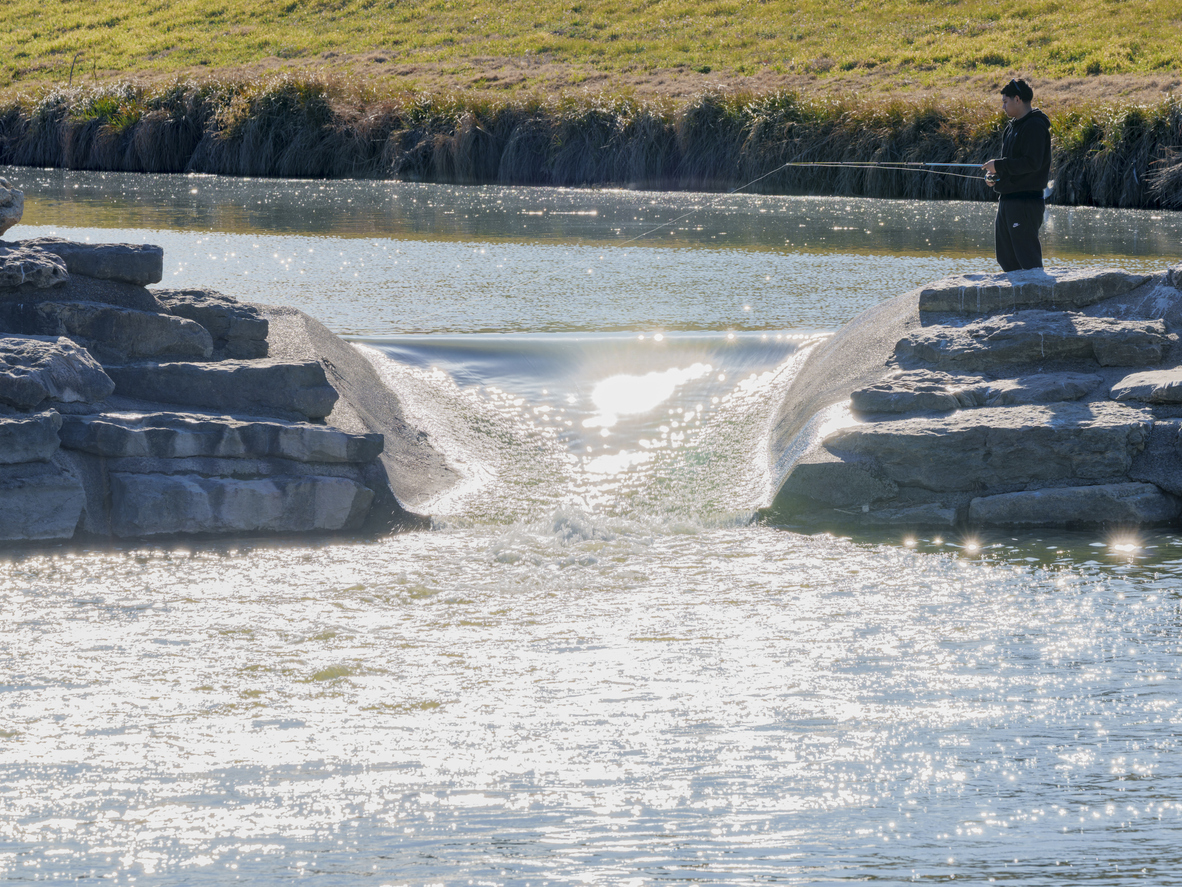
At its core, fishing is such a big part of life in Texas because it fits the state on many levels at once. It suits the landscape. It fits family life. It supports local economies. It builds skill, patience, and memory. It gives people food, fun, peace, and community.
Texas is large enough to hold many versions of the fishing life. There is the coastal angler in the surf, the bass fisherman on a reservoir, the child at a stock tank, the retiree on a dock, and the family cooking their catch at the end of the day. These are different scenes, but together they show why fishing means so much here.
It is familiar without being boring. It is simple enough for beginners, yet deep enough to keep experts interested for decades. It brings people outside and gives them a reason to pay attention to weather, water, and season. In a state that values both tradition and independence, fishing feels right at home.
That is why fishing remains such a strong part of Texas life. It is not only something people do. It is something people grow up with, return to, and pass along. In Texas, fishing is tied to place, memory, and identity, and that connection is not likely to fade anytime soon.