

Getting a hunting license in Texas is not hard, but it does come with a few rules you need to understand before you head into the field. The good news is that Texas makes the process fairly straightforward. You can usually buy your license online, at a retail store, or through approved Texas Parks and Wildlife Department channels. The main thing is knowing which license fits your situation and what extra requirements may apply to the kind of hunting you plan to do.
If this is your first time hunting in Texas, the process can feel a little confusing at first. There are resident licenses, non-resident licenses, youth licenses, senior licenses, hunter education rules, and endorsements for certain species. Once you break it down step by step, though, it becomes much easier to handle.
This guide walks you through what you need to know, what to buy, and what to do before opening day.
Start With The Basics
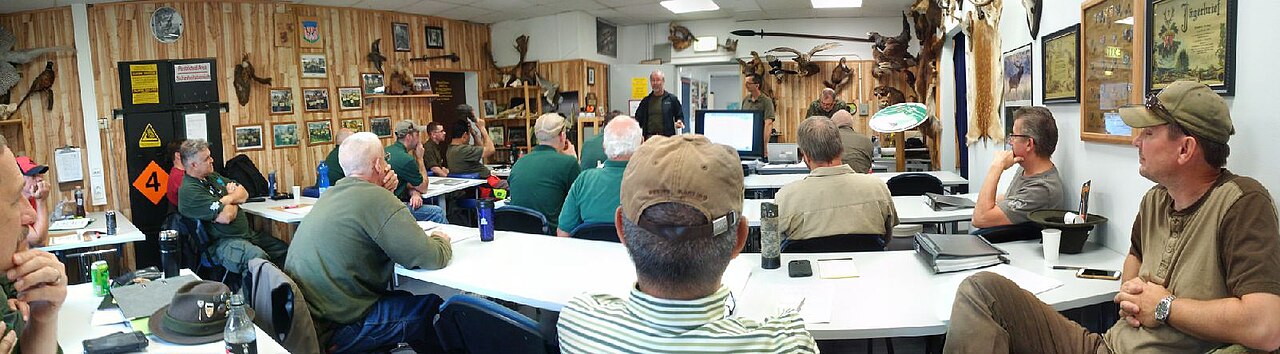
In Texas, a hunting license is required for anyone hunting any animal, bird, frog, or turtle in the state, whether that person is a resident or a non-resident. There are a few exceptions, such as certain situations involving feral hogs on private property with landowner authorization, or coyotes attacking livestock, but for most people planning a regular hunt, a license is required.
Texas hunting licenses are generally valid from the date you buy them through August 31, unless the license says otherwise. Licenses also go on sale beginning August 15 for the new license year. That means timing matters. If you buy late in one license cycle, it may expire sooner than you expect.
So before you do anything else, ask yourself these questions:
- Are you a Texas resident or a non-resident?
- Are you under 17, 65 or older, or a standard adult applicant?
- Are you hunting deer, upland birds, migratory birds, or another species?
- Do you need hunter education before you can legally hunt?
Once you know those answers, choosing the right license gets much easier.
Figure Out Which License You Need
Texas offers several hunting license types, and the right one depends mostly on age and residency status.
Resident Hunting License
A standard resident hunting license is for Texas residents. It covers hunting legal birds and animals, though endorsements may still be required depending on the species and season.
To qualify as a Texas resident for license purposes, you generally must have lived continuously in Texas for more than six months before buying the license. Texas also recognizes certain active-duty military members and dependents as residents for licensing purposes.
Senior Resident Hunting License
If you are a Texas resident age 65 or older, the senior resident hunting license is available at a reduced cost.
Youth Hunting License
The youth hunting license is valid for anyone under 17 at the time of purchase, whether they are a resident or non-resident. Youth hunters are exempt from state hunting endorsement requirements except for the reptile and amphibian endorsement. If HIP certification applies, that still must be added.
Non-Resident General Hunting License
If you are not a Texas resident, the main full hunting option is the non-resident general hunting license. This is the license typically required for non-residents who want to hunt deer and other major game animals in Texas.
Non-Resident Special 5-Day Small Game/Exotic License
Texas also offers a non-resident special 5-day small game and exotic hunting license. This option is more limited. It works for certain legal game birds, exotic animals, javelina, squirrel, non-game animals, and fur-bearing animals, but not for deer, wild turkey, alligator, pronghorn, or bighorn sheep.
Make Sure You Meet Hunter Education Requirements
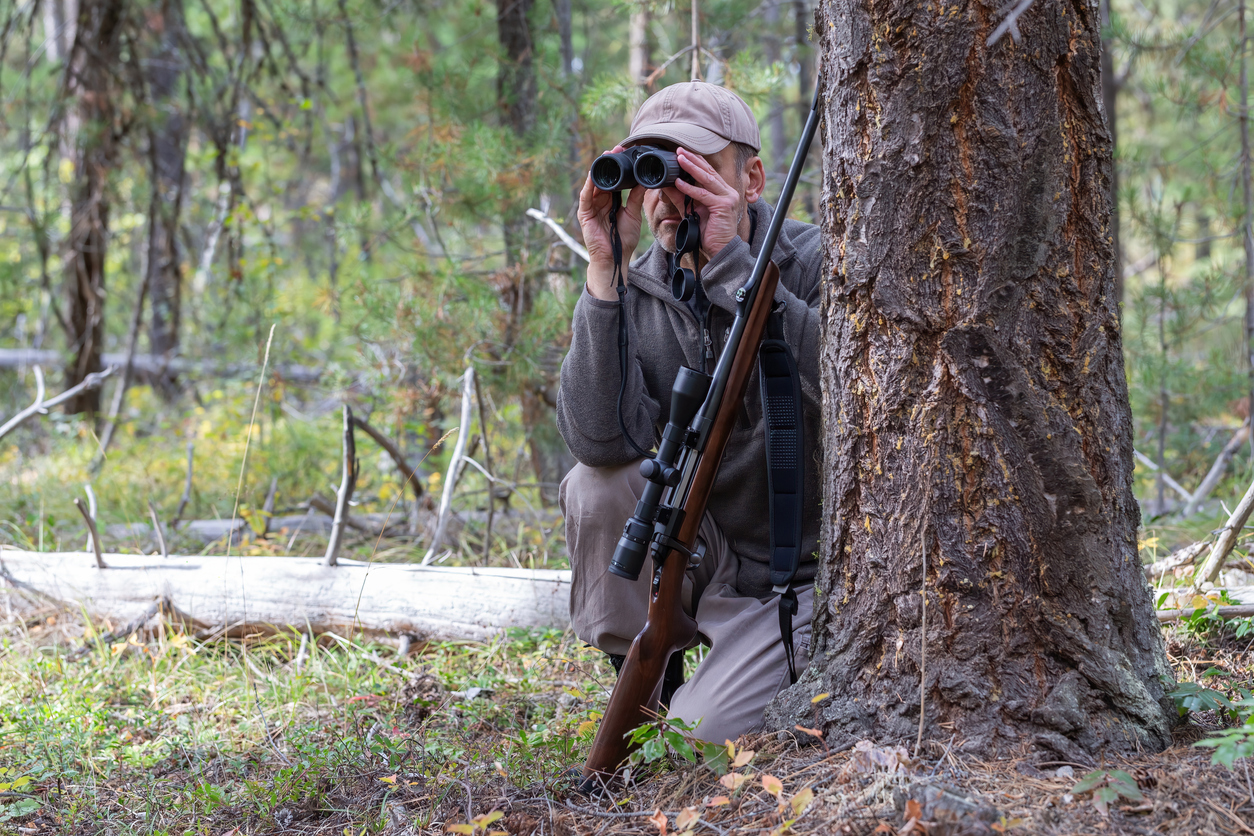
This is the part many first-time hunters overlook.
Texas requires hunter education for every hunter born on or after September 2, 1971. That rule applies even to out-of-state hunters. Proof of certification or proof of a valid deferral must be with you while hunting, either in print or electronically. Certification is not required to purchase the license itself, but it is required to hunt legally if you fall into the required age group.
Here is how the age rules work for people born on or after September 2, 1971:
- Under age 9: the hunter must be accompanied
- Ages 9 through 16: the hunter must complete hunter education or be accompanied
- Age 17 and older: the hunter must complete hunter education, or buy a one-time hunter education deferral and be accompanied
In this context, “accompanied” means being with a person who is at least 17, licensed to hunt in Texas, and either hunter-education certified or exempt because they were born before September 2, 1971. The accompanying person must remain within normal voice control.
Hunter Education Course Options
Texas says the minimum age for hunter education certification is 9 years. A classroom course is available for all ages and includes several hours of instruction. There is also an internet-plus-field option, along with online-only options for older applicants. This gives new hunters a few ways to complete the requirement based on their age and schedule.
Hunter Education Deferral
If you are 17 or older and have not completed hunter education yet, Texas offers a Hunter Education Deferral. This is a temporary option that lets you hunt legally while accompanied, but only if you meet the rules. It is not a permanent substitute for the course. It simply gives you extra time to complete the requirement.
Check Whether You Need Endorsements
A hunting license by itself is not always enough.
Texas requires certain endorsements depending on what you are hunting. These endorsements are not required for hunters under 17, except where specifically noted, but adult hunters should pay close attention here.
Common endorsements include:
- Archery Endorsement: required to hunt game animals during an archery-only open season, and required to hunt deer at any time in certain counties
- Texas Migratory Game Bird Endorsement: required to hunt migratory game birds such as dove, ducks, geese, coot, rail, snipe, sandhill crane, and woodcock
- Upland Game Bird Endorsement: required for wild turkey, pheasant, quail, and chachalaca
If you plan to hunt waterfowl and you are 16 or older, a valid Federal Duck Stamp is also required, along with a valid hunting license, HIP certification, and the Texas Migratory Game Bird Endorsement.
This is one of the easiest places to make a mistake. Someone may buy a hunting license, assume they are done, and then head out for dove or duck season without the right endorsement or certification. Always match your license to your exact hunting plans.
Gather The Information You May Need When Buying
Before you purchase, make sure you have the basics ready.
Texas says hunters age 17 and older must have a driver’s license or personal identification certificate on their person while hunting. Non-residents need a similar document from their home state or country. People older than 13 generally must also provide a Social Security number to purchase a license.
If you are claiming Texas residency and your situation is unusual, it also helps to know what counts as proof of residency. Texas accepts documents such as a valid Texas driver’s license issued at least six months before the application, a current Texas voter registration certificate, current vehicle registration, recent utility bills, recent paycheck receipts, or a homestead property tax statement. These documents must reflect your name and a physical Texas address.
Buy The License
Texas gives you a few ways to get your hunting license.
Buy Online
Texas Parks and Wildlife offers many recreational hunting licenses and endorsements through its official online sales system. For many hunters, this is the quickest and easiest option. In many cases, you can buy what you need without leaving home.
Buy From A Retailer
You can also buy licenses at many retail locations across Texas. These include sporting goods stores, gun shops, department stores, discount stores, bait and tackle shops, and some grocery stores. This can be a good option if you want help choosing the right combination of license and endorsements.
Buy Through TPWD Offices When Applicable
Some license types are available through Texas Parks and Wildlife offices. For most everyday recreational hunters, though, online purchase or an authorized retailer will usually be enough.
Do Not Stop At The License
Buying the license is only part of getting legal and ready to hunt in Texas.
You also need to check:
- season dates for your species and county
- legal means and methods
- public or private land rules
- tagging requirements
- harvest reporting rules where applicable
- CWD zone rules if you are hunting deer in affected areas
For example, after harvesting a deer or pronghorn, Texas requires the appropriate tag or permit to be filled out immediately before the animal is field dressed or moved. If a hunting license tag is used, the hunting license harvest log for white-tailed deer must also be completed. In some CWD zones, additional check station rules may apply.
That means getting licensed is step one. Hunting legally and responsibly means reading the current season regulations too.
A Simple Step-By-Step Path
If you want the process in the clearest possible form, here it is:
- Confirm whether you are a resident, non-resident, youth, or senior applicant.
- Determine whether hunter education applies to you.
- Take the hunter education course, or buy a one-time deferral if you are eligible.
- Choose the correct hunting license for your age and residency.
- Add any endorsements needed for your species or season.
- Buy online or through an approved retailer.
- Carry your license, ID, and hunter education proof or deferral while hunting.
- Review season dates, tagging rules, and county-specific regulations before opening day.
Final Thoughts
Getting a hunting license in Texas is not complicated once you understand the moving parts. Most people can handle it in one sitting if they know which license they need and whether hunter education applies to them. The most common problems usually come from missing an endorsement, misunderstanding hunter education rules, or assuming that buying a license is the only step required.
The best approach is simple. Start with the official Texas Parks and Wildlife rules, decide which license fits you, complete the education requirement if needed, and double-check the regulations for the animal you plan to hunt. Do that, and you will be in much better shape for a legal, safe, and smooth start to hunting in Texas.