

Texas has no shortage of outdoor places worth visiting. From canyon trails and granite domes to lake beaches and shady riverbanks, the state park system gives Texans a way to explore the state without planning a far-off vacation.
In 2025, Texas state parks drew more than 9.2 million visitors. The Prairies & Lakes region led all Texas park regions with more than 3 million visits, followed by the Hill Country with more than 2.1 million. The most visited park was Ray Roberts Lake State Park, a North Texas favorite that drew close to a million guests on its own.
Below are the top 10 most visited Texas State Parks. It also looks at why these parks keep winning with visitors year after year.
10. Inks Lake State Park
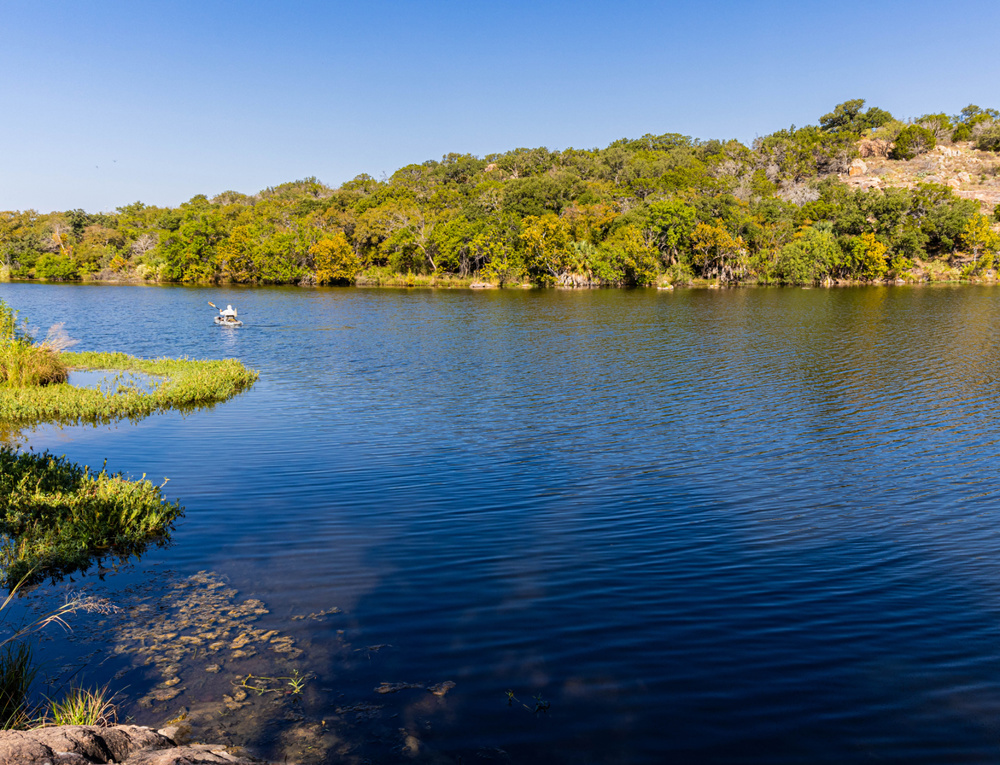
Inks Lake State Park sits in the Hill Country near Burnet, about an hour northwest of Austin. It has the kind of setting that makes a quick getaway feel easy. The lake stays relatively constant, which means visitors can usually count on fishing, swimming, paddling, and boating even when some other Central Texas waterways are less reliable.
The park’s biggest strength is variety. Families can swim, picnic, camp, or rent a cabin. Hikers can explore rocky trails with views of the lake and surrounding hills. Visitors who enjoy geology can spot ancient rock formations that show off the rugged character of this part of Texas.
Inks Lake keeps winning because it feels both scenic and manageable. It does not require expert hiking skills or a long wilderness trip. It works for first-time campers, families with kids, casual swimmers, and people who simply want a pretty place to spend a Saturday.
Its location also matters. Being close to Austin and other growing Central Texas communities gives it a steady stream of day-use visitors. Add in lake access, sunsets, cabins, and classic Hill Country scenery, and it is easy to see why Inks Lake remains one of the state’s most visited parks.
9. Brazos Bend State Park
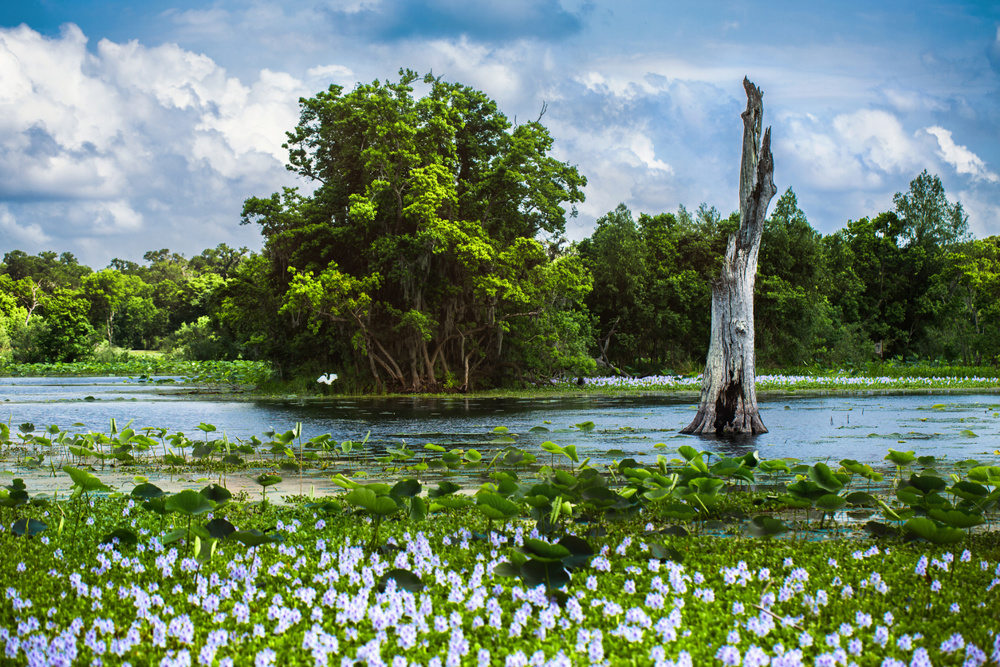
Brazos Bend State Park is about 45 minutes from downtown Houston, but it feels far removed from city life. That contrast is a major reason people keep coming back. The park gives visitors a chance to see wetlands, woodlands, lakes, birds, and alligators without driving across the state.
The wildlife is the headline attraction. Brazos Bend is one of the best-known parks in Texas for alligator viewing. Visitors often spot them near water, sunning on banks, or resting quietly in marshy areas. The park also attracts birders because of its range of habitats.
Its trail system adds to the appeal. With miles of walking and biking paths, Brazos Bend gives people room to explore at their own pace. Some trails are easy and flat, while others offer longer routes for visitors who want a fuller outdoor day.
Brazos Bend keeps winning because it gives Houstonians a true nature experience close to home. It is educational, exciting, and accessible. For families, it can feel like an outdoor science lesson. For photographers and wildlife watchers, it offers steady rewards. For casual visitors, it provides a peaceful break from traffic, screens, and city noise.
8. Dinosaur Valley State Park
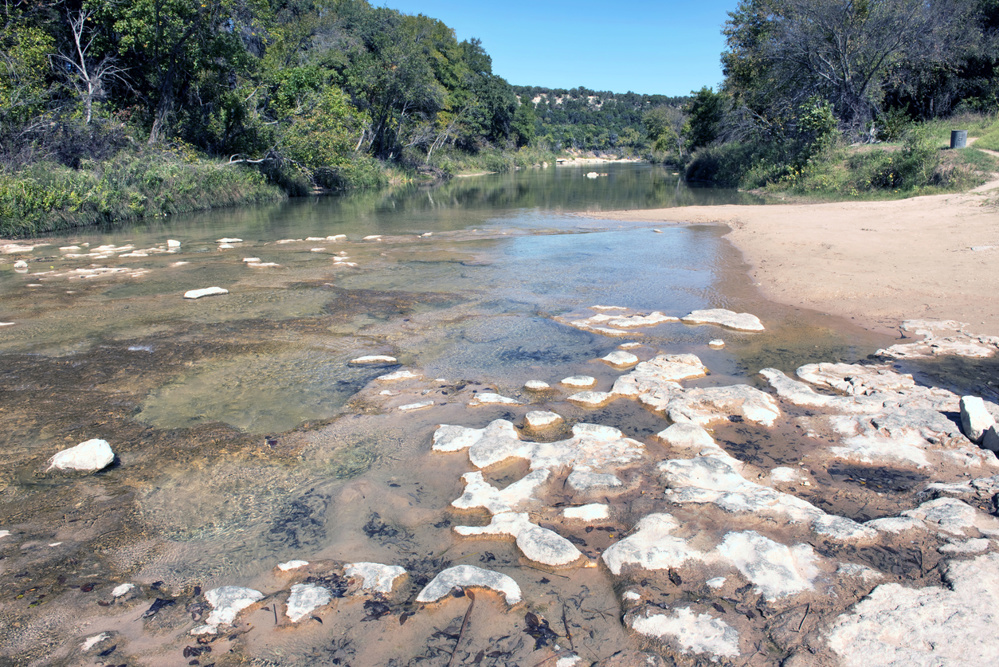
Dinosaur Valley State Park near Glen Rose has one feature that instantly sets it apart: real dinosaur tracks. When water levels allow, visitors can see fossilized footprints in the bed of the Paluxy River. That alone gives the park a sense of wonder few places can match.
The tracks are tied to a prehistoric landscape from more than 100 million years ago. Long before Texas looked the way it does today, dinosaurs moved through muddy flats that later hardened into stone. Today, those tracks turn a park visit into a direct connection with deep time.
Still, Dinosaur Valley offers more than its famous footprints. Visitors can hike, camp, swim, fish, and explore trails that cross hills, riverbeds, and wooded areas. The park also has life-size dinosaur models that remain a favorite stop for kids and families.
Its popularity comes from a rare mix of fun and education. A child may arrive excited about dinosaurs and leave with a better understanding of geology, fossils, rivers, and natural history. Adults often find the experience just as memorable. Dinosaur Valley keeps winning because it makes science feel alive, visible, and surprisingly close to home.
7. Galveston Island State Park
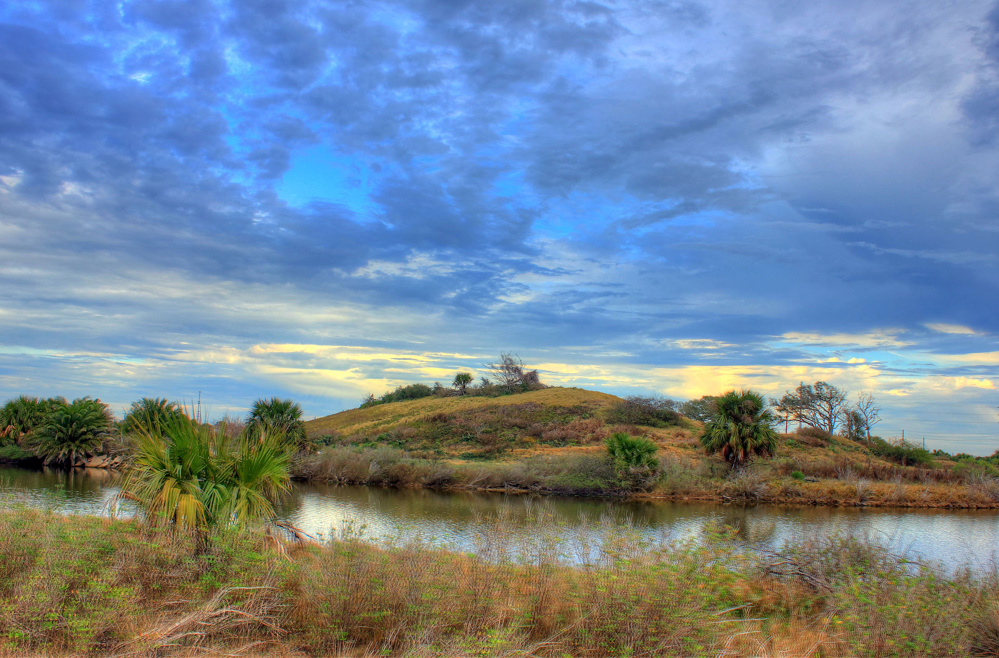
Galveston Island State Park gives Texans something many inland parks cannot: beach access and coastal habitat in one place. Located about an hour from Houston, the park draws visitors who want sand, water, birding, paddling, fishing, and a Gulf Coast breeze.
The park has two different personalities. On the Gulf side, visitors can enjoy beach walks, swimming, and coastal views. On the bay side, the landscape shifts toward wetlands, paddling routes, and bird habitat. That split gives the park a broader appeal than a simple beach stop.
Galveston Island also plays an educational role. It helps visitors understand coastal ecosystems, barrier islands, marshes, and the importance of protecting shoreline environments. For many families, it is an easy place to combine recreation with learning.
The park keeps winning because it fits so many kinds of trips. It can be a beach day, a birding outing, a fishing trip, a camping weekend, or a quiet sunset stop. Its closeness to Houston gives it a large audience, while its coastal setting gives it a vacation feel without requiring a long drive.
6. McKinney Falls State Park
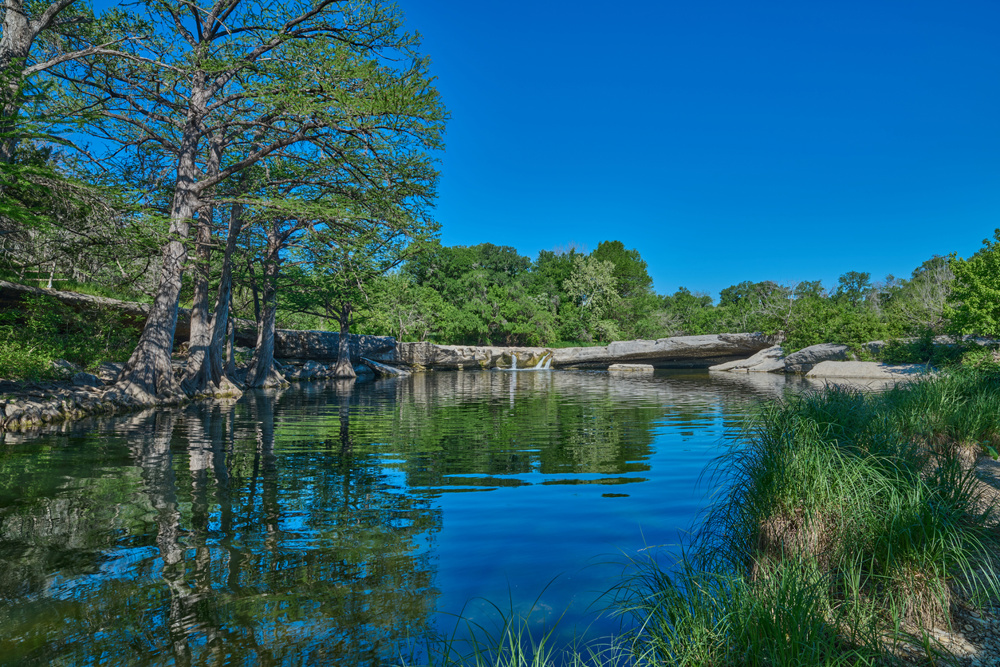
McKinney Falls State Park is often described as Austin’s backyard, and that explains much of its popularity. The park sits only about 13 miles from the Texas Capitol, making it one of the easiest state parks to reach from a major city.
The main attractions are the upper and lower falls along Onion Creek. When water levels are good, visitors can enjoy the sound and sight of water moving over limestone ledges. The park also has trails, camping, picnic areas, biking routes, and historic features.
McKinney Falls proves that a park does not have to be remote to feel meaningful. It gives Austin residents and visitors a quick way to step into nature without planning a major trip. People can hike in the morning, picnic at lunch, and still be back in the city before dinner.
Its staying power comes from convenience and charm. It works for locals who need a quick reset, tourists who want a nature stop near Austin, and families testing out camping for the first time. The waterfalls give the park its identity, but its location helps keep it busy year after year.
5. Enchanted Rock State Natural Area
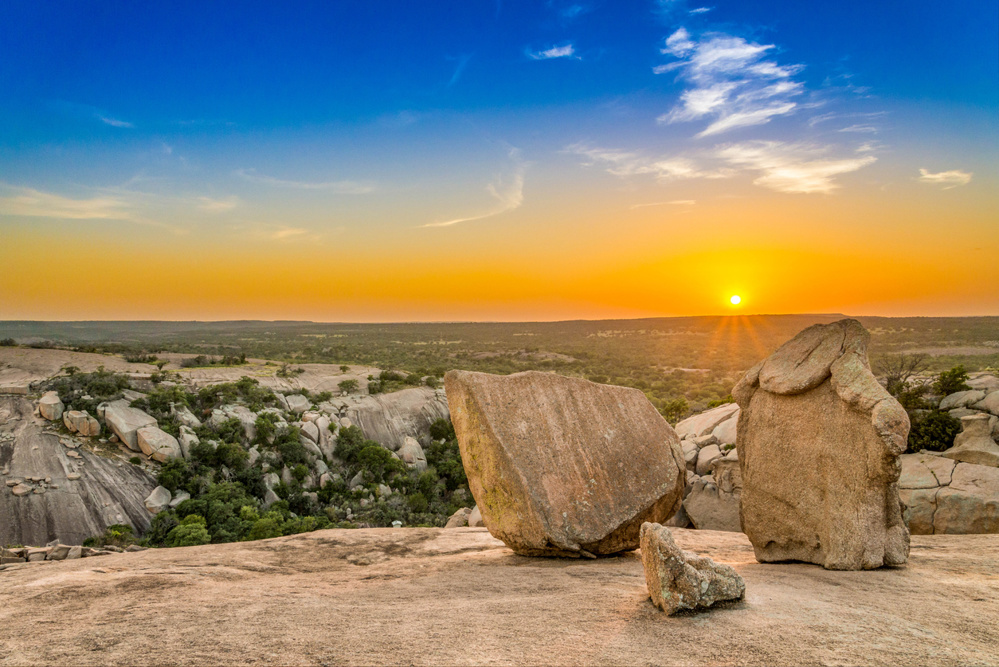
Enchanted Rock State Natural Area is one of the most recognizable natural landmarks in Texas. Its massive pink granite dome rises from the Hill Country near Fredericksburg and has attracted people for thousands of years.
The summit hike is short, but it is not effortless. The climb up the granite surface can be steep, especially in warm weather. The reward is a wide view across Central Texas, where hills, trees, rock, and sky stretch in every direction.
Enchanted Rock also appeals to people interested in geology and cultural history. The dome formed from ancient granite, and the area has long held significance for Indigenous peoples. Today, visitors come for hiking, rock climbing, photography, stargazing, and the unusual beauty of the landscape.
The park keeps winning because it feels iconic. Many Texas parks are beautiful, but Enchanted Rock has a landmark quality that makes people want to say, “I’ve been there.” Its closeness to Fredericksburg also helps. Visitors can pair outdoor adventure with a Hill Country town trip, making the park part of a larger weekend experience.
4. Palo Duro Canyon State Park
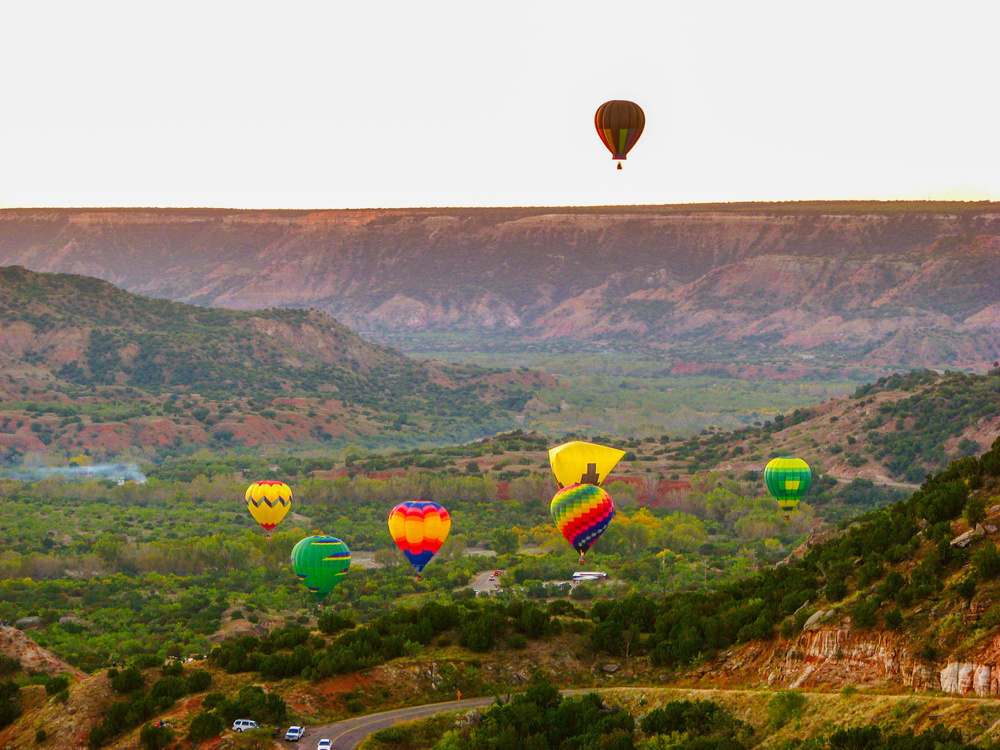
Palo Duro Canyon State Park offers one of the most dramatic landscapes in Texas. Often called the Grand Canyon of Texas, it is the second-largest canyon in the United States. Its layered rock walls, broad views, and famous formations make it a standout in the Panhandle.
The park’s most popular hike is the Lighthouse Trail, which leads toward one of its best-known rock formations. Visitors also come for camping, horseback riding, mountain biking, scenic drives, and stargazing. The landscape changes throughout the day as sunlight moves across the canyon walls.
Palo Duro keeps winning because it feels big. It gives visitors a sense of scale that many parks cannot match. Standing inside the canyon, people can see millions of years of natural history written in color, shape, and shadow.
It is also a reminder that Texas scenery is incredibly varied. The same state with Gulf beaches and cypress-lined rivers also has red canyon walls and open Panhandle skies. Palo Duro draws people because it feels like a destination, not simply a stop.
3. Cedar Hill State Park

Cedar Hill State Park sits less than 30 minutes from Dallas, which gives it a major advantage. It offers lake access, trails, camping, fishing, and historic interest right next to one of the largest metro areas in Texas.
The park is located on Joe Pool Lake, a major draw for boating, swimming, and fishing. Visitors can spend time near the water, explore limestone hills, or enjoy views that feel surprisingly removed from the city.
Cedar Hill also includes the Penn Farm Agricultural History Center, which gives visitors a look at older rural life in North Texas. That feature adds depth to the park experience. It connects recreation with history and helps people understand how the land was used before the modern metroplex grew around it.
This park keeps winning because it solves a common problem for city residents: how to get outdoors without spending half the day driving. Cedar Hill gives Dallas-area visitors a practical escape with enough variety to support repeat trips. For many families, it is a reliable place to camp, fish, hike, or simply sit by the lake.
2. Garner State Park
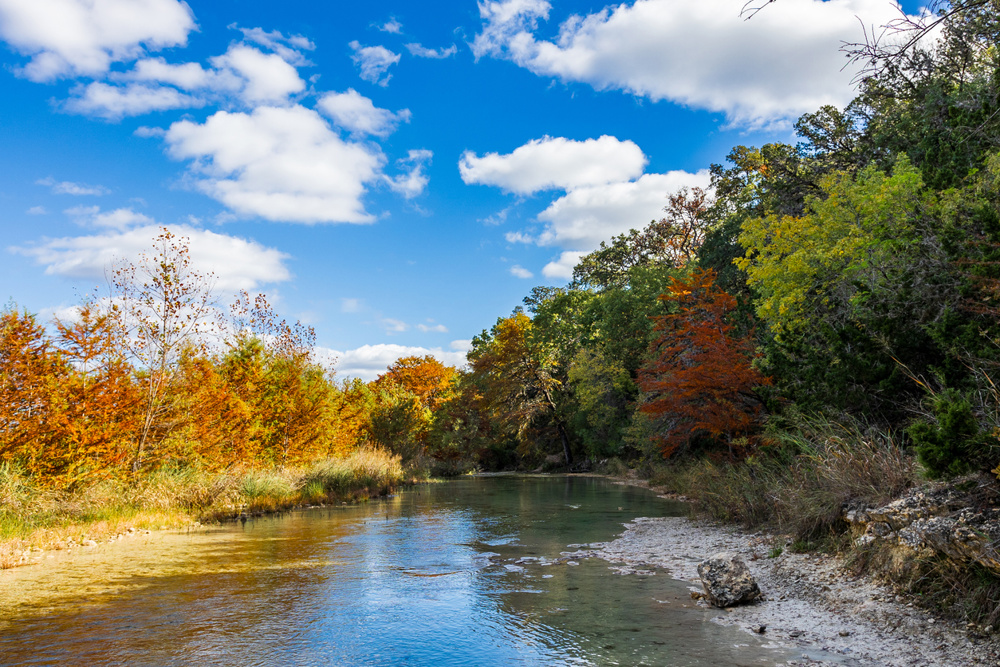
Garner State Park is a Texas classic. Located near Concan, west of San Antonio, it is best known for the Frio River, limestone hills, clear water, and a long tradition of summer visits.
The Frio River is the heart of the park. Visitors swim, tube, wade, and relax along its banks. The water is clear and cool, which makes it especially appealing during hot Texas months. The park also has scenic trails, including routes that lead to high views over the river valley.
Garner’s popularity is also cultural. Generations of Texans have camped there, returned with family, and built summer memories around the same river bends and dance pavilion traditions. That kind of loyalty is hard for any park to manufacture.
Garner keeps winning because it combines natural beauty with nostalgia. It is a place people recommend because they have personal memories there. New visitors arrive for the Frio, the hills, and the camping. Many return because the park becomes part of their family story.
1. Ray Roberts Lake State Park
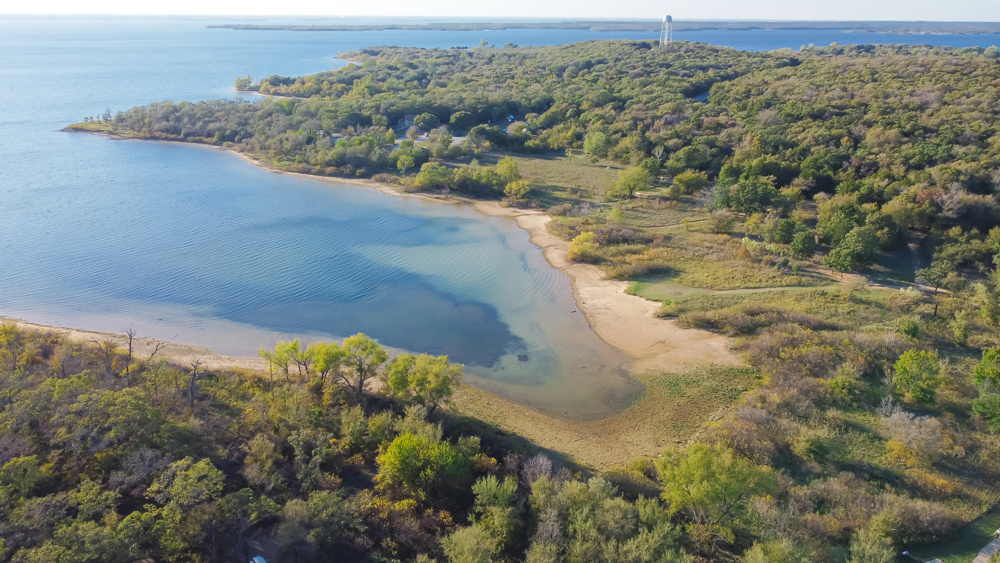
Ray Roberts Lake State Park took the top spot in the ranking. Located about an hour north of the Dallas-Fort Worth Metroplex, it benefits from both natural appeal and a huge nearby population.
The park includes multiple units around Ray Roberts Lake. Visitors come for camping, hiking, swimming, fishing, boating, paddling, horseback riding, and day-use recreation. That range of activities helps explain why the park can attract such large numbers.
Its lake setting is a major advantage. In Texas, water access can turn a good park into a must-visit destination, especially during warm seasons. Ray Roberts gives North Texas residents a place to cool off, launch a boat, cast a line, or camp near the water without driving across the state.
The park also wins because it can handle many different types of visitors. Some people want a quiet trail. Others want a beach day. Others want a fishing weekend or a campground close enough for a quick trip. Ray Roberts offers enough space and variety to serve all of those needs.
Its number one ranking shows what many Texans value most in a state park: easy access, water, camping, trails, and enough room to return again with a different plan.
Why These Parks Stay So Popular
The most visited Texas state parks share a few clear advantages. Many sit close to major cities, which makes them easier for day trips and weekend visits. Several offer water access, including lakes, rivers, beaches, creeks, and waterfalls. Others stand out because of rare natural features, such as dinosaur tracks, a granite dome, or a massive canyon.
They also serve different kinds of visitors. A serious hiker can find a challenge. A family can find a safe picnic spot. A camper can plan a weekend. A student can learn about fossils, wildlife, geology, or Texas history.
That flexibility is why these parks keep winning. They are beautiful, but they are also useful. They help Texans cool off, learn something, move around, slow down, and reconnect with the land.
As Texas grows, these parks will likely become even more important. They protect special places while giving millions of people a reason to step outside. The top 10 list may shift from year to year, but the pattern is clear: Texans love parks that are scenic, accessible, and full of things to do.