

Texas has no shortage of wide-open spaces, but anyone who has tried to visit a popular state park on a spring Saturday knows the truth. The busiest parks can feel surprisingly full. Parking lots fill early. Campsites disappear weeks or months ahead. Day passes may sell out before the weekend arrives.
That popularity says something important. Texas state parks are no longer quiet side trips for a small group of hikers and campers. They have become favorite destinations for families, road trippers, photographers, birders, paddlers, weekend walkers, and people who simply want a break from city life.
Texas Parks and Wildlife Department warns that its most popular parks can fill months in advance, especially for overnight stays, and recommends day-pass reservations for weekends and holidays. Day passes can be reserved up to 30 days before a visit, and some parks use entry windows to manage crowds.
So what makes certain Texas state parks so busy? It usually comes down to a few shared qualities. The most visited parks tend to offer easy access, memorable scenery, family-friendly activities, strong identity, and enough variety to make people want to return.
They Are Close To Major Population Centers
One of the clearest things Texas’ busiest state parks have in common is location. Many sit within a reasonable drive of large cities or fast-growing suburbs.
That matters because most park visits are short. A family may not have time for a long road trip, but they can handle a morning drive, a few hours outside, and a late-afternoon return home. When a park sits near Austin, San Antonio, Houston, Dallas-Fort Worth, or another growing region, it naturally attracts more visitors.
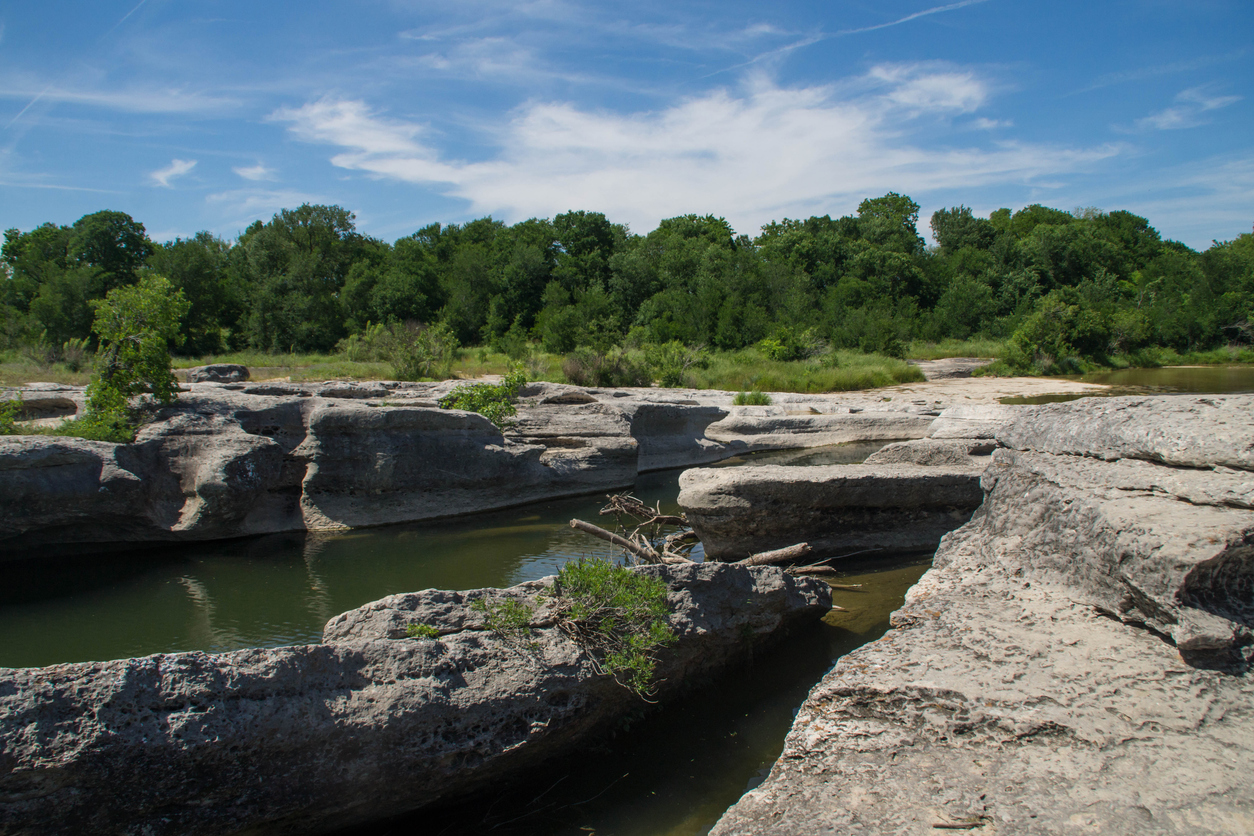
McKinney Falls State Park is a good example. It sits inside Austin city limits, which makes it unusually accessible for people who want hiking, camping, waterfalls, and quiet trails without leaving the metro area for long. That convenience also means high demand. TPWD notes that McKinney Falls day passes sell out every weekend and holiday, and the park strongly encourages advance reservations during busy periods.
Easy access can make a park feel like a neighborhood escape. It also creates pressure. When thousands of people live within an hour or two of a park, good weather can turn a normal weekend into a crowded one very quickly.
They Offer A Signature Feature People Recognize
Busy parks usually have something visitors can picture before they arrive. That feature might be a granite dome, a canyon, a waterfall, a lake, dinosaur tracks, a river, or a famous overlook.
A strong visual identity helps a park stand out. People see photos online, hear friends talk about it, or remember it from childhood. Then they want to experience it for themselves.
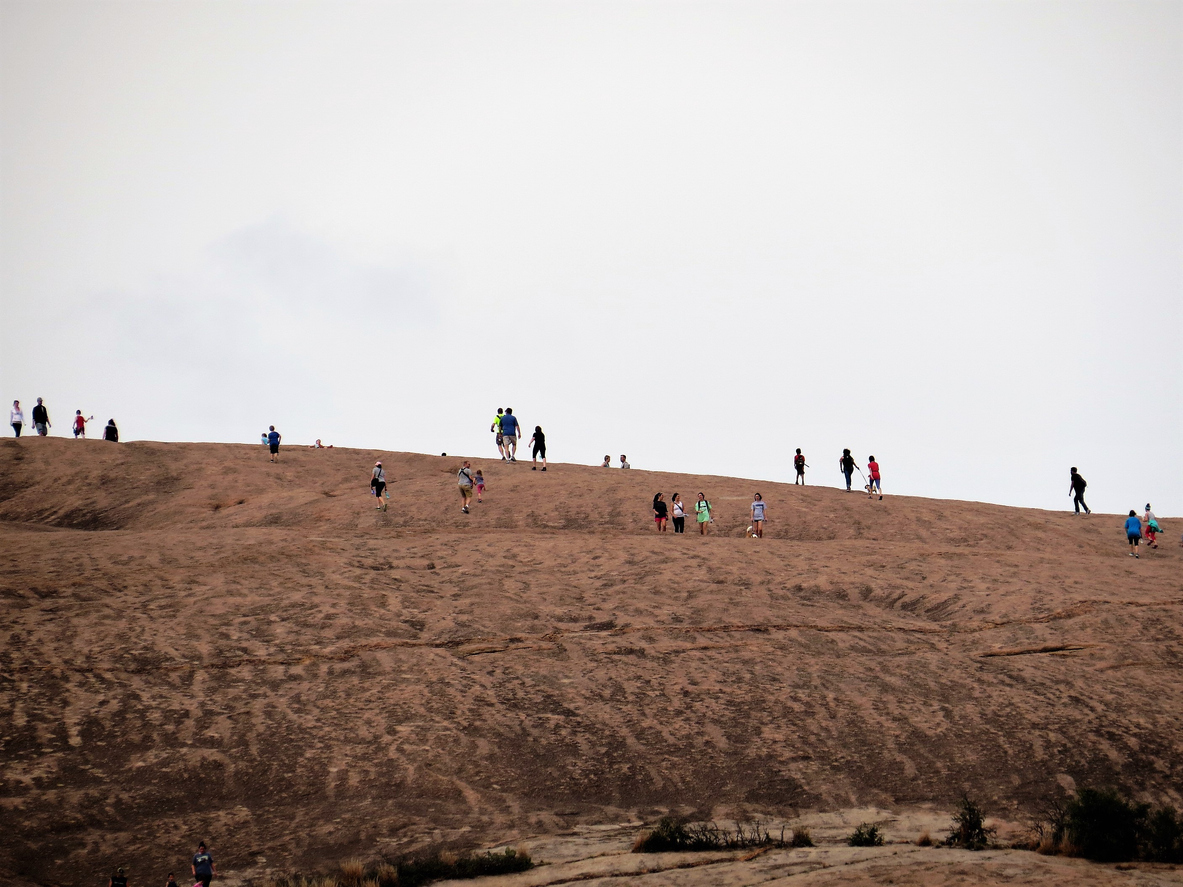
Enchanted Rock State Natural Area is one of the clearest examples. Its massive pink granite dome gives the park a landmark that people instantly recognize. TPWD describes the site as an ancient dome with Hill Country views, rock formations, hiking, backpacking, camping, rock climbing, birding, nature study, geocaching, and stargazing.
That kind of landmark gives visitors a goal. They can say, “We climbed Enchanted Rock,” or “We made it to the overlook.” A clear destination turns a park visit into a memory.
The same pattern appears at other popular parks. People go to Palo Duro Canyon for the dramatic canyon landscape. They go to Garner for the Frio River. They go to Dinosaur Valley for preserved dinosaur tracks. They go to Pedernales Falls for limestone shelves and moving water.
A strong signature feature makes marketing easier, but it also makes word-of-mouth stronger. When visitors can describe a park in one sentence, more people understand why it is worth the trip.
They Make Outdoor Recreation Feel Approachable

Texas’ busiest state parks are often inviting for beginners. They give people a way to enjoy nature without needing specialized gear, advanced outdoor skills, or a complicated plan.
This is a major reason state parks matter. Many visitors are not expert campers or long-distance hikers. They may be families with young kids, older adults, new Texans, school groups, or people trying outdoor recreation for the first time.
The busiest parks tend to meet those visitors where they are. They offer short trails, picnic areas, restrooms, maps, visitor centers, ranger programs, clear signs, and established campsites. That structure makes the outdoors feel less intimidating.
A park with a famous overlook and a short trail can attract someone who would never attempt a remote wilderness hike. A park with a swimming area, shaded picnic tables, and clean facilities can turn a simple afternoon into a tradition.
This does not mean the busiest parks are easy in every way. Some include steep trails, extreme heat, water hazards, or rocky terrain. Still, they often provide a range of choices. Visitors can choose a mild walk, a scenic drive, a picnic, a paddle, or a more challenging hike.
That flexibility helps explain their popularity. A group with mixed ages and energy levels can still enjoy the same park.
They Offer Water, Shade, Or A Seasonal Escape
Texas heat shapes park visitation in a big way. Parks with water often become especially popular because they offer relief during warm months.
Rivers, lakes, swimming holes, creeks, and waterfalls all add appeal. Water gives visitors something to do after a hike. It makes a park feel cooler, more active, and more family-friendly.
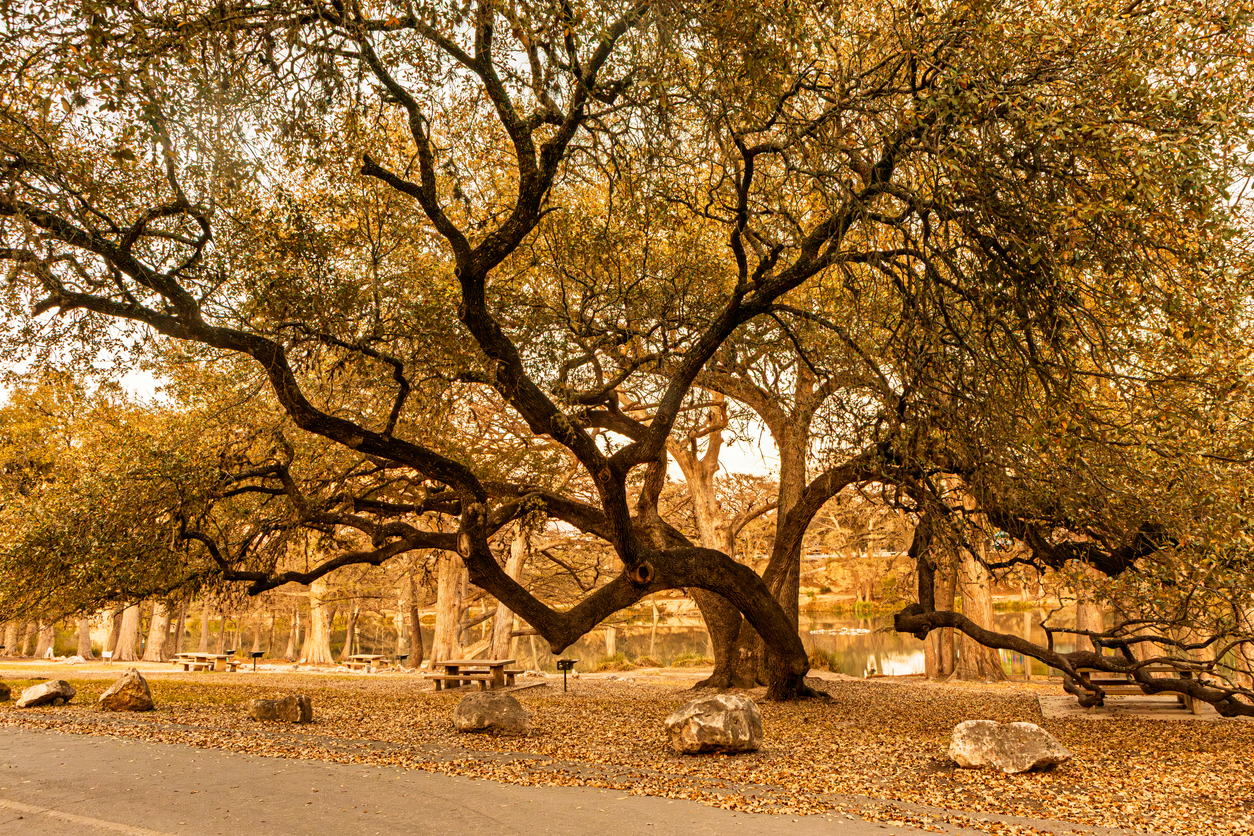
Garner State Park is famous for its connection to the Frio River. Inks Lake attracts swimmers, paddlers, and campers. Pedernales Falls draws people to its limestone river scenery. Lake-based parks near big metro areas often stay busy because they support fishing, kayaking, boating, picnicking, and camping in one place.
Shade also matters. Parks with tree cover, riverbanks, or wooded campsites can feel more comfortable during long Texas summers. A shaded trail may attract casual walkers who would avoid a fully exposed hike in July.
Seasonal beauty can have a similar effect. Wildflowers, fall color, spring migration, clear winter skies, and cooler hiking weather all drive crowds. A park that offers a strong seasonal experience may see major traffic spikes even if it feels quiet at other times of year.
In Texas, timing can matter as much as location. A park may be busiest during spring break, holiday weekends, summer swimming season, or cool-weather hiking months.
They Have Enough Variety For Different Kinds Of Visitors
The most popular parks rarely depend on only one activity. They usually offer several ways to enjoy the same landscape.
That variety brings in different audiences. Hikers may arrive early for the trails. Families may come for picnics and swimming. Campers may stay overnight. Birders may visit during migration. Photographers may come for sunrise or sunset. School groups may focus on history, geology, or wildlife.
A park with multiple activities can stay busy across more of the year. If the river is low, people may still hike. If it is too hot for a long trail, they may picnic or paddle. If campsites are full, day visitors may still come for a few hours.
This variety also encourages repeat visits. Someone might first visit a park for a short hike, then return later for camping. Another visitor might come for fishing and later bring relatives for a scenic walk.
Parks that feel “worth the drive” usually give visitors more than one reason to go. A single famous view can draw first-time visitors, but variety keeps the park active year after year.
They Are Easy To Understand And Easy To Share
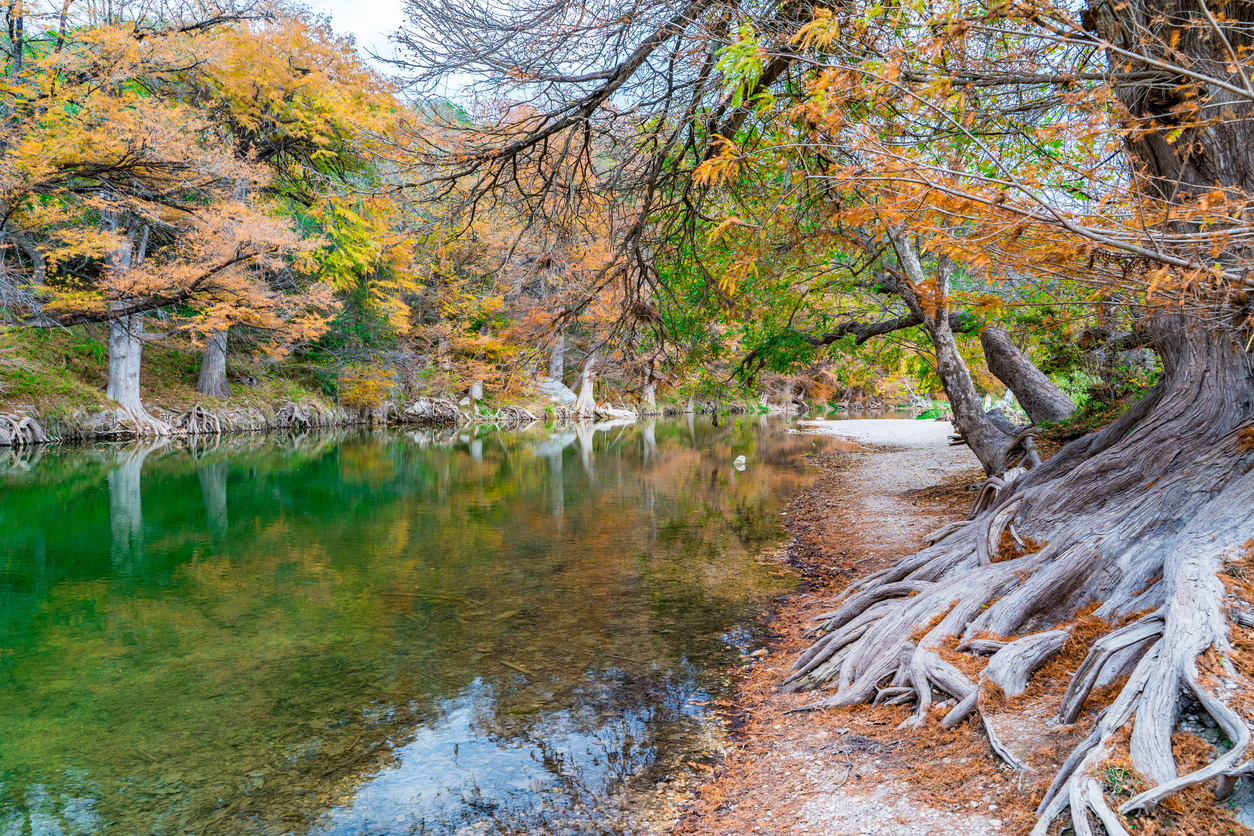
The busiest parks are often simple to explain. That helps them spread through families, schools, social media, travel articles, and local recommendations.
A place like Enchanted Rock has a clear story. Climb the dome. See the Hill Country. Watch the stars. A place like Dinosaur Valley also has a clear story. See real dinosaur tracks in the riverbed when conditions allow. A place like Palo Duro Canyon is easy to describe as a huge canyon landscape in the Texas Panhandle.
That simple identity matters in the modern travel world. People often choose weekend trips quickly. They look at photos, scan reviews, check drive time, and decide. Parks with clear appeal rise to the top.
Social media adds another layer. Scenic overlooks, waterfalls, rock formations, wildlife, and colorful sunsets all photograph well. When visitors share those images, they create free publicity.
That does not mean a park has to be flashy. A peaceful lake, a historic site, or a shaded trail can still become popular when people understand what makes it special.
They Balance Access With Protection
Popularity creates a challenge. The same features that attract visitors can also suffer from heavy use.
That is why busy parks often use reservations, capacity limits, trail rules, pet restrictions, and designated areas. These rules may feel inconvenient, but they serve a practical purpose. They help protect visitors, staff, wildlife, trails, water sources, and fragile natural features.
TPWD explains that park capacity is based on visitor safety and resource protection. At Enchanted Rock, the agency says visitation is limited to protect natural and cultural resources, preserve the visitor experience, and support safety. The park closes to visitors without reservations when it reaches capacity.
Enchanted Rock also shows how popularity can affect the land itself. TPWD warns that erosion and soil compaction threaten plants along parts of the summit trail, and that people and pets can damage fragile vernal pools.
This is one of the biggest shared issues among busy parks. More visitors mean more footsteps, more trash risk, more parking demand, more restroom use, and more pressure on trails.
Good management helps, but visitors also play a role. Staying on marked trails, packing out trash, respecting closures, keeping pets where allowed, and reserving ahead all help keep popular parks open and healthy.
They Reward Planning
A casual approach works at many quiet parks. At the busiest Texas state parks, planning makes a huge difference.
Visitors who reserve early, arrive early, check alerts, pack water, and understand park rules usually have a better experience. Those who show up late on a holiday weekend may find full parking, long lines, or no available day passes.
TPWD says day passes are especially important for weekends, holidays, and the busiest parks. Overnight camping and lodging reservations can generally be made up to five months in advance.
A Texas State Parks Pass can help frequent visitors save on entry fees, but it does not override capacity limits. TPWD states that pass holders are not guaranteed entry if a park has reached capacity.
That point surprises some visitors. A pass is helpful, but it is not the same as a reservation. At crowded parks, the safest plan is to reserve a day pass or overnight site before leaving home.
Planning also means knowing what the park does and does not offer. Some parks have limited water access. Some trails close after rain. Some areas do not allow pets. Some campsites require a hike. Some parks have little shade.
The busiest parks reward visitors who read ahead.
They Create Traditions
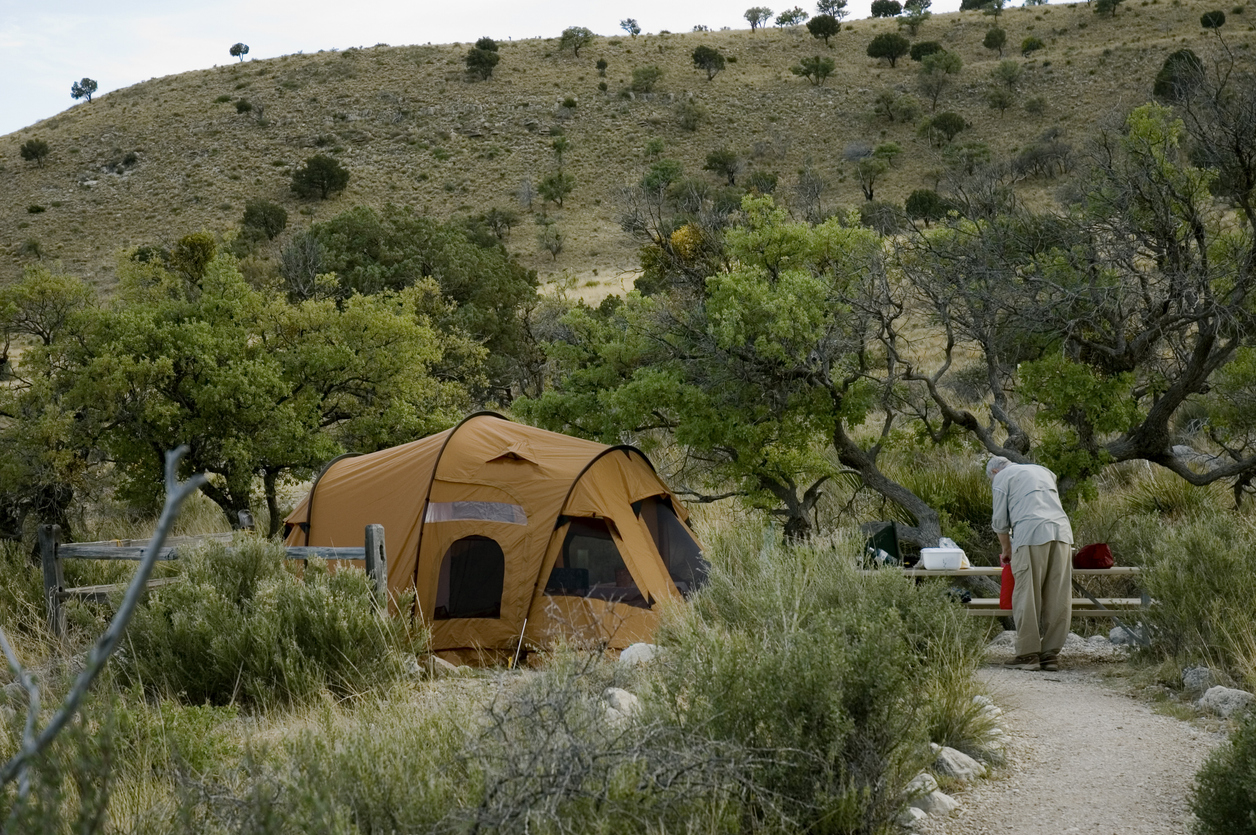
Many of Texas’ busiest parks have become part of family routines. People return to the same campgrounds, riverbanks, trails, cabins, and picnic areas year after year.
That emotional connection keeps visitation strong. A park becomes tied to birthdays, reunions, school breaks, summer trips, first hikes, first camping experiences, and quiet weekends away.
Garner State Park is a strong example of tradition. Generations of Texans associate it with the Frio River, camping, summer evenings, and family trips. Other parks have similar pull on a regional level. A park near Austin, Houston, San Antonio, or Dallas-Fort Worth may become the place local families visit whenever they need a simple outdoor reset.
Tradition also spreads. Parents bring children. Friends invite friends. College students return later with their own families. A first visit becomes a habit.
That helps explain why some parks remain crowded even when newer destinations open. Popularity builds on itself. Once a park becomes part of people’s lives, demand rarely disappears.
They Reflect What Texans Want From The Outdoors
The busiest Texas state parks reveal a lot about how people use public land. Visitors want beauty, but they also want access. They want a sense of escape, but they often need it within a short drive. They want nature, but they appreciate restrooms, maps, campsites, and safe parking.
They want places that feel special without requiring a major expedition.
That is why the same qualities appear again and again. The busiest parks usually have a recognizable landscape, a convenient location, a range of activities, family-friendly facilities, and a strong reason to return.
They also show why protecting public land matters. When millions of people seek outdoor space, parks become essential infrastructure. They support health, education, tourism, conservation, and community life.
Crowds can be frustrating, but they also show demand. Texans clearly value their state parks.
Final Thoughts
Texas’ busiest state parks have earned their popularity. They offer scenery people remember, activities people understand, and access that makes outdoor time possible for busy families and weekend travelers.
Still, popularity comes with responsibility. Visitors need to plan ahead, respect capacity limits, follow park rules, and treat fragile places with care. A crowded park can still feel rewarding when people arrive prepared and use the space wisely.
The best Texas state parks give people room to breathe, learn, explore, and reconnect with the land. The busiest ones do that on a large scale. Their popularity is no accident. They meet real needs, create lasting memories, and remind Texans why public outdoor spaces are worth protecting.