

Texas is one of the best states in the country for stargazing because it still has large stretches of open land, dry air, and protected dark-sky areas far from major city lights. From the desert mountains of West Texas to the quiet rivers and canyons of the Hill Country and Panhandle, the state offers many places where the Milky Way can still be seen with the naked eye.
The best stargazing spots usually have three things in common: low light pollution, wide-open views, and public access after dark. Some Texas parks also host ranger-led night programs, astronomy nights, telescope viewings, and dark-sky education events. Texas Parks and Wildlife notes that many state parks offer night-sky viewing, with several parks standing out because of dark skies, astronomy programs, or nearby observatories.
Big Bend National Park
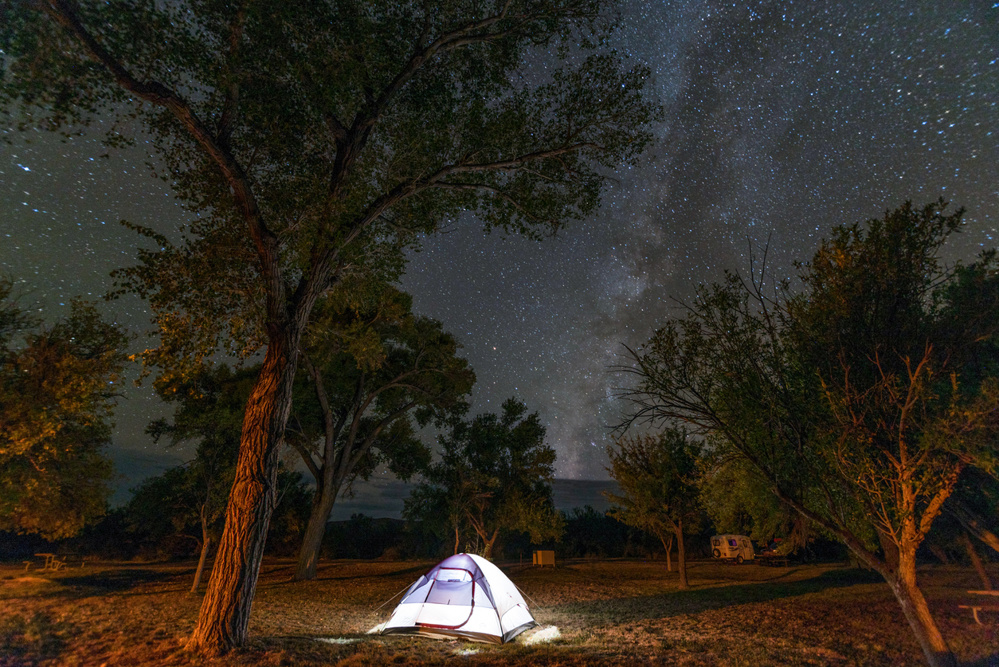
Big Bend National Park is often considered the top stargazing destination in Texas. Its remote location in far West Texas keeps it far from large cities, and the surrounding desert landscape gives visitors wide views of the sky. On a clear, moonless night, the Milky Way can appear as a bright band stretching across the darkness.
Big Bend earned International Dark Sky Park status in 2012 after work to measure and reduce excess lighting in the park. The National Park Service also states that Big Bend has the darkest night skies of any national park in the lower 48 states.
For many visitors, the best stargazing happens away from lodging areas and developed campgrounds. Places such as the Chisos Basin, Rio Grande Village, and the Ross Maxwell Scenic Drive can offer memorable night views, depending on weather, moon phase, and visibility.
Big Bend is also a strong choice for people who want a full outdoor trip. Hiking, birding, scenic drives, river views, geology, and desert wildlife can fill the day, while the night sky becomes the main event after sunset. Because the park is remote, planning matters. Visitors should bring fuel, water, food, warm layers, and a red flashlight.
Big Bend Ranch State Park
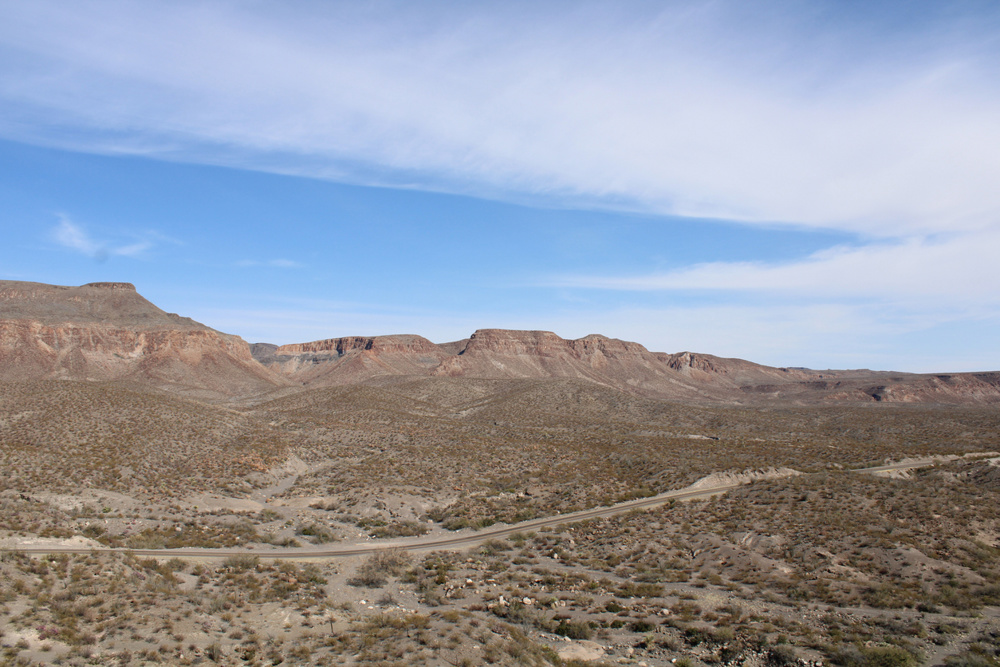
Big Bend Ranch State Park sits west of Big Bend National Park and offers another outstanding dark-sky experience. It is wilder, less developed, and often quieter than its national park neighbor. That makes it especially appealing for experienced campers, photographers, and travelers who want a more rugged setting.
Big Bend Ranch is part of the larger Greater Big Bend dark-sky region. DarkSky International notes that the Greater Big Bend International Dark Sky Reserve includes Big Bend National Park, the Big Bend Ranch State Park Complex, and Black Gap Wildlife Management Area among its protected dark-sky lands.
The landscape here adds drama to the night-sky experience without needing fancy equipment. Desert ridges, canyons, and open valleys create strong silhouettes under the stars. Visitors can watch constellations rise over the mountains or photograph the Milky Way above the desert.
This park is best for people who enjoy remote travel. Roads can be rough, cell service may be limited, and facilities are fewer than in many other state parks. Those challenges also help preserve the feeling of isolation that makes the night sky so impressive.
McDonald Observatory And Fort Davis
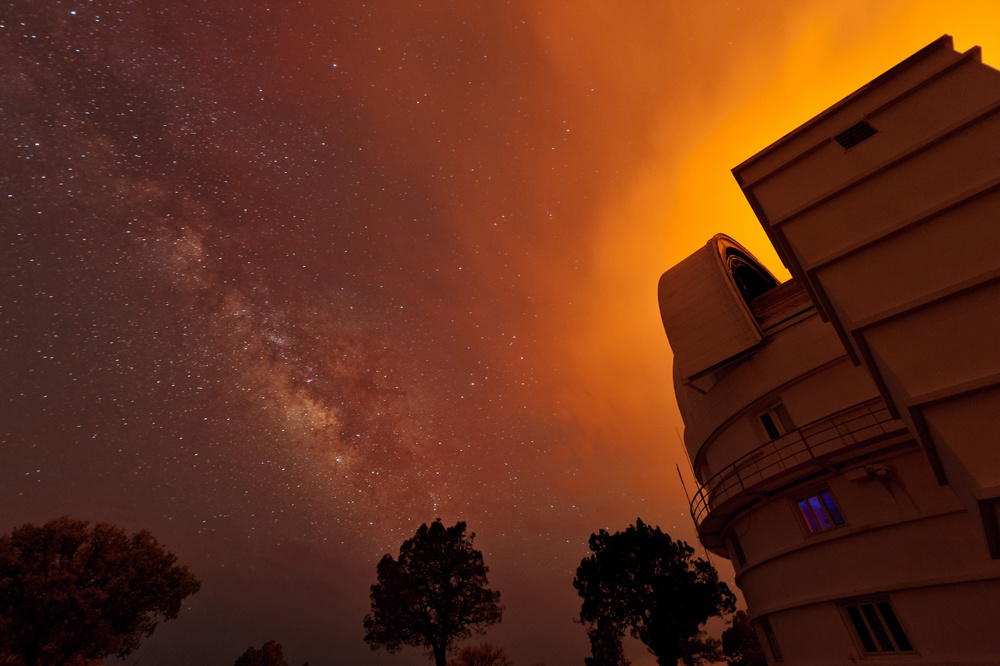
For visitors who want expert guidance along with dark skies, McDonald Observatory near Fort Davis is one of the best places in Texas. The observatory is part of the University of Texas at Austin and sits in the Davis Mountains, a region known for clear air and low light pollution.
McDonald Observatory offers public evening programs, including night-sky viewing and educational experiences. The observatory notes that it is located about 450 miles west of Austin and that public program reservations should include everyone in the party, including children.
This area is a great fit for beginners because visitors can learn from astronomy educators instead of trying to identify everything alone. Telescope programs can make planets, star clusters, nebulae, and galaxies feel much more approachable.
Fort Davis also makes a convenient base for stargazing trips. Visitors can explore Davis Mountains State Park, Fort Davis National Historic Site, and nearby scenic drives during the day. At night, they can attend an observatory program or look up from a quiet lodging area outside town.
Greater Big Bend International Dark Sky Reserve
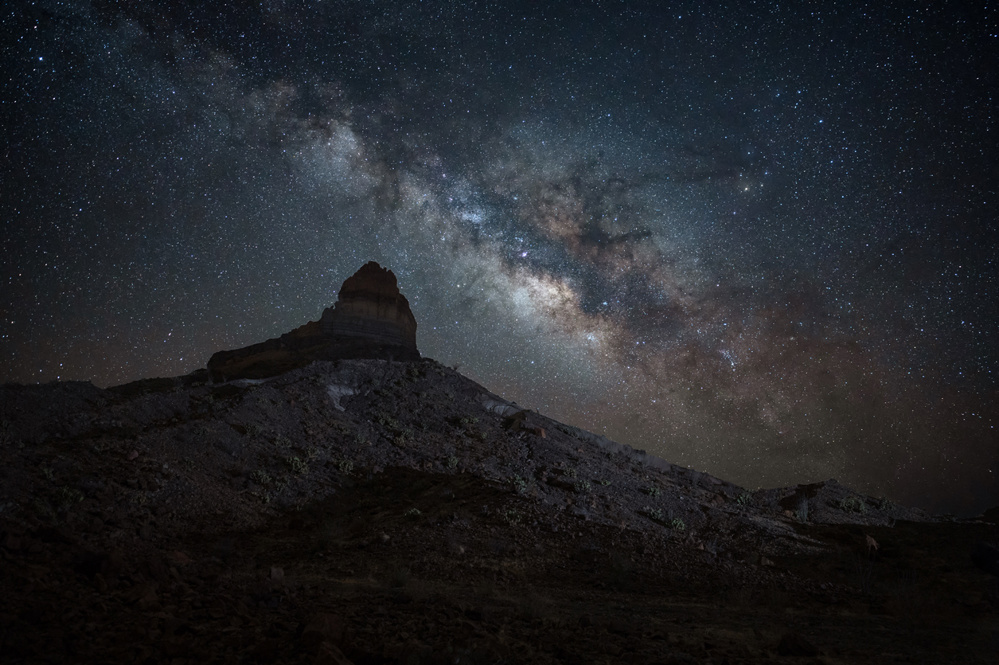
The Greater Big Bend International Dark Sky Reserve is important because it protects more than one park or community. It brings together parks, towns, businesses, conservation groups, and land managers in Texas and Mexico to reduce light pollution and protect the region’s night skies.
McDonald Observatory describes the reserve as covering more than 15,000 square miles, making it the largest certified dark-sky reserve in the world and the first to cross an international boundary.
For travelers, this means the entire Big Bend region can be treated as a night-sky destination. Big Bend National Park, Big Bend Ranch State Park, Fort Davis, Marathon, Alpine, and nearby rural areas all contribute to the experience. The farther visitors move from bright lights, the stronger the sky usually becomes.
This reserve also shows why dark-sky protection matters. Stargazing is fun, but darkness also supports wildlife, migration patterns, plant cycles, and human sleep. Good outdoor lighting keeps people safe while pointing light where it is needed instead of spilling it into the sky.
Copper Breaks State Park
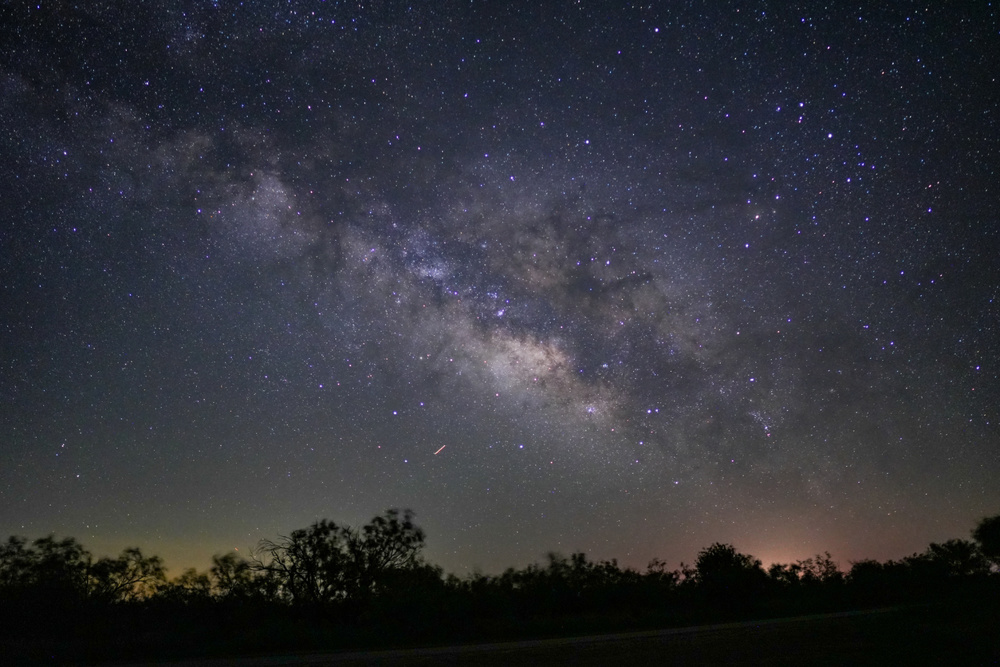
Copper Breaks State Park, located near Quanah in North Texas, is one of the state’s best-known stargazing parks. It has long been popular with amateur astronomers because of its dark skies and open views.
The park’s landscape includes red rock, grasslands, and quiet lake views. During the day, visitors can hike, fish, paddle, ride horses, or explore the rugged scenery. At night, the sky becomes the reason many people visit.
Copper Breaks is a strong choice for families and beginners because it is a state park with established facilities, camping options, and public programming. It also has a reputation for astronomy events, so visitors should check the park calendar before making the trip.
Compared with Big Bend, Copper Breaks may be easier to reach for travelers from North Texas, Oklahoma, or the Dallas-Fort Worth area. The sky will still be affected by moon phase, clouds, haze, and nearby light, but on a good night it can offer an excellent view of stars, planets, and deep-sky objects.
Caprock Canyons State Park And Trailway
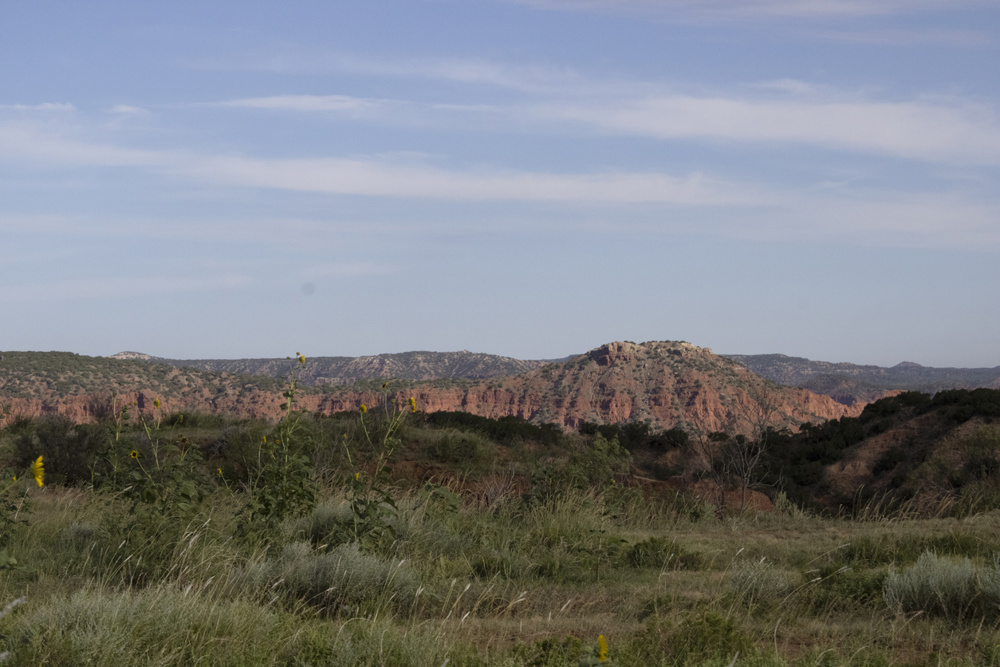
Caprock Canyons State Park and Trailway is one of the newest major dark-sky standouts in Texas. Located in the Panhandle between Lubbock and Amarillo, it combines colorful canyon scenery with wide-open plains and low surrounding light.
Texas Parks and Wildlife announced that Caprock Canyons became an International Dark Sky Park, adding it to the state park system’s list of recognized dark-sky locations. The agency also noted that the park includes 90 miles of trails and is known for bison, rugged canyon landscapes, and Clarity Tunnel.
This park is a great choice for people who want both daytime adventure and nighttime viewing. Visitors can hike through red-rock formations, watch the official Texas State Bison Herd, and stay after sunset for the stars.
The Panhandle’s open horizon gives the sky a big, spacious feel. On clear nights, the lack of tall trees or dense development can make constellations easier to follow from horizon to horizon. Wind and weather can change quickly in this part of Texas, so visitors should pack layers and check conditions before heading out.
Enchanted Rock State Natural Area
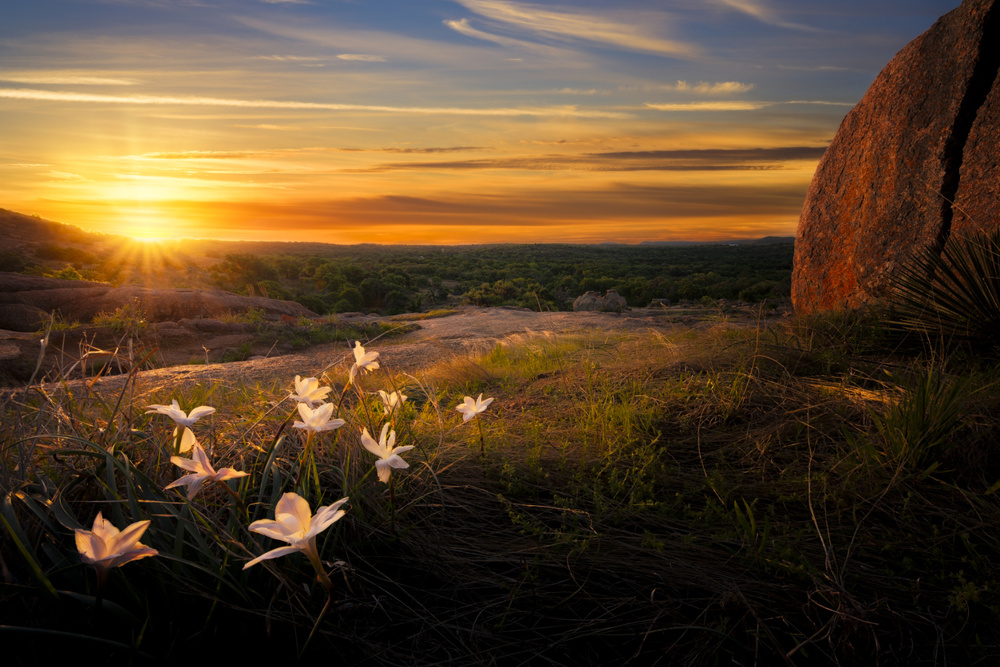
Enchanted Rock State Natural Area is a favorite Hill Country destination for hikers, campers, and night-sky watchers. Its massive pink granite dome gives visitors a striking place to explore during the day and a memorable setting for stargazing at night.
Enchanted Rock is one of the Texas state park system’s recognized International Dark Sky Parks, according to Texas Parks and Wildlife.
One reason Enchanted Rock is so popular is its location. It is close enough to Austin and San Antonio for a weekend trip, but far enough from the brightest urban centers to offer darker skies than most city parks. The surrounding Hill Country also adds a peaceful backdrop.
Because the park is popular, reservations are important. Day passes and campsites can sell out, especially during cooler months and weekends. Visitors should also remember that hiking at night may be limited by park rules, safety concerns, or trail access. The best plan is to check current park guidance before arriving.
South Llano River State Park
South Llano River State Park near Junction is another excellent Hill Country stargazing location. It offers a calmer, river-centered experience, with camping, paddling, birding, hiking, and night-sky viewing all in one place.
Texas Parks and Wildlife lists South Llano River State Park among the state park system’s International Dark Sky Parks.
This park works well for visitors who want a quieter trip. The river, trees, and open areas create a relaxed setting, while the darker skies make it possible to see far more stars than in nearby cities. It is also a good option for families who want a park that offers plenty to do before sunset.
South Llano River can be especially appealing in spring and fall, when daytime temperatures are comfortable and nights can be crisp. As with any stargazing trip, the best viewing usually comes near the new moon and after the sky has fully darkened.
Devils River State Natural Area
Devils River State Natural Area is one of the most remote and pristine places in Texas. It is known for its clear river, rugged landscape, and limited development. Those same qualities make it a powerful stargazing destination.
Texas Parks and Wildlife identifies Devils River State Natural Area as the first International Dark Sky Sanctuary in Texas, designated in 2019.
A dark-sky sanctuary is a special designation often given to places with extremely dark conditions and strong conservation value. That makes Devils River especially appealing for serious stargazers and night-sky photographers.
This is not the easiest place for a casual trip. Access is limited, reservations are required, and visitors need to be prepared for remote conditions. The reward is a deep sense of quiet and some of the darkest skies in the state park system.
Black Gap Wildlife Management Area
Black Gap Wildlife Management Area is part of the larger Big Bend dark-sky landscape and is recognized within the Greater Big Bend International Dark Sky Reserve area. DarkSky International identifies Black Gap Wildlife Management Area as an International Dark Sky Sanctuary in the reserve’s periphery.
This area is best suited for experienced outdoor travelers. It is remote, rugged, and managed primarily for wildlife conservation. Visitors need to understand access rules, permits, road conditions, and safety needs before planning a trip.
For those prepared for the conditions, Black Gap offers a rare level of darkness. Its location near the Rio Grande and far from major development makes it one of the strongest night-sky environments in Texas.
Lyndon B. Johnson National Historical Park
Lyndon B. Johnson National Historical Park offers a different kind of stargazing experience. It connects night-sky preservation with Texas history, Hill Country landscapes, and cultural heritage.
This park shows that dark-sky protection is not limited to deserts and remote wilderness. The Hill Country has growing communities and increasing development pressure, so responsible lighting plays an important role in keeping the sky visible.
For visitors, the park can be part of a broader Hill Country trip that includes history during the day and skywatching at night. It may not feel as remote as Big Bend or Devils River, but it helps make dark-sky awareness accessible to more people.
Tips For Planning A Texas Stargazing Trip
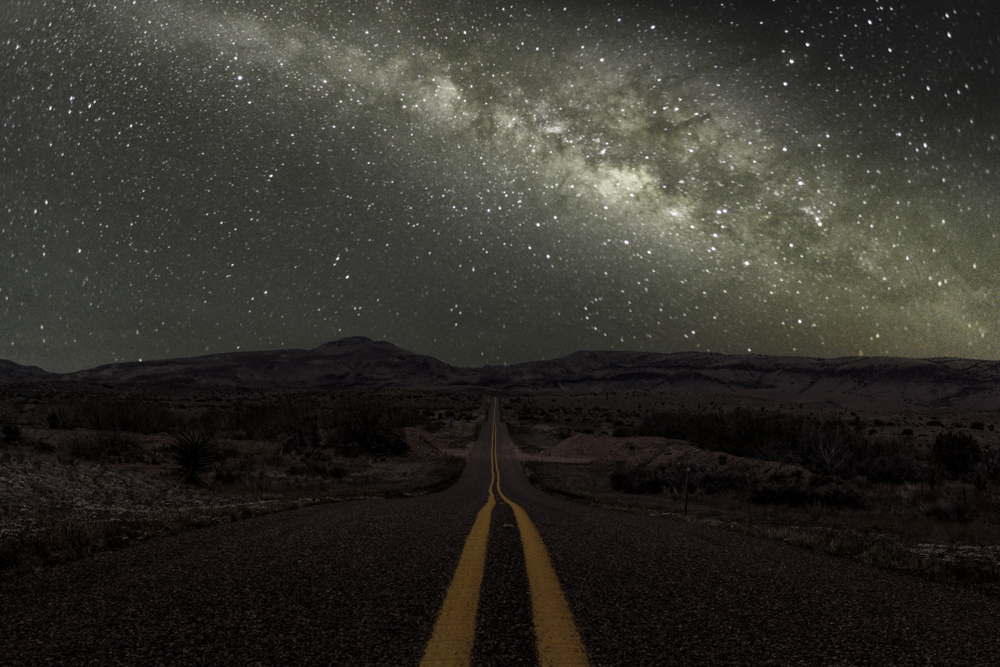
The best stargazing usually happens around the new moon. A bright full moon can wash out faint stars and make the Milky Way harder to see. Clear skies, low humidity, and dry air also improve visibility.
Visitors should give their eyes time to adjust to darkness. It can take 20 to 30 minutes to see fainter stars. A red flashlight helps protect night vision better than a bright white light.
Weather matters, too. West Texas can be hot during the day and cold at night. The Panhandle can be windy. Hill Country parks can be humid or cloudy depending on the season. Always check park hours, camping rules, event calendars, burn bans, and road conditions before leaving.
A basic stargazing kit can include a blanket or camp chair, warm layers, water, snacks, binoculars, a red flashlight, and a printed or downloaded star map. Binoculars are often easier for beginners than telescopes because they are simple to carry and quick to use.
Why Texas Night Skies Are Worth Protecting
Dark skies are part of the Texas outdoor experience. They make camping more memorable, support astronomy education, help local tourism, and remind people how much can still be seen when artificial light is managed wisely.
They also matter for wildlife. Many animals depend on natural darkness for feeding, migration, nesting, and navigation. Poorly designed lighting can disrupt those patterns and waste energy.
The good news is that dark-sky protection does not require turning off every light. It means using warmer bulbs, shielding fixtures, aiming light downward, and using light only where and when it is needed. Parks, communities, observatories, and travelers all play a role.
Final Thoughts
The best places in Texas for stargazing stretch across very different landscapes. Big Bend offers some of the darkest national park skies in the country. Big Bend Ranch and Devils River give experienced travelers a deep sense of remoteness. McDonald Observatory adds expert-led astronomy programs. Copper Breaks, Caprock Canyons, Enchanted Rock, and South Llano River make dark skies easier to reach from different parts of the state.
Each location has its own personality, but the main attraction is the same: a clear Texas night filled with stars. With good timing, careful planning, and a little patience, a stargazing trip can turn an ordinary evening outdoors into one of the most memorable travel experiences in the state.