

Texas is one of the best states for learning about native plants because its landscapes change so dramatically from region to region. A plant that thrives in the dry Chihuahuan Desert may look completely different from one growing in a coastal prairie, East Texas forest, Hill Country canyon, or South Texas brushland.
The best parks for learning about native plants are not always the biggest or most famous. They are places where visitors can see plants in context: grasses holding soil in place, wildflowers feeding pollinators, trees shading creeks, and desert plants surviving with very little water.
Why Native Plants Matter
Native plants are species that have grown in a region over a long period of time. In Texas, they are closely connected to local soil, rainfall patterns, wildlife, insects, and seasonal changes.
They matter because they:
- Support butterflies, bees, birds, and other wildlife
- Use water more efficiently than many non-native ornamental plants
- Help protect soil from erosion
- Provide food, shelter, and nesting areas for animals
- Show how each Texas region has adapted to its own climate
Learning about native plants also helps visitors understand why Texas landscapes look the way they do. A prairie, a desert canyon, and a cypress-lined riverbank may seem unrelated at first, but each one is shaped by plants that know how to survive there.
Lady Bird Johnson Wildflower Center — Austin
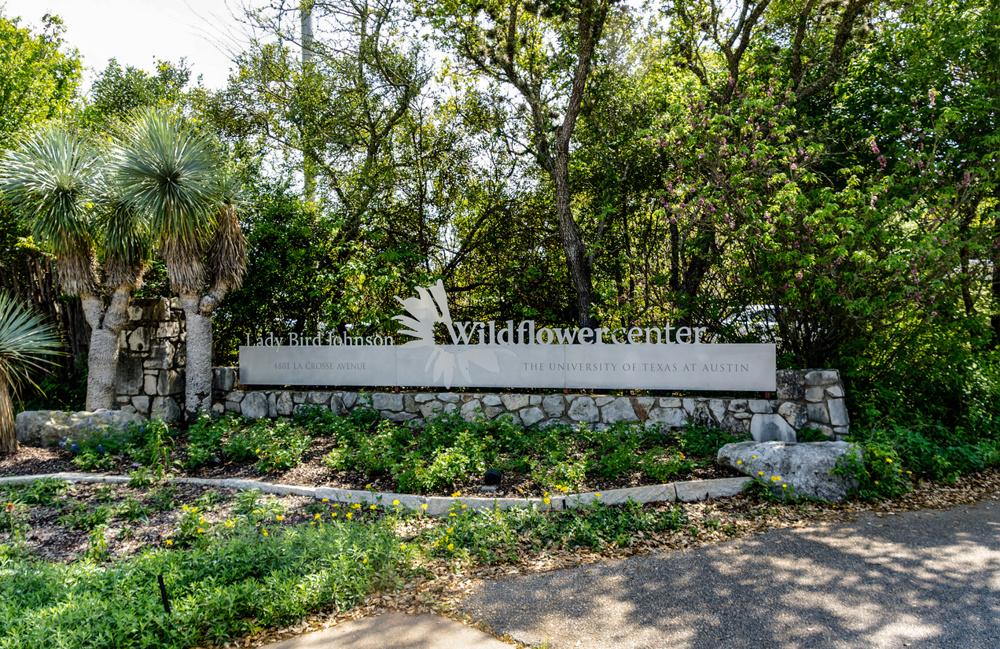
The Lady Bird Johnson Wildflower Center is one of the best places in Texas to learn about native plants in a clear, beginner-friendly way. Located in Austin, it is dedicated to native plant conservation, sustainable gardens, and plant education. The center describes itself as a place to explore Texas native plants through gardens, an arboretum, and educational programs.
This is a great stop for people who want to connect wild plants with home gardening. Instead of seeing native plants only in remote natural areas, visitors can see how they work in designed landscapes.
You may see plants such as bluebonnets, black-eyed Susans, salvias, native grasses, yucca, and small trees suited to Central Texas. The Wildflower Center is also useful because it teaches visitors that native gardens can be beautiful, practical, and wildlife-friendly at the same time.
Big Bend National Park — West Texas
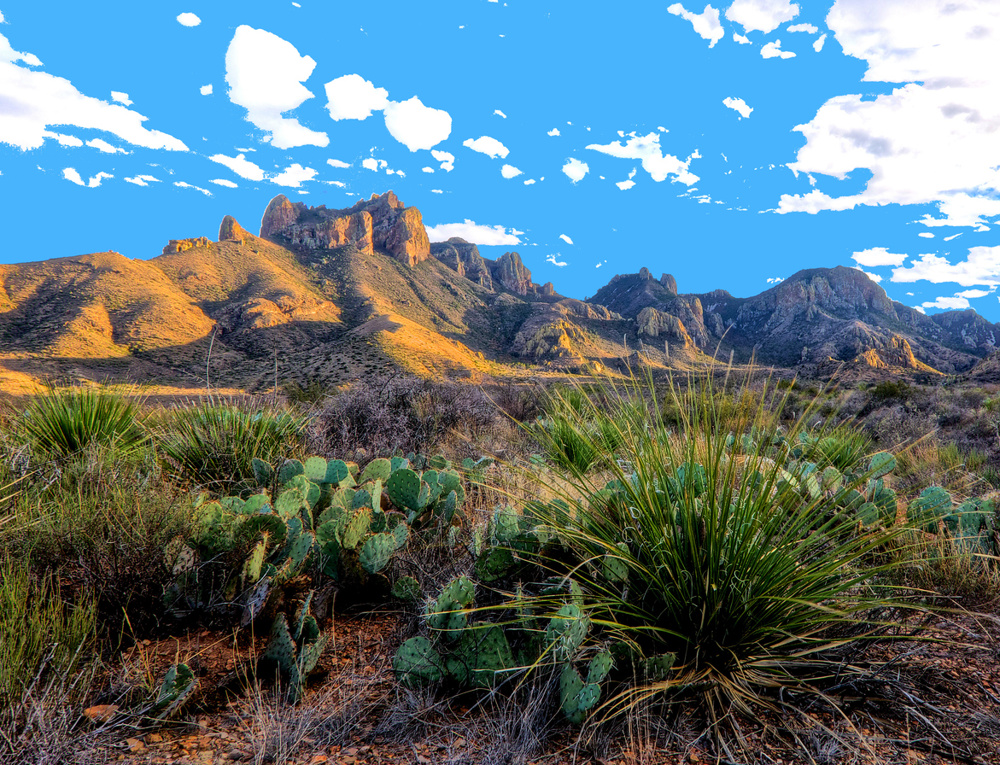
Big Bend National Park is one of the most impressive places in Texas for plant diversity. The National Park Service notes that more than 1,200 plant species grow there, which is especially striking because the park includes hot, dry desert landscapes, mountains, canyons, and river habitats.
This is the place to learn how plants survive extremes. In the desert, visitors can study plants with waxy coatings, sharp spines, small leaves, deep roots, and water-storing tissues. Sotol, lechuguilla, prickly pear, ocotillo, yucca, and creosote bush all show different survival strategies.
Big Bend is also a reminder that deserts are not empty. They are full of specialized plant life. After rain, the landscape can change quickly, with wildflowers appearing in places that looked dry and bare only days before.
Enchanted Rock State Natural Area — Hill Country
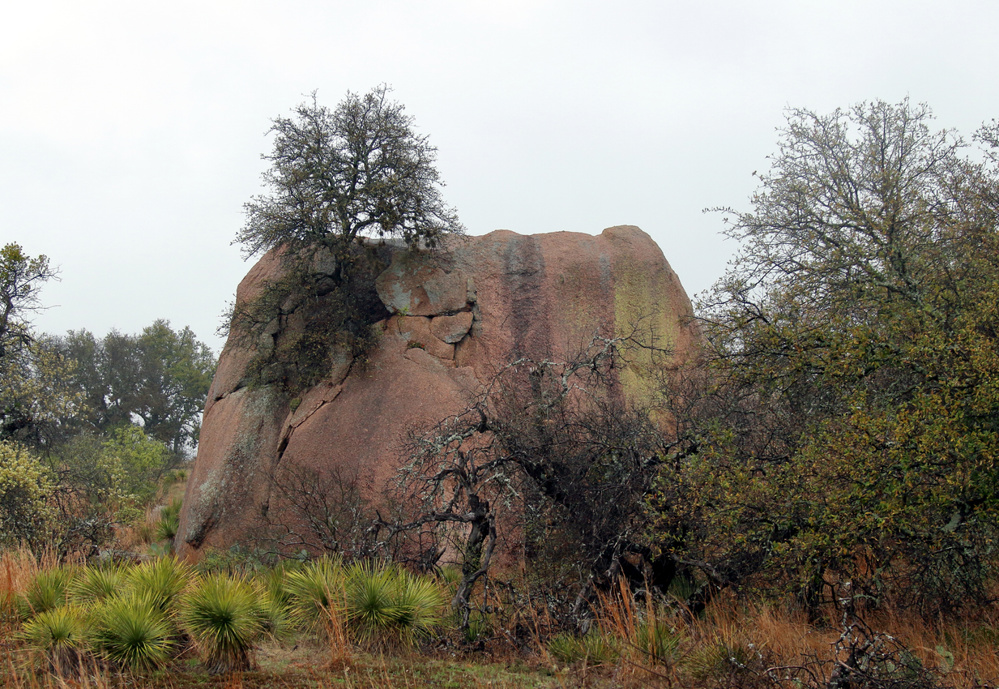
Enchanted Rock is best known for its massive pink granite dome, but it is also a strong place to study native plants adapted to thin soils, exposed rock, and Hill Country weather. Texas Parks and Wildlife notes that visitors can hike nearly 11 miles of trails and study nature at the site.
The park is especially interesting because plants grow in small pockets of soil on and around the granite. These microhabitats can support grasses, wildflowers, mosses, lichens, and small shrubs. Some plants survive in shallow depressions that temporarily hold water after rain.
Enchanted Rock also helps visitors understand why staying on trails matters. Fragile plant communities can be damaged easily, especially around vernal pools and thin-soil areas. For plant learners, the park is a good lesson in how geology shapes ecology.
Government Canyon State Natural Area — San Antonio
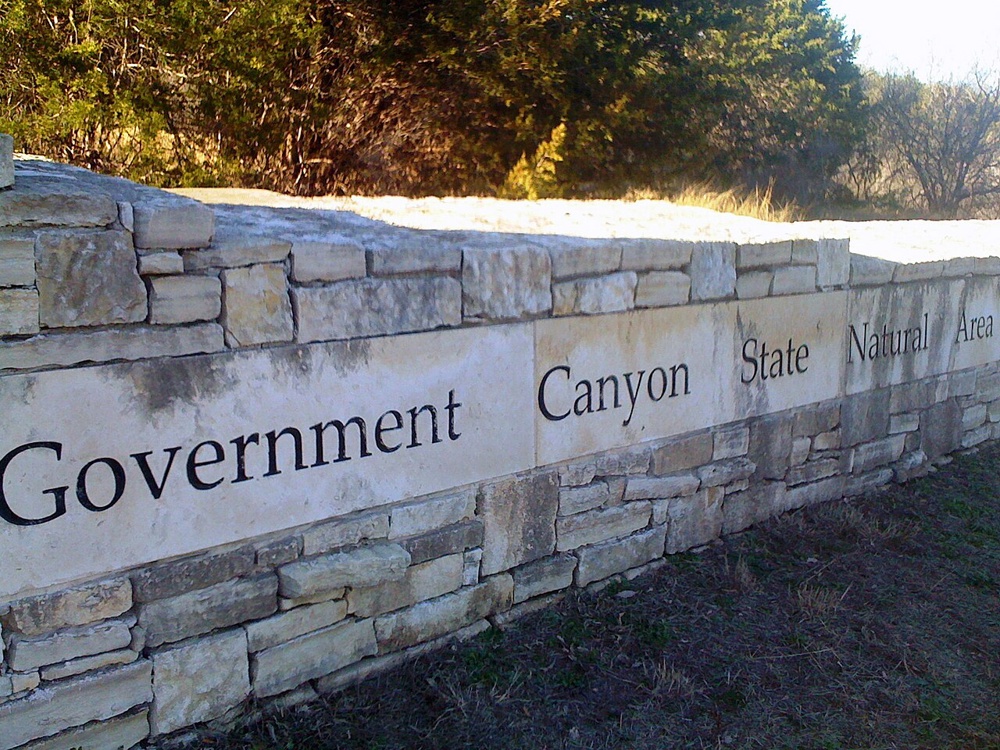
Government Canyon State Natural Area is a strong choice for learning about Hill Country and Edwards Plateau plant life close to San Antonio. The park offers more than 40 miles of trails, guided hikes, nature programs, and wildlife observation opportunities.
The natural area protects plants and animals in a karst landscape, where limestone features help rainwater move underground. Texas Parks and Wildlife lists trees and shrubs such as mountain laurel, Ashe juniper, mesquite, live oak, Mexican buckeye, Lindheimer’s silk-tassel, and escarpment black cherry among the plants found there.
This is a good park for learning how native plants connect to water. The landscape may look dry at times, but its plants are part of a larger system tied to aquifer recharge, limestone soils, and seasonal rainfall.
Brazos Bend State Park — Near Houston
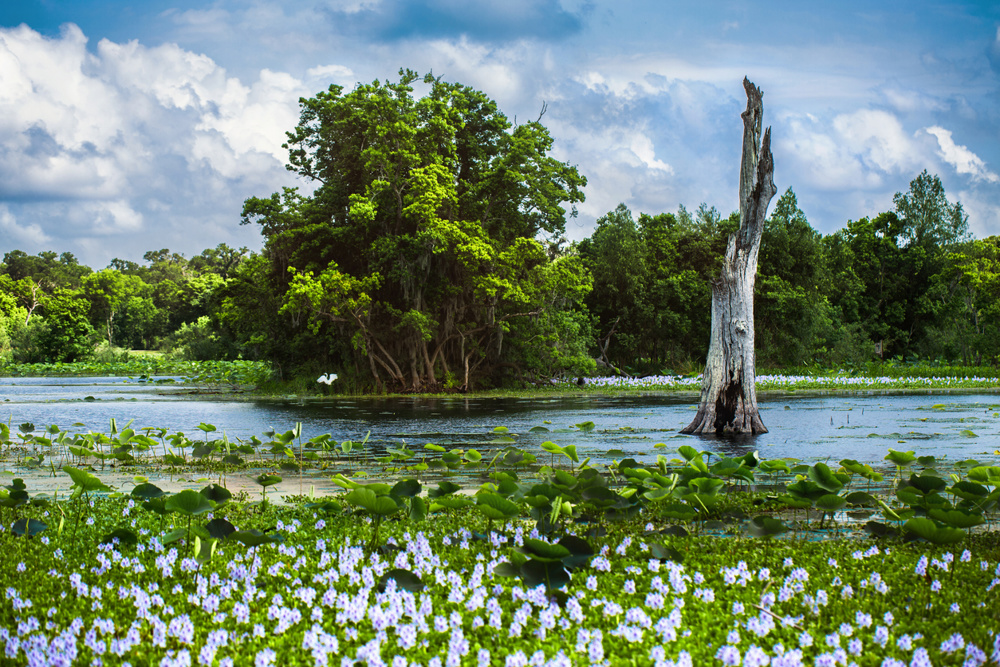
Brazos Bend State Park is a great place to learn about plants in wetlands, bottomland forest, and coastal prairie. Texas Parks and Wildlife describes the park as including 5,000 acres of bottomland and upland coastal prairie southwest of Houston, with tallgrass prairie along much of the western border. Some native prairie grasses there can grow from 2 to 6 feet tall.
This park is especially useful because it shows how plants support wetland wildlife. Visitors often come for alligators and birds, but the plant communities are a major reason those animals thrive.
Look for native grasses, aquatic plants, buttonbush, sedges, rushes, oaks, and other wetland or prairie species. Brazos Bend teaches that native plants are not just decorative. They help build habitat from the ground up.
Texas Discovery Gardens — Dallas
View this post on Instagram
Texas Discovery Gardens in Dallas is a good urban option for learning about native plants without leaving the city. Located at Fair Park, it describes itself as a 7.5-acre garden with native gardens, plant trails, and butterfly and insect populations.
This is a helpful place for beginners because the garden connects plants with pollinators. Visitors can see how host plants and nectar plants support butterflies and insects throughout the year.
For people who live in North Texas, Texas Discovery Gardens can also provide ideas for yards, school gardens, and small community spaces. It shows that native plants do not need a wilderness setting to be useful.
San Antonio Botanical Garden — San Antonio
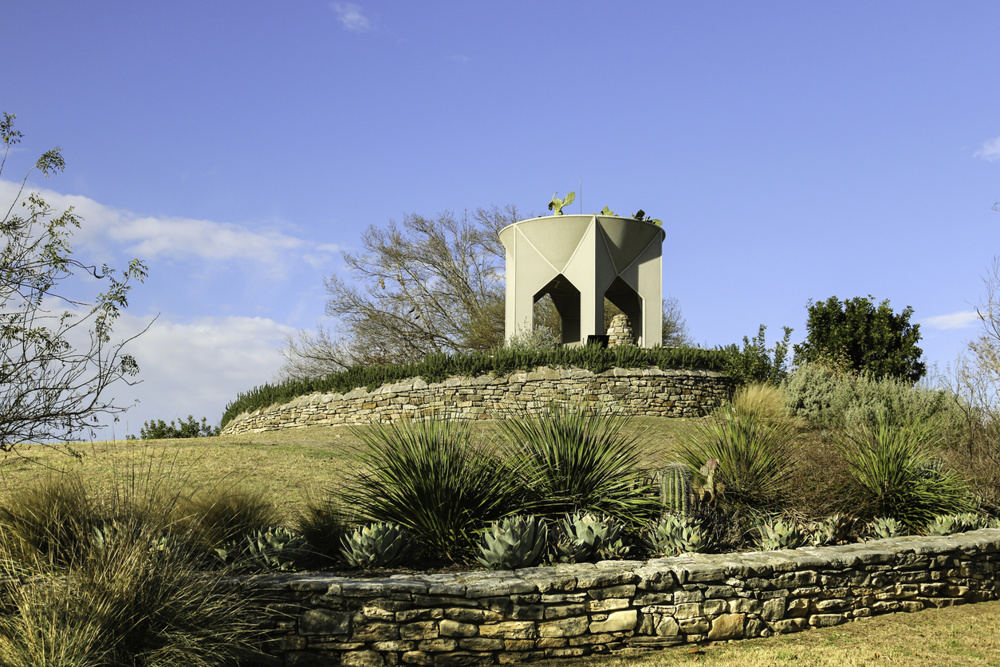
The San Antonio Botanical Garden is another excellent learning site, especially for South Texas and Central Texas plant knowledge. The garden describes itself as a museum of plants, a living classroom, and a research and conservation facility.
Its plant collections and educational programs make it easier to compare different Texas growing conditions. Visitors can learn how sunlight, soil, rainfall, and heat affect what grows well in a region.
The garden is especially useful for people who want to understand how native and climate-adapted plants can fit into home landscapes. Plant sales and garden programs can also help visitors choose species suited to South Texas conditions.
Caddo Lake State Park — East Texas
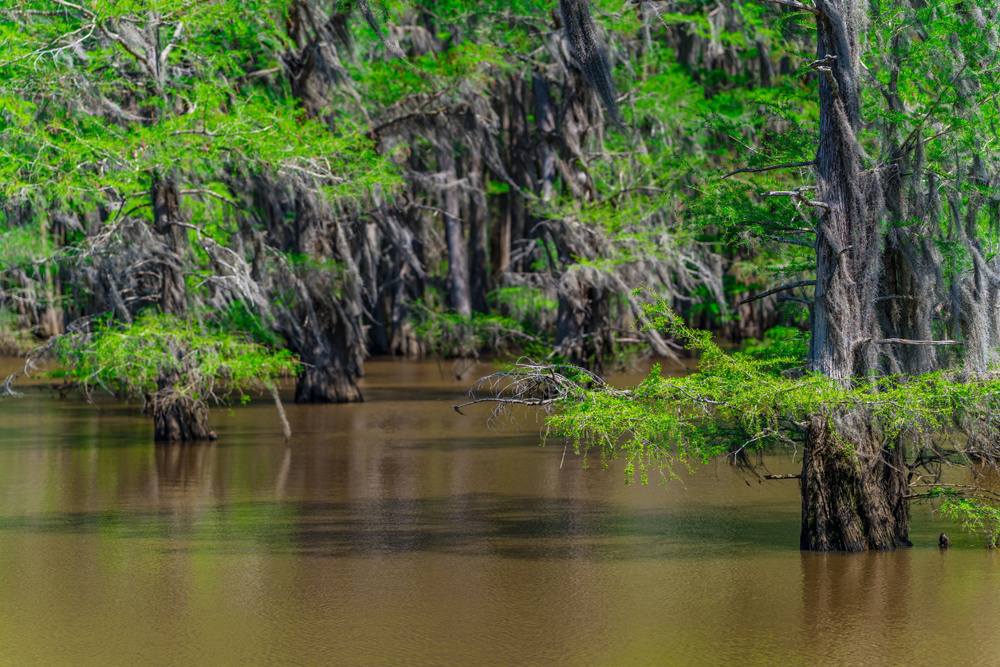
Caddo Lake State Park is one of the best Texas parks for seeing native plants in a wet, wooded environment. Unlike the dry Hill Country or West Texas desert, Caddo Lake feels lush and shaded, with bald cypress trees, wetlands, and bayou-like waterways.
This is a good place to learn about plants that like moisture: cypress, aquatic vegetation, vines, ferns, and bottomland hardwood species. The park shows a very different side of Texas plant life, one shaped by slow water, shade, and rich wetland habitat.
For visitors used to Central or West Texas, Caddo Lake can be eye-opening. It shows that Texas native plants are not only wildflowers and cactus. They also include swamp trees, water plants, and forest species.
Guadalupe River State Park — Spring Branch
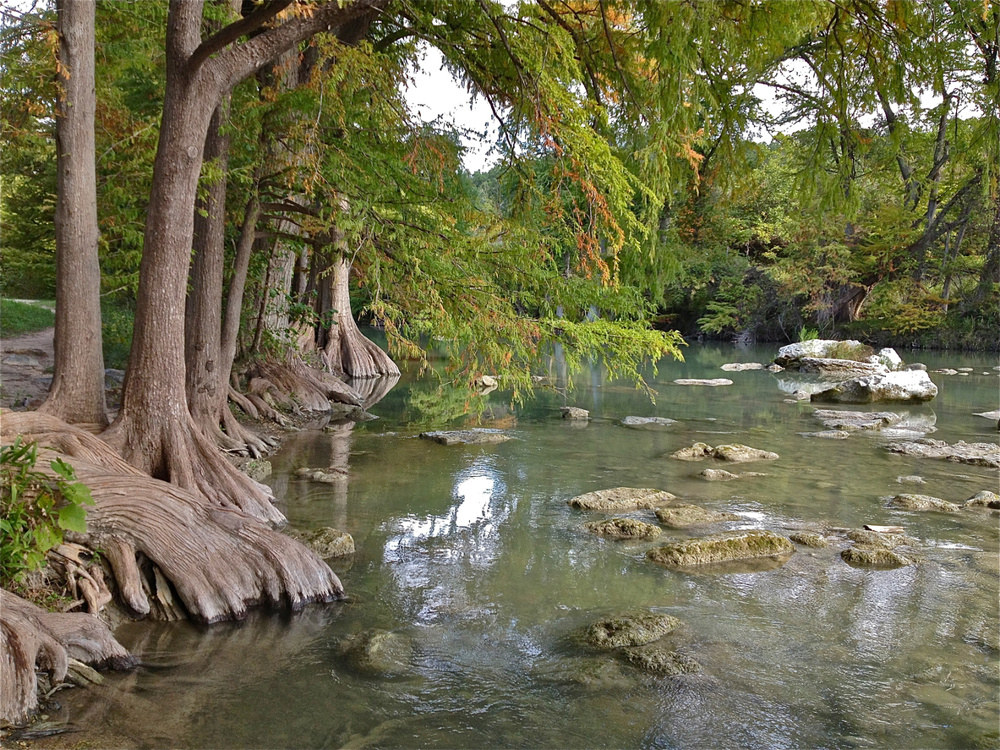
Guadalupe River State Park is a strong choice for learning about riparian plants, which are plants that grow along rivers and streams. These plants play an important role in holding banks together, cooling water with shade, and providing habitat for insects, birds, and fish.
Along the river, visitors may see bald cypress, sycamore, pecan, grasses, shrubs, and wildflowers. Away from the water, the landscape shifts toward Hill Country woodland and grassland.
This contrast makes the park educational. In one visit, you can compare plants that need regular access to water with plants that survive on rockier, drier ground.
How to Get More Out of a Native Plant Visit
A park visit becomes more educational when you slow down and look closely. Instead of trying to identify every plant, focus on patterns.
Notice where plants grow. Are they near water, in full sun, under trees, or in rocky soil? Look at leaf size, flower shape, bark texture, seed heads, and root exposure. These details often explain how a plant survives.
Spring is usually the best season for wildflowers, but native plants are worth studying year-round. Summer shows heat tolerance. Fall reveals seed heads and berries. Winter makes tree shapes, bark, grasses, and evergreen plants easier to notice.
A Simple Beginner’s Plant-Watching Checklist
When visiting a Texas park, ask:
- Is this plant growing in shade, sun, wet soil, or dry soil?
- Are insects visiting the flowers?
- Does it have thorns, waxy leaves, or small leaves?
- Is it part of a prairie, forest, wetland, desert, or riverbank habitat?
- Could this plant help wildlife in a home garden?
These questions make plant learning easier, even before you know the plant’s name.
Final Thoughts
The best Texas parks for learning about native plants are the ones that help visitors see the connection between plants and place. Big Bend teaches desert survival. Brazos Bend shows the power of wetlands and prairie. Government Canyon explains Hill Country ecology. The Lady Bird Johnson Wildflower Center and Texas Discovery Gardens make native plants easier to understand for everyday landscapes.
Together, these places show that native plants are not background scenery. They are part of what makes Texas landscapes work.