

Texas is often described by its landscapes: pine forests, coastal marshes, Hill Country limestone, desert mountains, rivers, lakes, and prairie. But the state can also be understood through sound. A quiet walk in the right place can reveal frogs calling after rain, cicadas buzzing in summer heat, birds moving through trees, wind passing over open land, and water shaping everything around it.
The best nature-listening spots are not always the most dramatic viewpoints. Often, they are wetlands at dusk, shaded trails after a storm, riverbanks in the early morning, or high places where the wind has room to move.
Caddo Lake State Park: Frogs, Birds, and Cypress-Water Quiet
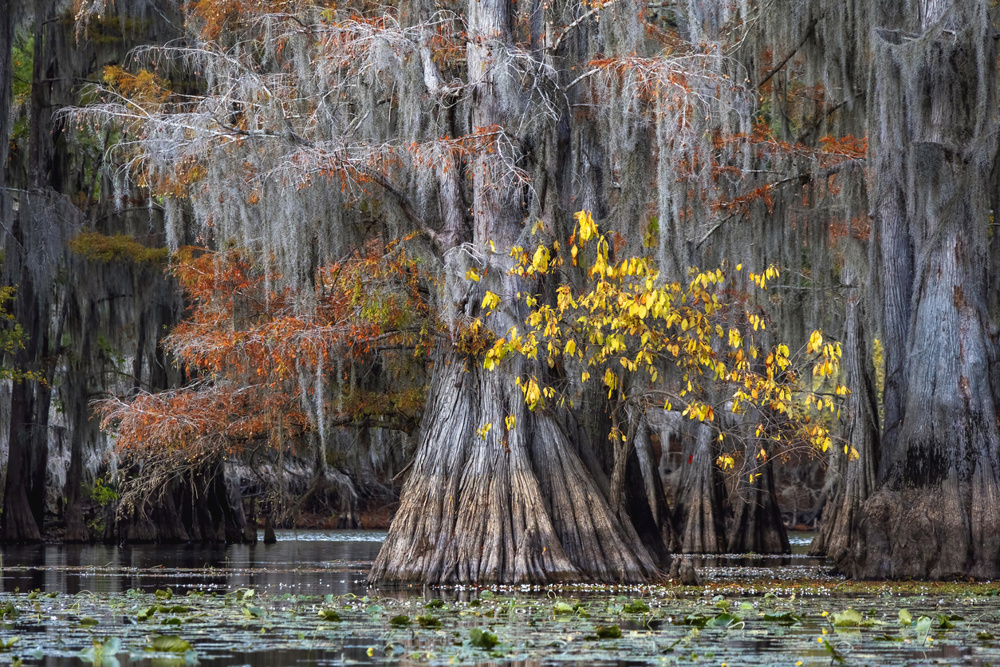
Caddo Lake State Park in East Texas is one of the state’s most atmospheric places to listen. Its bald cypress trees, Spanish moss, slow waterways, and bottomland habitats create a setting where sound carries differently than it does in open country. The Texas Parks and Wildlife Department notes that Caddo Lake supports major habitat types including bottomlands, mesic areas, and uplands, while the broader watershed holds a high variety of native aquatic wildlife. The park also sits within the Central Flyway, making it important for migrating birds.
This is a good place to hear frogs and insects in warm weather, especially near wet edges. Birdsong is often strongest in the morning, while evenings can bring a layered mix of water movement, insects, and calls from the surrounding woods.
For a quieter experience, consider paddling or walking early in the day. Sound travels across still water, and even small movements—fish breaking the surface, wings passing overhead, or a heron lifting from the shallows—become easier to notice.
Brazos Bend State Park: Wetland Calls Near Houston
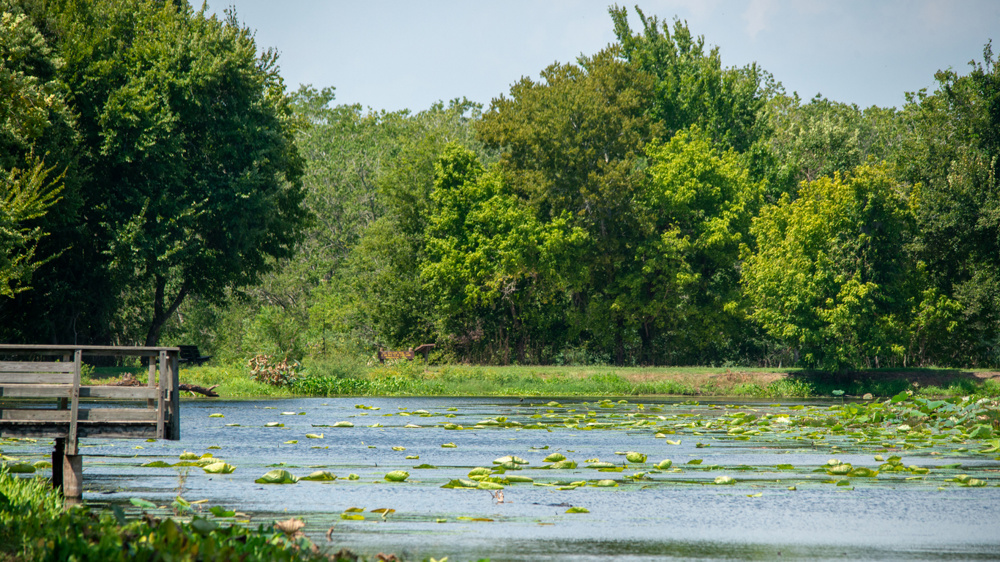
Brazos Bend State Park, southwest of Houston, is one of the best Texas parks for hearing about wetland life without going far from a major city. The park includes about 5,000 acres of bottomland, upland coastal prairie, wetlands, and forests, according to Texas Parks and Wildlife.
That variety makes the park a strong place for listening. Around lakes and marshy areas, visitors may hear frogs, insects, wading birds, and rustling reeds. In prairie sections, the soundscape opens up, with wind moving through tall grasses and birds calling from wider distances.
Brazos Bend is especially rewarding at dawn or near sunset. These are times when wildlife tends to be more active, temperatures are lower, and human noise is often reduced. It is also a good reminder that “nature sounds” do not have to come from remote places. Sometimes they are just beyond the edge of a metro area.
Big Bend National Park: Wind, River, and Desert Silence
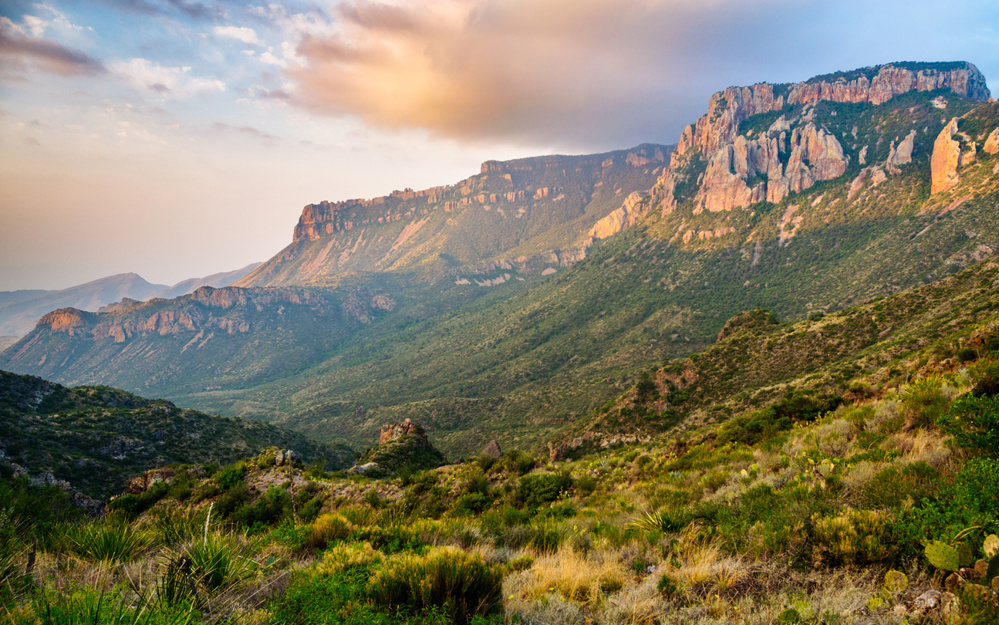
Big Bend National Park is one of the best places in Texas to hear space. That may sound strange, but in a desert landscape, quiet becomes part of the experience. The National Park Service describes Big Bend as a Far West Texas park where dark skies, river-carved canyons, desert, and mountain habitats come together, with hundreds of bird species using the region.
The Rio Grande adds another layer. In Big Bend, water is especially important because the surrounding land is dry. The National Park Service notes that seeps, springs, and the river concentrate bird life, and that the Rio Grande and its floodplain form the richest bird habitat in the park.
Listen near the river and the sound may include moving water, birds in cottonwoods, canyon echoes, and wind shifting through brush. In more open desert areas, wind becomes the dominant sound. It moves across rock, cactus, gravel, and grass, sometimes softly and sometimes with force.
Big Bend rewards patience. A few minutes of stillness can change what you notice.
Enchanted Rock State Natural Area: Wind Over Granite
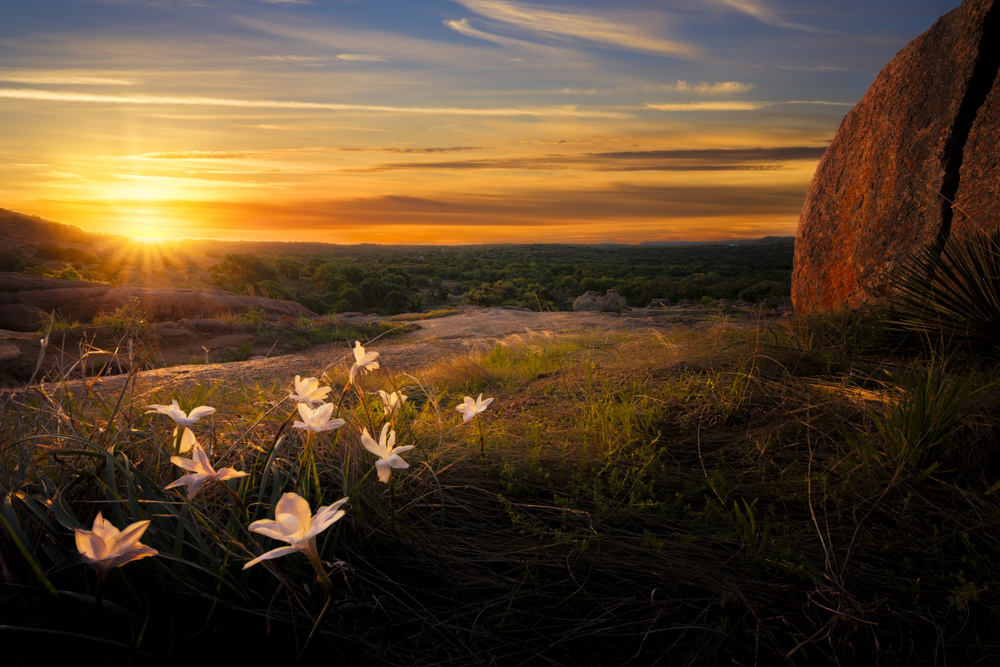
Enchanted Rock is often visited for its large pink granite dome and Hill Country views, but it is also a memorable place to hear wind. The exposed rock gives the sound fewer places to hide. On the summit or along open stretches of trail, wind can become the main feature of the landscape.
Texas Parks and Wildlife describes Enchanted Rock as a massive pink granite dome with nearly 11 miles of hiking trails, along with opportunities for birding, nature study, camping, rock climbing, and stargazing.
The site also has fragile vernal pools, which are temporary pools that form in depressions on the rock after rain. Visitors are asked to stay out of them because they support delicate plant and animal life.
For listening, visit early or on a less crowded day. The sound of wind over granite, birds in the surrounding brush, and footsteps on stone gives Enchanted Rock a very different feel from a forest or wetland.
Guadalupe River State Park: Flowing Water and Hill Country Birds
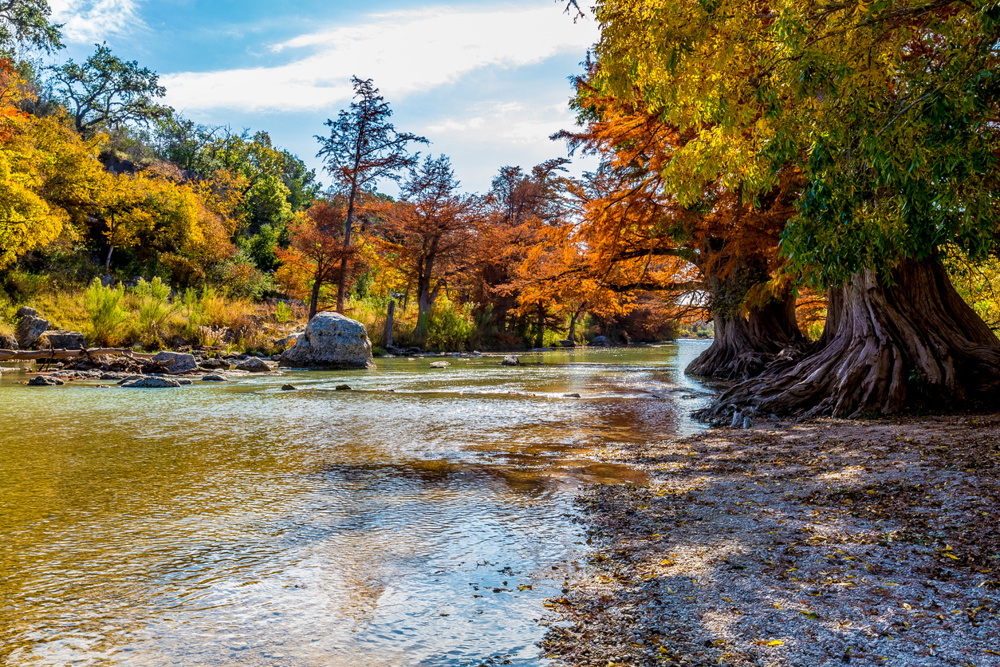
The Guadalupe River is one of the classic Texas water sounds. At Guadalupe River State Park, visitors can hear water moving over limestone, wind in riverside trees, and birds along the riparian corridor.
This type of place is especially good for people who find flowing water calming. River sound changes depending on flow, recent rain, and where you sit. A shallow riffle sounds different from a deeper bend. A shaded bank sounds different from an open gravel bar.
Early morning is best for bird activity, while late afternoon is often better for relaxed river listening. During busy seasons, quieter moments are easier to find by walking farther from the most popular swimming and tubing areas.
Lost Maples State Natural Area: Birds, Leaves, and Canyon Acoustics
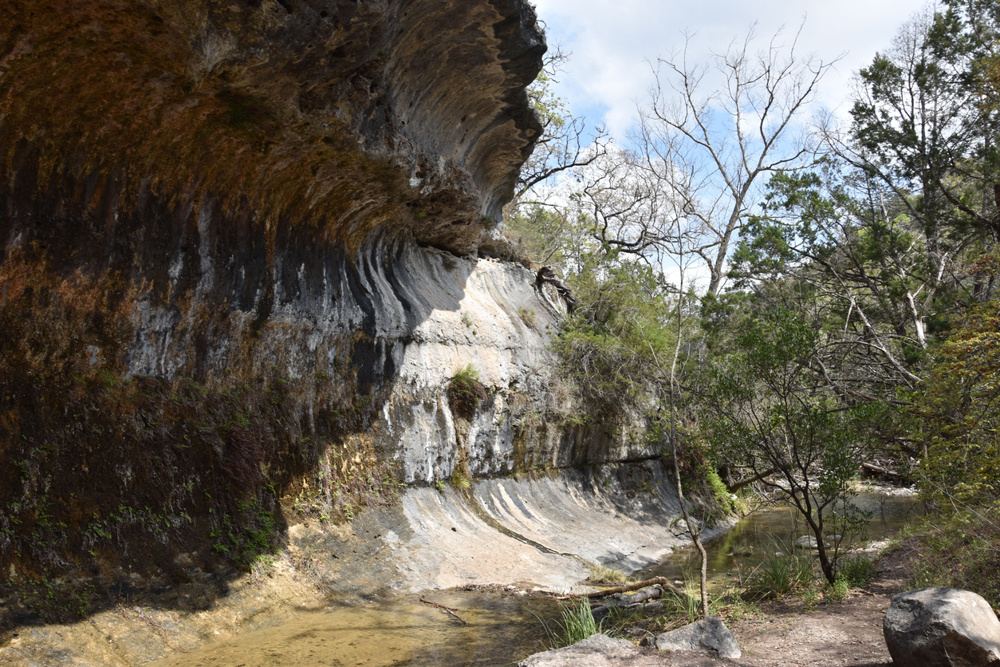
Lost Maples is famous for its fall color, but its soundscape is interesting throughout the year. The park’s canyons, slopes, trees, and streams create pockets where bird calls and wind can echo or soften.
In spring, birds are a major reason to listen. In summer, insects and shaded creekside sounds become more noticeable. In fall, dry leaves add a new layer underfoot and overhead. Even when the park is crowded during peak foliage season, trails early in the day can still offer quieter listening.
Lost Maples is a good place to notice how terrain affects sound. A call from one ridge may feel close even when it is not. Wind in a canyon can seem to move in waves.
South Padre Island and the Laguna Madre: Coastal Birds, Wind, and Water
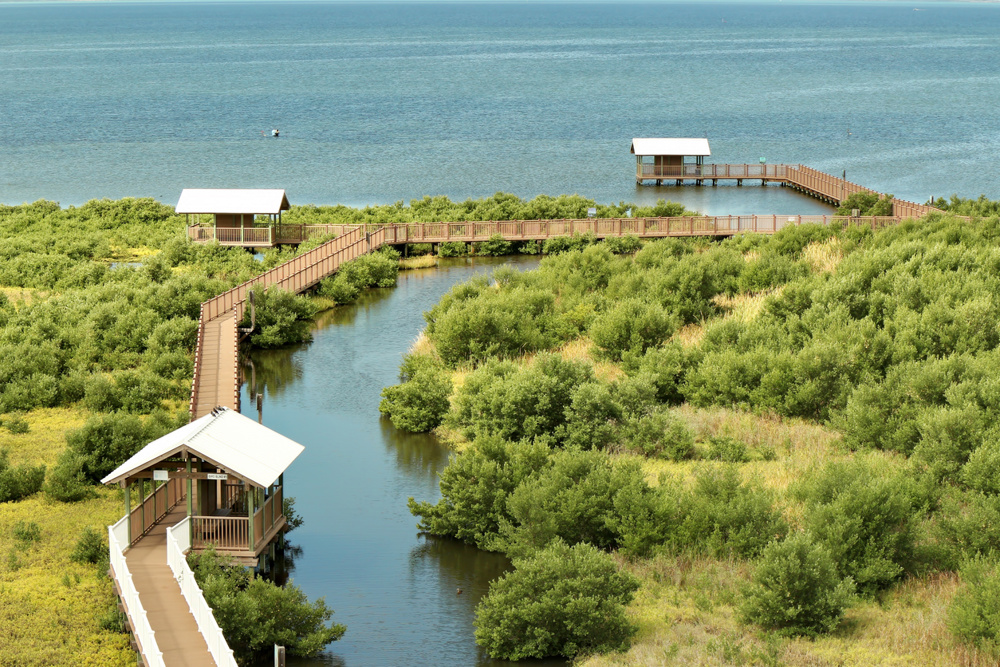
The Texas coast offers a completely different sound environment. Around South Padre Island and the Laguna Madre, the dominant sounds are wind, waves, shorebirds, and marsh birds. Instead of enclosed forest sound, you get distance: open sky, flat water, and calls that carry across the coast.
This is one of the best Texas settings for hearing birds in motion. Gulls, terns, herons, egrets, pelicans, and migratory birds all add to the coastal soundscape. Wind is almost always part of the experience, shaping the sound of grass, water, and dunes.
For the best listening, go early before beach activity increases. Boardwalks, birding centers, and quieter shoreline areas are better than crowded beach access points.
Balcones Canyonlands National Wildlife Refuge: Songbirds and Hill Country Quiet
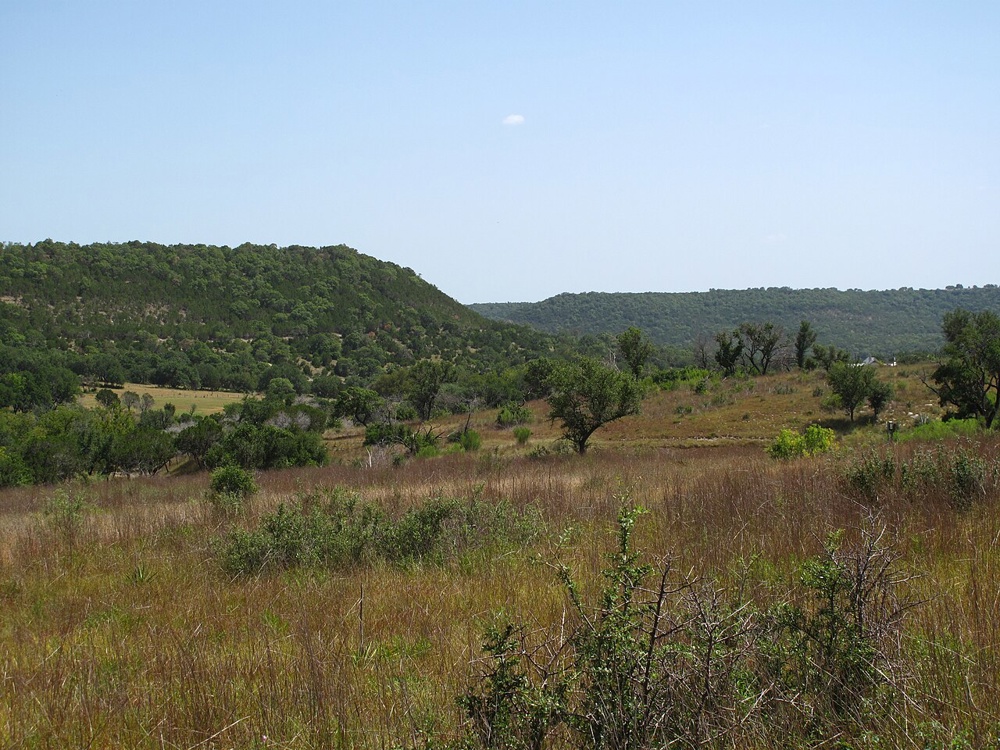
Balcones Canyonlands National Wildlife Refuge, northwest of Austin, is a strong choice for people who want to hear birds in a less urban setting. The refuge protects Hill Country habitat and is known for birdlife, including species connected to Central Texas woodlands.
The sound here can feel more subtle than at wetlands or beaches. Instead of loud water or constant wind, visitors may hear songbirds, insects, rustling leaves, and distant calls from wooded slopes.
This is a place where slow walking helps. Stop often, listen before moving, and let the quieter sounds become clear. Binoculars are useful, but your ears may notice birds before your eyes do.
Colorado Bend State Park: Waterfalls, Springs, and Hidden Creek Sounds

Colorado Bend State Park is one of the best Texas places to hear moving water in a rugged setting. The park is known for springs, creeks, river access, and Gorman Falls. Water sounds here may include dripping, trickling, splashing, and steady river movement.
This park is especially good after periods of rain, though trail conditions should always be checked before visiting. The sound of water against rock can vary greatly from one area to another. A spring-fed trickle, a creek crossing, and a waterfall each create a different listening experience.
Because trails can be rocky and uneven, this is a place to listen carefully while also watching your footing.
Davis Mountains State Park: Wind, Birds, and High Desert Air
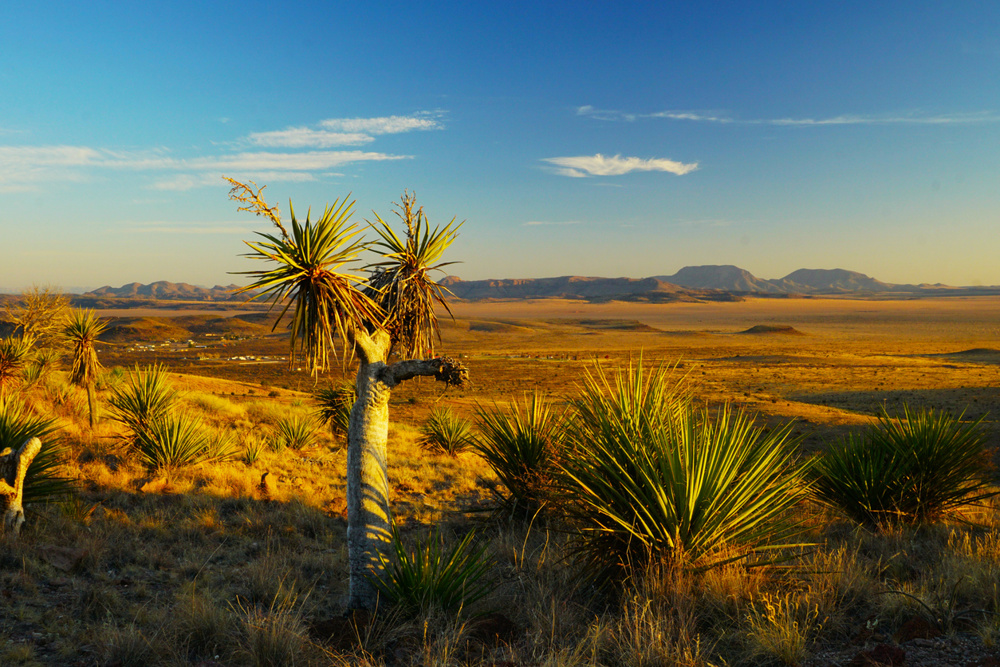
In West Texas, Davis Mountains State Park offers a different kind of listening than lowland parks. Higher elevation, open slopes, and drier air make wind and bird calls feel crisp and distinct.
The best sound moments often come at dawn, when birds become active and the air is still cool. Later in the day, wind may become stronger, moving through grasses, shrubs, and rocky slopes.
This is also a good place to understand how quiet works in dry country. There may be long pauses between sounds, which makes each bird call or gust of wind stand out more.
When to Visit for the Best Natural Sounds
Different sounds are strongest at different times of year.
Spring is excellent for birds, frogs, flowing creeks, and fresh vegetation. Summer brings cicadas, insects, frogs after rain, and long evening soundscapes. Fall is good for birds, wind, dry leaves, and cooler walks. Winter can be quieter, but it is often ideal for hearing wind, water, and distant bird calls without heavy insect noise.
Time of day matters too. Dawn is usually best for birds. Dusk is often best for frogs and insects. Wind may be most noticeable in open areas during the afternoon, while water can be heard clearly whenever crowds are low.
Simple Tips for Listening Better
You do not need special equipment to enjoy natural sound, but a few habits help.
Choose a spot and stay still for several minutes. Avoid talking while walking through sensitive areas. Keep your phone on silent. Step away from parking lots, roads, and crowded overlooks when possible. After rain, listen near wetlands, creeks, ponds, and low areas where frogs and insects are more active.
Most importantly, let your ears adjust. At first, you may hear only one or two obvious sounds. After a few minutes, smaller details start to appear: wingbeats, leaves shifting, insects pulsing, water dripping, or distant birds answering each other.
Why Texas Is So Good for Listening to Nature
Texas is large enough to hold many different sound environments in one state. East Texas wetlands do not sound like the Hill Country. The Gulf Coast does not sound like Big Bend. A prairie, a canyon, a riverbank, and a cypress swamp each have their own natural rhythm.
That variety makes Texas a rewarding place for anyone who wants to experience nature in a slower way. Seeing a landscape is only part of understanding it. Hearing it can make the place feel more alive, more specific, and easier to remember.