
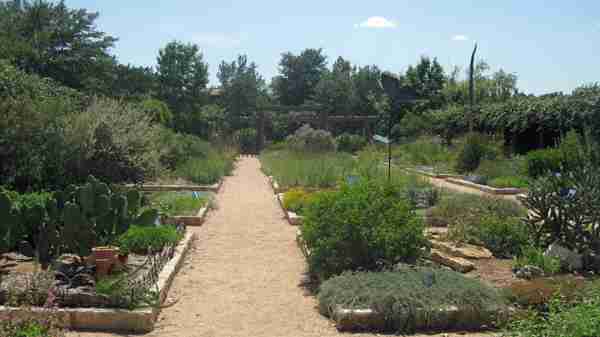
The Lady Bird Johnson Wildflower Center in Austin, Texas, is a leading botanical garden devoted to the study, conservation, and celebration of native plants. It was established in 1982 by former First Lady Lady Bird Johnson and actress Helen Hayes as the National Wildflower Research Center. The founders shared a vision of restoring the beauty of the American landscape by encouraging the use of native plants in gardens, public spaces, and natural areas.
Today, the Wildflower Center occupies 284 acres in southwest Austin, where the Texas Hill Country meets the Blackland Prairie. The site features a mix of cultivated gardens, natural meadows, woodlands, and managed wildlands. It is operated by The University of Texas at Austin and serves as both a public garden and a research facility dedicated to sustainable landscape practices.
History and Founding
When Lady Bird Johnson and Helen Hayes founded the center in 1982, it was located on a 60-acre site in East Austin. The mission was to protect and promote the use of native plants through research, education, and public outreach. By the mid-1990s, the center had outgrown its original space and relocated to a new, larger site in southwest Austin in 1995.
In 1997, the facility was renamed the Lady Bird Johnson Wildflower Center to honor the former First Lady’s lifelong dedication to beautifying America’s public spaces with native flora. Over the years, it became one of the most respected institutions in the country for native plant research, restoration, and landscape design.
Official Designation
In 2017, the Texas Legislature designated the Lady Bird Johnson Wildflower Center as the official state botanical garden and arboretum of Texas. This recognition underscored the center’s vital role in conserving native plant diversity and advancing environmental stewardship throughout the state. The center’s work supports habitat restoration, sustainable urban planning, and plant conservation initiatives across Texas and beyond.
Gardens and Landscapes
The Wildflower Center includes several distinct areas that highlight the diversity and ecological importance of Texas’s native flora. Approximately nine acres are devoted to cultivated display gardens that feature wildflowers, shrubs, and trees adapted to different regions of the state. The 16-acre arboretum showcases native tree species, while more than 150 acres remain as preserved natural landscapes representative of the Hill Country and prairie ecosystems.
Trails wind through the grounds, offering visitors opportunities to observe native plants, birds, and pollinators in their natural habitats. Seasonal blooms create an ever-changing display, making each visit unique throughout the year. The center also employs sustainable practices such as rainwater harvesting, native plant landscaping, and habitat restoration techniques that serve as models for conservation-minded gardeners and designers.
The Family Garden
One of the Wildflower Center’s most popular attractions is the Luci and Ian Family Garden, which opened in 2014. This 4.5-acre area was designed specifically for children and families to explore the natural world through interactive features. Highlights include a maze made of native shrubs, giant tree stumps for climbing, a grotto with water features, and educational exhibits that teach about local ecology and plant life. The Family Garden encourages hands-on learning and fosters a connection between young visitors and the environment.
Research and Education
Beyond its public gardens, the Lady Bird Johnson Wildflower Center plays a key role in research and education. Scientists and landscape professionals study plant ecology, restoration methods, and sustainable design to improve land management practices across Texas. The center’s research has influenced highway landscaping, urban green infrastructure, and habitat restoration projects statewide.
Educational programs serve audiences ranging from school groups to professional horticulturists. Workshops, plant sales, and guided tours help visitors learn how to incorporate native plants into their own gardens, while university students and researchers use the site as a living laboratory for environmental study.
Legacy and Impact
The Lady Bird Johnson Wildflower Center stands as a testament to Lady Bird Johnson’s environmental vision and her belief that native plants can enhance both the beauty and health of the landscape. What began as a small research center has grown into a nationally recognized institution that blends science, conservation, and public education. Its efforts continue to shape the way Texans and people across the country think about sustainability, biodiversity, and the importance of preserving natural heritage.
Photos:
Lady Bird Johnson Wildflower Center
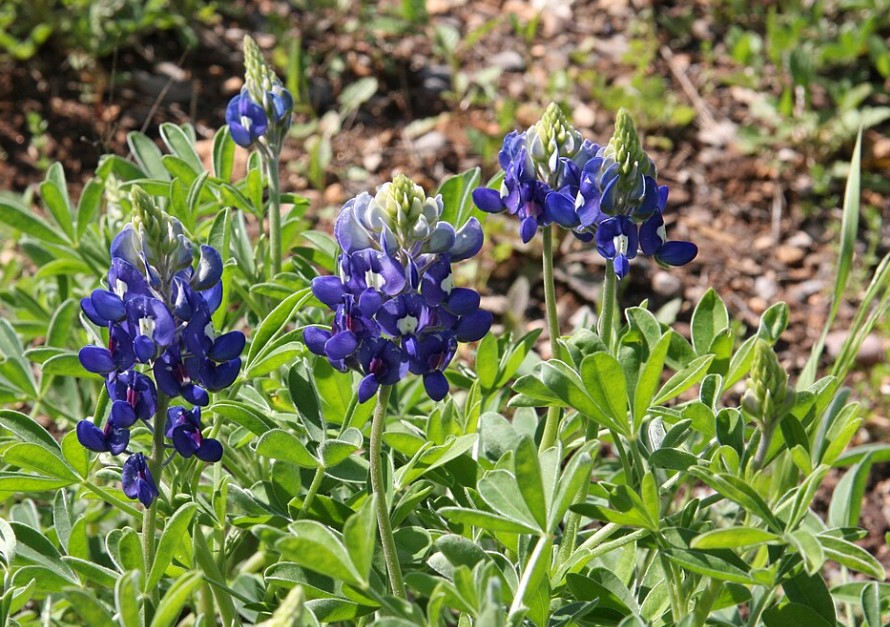
Lady Bird Johnson Wildflower Center
Map:
Sorry, no records were found. Please adjust your search criteria and try again.
Sorry, unable to load the Maps API.
Houston
Texas
United States
- Only service animals are permitted; pets and emotional support animals are not allowed.
-
Guided Tours: Explore the diverse plant collections and learn about native Texas flora.
-
Educational Programs: Participate in workshops and classes focused on gardening, conservation, and sustainable practices.
-
Seasonal Events: Enjoy events like "Dinos in the Wild," featuring life-sized animatronic dinosaurs, and "Luminations," a festive light display.
-
Gardens & Arboretum: Includes cultivated gardens, a 16-acre arboretum, and natural areas.
-
Trails: Miles of walking trails suitable for all ages.
-
Family Garden: Interactive space designed for children to explore and learn about nature.
-
Facilities: On-site café, gift shop, restrooms, and picnic areas.
-
Accessibility: The center is wheelchair accessible, excluding certain trails and the Observation Tower.