

Spring wildflower season is one of the most anticipated times of year in Texas. As temperatures warm and daylight increases, bluebonnets and other native wildflowers begin appearing along highways, rural roads, parks, and open fields. For a few months, much of the state takes on a completely different look, with color spreading across landscapes that are brown or muted the rest of the year.
Texas bluebonnet trails are best described as scenic driving routes rather than formal trails. They change each year based on rainfall, temperature, and growing conditions. Some routes are well known and promoted by local tourism offices, while others are discovered simply by driving back roads and paying attention to what is blooming.
This article explains when to visit, where to go, what else you will see besides bluebonnets, and how to enjoy wildflower season safely and responsibly.
When to See Bluebonnets and Wildflowers in Texas

Wildflower season in Texas typically runs from early March through May. Bluebonnets usually begin blooming in early March and reach their peak between late March and mid April. In cooler regions of the state, peak bloom can extend into late April.
Timing varies by region:
- South Texas often sees the earliest blooms
- Central Texas and the Hill Country usually peak in late March or early April
- North Texas blooms later, often in April
Winter rainfall is the most important factor. Wet winters usually produce stronger wildflower seasons. Dry winters often lead to shorter or patchier displays.
Bluebonnets bloom first, followed by other species that extend the season. Indian paintbrush, Indian blanket, coreopsis, winecups, and evening primrose are commonly seen in spring fields and along roadsides.
The Texas Hill Country

The Hill Country is one of the most popular areas for bluebonnet viewing. Its rocky soil, rolling hills, and open land provide ideal growing conditions.
Fredericksburg, Llano, Marble Falls, and Burnet are well known starting points. Many county roads in these areas pass through open ranch land where bluebonnets grow thickly in spring.
Burnet is often referred to as the Bluebonnet Capital of Texas. The town promotes seasonal driving routes that change each year based on bloom locations.
Willow City Loop near Fredericksburg is one of the most photographed bluebonnet drives in the state. It offers long stretches of wildflowers but can be crowded during peak season, especially on weekends.
Several Hill Country state parks also offer good wildflower viewing:
These parks provide maintained trails and public access, which makes viewing easier and safer.
Central Texas
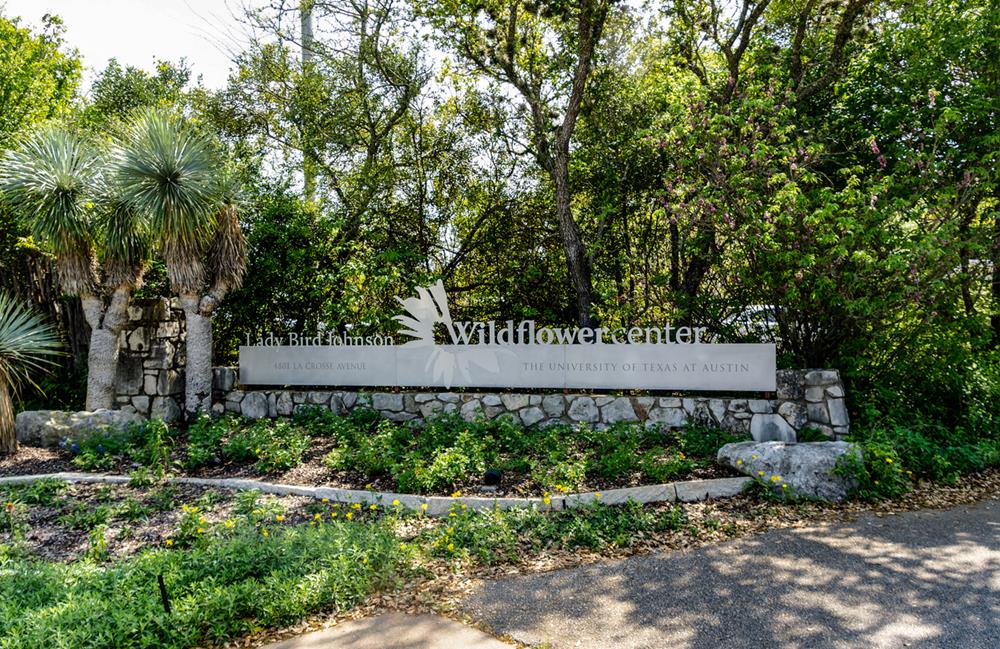
Central Texas offers convenient wildflower viewing, especially for visitors near Austin, Waco, and surrounding communities.
Areas around Lake Travis often bloom early. Roads near Round Rock, Georgetown, and Pflugerville also produce consistent displays.
The Lady Bird Johnson Wildflower Center in Austin provides a structured environment for viewing native Texas plants. It features walking paths, labeled species, and seasonal displays that reflect current bloom conditions across the state.
In Waco, Cameron Park combines river views, wooded trails, and open areas where wildflowers appear in spring.
North Texas
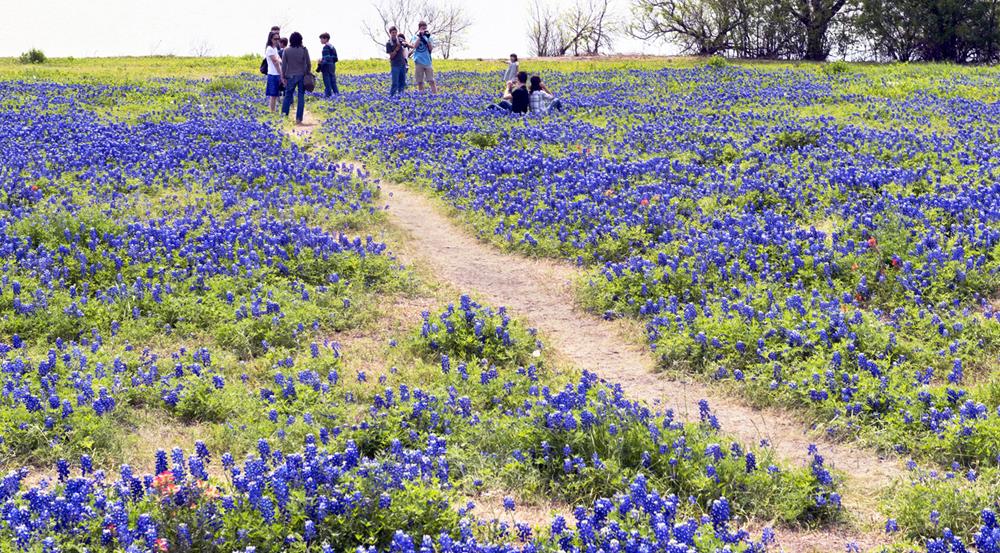
North Texas generally sees bluebonnets later than the rest of the state. April is often the best month for viewing.
Ennis is the most well known destination in the region. The Ennis Bluebonnet Trails are officially mapped each year and include several scenic driving routes through Ellis County. The exact routes vary based on where blooms are strongest.
Other areas around Dallas and Fort Worth also offer viewing opportunities, particularly along rural roads and in city parks with open fields.
South Texas
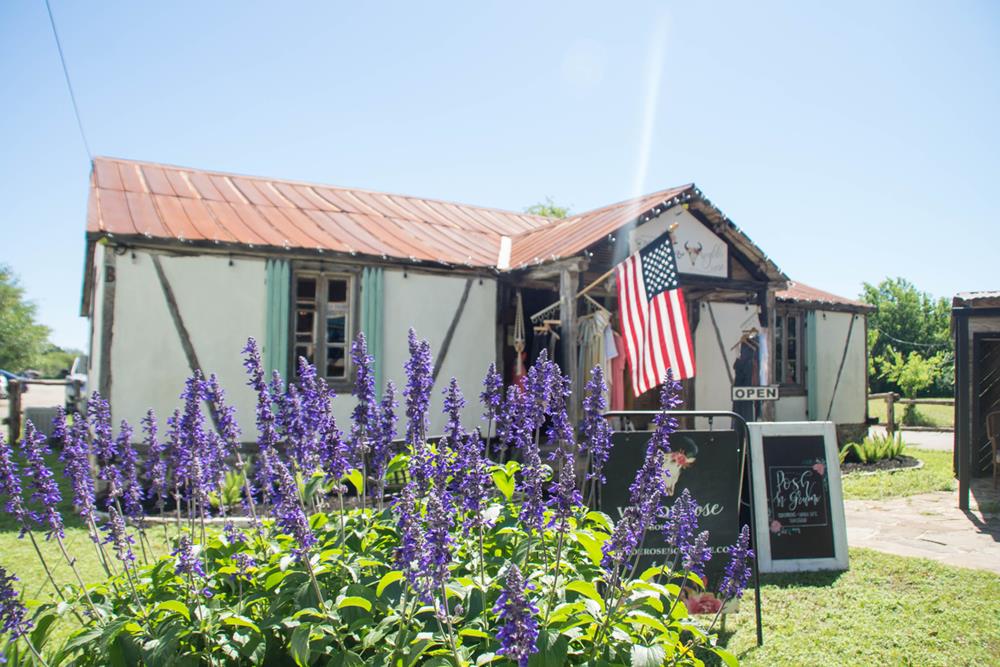
South Texas often experiences bluebonnet blooms earlier than other regions, sometimes starting in late February.
Areas around San Antonio, including Boerne and New Braunfels, commonly see early wildflower growth. Because temperatures rise quickly, blooms in South Texas may fade sooner than in cooler regions.
Shorter bloom periods make timing more important, but the displays can still be impressive when conditions are right.
Scenic Drives and Local Bluebonnet Routes
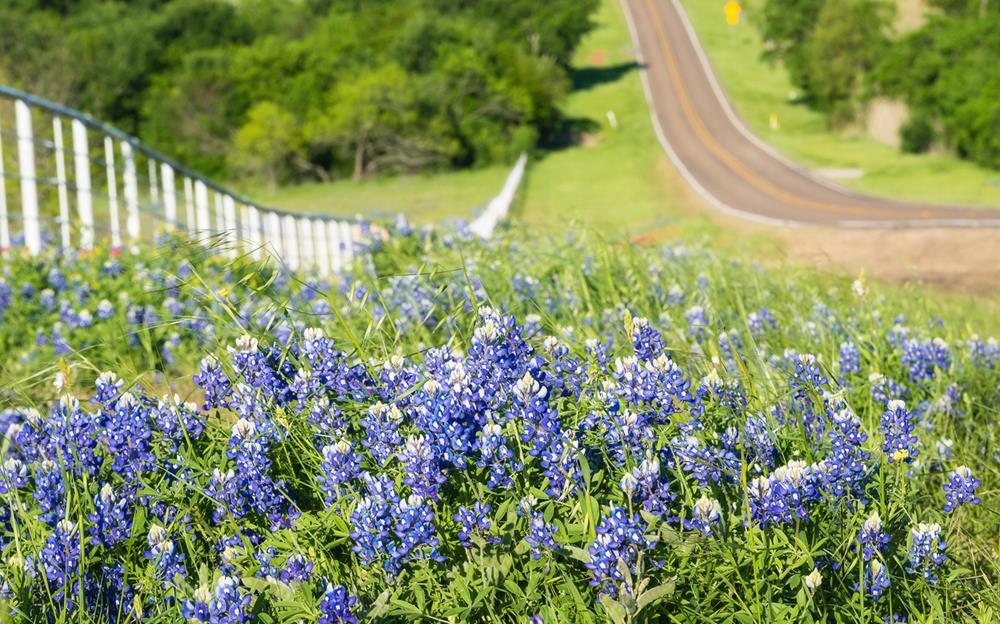
Most bluebonnet trails in Texas are driving routes rather than walking paths. Counties and towns often publish seasonal maps highlighting roads with the strongest blooms.
These routes are not permanent. Wildflowers grow where conditions allow, not where signs are posted. A road that looks quiet one year may be covered in blooms the next.
Farm-to-market roads and lightly traveled county roads are often the best places to look. Driving slowly and staying flexible usually leads to better results than following a strict plan.
State Parks and Public Lands
State parks provide reliable public access for wildflower viewing.
Unlike roadside viewing, parks allow visitors to walk among wildflowers without dealing with traffic. Trails often pass through open meadows, hillsides, and fields where native plants grow naturally.
In addition to Hill Country parks, good spring viewing can be found at:
- Dinosaur Valley State Park near Glen Rose
- McKinney Falls State Park near Austin
- Garner State Park in Uvalde County
Checking park websites or calling ahead can help confirm current conditions.
Photography and Viewing Tips
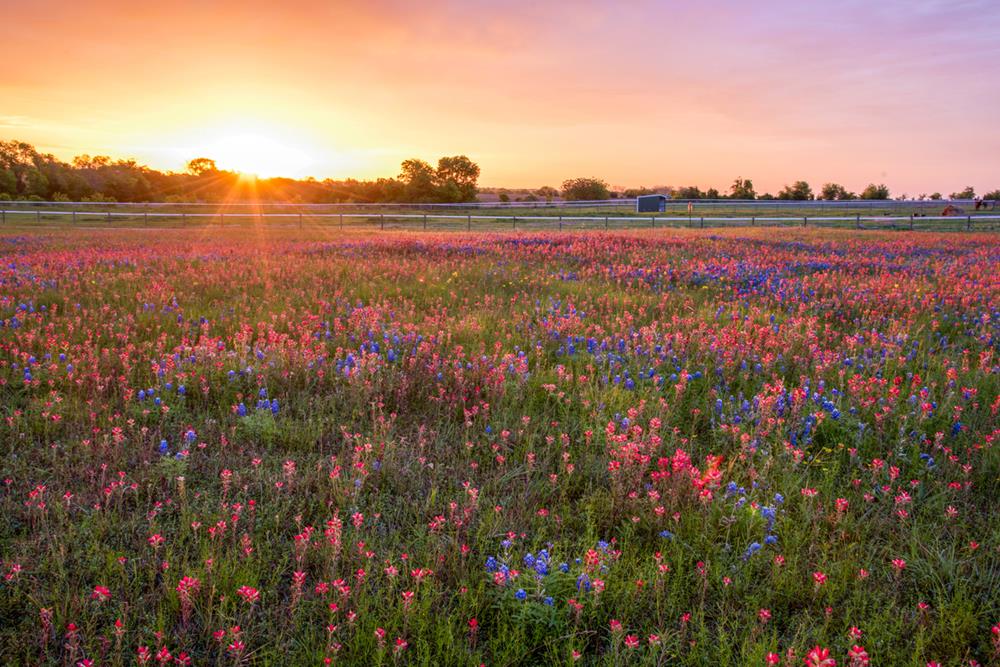
Spring wildflowers attract photographers, families, and casual visitors.
Early morning and late afternoon provide softer light for photos. Overcast days can also work well and reduce harsh shadows.
Parking completely off the roadway is important. Stopping in traffic or standing in the road creates safety risks.
Most bluebonnets grow on private property. Fences mark boundaries, and entering private land without permission should be avoided.
Picking or trampling flowers is discouraged. Wildflowers reseed naturally, and damage reduces future blooms.
Festivals and Small Town Events
Many Texas towns host spring festivals that coincide with bluebonnet season. These events often include local vendors, food, and seasonal activities.
Burnet, Ennis, and Chappell Hill are known for their wildflower celebrations. Visiting during these events adds structure to a trip and supports local communities.
Even towns without formal festivals benefit from spring visitors, and many small businesses plan for increased traffic during wildflower season.
Planning Your Visit
Spring weather in Texas can change quickly. Warm afternoons, cool mornings, and occasional rain are common.
Weekdays tend to be less crowded than weekends, especially in popular areas.
Checking local bloom reports or tourism updates before traveling can save time and help manage expectations.
A Seasonal Texas Experience
Texas bluebonnet trails and spring wildflower viewing are simple experiences that do not require special equipment or planning. A full tank of gas, time to explore, and patience with the season are usually enough.
Each year looks different. Some seasons are dramatic, others more subtle. That unpredictability is part of the appeal.
For a few weeks each spring, Texas offers one of its most recognizable and widely enjoyed natural displays.