
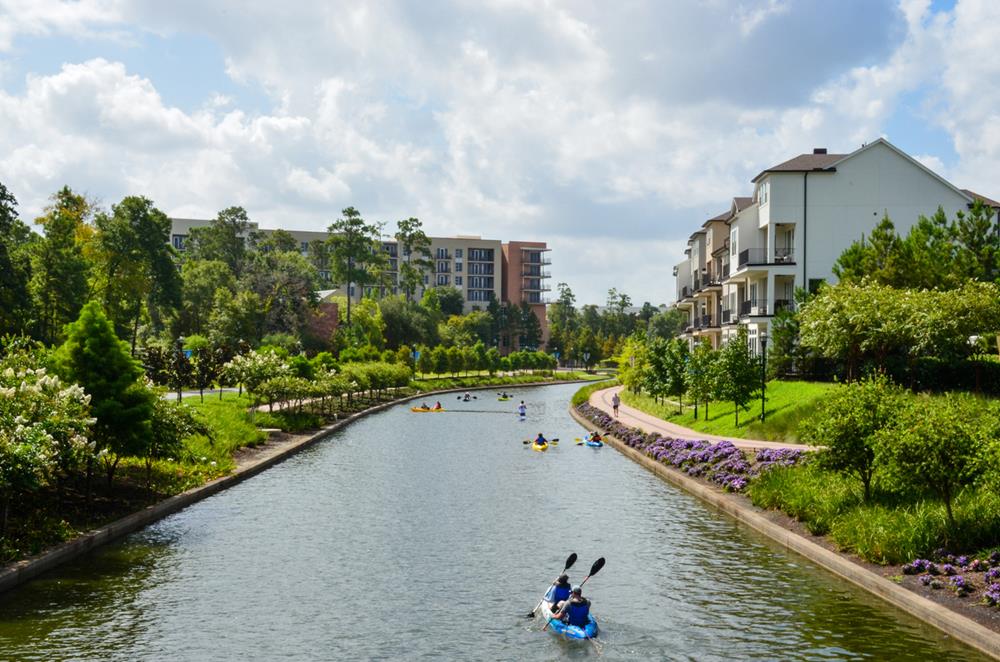
Spring is one of the best seasons to get on the water in Texas. Cooler mornings, longer daylight hours, and rivers that have been refreshed by winter rains create ideal conditions for kayaking and paddling. Across the state, rivers wind through limestone canyons, pine forests, rolling Hill Country, and wide coastal plains. Each offers a different experience, but spring brings them all to life in a way that feels welcoming rather than punishing.
Whether you are new to paddling or have years of experience, spring opens a window of opportunity that is hard to beat. Water levels tend to be more reliable, wildlife activity increases, and temperatures sit comfortably between winter chills and summer heat. This season is about steady movement, quiet exploration, and enjoying Texas from a low, river-level perspective.
Why Spring Is the Ideal Season for Texas River Paddling
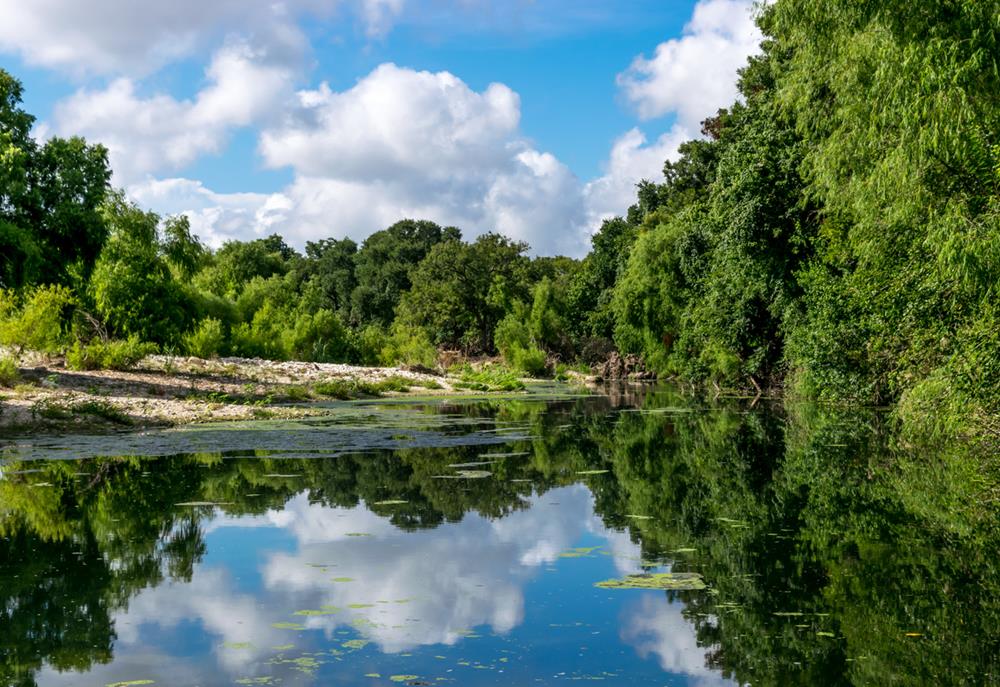
Texas weather can be extreme, but spring often finds a balance that works in a paddler’s favor. Daytime temperatures usually range from the high 60s to the low 80s, depending on location. That means fewer heat-related concerns and more energy for longer trips.
Water levels are another key factor. Many Texas rivers depend on rainfall rather than snowmelt. Winter and early spring storms often raise river flows enough to make paddling easier and more enjoyable. Shallow stretches that become difficult in late summer are more navigable in spring.
Spring also brings a noticeable shift in the environment. Trees leaf out along riverbanks, wildflowers bloom near launch points, and birds return or become more active. These changes add to the experience without demanding extra effort from the paddler. You float through a landscape that feels awake.
Crowds tend to be lighter as well. Summer tubing season has not fully arrived, which means quieter water and fewer distractions. For paddlers who value a relaxed pace and space to explore, spring is a sweet spot.
Understanding Texas Rivers in Spring
Texas rivers vary widely in character, and spring conditions highlight those differences. Hill Country rivers often run clear and cool, fed by springs and rainfall. East Texas rivers flow through forested corridors with slower currents and darker water. South Texas rivers can feel remote and wild, while coastal rivers begin to reflect tidal influences as they near the Gulf.
Spring flows can change quickly after storms. A river that feels calm one weekend may move much faster the next. This makes planning important. Checking river gauges and weather forecasts becomes part of the paddling routine in spring.
Water temperature deserves attention as well. Even when air temperatures feel mild, spring water can remain cool, especially in spring-fed rivers. Falling in may be uncomfortable rather than dangerous, but preparation still matters. Dressing with water temperature in mind is a smart habit.
Popular Texas Rivers for Spring Kayaking and Paddling
Texas offers many rivers that shine during spring. Each has its own rhythm and personality, and paddlers often return to the same stretches year after year.
The Guadalupe River
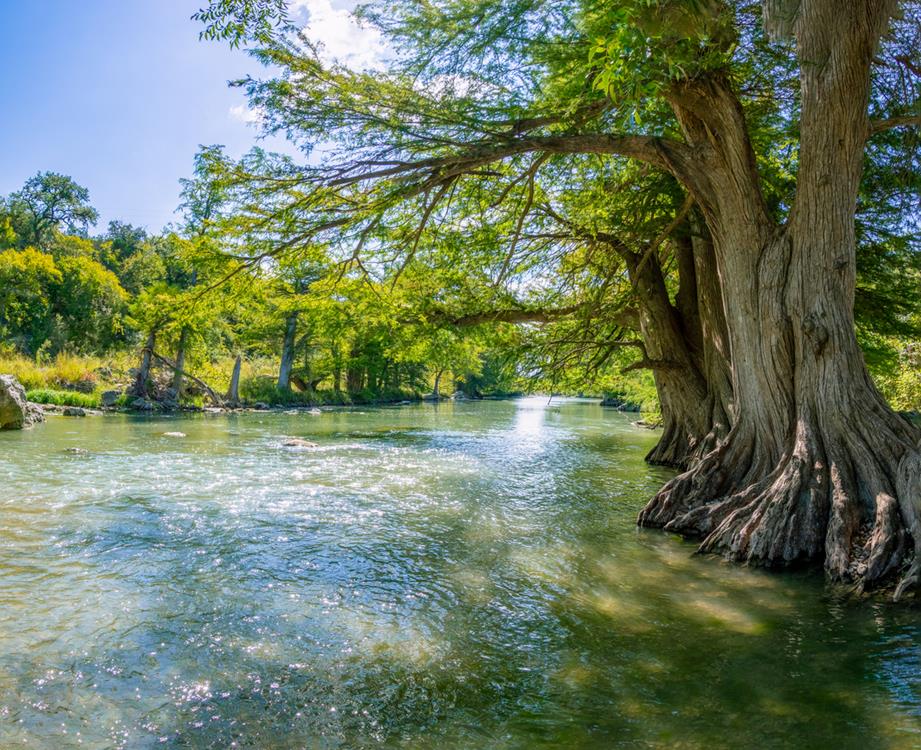
The Guadalupe is one of the most well-known paddling rivers in the state. In spring, it shows a calmer side before summer crowds arrive. Clear water, gentle rapids, and shaded banks make it ideal for recreational kayaking and canoeing.
Upper sections near Canyon Lake offer cooler water and a more natural setting. Wildlife sightings are common, and the current usually provides a steady pace without feeling rushed. Spring flows often smooth out shallow areas that can be tricky later in the year.
The Llano River
The Llano feels wide and open, with granite outcrops and long, scenic stretches. Spring rains help maintain enough depth for easier paddling, especially in areas that can become rocky during dry months.
This river rewards patience. Long pools alternate with gentle riffles, and sandbars appear in inviting spots for breaks. Spring days on the Llano often feel unhurried, with plenty of space to drift, paddle, and explore.
The San Marcos River
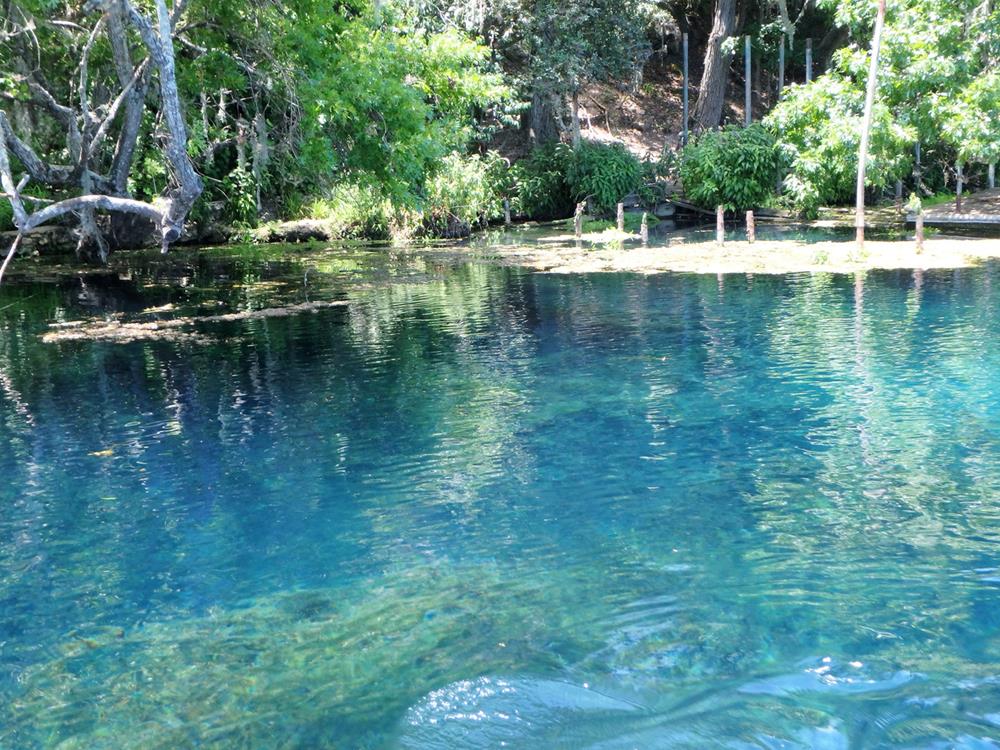
Spring-fed and consistently clear, San Marcos is popular for good reason. Water temperature stays cool year-round, which makes spring particularly pleasant before summer heat sets in.
The river flows through both natural and urban areas, offering variety within a single trip. Spring vegetation along the banks adds color and texture, and the steady flow makes it friendly for beginners.
The Brazos River
As one of the longest rivers in Texas, the Brazos offers countless paddling options. Spring conditions vary by section, but many stretches benefit from increased flow and milder weather.
The Brazos feels expansive and powerful compared to smaller rivers. Spring paddling here often emphasizes planning and awareness, especially after heavy rains. For experienced paddlers, it offers a sense of scale and adventure.
The Neches River
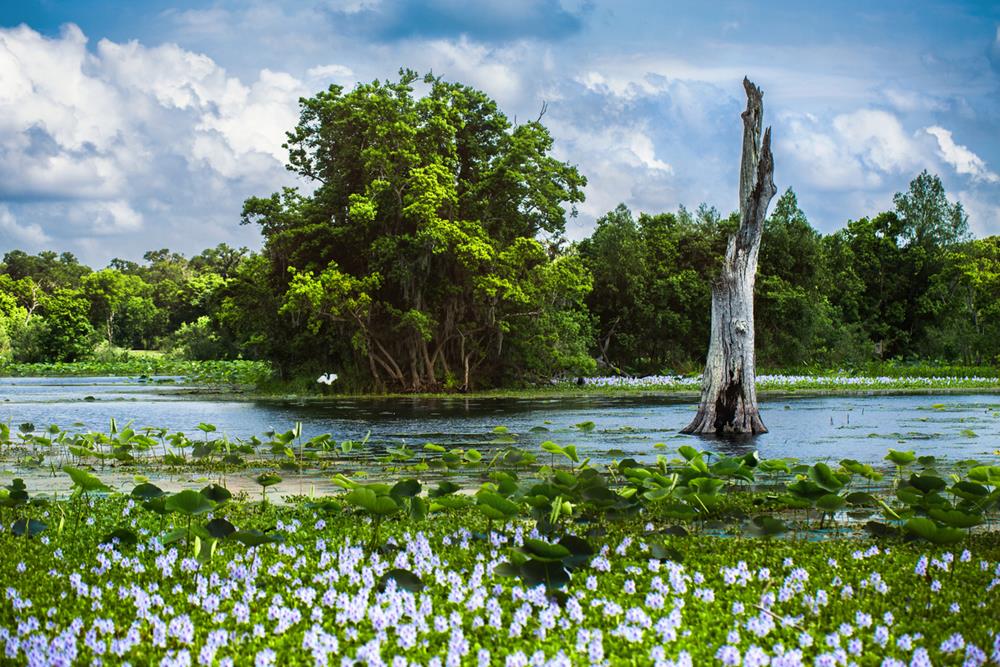
In East Texas, the Neches winds through dense forests and quiet wetlands. Spring brings higher water levels that make navigating fallen trees and shallow sections easier.
This river moves at a slower pace, inviting a relaxed style of paddling. Spring birdlife is especially active, and the sense of isolation can feel refreshing for those looking to disconnect.
Wildlife and Nature in Spring

Spring paddling places you in the middle of seasonal change. Along Texas rivers, this means increased wildlife activity and a landscape that feels alive without being overwhelming.
Birds are often the first thing paddlers notice. Herons, egrets, kingfishers, and hawks become regular sights. Turtles emerge to bask on logs, and fish move into shallower water to feed.
Plant life also transforms river corridors. Fresh green leaves provide shade that is welcome but not dense. Wildflowers appear near access points and along open banks. These details reward slow travel and quiet observation.
Spring is also the breeding season for many species, so paddlers should move with care. Keeping a respectful distance from nesting areas and avoiding unnecessary noise helps protect river ecosystems.
Gear Considerations for Spring Paddling
Spring conditions call for a thoughtful approach to gear. While you may not need the heavy layers of winter, preparation still matters.
A personal flotation device is essential, regardless of experience. Spring currents can be stronger than expected, and colder water increases fatigue.
Clothing should balance comfort and safety. Quick-drying fabrics work well, and a lightweight insulating layer can be useful on cooler mornings. Footwear that handles wet conditions and uneven river bottoms adds confidence at launch points and during breaks.
Dry bags become especially valuable in spring. Sudden rain showers are common, and keeping essentials dry helps maintain comfort and focus.
Sun protection should not be overlooked. Spring sun can be deceptively strong, especially on reflective water. Hats, sunglasses, and sunscreen make long days more enjoyable.
Safety and River Awareness in Spring
Spring paddling is generally forgiving, but changing conditions demand attention. Water levels can rise quickly after storms, sometimes turning gentle rivers into fast-moving channels.
Checking river gauges before heading out is a habit worth building. Many Texas rivers have online monitoring stations that provide real-time data. Understanding what different levels mean for your chosen stretch helps avoid surprises.
Weather awareness is equally important. Spring storms can develop quickly, bringing wind, rain, and lightning. Planning shorter trips or having clear exit points reduces risk.
Strainers and debris are more common in spring due to higher flows. Fallen trees and branches can create hazards that were not present earlier. Scouting unfamiliar sections and maintaining good boat control helps manage these risks.
Paddling with a partner adds an extra layer of safety and enjoyment. Shared experiences often become the stories remembered long after the trip ends.
Planning a Spring Paddling Trip in Texas
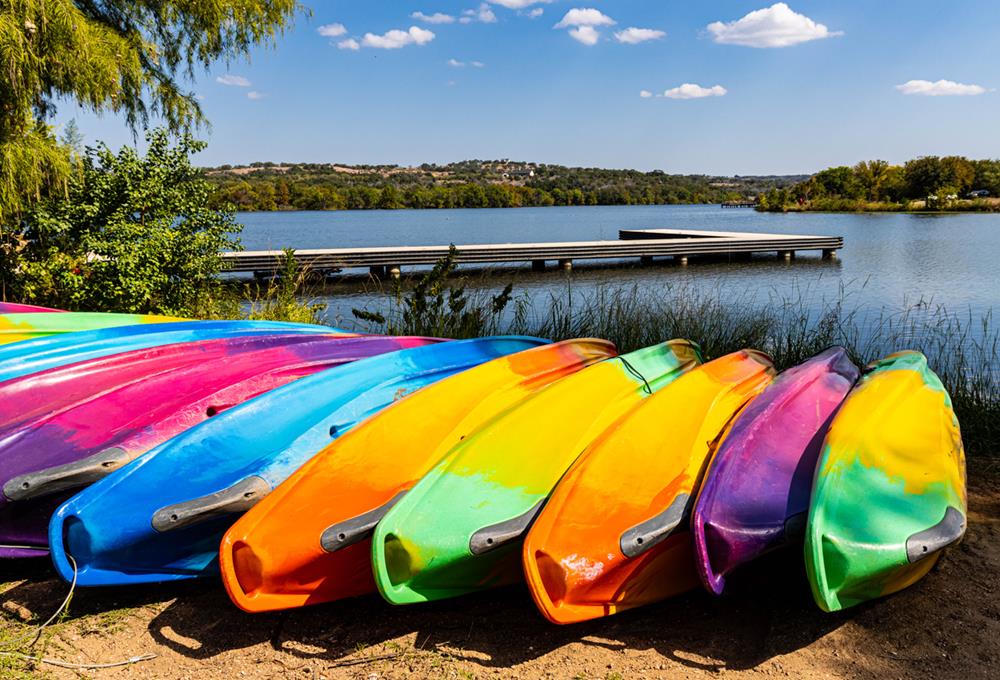
Successful spring trips often start with flexible planning. Conditions change, and being willing to adjust dates or locations improves the overall experience.
Choosing the right river section matters. Some stretches suit short afternoon paddles, while others invite full-day or overnight trips. Spring weather supports both, as long as plans match experience levels.
Access points deserve attention as well. Spring rains can affect road conditions near rivers. Knowing where to launch and exit ahead of time saves energy and reduces stress.
Permits and local regulations may apply in certain areas, especially in parks or protected lands. Checking ahead ensures a smooth trip.
Packing food and water with care supports longer outings. Cooler temperatures reduce dehydration risk, but steady paddling still demands fuel. Simple meals and snacks keep energy consistent throughout the day.
The Social Side of Spring Paddling
Spring paddling often brings people together. Group trips feel more comfortable without summer heat, and rivers feel spacious enough to accommodate conversation without crowding.
Many paddlers use spring as a time to introduce friends or family to kayaking. Calm flows and pleasant weather create a positive first impression. Instruction feels easier when everyone is relaxed.
Local paddling clubs and outfitters often organize spring events. These can include guided trips, river cleanups, or skills workshops. Participation builds connections and deepens appreciation for Texas waterways.
Environmental Responsibility on Texas Rivers
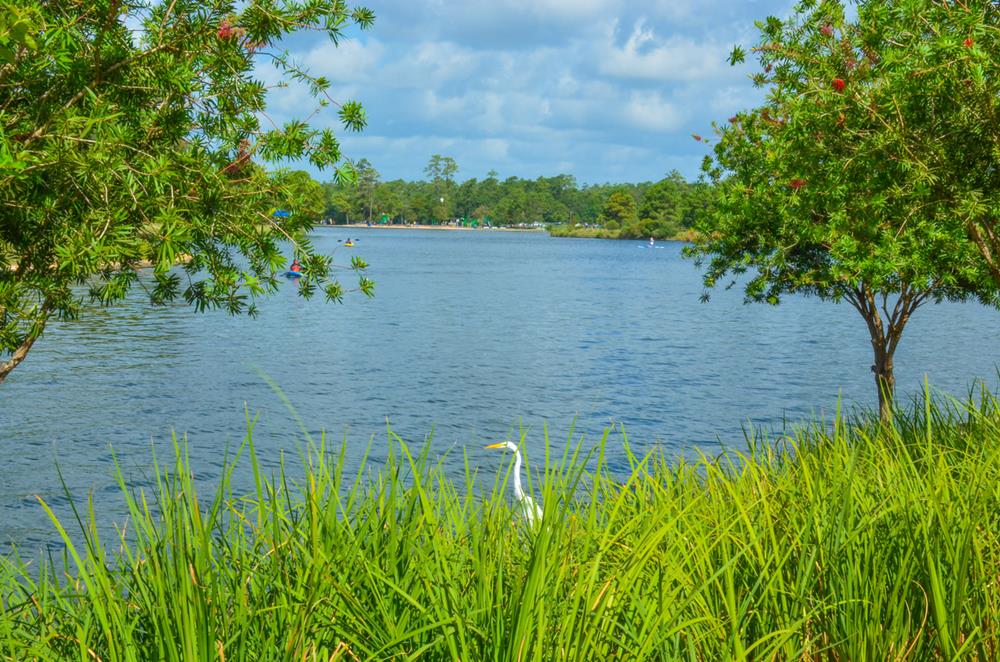
Spring is a sensitive time for river environments. Increased flow can move debris, but it can also spread pollution quickly. Responsible paddling protects these shared spaces.
Packing out trash, avoiding damage to vegetation, and respecting private property along riverbanks are basic practices that matter year-round. In spring, their impact feels even more significant as ecosystems recover from winter.
Supporting conservation efforts helps maintain access and water quality. Many Texas rivers face challenges related to development, water use, and invasive species. Staying informed and engaged contributes to their long-term health.
Building Skills During the Spring Season

Spring provides a comfortable setting for skill development. Cooler temperatures reduce fatigue, and higher water levels allow practice in varied conditions.
Paddlers often use this season to refine strokes, improve balance, or learn basic river reading. Small rapids and moving water offer learning opportunities without overwhelming pressure.
Instructional courses and guided trips are common in spring. These experiences combine education with enjoyment and can boost confidence before summer adventures.
Spring as a Gateway to Year-Round Paddling
For many Texans, spring marks the beginning of a longer paddling season. Skills built now carry into summer and fall, while memories set the tone for future trips.
The habits formed in spring, such as checking conditions and packing thoughtfully, support safer outings throughout the year. Familiar rivers reveal new details as seasons change.
Spring also reminds paddlers why they return to the water. The pace feels manageable, the environment feels inviting, and each trip feels like time well spent.
Closing Thoughts
Spring kayaking and paddling on Texas rivers offer a balance that is hard to find at other times of year. Conditions support exploration without pushing limits, and the landscape feels open and generous.
From clear Hill Country streams to shaded East Texas waterways, spring highlights the variety that makes Texas paddling special. It invites beginners to start and encourages experienced paddlers to slow down and appreciate familiar places.
As winter fades and summer waits its turn, spring stands as a season that belongs to the river. Getting out on the water during these months is less about chasing thrills and more about settling into the flow, one paddle stroke at a time.