

Texas is one of the best places in the United States to start birding. The state has beaches, forests, wetlands, deserts, prairies, rivers, and hill country. That variety attracts an impressive number of birds throughout the year.
For beginners, that is great news. You do not need to travel far or own expensive gear to enjoy birding in Texas. A quiet park, a pair of binoculars, and a little patience can turn an ordinary morning into something memorable.
This guide walks you through beginner-friendly Texas birding trips, what to expect, where to go, and how to make your first outings more enjoyable.
Why Texas Is Great for Beginner Birders

Texas sits along major migration routes, which means birds move through the state in large numbers during spring and fall. Many species also live in Texas year-round, so there is always something to see.
Beginners can spot colorful, easy-to-recognize birds such as cardinals, blue jays, painted buntings, scissor-tailed flycatchers, roseate spoonbills, pelicans, herons, and hummingbirds.
Another advantage is access. Texas has many state parks, wildlife refuges, nature centers, coastal trails, and city parks with good birding areas. You can start small and build your skills over time.
What You Need Before Your First Birding Trip

You do not need much to begin. Birding is one of the easiest outdoor hobbies to start because the basics are simple.
A pair of binoculars helps, especially when birds are perched in trees or moving across wetlands. A beginner-friendly field guide or birding app can help you identify what you see. Comfortable shoes are also important because many birding spots include trails, boardwalks, or uneven ground.
Bring water, sunscreen, insect repellent, and a hat. Texas weather can change quickly, and some of the best birding spots have little shade.
A small notebook can also be useful. Write down where you went, what you saw, and what the bird was doing. These notes help you learn faster.
Best Time of Year for Birding in Texas

Birding in Texas is good all year, but each season offers something different.
Spring is one of the most exciting times. Migrating birds pass through the state, and many are in bright breeding colors. This is when birders look for warblers, tanagers, orioles, buntings, and shorebirds.
Summer can still be rewarding, especially early in the morning before the heat builds. This is a good time to see nesting birds, hummingbirds, herons, and raptors.
Fall brings another migration season. Birds may not look as colorful as they do in spring, but the movement can still be impressive.
Winter is excellent along the coast and in wetlands. Ducks, geese, cranes, shorebirds, and gulls become easier to find.
For beginners, early morning is usually the best time of day. Birds are more active, temperatures are cooler, and parks are often quieter.
Beginner Birding Trip 1: The Texas Gulf Coast
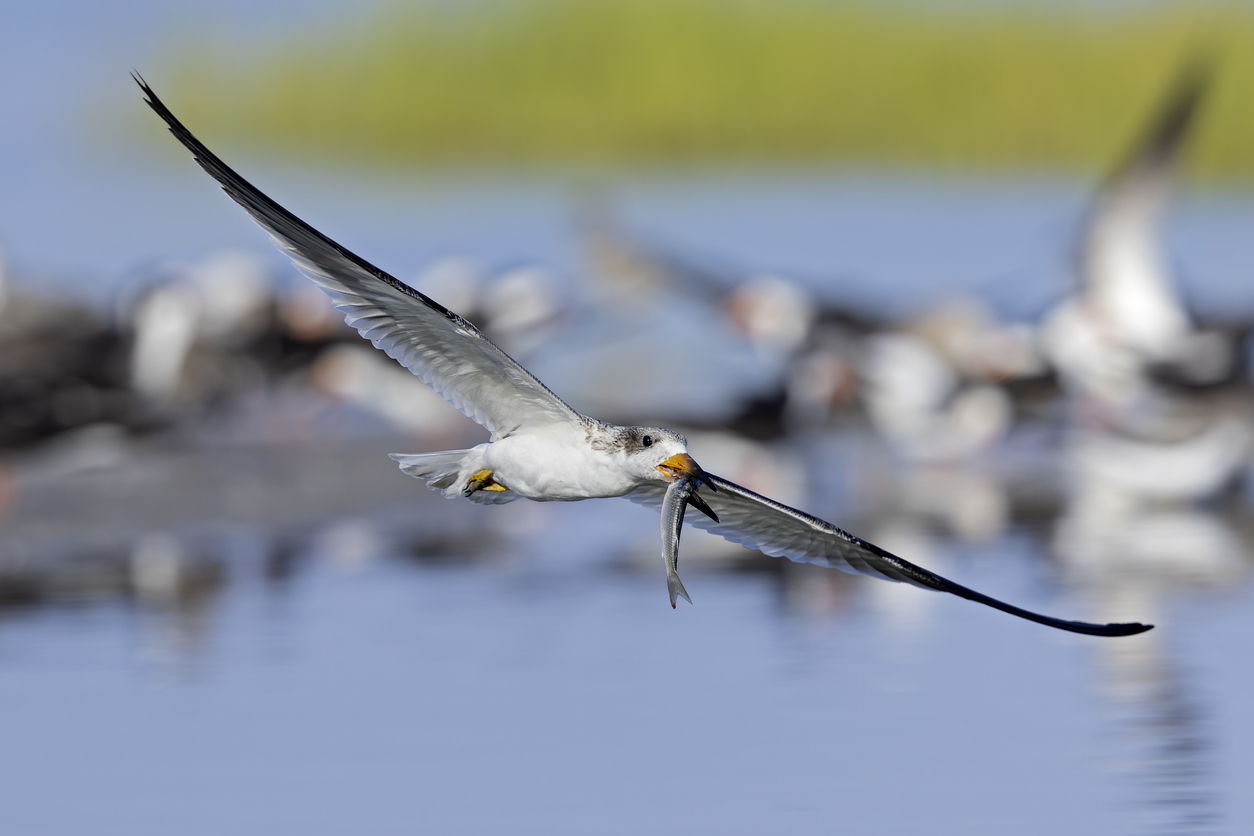
The Gulf Coast is one of the most rewarding birding regions in Texas. It is especially good for beginners because many birds are large, colorful, and easy to observe in open areas.
Along the coast, you may see brown pelicans flying low over the water, great blue herons standing in marshes, roseate spoonbills feeding in shallow wetlands, and gulls gathering near beaches.
Coastal birding is also exciting because the scenery changes quickly. One stop might offer shorebirds running along the sand. Another might have egrets, ducks, and ibises feeding in marsh grass.
Good beginner-friendly coastal areas include boardwalks, beach parks, wildlife drives, and nature centers. These places often have signs, viewing platforms, and easy trails.
The best approach is to move slowly. Scan the shoreline, check fence posts, look along mudflats, and watch the sky. Coastal birds often give you plenty of time to observe them.
Beginner Birding Trip 2: High Island and the Upper Coast
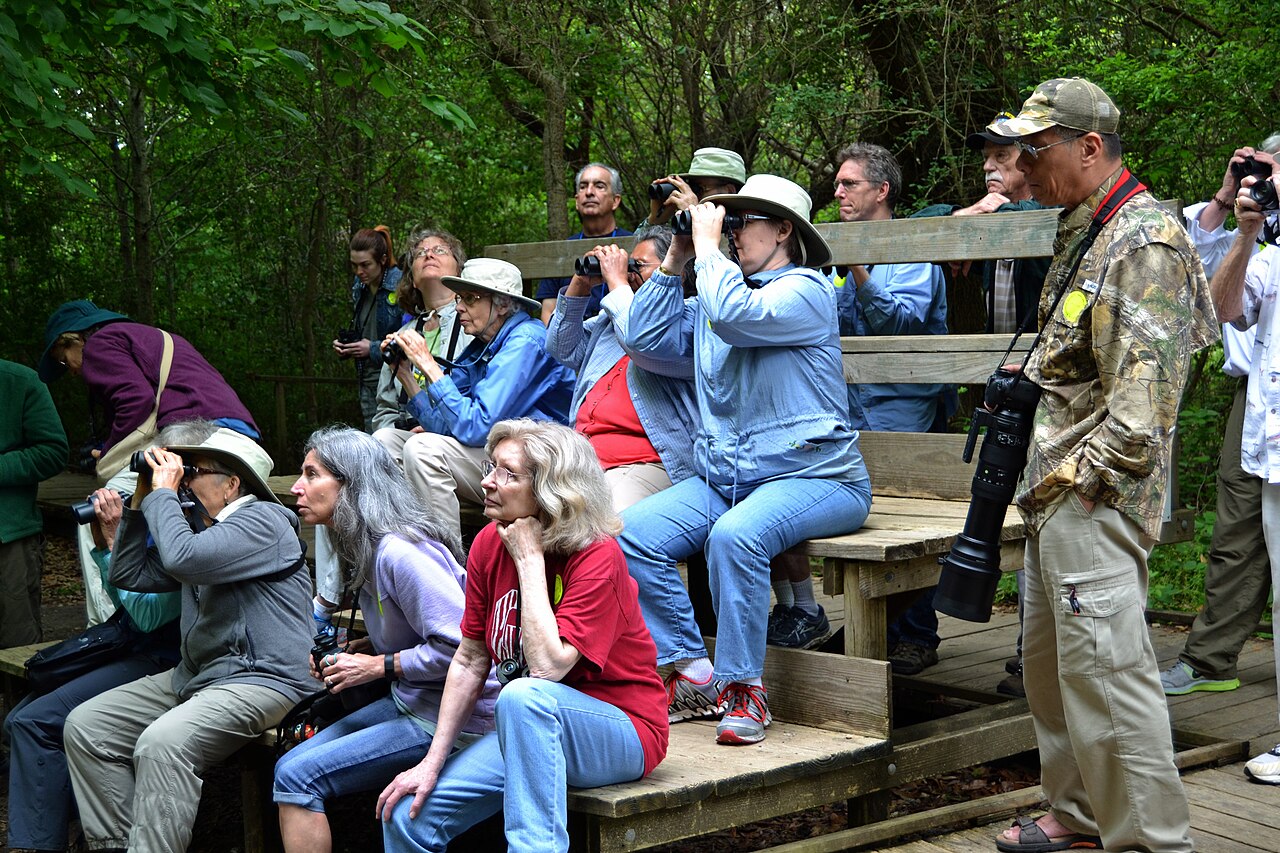
High Island is famous among birders, especially during spring migration. For beginners, it can feel like stepping into a live nature lesson.
When migrating songbirds cross the Gulf of Mexico, many stop along the upper Texas coast to rest and feed. During the right conditions, birders may see warblers, vireos, tanagers, orioles, and buntings in a small area.
The birds can be active and colorful, but they can also move quickly. That makes High Island exciting, though it may feel a little challenging at first.
Beginners should not worry about identifying every bird. Instead, focus on noticing color, size, shape, behavior, and movement. Is the bird hopping along branches? Feeding on fruit? Sitting still in the shade? Those details help you learn.
High Island is best during spring, especially when migration is strong. It is a place where beginners can learn from more experienced birders too. Many birders are happy to point out birds and share identification tips.
Beginner Birding Trip 3: The Rio Grande Valley
The Rio Grande Valley is one of the most unique birding regions in the country. Many birds found there are difficult to see anywhere else in the United States.
For beginners, this area offers a fun mix of familiar birds and specialty species. You might see green jays, great kiskadees, chachalacas, Altamira orioles, and plain chachalacas. These birds are colorful, active, and often easier to notice than small songbirds hidden high in trees.
Many nature centers and wildlife refuges in the Rio Grande Valley are designed with birders in mind. Feeding stations, shaded trails, photo blinds, and boardwalks make the experience more beginner-friendly.
This region is especially good in winter and spring. Winter brings pleasant weather, while spring adds migration activity.
A good beginner trip to the valley should include short visits to several habitats. Try a wooded nature center, a wetland area, and a brushland trail. Each one will offer different birds.
Beginner Birding Trip 4: Central Texas and the Hill Country
Central Texas is a great birding region for people who enjoy scenic drives, river trails, oak woodlands, and limestone hills.
The Hill Country is home to many familiar backyard birds, along with species that are especially interesting to Texas birders. You may see black-crested titmice, golden-fronted woodpeckers, wrens, hawks, vultures, and wild turkeys.
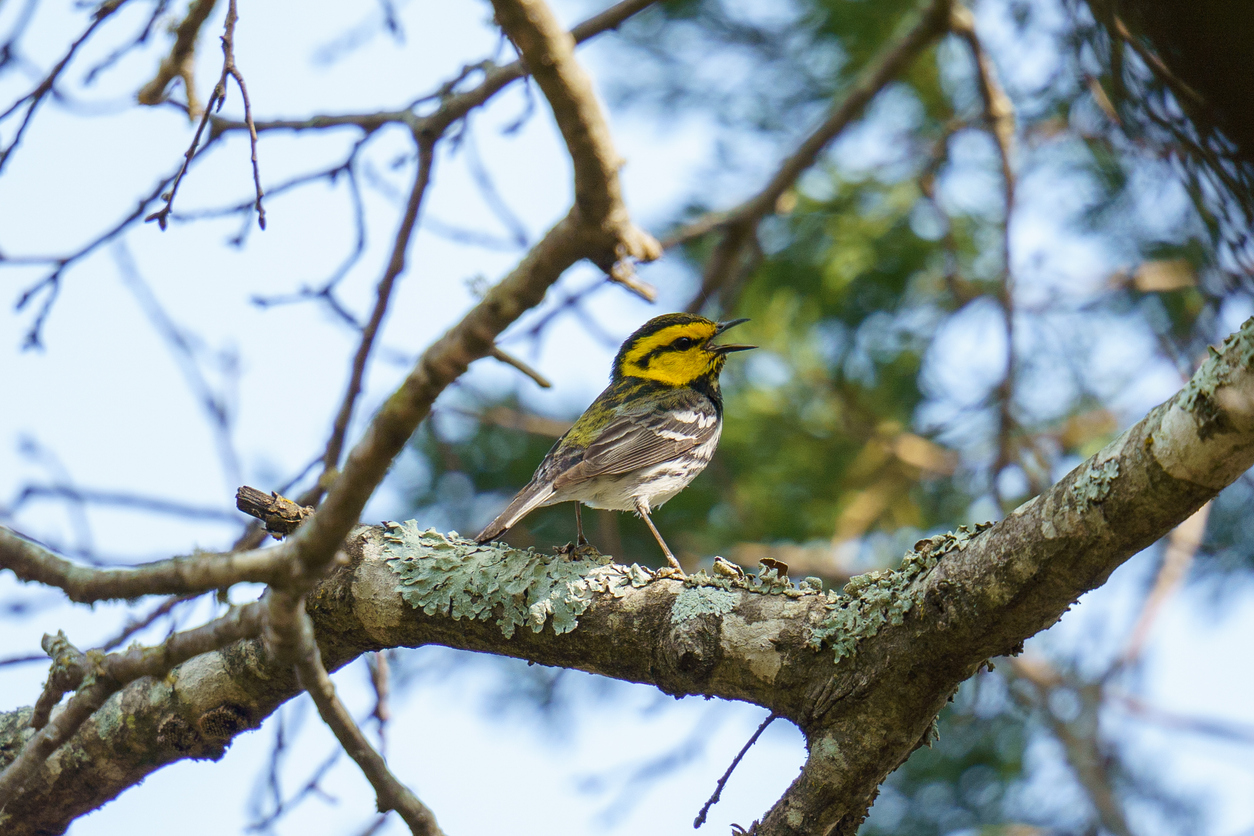
In spring and early summer, birders often look for golden-cheeked warblers in certain protected woodland areas. These birds depend on mature Ashe juniper and oak woodlands for nesting.
Beginners should visit parks with clear trails and posted information. Look near water sources, shaded creek beds, and areas with native plants. Birds often gather where food, water, and shelter come together.
Central Texas is also a good place to practice listening. Many birds are easier to hear than see. At first, the sounds may blend together. Over time, you will start to recognize repeated calls.
Beginner Birding Trip 5: East Texas Piney Woods
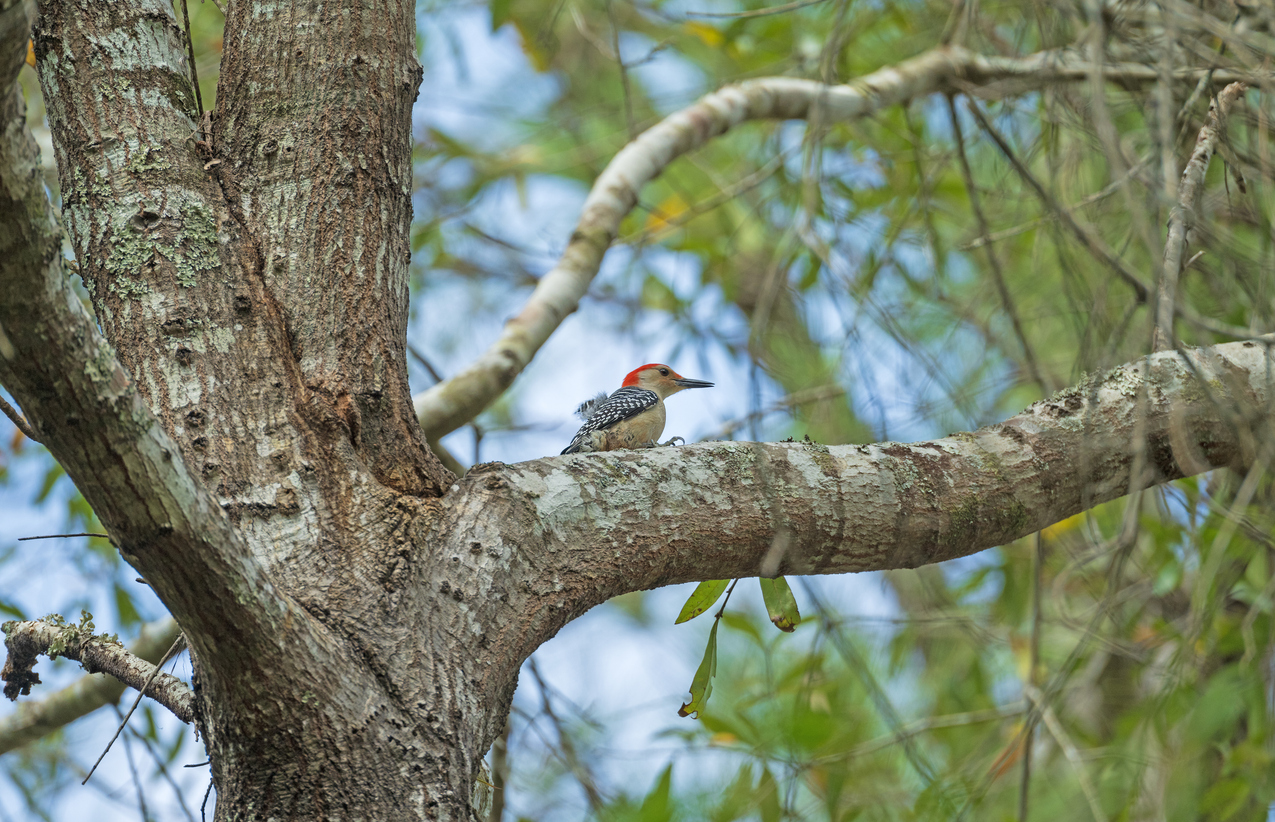
East Texas offers a very different birding experience from the coast or Hill Country. Here, tall pine forests, hardwood bottoms, lakes, and quiet trails create excellent habitat for woodland birds.
Beginners may spot woodpeckers, chickadees, nuthatches, hawks, owls, herons, and songbirds. The forest setting can make birding a little slower because birds may stay hidden in the canopy. That makes patience important.
The best strategy is to pause often. Find a comfortable spot, stay still, and watch for movement. Birds may appear once the area settles after your arrival.
Woodpeckers are often good beginner birds in East Texas because their tapping sounds help reveal their location. Look along tree trunks and dead branches. You may also notice flashes of red, black, or white as they move.
Spring is a lively time in East Texas, but fall and winter can also be peaceful and rewarding.
Beginner Birding Trip 6: West Texas and Big Bend Country
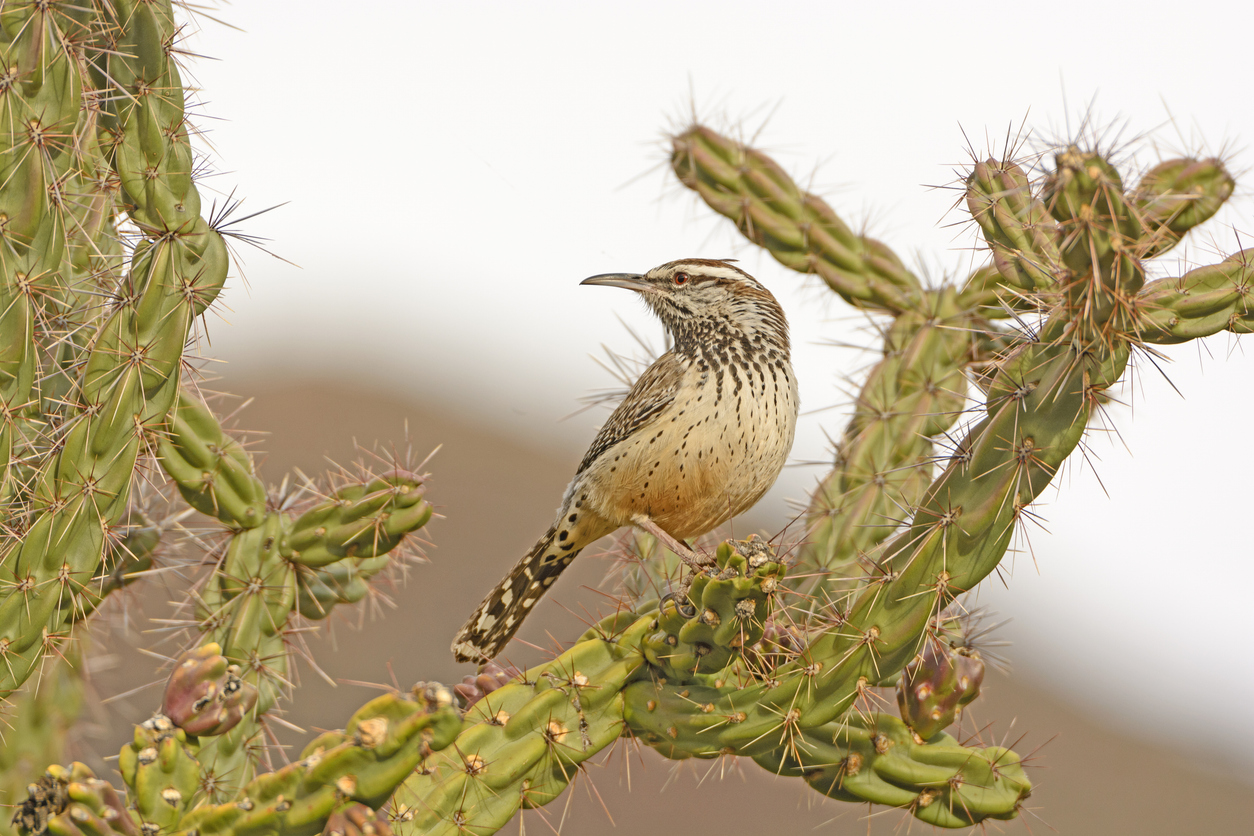
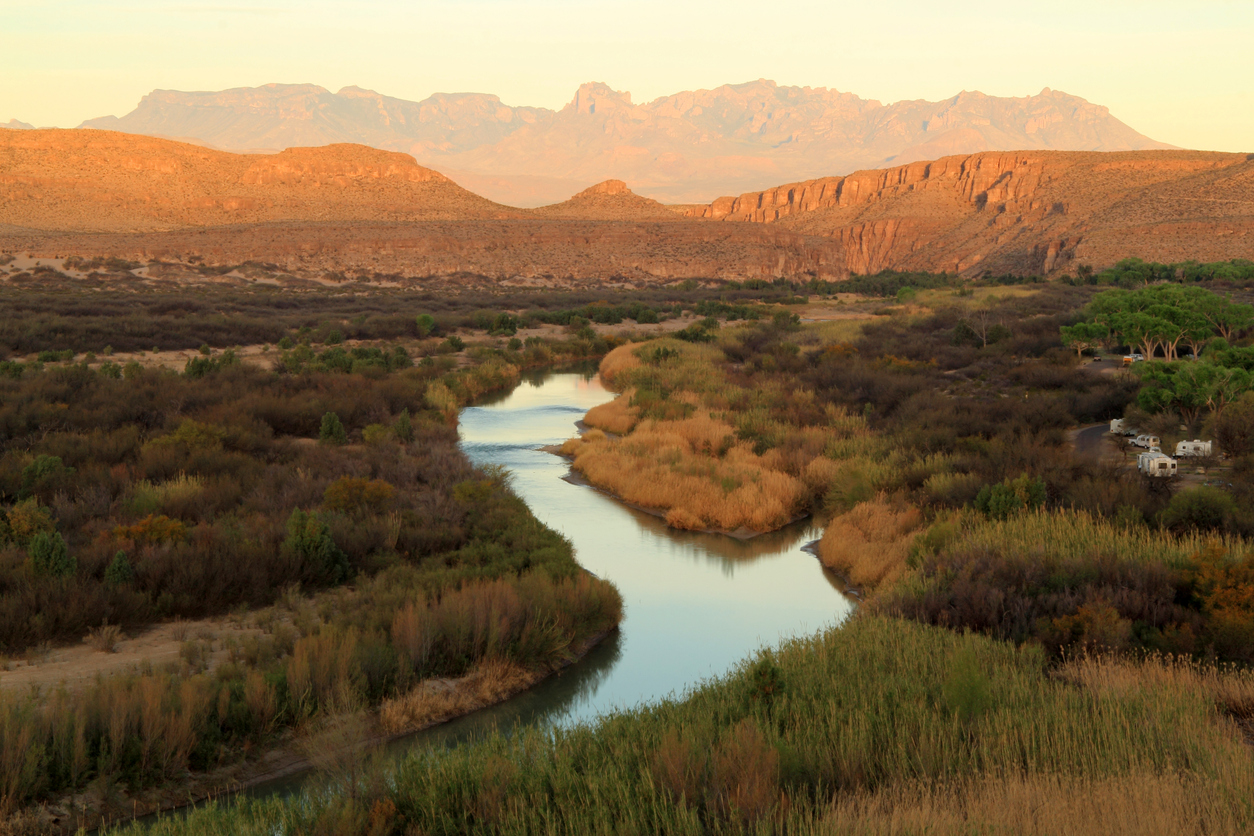
West Texas feels wide open, rugged, and completely different from the rest of the state. For beginners, it offers a chance to see birds adapted to desert, canyon, mountain, and grassland habitats.
You may see roadrunners, ravens, hawks, vultures, quail, flycatchers, and hummingbirds. In certain areas, birders may also find species linked to mountain and desert environments.
Big Bend country is especially memorable because the landscape itself becomes part of the trip. Birding may involve watching a canyon wall, scanning desert shrubs, or waiting near a water source.
Water is key in West Texas birding. Springs, creeks, shaded drainages, and desert oases often attract more birds than dry open ground.
Because distances can be long, beginners should plan carefully. Bring extra water, check weather conditions, and avoid hiking during extreme heat.
Easy Birds for Beginners to Learn First
When you are new to birding, it helps to start with common and easy-to-spot birds. Learning these first builds confidence.
Good Texas birds for beginners include:
- Northern cardinal
- Blue jay
- Great-tailed grackle
- Mourning dove
- Scissor-tailed flycatcher
- Great blue heron
- Snowy egret
- Red-tailed hawk
- Turkey vulture
- Northern mockingbird
- Painted bunting
- Roseate spoonbill
The northern mockingbird is especially useful to learn because it is common across much of Texas. It often perches in open spots and sings a wide range of repeated phrases.
Great-tailed grackles are also easy to notice in parking lots, parks, and urban areas. Their long tails, glossy feathers, and loud calls make them hard to miss.
How to Identify Birds Without Getting Overwhelmed
Bird identification can feel confusing at first. Many birds look similar, and some move too quickly for a long look.
Start with the basics. Notice the bird’s size. Is it smaller than a sparrow, about robin-sized, or large like a hawk? Then look at the shape. Does it have a long neck, short tail, curved bill, or pointed wings?
Color helps, but it should not be your only clue. Light, distance, age, and season can change how a bird appears.
Behavior is often just as helpful. A woodpecker climbs tree trunks. A heron stands still in shallow water. A flycatcher may leave a perch, catch an insect, and return to the same spot.
Location also matters. A bird on a beach is likely different from a bird deep in a pine forest. Habitat narrows the possibilities.
Birding Etiquette for Beginners

Good birding habits protect birds and make the experience better for everyone.
Stay on marked trails when possible. Avoid disturbing nests, roosting areas, or feeding birds. Keep a respectful distance, especially from shorebirds and waterbirds.
If you use sound recordings to attract birds, use them carefully or skip them as a beginner. Overuse can stress birds, especially during nesting season.
Speak quietly around other birders. Many people are listening for calls or watching a bird that may fly away easily.
Also, respect private property. Texas has many great public birding areas, so there is no need to trespass for a better view.
Tips for Planning a Beginner Birding Day Trip
A good beginner trip does not need to be packed with stops. One or two locations are usually enough.
Choose a place with easy access, restrooms, clear trails, and different habitats. A park with woods, water, and open fields can offer a surprising variety of birds.
Check the weather before you go. Wind, rain, extreme heat, and storms can affect both bird activity and comfort.
Start early. Plan for a slow pace. Birding works best when you give yourself time to observe.
It also helps to set a simple goal. You might aim to identify five birds, spot one bird you have never seen before, or practice using binoculars. Small goals make the trip more enjoyable.
What to Do When You Cannot Identify a Bird

Every birder sees birds they cannot identify. That is part of the hobby.
When it happens, take notes. Write down the size, colors, location, behavior, and any sounds you heard. If possible, take a photo, even a blurry one. A photo can still show shape, markings, or posture.
Do not let missed identifications ruin the trip. Birding is about attention and curiosity as much as naming species. The more you watch, the more patterns you will notice.
Over time, the birds that once confused you will become familiar.
Birding Close to Home
You do not have to travel across Texas to begin birding. Your own neighborhood can be a good starting point.
Look for birds in backyards, schoolyards, city parks, ponds, greenbelts, and parking lots with trees. Many beginner birders learn their first species close to home.
Urban birding can be surprisingly rewarding. Mockingbirds, doves, grackles, hawks, egrets, sparrows, and woodpeckers often live near people.
Keeping a simple list of birds seen near your home can make everyday walks more interesting. It also helps you notice seasonal changes.
A Simple Weekend Birding Plan for Beginners
For a first weekend birding trip, keep the plan relaxed.
On Saturday morning, visit a local park with trees and water. Walk slowly, stop often, and try to identify common birds. Spend time watching behavior instead of rushing from place to place.
On Sunday morning, try a different habitat. If you visited woods on Saturday, choose a lake, marsh, beach, or open field on Sunday. This helps you compare which birds prefer which places.
By the end of the weekend, you may have a short bird list and a better understanding of what you enjoy most. Some people love waterbirds. Others prefer songbirds, raptors, or backyard species.
That is one of the best parts of birding. You can shape the hobby around your own interests.
Final Thoughts
Texas gives beginner birders plenty of room to learn. You can start in a city park, visit the Gulf Coast during migration, explore the Hill Country, or plan a longer trip to the Rio Grande Valley or Big Bend.
The key is to start simple. Watch closely. Move slowly. Pay attention to shape, sound, behavior, and habitat.
You do not need to identify every bird to enjoy the experience. Each trip teaches you something. Over time, familiar birds become old friends, and new birds turn every outing into a small discovery.