

Texas has a state park system as wide-ranging as the state itself. Visitors can hike through canyon country, swim in clear Hill Country rivers, camp under pine trees, fish along the coast, or watch desert sunsets far from city lights. Yet when it comes to popularity, the crowds do not spread out evenly.
According to 2025 visitation figures reported from Texas Parks and Wildlife Department data, Texas state parks welcomed more than 9.2 million visitors. The busiest region was Prairies & Lakes, which includes the Dallas-Fort Worth area and nearby North Texas parks. It drew 3,064,121 visits, far ahead of every other region. The next busiest was Hill Country, with 2,149,861 visits. Together, those two regions accounted for a major share of all state park traffic in Texas.
That tells us something important. Texans love scenery, water, trails, and wildlife, but convenience matters too. Parks close to big population centers often pull the largest numbers because they are easier to reach for day trips, weekend camping, school outings, and quick outdoor escapes.
Why Some Regions Draw Bigger Crowds
State park popularity usually comes down to a mix of location, scenery, recreation, and name recognition. A park near Dallas, Austin, San Antonio, or Houston has a built-in advantage because millions of people live within a reasonable drive. Add a lake, swimming hole, famous trail, or dramatic view, and the visitor numbers climb even higher.
Texas Parks and Wildlife lists parks across the state and shows how close many of them are to major cities such as Austin, Dallas-Fort Worth, Houston, San Antonio, El Paso, Lubbock, San Angelo, and Abilene. That wide distribution helps explain why some regions attract large crowds while others remain quieter.
Outdoor activities also shape where people go. Texas state parks offer hiking, birding, swimming, fishing, boating, paddling, camping, stargazing, and other activities. Parks that combine several of those in one place tend to see steady traffic throughout the year.
Prairies & Lakes: The Clear Crowd Leader
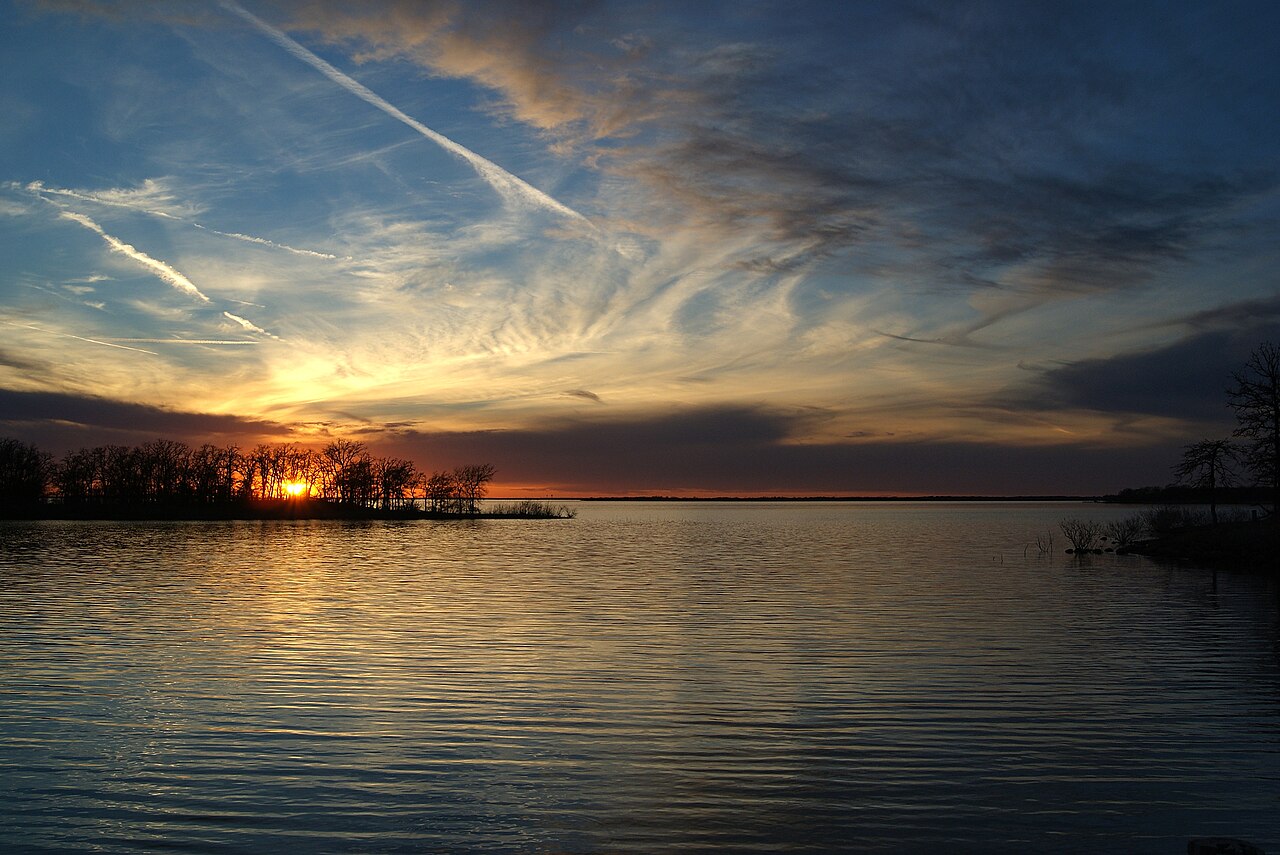
Morcup, Sunset at Lake Ray Roberts, CC BY-SA 4.0
The Prairies & Lakes region led Texas state park attendance in 2025 with 3,064,121 visitors. That is a huge number, and it makes sense when you look at the region’s advantages. It includes parks near Dallas-Fort Worth, one of the largest metro areas in the country, along with lakes, trails, historic sites, and family-friendly recreation.
One of the biggest draws in this region is Ray Roberts Lake State Park, listed as the most visited Texas state park in 2025. The park sits about an hour from the DFW Metroplex and includes multiple units around Ray Roberts Lake. Visitors come for camping, hiking, swimming, fishing, boating, and quick weekend getaways.
Cedar Hill State Park also helps explain the region’s popularity. It sits less than half an hour from Dallas and offers access to Joe Pool Lake, along with hiking, fishing, swimming, and boating. That combination of city convenience and outdoor variety makes it a reliable crowd-puller.
Dinosaur Valley State Park, near Glen Rose, adds a very different kind of appeal. Families visit to see dinosaur tracks in the Paluxy River bed, while hikers and campers come for the landscape and outdoor activities. Because it is close enough to Fort Worth for a manageable trip, it benefits from both educational tourism and recreation.
In short, Prairies & Lakes wins because it has population, access, lakes, recognizable parks, and strong family appeal.
Hill Country: Rivers, Rocks, and Classic Texas Scenery
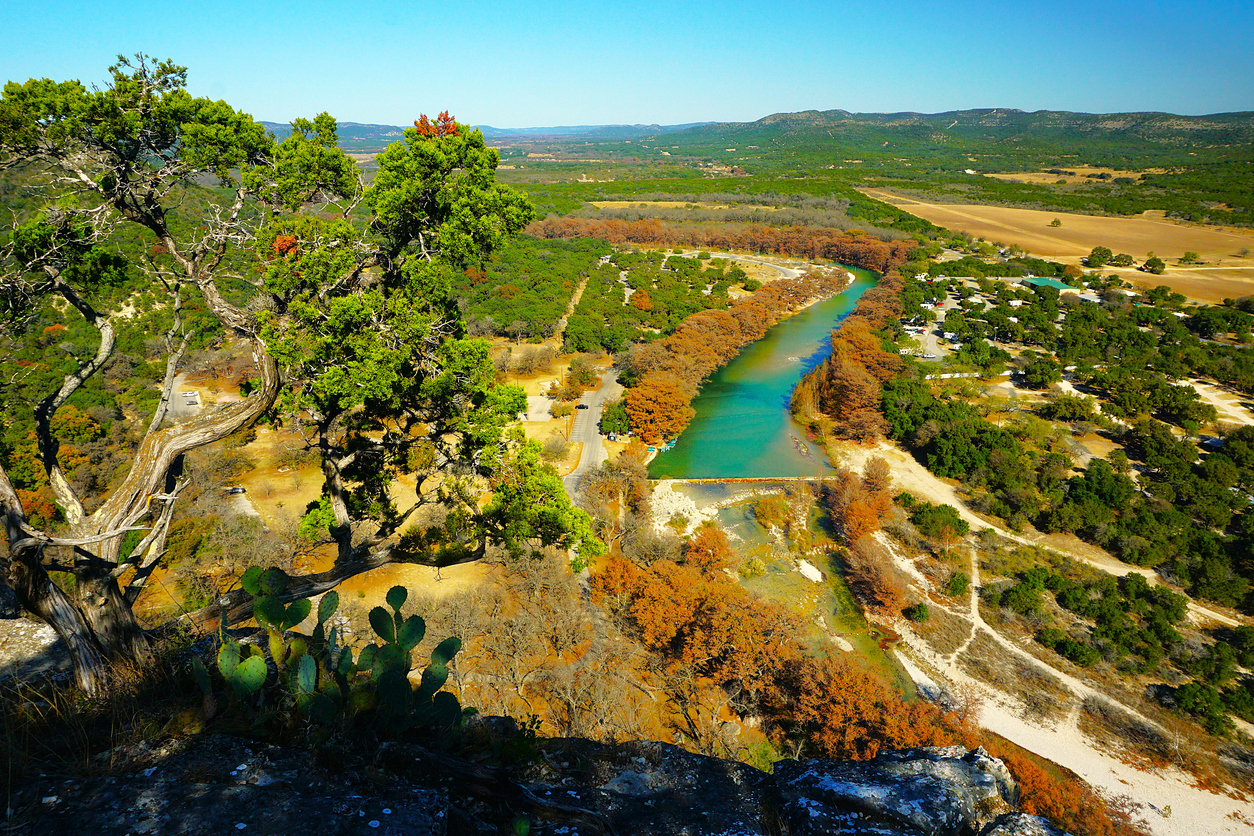
The Hill Country region ranked second in 2025, with 2,149,861 visitors. It is easy to see why. The region offers some of the most iconic outdoor scenery in Texas, including clear rivers, limestone hills, granite formations, shaded campgrounds, and popular swimming spots.
Garner State Park is one of the region’s biggest names. Located near Concan, it draws visitors to the Frio River, scenic trails, camping areas, and classic summer recreation. Garner ranked second among Texas state parks in 2025, showing how powerful river access can be in a hot state.
Enchanted Rock State Natural Area is another major attraction. Its large pink granite dome is one of the best-known natural landmarks in Texas. Visitors hike to the summit, explore trails, climb rock, and enjoy stargazing. Its location near Fredericksburg also helps, since many visitors combine a park trip with a Hill Country weekend.
McKinney Falls State Park adds urban convenience to the region’s appeal. Located only about 13 miles from the state capitol, it serves as an outdoor retreat for Austin residents and visitors. The falls, trails, campsites, and biking opportunities make it one of the easiest parks to fit into a short trip.
Hill Country’s popularity comes from scenery, water, and strong tourism infrastructure. It is the region many people picture when they imagine a Texas state park vacation.
Pineywoods: Forest Escapes and East Texas Calm
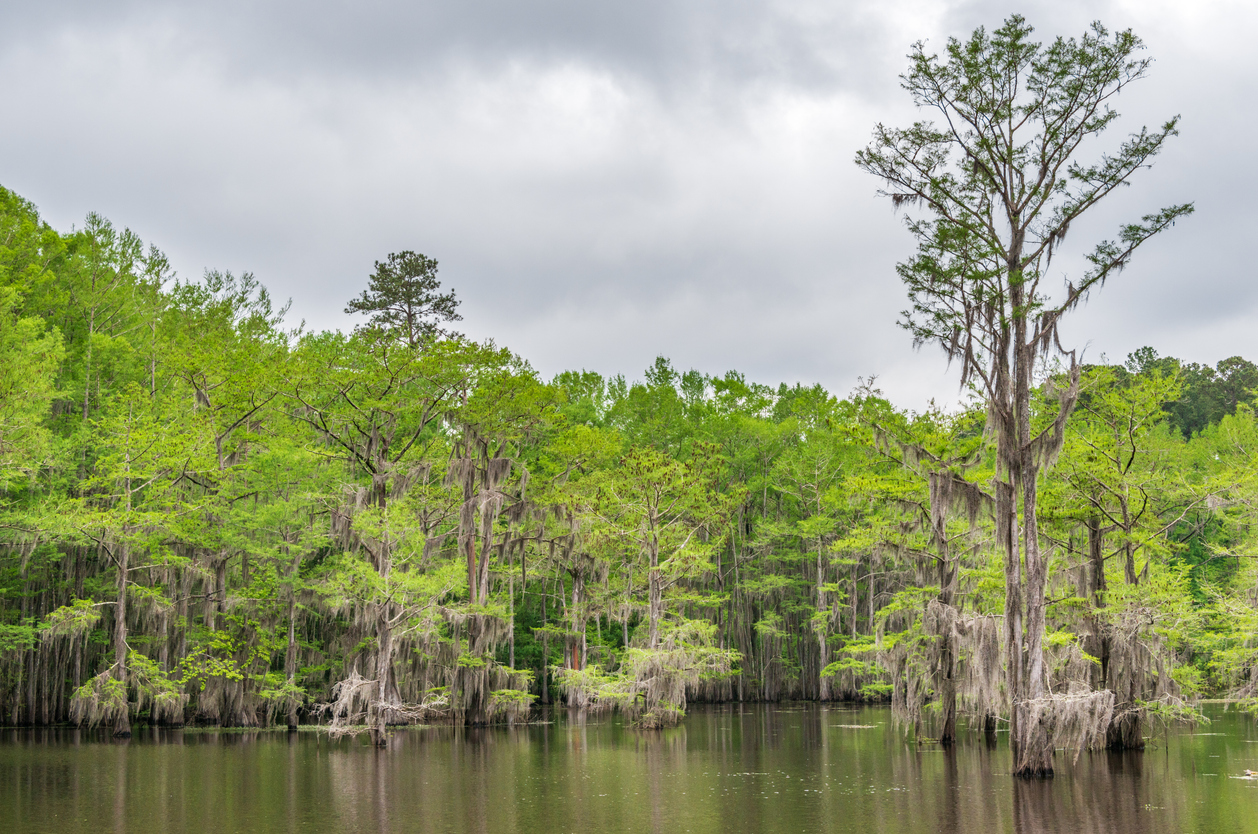
The Pineywoods region ranked third in 2025, with 1,012,287 visitors. That puts it just above the Panhandle Plains and Gulf Coast regions.
This region attracts people who want trees, shade, lakes, wildlife, and a slower pace. East Texas parks often feel very different from the rocky Hill Country or the open plains. Tall pines, quiet water, and humid forest trails give the region a softer, greener personality.
Pineywoods parks may not always have the same statewide name recognition as Garner or Enchanted Rock, but they serve an important role. They are popular with campers, anglers, paddlers, birders, and families looking for a less intense outdoor experience. Their location also gives them access to visitors from Houston, Dallas-Fort Worth, and smaller East Texas cities.
The Pineywoods region proves that popularity does not always require a famous landmark. Sometimes shade, water, and a peaceful campground are enough.
Panhandle Plains: Big Views and Big Destinations
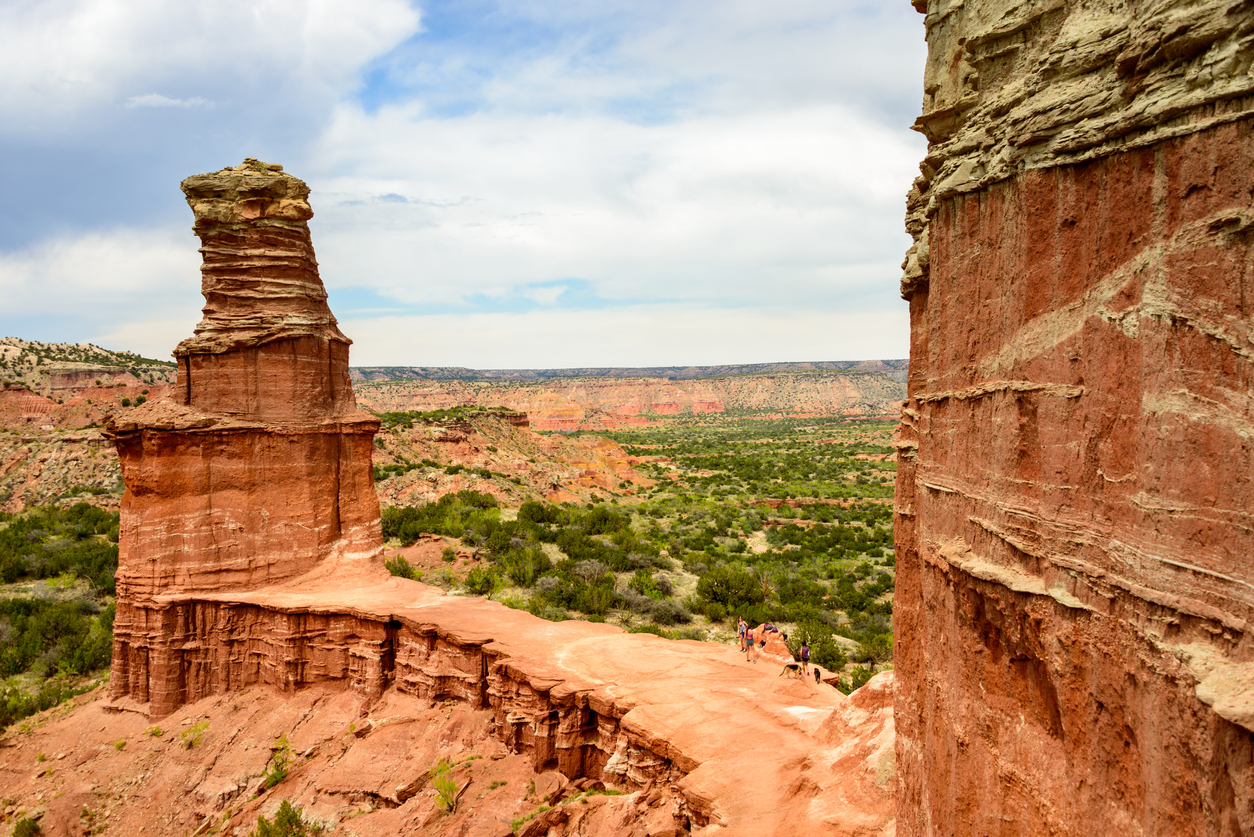
The Panhandle Plains region ranked fourth in 2025, with 1,009,920 visitors, only slightly behind Pineywoods.
The region’s biggest name is Palo Duro Canyon State Park, one of the most recognizable parks in Texas. Palo Duro is known as the second-largest canyon in the United States. Visitors come for colorful rock formations, hiking, camping, mountain biking, and stargazing. Its famous Lighthouse Trail has become a bucket-list hike for many Texans.
The Panhandle Plains region is not as close to the state’s largest population centers as Prairies & Lakes or Hill Country, but its scenery gives people a strong reason to travel. Parks in this region often feel open, dramatic, and expansive. The landscapes look and feel different from Central Texas or East Texas, which makes the region attractive for road trips.
Its visitor numbers show that a remote region can still compete when it has a true destination park.
Gulf Coast: Beaches, Birds, and Water Recreation
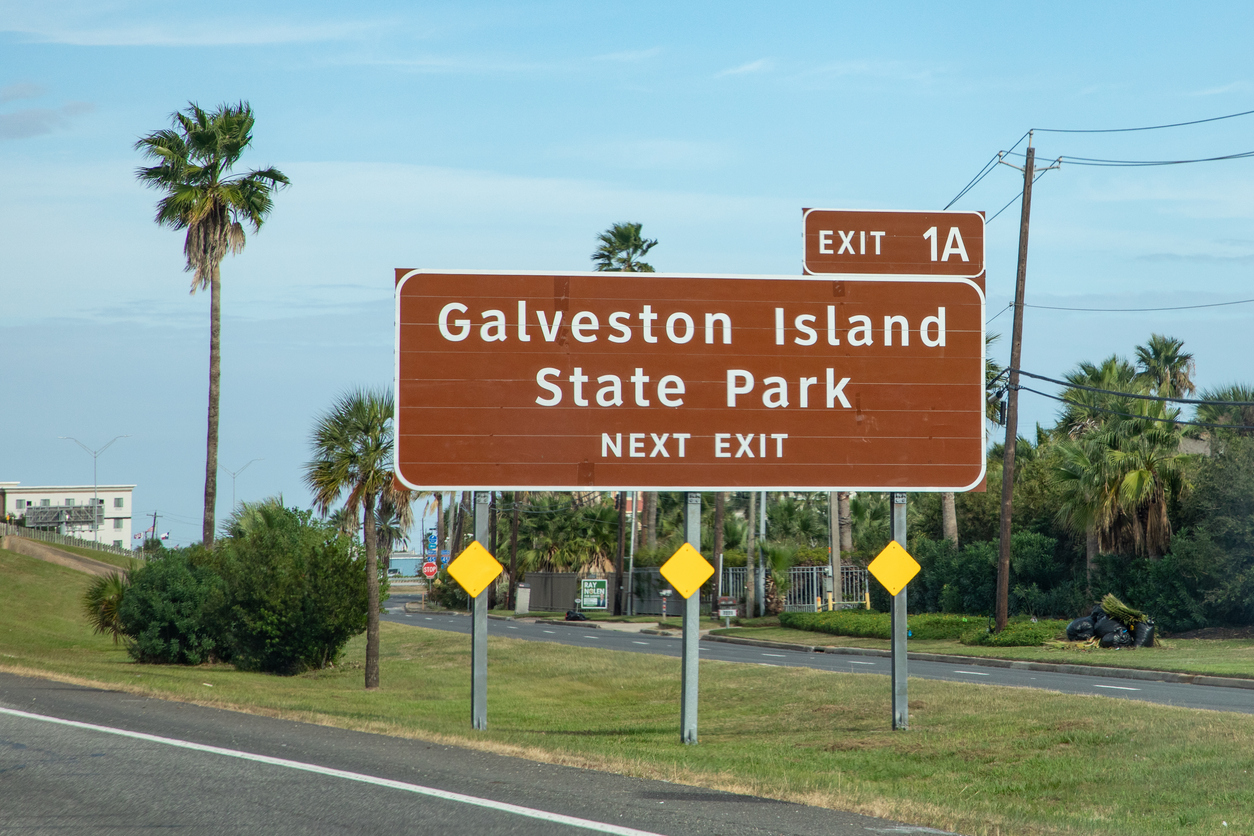
The Gulf Coast region ranked fifth in 2025, with 1,003,853 visitors. That places it very close to the Panhandle Plains and Pineywoods regions.
Coastal parks draw visitors for a different reason than inland parks. The appeal is often tied to beaches, fishing, birdwatching, paddling, coastal wildlife, and warm-weather trips. Galveston Island State Park ranked among the top 10 Texas state parks in 2025 and remains one of the most accessible coastal parks for people in the Houston area.
Brazos Bend State Park also ranked in the top 10. Located about 45 minutes from downtown Houston, it offers trails, fishing, wildlife viewing, and alligator sightings. That makes it a major draw for families, photographers, hikers, and nature lovers who want a wild setting without driving deep into rural Texas.
The Gulf Coast region benefits from Houston’s large population, beach tourism, and year-round wildlife interest. Weather can affect visitation, especially during hurricane season or extreme heat, but the region remains one of the state’s strongest outdoor draws.
South Texas Plains: Quieter Parks with Strong Wildlife Appeal
The South Texas Plains region ranked sixth in 2025, with 500,742 visitors. That is about half the traffic of the Gulf Coast region and far below Prairies & Lakes.
This lower number does not mean the region lacks value. South Texas parks are especially important for birding, wildlife watching, history, and borderland landscapes. Some parks in this region attract visitors who are looking for specific natural experiences rather than large recreation crowds.
The region’s lower visitation likely reflects distance from some of the state’s largest metro areas, hotter conditions during parts of the year, and less broad name recognition. Still, for travelers who want a quieter park experience, South Texas can be a good choice.
Big Bend Country: Remote, Rugged, and Less Crowded
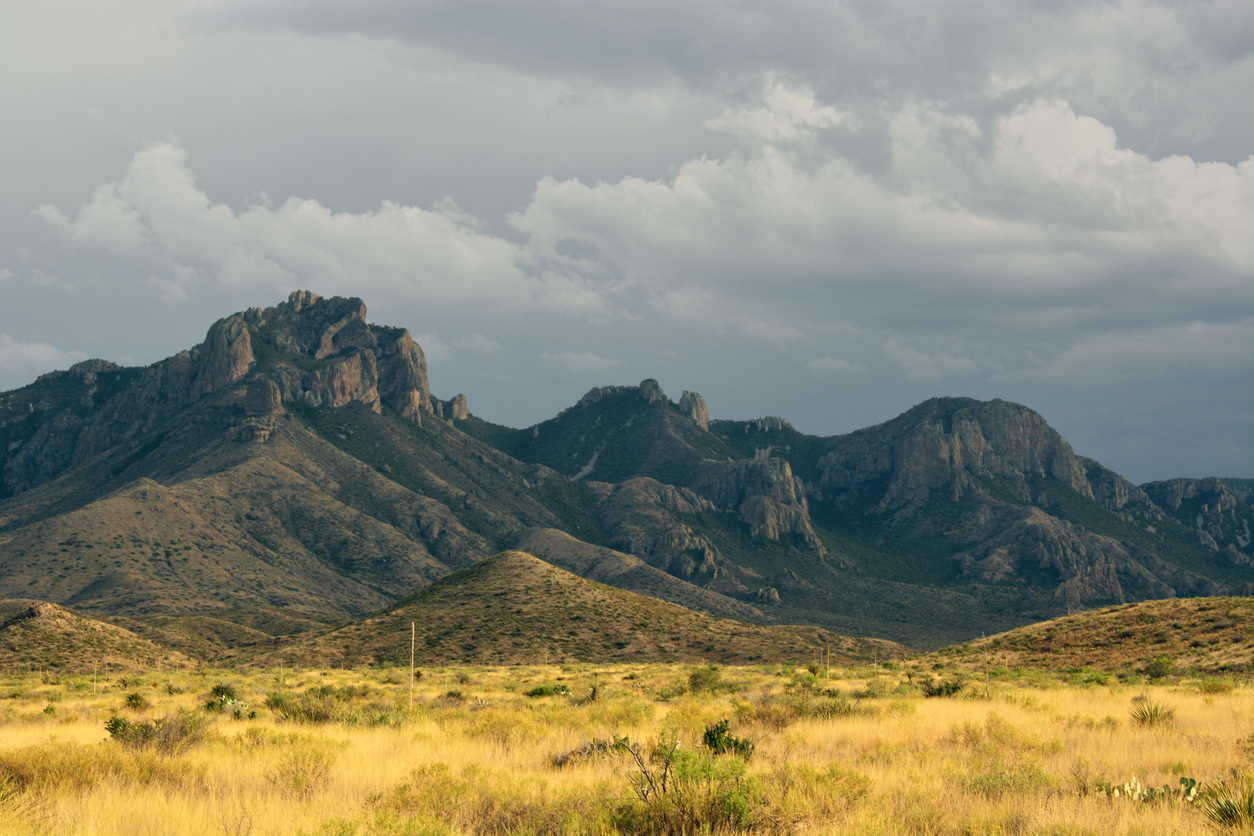
The Big Bend Country region ranked seventh in 2025, with 494,985 visitors, making it the least visited Texas state park region by total attendance.
That number should be understood in context. Big Bend Country is remote. It takes real planning to visit, especially for travelers from Dallas, Houston, Austin, or San Antonio. The long drive limits casual day trips, which naturally keeps attendance lower.
Still, the region has some of the most dramatic landscapes in Texas. Desert mountains, canyons, wide skies, and rugged trails make it a favorite for travelers seeking solitude and scenery. Big Bend Ranch State Park, Davis Mountains State Park, Balmorhea State Park, and other western parks offer experiences that feel far removed from the busier parks near major cities.
Big Bend Country may rank last in attendance, but for many visitors, that is part of the appeal. The lower crowds help preserve the feeling of space.
What the Numbers Tell Us
The 2025 visitation rankings show a clear pattern. The busiest regions are the ones that combine natural attractions with easy access to major population centers. Prairies & Lakes leads because of the Dallas-Fort Worth area and large recreation parks. Hill Country follows because it offers famous scenery, river access, and strong tourism appeal.
The middle-ranking regions each have a strong identity. Pineywoods offers forest and lake escapes. Panhandle Plains has major scenic destinations like Palo Duro Canyon. Gulf Coast parks draw beachgoers, anglers, birders, and Houston-area visitors.
South Texas Plains and Big Bend Country receive fewer visitors, but they offer something the busiest regions cannot always provide: more space, more quiet, and a stronger sense of getting away.
Final Thoughts
Texas state park popularity is not random. Crowds gather where access, water, scenery, and recreation meet. That is why parks near Dallas-Fort Worth, Austin, San Antonio, and Houston often sit high on the list.
Still, every region has a reason to go. The busiest parks offer convenience and classic attractions. The quieter regions reward visitors with room to breathe, unique wildlife, and landscapes that feel far from everyday life.
For travelers who like energy, people, and famous sights, Prairies & Lakes and Hill Country are natural choices. For those who prefer a slower trip, South Texas Plains and Big Bend Country may be the better fit. Texas has room for both kinds of park visitors, and that is one reason the state park system continues to draw millions year after year.