
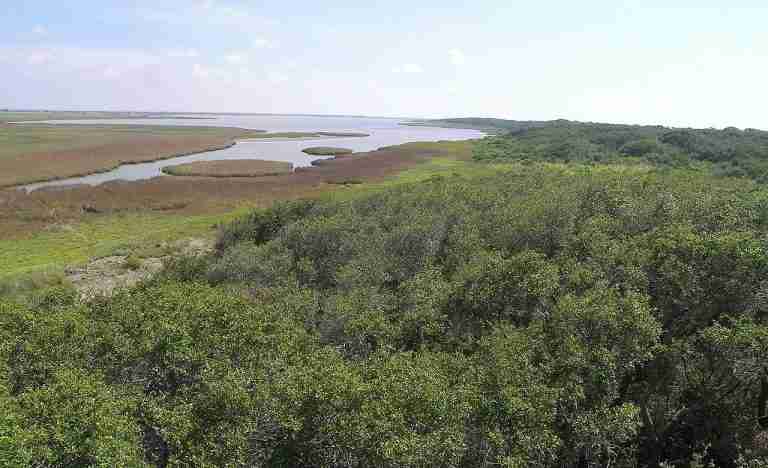
The Texas Coastal Birding Trail is one of the most significant wildlife viewing networks in the United States. Managed by the Texas Parks and Wildlife Department, it stretches across the Gulf Coast and connects hundreds of birding sites through mapped driving loops. Established in the 1990s, it was the first organized birding trail of its kind in the nation, designed to help visitors access premier birding areas while supporting conservation and local tourism.
A Vast Network of Birding Routes
The trail system extends more than 500 miles along the Texas coast and includes over 40 designated loops covering approximately 2,100 miles of driving routes. These loops guide visitors through more than 300 birding and wildlife-viewing sites spread across the Upper, Central, and Lower Coast regions. Each section offers its own unique habitats, ranging from coastal prairies and barrier islands to tidal marshes and bay systems.
Birding Opportunities and Species Diversity
More than 400 bird species have been documented along the Texas Coastal Birding Trail, representing well over half of all bird species found in the state. The coastal region lies along major North American migratory flyways, making it one of the continent’s most active bird migration corridors. Each spring and fall, millions of birds pass through the area, including warblers, shorebirds, and raptors. The trail also provides access to some of the nation’s most recognized birding sites, such as the Aransas National Wildlife Refuge, where the endangered whooping crane winters.
Unique Habitats and Wildlife
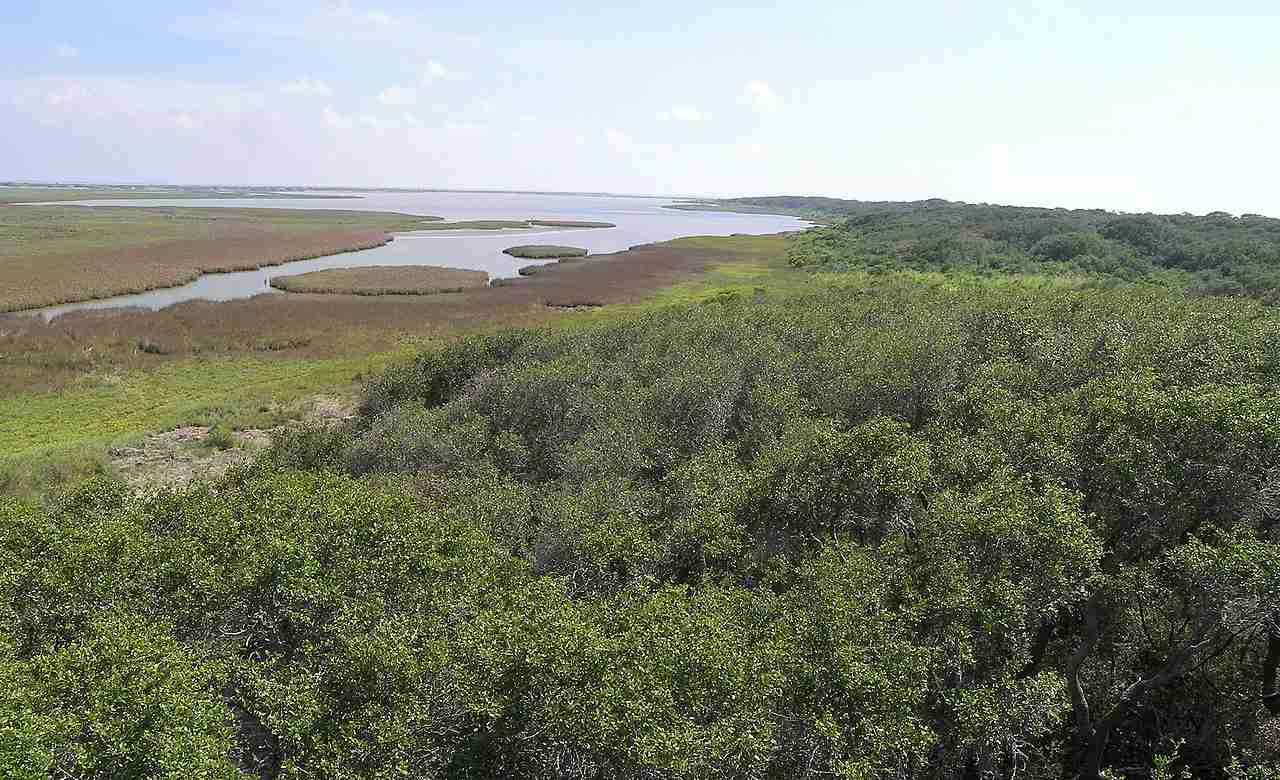
The habitats along the trail are as varied as they are vital. Visitors can encounter salt and freshwater marshes, estuaries, coastal prairies, dunes, and oak mottes. In South Texas, limited areas even contain mangrove stands. These ecosystems support a wide range of wildlife, including herons, egrets, roseate spoonbills, sandhill cranes, and numerous migratory songbirds. Beyond birds, many of these areas are home to marine species, alligators, and native coastal vegetation that thrive in saline and brackish environments.
Ecotourism and Conservation Impact
The Texas Coastal Birding Trail not only enhances recreational opportunities but also contributes significantly to conservation and local economies. By directing visitors to designated viewing areas, the program reduces pressure on sensitive habitats while encouraging responsible outdoor recreation. Communities along the coast benefit from year-round tourism driven by birdwatchers and nature enthusiasts who come from around the world to experience Texas’s diverse coastal wildlife.
Photos:
Map:
Sorry, no records were found. Please adjust your search criteria and try again.
Sorry, unable to load the Maps API.
Houston
Texas
77414
United States
Pets are generally allowed at most locations along the Texas Coastal Birding Trail, as many sites are in public parks, wildlife management areas, and refuges. However, rules vary by site. In general, pets must be kept on a leash and under control at all times to avoid disturbing wildlife, especially nesting and migratory birds.
The trail offers a wide range of outdoor recreation opportunities, including birdwatching, photography, hiking, and nature study. Seasonal bird migrations make spring and fall especially popular times to visit. Many sites also offer opportunities for kayaking, fishing, and wildlife observation, providing an immersive experience in Texas’s coastal ecosystems.
Amenities along the Texas Coastal Birding Trail vary depending on location. Common features include bird blinds, observation platforms, interpretive signs, restrooms, and picnic areas. Larger parks and refuges may offer visitor centers, guided tours, and maintained walking trails, while some remote sites are more natural and suited to self-guided exploration.
Larry D. Moore, Aransas national wildlife refuge1, CC BY 4.0