

Fishing in Texas has always carried a special kind of meaning. For many people, it starts with a rod, a reel, a tackle box, and a stretch of water. But once you spend time around Texas anglers, you quickly realize that fishing is tied to family, food, patience, local pride, and the outdoors.
Across the state, fishing happens in many different places. Some people cast from the banks of a quiet pond. Others launch boats on wide reservoirs, wade through coastal flats, or spend long mornings on a pier along the Gulf Coast. The setting may change, but the feeling remains familiar. Fishing gives Texans a reason to slow down, pay attention, and connect with the land and water around them.
A State Built for Fishing
Texas has a wide variety of fishing environments. That variety helps explain why fishing is such a strong part of life in the state.
Freshwater anglers can head to lakes, rivers, creeks, stock tanks, and reservoirs. Texas is known for largemouth bass fishing, especially in lakes where anglers chase trophy-sized fish. Catfish, crappie, white bass, and sunfish also draw plenty of attention from families and weekend fishers.
Along the coast, saltwater fishing brings another world of possibilities. Redfish, speckled trout, flounder, black drum, snapper, and many other species attract anglers to bays, jetties, surf zones, and offshore waters. From Galveston to South Padre Island, the Gulf Coast adds a major part to the state’s fishing identity.
This range of fishing spots makes the sport accessible to many people. You do not need a fancy boat to enjoy it. A simple rod and a public fishing pier can be enough to get started.
Fishing as a Family Tradition
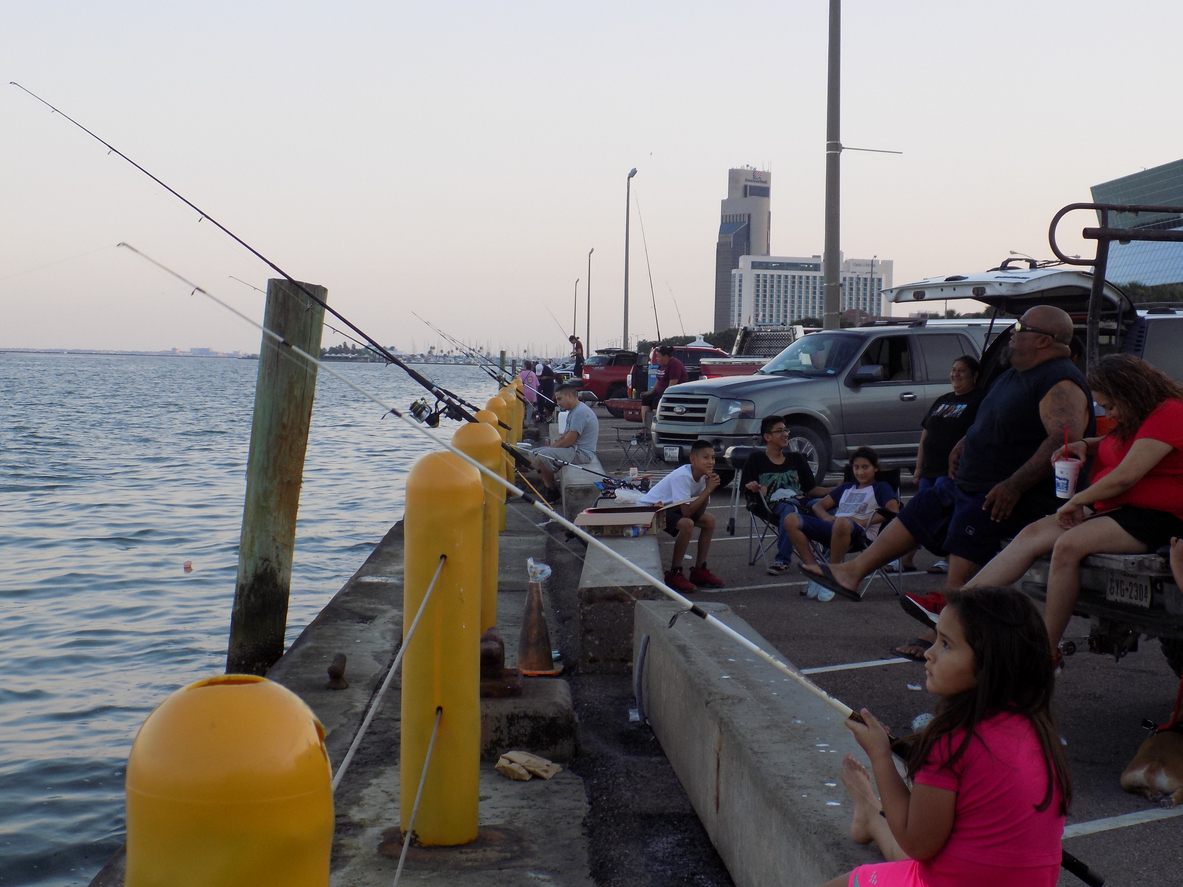
For many Texans, fishing is learned from a parent, grandparent, aunt, uncle, neighbor, or family friend. It often begins with simple lessons.
- How do you bait a hook?
- How do you cast without tangling the line?
- How do you tell when a fish is biting?
- How do you stay quiet long enough to let the water do its work?
These small lessons become memories. A child may remember their first perch from a farm pond or their first catfish from a muddy riverbank. They may remember sitting beside a grandparent at sunrise or eating sandwiches while waiting for a bobber to disappear.
Fishing gives families time together without needing much entertainment. There is room for talking, laughing, listening, and sitting quietly. In a fast-moving world, that kind of time can feel rare.
Patience, Skill, and Respect for Nature
Fishing teaches patience in a very direct way. You cannot force a fish to bite. You can choose the bait, read the water, check the weather, and pick your spot carefully. After that, you still have to wait.
That waiting is part of the lesson.
Good anglers learn to notice details. They watch the wind, the water temperature, the movement of birds, and the shape of the shoreline. They learn which fish prefer shade, structure, current, or deeper water. Over time, fishing becomes a mix of knowledge, instinct, and experience.
It also encourages respect for nature. Responsible anglers understand limits, seasons, size rules, and safe handling. Many practice catch and release, especially with larger breeding fish. Others keep only what they plan to eat.
In Texas, conservation matters because fishing depends on healthy waters. Lakes, rivers, bays, wetlands, and coastal habitats all support the fish that people enjoy catching. Protecting those places helps keep the tradition alive for future generations.
The Social Side of Fishing
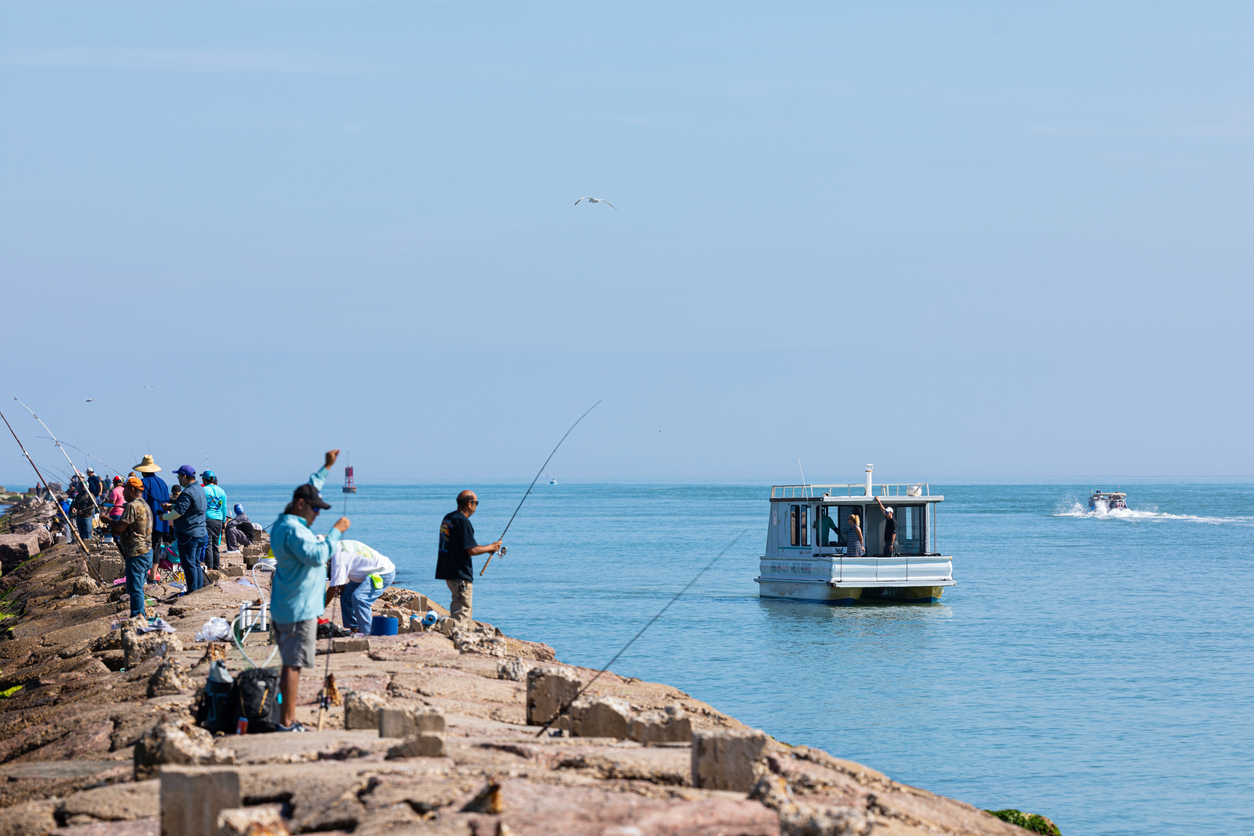
Fishing can be peaceful and solitary, but it is also highly social. Texans gather around fishing in many ways.
Friends plan early morning trips before the heat sets in. Families meet at lakeside cabins or coastal rentals. Communities host tournaments, fish fries, and youth fishing events. Local bait shops become places where people trade advice, compare catches, and hear the latest reports.
Fishing stories are part of the culture too. Every angler has a story about the fish that got away. Some stories grow a little over time, but that is part of the fun. A lost fish can become as memorable as one that made it into the cooler.
Tournaments add another layer. Bass tournaments, coastal fishing contests, and charity fishing events bring people together with friendly competition. These events support local businesses and often raise money for good causes.
Fishing and Texas Food Culture
Fishing also connects to food. In many Texas homes, a good catch leads to a meal that feels earned.
Catfish may be fried crisp and served with hush puppies. Crappie fillets may go straight into a skillet. Redfish might be grilled, blackened, or cooked on the half shell. Speckled trout can become the center of a simple coastal dinner.
For many families, cleaning and cooking fish is part of the experience. The meal reminds everyone where the food came from. It also adds meaning to the time spent outdoors.
Fish fries are especially important in some communities. They bring people together around long tables, paper plates, hot oil, and casual conversation. The food matters, but the gathering matters too.
A Link Between Rural and Urban Texas
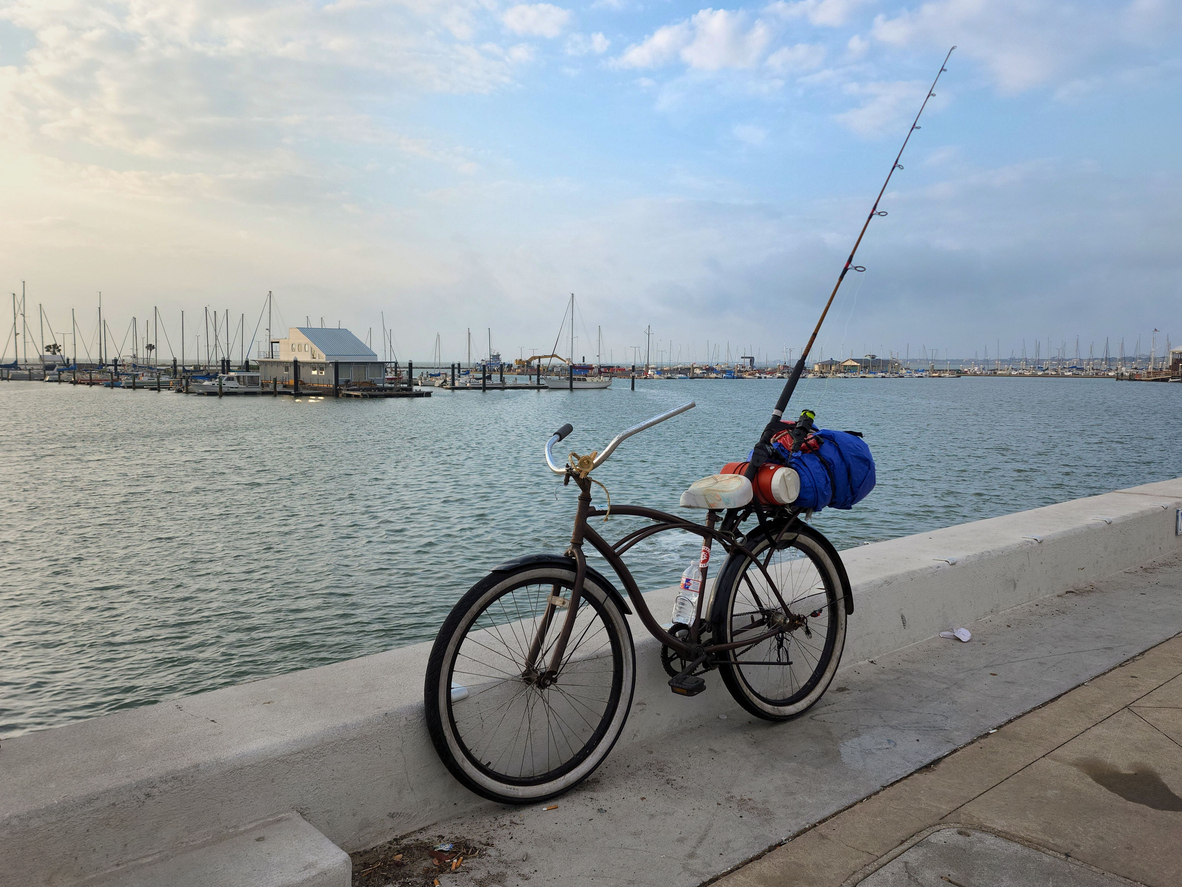
Fishing has a way of crossing boundaries. It belongs to rural Texas, suburban Texas, and city life.
In rural areas, fishing may happen in creeks, ponds, ranch tanks, and rivers that families have known for generations. In cities, people fish at public parks, neighborhood lakes, urban ponds, and stocked community waters.
Large cities like Houston, Dallas, San Antonio, Austin, and Fort Worth all have fishing opportunities nearby. A person can leave work, stop by a small lake, and cast a line before sunset. That accessibility keeps fishing part of everyday life, even for people far from the coast or countryside.
Fishing also connects Texans across backgrounds. People may come from different jobs, neighborhoods, and walks of life, but on the water, they often speak the same language. They ask what bait is working. They talk about the weather. They admire a good catch.
The Gulf Coast Influence
The Texas Gulf Coast gives the state’s fishing culture a distinct flavor. Coastal fishing brings its own traditions, gear, language, and rhythm.
Anglers may wade shallow flats for redfish and trout. Others fish from piers at night under bright lights. Some head offshore in search of larger species. Families spend weekends near bays and beaches, mixing fishing with cookouts, beach walks, and time together.
Coastal towns depend in part on fishing tourism. Guides, marinas, boat ramps, bait shops, restaurants, and lodging businesses all benefit from anglers. A strong fishing culture supports local economies and keeps coastal communities active throughout the year.
At the same time, coastal fishing reminds people how delicate marine environments can be. Storms, pollution, habitat loss, and changing water conditions can affect fish populations. This makes conservation and responsible fishing especially important along the coast.
Why Kids Benefit from Fishing
Fishing can be a valuable outdoor activity for children. It teaches practical skills while encouraging curiosity.
Kids learn how to follow directions, handle gear safely, and respect wildlife. They also learn that success does not always come quickly. Sometimes they catch fish. Sometimes they only catch weeds, sticks, or an old line tangled under the water.
That is okay.
The experience still teaches patience and problem-solving. It also gives children time away from screens and structured schedules. A slow afternoon by the water can help them notice birds, insects, clouds, and small changes in nature.
For many kids, one good fishing trip can become a lifelong interest.
The Role of Conservation
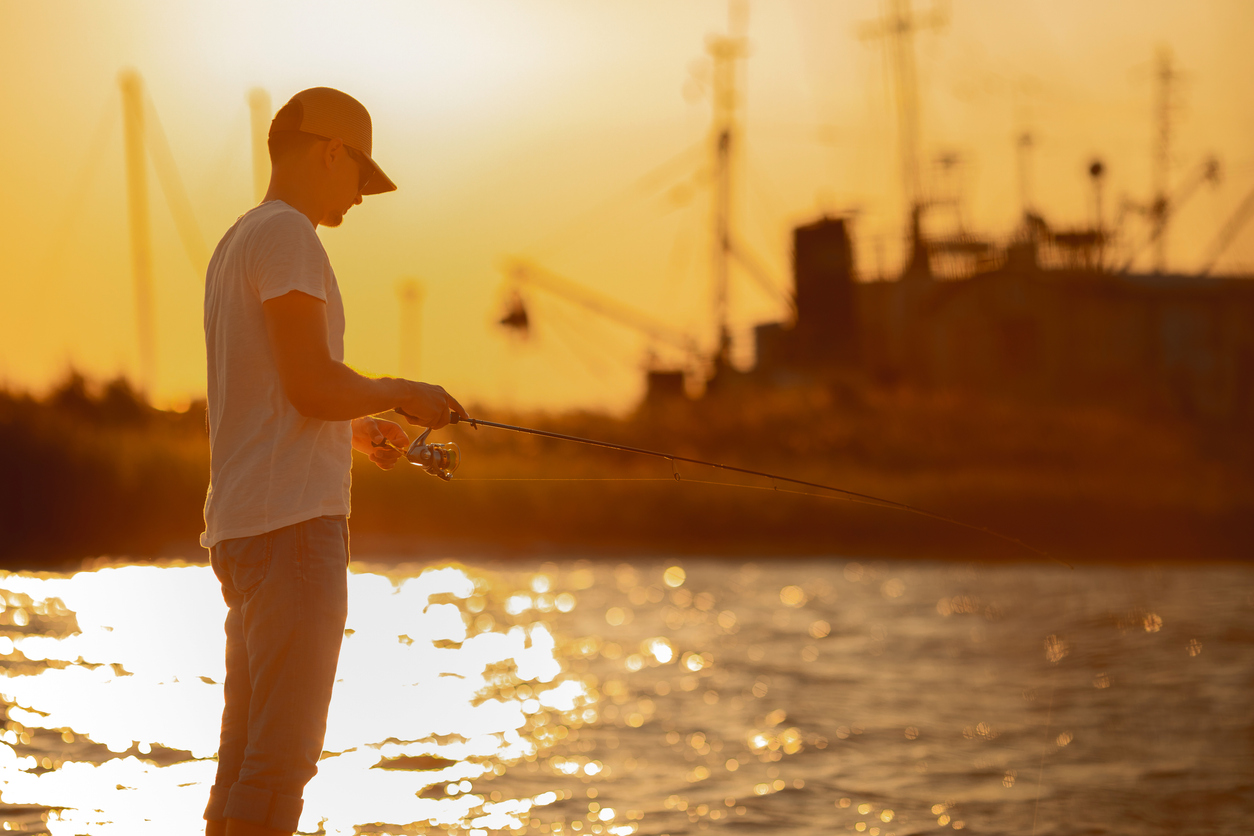
Texas fishing culture depends on conservation. Without healthy fish populations and clean water, the tradition would suffer.
State agencies, local groups, fishing clubs, and individual anglers all play a role. Stocking programs, habitat restoration, fishing regulations, and education efforts help protect fishing resources.
Responsible anglers help by following rules, properly disposing of line and trash, respecting private property, and handling fish carefully. They also teach younger anglers why these habits matter.
Conservation is not separate from fishing culture. It is part of it. A true fishing tradition looks forward as well as backward. It honors the memories people already have while protecting the waters that will create new ones.
Fishing as a Way to Slow Down
One reason fishing remains so meaningful in Texas is simple. It gives people a break.
Life can feel busy and loud. Fishing asks for a different pace. It rewards attention, patience, and stillness. Even on a day without many bites, a person can come home feeling better.
There is value in watching the sun rise over a lake. There is value in hearing water move against a boat. There is value in sitting with family or friends without rushing to the next thing.
Fishing creates space. That space is one of the reasons people keep returning to the water.
A Tradition That Keeps Changing
Texas fishing culture has deep roots, but it continues to change. New technology has changed how people fish. Modern boats, fish finders, weather apps, online reports, and advanced tackle give anglers tools that earlier generations never had.
At the same time, the heart of fishing remains familiar. People still gather near the water. They still hope for a bite. They still tell stories. They still pass down advice. They still remember the first fish, the biggest fish, and the one that slipped away.
This mix of old and new keeps fishing alive. It allows tradition to continue while welcoming new anglers into the experience.
Conclusion
Fishing culture in Texas is about far more than the fish at the end of the line. It is about family traditions, outdoor learning, local pride, good food, conservation, and time spent in places that remind people to slow down.
From quiet ponds to busy bays, fishing gives Texans a shared connection to water and nature. It teaches patience, builds memories, and brings people together in ways that feel simple and lasting.
That is why fishing remains such a strong part of Texas life. The catch matters, of course. But for many Texans, the real meaning begins long before the fish bites.