

Texas is one of the best places in the country to learn how to fish. The state has quiet ponds, wide lakes, winding rivers, coastal bays, and Gulf waters filled with opportunity. A beginner can start with a simple rod, a small tackle box, and a little patience.
Fishing in Texas can feel intimidating at first because there are so many choices. Freshwater or saltwater? Live bait or lures? Bank fishing or boat fishing? The good news is that beginners do not need to figure it all out at once.
This guide covers the basics in a simple way. It explains where to fish, what gear to bring, which fish to target, and how to follow Texas rules before your first cast.
Why Texas Is a Great Place to Start Fishing

Texas offers a wide range of fishing spots for beginners. You can fish from a bank, a pier, a dock, a kayak, or a boat. You can spend a quiet morning at a small neighborhood pond or take a trip to the coast for redfish and speckled trout.
Freshwater fishing is often the easiest starting point. Lakes, ponds, and rivers usually offer good access, and the gear can be simple. Saltwater fishing adds a little extra planning, but it can be exciting for new anglers who live near the coast or want a weekend trip.
Another advantage is the variety of fish. Beginners can catch bluegill, catfish, bass, crappie, redfish, trout, flounder, and many other species. Some are easy to catch with worms or cut bait. Others take practice, timing, and a better understanding of the water.
Know the Basic Texas Fishing Rules
Before you fish in public waters, make sure you understand the license rules. In Texas, most people need a valid fishing license. You also need the proper endorsement depending on where you fish.
A freshwater endorsement covers inland waters such as lakes, rivers, ponds, and streams. A saltwater endorsement covers coastal waters, bays, and the Gulf. Some license packages include both.
There are exceptions. For example, Texas offers free fishing in many state parks, though normal park entry fees may still apply. Texas also has a Free Fishing Day each year on the first Saturday in June. Even on free fishing days, anglers still need to follow size limits, bag limits, and other rules.
Fishing regulations can change. Before heading out, check the Texas Parks and Wildlife Department’s Outdoor Annual or official app. This helps you confirm current rules for the water you plan to fish.
Freshwater Fishing vs. Saltwater Fishing
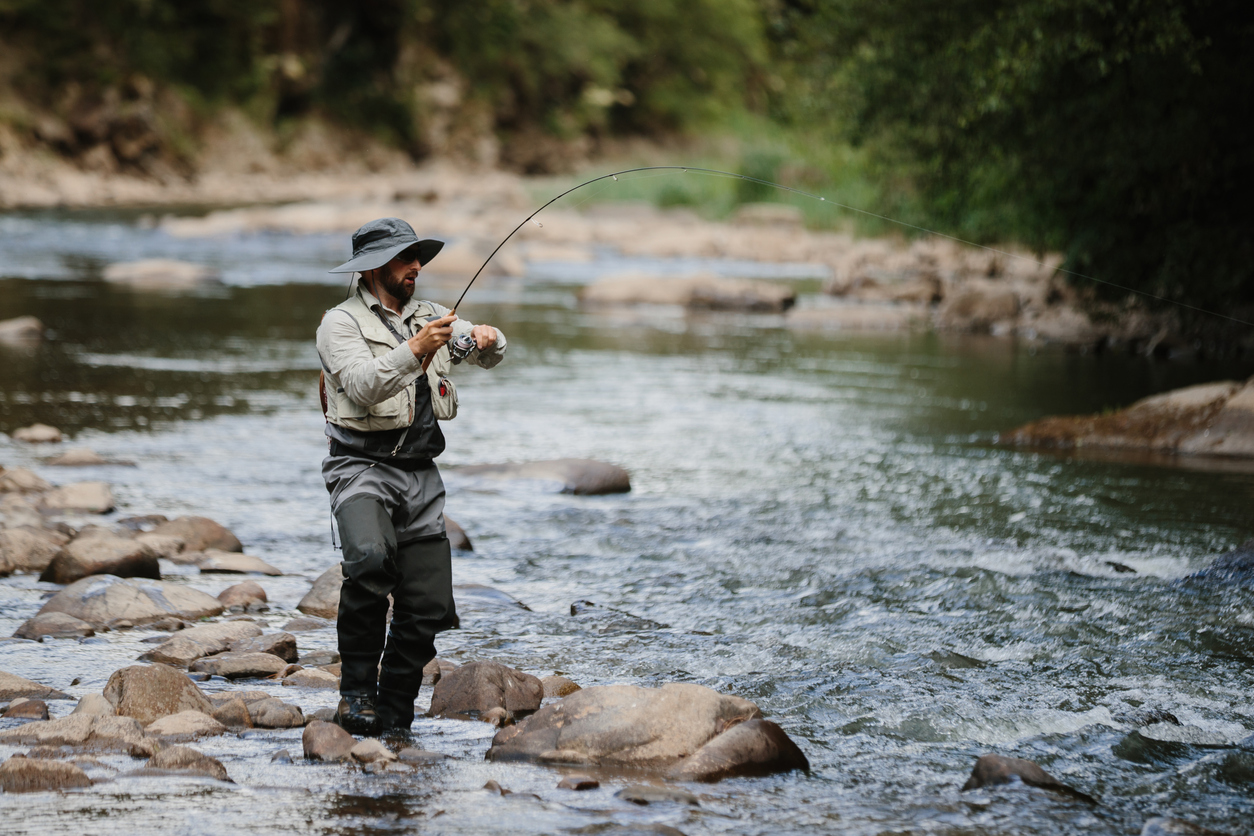
Freshwater fishing usually means fishing in lakes, rivers, ponds, creeks, and reservoirs. It is a great starting point because beginners can use basic gear and simple bait. Common freshwater fish in Texas include bass, catfish, sunfish, crappie, and white bass.
Saltwater fishing happens along the Texas coast, including bays, surf, jetties, piers, and nearshore Gulf waters. Common saltwater fish include redfish, speckled trout, black drum, flounder, sheepshead, and gafftop catfish.
For beginners, freshwater fishing may feel easier. You can often start from the bank with a spinning rod and a container of worms. Saltwater fishing can involve tides, wind, bait movement, and stronger gear. Still, many coastal spots are beginner-friendly, especially public piers and protected bay areas.
Best Fish for Beginners in Texas
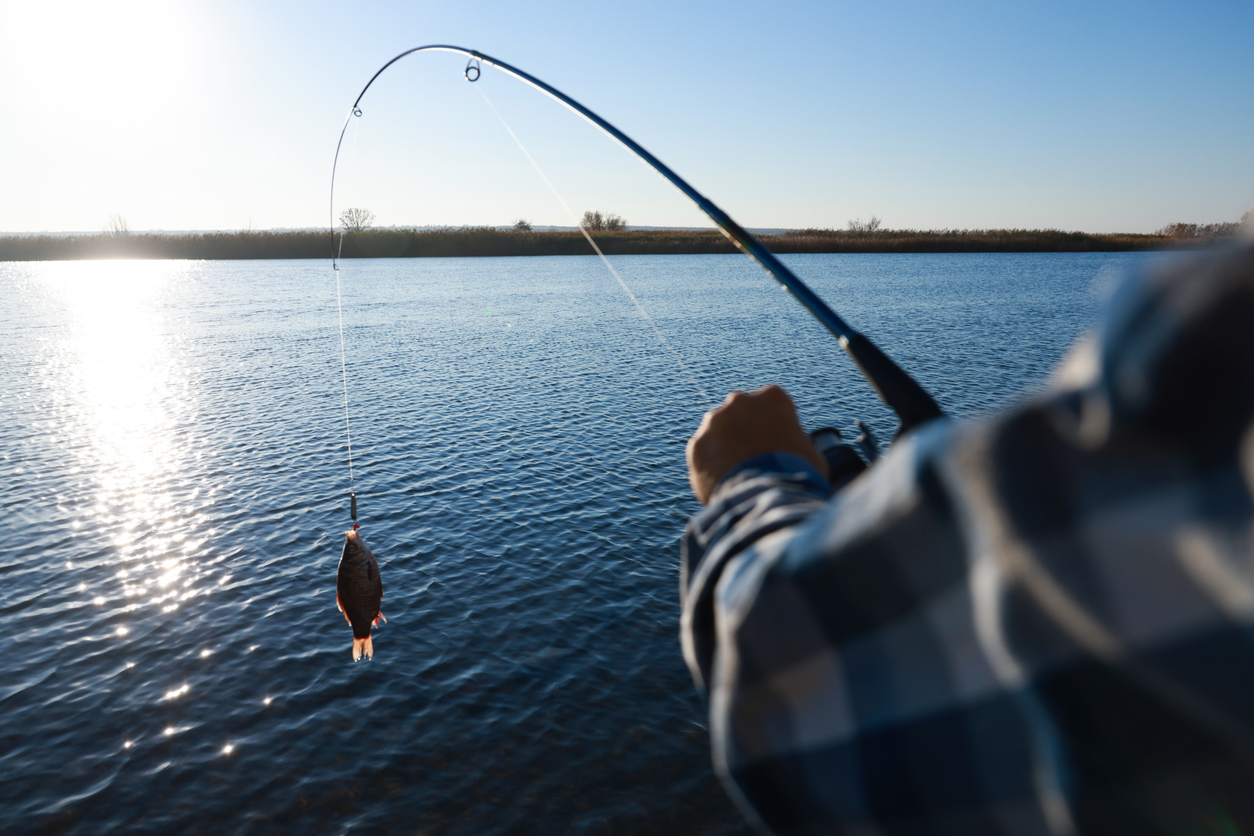
Some fish are easier for beginners because they bite often and do not require complicated methods. Starting with these species can build confidence.
Bluegill and Sunfish
Bluegill and other sunfish are among the best fish for beginners. They live in ponds, lakes, creeks, and rivers across Texas. They often stay near docks, weeds, brush, and shallow banks.
A small hook, a bobber, and a worm can work well. These fish may be small, but they are fun to catch and great for learning how bites feel.
Catfish
Catfish are another beginner-friendly choice. They are common in Texas lakes, rivers, and ponds. Channel catfish are especially popular.
Catfish often bite on stink bait, chicken liver, nightcrawlers, shrimp, or cut bait. Many anglers fish for them near the bottom. Evening and nighttime fishing can be productive, especially during warmer months.
Largemouth Bass
Largemouth bass are one of the most popular sport fish in Texas. They can be found in many lakes and ponds. Bass fishing can be simple at first, but it also offers plenty of room to improve.
Beginners can try soft plastic worms, spinnerbaits, crankbaits, or live minnows where allowed. Look for bass near cover such as grass, logs, rocks, docks, and shaded areas.
Crappie
Crappie are popular because they are fun to catch and good to eat. They often gather around brush piles, bridge pilings, docks, and standing timber.
Small jigs and minnows work well. Crappie can be seasonal, so beginners may need to learn when they move shallow and when they hold deeper.
Redfish and Speckled Trout
For beginners fishing the coast, redfish and speckled trout are common targets. They live in bays, flats, marshes, and near shorelines.
Live shrimp under a popping cork is a classic beginner setup. Soft plastic lures can also work, especially once you learn how to retrieve them.
Basic Fishing Gear for Beginners
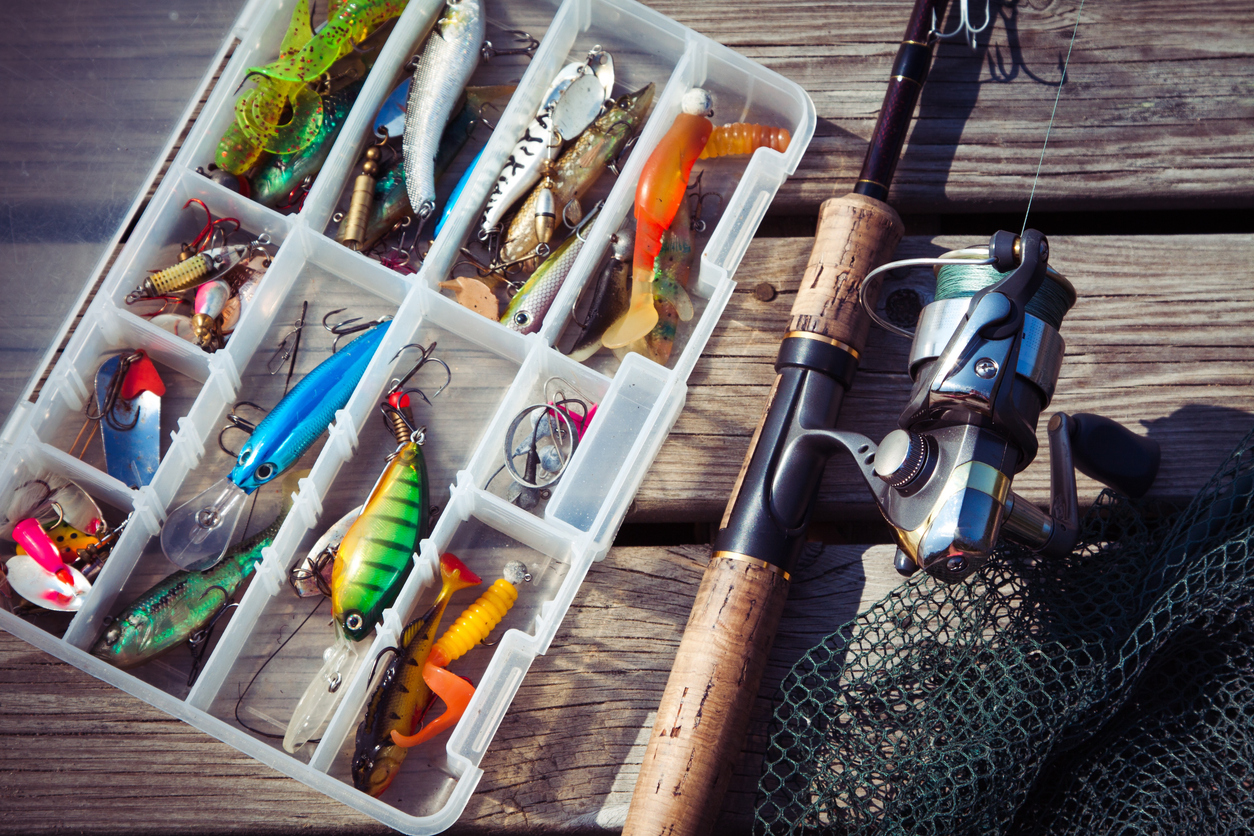
You do not need expensive equipment to start fishing in Texas. A simple setup can catch plenty of fish.
For most beginners, a medium or medium-light spinning rod and reel is a good choice. A rod around 6 to 7 feet long works for many freshwater situations. For saltwater, a medium spinning setup with corrosion-resistant parts is helpful.
Start with the basic line. The monofilament line in the 6 to 12-pound range works for many freshwater fish. Saltwater anglers may want stronger lines, depending on the target species and fishing location.
A small tackle box can include:
- Hooks in different sizes
- Bobbers
- Split shot weights
- Sinkers
- Swivels
- Pliers
- Nail clippers or line cutters
- A ruler for measuring fish
- A small first aid kit
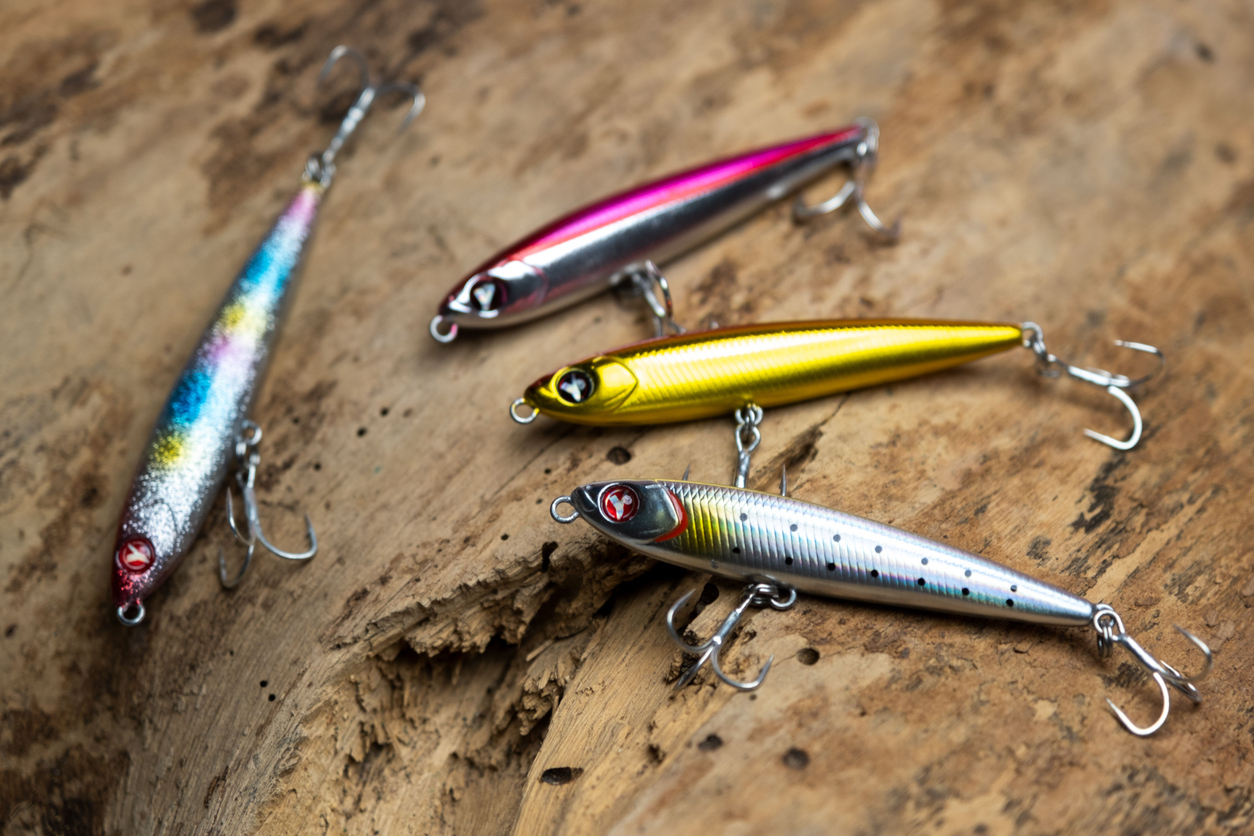
For lures, beginners can start with a few simple options. Soft plastic worms, small jigs, spinnerbaits, and crankbaits are useful in freshwater. For saltwater, try popping corks, jig heads, soft plastics, and spoons.
Best Bait for Beginners
Live bait is often the easiest way to catch fish. It smells natural, moves naturally, and attracts many species.
Worms are excellent for bluegill, sunfish, catfish, and even bass. Minnows work well for crappie and bass. Shrimp is one of the most useful baits for saltwater fishing. Cut bait can attract catfish, redfish, and other larger fish.
Artificial lures are also useful, but they take practice. A lure needs action from the angler. You cast it, retrieve it, pause it, twitch it, or work it through cover. That may sound complicated, but it becomes easier with time.
A good beginner approach is to bring both bait and lures. Use bait when you want steady action. Try lures when you want to practice casting and learn how fish react.
Where to Fish in Texas
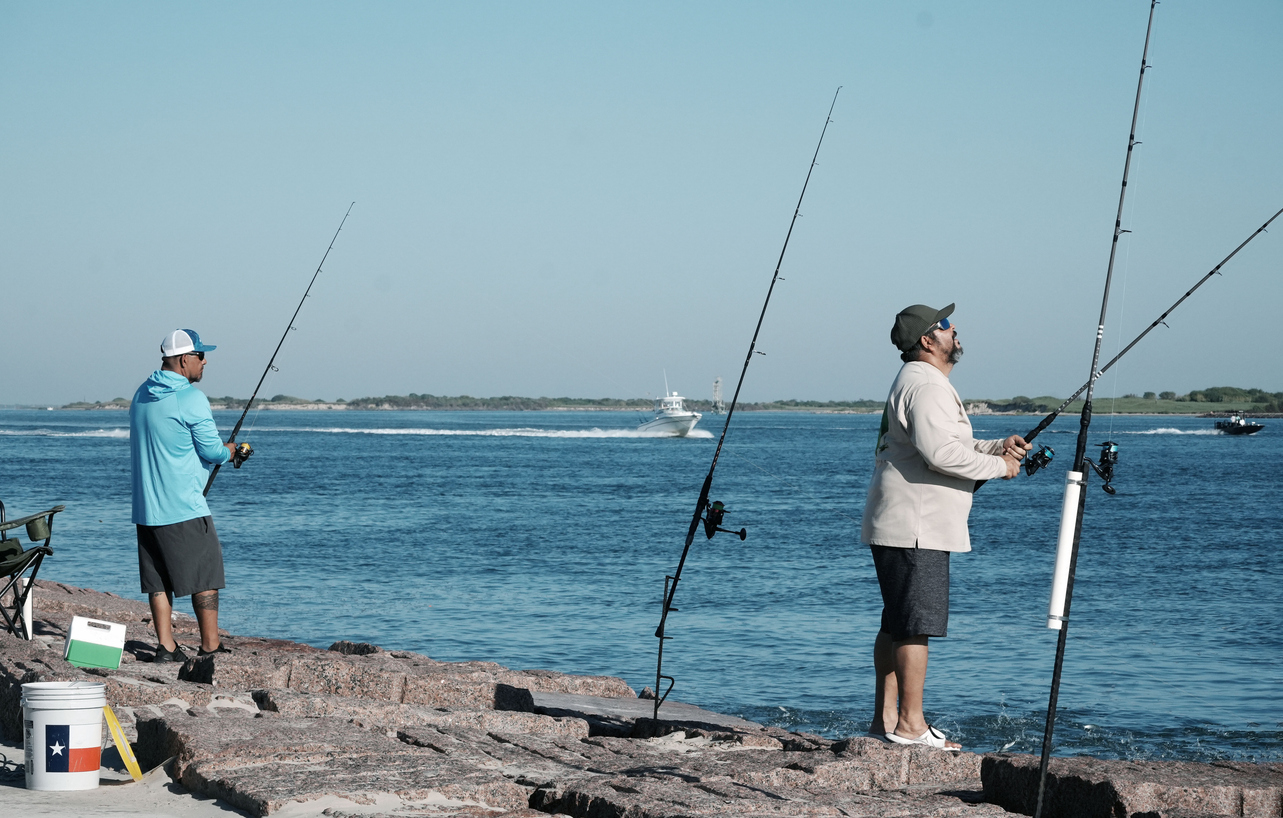
Texas has many public fishing spots. Beginners should look for easy access, safe banks, restrooms, parking, and clear rules.
State parks are excellent places to start. Many offer bank fishing, piers, stocked ponds, and family-friendly access. Some also offer loaner tackle programs, which can help beginners try fishing without buying everything first.
Neighborhood ponds can also be productive. Always check local rules before fishing. Some ponds are private, while others may have posted restrictions.
Lakes and reservoirs offer many options. Beginners can fish near boat ramps, parks, docks, bridges, rocks, and shaded banks. Rivers and creeks can be good too, especially when the water is safe and accessible.
Coastal beginners can try public piers, jetties, bay shorelines, and surf fishing areas. Wind and tides matter along the coast, so conditions can change quickly.
How to Pick a Good Fishing Spot
Fish need food, shelter, oxygen, and comfortable water. Beginners can improve their chances by looking for places where fish can hide or feed.
Good spots often include:
- Docks and piers
- Weed edges
- Fallen trees
- Rocks
- Bridge pilings
- Creek mouths
- Drop-offs
- Shaded banks
In hot weather, fish may move deeper or stay near shade. In cooler weather, they may feed in shallower areas during warmer parts of the day. Early morning and late afternoon are often good times to fish, especially in summer.
Watch the water. If you see baitfish jumping, birds feeding, or ripples near the surface, fish may be active nearby.
Simple Fishing Techniques to Learn First
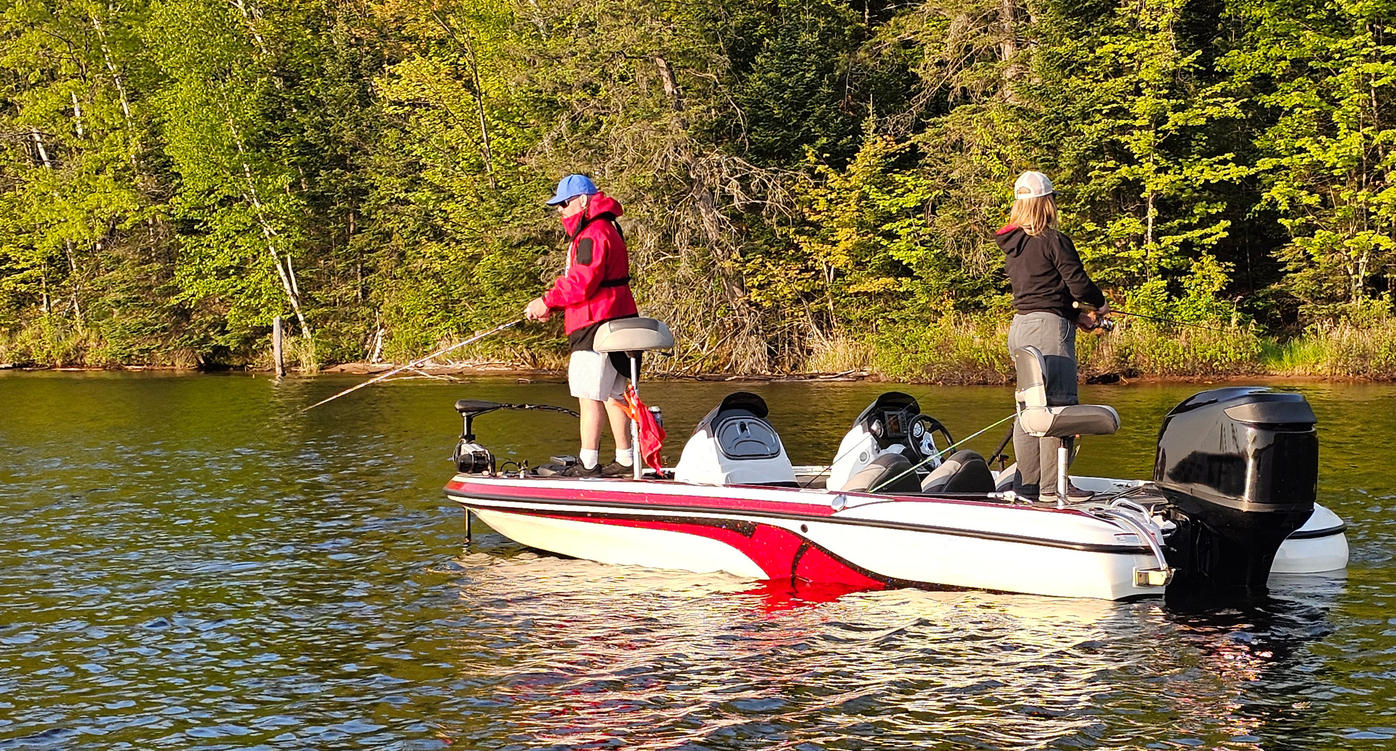
Beginners should focus on a few easy methods.
Bobber Fishing
Bobber fishing is simple and effective. Attach a bobber above your hook, add a small weight, bait the hook, and cast near cover. When the bobber moves, dips, or disappears, lift the rod to set the hook.
This method works well for bluegill, sunfish, catfish, and stocked fish.
Bottom Fishing
Bottom fishing works well for catfish and some saltwater species. A sinker keeps the bait near the bottom. The fish finds the bait by smell or movement.
After casting, keep the line slightly tight and watch the rod tip. A bite may look like a tap, a bend, or steady pulling.
Casting Lures
Lure fishing takes more practice, but it can be exciting. Cast near cover, then retrieve the lure in a way that makes it look alive.
Start simple. Reel slowly. Add short pauses. Try different speeds until fish respond.
Catch and Release Basics
Many anglers keep fish for the table, but beginners should also learn proper catch and release. Handle fish gently, especially if you plan to release them.
Wet your hands before touching a fish. This helps protect its slime coat. Keep the fish out of the water for as little time as possible. Use pliers to remove hooks carefully.
If a fish swallows the hook deeply, do not pull hard. Cutting the line close to the hook may give the fish a better chance than forcing the hook out.
Safety Tips for Texas Fishing
Fishing is usually relaxing, but safety matters. Texas weather can change fast. Heat, storms, slippery banks, and deep water can create problems.
Bring water, sunscreen, insect repellent, and a hat. Wear shoes with good grip. Watch for snakes near rocks, brush, and shorelines. Be careful around hooks, knives, and fish with sharp spines.
If you fish from a boat or kayak, wear a life jacket. If you fish with children, keep them close and choose calm, easy-access areas.
Lightning is a serious risk. If storms move in, leave the water and find shelter.
Fishing Etiquette
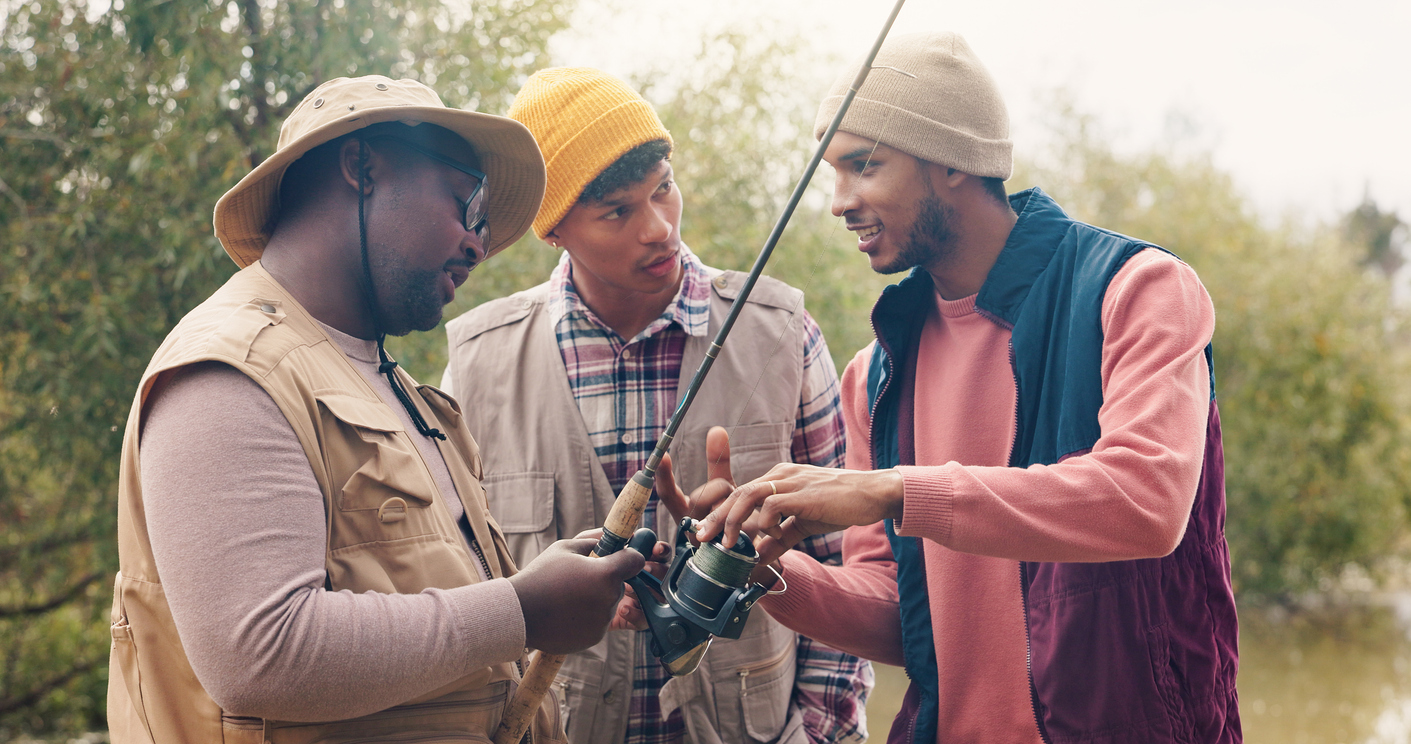
Good fishing manners make the experience better for everyone. Give other anglers space. Avoid casting across someone else’s line. Keep noise low in crowded areas.
Clean up all trash, including fishing line. Old line can injure birds, turtles, and fish. If you bring bait containers, snack wrappers, or hooks, take them home or place them in a proper trash bin.
Follow posted rules. Respect private property. Leave the fishing spot cleaner than you found it.
Common Beginner Mistakes
Every angler makes mistakes. The key is to learn from them.
One common mistake is using hooks that are too large. Small fish have small mouths, so smaller hooks often catch more fish.
Another mistake is fishing too fast. Beginners often move the bait too much or reel lures too quickly. Sometimes a slower approach works better.
Many beginners also ignore the weather. Wind, temperature, sunlight, and water clarity affect fish behavior. You do not need to become an expert right away, but paying attention helps.
A final mistake is giving up too soon. Fishing requires patience. If one spot does not produce, change bait, adjust depth, or move a short distance.
Best Time to Fish in Texas
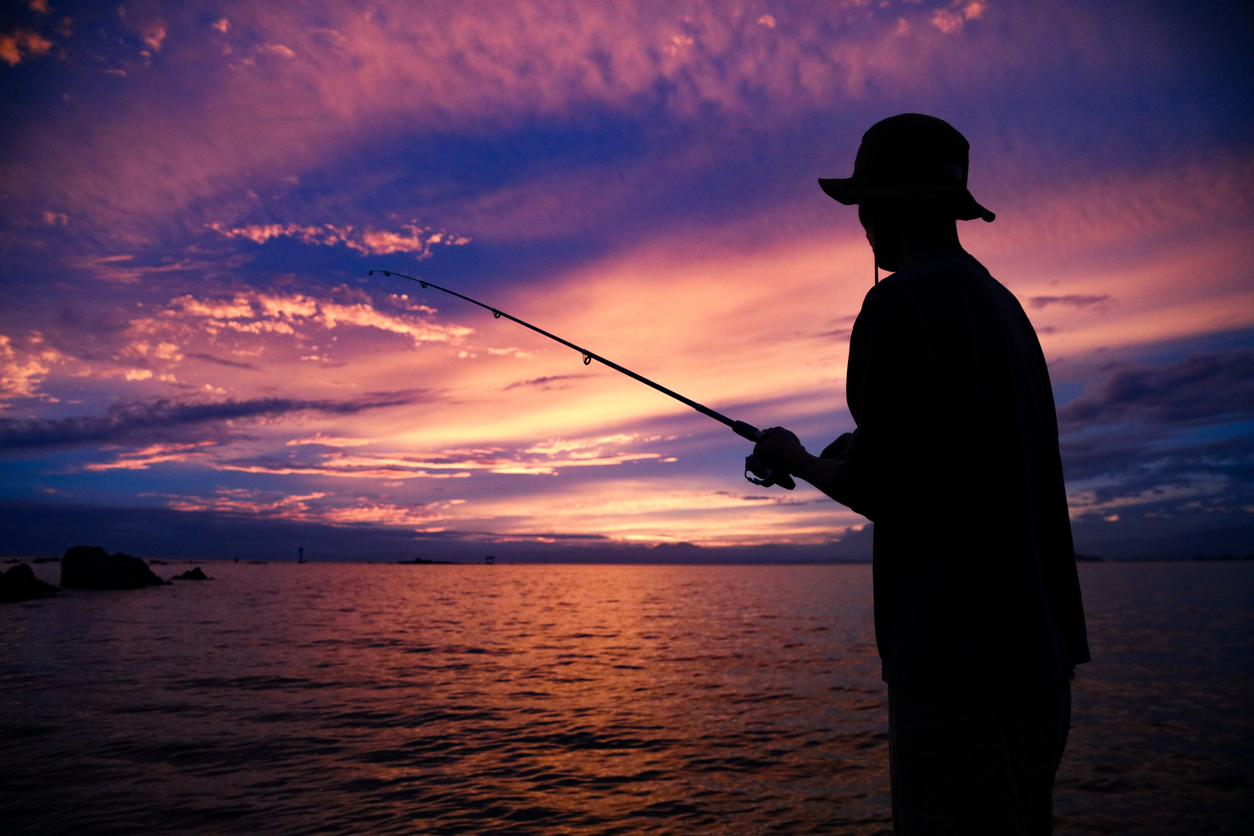
The best time depends on the season, location, and species.
Spring is one of the best seasons for beginners. Many fish move shallow and become active. Bass, crappie, catfish, and sunfish can all be good targets.
Summer can be productive, but Texas heat can be intense. Fish early in the morning or near sunset. Look for shade, deeper water, or moving water.
Fall is another strong season. Fish often feed actively as temperatures cool. This can be a great time to explore lakes, rivers, and coastal areas.
Winter fishing can be slower, but it is still possible. Catfish, trout in stocked areas, and some coastal species can still bite. Dress for the weather and fish during warmer parts of the day.
A Simple First Fishing Trip Plan
For your first Texas fishing trip, keep it easy. Choose a nearby state park, public pond, or lake with good bank access. Bring one spinning rod, basic tackle, bait, water, and your license if required.
Start with a worm under a bobber near the bank, dock, or shaded cover. If you do not get bites after 15 to 20 minutes, move to another nearby spot. Try different depths until you find fish.
Do not worry about catching the biggest fish. Focus on learning how to cast, tie knots, bait a hook, feel bites, and handle fish safely. Those skills matter every time you fish.
Final Thoughts
Fishing in Texas can be simple, affordable, and rewarding. Beginners do not need fancy gear or expert knowledge to enjoy it. Start with easy access, basic equipment, and a clear understanding of the rules.
Pick a friendly spot. Bring simple bait. Watch the water. Stay patient.
The first fish may be a tiny sunfish, a hungry catfish, or a surprise bass from a neighborhood pond. Whatever it is, that first catch often leads to another trip. In Texas, there is always another shoreline, another lake, and another chance to cast a line.