

Texas may be famous for blazing summers, wide-open highways, and barbecue smoke in the air, but winter brings out a quieter side of the state. Cooler weather makes hiking easier. Wildlife becomes more active in many areas. Crowds can thin out at popular parks. Even familiar landscapes can feel brand new under crisp morning light.
From desert mountains to mossy bayous, Texas offers plenty of nature getaways that shine during the colder months. Some are perfect for hiking. Others are ideal for birdwatching, paddling, stargazing, or simply slowing down for a peaceful weekend outdoors.
Here are some of the best winter nature getaways in Texas.
Big Bend National Park
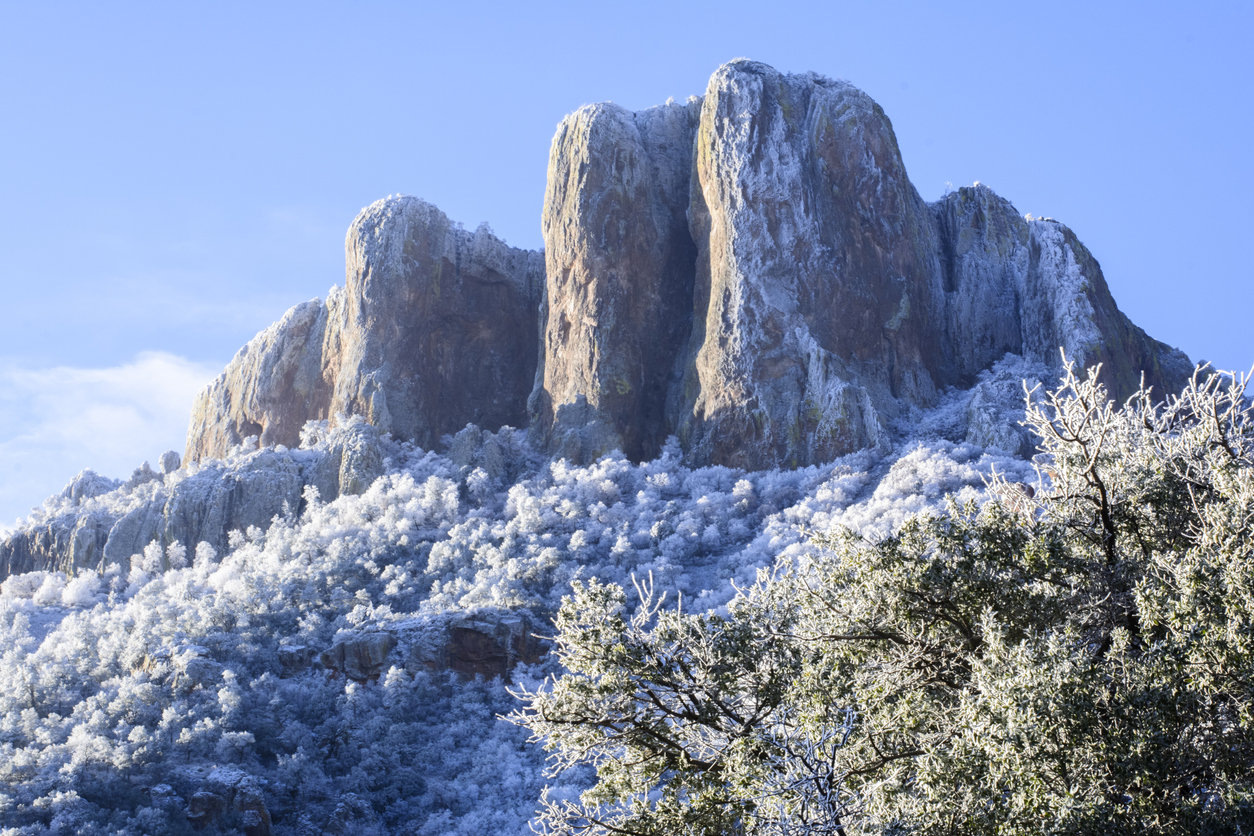
Big Bend is one of the best winter destinations in Texas, especially for travelers who want dramatic scenery without summer’s intense desert heat. The park sits in far West Texas, where the Rio Grande cuts through canyons, desert valleys stretch for miles, and the Chisos Mountains rise above the landscape.
Winter is one of the most comfortable times to explore Big Bend. The National Park Service notes that the park is best enjoyed from late fall through early spring, with winter bringing pleasant days, more ranger programs, and better conditions for outdoor recreation.
Visitors can hike through Santa Elena Canyon, drive the Ross Maxwell Scenic Drive, explore desert trails, or watch the sun set over the mountains. The cooler season also makes longer hikes feel more manageable, though preparation still matters. Big Bend is remote, and weather can change quickly.
The park is also one of the finest places in Texas for stargazing. On a clear winter night, the sky can look astonishingly bright. Bring warm layers, because desert temperatures often drop sharply after sunset.
Guadalupe Mountains National Park
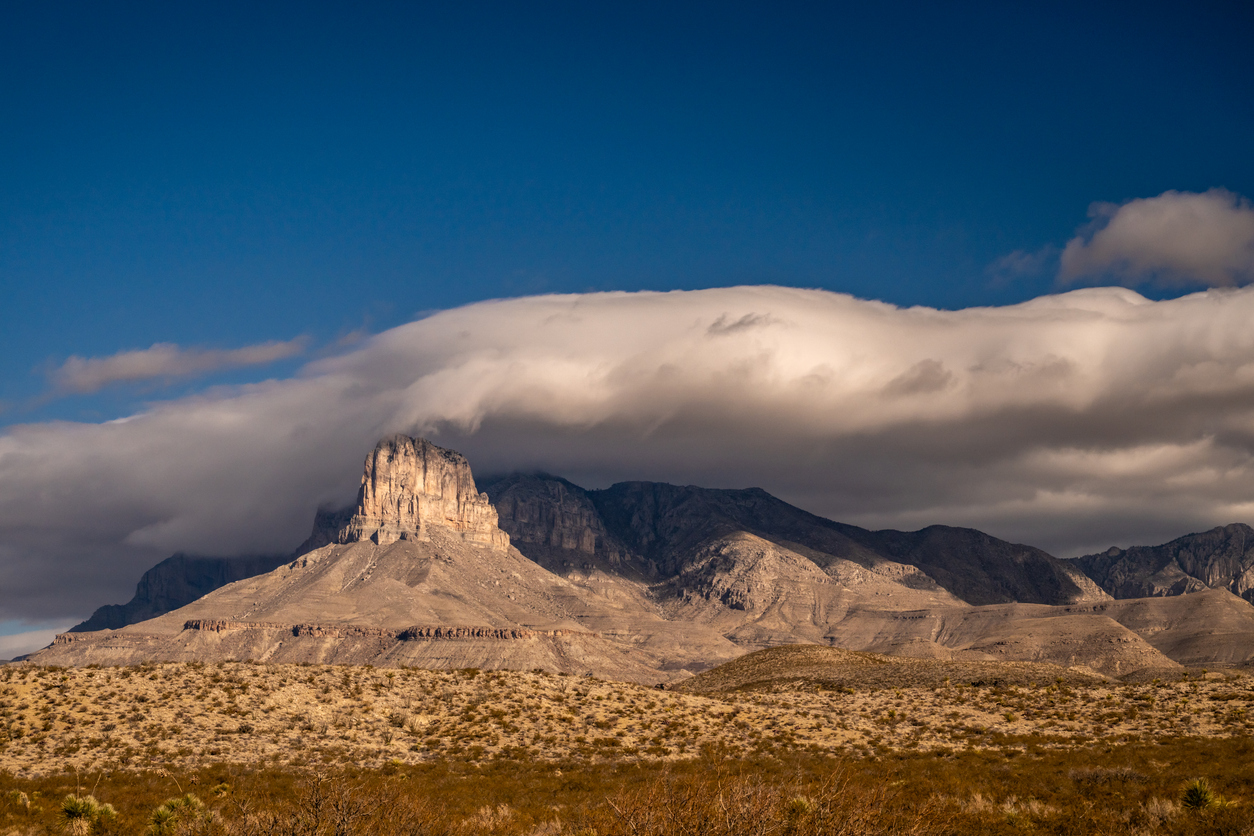
Guadalupe Mountains National Park offers a different kind of Texas winter adventure. Located near the New Mexico border, this park is home to rugged peaks, desert plants, fossils, canyons, and the highest point in Texas.
For hikers, it is one of the most rewarding parks in the state. The National Park Service says the park has over 80 miles of trails, ranging from easier walks through desert plants to strenuous routes leading into high-country forest and up to the “Top of Texas.”
Winter can be a great time to hike here because the cooler weather makes the exposed trails less punishing than they can be in warmer months. Still, this is a mountain country. Wind can be strong, and conditions can feel colder than expected.
Popular options include McKittrick Canyon, Devil’s Hall, and Guadalupe Peak for experienced hikers. Even shorter hikes offer striking views of limestone cliffs, desert slopes, and open skies.
Palo Duro Canyon State Park
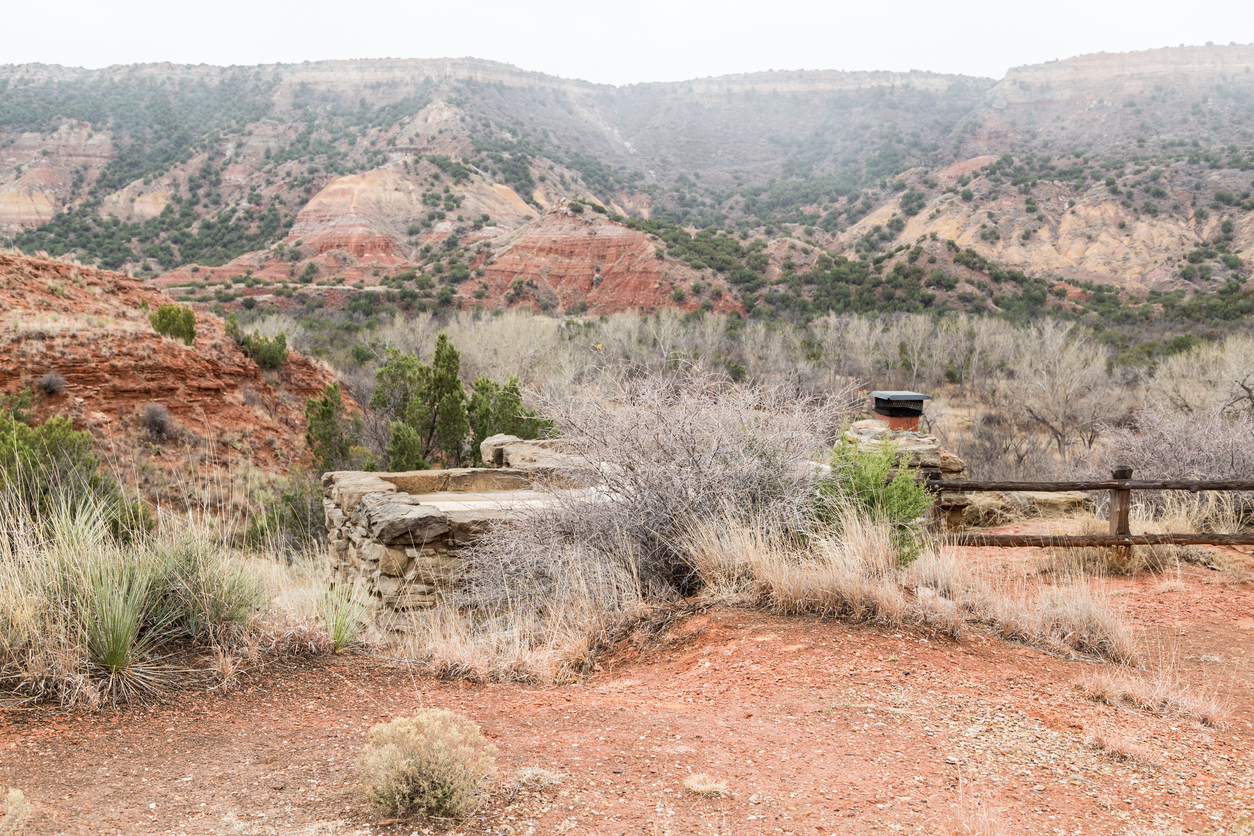
Palo Duro Canyon brings bold color to the Texas Panhandle. Often called the “Grand Canyon of Texas,” this state park features red rock walls, rugged trails, scenic overlooks, and wide canyon views.
Winter is a smart time to visit because the canyon can become dangerously hot in summer. Texas Parks and Wildlife warns that canyon temperatures can run hotter than the rim during warm seasons, which makes cooler months especially appealing for hiking and sightseeing.
The Lighthouse Trail is the park’s most famous hike, but visitors can also enjoy scenic drives, wildlife viewing, ranger programs, and peaceful mornings along the canyon floor. The colors of the canyon look especially beautiful when the winter sun sits low in the sky.
Palo Duro is also a strong choice for travelers who want nature with easy access. Amarillo is nearby, so visitors can pair outdoor time with restaurants, lodging, and local attractions.
Caddo Lake State Park
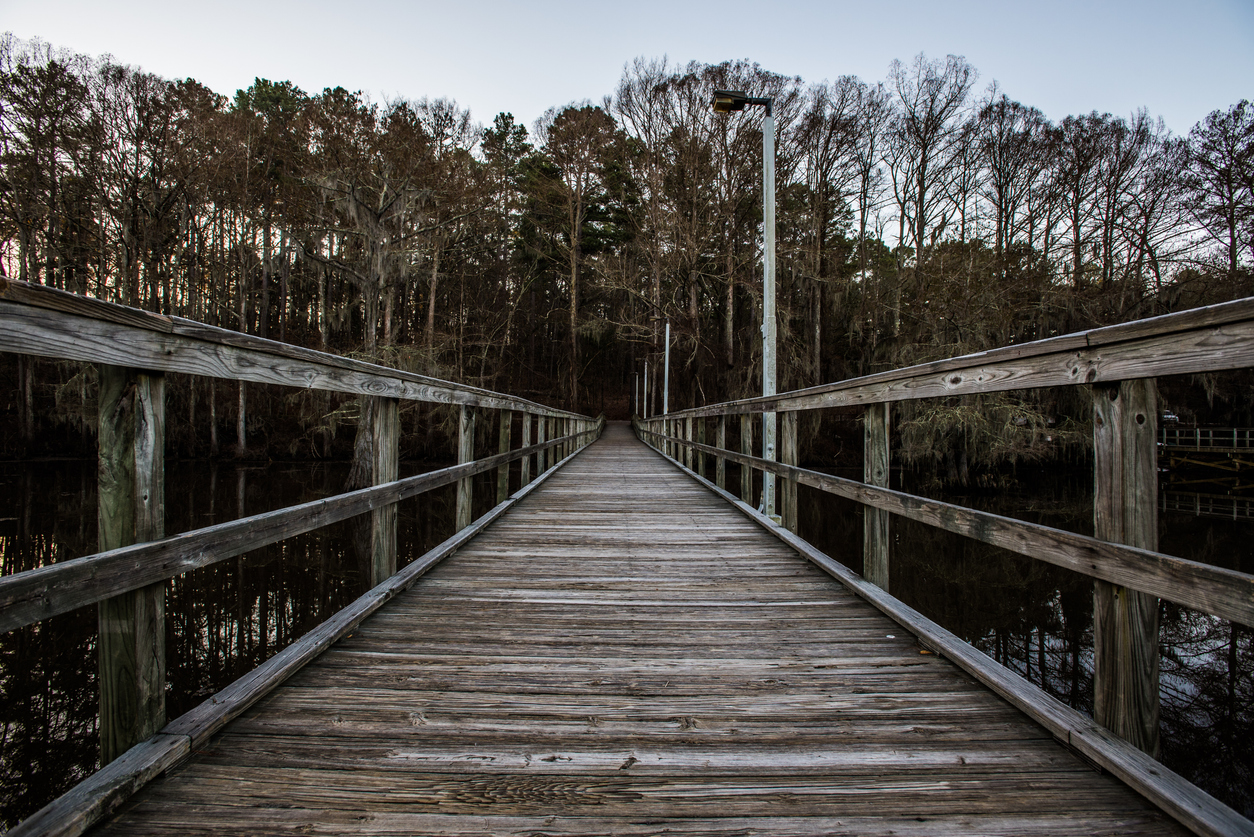
Caddo Lake feels like a different world from the dry canyons and desert parks of West Texas. Located in East Texas near the Louisiana border, it is known for bald cypress trees, bayous, Spanish moss, and quiet paddling routes.
Texas Parks and Wildlife highlights paddling beneath towering bald cypress trees, exploring bayous, fishing, hiking, and staying in historic cabins built by the Civilian Conservation Corps. The park also has more than 70 species of fish in its waters.
Winter gives Caddo Lake a moody, peaceful atmosphere. Without heavy summer humidity, hiking and paddling can feel easier. The bare branches, hanging moss, and soft light make it a favorite for photographers.
This is a great getaway for travelers who enjoy slow nature experiences. Rent a canoe, follow the paddling trails, listen for birds, and let the lake set the pace.
Enchanted Rock State Natural Area
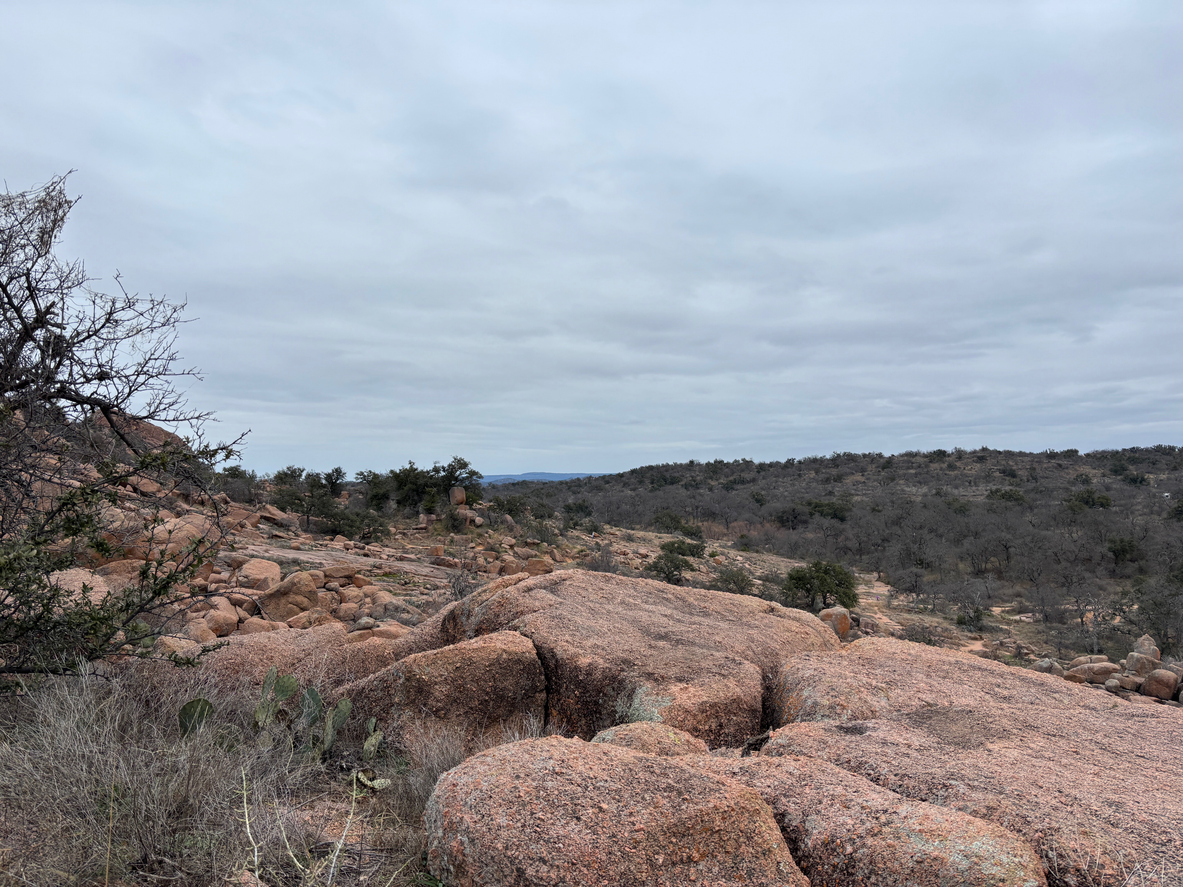
Enchanted Rock is one of the most recognizable natural landmarks in the Texas Hill Country. Its massive pink granite dome rises above the surrounding landscape, creating one of the state’s most memorable short hikes.
Cooler winter weather makes the climb much more comfortable. The dome offers wide Hill Country views, and the surrounding trails lead past rock formations, oak trees, and quiet backcountry areas.
Texas Parks and Wildlife describes Enchanted Rock as a place for hiking, backpacking, camping, rock climbing, picnicking, birding, and stargazing. It is also listed as an International Dark Sky Park, making winter nights especially appealing when skies are clear.
Because the park is very popular, reservations are often important. It can reach capacity, especially on weekends and holidays. For the best experience, start early, bring water, and wear shoes with good traction. Granite can be slick when wet.
Lost Maples State Natural Area
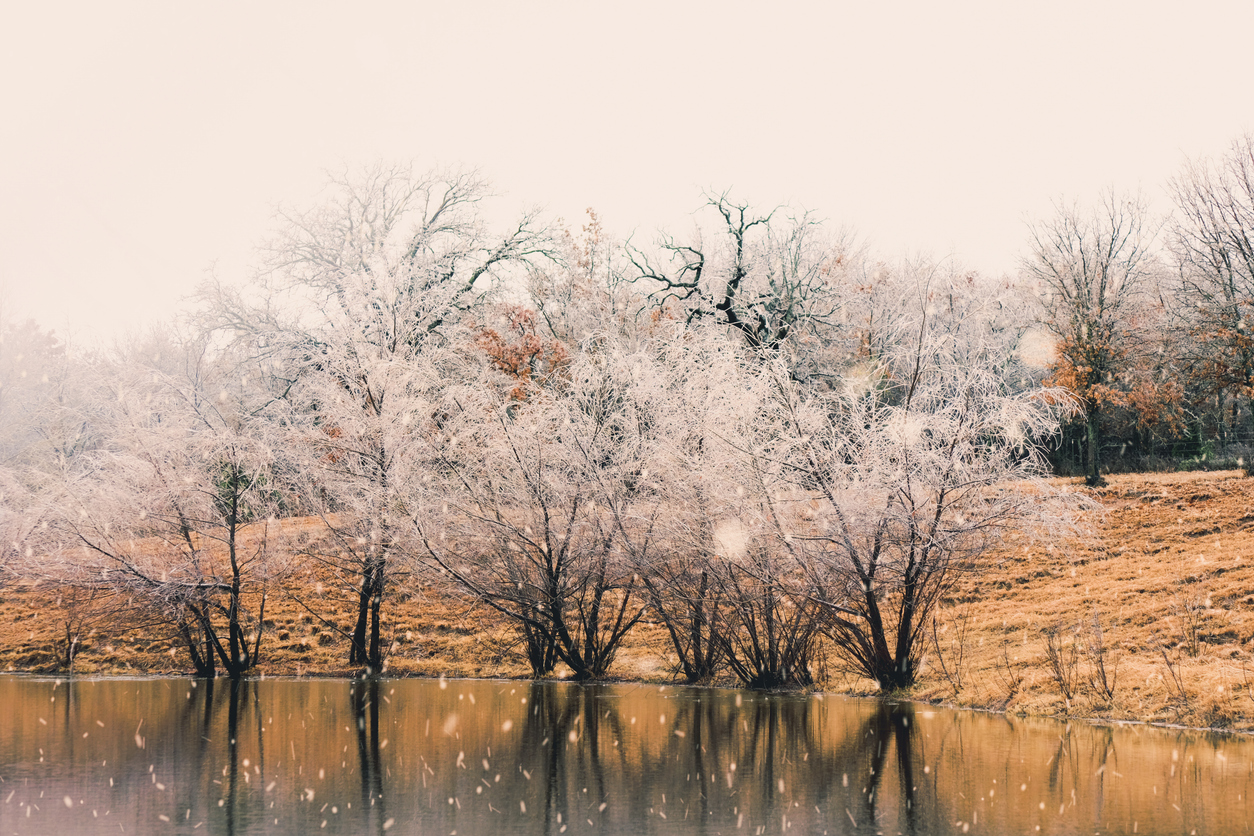
Lost Maples is best known for fall color, but winter gives this Hill Country park its own charm. Once the leaf-peeping crowds leave, the park becomes quieter and easier to enjoy at a slower pace.
The landscape includes steep canyon walls, the scenic Sabinal River, wooded slopes, and rugged trails. Texas Parks and Wildlife notes that Lost Maples is beautiful year-round, with hiking, fishing, birdwatching, camping, backpacking, stargazing, and geocaching available.
Winter is a good time for hikers who want cooler temperatures and scenic overlooks. The trails can be rocky and steep in places, so visitors should plan honestly based on their fitness level.
This is also a strong destination for people who want a peaceful cabin or camping trip near classic Hill Country scenery. Nearby small towns make it easy to turn the visit into a relaxed weekend.
Aransas National Wildlife Refuge
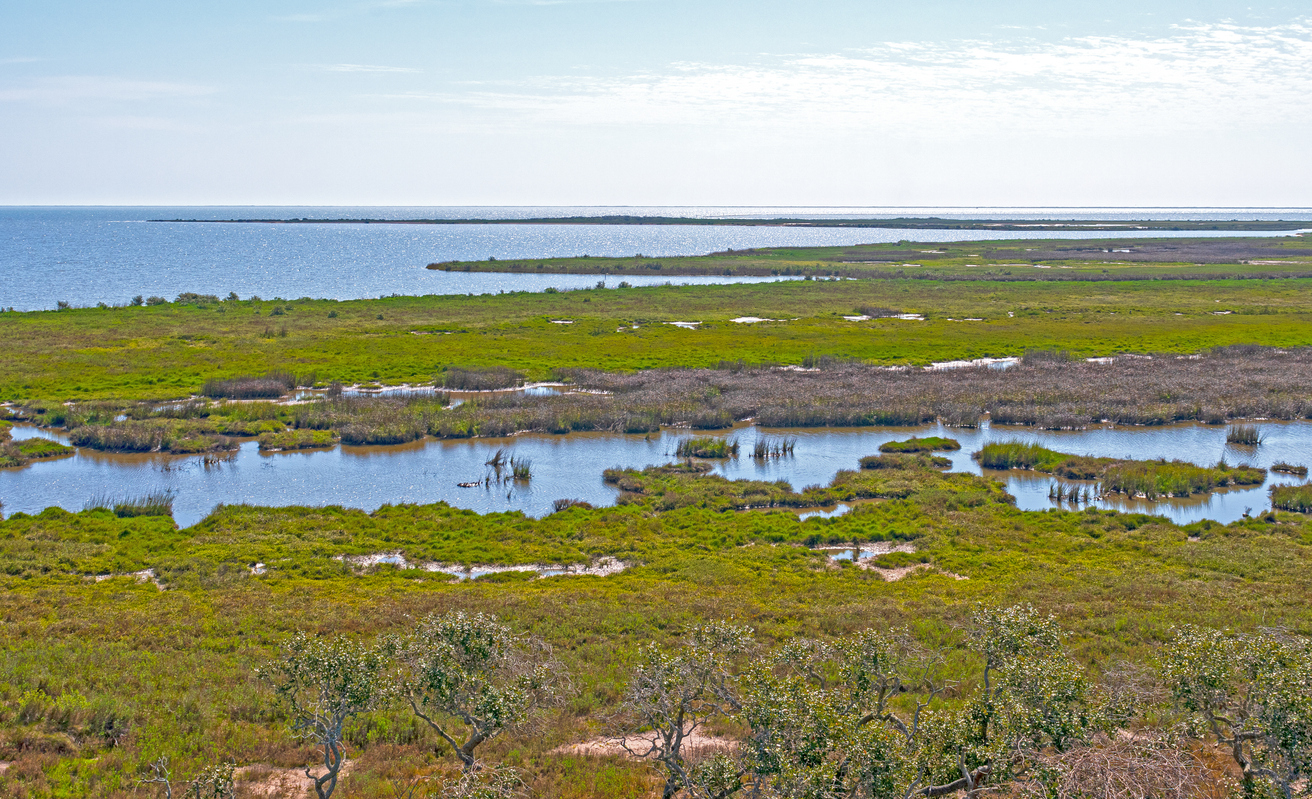
For wildlife lovers, Aransas National Wildlife Refuge is one of the top winter nature getaways in Texas. The refuge is best known as the wintering home of the last wild flock of endangered whooping cranes.
These tall white birds migrate from Canada to the Texas coast and spend the winter around Aransas and nearby coastal habitats. Texas Parks and Wildlife says whooping cranes begin migrating south to Texas in mid-September and usually begin their spring migration north in late March or early April.
Even if you are not an expert birder, seeing this landscape in winter can be memorable. The refuge includes coastal marshes, oak uplands, grasslands, ponds, and shorelines. Visitors may also spot deer, alligators, waterfowl, and many other birds.
Bring binoculars and patience. Wildlife viewing works best when you move quietly and give animals plenty of space.
Brazos Bend State Park
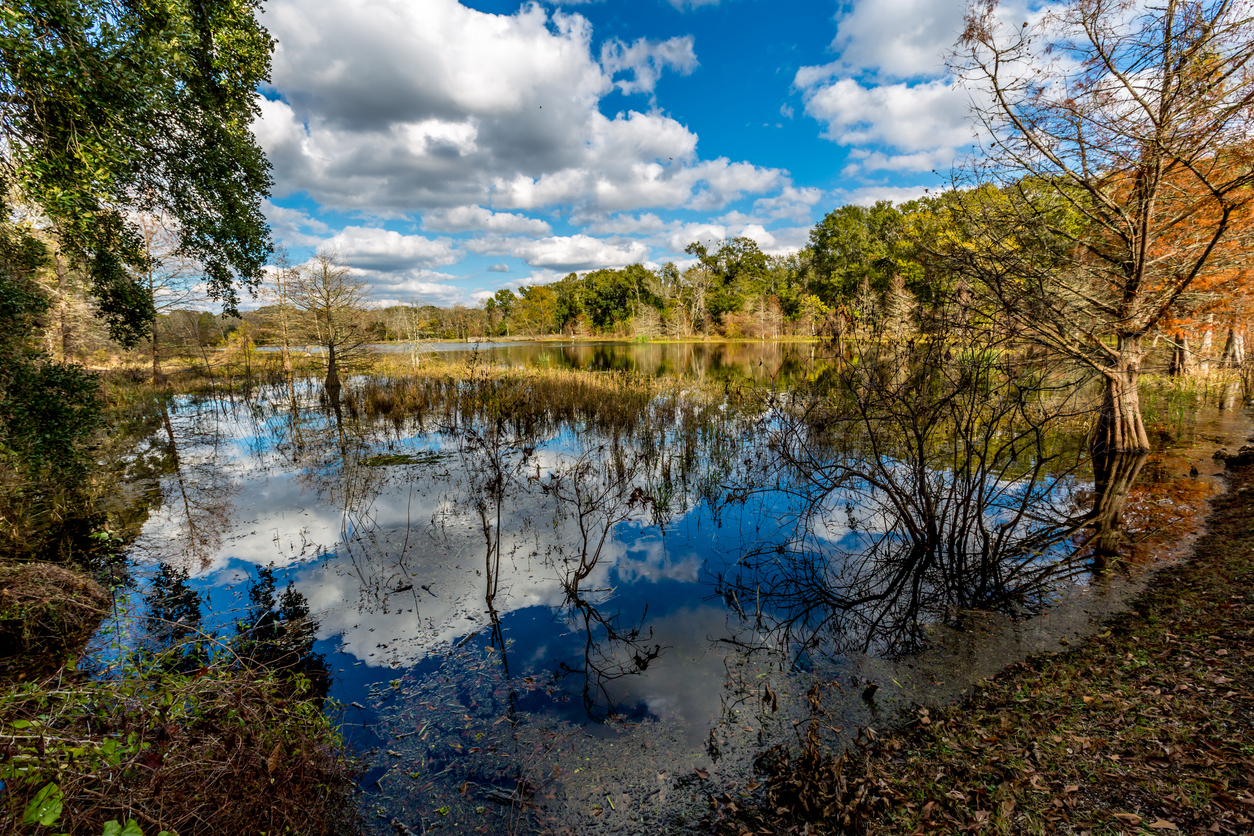
Brazos Bend State Park, located southwest of Houston, is a great winter destination for families, birdwatchers, and anyone who enjoys wetlands and easy trails. The park is known for lakes, boardwalks, prairie areas, forests, and alligators.
Winter can be especially pleasant here because the heat and mosquitoes are usually less intense than in warmer months. The trails around 40 Acre Lake and Elm Lake offer good chances to see birds and other wildlife.
This park is also home to the George Observatory, which can make a nature trip feel even more educational. During the day, visitors can walk shaded trails and watch for wildlife. At night, they can look toward the stars.
As always in alligator habitat, keep your distance, stay on marked trails, and never feed wildlife.
Caprock Canyons State Park
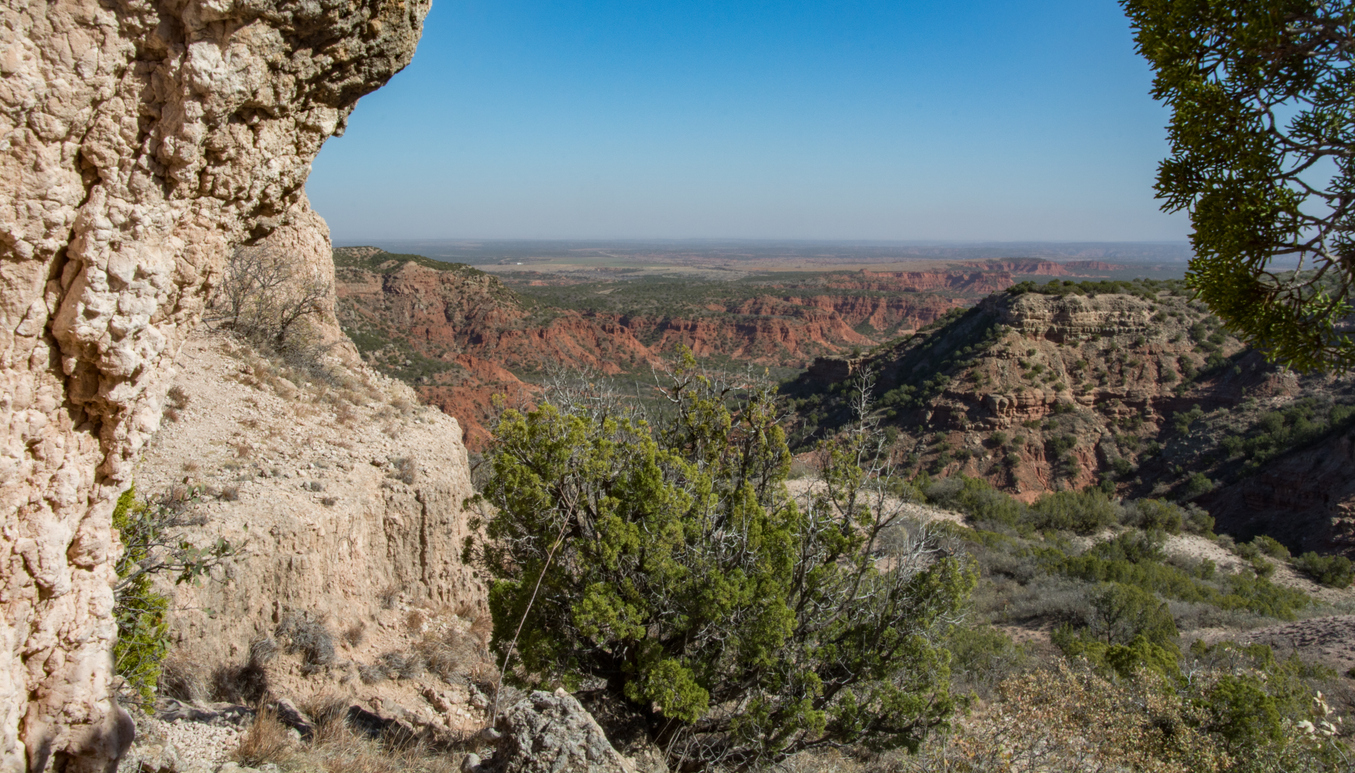
Caprock Canyons State Park offers red rock scenery, open grasslands, rugged trails, and a chance to see the Texas State Bison Herd. Located in the Panhandle, the park feels wild, spacious, and deeply connected to the region’s natural history.
Winter can be a wonderful time to visit because the cooler weather makes hiking and biking more comfortable. The park has trails for different skill levels, along with scenic views that show off the sharp edge of the Caprock Escarpment.
One of the biggest highlights is the bison herd. Visitors may see bison near roads, trails, or open areas. They are impressive animals, but they need space. Stay far back and never approach them for photos.
Caprock Canyons is also a strong stargazing destination. In 2026, it received International Dark Sky Park designation, adding to its appeal for nighttime nature lovers.
South Padre Island and Laguna Madre
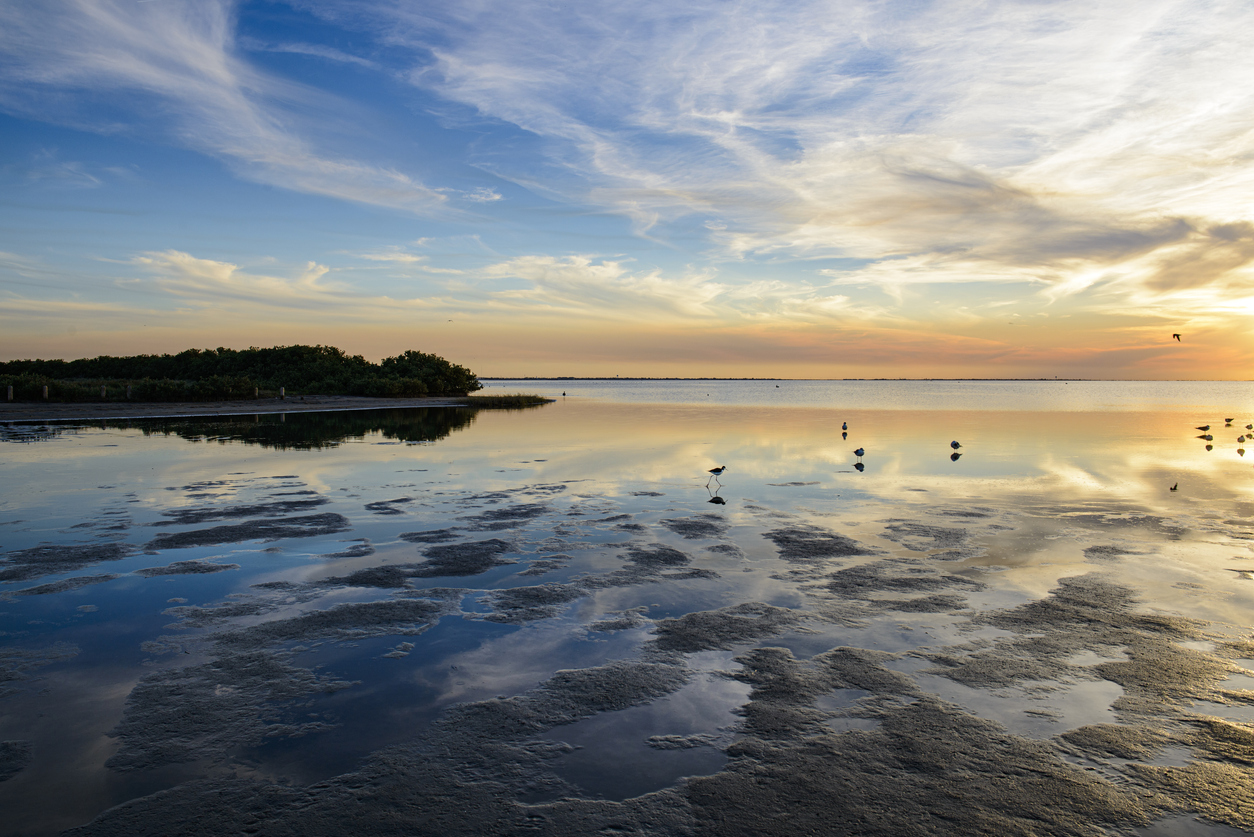
Winter on the Texas coast can be mild, breezy, and full of birdlife. South Padre Island and the nearby Laguna Madre offer a completely different nature getaway from the mountains and canyons inland.
This area is excellent for coastal walks, birdwatching, dolphin tours, and quiet beach time. Winter visitors may find fewer beach crowds, which makes the island feel calmer and more nature-focused.
The Laguna Madre is one of the most important coastal ecosystems in Texas. Its shallow waters support fish, birds, and other wildlife. The area attracts birders because it sits along major migration routes and provides habitat for many coastal species.
For a relaxed trip, walk the beach in the morning, visit a birding center, and end the day watching the sunset over the bay.
Tips for Planning a Winter Nature Trip in Texas
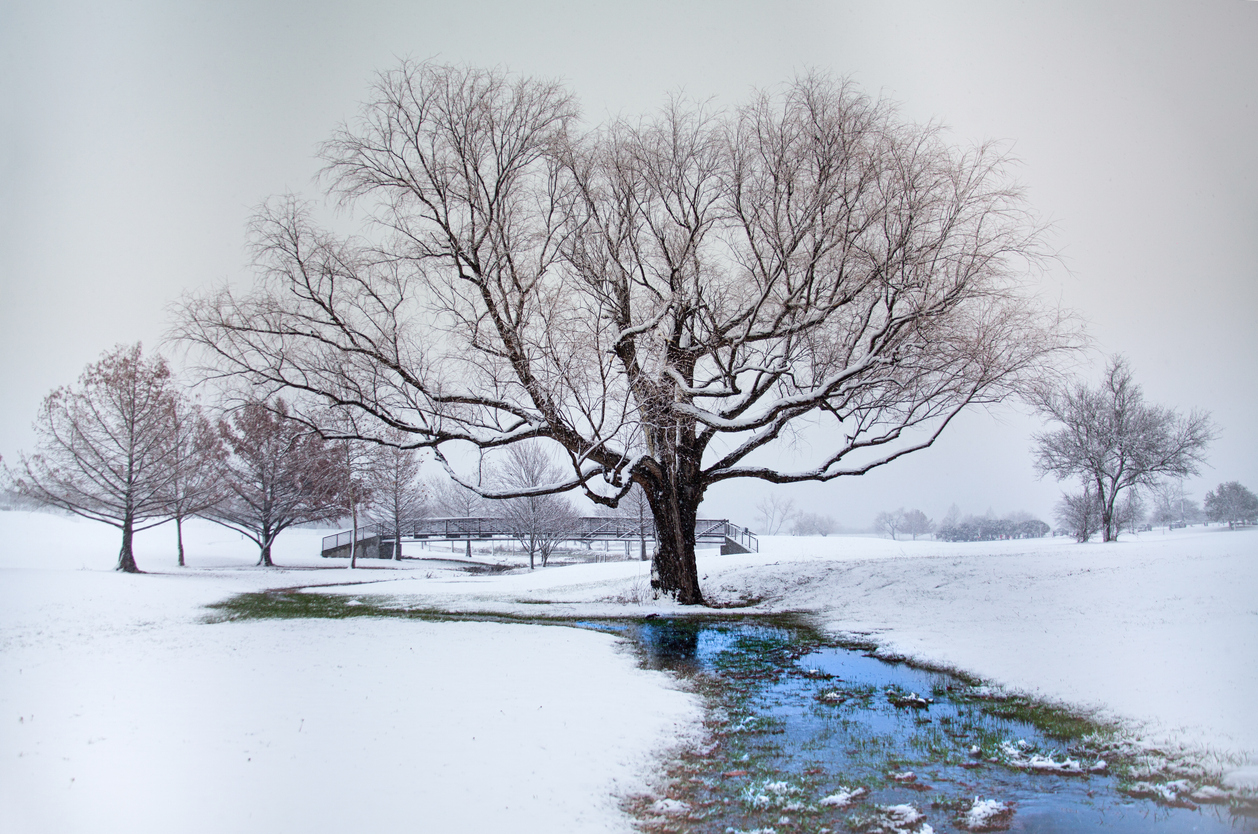
Texas winter can be mild, cold, windy, wet, or surprisingly warm depending on the region. A trip to Big Bend will feel very different from a trip to Caddo Lake or the Gulf Coast.
Check park alerts before you go. Weather, trail closures, burn bans, construction, and capacity limits can affect your plans. State parks may require day-use reservations during busy periods.
Dress in layers. Mornings can be chilly, afternoons can warm up, and evenings can cool down fast. This is especially true in desert and mountain areas.
Bring water, even in winter. Cooler temperatures can make dehydration less obvious, but hiking still takes effort. Good shoes, sun protection, snacks, and a basic first-aid kit are also smart.
For wildlife watching, carry binoculars and keep a respectful distance. Winter is a great season to see birds and animals, but the best sightings often come to patient visitors.
Final Thoughts
Winter is one of the best seasons to explore the natural side of Texas. The cooler weather opens up trails that can feel too hot in summer. Wildlife viewing can be excellent. Popular places often feel calmer, especially on weekdays.
Big Bend and Guadalupe Mountains bring big views and serious hiking. Caddo Lake offers quiet water and cypress trees. Aransas gives birdwatchers a chance to see one of North America’s most remarkable conservation stories. The Hill Country, Panhandle, and coast each add their own flavor.
A Texas winter nature getaway does not have to be complicated. Pick a region, check the weather, pack smart, and head outside. The season has plenty to offer, and the best moments often come when the air is cool, the trail is quiet, and the landscape has room to breathe.