

Texas gets plenty of attention in spring, when wildflowers cover roadsides and Hill Country fields. Summer brings river tubing, beach trips, lake weekends, and long days outside. Fall, though, may be the state’s most underrated outdoor season.
The heat finally backs off. Trails feel more inviting. Campgrounds get more comfortable. Wildlife becomes easier to spot. In some parts of Texas, leaves shift into shades of red, gold, copper, and orange. In others, fall brings clearer skies, better paddling weather, and fewer crowds than the busiest vacation months.
Many travelers know about Big Bend, Enchanted Rock, and Lost Maples. Those places deserve their praise. Still, Texas has many outdoor spots that offer a memorable fall experience without always getting the same attention. Here are several worth adding to your autumn travel list.
Daingerfield State Park
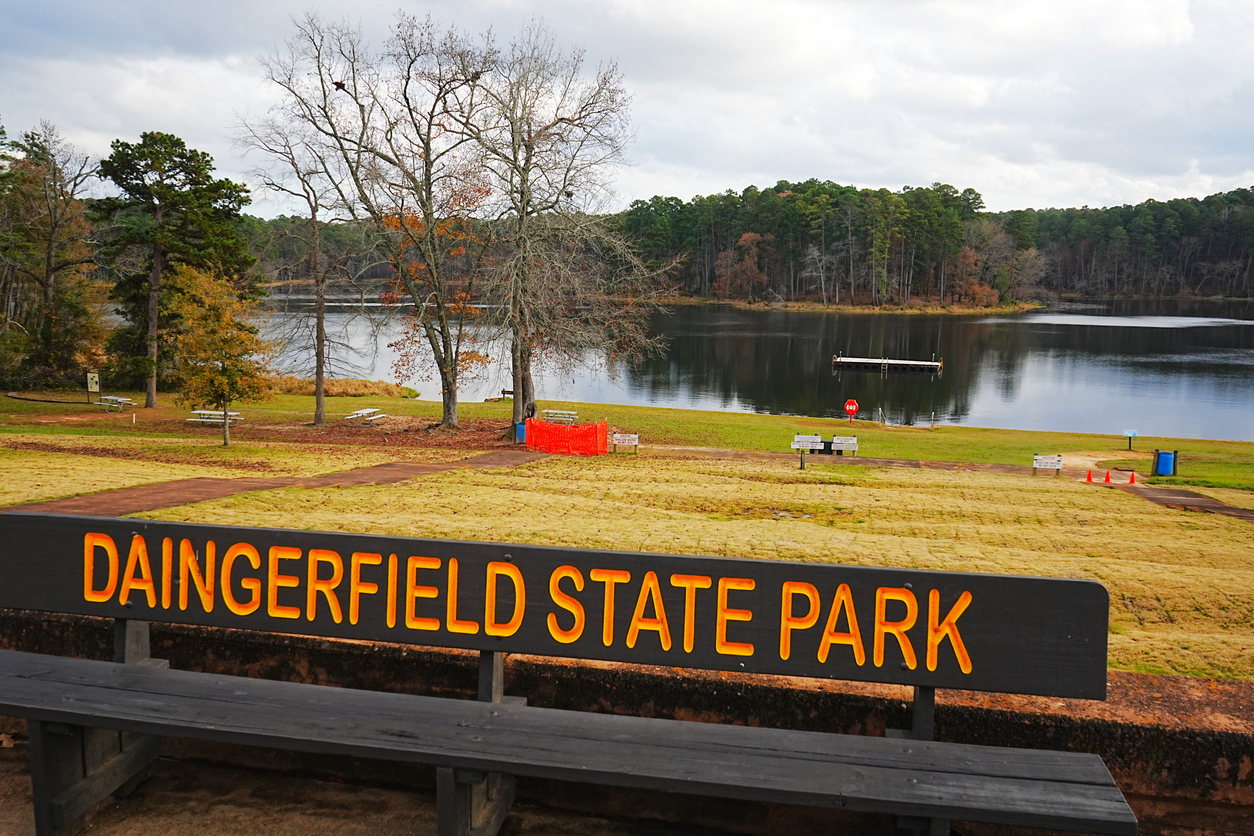
Daingerfield State Park is one of the best fall destinations in East Texas, especially for travelers who want color, quiet, and an easy pace. The park surrounds Little Pine Lake, an 80-acre lake framed by tall trees. Texas Parks and Wildlife notes that the forest puts on a beautiful show throughout the year, including fall color.
What makes Daingerfield special is its mix of pine forest and hardwood trees. That combination gives the park a layered look in autumn. The evergreens stay dark and steady, while other trees bring warmer seasonal color.
The park is also easy to enjoy without overplanning. Visitors can walk the trails, paddle the lake, fish, camp, or simply sit near the water. It is a good choice for families, couples, or anyone who wants a fall trip that feels peaceful instead of packed.
Daingerfield deserves more attention because it offers a classic East Texas forest setting in a compact, approachable park. You do not need an intense hiking plan to enjoy it. A slow walk around the lake can be enough.
Caddo Lake State Park
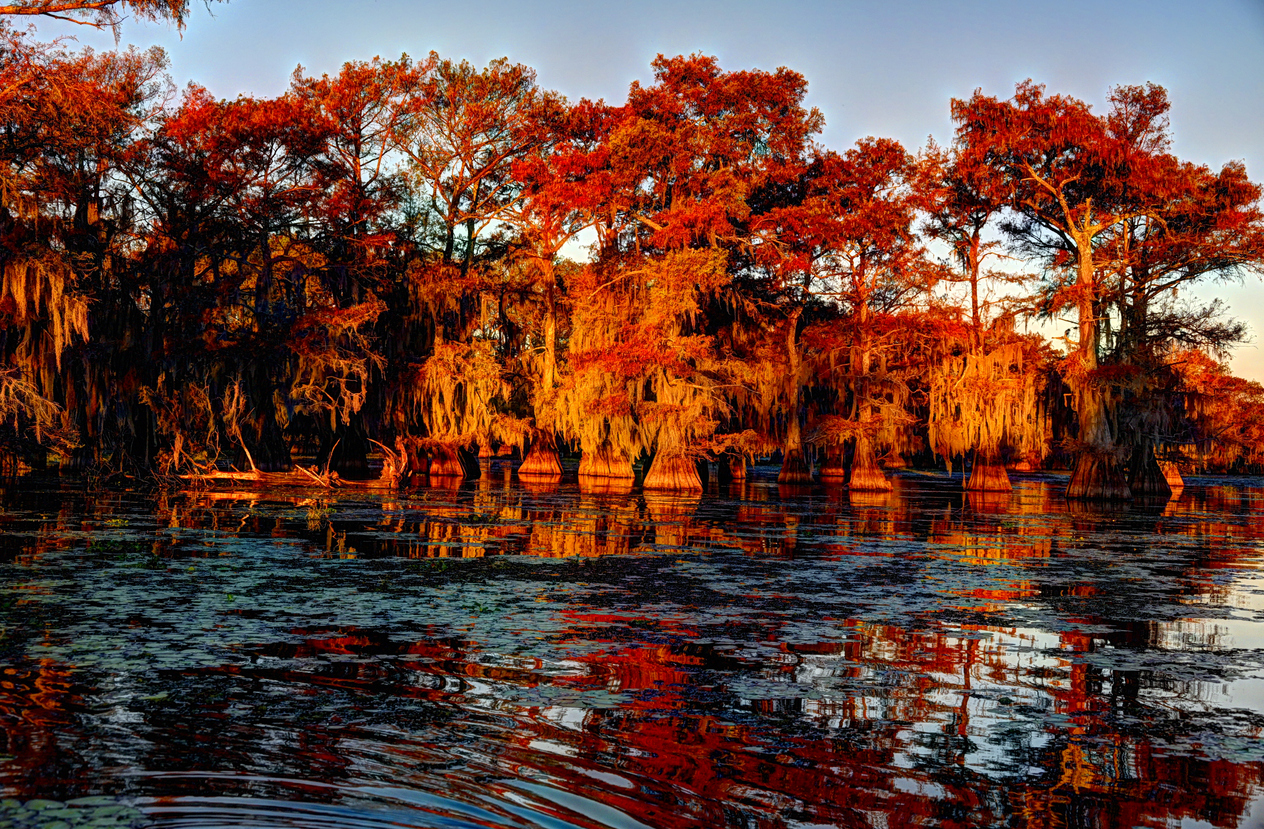
Caddo Lake feels different from almost anywhere else in Texas. Its bayous, sloughs, and bald cypress trees create a moody, quiet landscape that becomes especially atmospheric in fall.
Texas Parks and Wildlife describes Caddo Lake State Park as a place where visitors can paddle beneath towering bald cypress trees and explore a maze of bayous. The park also has trails, fishing, ranger programs, and historic cabins built by the Civilian Conservation Corps more than 80 years ago.
Fall is a strong season for Caddo Lake because the weather becomes more comfortable for paddling. The summer humidity can be heavy in East Texas, but cooler days make it easier to spend time on the water. The lower sun also gives the lake a softer look, especially in the morning or late afternoon.
This is a destination for people who enjoy quiet nature more than big overlooks. The best way to see it is from a canoe or kayak, moving slowly beneath cypress branches and Spanish moss. It is also a good place for birdwatching and photography.
Caddo Lake deserves more attention because it shows a side of Texas that surprises many visitors. It feels closer to a Southern swamp or bayou country setting than the dry plains and rocky hills often associated with the state.
Caprock Canyons State Park and Trailway
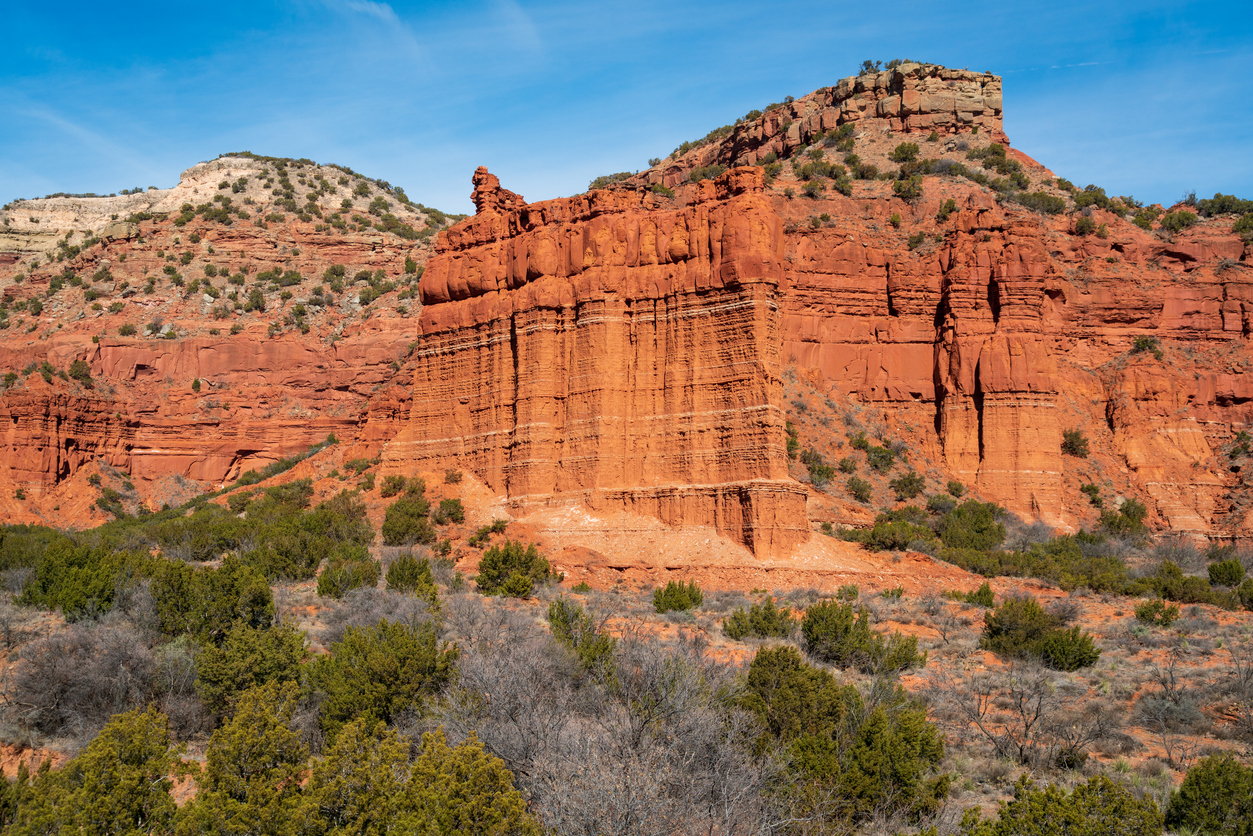
Caprock Canyons is one of the great outdoor destinations of the Texas Panhandle, yet it still sits in the shadow of Palo Duro Canyon for many travelers. That makes fall a perfect time to give it a closer look.
The park is known for red rock scenery, open skies, rugged trails, and the Texas State Bison Herd. Texas Parks and Wildlife reminds visitors that bison live in the park and should be given at least 50 yards of space.
Fall suits Caprock Canyons well because the weather is more forgiving than summer. Hiking across exposed canyon country can be demanding in high heat. Cooler temperatures make the trails more enjoyable and safer for longer outings.
The park also has a wide range of landscapes. Visitors can see colorful canyon walls, prairie, lakes, and wildlife. For those who enjoy night skies, Caprock Canyons has gained attention for dark-sky viewing, with recent reports noting its International Dark Sky Park designation.
Caprock Canyons deserves more attention because it offers a big Texas landscape without the same name recognition as some other parks. It is dramatic, open, and memorable, especially for hikers and wildlife watchers.
South Llano River State Park
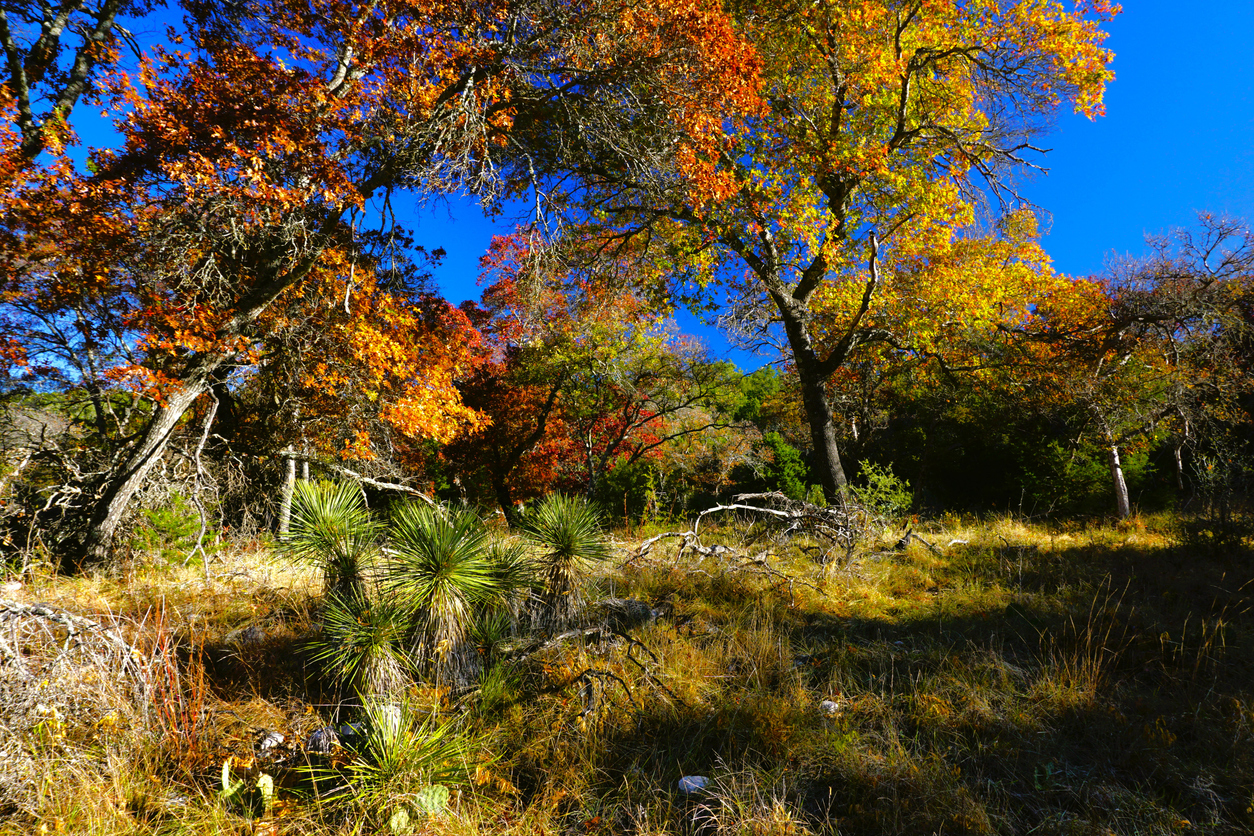
South Llano River State Park is a strong fall choice for travelers who enjoy rivers, wildlife, and quieter Hill Country scenery. Located near Junction, the park offers a calmer alternative to some of the busier central Texas river spots.
One of the park’s standout features is its Rio Grande wild turkey roost. Texas Parks and Wildlife says South Llano River hosts one of the largest winter Rio Grande wild turkey roosts in Central Texas, with many turkeys gathering in the park during fall and winter.
That makes fall a meaningful time to visit. Wildlife activity becomes part of the experience, especially near the pecan forest. The park also offers hiking, paddling, fishing, camping, and ranger programs.
South Llano River is a good destination for people who like nature observation. It is not only about scenic views. It is also about paying attention to movement, sound, and seasonal change.
The park deserves more attention because it gives visitors a gentler, more wildlife-focused version of the Hill Country. It is beautiful without feeling overbuilt or overly busy.
Mission Tejas State Park
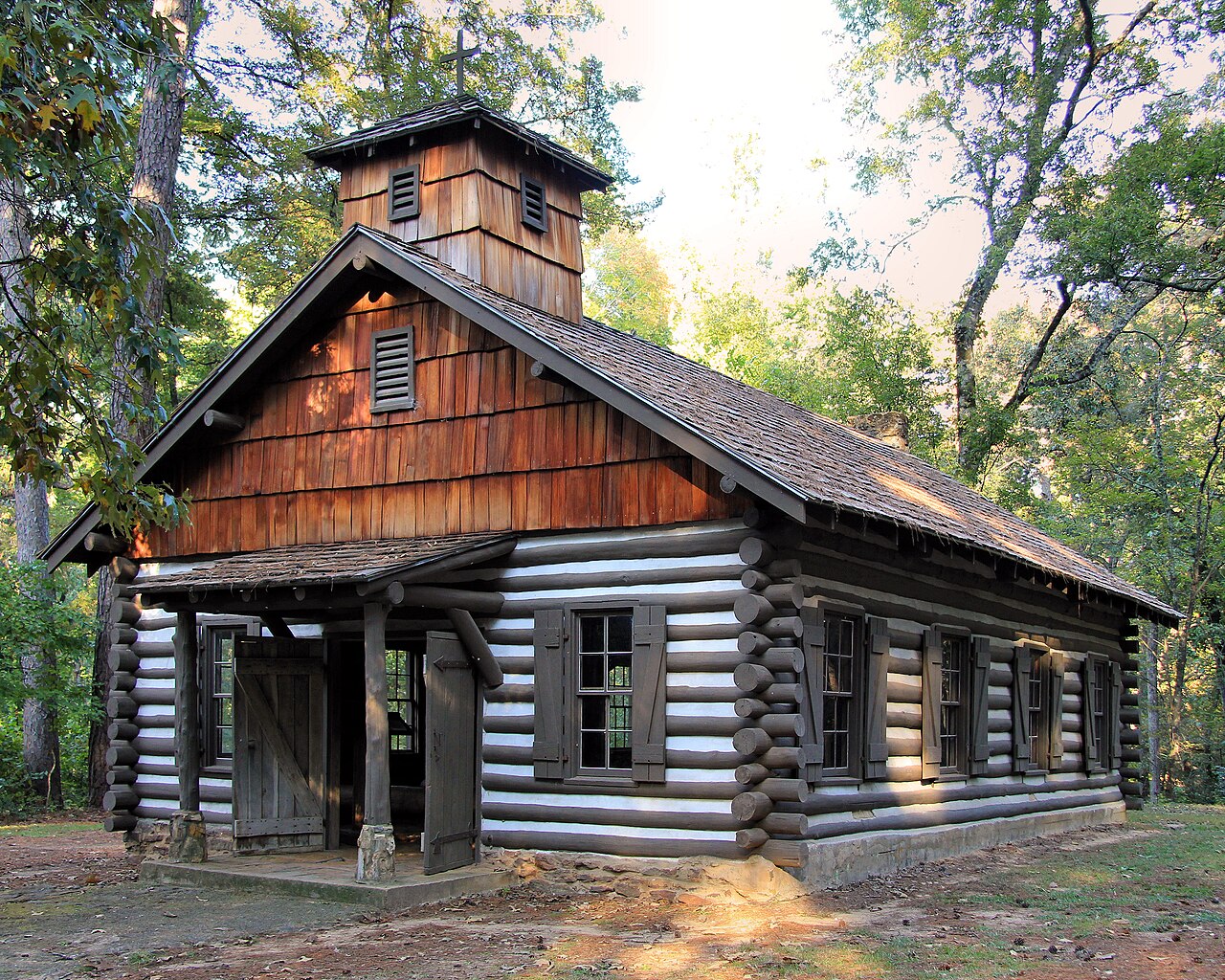
Larry D. Moore, Mission tejas 2014, CC BY 4.0
Mission Tejas State Park is a small East Texas destination with both outdoor and historical value. It is a good fall trip for travelers who want wooded trails and a stronger sense of place.
The park sits in the Piney Woods and includes trails through upland pine forest and hardwood bottomlands. Texas Parks and Wildlife describes the park as “a forest full of history,” with hiking, biking, historic buildings, and connections to El Camino Real.
Fall gives the park a comfortable rhythm. The forest trails become more inviting as temperatures drop. The mix of history and nature also makes it a useful destination for families or anyone who likes learning while walking.
Mission Tejas does not rely on huge views or dramatic terrain. Its appeal is quieter. The park helps visitors understand early Texas history while also offering a peaceful forest setting.
It deserves more attention because it combines outdoor recreation with cultural context. A visit here can feel educational without becoming formal or difficult to follow.
Colorado Bend State Park
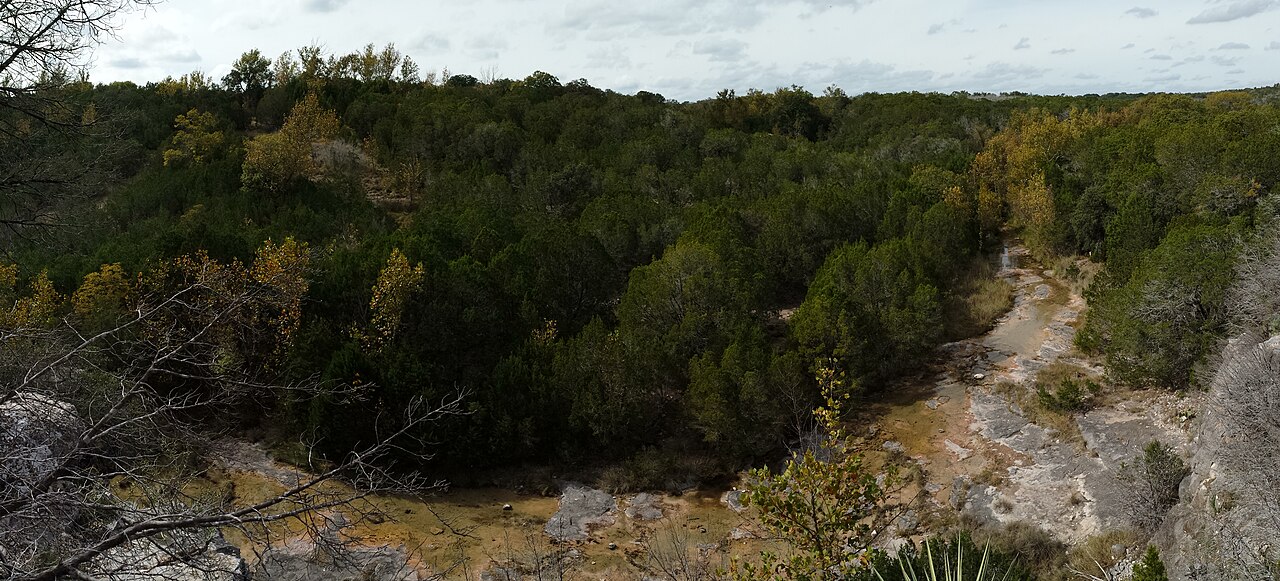
Clairissa Simmons, Spicewood Springs Trail, CC BY 4.0
Colorado Bend State Park is better known than some places on this list, but it still deserves more fall attention, especially from travelers who usually think of Hill Country trips in terms of rivers and small towns.
The park sits about two hours northwest of Austin and offers a wilder outdoor experience. Texas Parks and Wildlife highlights Gorman Falls, Spicewood Springs, fishing, paddling, cave tours, and 35 miles of hike and bike trails.
Fall is one of the best times to enjoy Colorado Bend because many of its activities involve movement. Hiking to Gorman Falls, exploring trails, paddling the river, or joining a cave tour all feel better when the weather cools down.
The park’s terrain also adds variety. Visitors can move from river areas to rocky trails to spring-fed water features. It feels less manicured than many popular parks, which is part of its charm.
Colorado Bend deserves more attention from fall travelers who want a more active trip. It is a good fit for people who want hiking, water, and rugged scenery in one place.
Garner State Park Beyond Summer
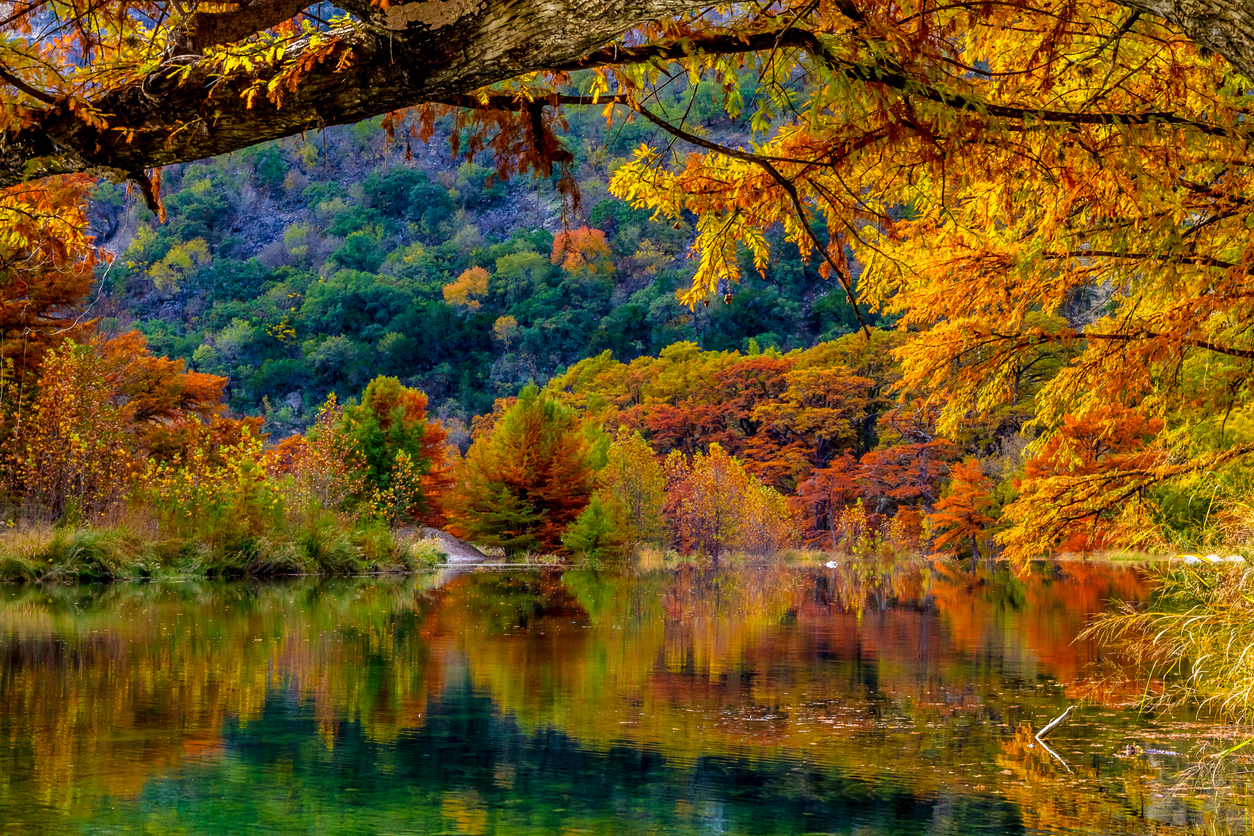
Garner State Park is famous for summer trips on the Frio River, but fall gives visitors a different version of the park. The crowds often feel more manageable, the weather is easier for hiking, and the Hill Country scenery takes on a calmer mood.
Texas Parks and Wildlife says Garner has 2.9 miles of the Frio River winding through 1,774 acres, along with 16 miles of scenic trails. Visitors can swim, float, paddle, hike, camp, picnic, fish, bike, and more.
In summer, Garner is often about the river. In fall, the trails become a bigger part of the experience. Cooler days make climbs and scenic walks more appealing. The Frio still adds beauty, even when visitors are less focused on swimming.
Garner deserves more fall attention because many people mentally file it away as a hot-weather destination. Autumn shows a slower, more scenic side of the park.
Lost Maples State Natural Area, With a Smarter Plan
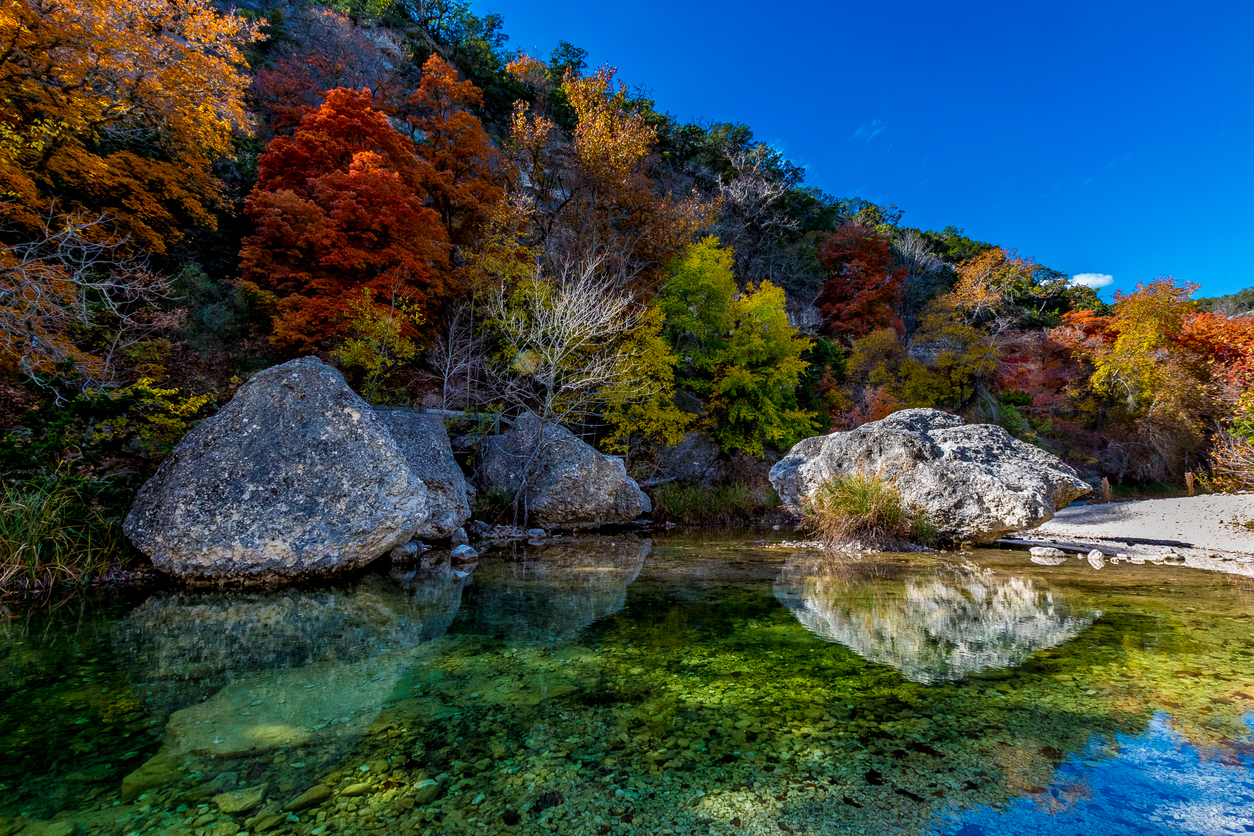
Lost Maples is not exactly overlooked. It is one of the most famous fall foliage spots in Texas. Still, it belongs in this discussion because many visitors only think of it during peak leaf season, then overlook its broader fall value.
Texas Parks and Wildlife notes that Lost Maples protects a special stand of Uvalde bigtooth maples, which can show spectacular fall color. The agency also says the fall display varies with weather and advises visitors to check the Fall Foliage report starting in mid-October.
The key is to plan wisely. Weekends during peak color can get busy. A weekday visit, an early start, or a trip just before or after peak color can still be rewarding.
Lost Maples also offers more than leaves. It has steep canyon walls, the Sabinal River, hiking, birding, camping, backpacking, stargazing, and geocaching.
It deserves a fresh look because visitors often treat it as a quick photo stop. It is better understood as a rugged natural area with seasonal color as one part of the experience.
Why Fall Works So Well in Texas
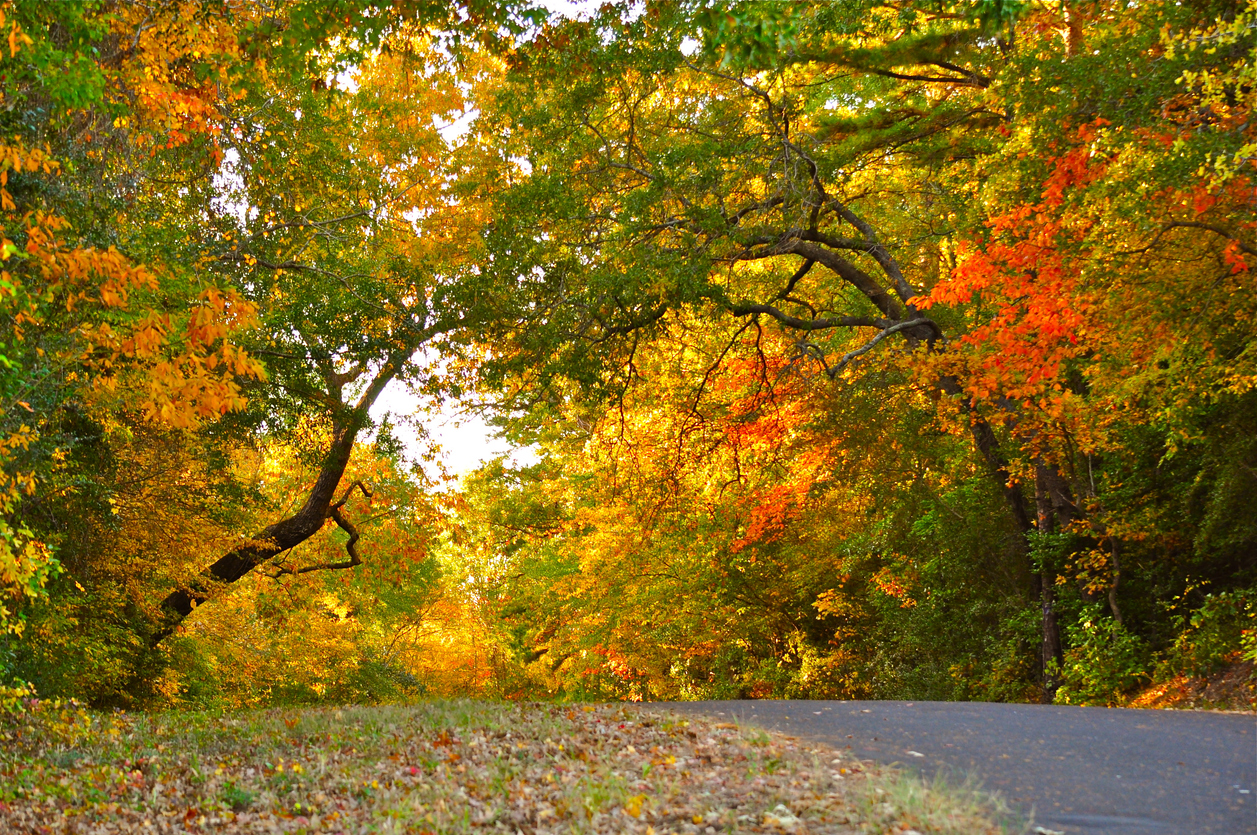
Fall outdoor travel in Texas works because the state changes in several ways at once. The heat becomes less intense. Trails become more comfortable. Rivers and lakes take on a quieter feel. Wildlife patterns shift. Forested areas in East Texas and parts of the Hill Country begin showing seasonal color.
Texas Parks and Wildlife has noted that peak fall foliage in Texas begins in October and usually lasts into December, depending on weather and falling temperatures. That longer window gives travelers more flexibility than many expect.
The best fall destination depends on what kind of trip you want. For color, Daingerfield and Lost Maples are strong choices. For paddling, Caddo Lake stands out. For wildlife, South Llano River and Caprock Canyons are especially interesting. For hiking and variety, Colorado Bend and Garner offer plenty to do.
Tips for Planning a Better Fall Outdoor Trip
Fall travel in Texas is easier when you plan around local conditions. Weather can shift quickly. Some parks require or strongly encourage reservations, especially during popular weekends. Trail conditions, river levels, burn bans, and park alerts can also change.
Before heading out, check the official park page for current alerts, day-use availability, fees, and trail updates. Bring water even when the forecast looks mild. Texas fall days can still get warm, especially in exposed areas.
It also helps to start early. Morning light is better for photos, wildlife is often more active, and parking is usually easier. For places known for fall color, weekday visits can make the experience much more relaxed.
Final Thoughts
Texas fall travel does not need to revolve around the same familiar names. The state has forest lakes, cypress bayous, canyon trails, quiet rivers, historic parks, and rugged Hill Country landscapes that all feel especially rewarding once the weather cools.
Daingerfield, Caddo Lake, Caprock Canyons, South Llano River, Mission Tejas, Colorado Bend, Garner, and Lost Maples each show a different side of the season. Some are colorful. Some are peaceful. Some are wild and wide open.
Together, they prove that fall in Texas is worth planning for. You only need to pick the setting that fits your mood, check the latest park details, and give yourself enough time to slow down once you get there.