
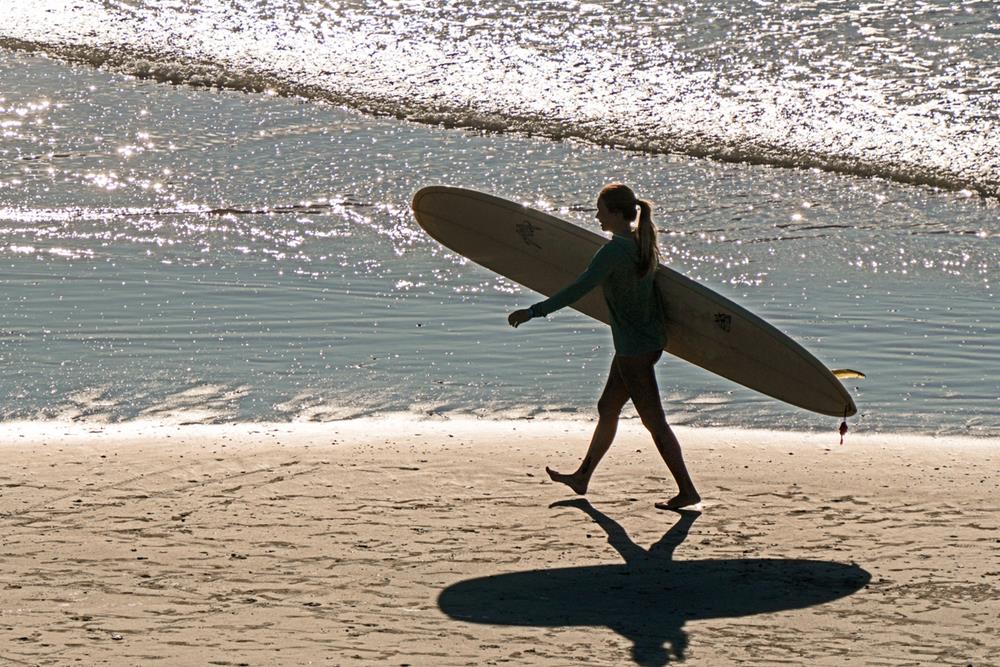
When people talk about surfing in Texas, the reaction is often a raised eyebrow. Texas does not have the towering reef breaks of Hawaii or the cold-water drama of the Pacific Northwest. What it does have is something different. The Texas Gulf Coast offers accessible waves, a long season, friendly lineups, and a surf culture that feels relaxed and welcoming.
Surfing here is tied closely to the seasons. Wind patterns shift, water temperatures rise and fall, and storms change how sandbars shape the waves. Knowing when to go matters just as much as knowing where to paddle out. Some spots shine in summer, others come alive during fall swells, and a few reward surfers who brave winter conditions.
This guide looks at the best seasonal surf spots along the Texas Gulf Coast, from spring through winter. Whether you are new to surfing or have years of saltwater under your board, timing your trip with the season can make all the difference.
Spring Surfing on the Texas Gulf Coast
Spring is when many Texas surfers start paying close attention to the forecast again. The water begins to warm, wetsuits get thinner, and the coast shakes off winter’s quieter rhythm.
Spring swells usually come from changing weather systems in the Gulf. Cold fronts become less intense but still strong enough to generate rideable waves. Winds can be tricky, so early mornings are often the best bet.
Surfside Beach

Surfside Beach sits south of Galveston and is a favorite for spring sessions. The area benefits from jetties that help shape incoming swells, creating cleaner peaks than many open beach breaks.
Spring brings manageable waves here, which makes Surfside a solid choice for beginners and intermediate surfers. On a good day, the sandbars line up nicely and offer long, forgiving rides. Crowds tend to be light outside of holiday weekends, which adds to the appeal.
Surfside also has a laid-back local vibe. You will see a mix of longboards and shortboards in the water, along with surfers who are happy to share waves.
Galveston Island State Park
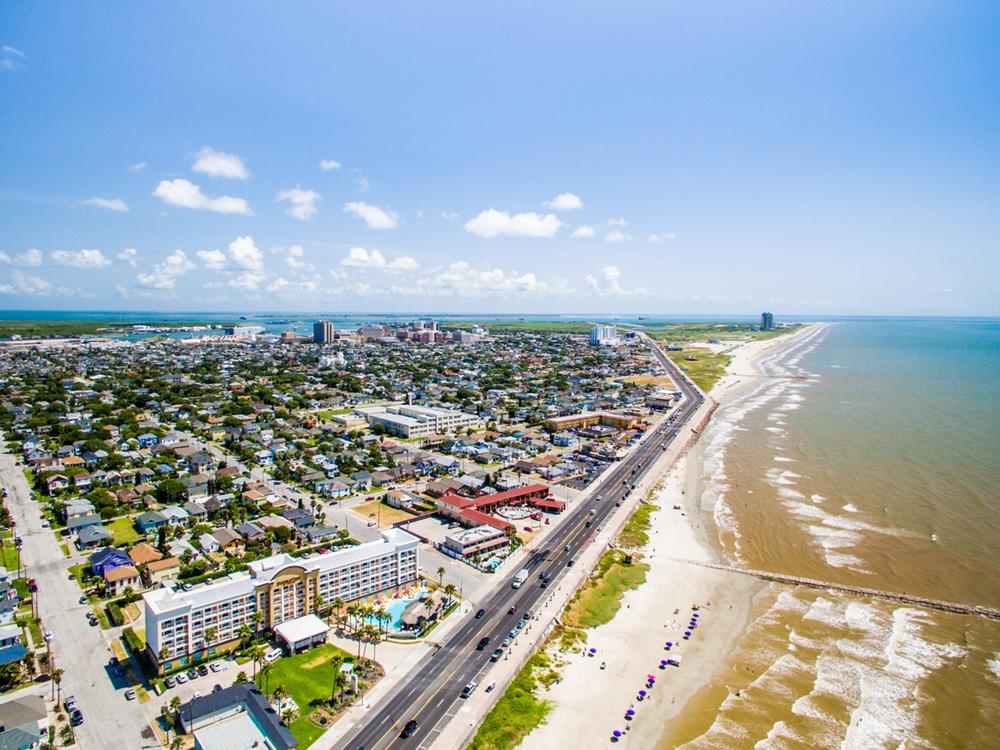
Galveston Island State Park is another spring standout. The park offers access to both the Gulf side and the bay side, but surfers focus on the Gulf beaches when swells roll through.
Spring winds often cooperate here, especially during the morning. The beaches are less developed, which allows sandbars to form naturally. This can lead to surprisingly clean waves after a front passes.
The setting is a bonus. Dunes, open space, and fewer buildings make it feel removed from city life, even though Galveston is nearby. It is a good spot for surfers who want consistency without heavy crowds.
Summer Surf Spots for Easygoing Sessions
Summer is the peak beach season in Texas. Families fill the shoreline, water temperatures rise into the upper seventies or low eighties, and surfers adjust expectations.
Summer waves are typically smaller and softer. That does not mean there is no surfing to be had. It simply shifts the focus toward longboarding, fun shapes, and relaxed sessions.
Port Aransas
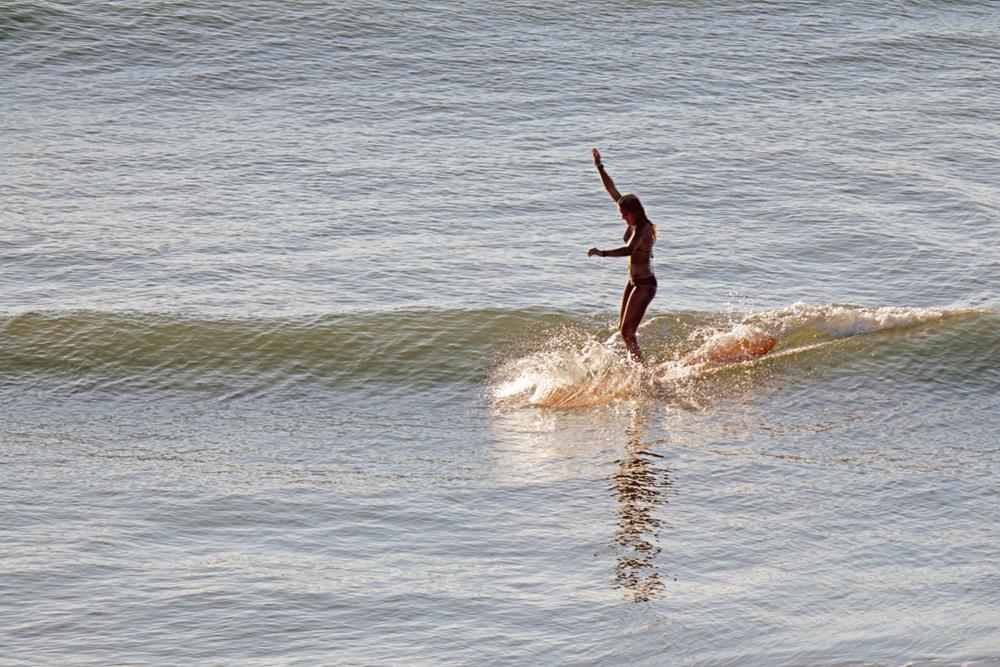
Port Aransas is one of the most popular surf towns on the Texas coast, and summer is when it truly comes alive. Located on Mustang Island, Port A offers miles of sandy beach and plenty of access points.
Summer swells here are usually modest, which makes it a great spot for beginners learning to read waves and pop up consistently. Longboarders love Port Aransas during this time, especially during early mornings when the wind is calm.
The town itself adds to the experience. Surf shops, taco spots, and beach rentals create a classic surf town feel. It is easy to spend the morning in the water and the afternoon relaxing on the sand.
North Padre Island
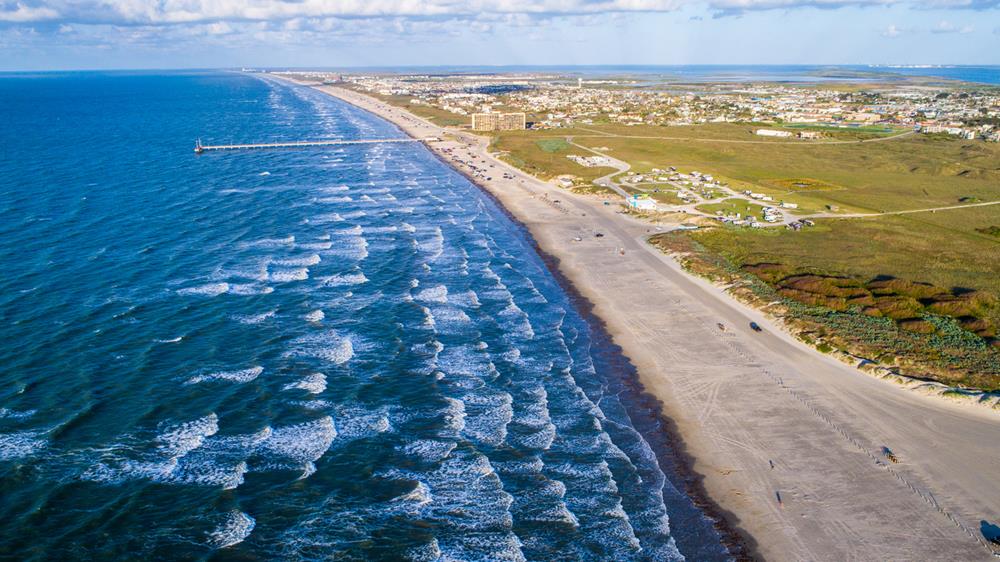
North Padre Island stretches south of Corpus Christi and offers quieter beaches compared to some nearby areas. Summer conditions here are mellow and predictable.
This is a good place to experiment with different boards or focus on technique rather than chasing big waves. The wide beaches help disperse crowds, and there is plenty of room to find a peak to yourself.
North Padre also benefits from consistent warm water, making it ideal for long sessions without worrying about wetsuits. It is surfing at its most casual, which fits summer perfectly.
Fall Brings the Best Waves of the Year
Ask most Texas surfers about their favorite season, and fall usually tops the list. This is when the Gulf starts delivering more powerful and organized swells. Cold fronts return, hurricanes in the Gulf or Atlantic send long-period waves, and wind patterns improve.
Water temperatures remain comfortable well into October and often November. Crowds thin out as beach season winds down, creating ideal conditions both in and out of the water.
Bob Hall Pier
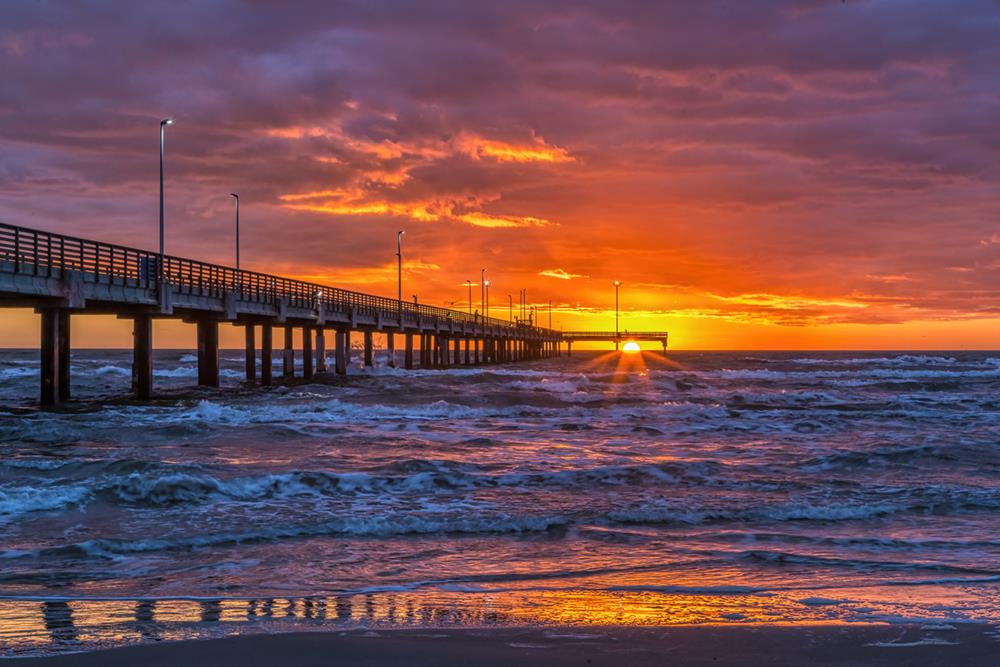
Bob Hall Pier near Corpus Christi is legendary in Texas surf culture. Fall is when it earns that reputation.
The pier structure helps shape incoming swells, creating defined peaks that can handle more size than typical beach breaks. During fall swells, Bob Hall can offer fast, hollow waves that challenge even experienced surfers.
This spot attracts skilled surfers when conditions are right, but it remains welcoming. Respect in the lineup goes a long way here. Watching the waves break around the pier can be just as enjoyable as riding them.
Bob Hall also handles hurricane swells well. When storms pass through the Gulf, this is often one of the first places surfers check.
Surfside Jetty
Surfside makes another appearance in fall, and for good reason. The jetty setup shines when stronger swells arrive.
Fall brings more power, and Surfside’s jetties help control that energy. Waves here can be longer and more predictable, offering rides that feel closer to classic point break style surfing, even though it is still a jetty break.
This spot works for a range of board types during fall. Shortboards come out on bigger days, while longboards still have a place when conditions mellow. The combination of quality waves and fewer crowds makes Surfside a fall favorite.
Winter Surfing for Dedicated Wave Hunters
Winter surfing along the Texas Gulf Coast is not for everyone, but those who commit are often rewarded. Cold fronts move through regularly, generating consistent swell. Winds can be strong, and water temperatures drop, but wave quality often improves.
Winter sessions require preparation. Wetsuits become necessary, and checking wind direction matters more than ever. The payoff is cleaner, punchier waves and quiet beaches.
Matagorda Beach

Matagorda Beach sits farther south and feels more remote than many Texas surf spots. In winter, that remoteness becomes part of its appeal.
Cold fronts generate solid waves here, especially when winds line up just right. The beach is long and open, allowing sandbars to shift and create quality peaks. On good days, you might have waves almost entirely to yourself.
Matagorda suits surfers who enjoy a bit of adventure. There are fewer amenities nearby, so planning ahead is important. The reward is uncrowded surf and a sense of discovery that is harder to find elsewhere.
San Jose Island
San Jose Island is accessible by boat from Port Aransas and offers a more isolated winter surf experience. The island is undeveloped, which allows natural sandbar formation to take center stage.
Winter swells can wrap into the island cleanly, producing fun, rideable waves with minimal interference. Wind protection varies, so timing matters.
Because access requires extra effort, crowds are usually minimal. This spot is best for experienced surfers who are comfortable navigating changing conditions and planning logistics. When everything lines up, San Jose Island delivers a memorable winter session.
Understanding Gulf Conditions and Timing
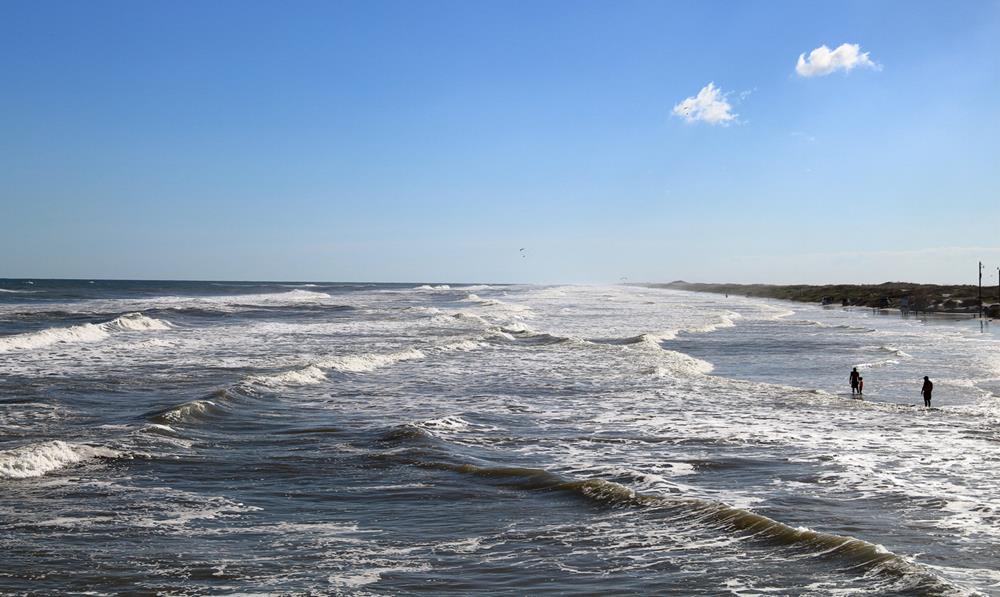
Surfing the Texas Gulf Coast is as much about reading conditions as choosing a spot. Wind direction often matters more than swell size. Offshore winds clean up waves quickly, while onshore winds can turn promising swells into choppy messes.
Tides also play a role. Many Texas beach breaks work best on a rising tide, which helps waves stand up without closing out. Learning how each spot responds to tide changes takes time, but it pays off.
Storm systems are another key factor. Fall hurricanes and winter cold fronts are responsible for many of the best surf days each year. Keeping an eye on weather patterns can help you plan sessions days or even weeks in advance.
Choosing the Right Season for Your Style
Every season offers something different along the Gulf. Spring is about easing back into the water and enjoying manageable waves. Summer favors longboards and relaxed sessions. Fall delivers the most consistent and exciting surf. Winter rewards those willing to brave cooler temperatures for quality waves.
Matching your expectations to the season helps ensure a good experience. Texas may not offer constant surf, but when conditions align, the Gulf delivers moments that keep surfers coming back.
Final Thoughts
Surfing along the Texas Gulf Coast is about timing, adaptability, and appreciation for what the region offers. From the welcoming waves of Port Aransas in summer to the powerful fall peaks at Bob Hall Pier, each season highlights a different side of Gulf surfing.
The best seasonal surf spots along the Gulf are not just about wave height or fame. They are about understanding the rhythm of the coast and showing up when the conditions are right. For those willing to learn that rhythm, Texas surfing offers a rewarding and uniquely friendly experience that feels right at home along the Gulf.