
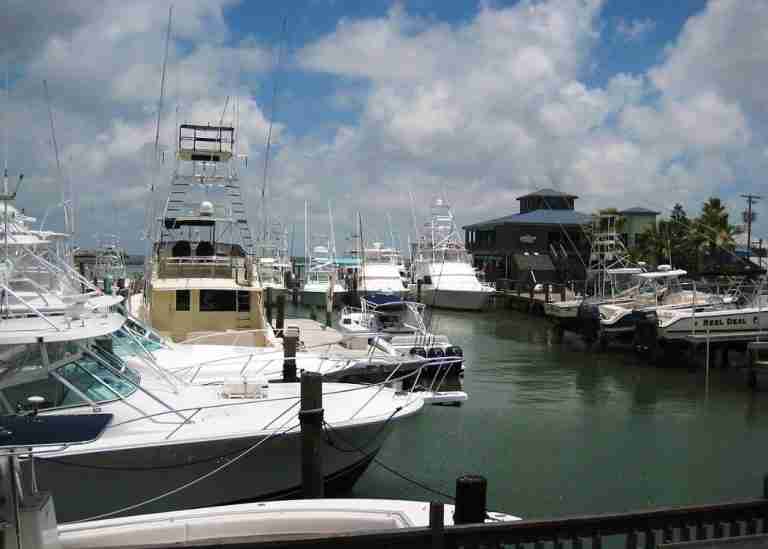
Port Aransas, often called “Port A,” is a scenic coastal town located on Mustang Island along the Texas Gulf Coast. The island stretches for about 18 miles, and Port Aransas stands as its only incorporated community. Known for its relaxed atmosphere, sandy beaches, and thriving marine life, the town attracts visitors year-round who come for fishing, birdwatching, and outdoor recreation.
History
The area’s history dates back to the early 19th century when pirate activity was rumored along the Gulf Coast. Local lore suggests that the French pirate Jean Lafitte and his crew used Mustang Island as a temporary haven. While the stories remain part of regional legend rather than documented fact, they add to the character of the town. Port Aransas later developed as a small fishing village and port community. Its name originated from “Ropesville” and “Tarpon,” references to early settlers and the abundance of tarpon fish in local waters.
In 1941, the University of Texas established the Marine Science Institute in Port Aransas. The facility became a cornerstone for oceanographic and ecological research in the Gulf of Mexico. Over the decades, it has grown into a respected research center dedicated to studying marine environments and coastal sustainability.
Nature and Wildlife
Port Aransas sits within a dynamic coastal ecosystem, home to a wide variety of birds, fish, and marine species. The town is located along the Central Flyway, a major migratory route for birds traveling between North and South America. This makes it a prime destination for birdwatchers, especially during the spring and fall migrations. Visitors can observe species such as roseate spoonbills, herons, pelicans, and whooping cranes.
The town manages several nature preserves that offer walking and biking trails through marshes and wetlands. Sites like the Leonabelle Turnbull Birding Center, Charlie’s Pasture, Joan and Scott Holt Paradise Pond, and the Port Aransas Wetland Park provide peaceful spaces for observing wildlife. Elevated boardwalks and viewing platforms allow visitors to enjoy panoramic views of the coastal habitat.
Recreation and Coastal Life
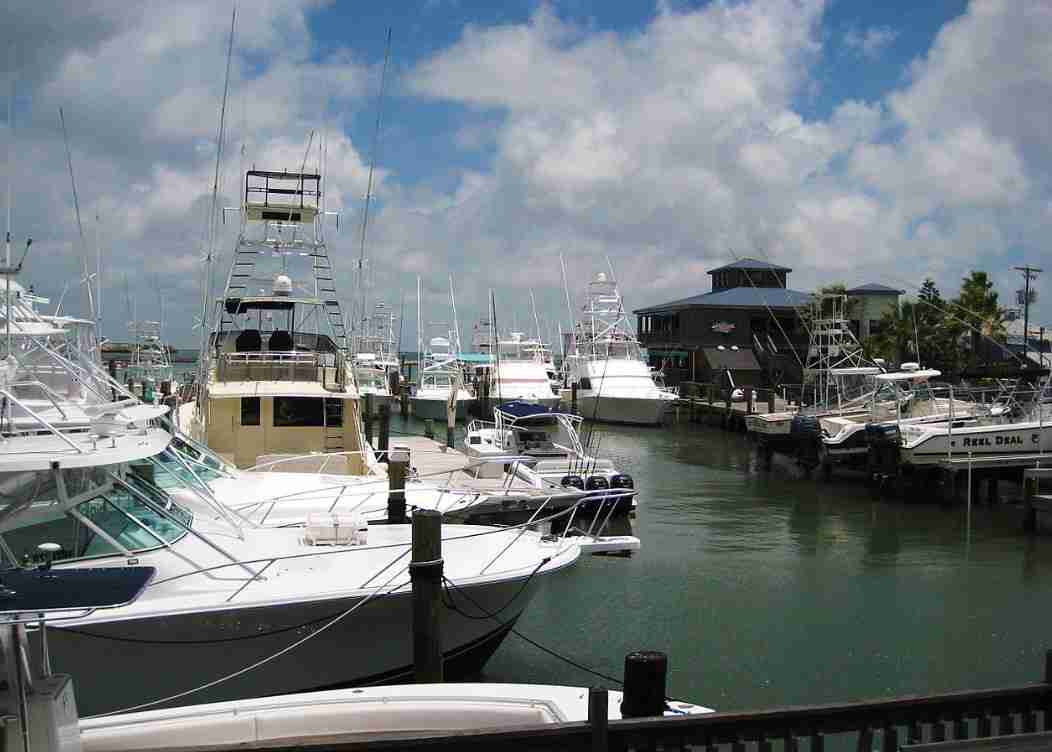
Port Aransas has long been recognized for its connection to the sea. Officially designated the “Fishing Capital of Texas,” it hosts numerous fishing tournaments each year that draw anglers from across the country. Deep-sea, bay, and surf fishing opportunities are abundant, with local charter services offering guided trips for novices and seasoned fishermen alike.
The town’s beaches are ideal for swimming, beachcombing, and family gatherings. The local harbor serves as a hub for boating and sailing, while the nearby Mustang Island State Park provides additional outdoor opportunities for camping and kayaking. Visitors also enjoy community events such as the annual SandFest, a sand-sculpting competition that celebrates the town’s coastal culture.
Modern Charm
Despite its small size, Port Aransas balances tourism and tradition with care. Its local shops, seafood restaurants, and art galleries contribute to a welcoming, small-town feel. The influence of marine research, fishing heritage, and natural beauty has shaped Port Aransas into one of Texas’s most distinctive coastal destinations.
Photos:
Port Aransas
Map:
Sorry, no records were found. Please adjust your search criteria and try again.
Sorry, unable to load the Maps API.
Texas
Texas
78373
United States
Yes, pets are welcome in many areas of Port Aransas, including certain beaches and parks. However, it's essential to check specific regulations for each area and ensure pets are leashed and cleaned up after.
-
Beachcombing and Sunbathing: Enjoy the expansive sandy shores and warm Gulf waters.
-
Fishing: Opportunities range from pier fishing to deep-sea charters.
-
Birdwatching: Explore various birding sites, especially during migration seasons.
-
Water Sports: Engage in kayaking, paddleboarding, and jet-skiing.
-
Golfing: Play a round at the local golf courses with scenic views.
-
Accommodations: A variety of lodging options, including hotels, vacation rentals, and campgrounds.
-
Dining: Numerous restaurants offering fresh seafood and diverse cuisines.
-
Shopping: Boutiques, souvenir shops, and art galleries.
-
Public Facilities: Restrooms, showers, and picnic areas are available at various beach access points.