
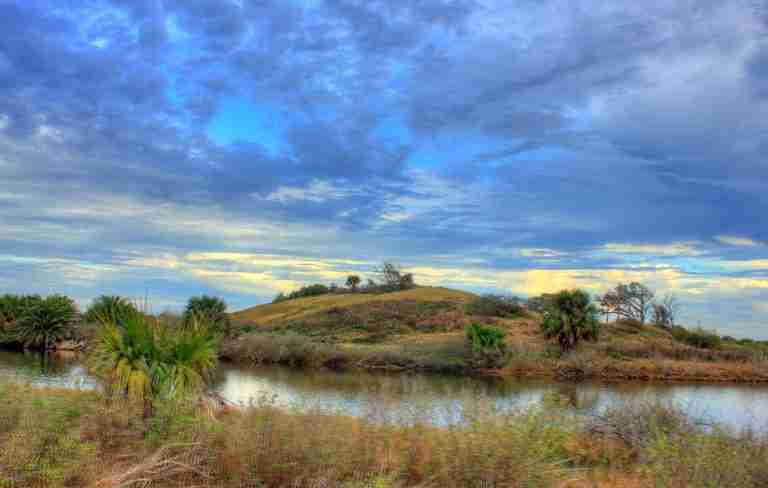
Galveston Island State Park sits on the western end of Galveston Island and offers a well-defined system of paddling routes on the bay side of the park. These waters include marshes, bayous, and shallow coastal zones shaped by wind, tide, and long-term habitat restoration. The area features seagrass beds, mudflats, and salt marshes that support fish nurseries and a wide range of coastal bird species. Conditions on the bay side tend to be calmer, thanks in part to protective structures such as geo-textile breakwaters installed in areas like Dana Cove to help restore and preserve natural habitats.
Trail System
The park maintains three designated paddling trails that vary in distance and difficulty. The Dana Cove route covers roughly 2.6 to 2.8 miles depending on the exact turn points used. It runs through an area where restoration projects have allowed seagrass to return, creating a productive habitat for marine life. The Oak Bayou trail spans roughly 4.8 to 5.4 miles based on route variations. It passes through wider bay waters and marsh zones that offer open views and frequent sightings of coastal birds. The Jenkins Bayou route covers about 2.8 to 3.3 miles and features winding passages through marsh channels with a landscape shaped by tidal flow. All three trails use established markers, and the park categorizes them from moderate to challenging depending on weather, water level, and paddling experience.
Wildlife and Habitats
The paddling trails pass through areas known for high wildlife activity. The restored seagrass beds and marshes function as feeding grounds for fish, crabs, and shorebirds. Seasonal migrations bring a wide range of bird species through the park, making the routes popular with paddlers who enjoy wildlife viewing. The shallow waters and natural shoreline also support wading birds, raptors, and smaller species that frequent coastal wetlands. These ecosystems shift throughout the year, offering different viewing experiences across seasons.
Cultural Background
The region around Galveston Bay has a long human history. Indigenous peoples, including the Karankawa, lived along the Texas Gulf Coast for centuries. They traveled through coastal waters in dugout canoes and used the bays, marshes, and nearby shorelines as part of their seasonal movement and subsistence patterns. While modern paddling trails are contemporary routes created for recreation, the broader setting reflects waterways that once supported Indigenous life along the coast.
Photos:
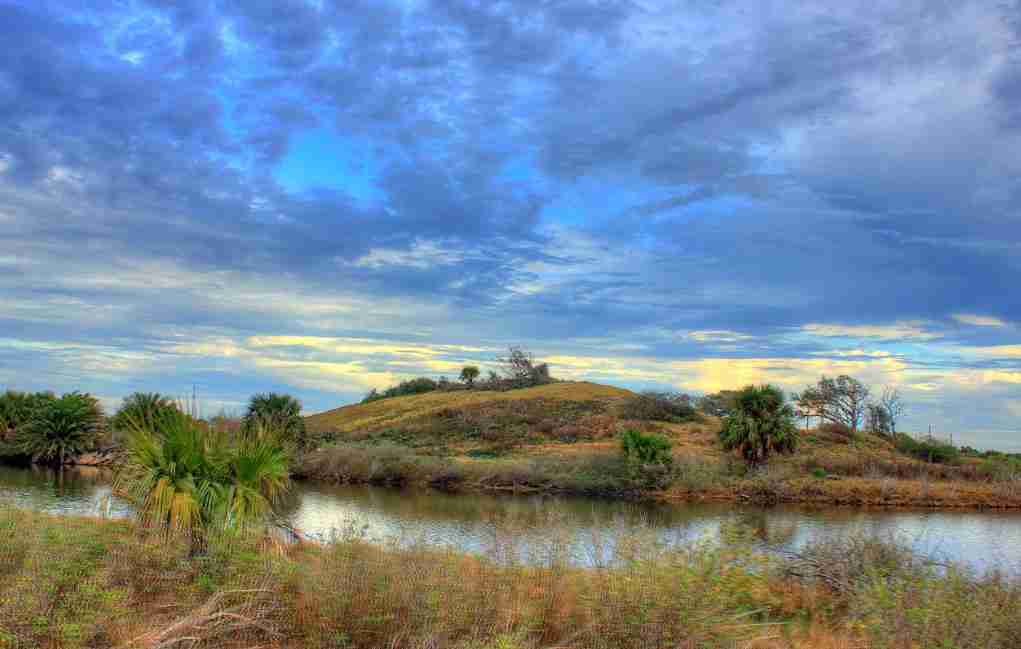
Galveston Island State Park Paddling Trail
Map:
Sorry, no records were found. Please adjust your search criteria and try again.
Sorry, unable to load the Maps API.
Galveston
Texas
77554
United States
- General Areas: The park offers three paddling trails ranging from 2.6 to 4.8 miles, traversing various habitats.
- Guidelines: Pets are allowed in most outdoor areas of Galveston Island State Park, including the paddling trails. They must be on a leash no longer than six feet and under control at all times. Pets are not permitted inside any park buildings. Owners should be mindful of local wildlife and ensure pets do not disturb the natural environment.
-
Paddling: Explore the park's three paddling trails, suitable for various skill levels, offering opportunities to observe coastal wildlife and scenic vistas.
-
Fishing: Anglers can fish in both bay and surf waters, with common catches including redfish, speckled trout, and flounder.
-
Hiking and Biking: The park offers several trails for hiking and biking, allowing visitors to explore different habitats and observe local flora and fauna.
-
Birdwatching: With its diverse ecosystems, the park is a haven for birdwatchers, especially during migration seasons.
-
Kayak Launch Sites: Designated areas provide convenient access to the paddling trails.
-
Camping Facilities: The park offers campsites with varying amenities, including sites with electricity and water hookups.
-
Restrooms and Showers: Facilities are available throughout the park for visitor convenience.
-
Observation Tower: Provides panoramic views of the park and surrounding areas, ideal for wildlife observation and photography.