

Texas is known for wide-open spaces, ranch roads, big skies, and rugged landscapes. But many Texans live in busy cities where highways, office buildings, shopping centers, and neighborhoods fill the view. That does not mean nature is far away.
Across Texas, urban residents are finding ways to stay connected to the outdoors through hiking trails near major cities. From shaded creek paths in Austin to bayou trails in Houston and rocky overlooks near San Antonio, city dwellers have more access to nature than many people realize.
Hiking near Texas cities offers fresh air, exercise, stress relief, and a deeper appreciation for the state’s natural beauty. It also shows how urban life and outdoor living can work together.
Why Hiking Matters to Urban Texans
City life can be fast-paced. Traffic, crowded schedules, screen time, and long workdays can make people feel disconnected from the natural world. Hiking gives urban Texans a way to slow down without having to travel far.
A walk along a trail can change the pace of an entire day. The sound of birds, the shade of oak trees, the smell of cedar, or the sight of a creek can make a city feel less overwhelming.
For many people, hiking is also one of the easiest outdoor activities to start. It does not require expensive gear or advanced training. A good pair of shoes, water, sun protection, and a safe trail are usually enough for a beginner.
Hiking also supports physical and mental health. It improves endurance, strengthens muscles, and encourages time away from screens. For families, it creates a simple way to spend time together. For solo hikers, it can offer quiet and reflection.
Austin: Trails in the Heart of the Hill Country
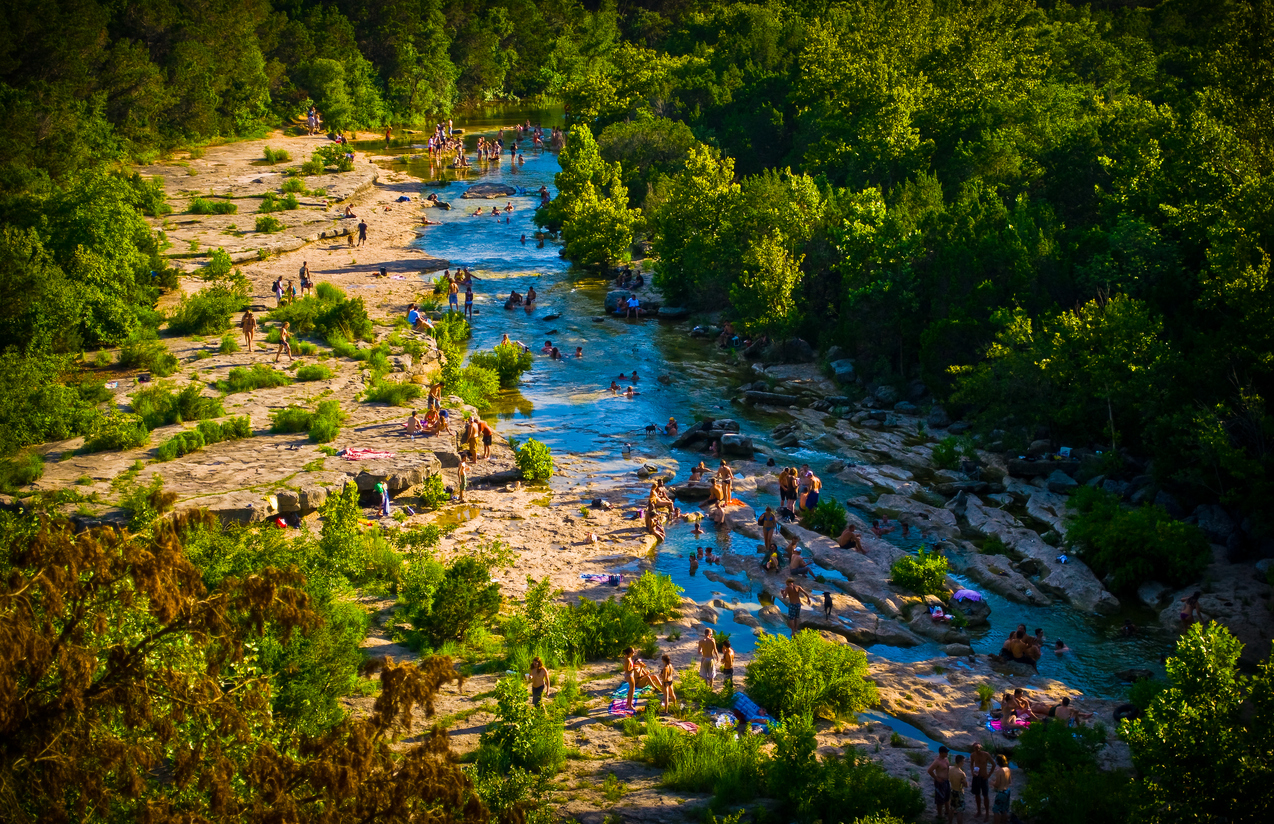
Austin is one of the best-known Texas cities for urban hiking. The city sits near the edge of the Hill Country, giving residents access to limestone cliffs, greenbelts, creeks, and wooded paths.
One of Austin’s most popular outdoor areas is the Barton Creek Greenbelt. It stretches through parts of the city and includes rocky trails, swimming spots when water levels are high, and shaded sections that feel far removed from traffic.
The Ann and Roy Butler Hike-and-Bike Trail around Lady Bird Lake is another favorite. It offers skyline views, water views, and a steady flow of walkers, runners, cyclists, and families. This trail shows how nature can become part of daily city life.
Austin hikers also enjoy places like Mount Bonnell, McKinney Falls State Park, Walnut Creek Metropolitan Park, and River Place Nature Trail. Each one offers a different experience, from short scenic climbs to longer wooded routes.
What makes Austin special is how closely outdoor recreation is tied to the city’s identity. Hiking is not treated as a weekend-only activity. Many locals use trails before work, after school, or during lunch breaks.
San Antonio: History, Rivers, and Hill Country Edges
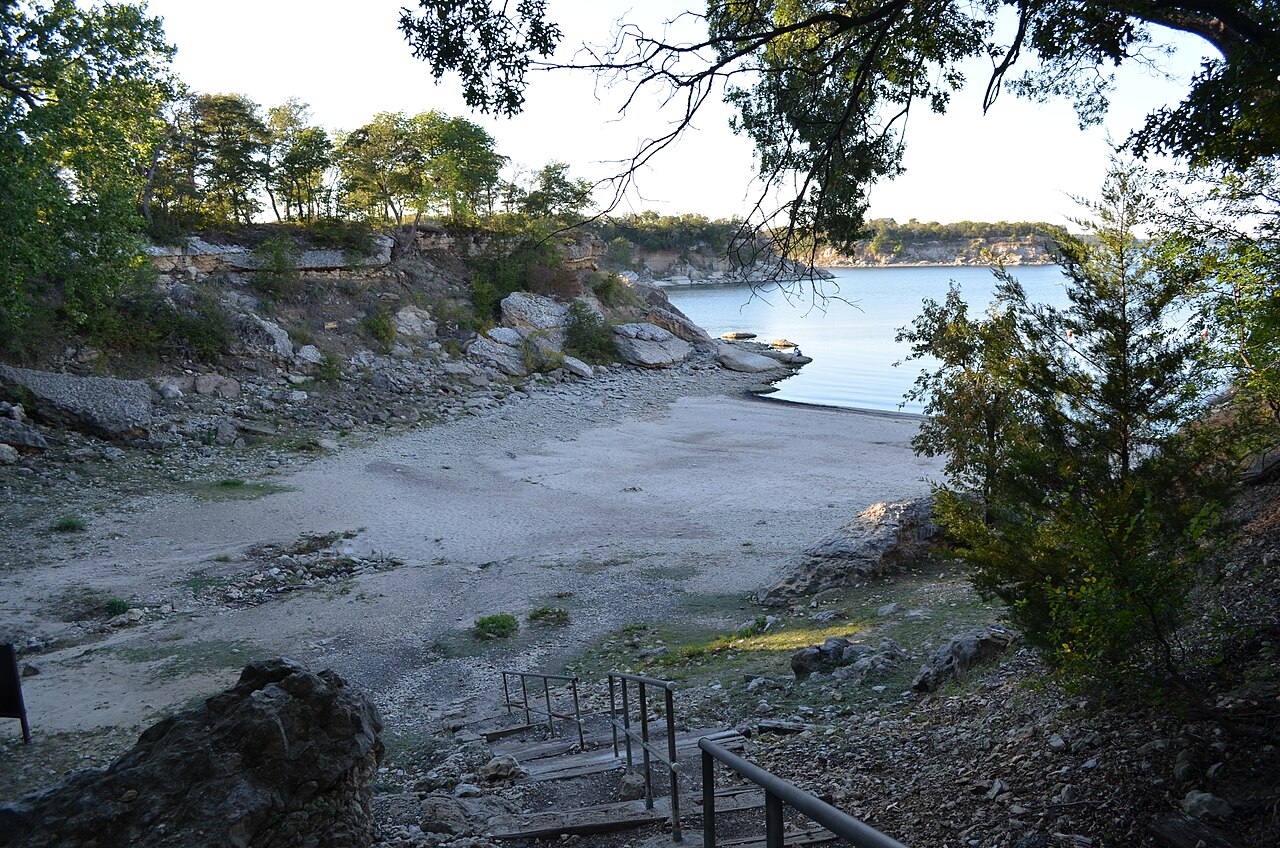
GrapevineTxOnline.com, Lake Texoma, Eisenhower State Park, CC BY 2.0
San Antonio blends city life, history, and nature in a way that feels distinct. The San Antonio River Walk may be famous for restaurants and downtown scenery, but the city also has a growing network of trails that reach beyond the tourist areas.
The Howard W. Peak Greenway Trails system is one of the city’s most important outdoor resources. It connects parks, neighborhoods, creeks, and natural spaces across many parts of San Antonio. For urban residents, this trail network makes hiking more accessible without requiring a long drive.
Eisenhower Park is another popular destination. Located near the northern edge of the city, it offers rocky paths, wooded trails, and views from higher elevations. The terrain gives hikers a taste of the Hill Country while still being close to town.
Friedrich Wilderness Park is especially valued by nature lovers. Its trails pass through protected habitat and offer a quieter hiking experience. The park is known for native plants, birds, and limestone features.
San Antonio’s hiking culture is shaped by both nature and history. Trails often pass near creeks, missions, historic corridors, and old travel routes. That makes outdoor walks feel connected to the story of the city itself.
Houston: Finding Nature in a Large, Flat City
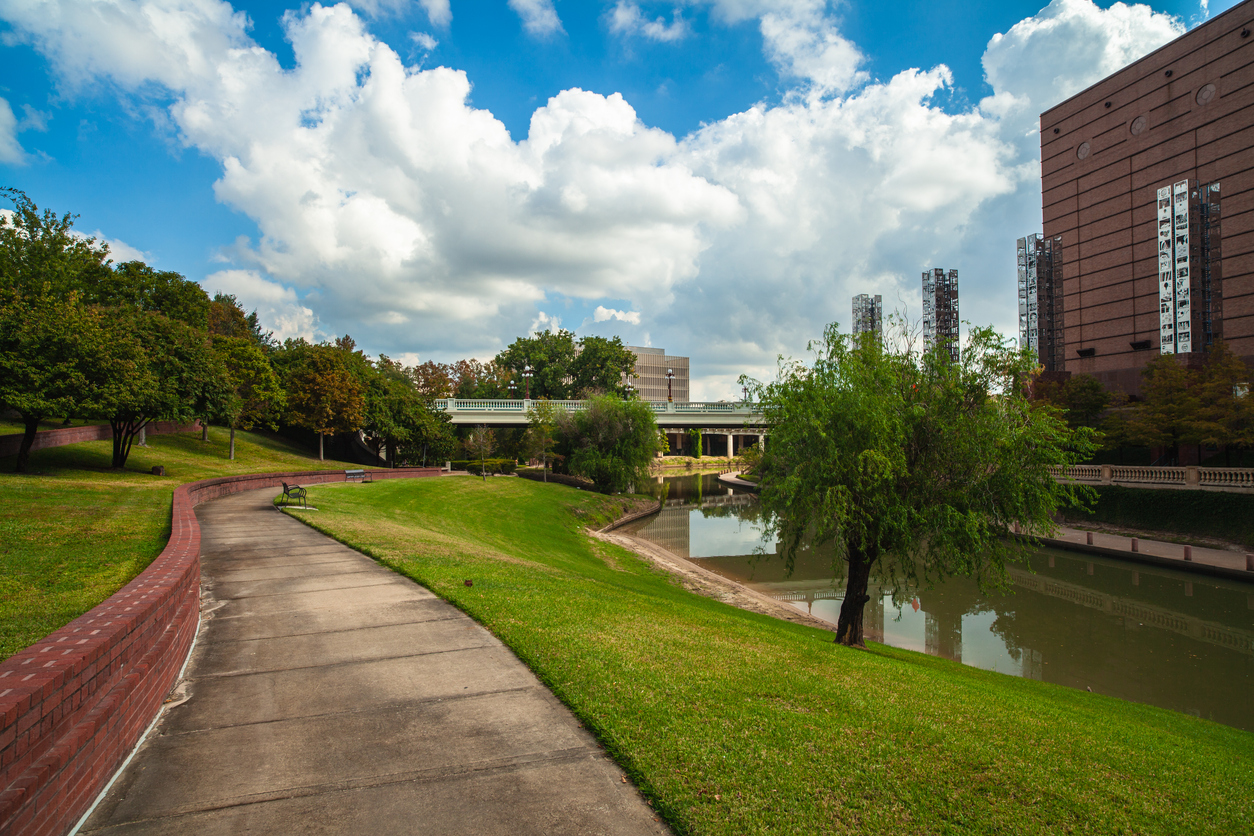
Houston may not have mountains or rocky cliffs, but it has an impressive network of parks, bayous, wetlands, and forested trails. The city’s hiking scene proves that nature does not have to be dramatic to be meaningful.
Buffalo Bayou Park is one of Houston’s best urban outdoor spaces. Its trails provide skyline views, open lawns, public art, and water scenery. For people who live or work near downtown, it offers a convenient way to get outside.
Memorial Park is another major destination. It has wooded trails, fitness routes, and natural areas that give Houstonians a break from the city’s busy roads. The park is large enough to feel immersive, even though it sits within the urban area.
For hikers who want a wilder experience, the Houston Arboretum and Nature Center provides trails through forest, meadow, and wetland habitats. It is a reminder that Houston’s ecosystem is diverse and full of life.
Farther out, places like Brazos Bend State Park and the trails around Lake Houston offer more room to explore. These areas introduce hikers to wetlands, wildlife, cypress trees, and wide skies.
Houston’s trail culture is practical and resilient. The city has learned to value green spaces not only for recreation, but also for flood control, wildlife habitat, and community health.
Dallas and Fort Worth: Prairie, Lakes, and Urban Escapes
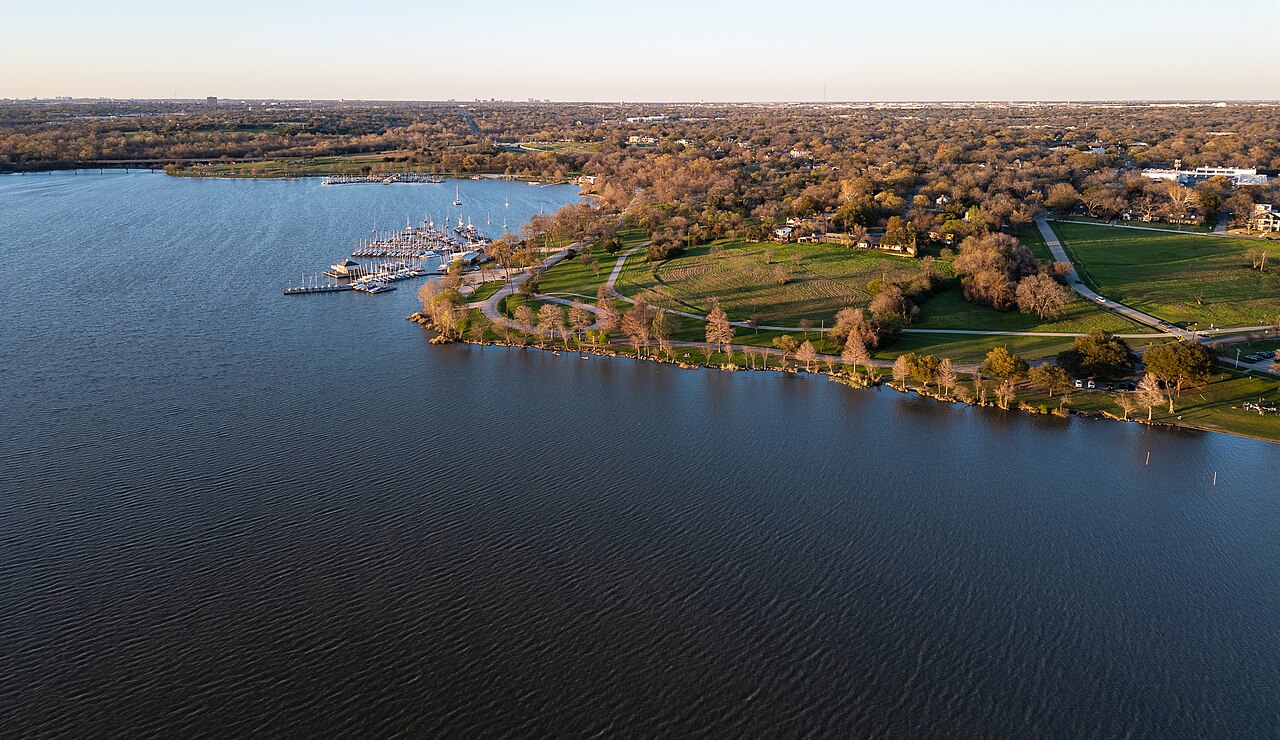
The Dallas-Fort Worth area is large, busy, and heavily developed, but it also has many places where residents can hike near water, prairies, forests, and limestone outcrops.
In Dallas, White Rock Lake is one of the most popular outdoor spaces. The trail around the lake draws walkers, runners, cyclists, birdwatchers, and families. It gives city residents a scenic place to move and relax without leaving town.
Cedar Ridge Preserve offers a more rugged hiking experience. Located southwest of downtown Dallas, it has elevation changes, wooded trails, and views that surprise many first-time visitors. It is one of the best examples of how North Texas hiking can feel challenging and scenic.
The Trinity River area also plays a major role in local outdoor recreation. Trails and natural spaces along the river give Dallas residents access to wetlands, open land, and wildlife habitat.
In Fort Worth, the Trinity Trails system connects neighborhoods, parks, and riverfront areas. It is useful for both recreation and transportation. Residents can walk, run, bike, or simply enjoy time outdoors along the river.
The Fort Worth Nature Center and Refuge offers a quieter experience with forests, prairie, wetlands, and lake views. It gives hikers a sense of what North Texas looked like before urban growth spread across the region.
El Paso: Desert Hiking Close to the City
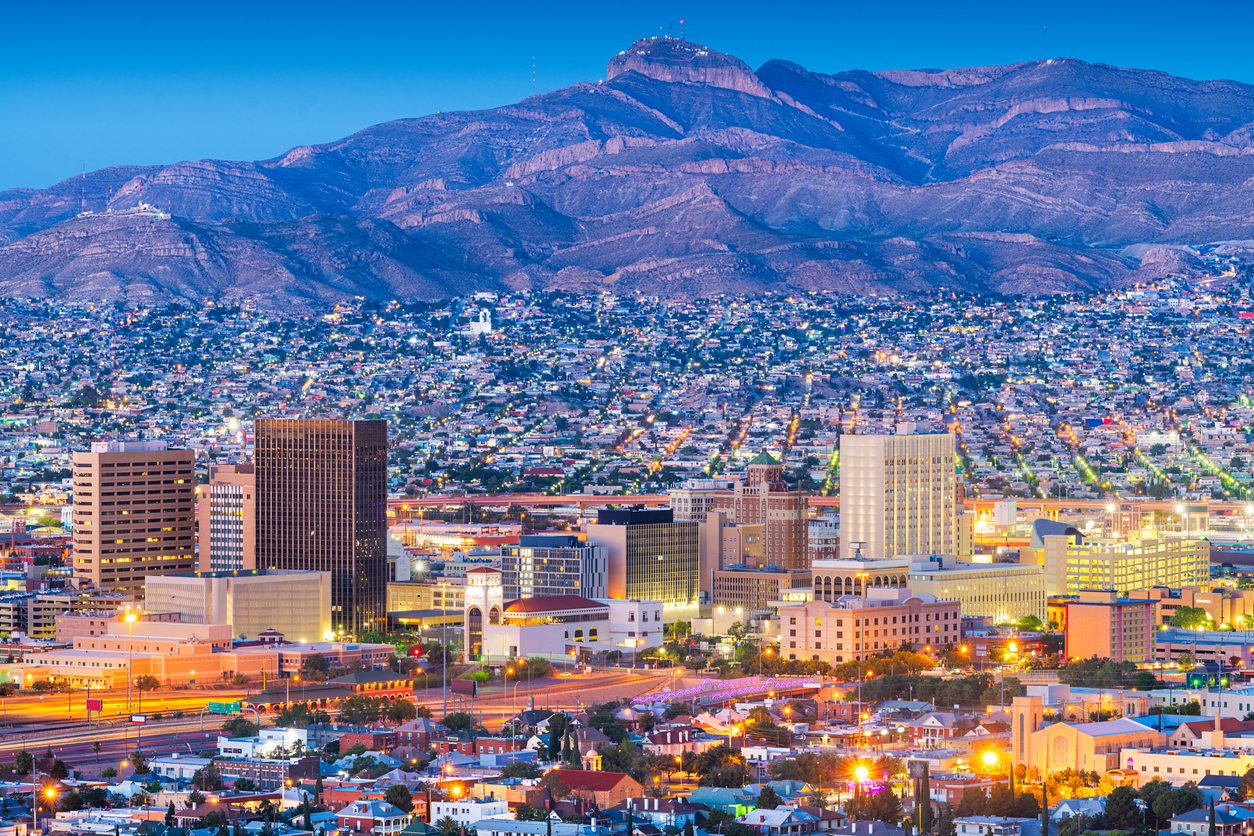
El Paso has one of the most striking urban hiking settings in Texas. The Franklin Mountains rise directly beside the city, creating a rugged desert backdrop that is impossible to ignore.
Franklin Mountains State Park is one of the largest urban parks in the United States. It gives residents access to desert trails, mountain views, rocky terrain, and challenging climbs close to home.
Hiking in El Paso feels different from hiking in East Texas or Central Texas. The landscape is drier, more open, and shaped by desert plants, stone, and sunlight. Trails often offer wide views of the city, the Rio Grande Valley, and nearby mountain ranges.
Popular hikes include routes to scenic overlooks, canyon areas, and ridgelines. Some trails are beginner-friendly, while others require more preparation and fitness.
El Paso hikers must pay close attention to heat, hydration, and sun exposure. The desert is beautiful, but it demands respect. For many locals, that respect becomes part of the outdoor culture.
Why Urban Trails Are Important
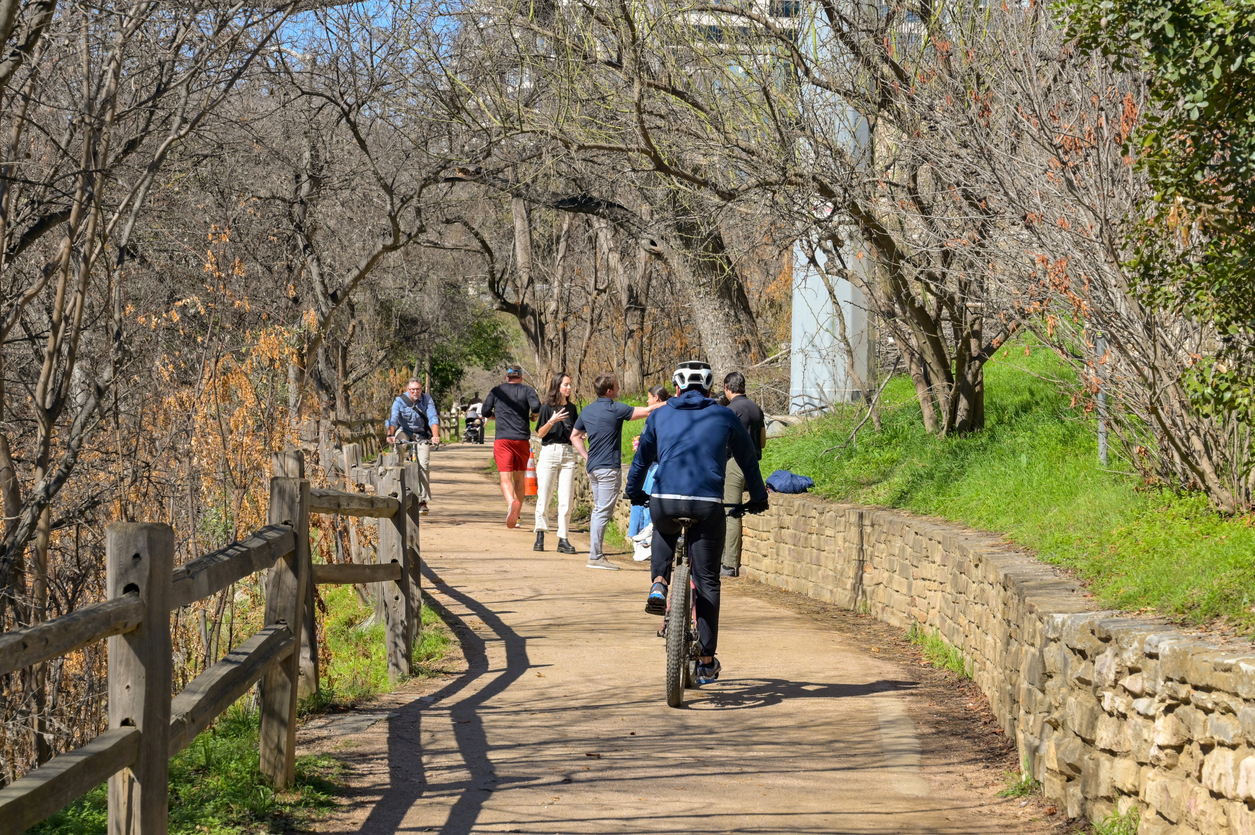
Urban trails do more than give people a place to walk. They improve quality of life in practical ways.
They help cities create healthier communities. When trails are close to neighborhoods, people are more likely to exercise regularly. Trails also give residents a free or low-cost way to spend time outside.
Green spaces support local wildlife. Even small urban parks can provide habitat for birds, insects, reptiles, and native plants. Larger trail systems can connect natural areas and allow wildlife to move more safely through developed regions.
Trails can also strengthen community identity. A city park, lake path, or greenbelt often becomes a shared gathering place. People meet friends there, bring their children, walk their dogs, or return to the same route year after year.
Urban hiking also teaches people to notice local nature. A person does not need to visit a remote national park to learn about ecosystems. A creek trail, prairie preserve, or wooded city park can reveal plenty about Texas plants, animals, weather, and geology.
Hiking as a Break from Technology
Modern life keeps many people connected to phones, computers, and constant updates. Hiking gives urban Texans a reason to step away from that pattern.
Even a short trail walk can reset attention. Instead of checking notifications, hikers notice trail markers, tree roots, bird calls, clouds, and changing light. That kind of awareness can feel refreshing after hours indoors.
Families also use hiking as a way to help children explore the outdoors. Kids can learn how to identify leaves, watch insects, spot animal tracks, or understand why staying on marked trails matters.
For adults, hiking can be a quiet personal habit. Some people use it for fitness. Others use it to clear their minds. Many use it for both.
How Beginners Can Start Hiking Near Texas Cities
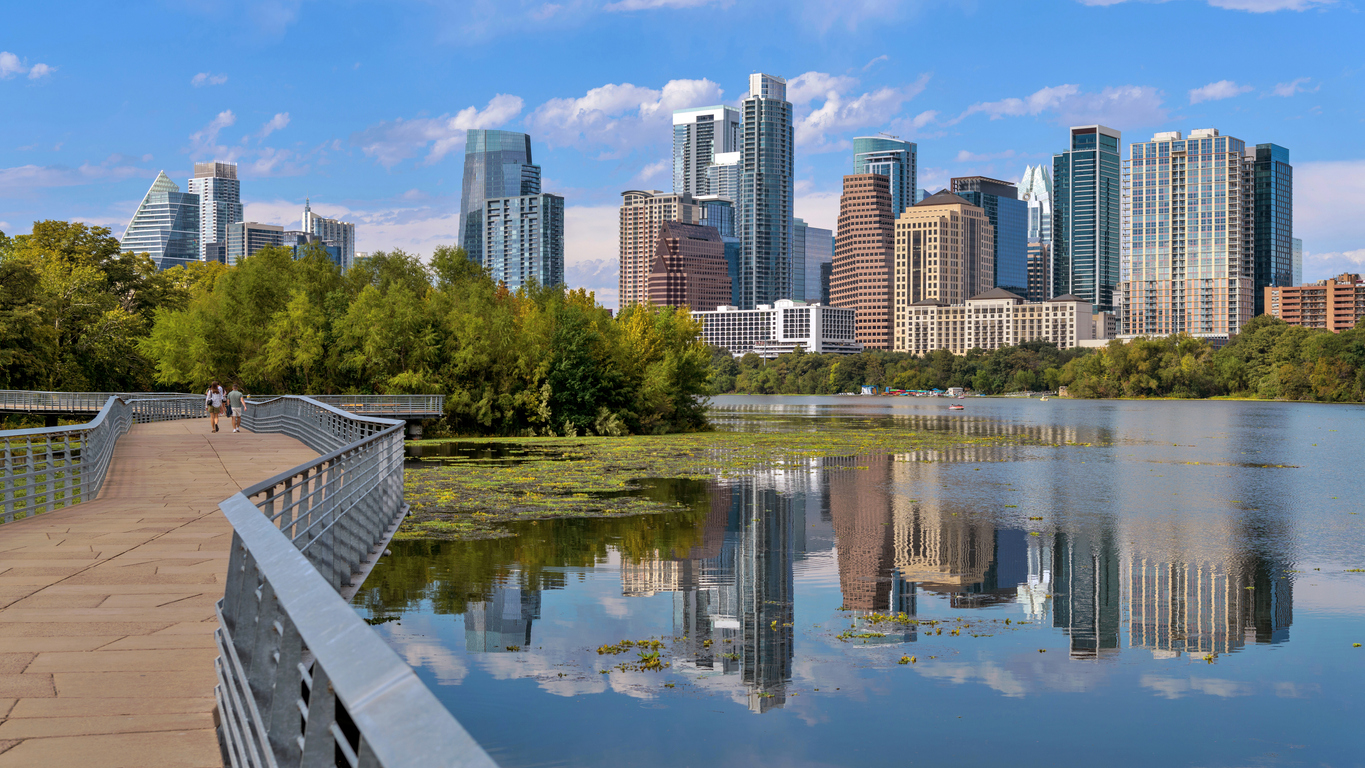
New hikers do not need to start with difficult routes. Texas cities offer many beginner-friendly trails in parks, greenways, and nature centers.
A good first hike should be short, well-marked, and close to parking or public areas. It helps to check the trail length, surface, shade, and difficulty before heading out.
Texas weather matters. Summers can be extremely hot, especially in Central, South, and West Texas. Early morning hikes are often safer and more comfortable. Water is essential, even on short routes.
Comfortable shoes are important. Many urban trails are paved or packed dirt, but others have rocks, roots, mud, or uneven ground. Sun protection also matters because some trails have limited shade.
Hikers should respect posted rules, stay on marked paths, and carry out any trash. These small actions help protect trails for everyone.
The Best Part of Hiking Near Texas Cities
The best thing about urban hiking is convenience. Nature becomes part of regular life rather than a rare vacation activity.
A Houston resident can walk under trees after work. A Dallas family can spend Saturday morning by a lake. An Austin student can visit a greenbelt between classes. A San Antonio retiree can follow a creekside trail. An El Paso hiker can climb into desert hills before the day gets too hot.
These experiences may look different, but they all serve the same purpose. They help people feel connected to the land around them.
Texas cities continue to grow, and that growth makes parks and trails even more important. As neighborhoods expand and schedules get busier, urban nature gives people room to breathe.
Final Thoughts
Hiking near Texas cities shows that outdoor life is not limited to remote wilderness. It can happen beside a bayou, around a lake, along a river, through a greenbelt, or up a rocky desert trail.
For urban Texans, these spaces offer exercise, peace, education, and connection. They remind people that nature still has a place in city life.
You do not have to leave Texas cities far behind to find fresh air and open space. Sometimes the nearest trail is enough to make the whole city feel different.