

Texas is a great place to become a boater. The state has wide lakes, winding rivers, coastal bays, and Gulf waters that give beginners plenty of ways to enjoy time outside. You can spend a quiet morning fishing, take the family out on a pontoon, paddle a kayak through calm water, or learn to handle a motorboat on a local lake.
Getting started, though, takes more than buying a boat and heading for the ramp. New boaters need to understand safety, basic rules, equipment, weather, water conditions, and the type of boating that fits their lifestyle.
The good news is that boating in Texas becomes much easier once you know the basics. A little preparation can make your first trips safer, smoother, and far more enjoyable.
Start With the Kind of Boating You Want to Do
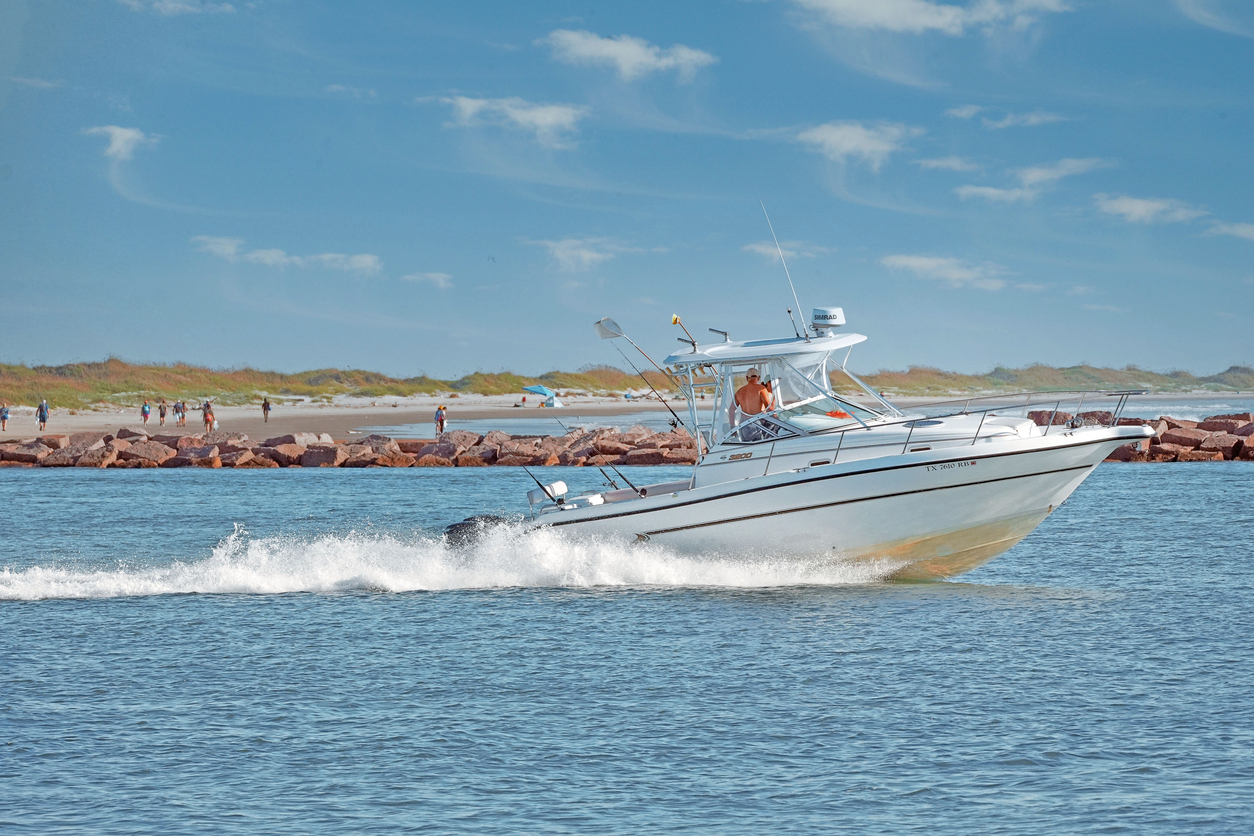
Before you buy, rent, or borrow a boat, think about how you plan to use it. Texas waters offer many boating styles, and each one comes with different costs, skills, and responsibilities.
A kayak or canoe is a simple way to begin. These are easier to store, usually cheaper to maintain, and great for calm lakes, slow rivers, and shallow coastal areas. They are popular with anglers, nature watchers, and people who want a peaceful day on the water.
A pontoon boat is a good choice for families and relaxed lake trips. Pontoons are known for comfort, seating space, and stability. They work well for cruising, swimming, and casual fishing.
A bass boat or center-console boat may fit you better if fishing is the main goal. These boats are built for moving between fishing spots and handling gear.
A personal watercraft, often called a Jet Ski, offers speed and fun, but it requires careful handling. It also has specific safety rules in Texas, including life jacket requirements for operators and passengers. Texas Parks and Wildlife Department rules state that all personal watercraft occupants must properly wear a U.S. Coast Guard-approved wearable personal flotation device, and inflatable PFDs are not approved for personal watercraft use.
If you are unsure, rent first. A few rental trips can teach you what you like, what feels manageable, and what kind of boat fits your budget.
Take Boater Education Seriously
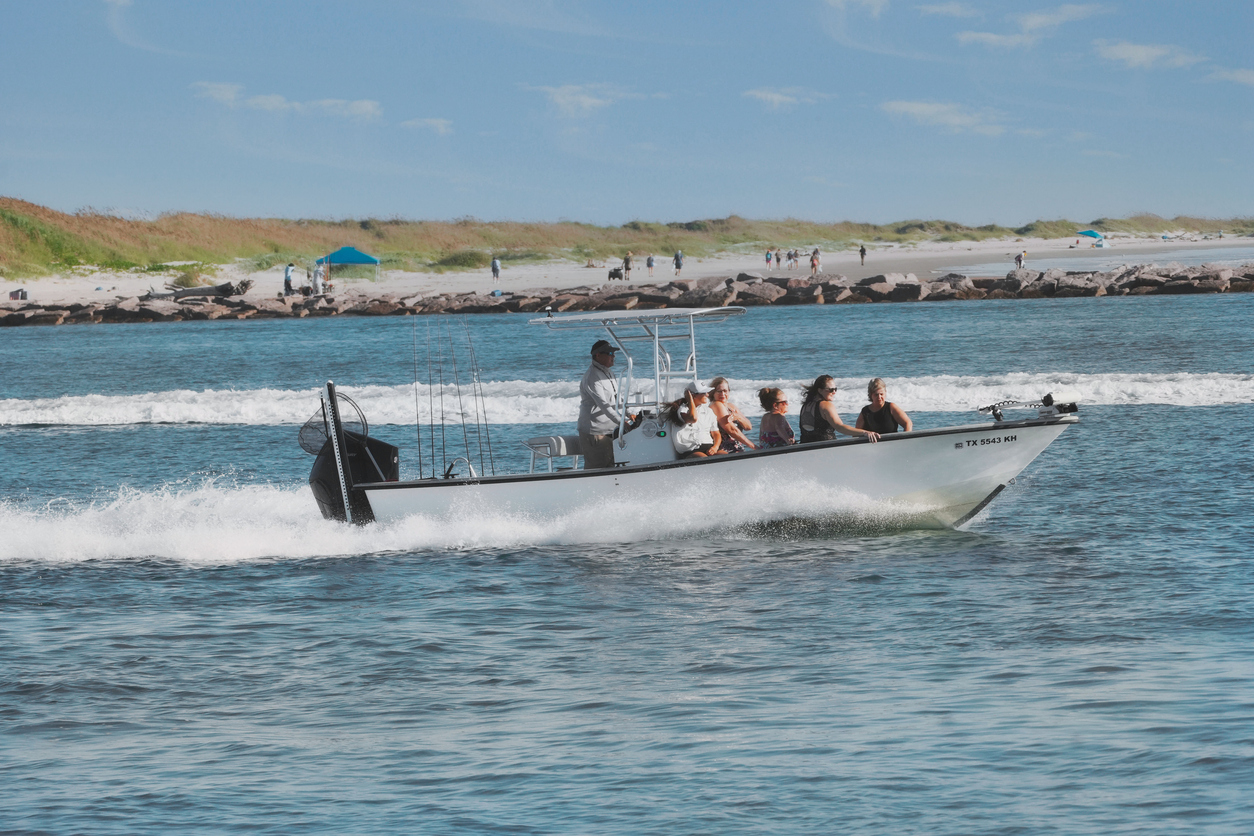
Texas encourages boaters to take boater education courses, and in some cases, it is required. Anyone born on or after September 1, 1993, must complete boater education to operate certain vessels on Texas waterways.
Even if the law does not require you to take a course, it is still one of the smartest first steps. A good boating course explains navigation rules, required safety equipment, basic operation, emergency procedures, and Texas boating laws. TPWD notes that online boater education courses cover required safety equipment, navigation rules, boat operation, and state boating laws.
For a beginner, this knowledge can remove a lot of guesswork. You learn how to share the water, read markers, respond to trouble, and avoid common mistakes.
Learn the Basic Safety Rules
Safety should come before everything else. Texas waters can look calm one moment and change quickly because of wind, boat traffic, storms, or current. Even experienced swimmers can get into trouble.
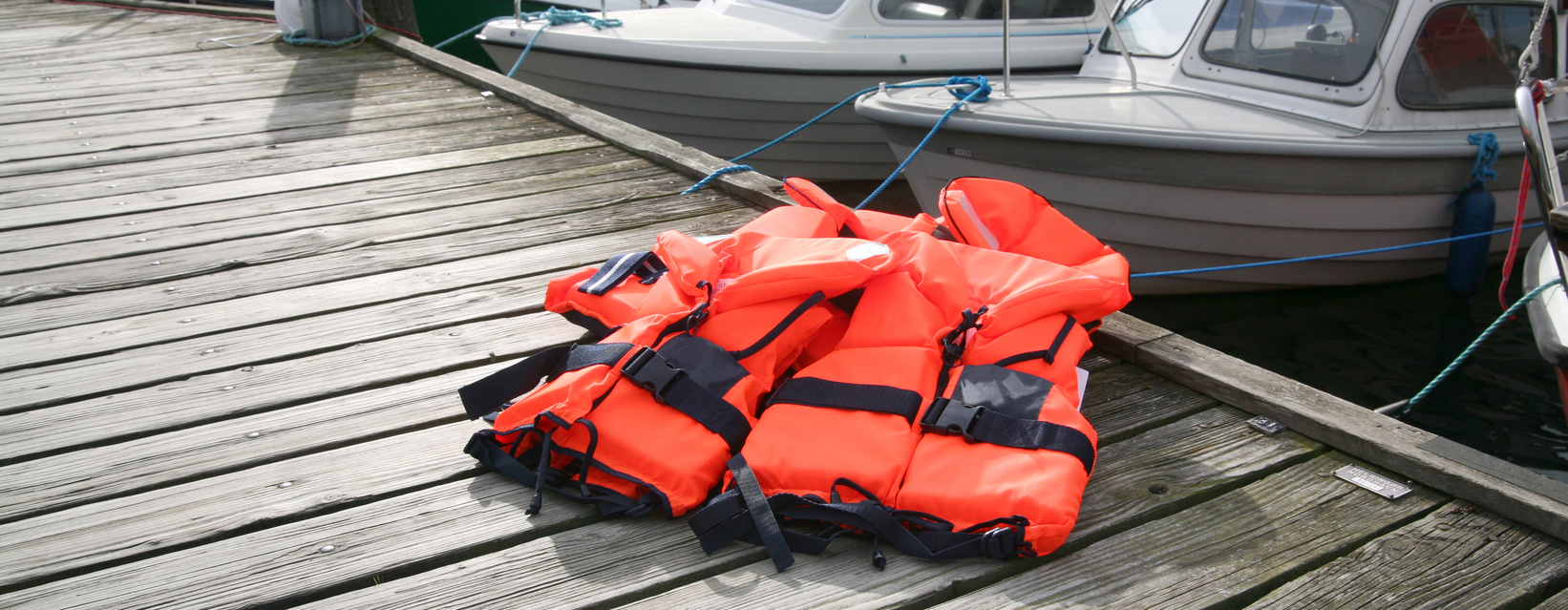
The most important safety habit is wearing a life jacket. TPWD emphasizes life jacket use and reports that drowning remains a major cause of boating fatalities. Its life jacket guidance cites U.S. Coast Guard statistics showing that drowning was the reported cause of death in 76% of recreational boating fatalities in 2024, and 87% of those who drowned were not wearing a life jacket.
Every boat should have a properly sized, U.S. Coast Guard-approved life jacket for each person on board. Children under 13 must wear an approved wearable life jacket while a vessel is underway, unless certain exceptions apply.
A beginner should also learn these habits early:
- Check the weather before leaving home.
- Tell someone where you are going and when you expect to return.
- Keep a phone or marine radio protected from water.
- Carry drinking water, sunscreen, and basic first aid supplies.
- Avoid alcohol when operating a boat.
- Slow down near docks, swimmers, paddlers, and other boats.
Good boating is not about showing off. It is about staying alert, respecting the water, and making smart choices before problems appear.
Know the Required Equipment
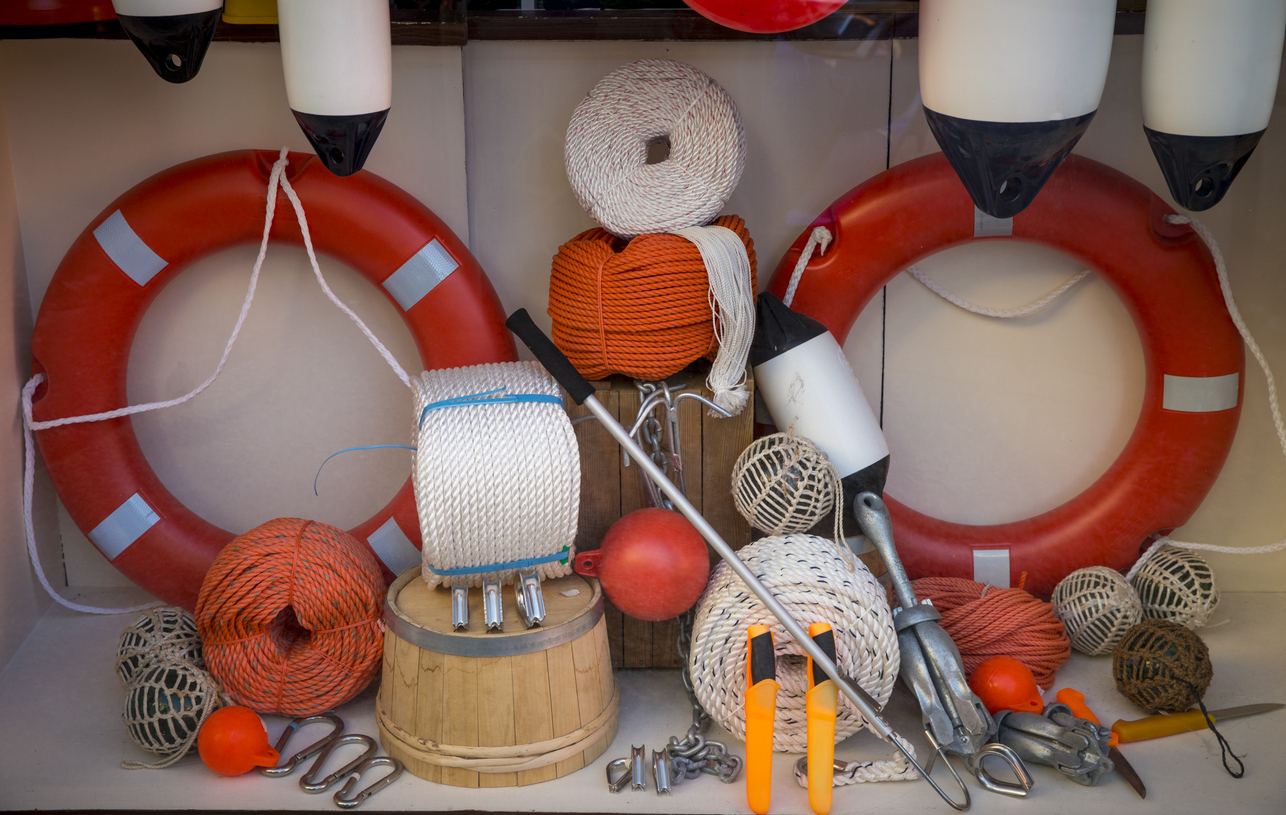
Texas requires certain safety equipment depending on the type and size of vessel. Requirements may include life jackets, fire extinguishers, sound-producing devices, lights, registration numbers, and visual distress signals in some situations.
TPWD states that game wardens and certified marine safety enforcement officers may stop, board, and inspect vessels to check compliance and safety.
Before your first trip, review the equipment rules for your specific vessel. A kayak has different requirements from a motorboat. A personal watercraft has different rules from a sailboat.
At a minimum, beginners should create a simple pre-launch checklist. It should include life jackets, keys, fuel, drain plug, battery charge, lights, ropes, anchor, whistle or horn, fire extinguisher if required, and registration documents if applicable.
That drain plug deserves special attention. Many new boaters have made the mistake of launching without it. Make it one of the first items you check.
Practice Before You Plan a Big Day
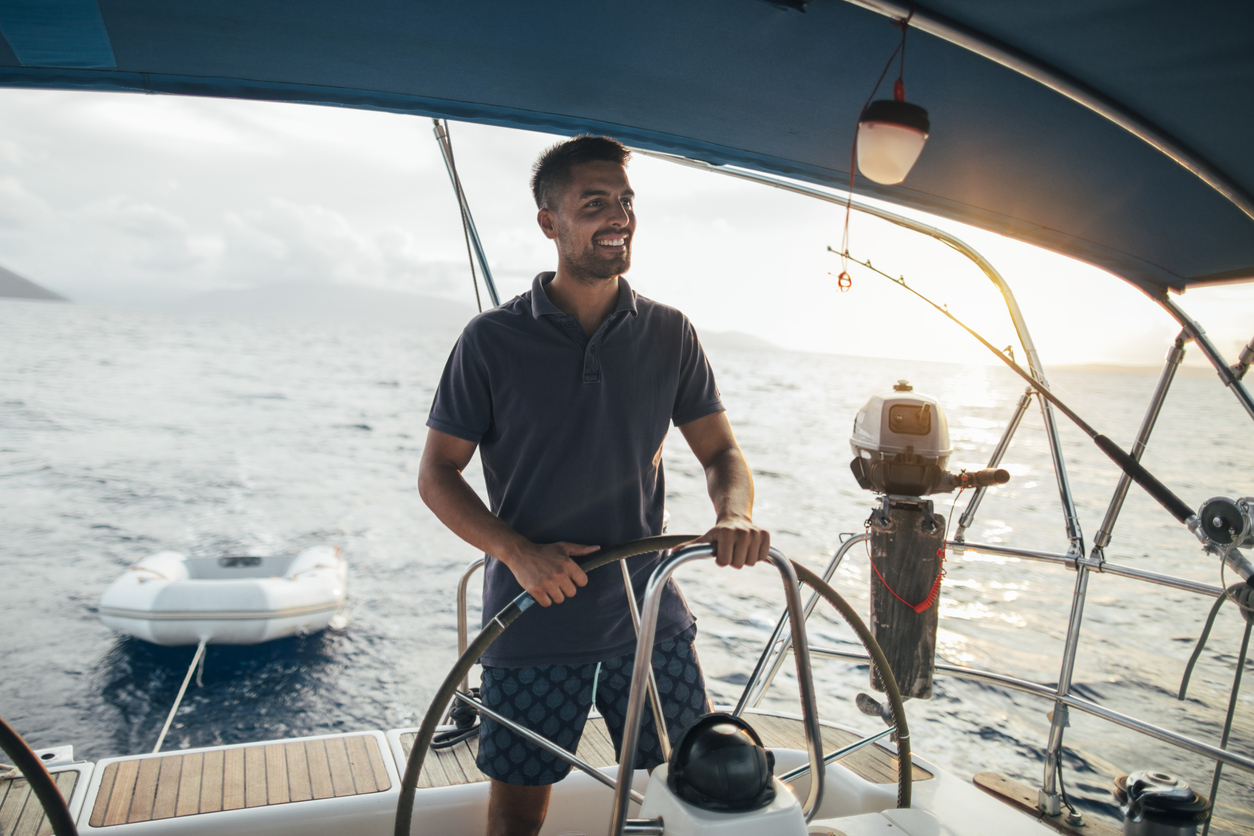
Your first boating trip should be simple. Pick a calm weekday morning if possible. Choose a familiar lake with an easy boat ramp, light traffic, and plenty of open space.
Practice the basics before inviting a crowd. Learn how to start and stop smoothly, steer at low speed, approach a dock, back away from a dock, anchor, and load the boat onto the trailer.
Trailering also takes practice. Backing a trailer down a ramp can feel awkward at first. Go slow. Use small steering corrections. Do not let pressure from other boaters rush you.
A quiet practice day can save you a lot of stress later. Once you feel comfortable with the boat, longer outings become much easier.
Choose Beginner-Friendly Texas Waters
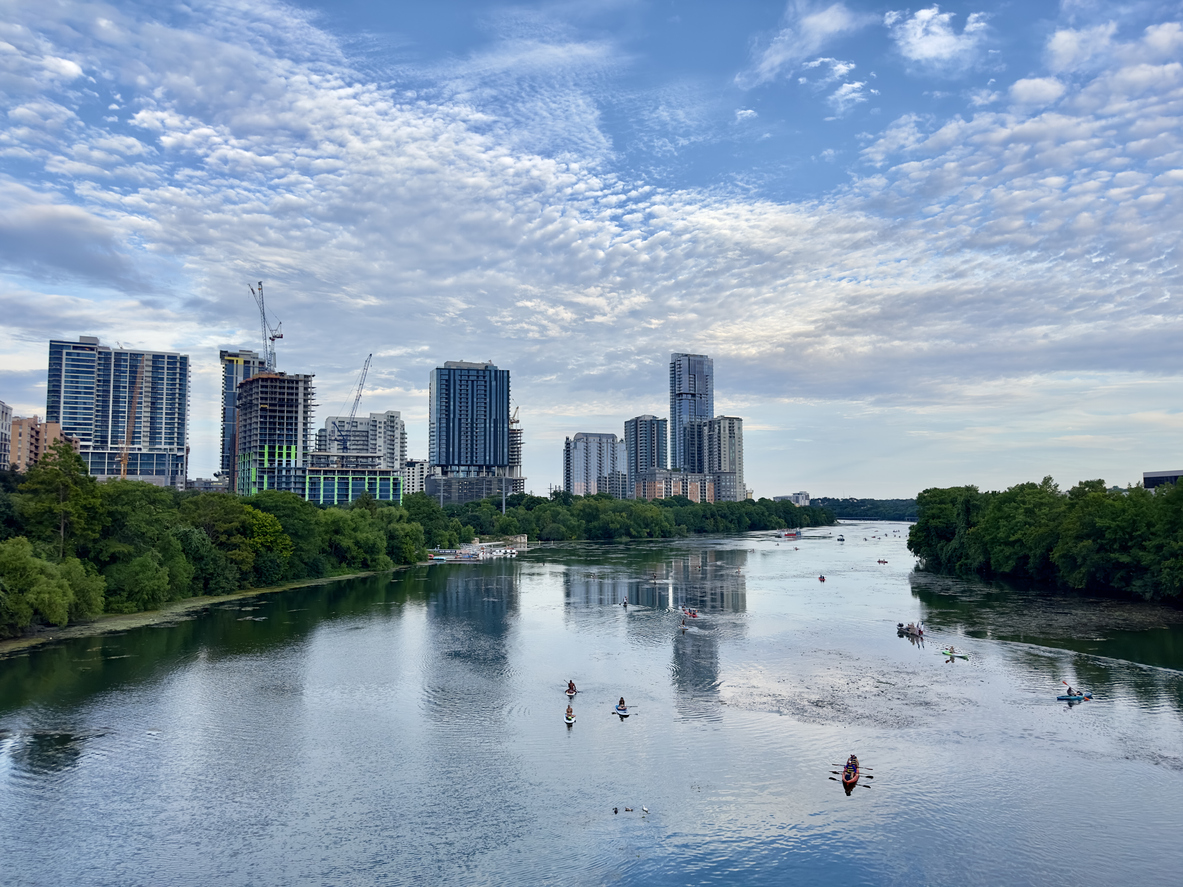
Texas has many places to boat, from Hill Country lakes to Gulf Coast bays. TPWD says Texas boaters can enjoy over 150 lakes, 15 rivers, and 3,700 streams.
For beginners, calm inland lakes are usually easier than coastal waters. Lakes often have clearer boundaries, less current, and plenty of marked ramps. Coastal bays can be beautiful, but they may bring tides, wind, shallow flats, oyster reefs, and changing weather.
Good beginner-friendly choices often include larger reservoirs with public ramps, marinas, and nearby help. Examples include Lake Conroe, Lake Lewisville, Canyon Lake, Lake Travis, Lake Texoma, Possum Kingdom Lake, and local state park lakes. Conditions vary, so always check lake levels, ramp status, weather, and local rules before you go.
TPWD also provides resources for finding places to boat, public access points, leased access, and boat rentals.
Understand Texas Weather
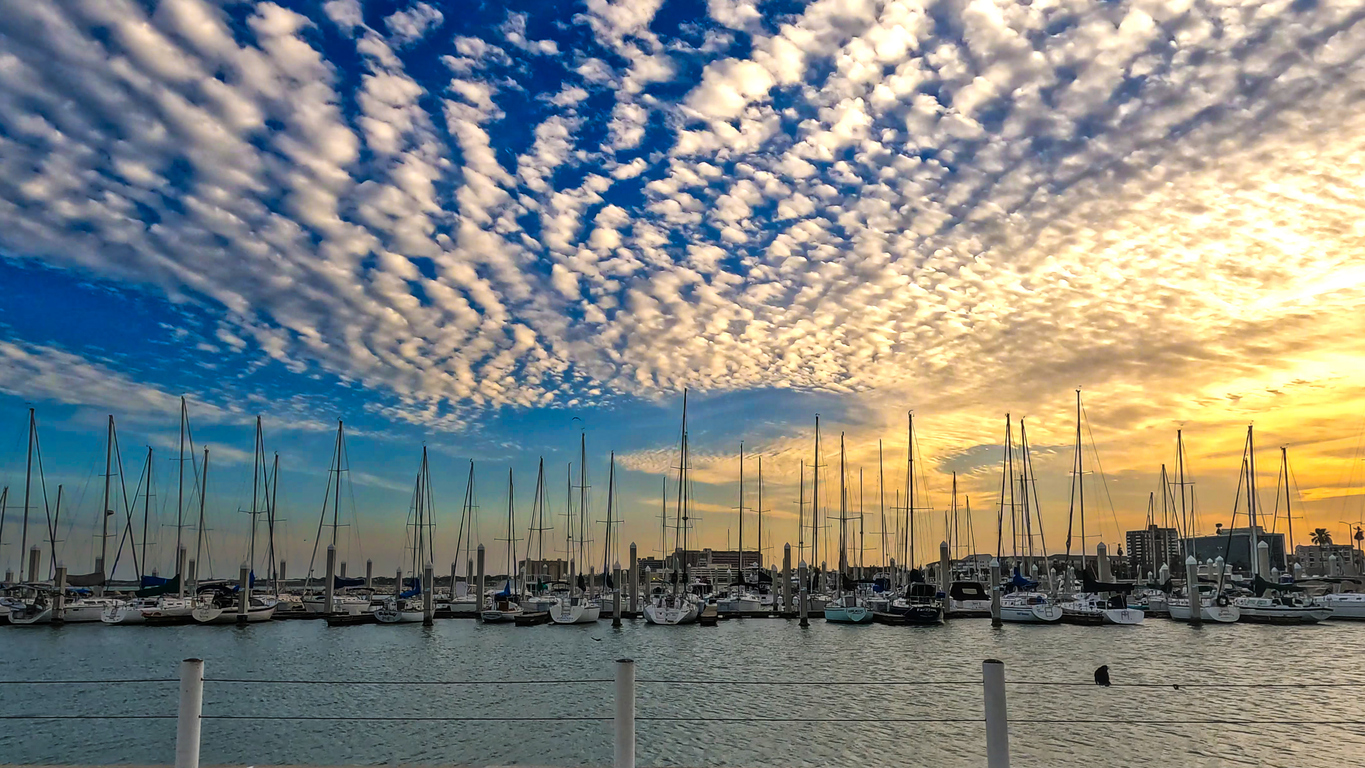
Weather plays a huge role in boating. Texas heat can wear people down quickly, especially during summer afternoons. Wind can make open water choppy. Thunderstorms can build fast.
Check the forecast before every trip. Look at wind speed, storm chances, temperature, and heat index. For coastal boating, check tides and marine forecasts too.
If you see dark clouds, hear thunder, or notice wind picking up, head in early. Beginners should avoid boating in rough conditions. There is no shame in canceling a trip when the weather looks questionable.
Respect Boat Ramps and Dock Etiquette
Boat ramps can be stressful for new boaters, but a little courtesy goes a long way. Prepare your boat before backing down the ramp. Load coolers, attach lines, check the plug, remove straps, and make sure passengers are ready before you block the launch lane.
Once your boat is in the water, move it away from the ramp so the next person can launch. When retrieving, tie down and organize your gear in the parking area, not on the ramp.
Around docks, slow speed matters. Wakes can damage boats, knock people off balance, and create danger for swimmers or paddlers. Watch posted signs and respect no-wake zones.
Learn Navigation Basics
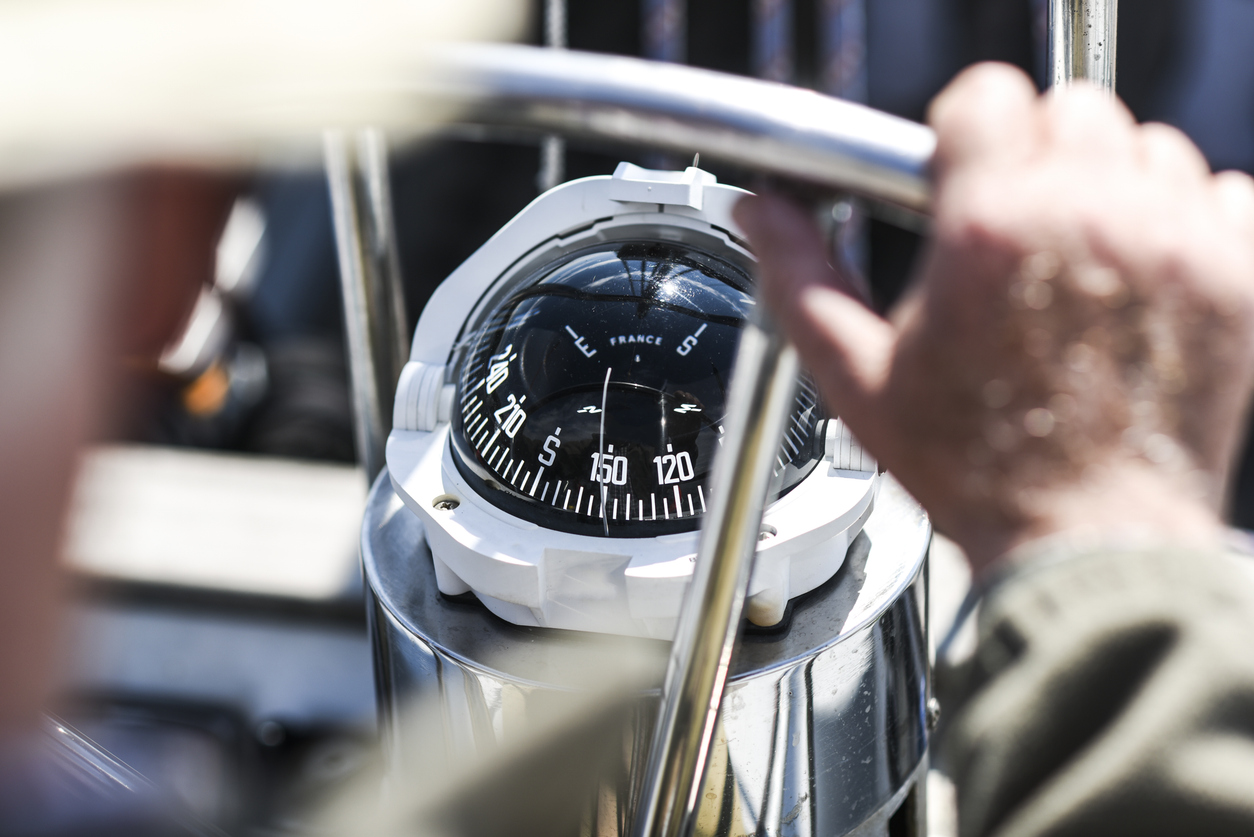
You do not need to master every boating rule on day one, but you should understand the basics before operating a vessel.
Learn which side to pass on, how to approach another boat, what channel markers mean, and how to yield when needed. Study no-wake zones, restricted areas, swim areas, and marina traffic patterns.
A beginner should also learn how to read a lake map or navigation app. Pay attention to shallow areas, submerged trees, rocks, stumps, and hazards. Texas lakes can change with water levels, so a familiar route may still require caution.
Keep the Boat Legal
If you own a motorized boat in Texas, you will likely need title and registration. Display numbers correctly and keep documents available. Requirements can vary by vessel type, so check TPWD guidance before buying or launching.
If you buy a used boat, confirm that the title paperwork is correct before handing over payment. Boat ownership paperwork can become a headache if names, hull identification numbers, or lien details do not match.
You should also understand local rules. Some lakes have speed zones, horsepower limits, restricted areas, or special rules near dams and marinas.
Budget Beyond the Boat
Many beginners focus on the price of the boat and forget the rest. Boating costs can include trailer maintenance, fuel, insurance, registration, storage, safety gear, repairs, batteries, cleaning supplies, tow vehicle needs, and ramp or park fees.
Used boats can save money, but they can also come with hidden problems. Before buying, inspect the hull, motor, trailer, electrical system, steering, fuel system, and paperwork. For larger purchases, consider a professional inspection.
Renting or joining a boat club can be a smart option if you only plan to boat a few times a year. Ownership makes sense when you will use the boat often and are ready for maintenance.
Protect Texas Waters
Boaters play an important role in keeping Texas lakes and rivers healthy. Invasive species such as zebra mussels and giant salvinia can spread by clinging to boats, trailers, and gear.
TPWD encourages boaters to “clean, drain, and dry” boats and equipment before moving between lakes. Recent TPWD messaging also warns that spreading invasive species can damage recreation, ecosystems, and water infrastructure.
Before leaving a ramp, remove plants, mud, and debris. Drain water from the boat, live wells, bait buckets, and motor. Let equipment dry before launching somewhere else.
This simple habit helps protect the waters Texans enjoy.
Build Confidence One Trip at a Time
Boating confidence grows with experience. Start small. Go out with experienced boaters. Ask questions at marinas. Take a course. Practice docking and launching when the ramp is not crowded.
Keep your early trips short and simple. Bring only a few passengers. Stay close to the ramp. Focus on learning the boat instead of packing the day with too many plans.
Over time, you will learn how your boat handles wind, waves, turns, docking, loading, and different water conditions. That experience makes every trip better.
Final Thoughts
Getting started with boating in Texas is exciting, but it works best when you treat it as a skill. Choose the right type of boat, take boater education, learn the rules, wear life jackets, watch the weather, and practice before planning bigger outings.
Texas gives boaters plenty of room to explore, from quiet lakes to coastal bays. With the right preparation, your first season on the water can be safe, fun, and full of good memories.