

Texas is a big state with a wide range of hiking conditions. A trail in the Hill Country can feel completely different from a trail in Big Bend, East Texas, the Panhandle, or the Gulf Coast. Because of that, the best hiking season depends on where you are going, what kind of weather you enjoy, and how prepared you are for changing conditions.
In general, fall, winter, and spring are the best seasons for hiking in Texas. Summer can still offer good hikes, but it requires extra planning because of the heat.
Here is a season-by-season guide to help you choose the best time to hit the trail.
Spring: One of the Best Times to Hike in Texas
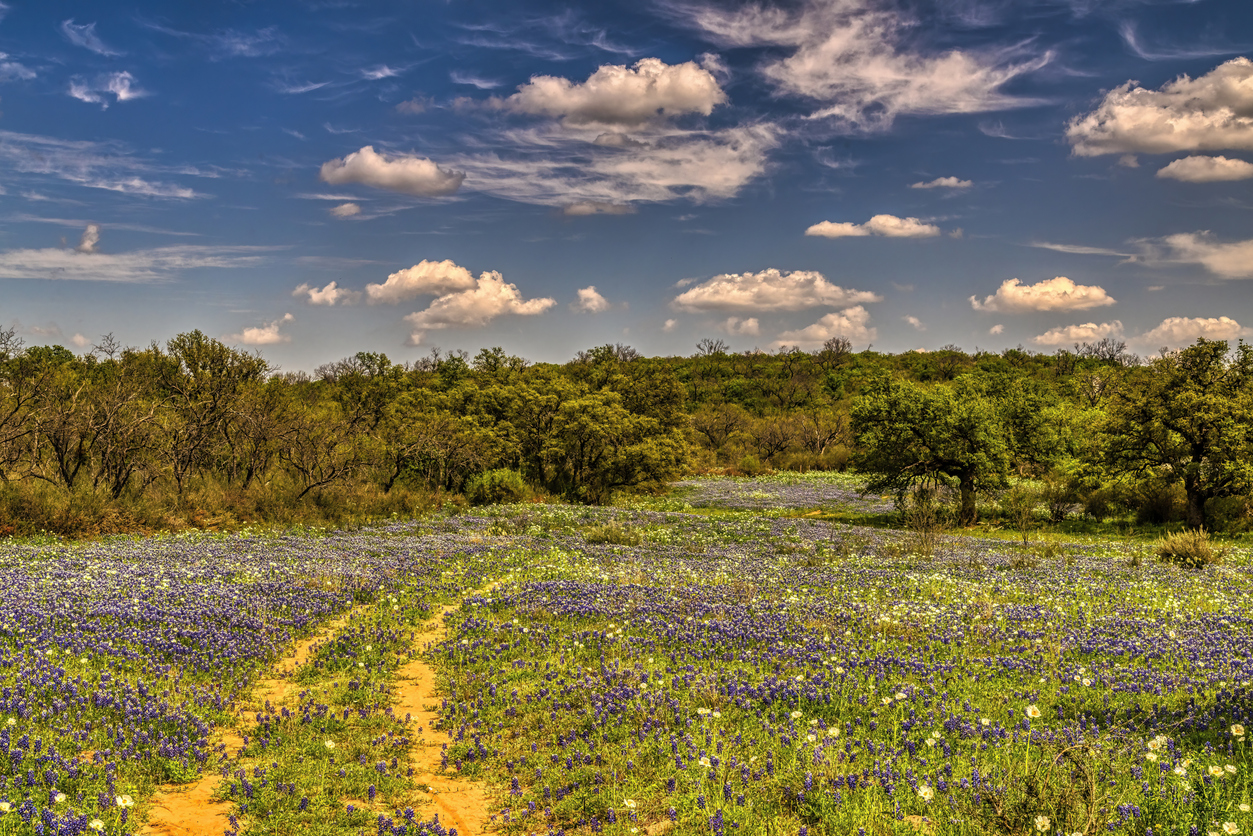
Spring is one of the most popular hiking seasons in Texas, and for good reason. Temperatures are usually mild, wildflowers begin to bloom, and many landscapes look their best after winter rains.
In Central Texas, the Hill Country becomes especially scenic in spring. Trails near Austin, San Antonio, Fredericksburg, and Burnet often feature bluebonnets, Indian paintbrush, and other native wildflowers. State parks such as Enchanted Rock, Pedernales Falls, Lost Maples, and Garner can be beautiful during this time of year.
Spring is also a great season for hiking in West Texas. Places like Big Bend National Park and Guadalupe Mountains National Park can still be cool enough for longer hikes, especially in March and April. Desert plants may bloom if the area has received enough rain.
However, spring weather can change quickly. Some days are sunny and pleasant, while others bring storms, wind, or sudden temperature swings. Hikers should check the forecast before heading out and be prepared for muddy trails after rain.
Why Spring Works Well for Hiking
Spring offers a comfortable balance. The days are longer than in winter, but the intense summer heat has usually not arrived yet. That makes it easier to plan longer hikes without starting extremely early.
Spring is especially good for:
- Wildflower hikes
- Family-friendly day hikes
- Hill Country trails
- Desert hikes before the heat builds
- Birdwatching and nature photography
The main downside is crowds. Popular parks can get busy on weekends, especially during bluebonnet season and spring break. Making reservations early is a smart move for state parks that require them.
Summer: Possible, But Plan Carefully
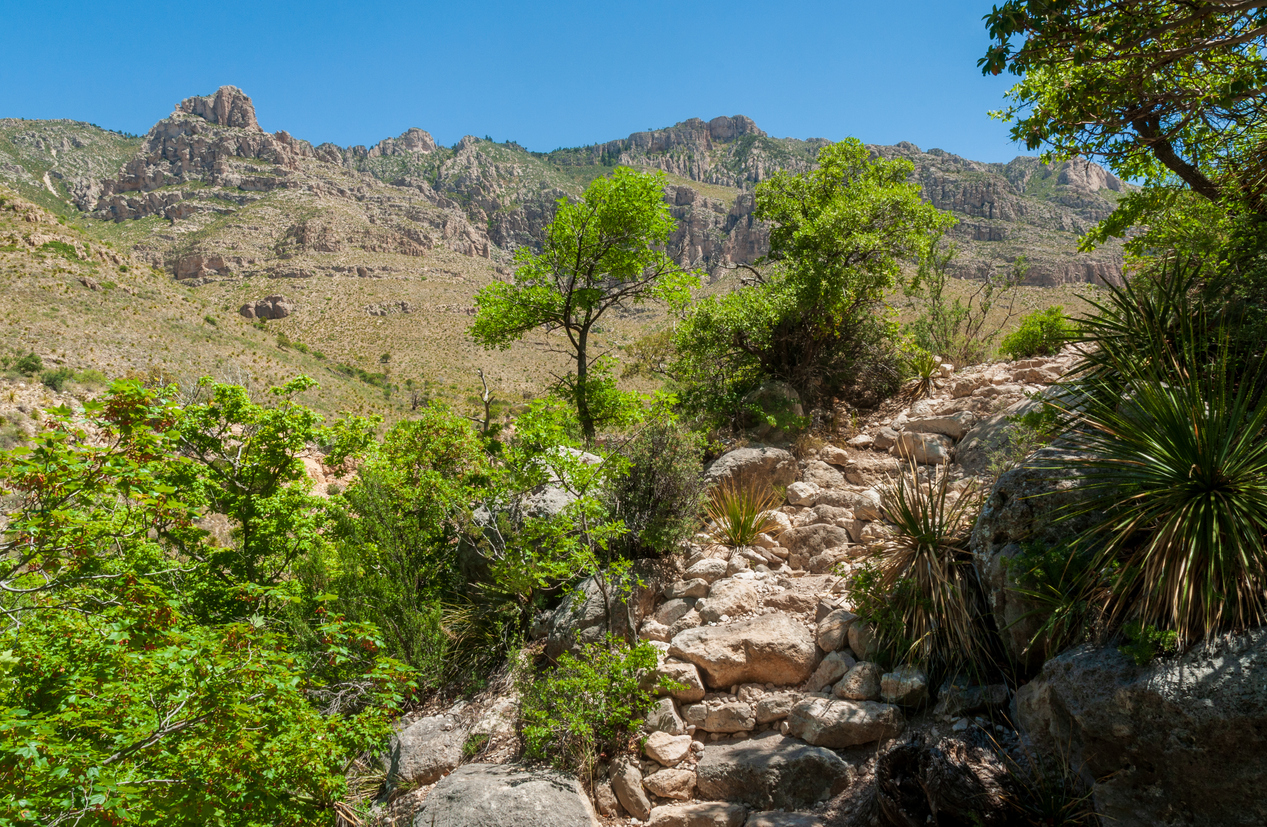
Summer is the most challenging hiking season in Texas. Temperatures can climb quickly, especially in Central, South, and West Texas. In desert areas, summer hiking can become dangerous if hikers are not prepared.
That does not mean summer hiking is impossible. It means you need to choose trails wisely and avoid the hottest part of the day. Early morning hikes are usually the safest and most comfortable option. In many areas, the best time to start is around sunrise.
Shaded trails, short routes, river trails, and forested parks are better choices during summer. East Texas parks, such as Tyler State Park or Mission Tejas State Park, may offer more shade than open desert or rocky Hill Country trails. Trails near lakes, creeks, and swimming areas can also make summer hiking more enjoyable.
Still, heat safety matters. Texas summer heat can sneak up fast, even on short hikes.
Summer Hiking Safety Tips
If you hike in Texas during summer, take heat seriously. Bring more water than you think you need. Wear lightweight clothing, use sun protection, and avoid exposed trails during midday.
Good summer hiking habits include:
- Start early in the morning
- Choose shorter trails
- Bring plenty of water and electrolytes
- Wear a hat and breathable clothing
- Watch for signs of heat exhaustion
- Turn back before you feel overheated
Summer is often better for casual nature walks than long, strenuous hikes. A shaded two-mile trail can be enjoyable. A steep, exposed desert trail in the afternoon can be risky.
Fall: The Most Comfortable Hiking Season
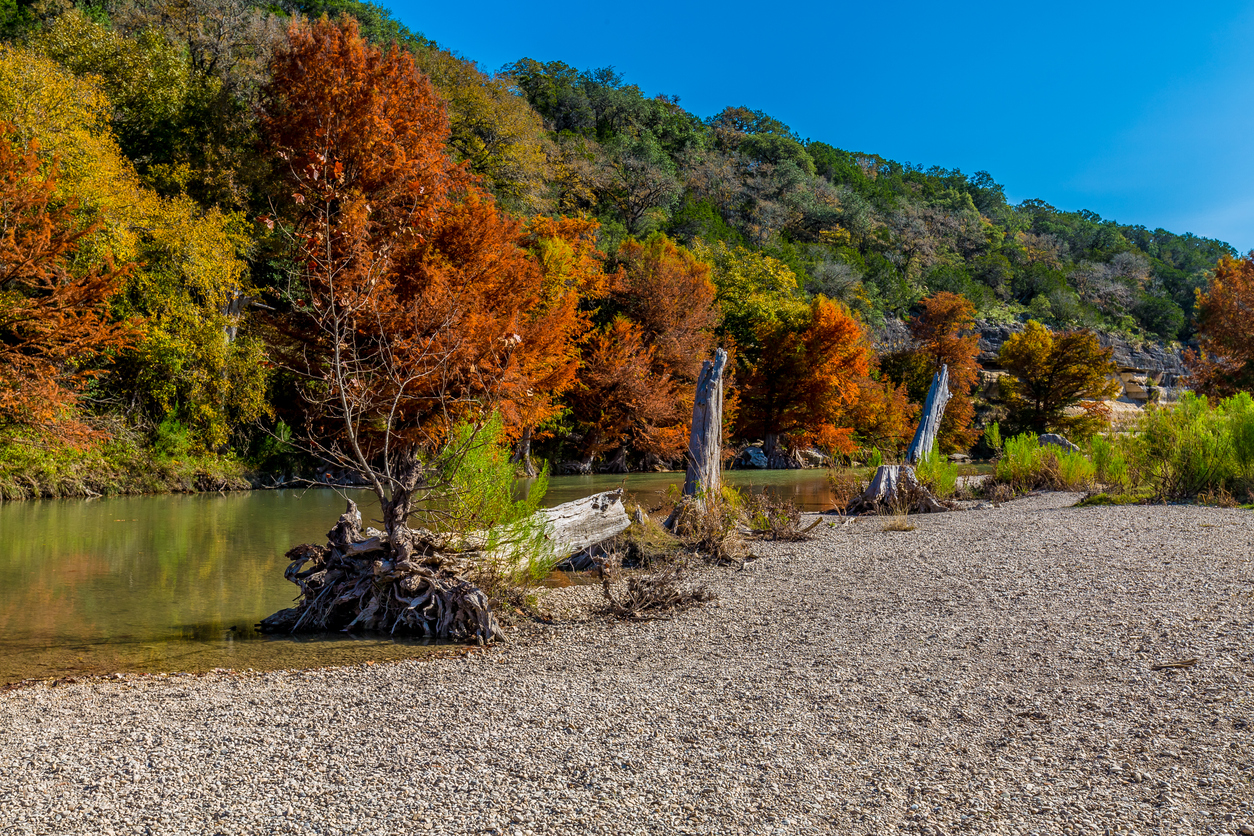
Fall may be the best overall season for hiking in Texas. Temperatures begin to cool, humidity often drops, and many trails become more comfortable after the long summer.
In September, the heat can still linger. By October and November, conditions usually improve across much of the state. This is when many hikers return to longer trails, scenic overlooks, and state parks that felt too hot in July or August.
Fall is especially beautiful in certain parts of Texas. Lost Maples State Natural Area is famous for its fall color, especially when the maples turn red, orange, and gold. The timing varies from year to year, but late October through November is often the main viewing window.
Big Bend, Palo Duro Canyon, Caprock Canyons, and the Guadalupe Mountains also become more comfortable in fall. Cooler weather makes it easier to enjoy rugged terrain, wide-open views, and longer routes.
Why Fall Is a Favorite for Texas Hikers
Fall hiking in Texas has several advantages. The weather is usually more predictable than spring, the worst of the summer heat has passed, and many parks are less crowded than they are during spring break or major holidays.
Fall is a strong choice for:
- Longer day hikes
- Canyon trails
- Desert parks
- Fall foliage trips
- Camping and hiking weekends
The only catch is that early fall can still feel like summer. Hikers should not assume that September means cool weather. In many parts of Texas, October and November are much better bets.
Winter: A Great Season for Desert and Long-Distance Hikes
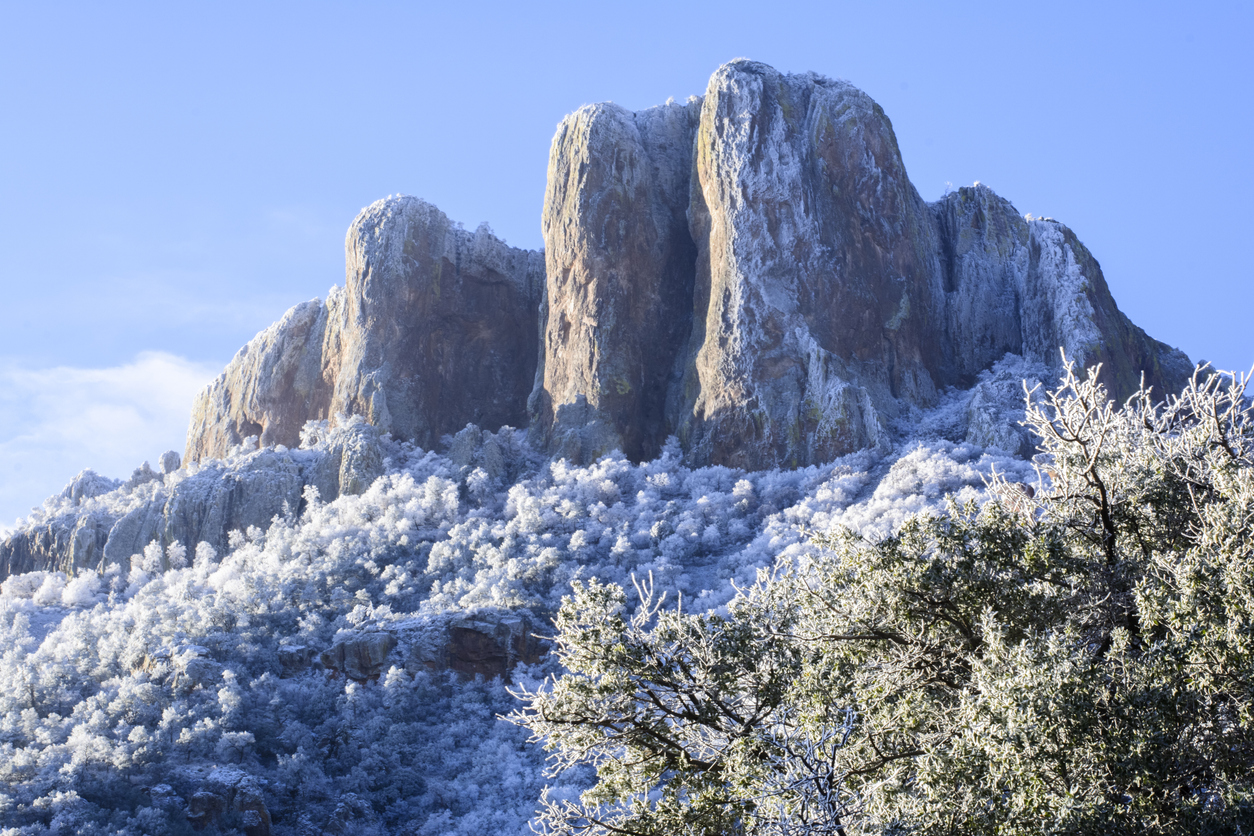
Winter is an underrated hiking season in Texas. While northern states may be dealing with snow and ice, many Texas trails remain open and comfortable.
Winter can be especially good for hiking in West Texas and South Texas. Big Bend National Park is a popular winter destination because daytime temperatures are often much more manageable than in summer. The desert sun can still feel strong, but the cooler air makes hiking far more pleasant.
Winter is also a good time to explore trails in Central Texas. Places like Government Canyon, Enchanted Rock, Colorado Bend, and McKinney Falls can be enjoyable when the weather is crisp and clear.
That said, winter in Texas can still bring cold fronts, freezing rain, high winds, and sudden drops in temperature. Hikers should check conditions before leaving and bring layers.
What Makes Winter Hiking Worth It
Winter hiking can be peaceful and refreshing. Trails are often quieter, visibility can be excellent, and cooler temperatures make strenuous hikes easier.
Winter is a good season for:
- Desert hiking
- Longer hikes in exposed areas
- Wildlife watching
- Quiet park visits
- Hiking without heavy crowds
The shorter daylight hours are the main planning challenge. Start early enough to finish before dark, especially on longer or remote trails.
Best Season by Region
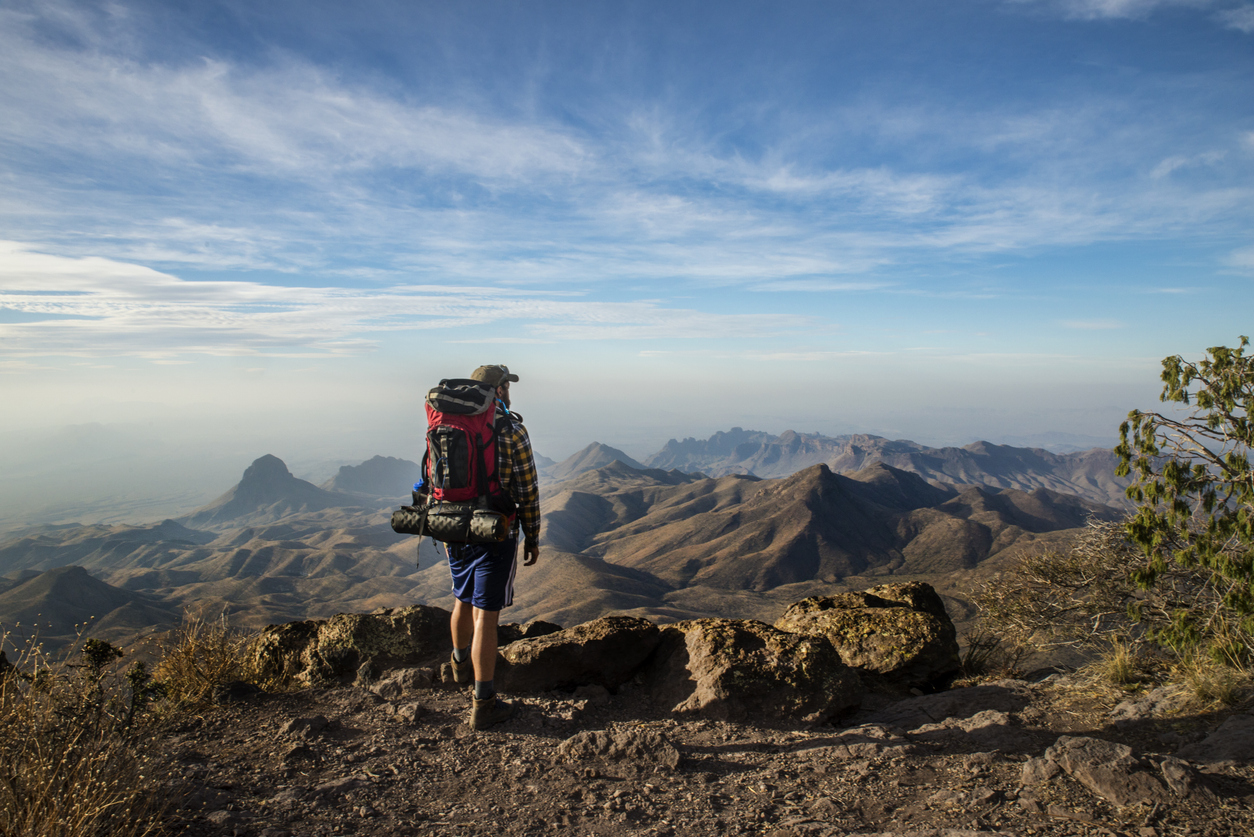
Because Texas is so large, the best hiking season changes by region.
Hill Country
The Hill Country is great in spring and fall. Spring brings wildflowers, while fall offers cooler temperatures and comfortable hiking weather. Winter can also be pleasant, especially on sunny days.
Summer hikes are best done early in the morning, especially on rocky or exposed trails.
West Texas
West Texas is best in fall, winter, and early spring. This includes Big Bend, Guadalupe Mountains, Davis Mountains, Palo Duro Canyon, and Caprock Canyons.
Summer can be extremely hot, especially in desert and canyon areas. Long hikes should be avoided during peak heat unless you are experienced and fully prepared.
East Texas
East Texas has more trees and shade, so summer hiking can be more manageable here than in open desert regions. Spring and fall are still the most comfortable seasons.
Winter can also be enjoyable, though trails may be damp after rain.
North Texas
North Texas hiking is often best in spring and fall. Parks near Dallas, Fort Worth, and the surrounding lakes can be pleasant during mild weather.
Summer heat can be intense, especially on open trails. Winter is usually hikeable, but cold fronts can bring chilly conditions.
Gulf Coast
The Gulf Coast is often humid, so fall, winter, and early spring are the best choices. Summer hiking can feel very hot and sticky, even on shorter trails.
Coastal hikes can be enjoyable in winter because the temperatures are often mild. Mosquitoes may still be an issue in some areas, especially near wetlands.
Best Overall Months for Hiking in Texas
For most hikers, the best months are:
March, April, October, November, and February
These months usually offer the best mix of mild weather, scenic landscapes, and safer trail conditions. January and December can also be excellent, especially in desert areas. May can be nice in some regions, but heat often starts building by then.
The most difficult months are usually June, July, August, and early September, especially for long or exposed hikes.
Final Thoughts
The best hiking seasons in Texas are spring, fall, and winter. Spring brings flowers and fresh color. Fall brings cooler air and some of the most comfortable trail conditions of the year. Winter opens the door to desert hikes, quiet parks, and long walks without the heavy heat.
Summer hiking can still be enjoyable, but it works best with early starts, shaded trails, and careful planning.
Texas has trails for every season. The key is choosing the right region, checking the weather, and respecting the conditions. With a little preparation, hiking in Texas can be rewarding almost any time of year.