

Texas hiking comes in many forms. You can cross piney woods in the east, walk desert ridges in the west, wander Gulf Coast marshes, or climb through canyon country in the Panhandle.
Yet for many Texans, the Hill Country feels like the heart of the state’s trail experience.
It has rugged limestone. It has clear rivers. It has cedar breaks, live oaks, spring-fed creeks, rocky overlooks, and small-town trailheads that feel close to home but far from ordinary life. The Texas Hill Country gives hikers a landscape that is scenic, approachable, and deeply tied to the state’s identity.
A Landscape Built for Walking
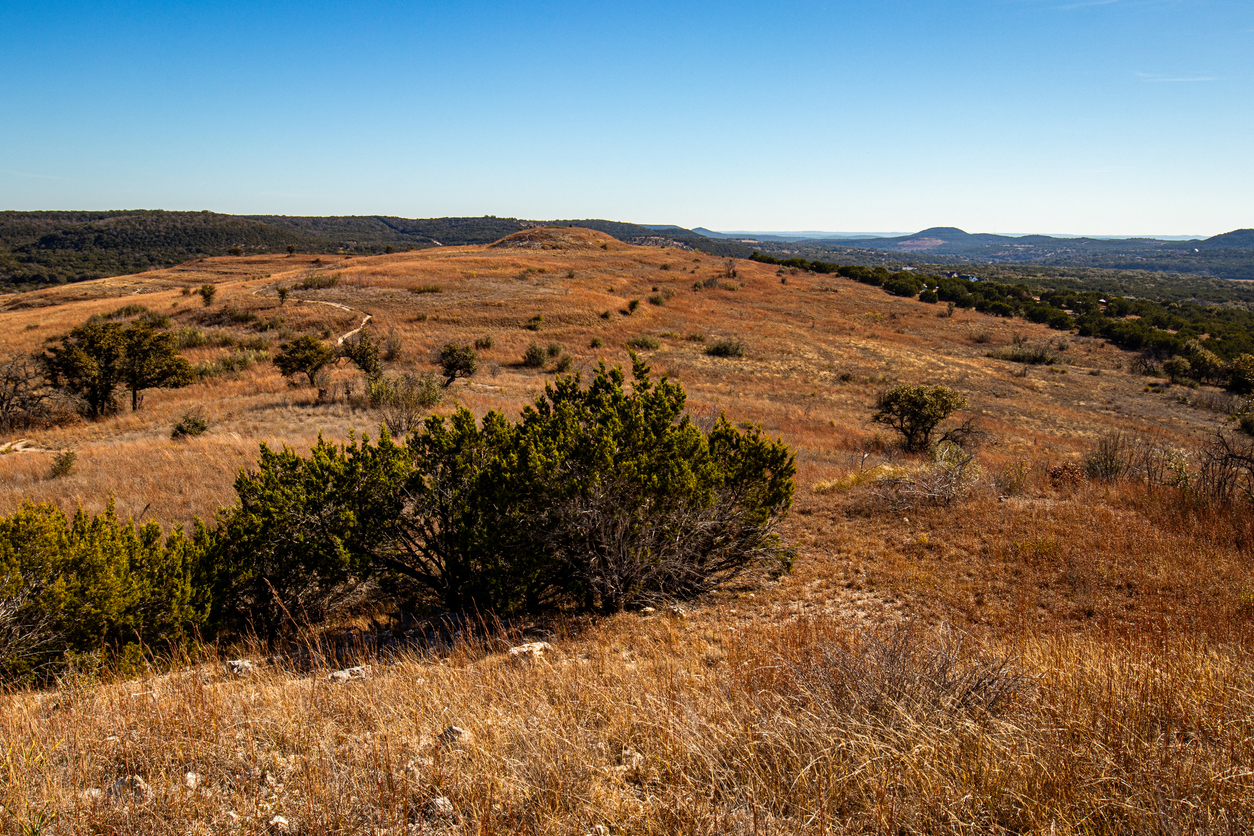
The Hill Country sits on the eastern edge of the Edwards Plateau. Texas Parks and Wildlife describes the Edwards Plateau as a region formed from ancient marine deposits, including limestone, shale, sandstone, and dolomite, dating back roughly 100 million years to a time when the area was covered by ocean. Over time, erosion carved the eastern part of the plateau into the familiar hills, valleys, bluffs, and creek beds that define the Hill Country today.
That geology matters on the trail.
A Hill Country hike rarely feels flat for long. The ground rises and falls. Trails cross exposed rock, dip into shaded creek bottoms, and climb toward overlooks where the view opens wide. Even a short hike can feel full because the land changes quickly underfoot.
This is one reason the region stands out. It gives hikers variety without requiring a multi-day expedition. You can take a family-friendly nature walk in the morning, climb a granite dome in the afternoon, or follow a quiet canyon trail at sunset.
Limestone, Water, and Wide Views
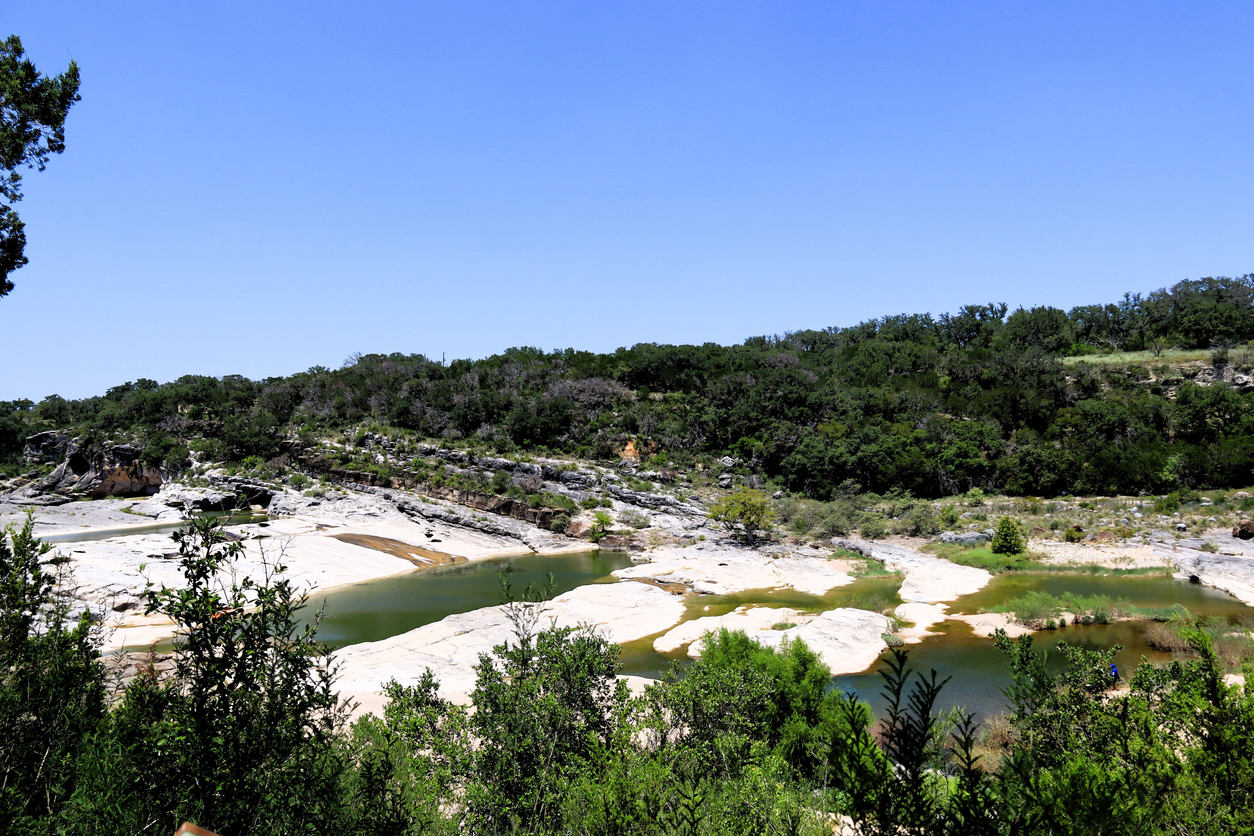
The Hill Country’s best trails often feel shaped by the meeting of rock and water.
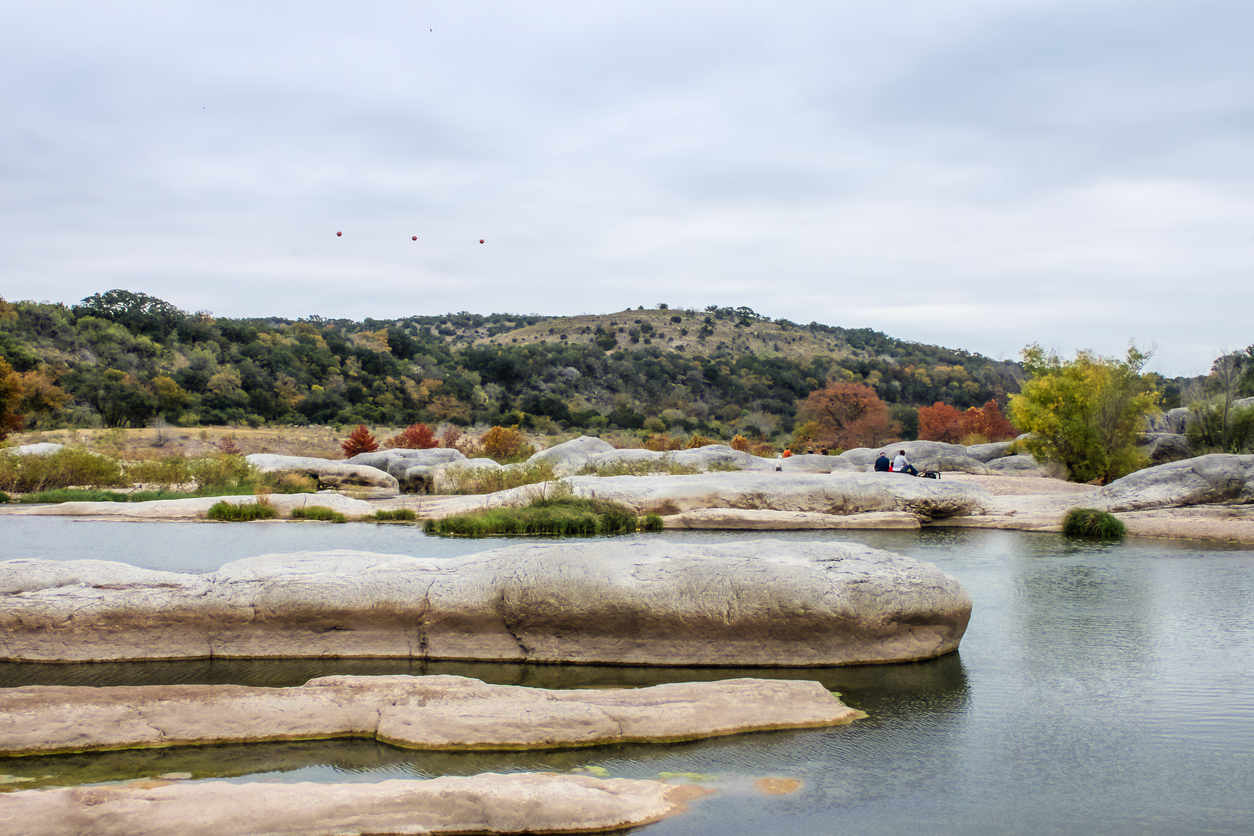
Limestone ledges appear along riverbanks. Clear streams cut through shallow channels. Cypress trees gather near water, while oak and juniper hold the hillsides. In dry weather, the land can look tough and spare. After rain, creeks move fast, wildflowers brighten the slopes, and the same trail can feel completely different.
Pedernales Falls State Park is a strong example. Texas Parks and Wildlife notes that visitors can hike, mountain bike, picnic, bird watch, ride horses, and enjoy river activities such as swimming, wading, tubing, and fishing. The park’s trails lead into quieter areas of the Hill Country, while the Pedernales River gives the landscape its central feature.
That mix of rocky trail and moving water is classic Hill Country. It is part of what separates hiking here from walking through a simple wooded park. The terrain tells a story with every step.
Trails That Feel Wild Without Feeling Unreachable
One of the Hill Country’s greatest strengths is access.
Many of its best hiking areas sit within a reasonable drive of Austin, San Antonio, Fredericksburg, Kerrville, Bandera, and other towns. That makes the region friendly to weekend hikers, families, road-trippers, photographers, birders, and people who simply want a few hours outside.
At the same time, the trails can still feel remote.
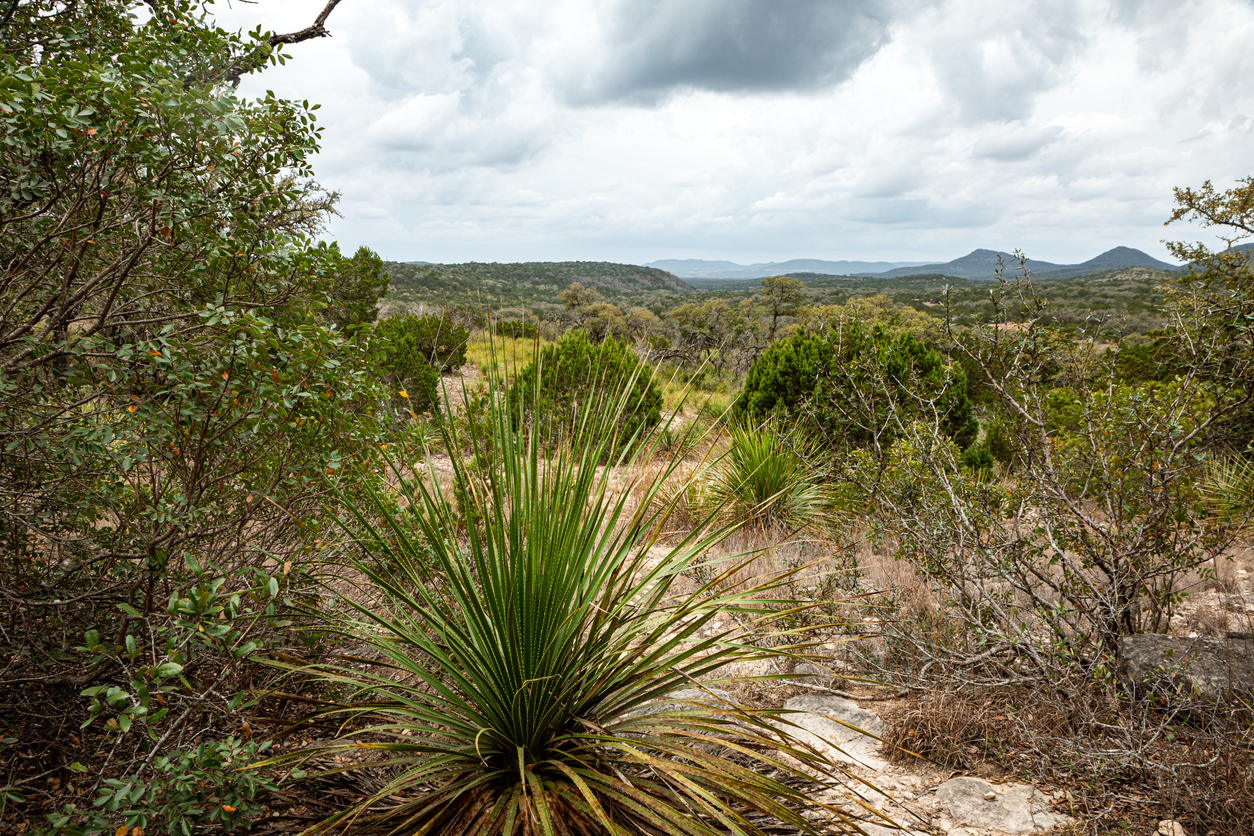
Hill Country State Natural Area, northwest of San Antonio near Bandera, covers more than 5,000 acres of former ranchland. Texas Parks and Wildlife describes it as a place of rugged canyons, scenic plateaus, creek bottoms, primitive camping, backpacking, wildlife watching, and multiuse trails for hikers, mountain bikers, and horseback riders. Its trail information page lists about 40 miles of trails.
That balance is important. The Hill Country gives Texans the feeling of backcountry travel without always demanding a long trip across the state. You can leave a city, reach a trailhead, and still find silence, space, and rough country.
Enchanted Rock and the Hill Country Sense of Scale
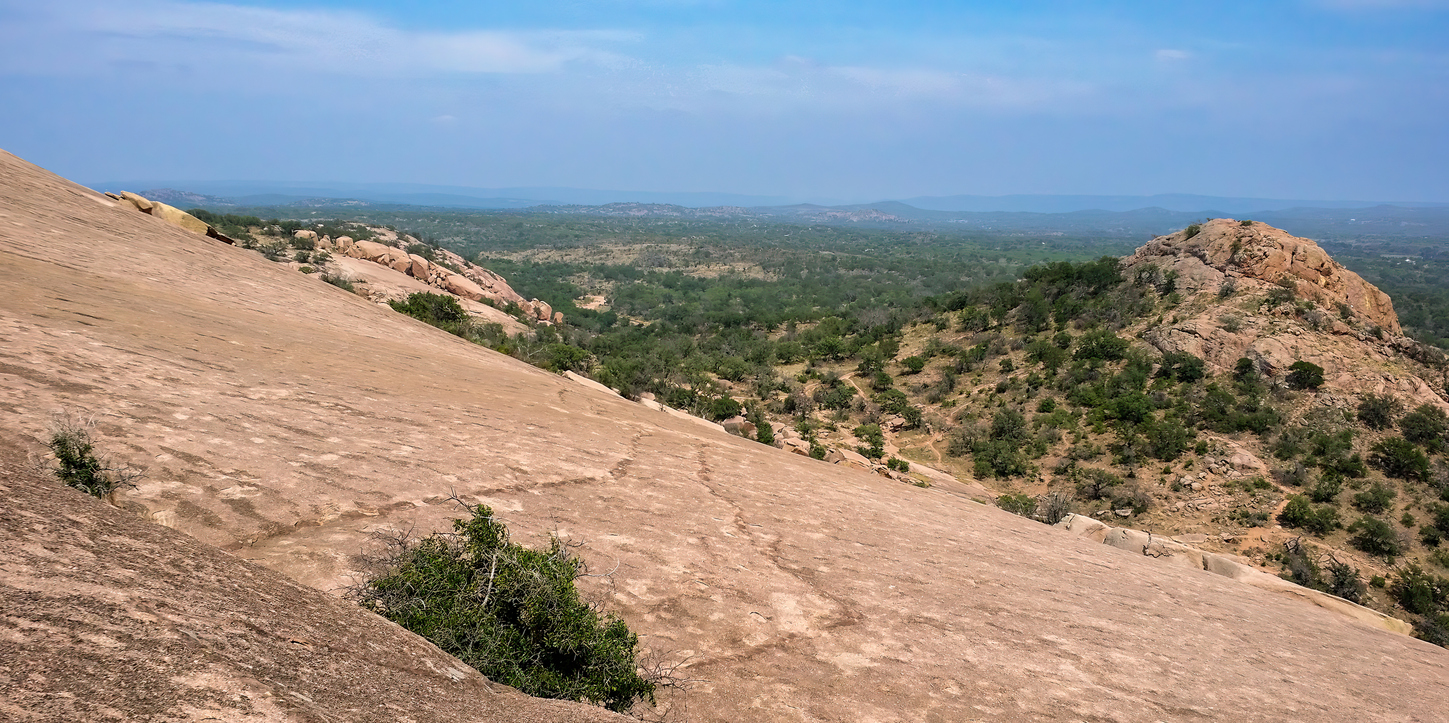
No discussion of Hill Country hiking feels complete without Enchanted Rock.
Enchanted Rock State Natural Area is one of the region’s most recognizable hiking destinations. Texas Parks and Wildlife describes it as a 425-foot pink granite batholith with 11 miles of trails, including the well-known Summit Trail. The agency also calls climbing Enchanted Rock “almost a rite of passage for Texans.”
That description fits.
The hike up Enchanted Rock is not long in mileage, but it feels memorable because of the open rock, the sky, and the view from the top. It shows how Hill Country hiking can be dramatic without requiring alpine elevation. The climb is simple to understand, but it still leaves an impression.
It also shows another key feature of Texas trails: scale works differently here. The Hill Country does not need towering peaks to feel grand. A ridge, dome, bluff, or river overlook can be enough.
A Region Rich in Wildlife
Hill Country hiking also connects people with one of Texas’s most distinctive ecological regions.
The area is home to plants and animals shaped by limestone soils, dry slopes, wooded draws, and spring-fed waterways. Hikers may see deer, armadillos, lizards, raptors, songbirds, butterflies, and seasonal wildflowers. In spring, the trails can feel especially alive.
The golden-cheeked warbler is one of the region’s most important species. The U.S. Fish and Wildlife Service states that it is the only bird that exclusively nests in Texas and that it breeds in mixed hardwood and juniper woodlands unique to the Texas Hill Country. Texas Parks and Wildlife also notes that tall Ashe juniper and oak woodlands provide its habitat.
That makes hiking here about more than scenery. The trails pass through habitat that exists in a specific way because of this region’s land, climate, and vegetation. A good Hill Country hike teaches visitors to look closer.
The Trail Experience Feels Deeply Texan
The Hill Country trail experience has a personality all its own.
It is practical, rugged, and beautiful without being overly polished. Trails may be rocky. Shade can come and go. The sun can feel intense. Creek crossings may be dry one month and flowing the next. Weather matters. Water matters. Footing matters.
That directness is part of the appeal.
Hill Country hiking asks people to pay attention. Bring water. Watch the trail. Respect closures. Check conditions. Know your limits. Texas Parks and Wildlife regularly reminds visitors that trails may close because of weather, sensitive areas, or poor conditions, and recent Hill Country State Natural Area updates have included full trail closures after precipitation.
Those realities shape the experience. A Hill Country hike feels rewarding because the land is beautiful, but also because it asks for awareness.
Small Towns Add to the Journey

Hill Country hiking also blends naturally with Texas road-trip culture.
A day on the trail might start in Austin, San Antonio, or a nearby town. It might end with dinner in Fredericksburg, Bandera, Johnson City, Kerrville, Wimberley, Utopia, or Dripping Springs. The route to the trailhead often becomes part of the experience: ranch roads, low-water crossings, limestone fences, old dance halls, historic courthouses, and roadside views.
That connection between trails and towns gives the Hill Country a strong sense of place. Hiking here does not feel separated from Texas culture. It sits right inside it.
Lyndon B. Johnson National Historical Park adds another layer to that connection. The National Park Service explains that the park tells the story of the 36th president from his ancestors through his final resting place at the LBJ Ranch, giving visitors a broad view of his life in the Hill Country.
In this region, nature, history, ranching, rivers, and small-town life often sit close together. That is a major reason the Hill Country feels so central to the Texas trail experience.
Why the Hill Country Works for So Many Hikers
The Hill Country welcomes different kinds of hikers.
Beginners can enjoy short trails with scenic rewards. Experienced hikers can seek longer routes, rougher terrain, and primitive camping. Families can choose parks with facilities and easier loops. Photographers can chase sunrise over limestone ridges or fall color near Lost Maples. Birders can focus on seasonal migration and rare habitats. Fitness hikers can find steep climbs and rocky footing.
Lost Maples State Natural Area is especially known for its seasonal beauty and rugged trails. Texas Parks and Wildlife notes that the park offers ranger programs focused on plants and wildlife, and its trail map warns that some routes are steep and rugged, advising visitors to take plenty of water and consider trail and weather conditions before hiking.
That range matters. The Hill Country can be gentle or challenging depending on where you go, when you visit, and how far you walk.
The Best Hill Country Hikes Teach Patience
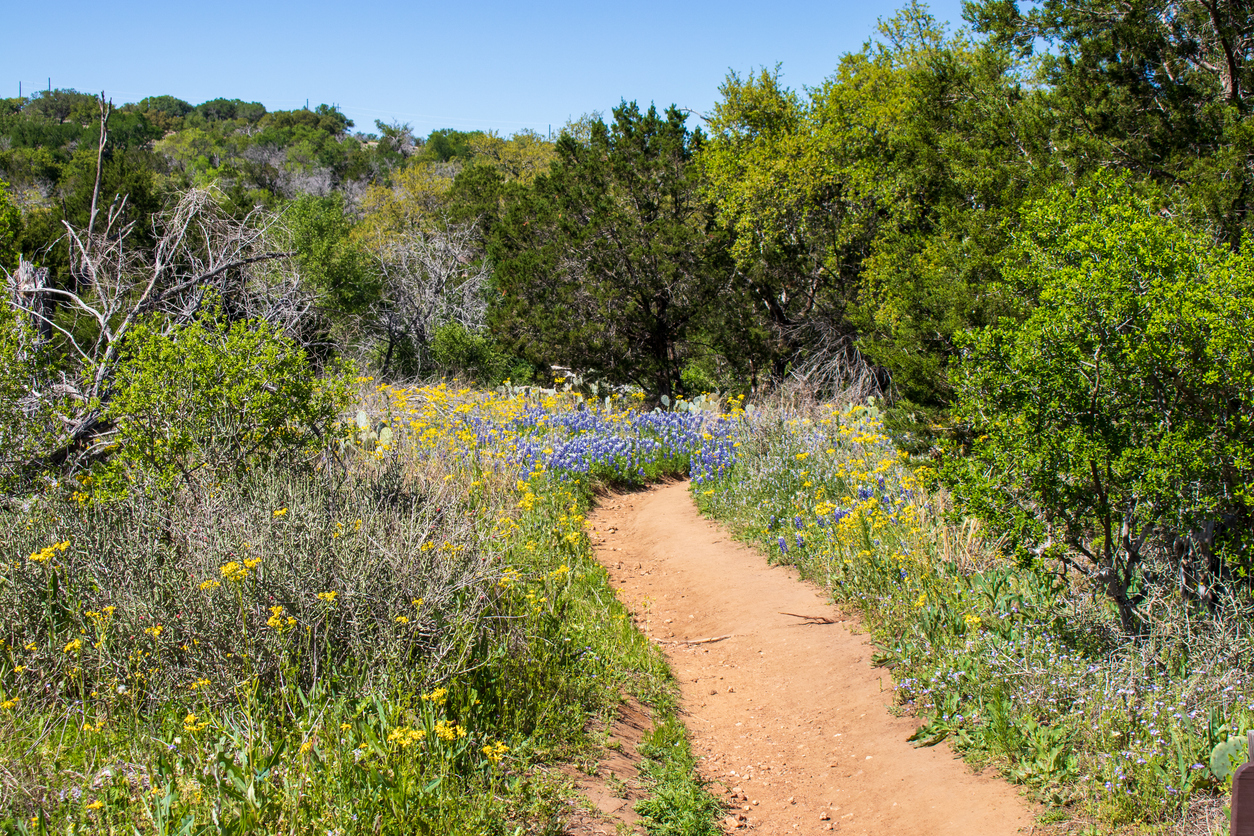
Hill Country trails reward hikers who slow down.
At first glance, some parts of the region may seem simple: rock, oak, cedar, grass, and sky. But the details build as you walk. Fossil-like textures appear in limestone. Water carves smooth channels through rock. Birds move through oak branches. Small flowers grow from thin soil. A dry creek bed reveals how powerful water can become after rain.
This is not a landscape that needs to overwhelm you all at once. It works through steady discovery.
That makes it a strong hiking classroom. It teaches geology, ecology, weather awareness, water conservation, and local history in a way that feels natural. You learn by moving through the land.
A Trail Identity Texas Can Claim
The Hill Country defines the Texas trail experience because it brings together so many parts of the state’s outdoor identity.
It is rugged but reachable. Scenic but practical. Historic but still alive with change. Its trails cross ranchland, river country, limestone hills, granite domes, oak woodlands, and rare wildlife habitat. It gives hikers a challenge without shutting out beginners. It gives locals a place to return and visitors a clear first impression of Central Texas.
Most of all, Hill Country hiking feels unmistakably Texan.
The trails are shaped by heat, stone, water, distance, and resilience. They remind hikers that Texas beauty is often found in rough edges: a rocky climb, a shaded creek, a sudden overlook, a quiet canyon, or a sunset over live oaks.
That is why the Hill Country remains one of the state’s signature hiking regions. It does not simply offer trails. It offers the Texas trail experience in its most recognizable form.