

Texas is a fantastic place to hike. The state has desert trails, pine forests, rocky hills, river canyons, coastal paths, and wide-open prairie. You can climb through the rugged country of Big Bend, walk shaded trails in East Texas, explore limestone terrain in the Hill Country, or follow sandy paths near the Gulf Coast.
That variety is what makes hiking in Texas exciting. It is also what makes safety so important.
Texas weather can change fast. Heat can become dangerous quickly. Trails may be rocky, remote, poorly shaded, or farther from help than they appear. Wildlife, flash floods, dehydration, and getting turned around are all real risks.
The good news is that most hiking problems can be avoided with planning, awareness, and the right gear. Whether you are taking a short nature walk or heading into the backcountry, these safety tips can help you enjoy the trail with more confidence.
Know the Trail Before You Go
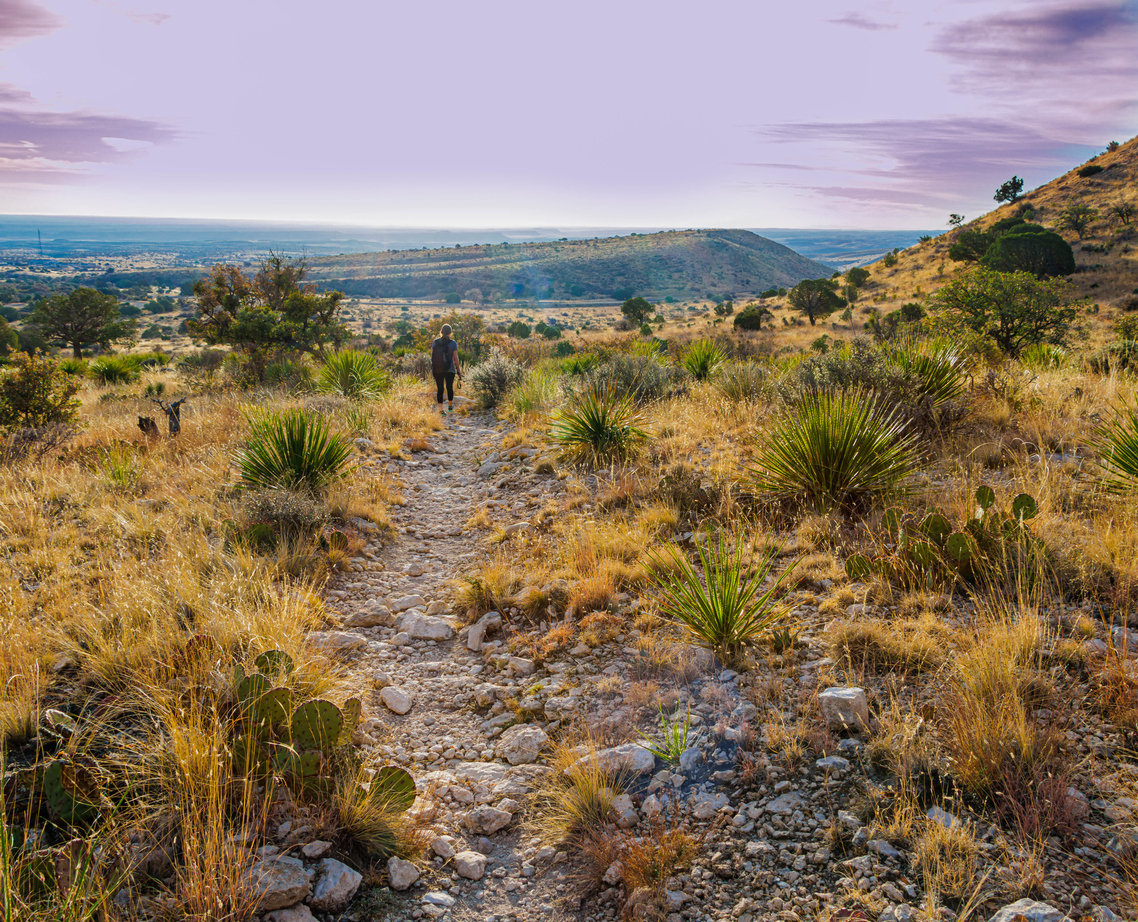
Before starting any hike, learn as much as you can about the trail. Texas parks and natural areas can vary widely in difficulty. A trail that looks short on a map may include steep climbs, loose rock, river crossings, or long stretches without shade.
Check the trail distance, elevation change, surface conditions, and estimated hiking time. Look for recent trail alerts from the park or land manager. Some trails may close because of flooding, fire risk, wildlife activity, extreme heat, or maintenance.
It also helps to study the route before you arrive. Download a map to your phone, but do not depend only on cell service. Many Texas hiking areas have weak or no signal, especially in canyons, desert regions, and remote state parks.
A paper map or offline GPS map can make a big difference if your phone battery dies or service disappears.
Take Texas Heat Seriously
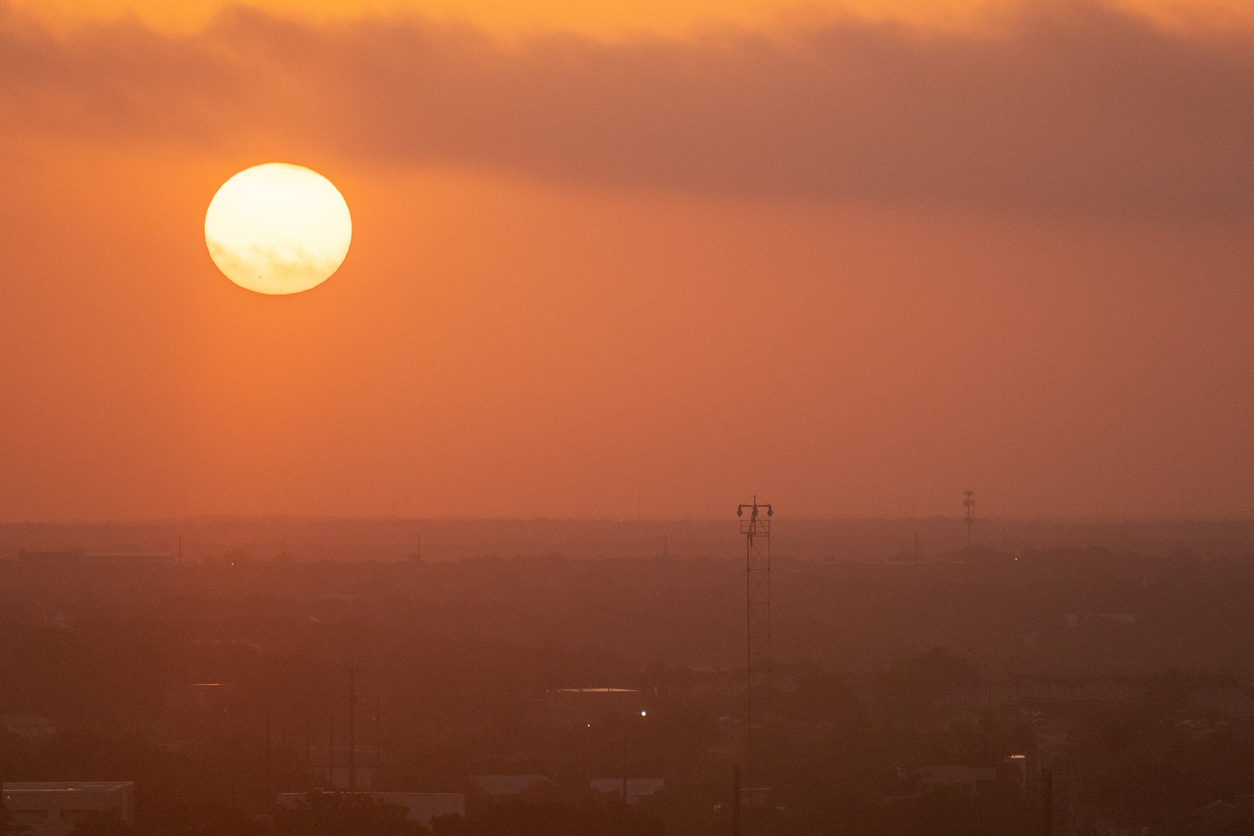
Heat is one of the biggest hiking dangers in Texas. Even experienced hikers can get into trouble when temperatures rise. In many parts of the state, summer heat can be intense by midmorning. In desert and rocky areas, the ground can radiate heat and make conditions feel even hotter.
Heat exhaustion can begin with heavy sweating, dizziness, nausea, headache, weakness, or muscle cramps. Heat stroke is much more serious and can become life-threatening. Warning signs include confusion, fainting, hot dry skin, rapid pulse, and loss of coordination.
To reduce the risk, hike early in the morning when possible. Avoid the hottest part of the day, usually from late morning through late afternoon. Choose shaded trails in warmer months, slow your pace, and take breaks before you feel exhausted.
Wear light, breathable clothing. A wide-brimmed hat, sunglasses, and sunscreen are also important. Sun exposure in Texas can be strong even on cooler days.
Bring More Water Than You Think You Need

Water is one of the most important things you can carry. In Texas, it is smart to bring extra. A short hike can become much harder if the trail is hotter, longer, or rougher than expected.
Do not assume water will be available on the trail. Creeks, springs, and park water stations may be dry, seasonal, or unsafe to drink without treatment. In remote areas, water sources may be many miles apart.
A simple rule is to drink before you feel thirsty and refill whenever you safely can. For longer hikes, carry electrolyte tablets or salty snacks to help replace what you lose through sweat.
Watch for signs of dehydration, including dry mouth, dark urine, headache, fatigue, dizziness, and confusion. If you notice these symptoms, stop, rest in shade, drink water, and cool down.
Dress for the Terrain
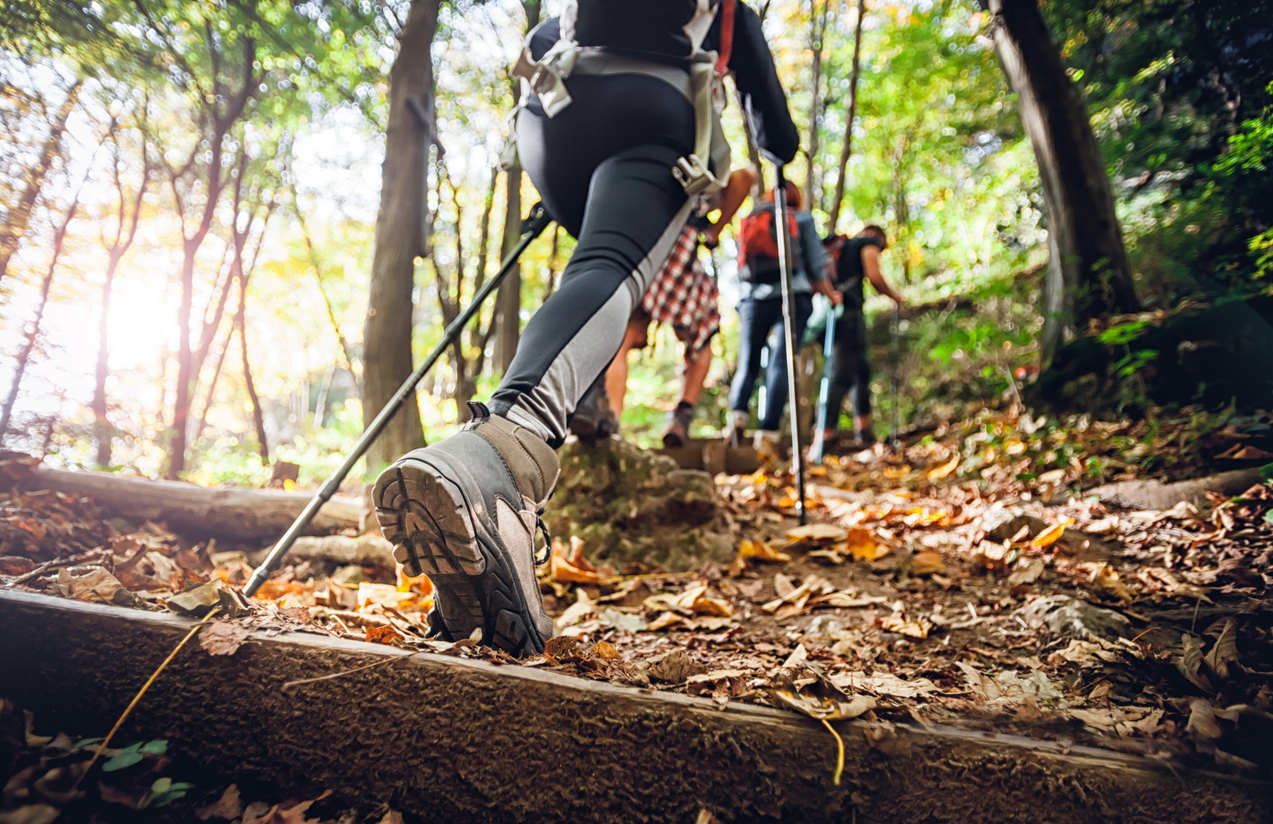
Texas trails can be rough on shoes, feet, and skin. Rocky Hill Country paths, desert trails, and root-covered forest routes all require good footwear. Choose sturdy hiking shoes or boots with traction. Avoid new shoes on long hikes because blisters can turn a pleasant outing into a painful one.
Lightweight long sleeves and hiking pants can help protect against sun, brush, insects, and scratches. In some parts of Texas, thorny plants and prickly pear cactus grow close to the trail. Long clothing can prevent minor injuries and irritation.
Moisture-wicking socks are also worth wearing. Cotton socks can hold sweat and increase the chance of blisters.
Check the Weather, Then Keep Watching It
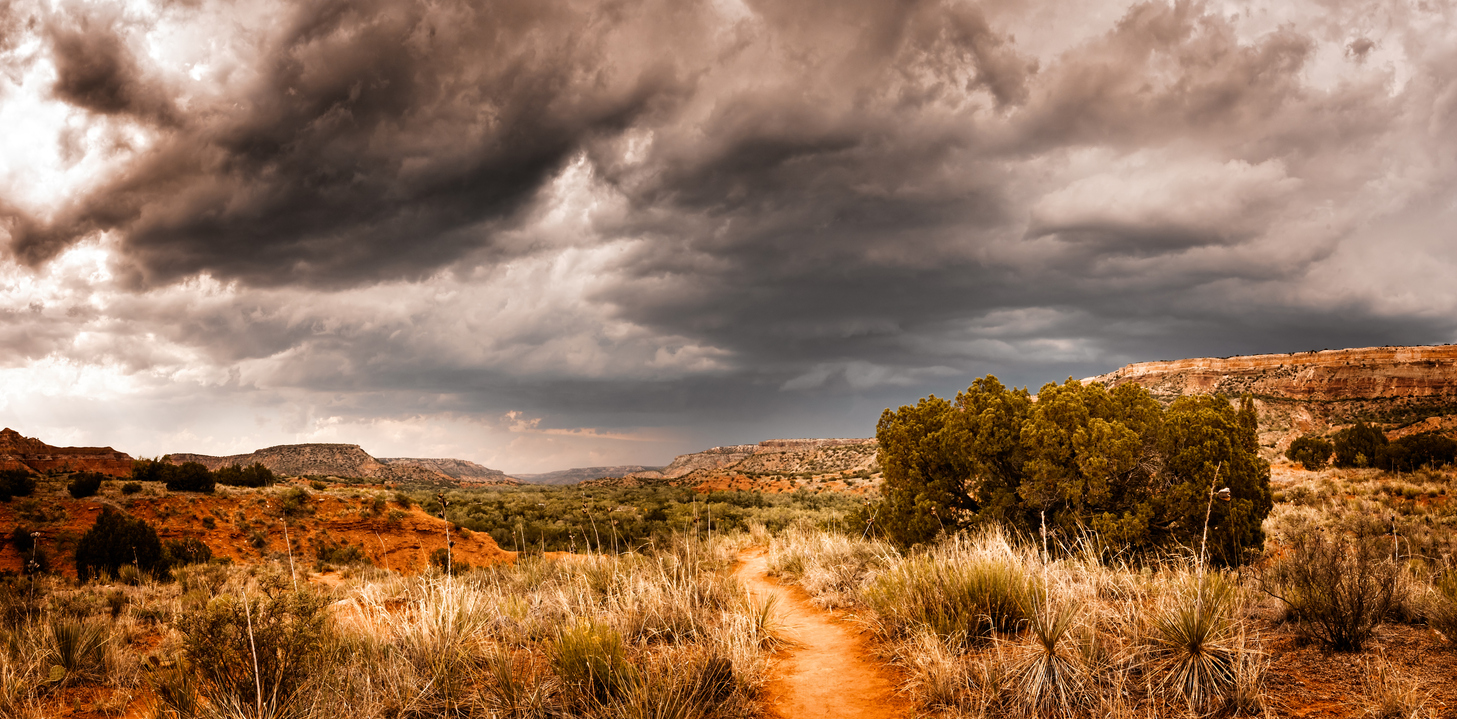
Weather matters on every hike, but it is especially important in Texas. A sunny day can turn stormy. Dry creek beds can flood quickly after heavy rain upstream. Lightning can become a serious danger on open ridges, exposed rock, and prairie trails.
Always check the forecast before heading out. Pay attention to heat advisories, storm chances, wind conditions, flood warnings, and cold fronts. In Texas, a cold front can drop temperatures quickly, especially in open or elevated areas.
If thunder starts, leave exposed areas and head toward shelter. Avoid standing under isolated trees, near water, or on high points. If heavy rain begins near canyons, low-water crossings, or creek beds, move to higher ground.
Flash floods are especially dangerous because they can arrive with little warning. Never enter a flooded crossing. Water can be deeper and stronger than it looks.
Understand Wildlife Safety
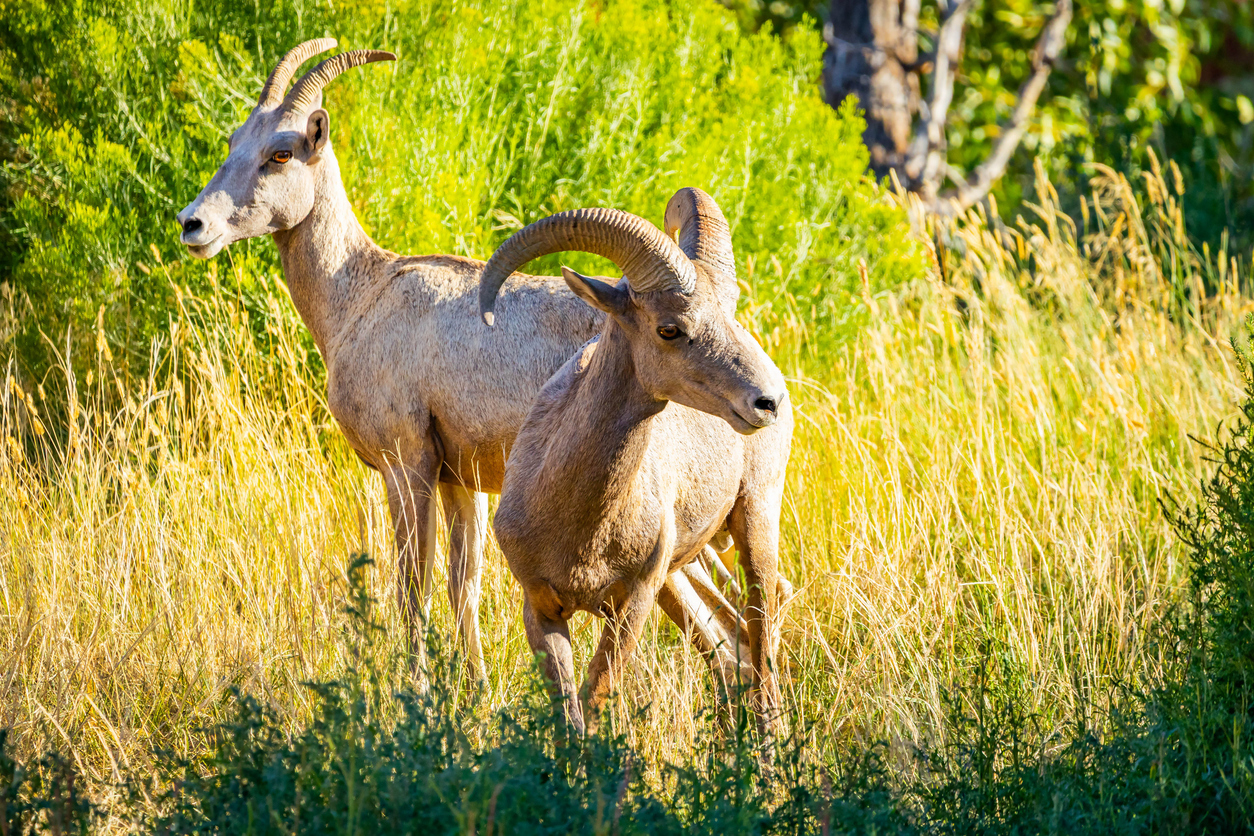
Texas is home to many animals, including snakes, feral hogs, coyotes, mountain lions in some regions, alligators in parts of East and Southeast Texas, and insects that can cause painful bites or stings. Most wildlife wants to avoid people, but problems can happen when hikers get too close, surprise an animal, or leave food unsecured.
Stay on marked trails when possible. Watch where you step and where you place your hands, especially around rocks, logs, tall grass, and shaded areas. Snakes often rest where they are hard to see.
If you see a snake, give it plenty of space and let it move away. Do not try to touch, move, or kill it. Many snake bites happen when people get too close.
Feral hogs can be aggressive if cornered or surprised. If you see one, keep your distance and move away calmly. Do not approach piglets.
In alligator areas, stay away from the water’s edge, keep pets close, and never feed wildlife. Feeding animals makes them more likely to approach people, which can create danger for both hikers and animals.
Protect Yourself From Insects and Ticks
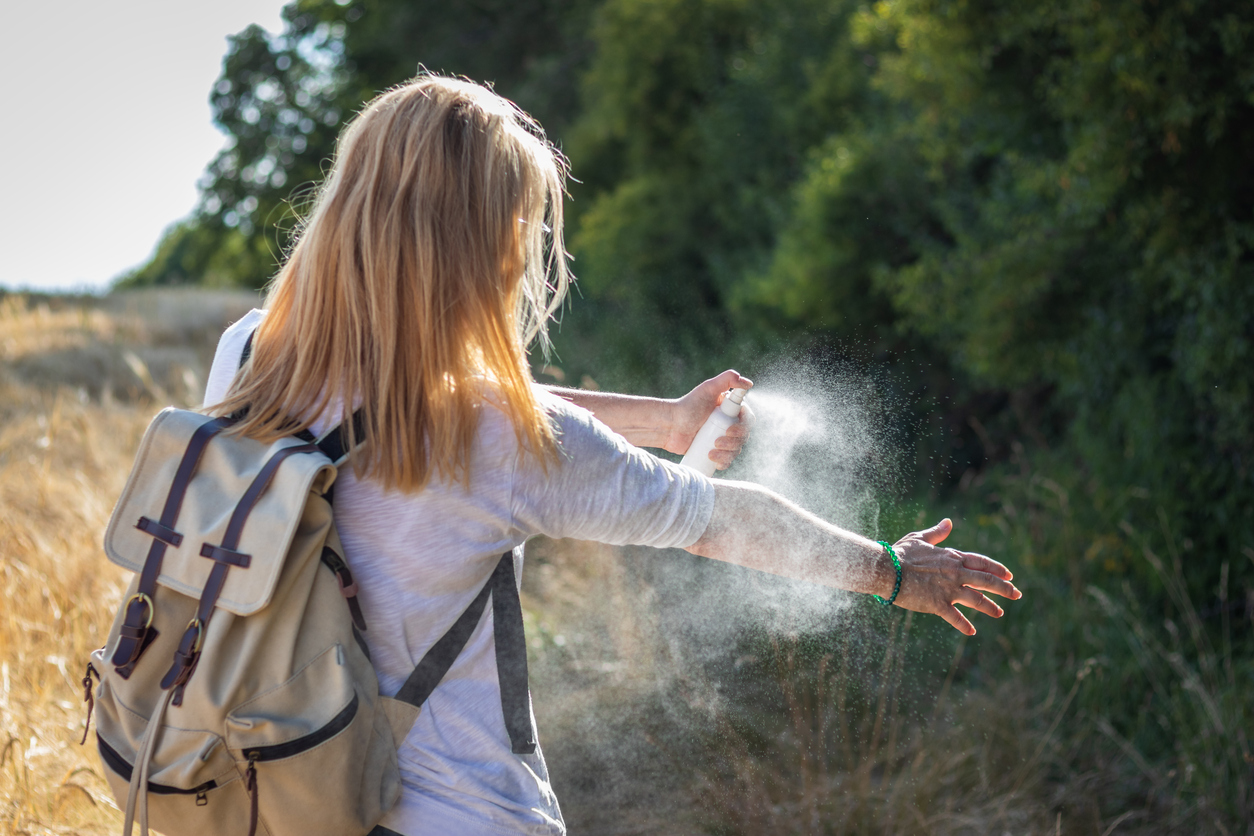
Mosquitoes, ticks, fire ants, chiggers, bees, and wasps are common in many Texas hiking areas. Some are only annoying. Others can cause allergic reactions or carry disease.
Use insect repellent when needed, especially in wooded, grassy, or wet areas. Stay on trails to reduce contact with tall grass and brush. After your hike, check your clothing, shoes, socks, and skin for ticks.
Fire ants can be a problem when resting near the ground. Before sitting down, check the area carefully. Their mounds are not always obvious, especially after rain.
If you have a serious allergy to stings, carry your prescribed emergency medication and let your hiking partner know where it is.
Tell Someone Your Plan
Before any hike, especially a longer or remote one, tell someone where you are going. Share the trail name, park name, expected start time, expected return time, and who is with you.
This simple step can save valuable time if something goes wrong. If you are delayed, injured, lost, or unable to call for help, someone will know where to start looking.
For backcountry hikes, leave your route details with park staff if the area requires or recommends it. Some parks have registration systems for longer trails or overnight trips.
Stay on Marked Trails
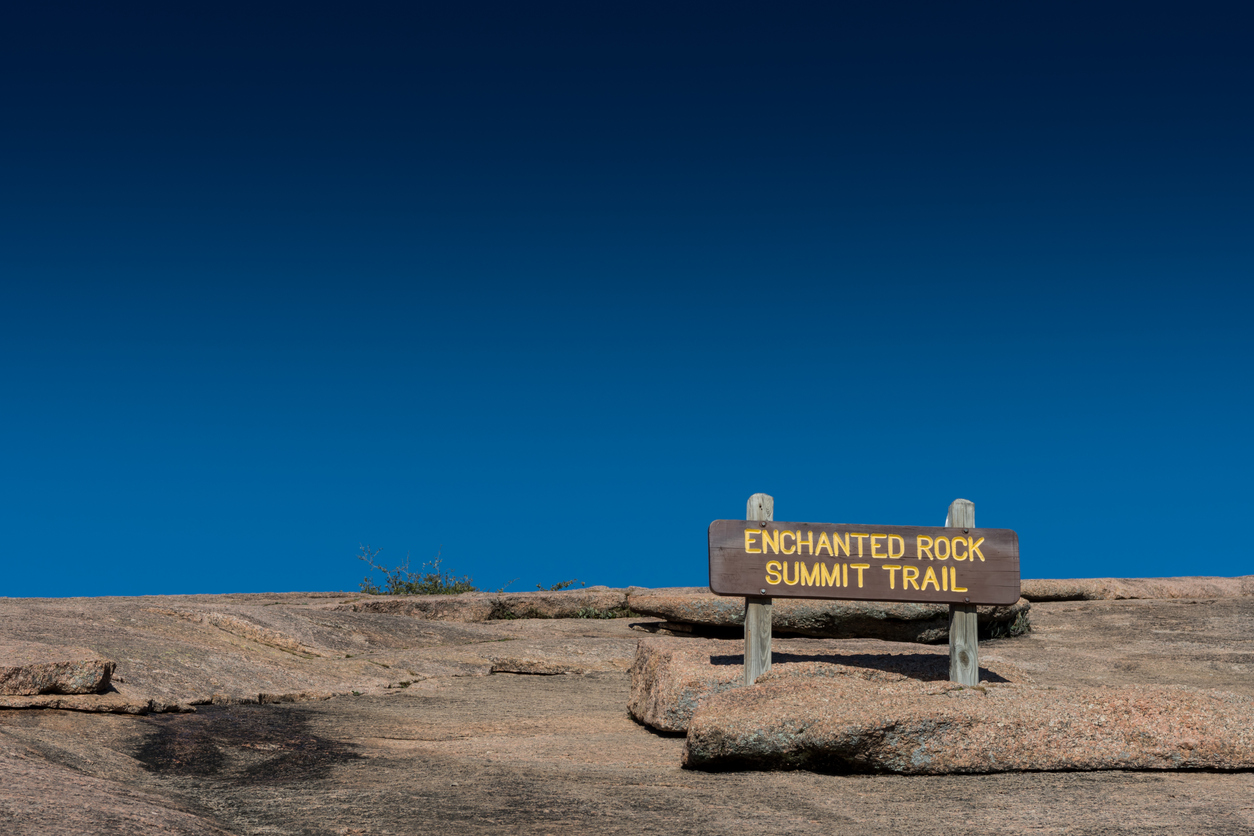
It can be tempting to wander off trail for a view, shortcut, or photo. In Texas, that can lead to real trouble. Off-trail areas may include loose rock, cactus, unstable cliffs, private property, sensitive habitat, or confusing terrain.
Marked trails are designed to guide hikers through safer routes while protecting the land. Staying on them reduces the chance of getting lost and helps prevent erosion.
If you lose the trail, stop and look around before moving farther. Check your map, retrace your steps if needed, and avoid guessing. Wandering without a plan can turn a small mistake into a serious situation.
Pack Basic Safety Gear
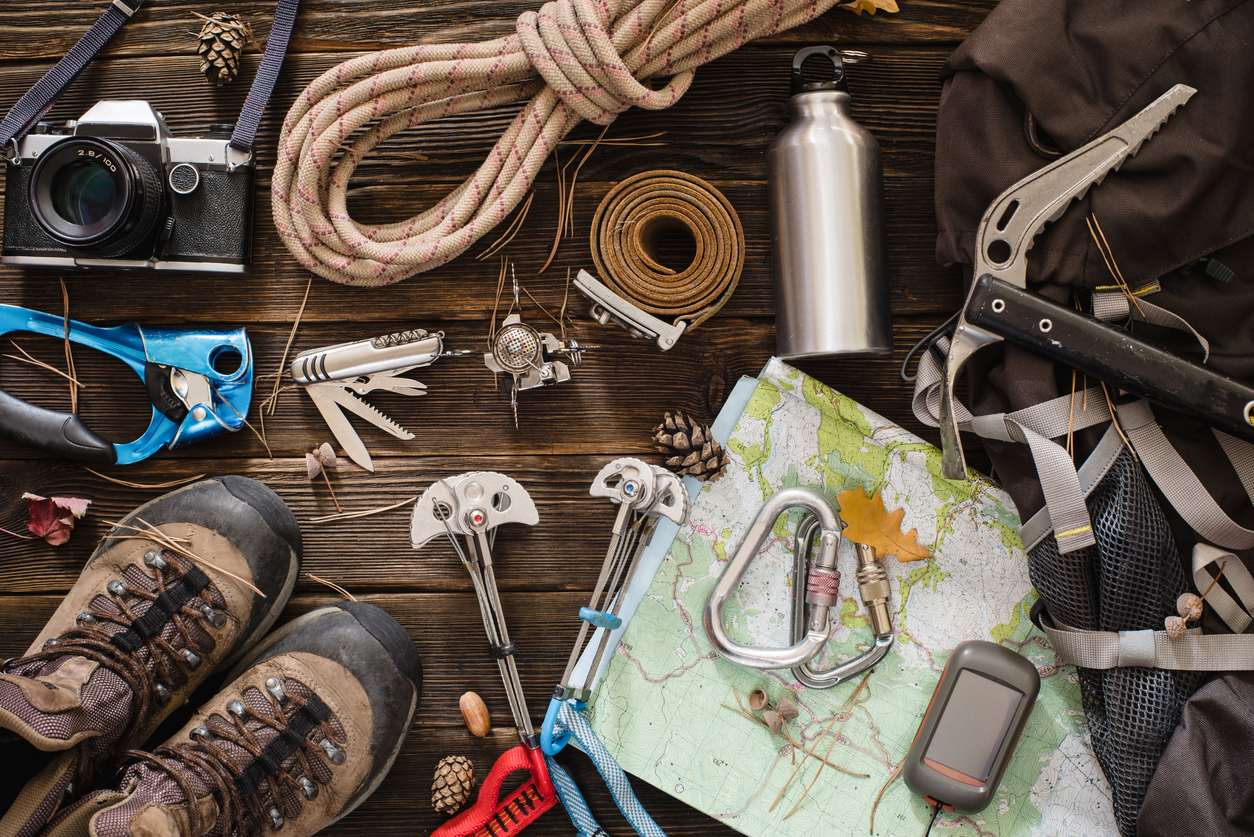
You do not need expensive equipment for every hike, but you should carry basic safety items. Even on short hikes, unexpected problems can happen.
Useful items include:
- Water and extra water
- Snacks or energy food
- Map or offline navigation
- Fully charged phone
- Small first-aid kit
- Sun protection
- Flashlight or headlamp
- Whistle
- Pocketknife or multitool
- Rain jacket or extra layer, depending on weather
- Emergency blanket for longer or remote hikes
A flashlight is important even if you plan to finish before dark. Hikes can take longer than expected, and phone flashlights drain battery quickly.
Be Careful Around Cliffs, Rocks, and Water
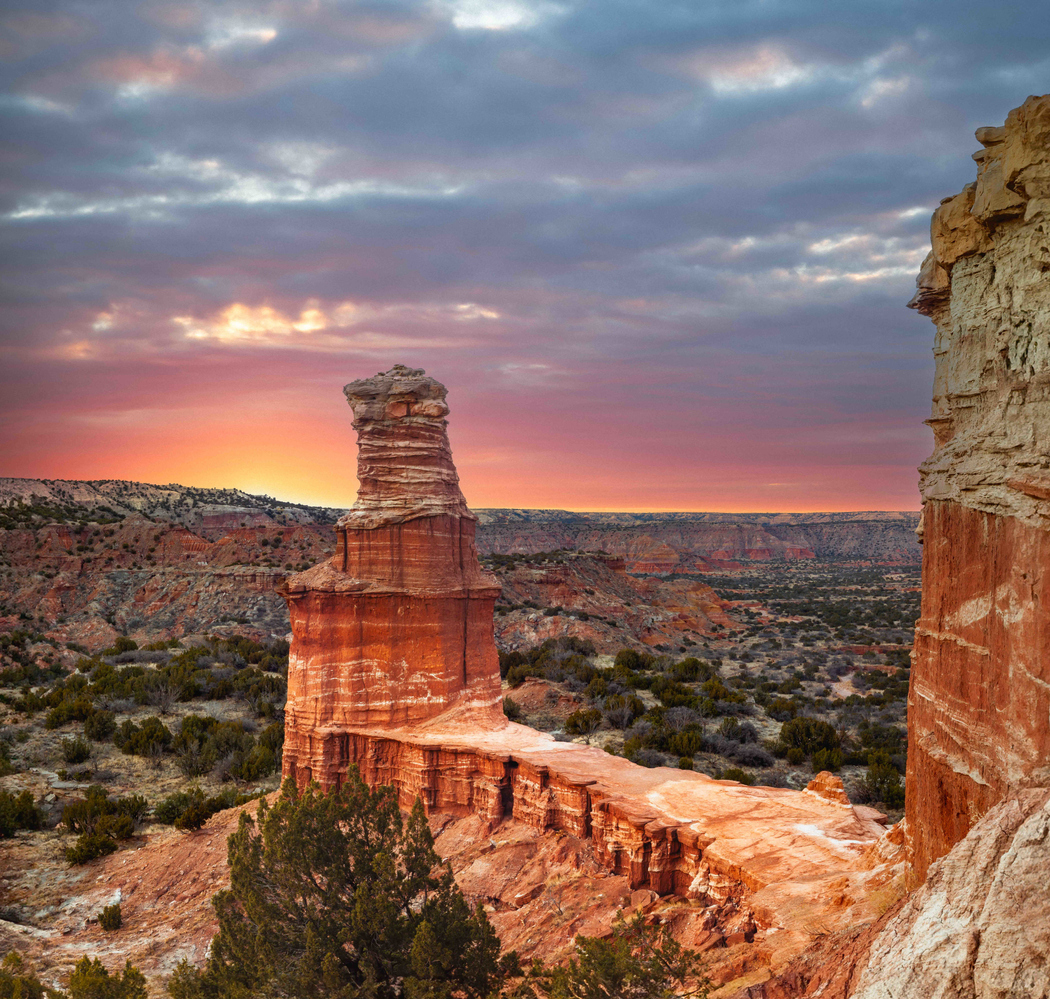
Many Texas hiking areas include overlooks, rocky ledges, riverbanks, waterfalls, and creek crossings. These spots can be beautiful, but they also require caution.
Stay back from cliff edges. Rock can crumble, and loose gravel can cause a slip. Be careful when taking photos because stepping backward without looking is a common mistake.
Wet limestone, algae-covered rocks, and muddy banks can be very slippery. Move slowly near water and avoid jumping across rocks if the landing is uncertain.
At river crossings, check the current before stepping in. If water is moving fast, rising, or cloudy, turn back. A safe trail is never worth risking a dangerous crossing.
Hike With a Partner When Possible

Solo hiking can be peaceful, but hiking with another person is safer. A partner can help if you get injured, dehydrated, lost, or overwhelmed by heat.
If you hike alone, choose a well-marked trail, start early, and stay realistic about your limits. Make sure someone knows your plan. Carry enough water, keep your phone charged, and avoid taking unnecessary risks.
For remote trails, a satellite communicator or personal locator beacon can provide extra safety. This is especially useful in areas without cell service.
Know Your Limits
Texas trails can be harder than they look. Heat, humidity, elevation, rocky ground, and lack of shade can wear you down quickly. It is better to turn around early than push too far.
Pay attention to your body. If you feel dizzy, weak, overheated, confused, or unusually tired, stop and rest. Find shade, drink water, and reassess.
A hike does not have to be extreme to be worthwhile. Shorter trails can still offer great views, wildlife, fresh air, and a memorable day outside.
Keep Pets Safe on the Trail
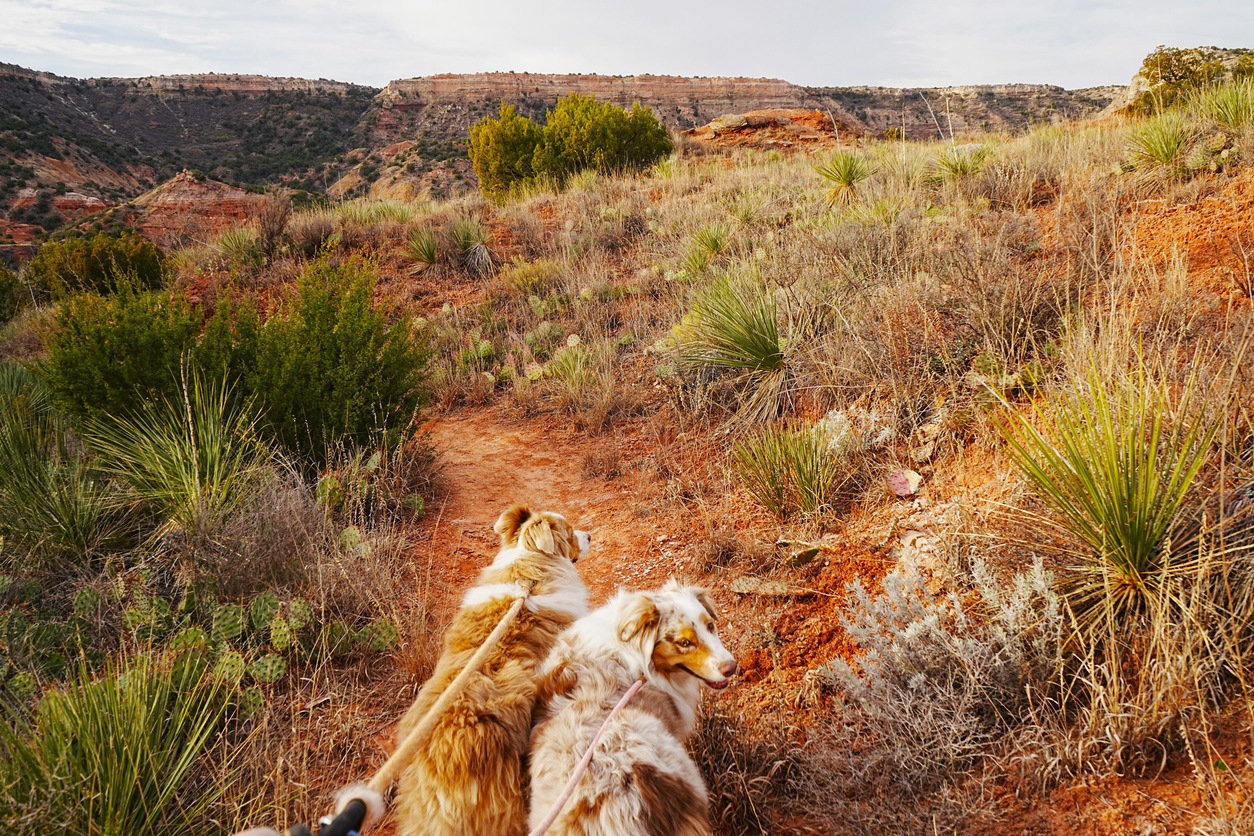
Many Texans enjoy hiking with dogs, but pets need protection too. Dogs can overheat quickly, especially on hot ground. They also need water, shade, and rest breaks.
Check park rules before bringing a pet. Some trails do not allow dogs because of wildlife, terrain, or conservation concerns. Where dogs are allowed, keep them leashed.
Avoid hiking with pets during extreme heat. Test the ground with your hand. If it is too hot for your palm, it is too hot for paws.
Also watch for cactus, snakes, ticks, and rough rock. Carry extra water for your dog and never let pets approach wildlife.
Practice Leave No Trace Habits
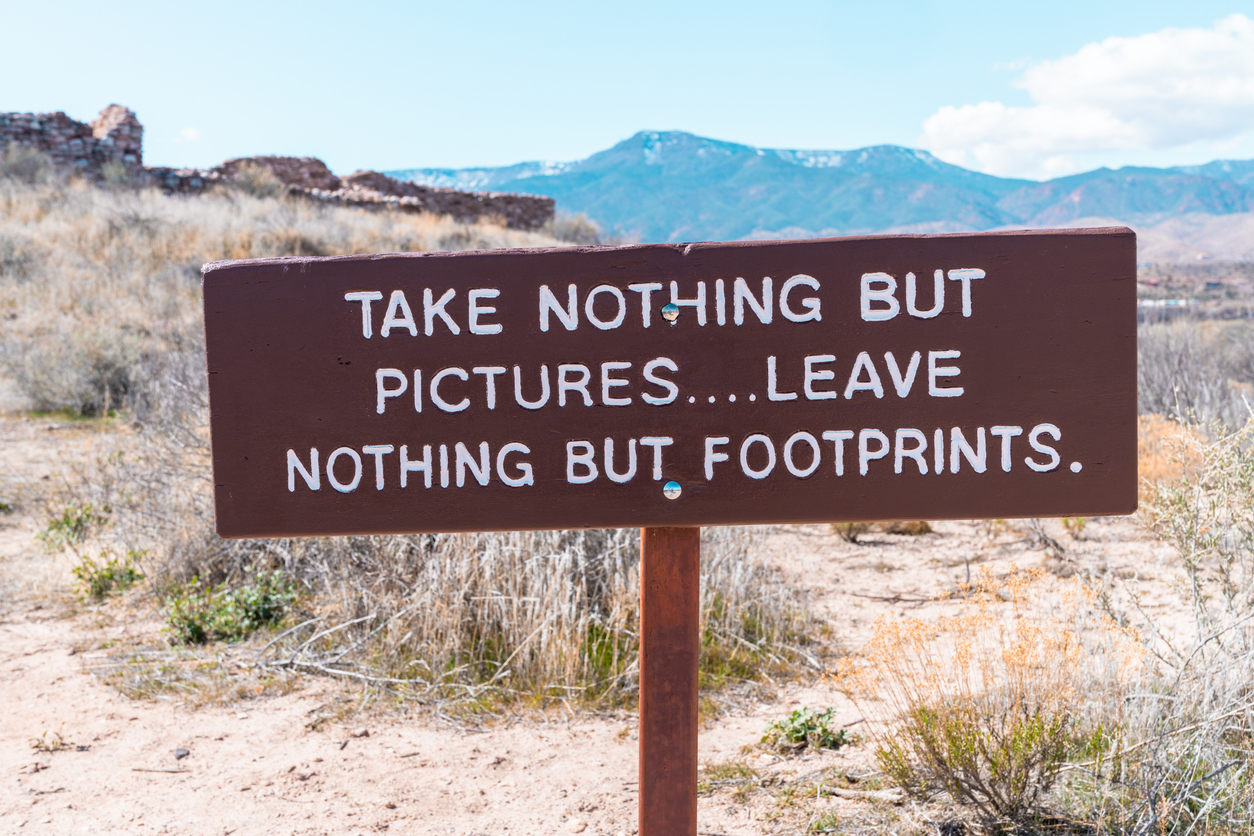
Safety also includes caring for the places you visit. Texas trails stay enjoyable when hikers respect the land and other visitors.
Pack out trash, food scraps, and pet waste. Stay on durable surfaces. Leave plants, rocks, artifacts, and wildlife where you find them. Keep noise low so others can enjoy the outdoors.
Campfires should only be built where allowed. During dry conditions, fire danger can rise quickly. Follow all burn bans and park rules.
Good trail manners protect natural areas and help keep parks open for everyone.
What to Do If You Get Lost
Getting lost can be scary, but panic makes it worse. If you realize you are off route, stop moving. Take a few deep breaths and check your map or GPS.
Look for familiar landmarks, trail signs, footprints, or the last place you remember being on the correct trail. If you are close to the trail and can safely retrace your steps, do so.
If you are truly lost, stay in one place if possible. Use a whistle, bright clothing, mirror, flashlight, or phone to signal for help. Three short whistle blasts are commonly used as a distress signal.
Save your phone battery. Send a text if calls will not go through, since texts may work with weaker signals. Include your location if your phone can provide it.
Final Thoughts
Hiking in Texas can be rewarding in every season, but the state demands respect. Heat, weather, rugged terrain, wildlife, and distance from help can turn small mistakes into serious problems.
Plan ahead. Carry water. Start early. Watch the weather. Stay on marked trails. Listen to your body. These simple habits can make your hike safer and much more enjoyable.
Texas has plenty of trails worth exploring. With the right preparation, you can enjoy them while protecting yourself, your hiking partners, and the wild places that make the state so special.