

Fishing in Texas can mean casting for bass on a quiet Hill Country lake, chasing redfish along the coast, or taking the kids to a stocked neighborhood pond. With so many waters and so many species, Texas gives anglers plenty of room to enjoy the outdoors.
It also comes with rules.
Texas fishing regulations are designed to protect fish populations, keep public waters fair for everyone, and make sure future anglers can enjoy the same opportunities. The rules may look confusing at first, but the basics are easy to understand once you know what to check before you go.
The information below is based on Texas Parks and Wildlife Department rules for the 2025–2026 license year, which runs through August 31, 2026. Always check the current Outdoor Annual before a trip, since special rules can apply by location and species.
Why Texas Fishing Rules Matter
Fishing limits are not random numbers. They help control how many fish leave the water each day. They also protect young fish long enough for them to grow and reproduce.
Without bag limits, length limits, and gear rules, popular lakes, rivers, bays, and coastal areas could lose quality fish much faster. That would hurt anglers, local ecosystems, and communities that depend on outdoor recreation.
The goal is simple: enjoy the catch today without damaging tomorrow’s fishing.
Who Needs a Texas Fishing License?
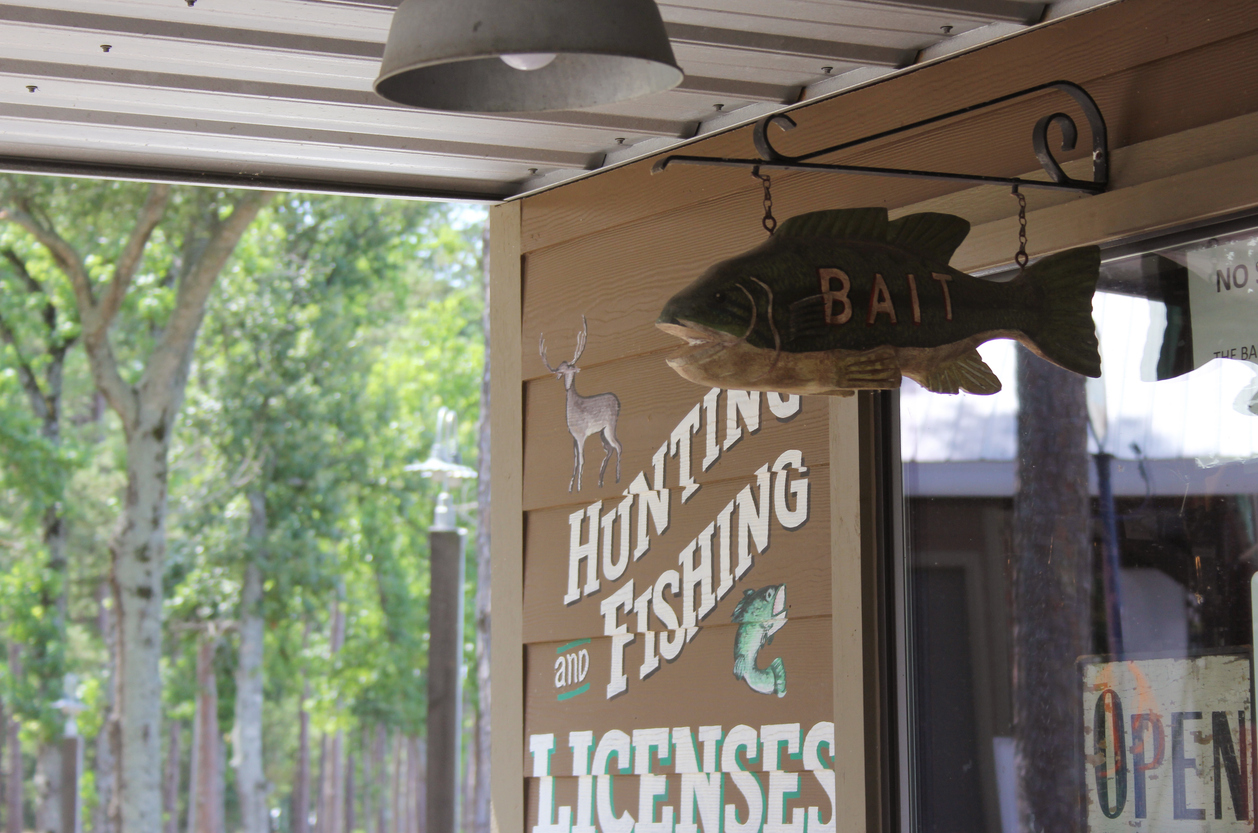
In general, Texas residents and non-residents need a fishing license to fish in public waters. A valid license with the proper freshwater or saltwater endorsement is required for anyone who fishes for fish, mussels, clams, crayfish, or other aquatic life in Texas public waters.
Children under 17 do not need a fishing license. Texas also has some exceptions for certain seniors and special situations, so it is worth checking the official rules before assuming you are exempt.
The endorsement matters too. A freshwater endorsement applies to inland waters. A saltwater endorsement applies to coastal waters. Anglers who fish both should look at an all-water package.
Most annual Texas fishing packages are valid from the date of sale through August 31 of the same license year. TPWD also lists a resident year-from-purchase all-water package, which runs through the end of the purchase month of the next license year.
Free Fishing Opportunities
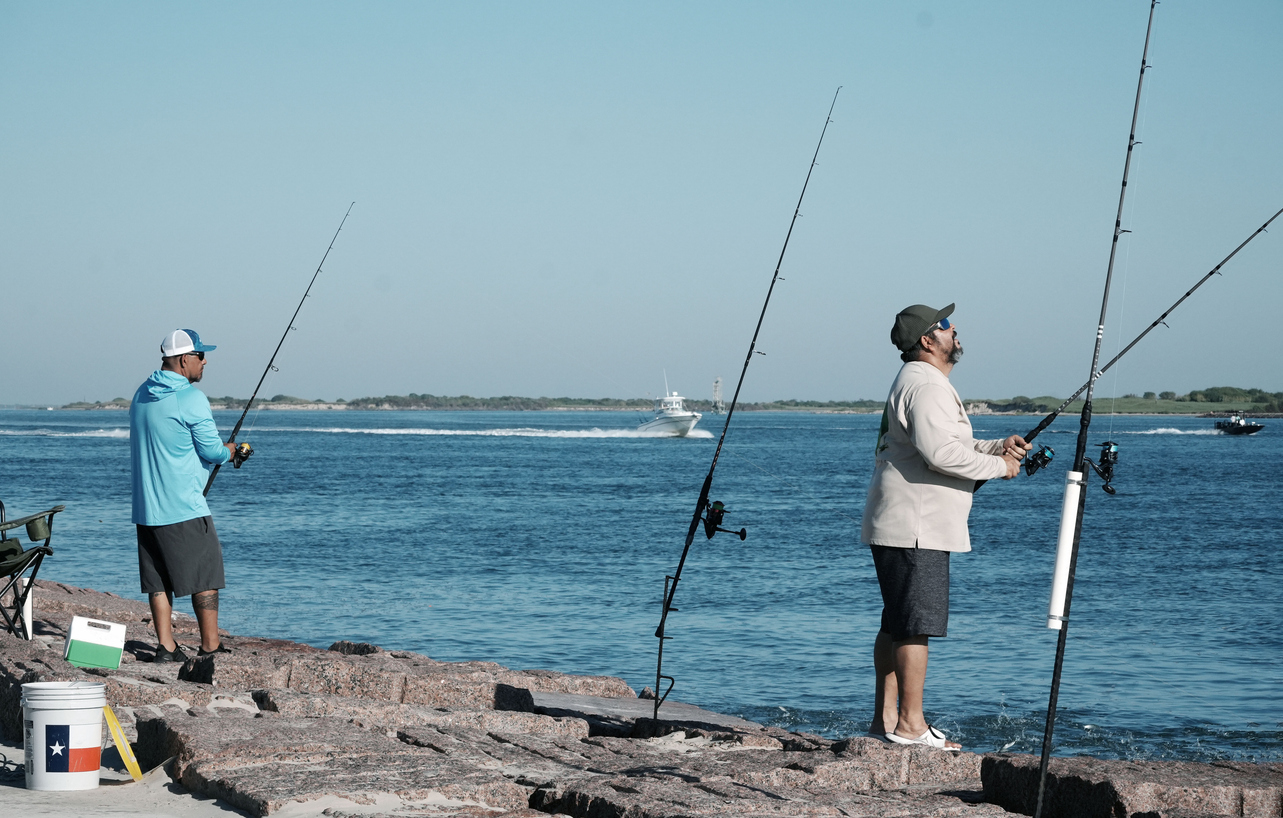
Texas has a Free Fishing Day on the first Saturday in June each year. On that day, everyone may fish recreationally without licenses or endorsements.
That does not mean all rules disappear. Bag limits, length limits, gear restrictions, and location rules still apply. Free Fishing Day removes the license requirement for that day, but it does not remove conservation rules.
Some Texas state parks also allow fishing without a license from shore or pier inside the park, though park entry fees and fishing regulations still apply. Before planning around that, check the rules for the specific park.
Freshwater and Saltwater Rules Are Different
Texas separates many rules into freshwater and saltwater categories. That makes sense because inland lakes and coastal waters support different fish, different habitats, and different fishing pressure.
Freshwater rules cover places like lakes, reservoirs, rivers, creeks, and ponds. Saltwater rules cover bays, coastal waters, and Gulf waters under Texas jurisdiction.
One important detail catches some anglers off guard: saltwater finfish caught in brackish or fresh waters are still subject to saltwater bag, possession, and length limits.
So if you catch a saltwater species in a mixed-water area, do not assume freshwater limits apply.
Understanding Daily Bag Limits
A daily bag limit is the number of fish of a certain species you may keep in one day. Once you reach that number, you must stop keeping that species for the day.
For example, the statewide daily bag for largemouth bass, smallmouth bass, Alabama bass, Guadalupe bass, and spotted bass is 5 fish in any combination. Largemouth and smallmouth bass have a 14-inch minimum length under statewide rules, while spotted, Guadalupe, and Alabama bass have no statewide minimum length. Special waterbody rules may still apply.
That phrase “in any combination” matters. It means the limit applies to the group, not each fish separately.
Understanding Possession Limits
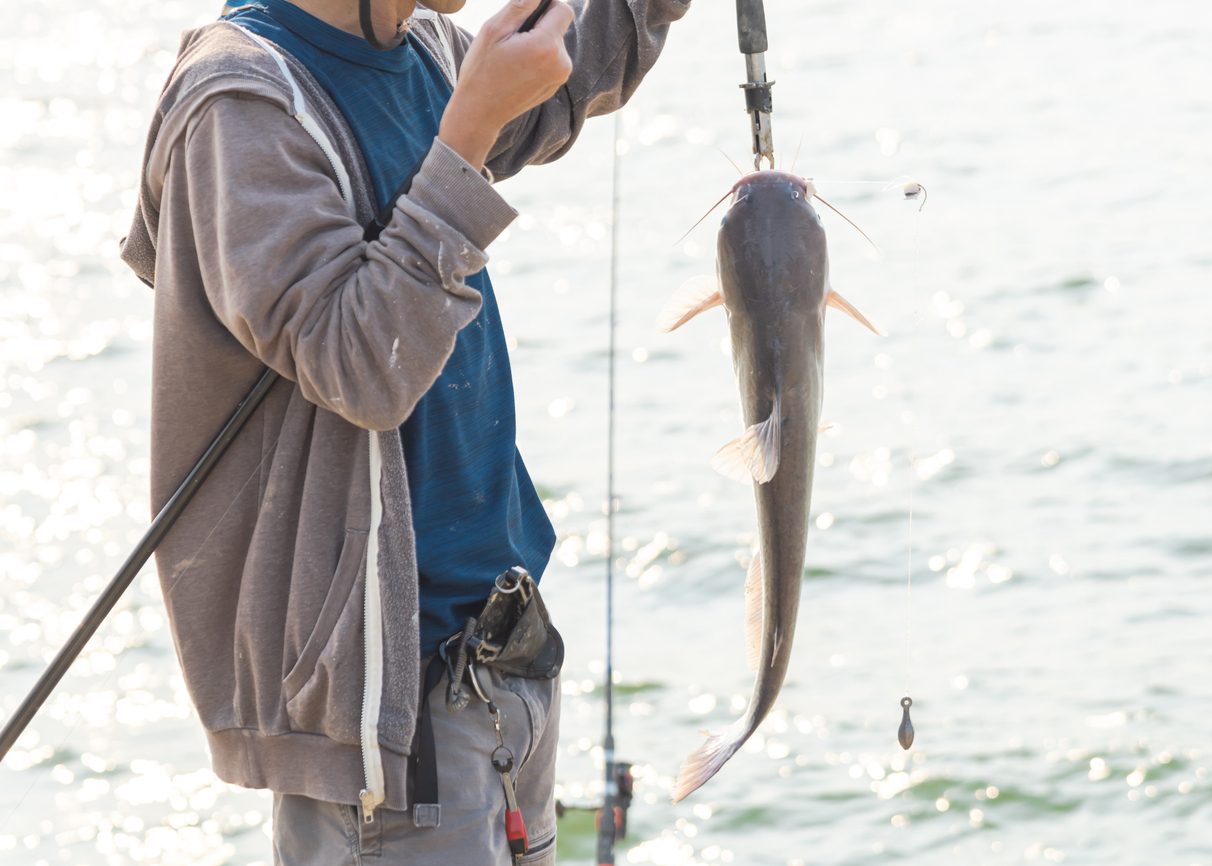
The possession limit is the number of fish you may have in your possession after multiple days of fishing. This can include fish in a cooler, campsite, vehicle, freezer, or lodging.
For Texas freshwater fishing, possession limits are generally twice the statewide daily bag limit, with exceptions for striped bass from Lake Texoma and alligator gar from Falcon International Reservoir.
This rule matters on multi-day trips. If the daily bag is 5, that does not automatically mean you can keep 5 fish every day forever while storing them all at camp. You must stay within the possession limit too.
Understanding Length Limits
Length limits control the size of fish anglers may keep. Some fish must be at least a certain length. Others may fall under slot limits, which allow harvest only within a specific size range.
Length rules protect breeding fish, young fish, or trophy-sized fish depending on the species and location.
TPWD says to measure a fish by placing it on its side with the jaw closed, then measuring a straight line from the tip of the snout to the extreme tip of the tail fin. For soft-tailed fish, squeeze the tail fin together to get the maximum overall length. For hard-tailed fish, turn the tail to get the maximum length.
That small measurement detail can decide whether a fish is legal to keep. A fish that is barely short should go back in the water.
Common Freshwater Limits to Know
Texas has many species-specific rules, and some lakes have special exceptions. Still, a few statewide freshwater limits are useful for everyday anglers.
Under statewide freshwater rules for 2025–2026:
| Species | Daily Bag Limit | Minimum Length |
| Largemouth bass | 5 in combination with certain black bass species | 14 inches |
| Smallmouth bass | 5 in combination with certain black bass species | 14 inches |
| White bass | 25 | 10 inches |
| Striped and hybrid striped bass | 5 in any combination | 18 inches |
| Channel and blue catfish | 25 in any combination, with only 10 fish 20 inches or longer | No minimum |
| Flathead catfish | 5 | 18 inches |
| White and black crappie | 25 in any combination | 10 inches |
| Alligator gar | 1 | No minimum, with reporting and special restrictions |
These are statewide rules, not a guarantee for every lake or river. TPWD lists special exceptions for certain waterbodies, and those local rules can change what you may keep.
Saltwater Limits Need Extra Attention
Saltwater fishing often includes additional details such as tags, slot limits, seasonal closures, and federal-water rules. Species like red drum, spotted seatrout, flounder, snapper, shark, tarpon, and others may have very specific requirements.
TPWD organizes saltwater limits by species, and anglers should check the exact rule for the fish they are targeting before keeping anything.
This is especially important on the coast because fish can move through bays, passes, state waters, and federal waters. A trip that starts simple can cross into a different rule zone faster than expected.
Game Fish Must Be Taken the Legal Way
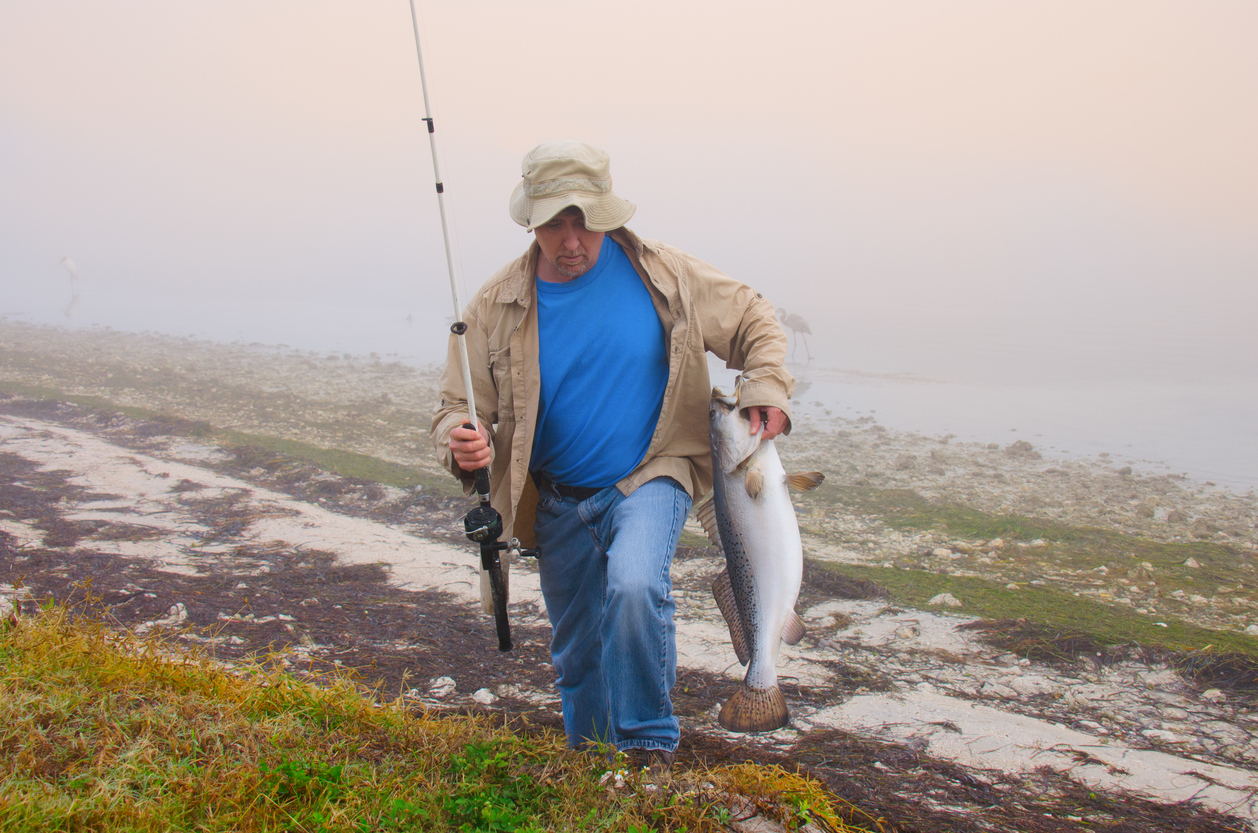
Texas rules also cover how fish may be taken. Game fish may generally be taken only by pole and line, which includes rod and reel, unless a specific rule says otherwise.
That means anglers should be careful with methods such as bowfishing, spearfishing, nets, traps, and other gear. Some devices are legal for certain species or locations, but illegal for others.
The safest habit is to check three things before using anything besides a rod and reel:
- Is the device legal in that water?
- Is the target species legal to take with that device?
- Are there local restrictions for that lake, river, bay, park, or community fishing water?
A legal method in one place may be illegal in another.
Special Rules for Certain Waters
Texas has statewide rules, but statewide does not mean universal. Many waterbodies have special limits. These exceptions may protect a trophy fishery, restore a population, reduce overcrowding, or respond to local conditions.
Lake Fork, Lake Texoma, Falcon International Reservoir, community fishing lakes, state park waters, coastal areas, and certain rivers can have special rules. Some places may also have temporary closures or emergency changes.
Before fishing a specific lake or bay, check that exact location in the TPWD Outdoor Annual. Do not rely only on a general chart.
Fish Consumption Advisories
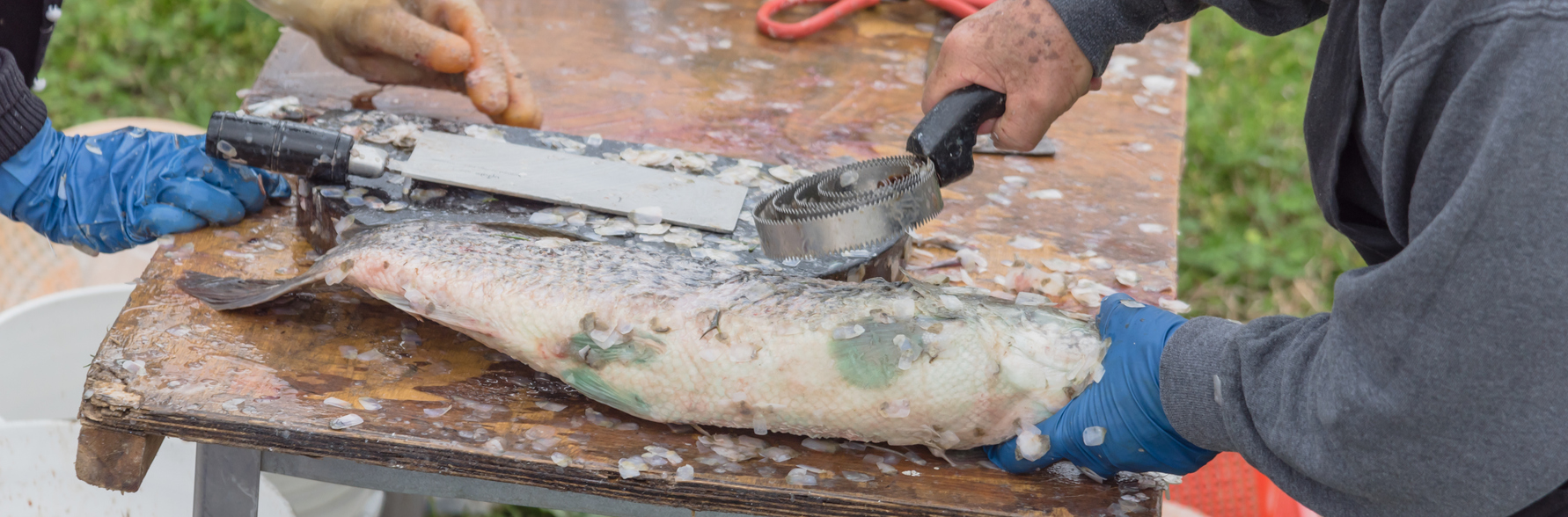
Legal catch does not always mean safe to eat often.
The Texas Department of State Health Services monitors fish for environmental contaminants and issues consumption bans or advisories when needed. TPWD directs anglers to DSHS for current fish and shellfish advisories.
Some advisories recommend limiting meals of certain species from certain waters. Others warn specific groups, such as children or women of childbearing age, to avoid certain fish.
For example, TPWD lists mercury-related Gulf of Mexico advisories for species such as blue marlin, blackfin tuna, little tunny, crevalle jack, swordfish, wahoo, sharks, and king mackerel.
Before bringing fish home for dinner, check whether the waterbody has a current advisory.
Catch and Release Still Has Rules
Catch and release is a great practice, but it still requires care. If a fish is undersized, oversized, out of season, or illegal to keep, return it to the water as quickly as possible.
Handle fish with wet hands when possible. Avoid dragging them across dry surfaces. Support larger fish horizontally, especially if you plan to release them.
Also remember that some rules may prohibit release after certain harvest methods. For example, TPWD notes that alligator gar may not be released after being taken with lawful archery equipment.
A quick photo is fine when the fish is legal to handle, but the fish’s health should come first.
What to Check Before Every Fishing Trip
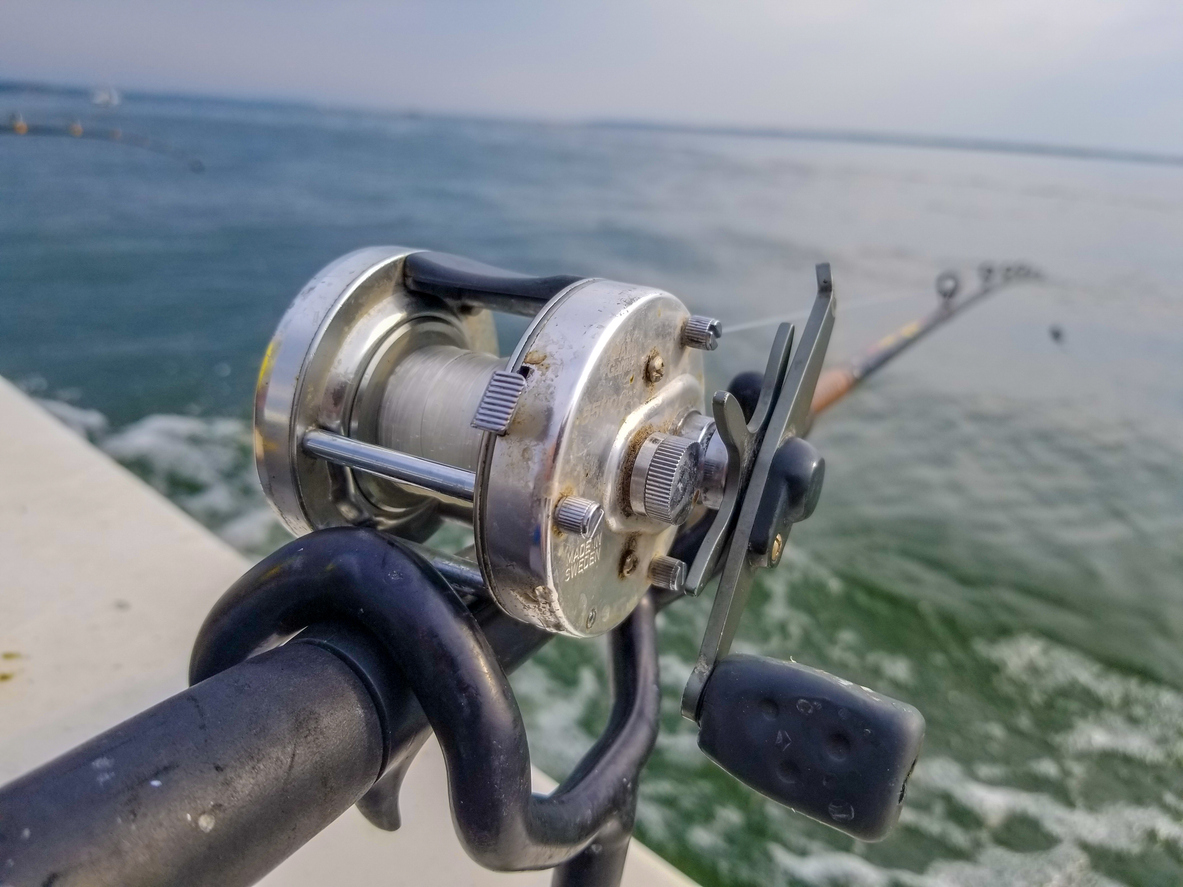
Texas fishing is easier when you build a simple pre-trip habit.
Before you leave, check:
- Your license and endorsement
- The rules for the waterbody
- The daily bag and length limit for your target species
- Any special local exceptions
- Legal gear and method rules
- Fish consumption advisories
- Weather, water conditions, and access rules
This takes only a few minutes and can prevent a costly mistake.
Final Thoughts
Texas offers some of the best fishing in the country, from farm ponds and big reservoirs to coastal flats and Gulf waters. The rules help keep those opportunities strong.
For most anglers, staying legal comes down to a few basic habits. Carry the right license. Know your species. Measure carefully. Respect daily bag and possession limits. Check special rules before fishing a new spot.
Do that, and you can focus on the good part: a quiet morning on the water, a strong tug on the line, and maybe a fresh fish dinner at the end of the day.