

Texas gives anglers a lot to work with. The state has big reservoirs, winding rivers, farm ponds, coastal bays, jetties, piers, and offshore waters. That variety helps explain why fishing is such a major outdoor activity across Texas.
Some fish are popular because they fight hard. Others are loved because they taste good. A few are favorites because beginners can catch them without expensive gear. From freshwater lakes to the Gulf Coast, these are some of the most popular fish to catch in Texas.
Largemouth Bass

Largemouth bass may be the most famous freshwater sport fish in Texas. Anglers chase them in lakes, reservoirs, ponds, creeks, and rivers across the state. The Texas Parks and Wildlife Department even provides dedicated publications for largemouth bass and other black bass species, which shows how important they are to Texas freshwater fishing.
Part of the appeal is the challenge. Bass are aggressive predators, but they can also be picky. One day they may strike a spinnerbait near shallow grass. Another day they may sit deep near brush piles, ledges, or submerged timber.
Spring is one of the best times to catch largemouth bass because many move into shallow water to spawn. During summer, anglers often fish early in the morning, late in the evening, or deeper during the heat of the day.
Popular bass lures include:
- Plastic worms
- Crankbaits
- Spinnerbaits
- Topwater plugs
- Jigs
Texas has several famous bass lakes, including Lake Fork, O.H. Ivie, Sam Rayburn Reservoir, Toledo Bend, Falcon Lake, and Choke Canyon. Many anglers dream of catching a double-digit bass, and Texas has produced some giants over the years.
Catfish
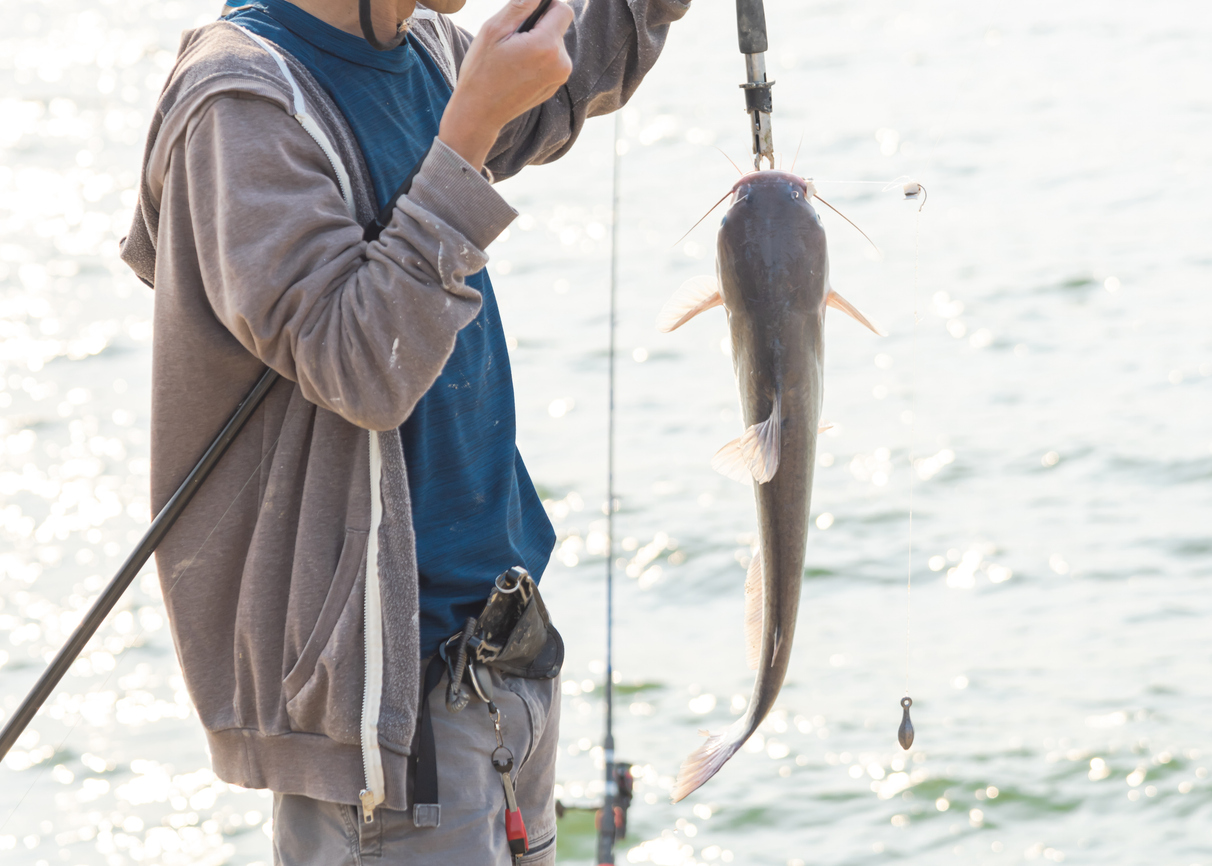
Catfish are another Texas favorite. They are widespread, tough, and excellent table fish. Many Texans grow up catching catfish from ponds, creeks, riverbanks, and lake shorelines.
The most common catfish targets in Texas are channel catfish, blue catfish, and flathead catfish. TPWD lists freshwater catfish as one of its main freshwater species resources and also provides identification guidance for channel and blue catfish.
Channel catfish are popular because they are common and easier for beginners to catch. Blue catfish can grow much larger, especially in big reservoirs and rivers. Flathead catfish are often targeted by anglers who enjoy fishing with live bait at night.
Catfish are not usually caught with flashy lures. Most anglers use natural bait such as cut shad, chicken liver, worms, shrimp, stink bait, or live sunfish where legal.
They are especially popular because shore anglers can do well without a boat. A simple rod, sturdy line, a sinker, and good bait can produce a fun day of fishing.
Crappie
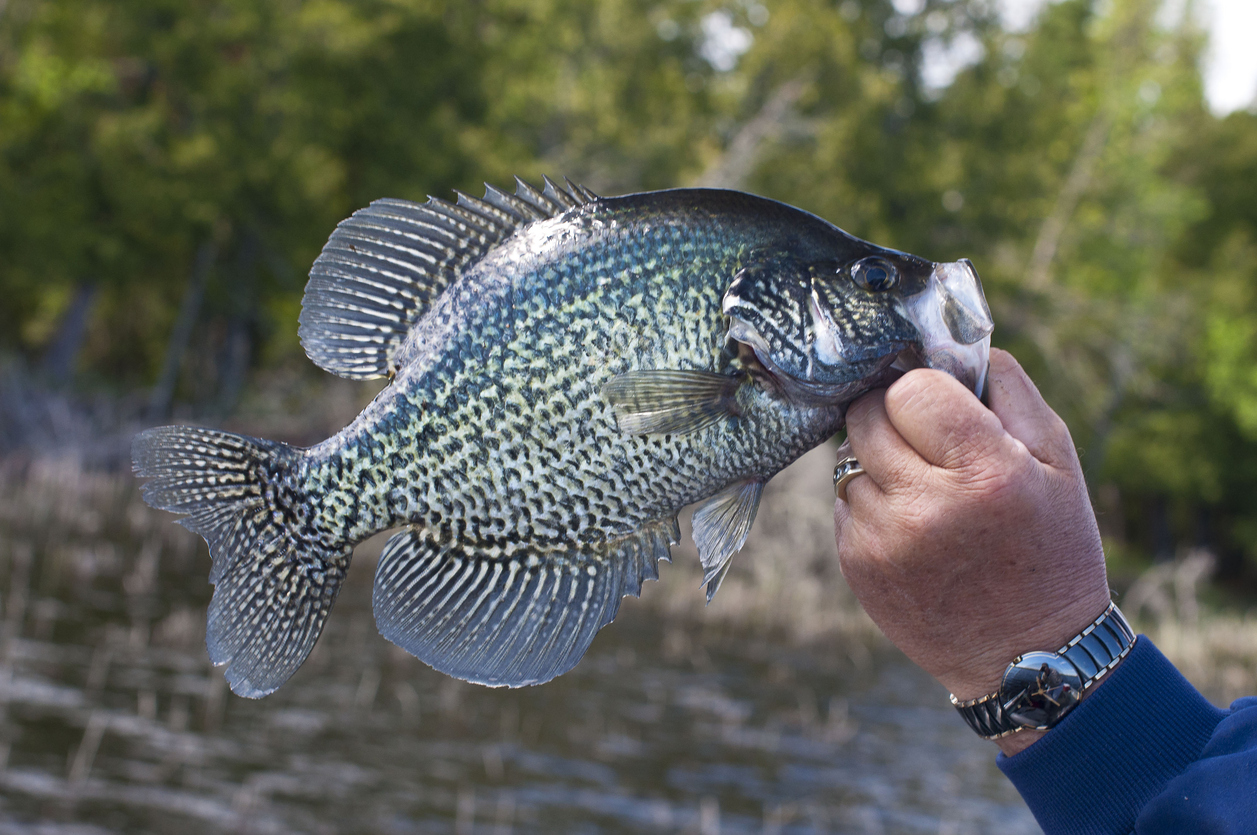
Crappie are loved across Texas because they are fun to catch and great to eat. They are often called “papermouths” because their mouths tear easily, so anglers need a softer touch when setting the hook.
Texas has both white crappie and black crappie. They often gather around brush piles, standing timber, bridge pilings, boat docks, and submerged structures.
Spring is a prime time for crappie fishing. When the water warms, crappie move shallow to spawn. That makes them easier to reach from the bank in many places. During other parts of the year, anglers usually look deeper.
Common crappie baits include small jigs and live minnows. Many anglers use light spinning rods because crappie do not require heavy gear.
Crappie fishing is also popular with families. When a school is active, the action can be steady, which keeps younger anglers interested.
White Bass
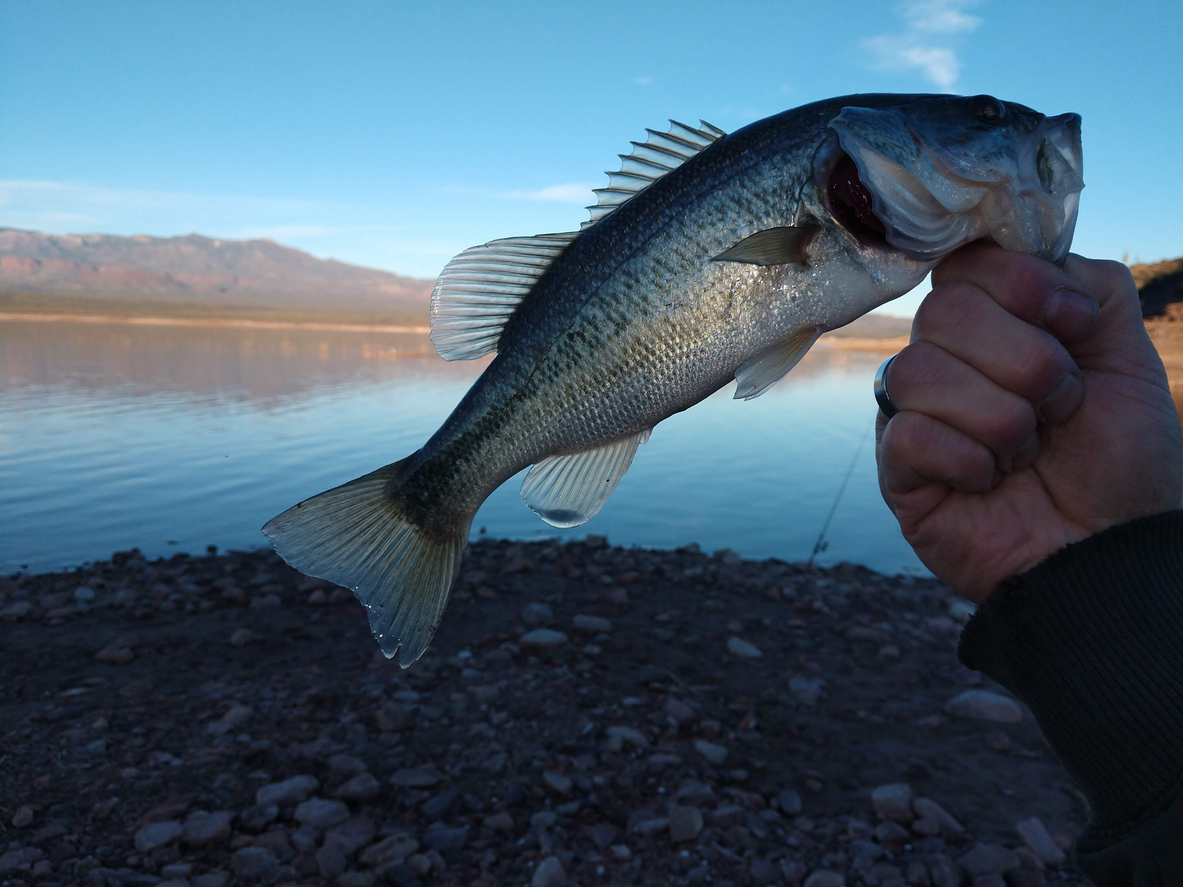
White bass are one of the most exciting fish to catch in Texas when they start running. Each spring, many white bass swim up rivers and creeks to spawn. This creates fast action for anglers who know when and where to go.
TPWD includes white bass among its freshwater species publications, including resources for fishing white bass in Central Texas.
White bass are smaller than largemouth bass, but they fight hard for their size. They often travel in schools, so catching one can mean more are nearby.
Many anglers use small silver spoons, inline spinners, crankbaits, jigs, or live minnows. When white bass chase shad near the surface, the fishing can be fast and exciting.
They are also good eating fish when cleaned properly. Because of that, white bass are popular with anglers who enjoy both sport and a fish dinner.
Striped Bass and Hybrid Striped Bass
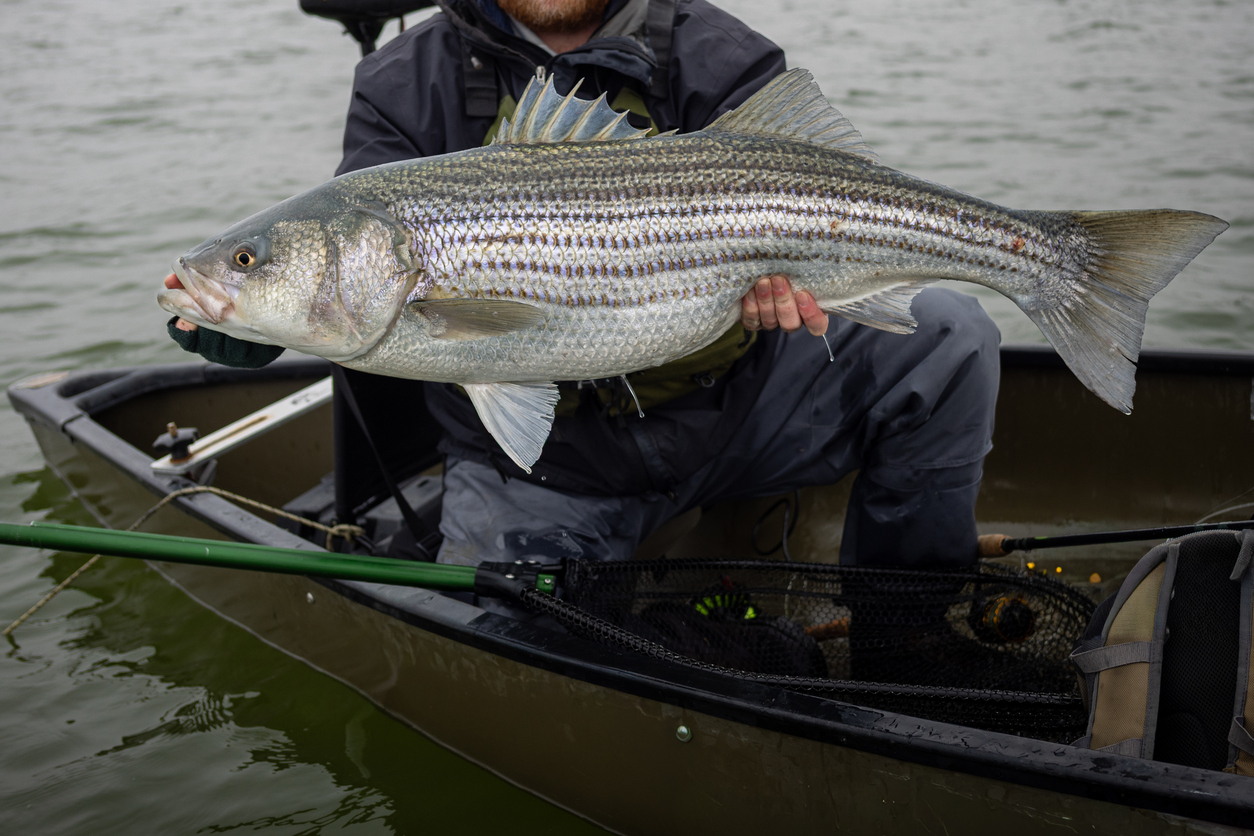
Striped bass and hybrid striped bass are strong, fast fish that give anglers a serious fight. They are often found in large Texas reservoirs, where they feed heavily on shad.
TPWD provides identification resources for striped bass and hybrids, which is helpful because these fish can look similar at first glance.
Striped bass can grow large, and they are known for powerful runs. Hybrid striped bass, often called hybrids, are a cross between striped bass and white bass. They usually do well in reservoirs and are popular with anglers who enjoy open-water fishing.
Many anglers use live shad, slabs, spoons, swimbaits, or trolling rigs. Electronics can help because these fish often roam in deeper water.
Lake Texoma is one of the best-known striped bass destinations in Texas. Other lakes also support good striped and hybrid fishing depending on stocking, habitat, and forage.
Sunfish
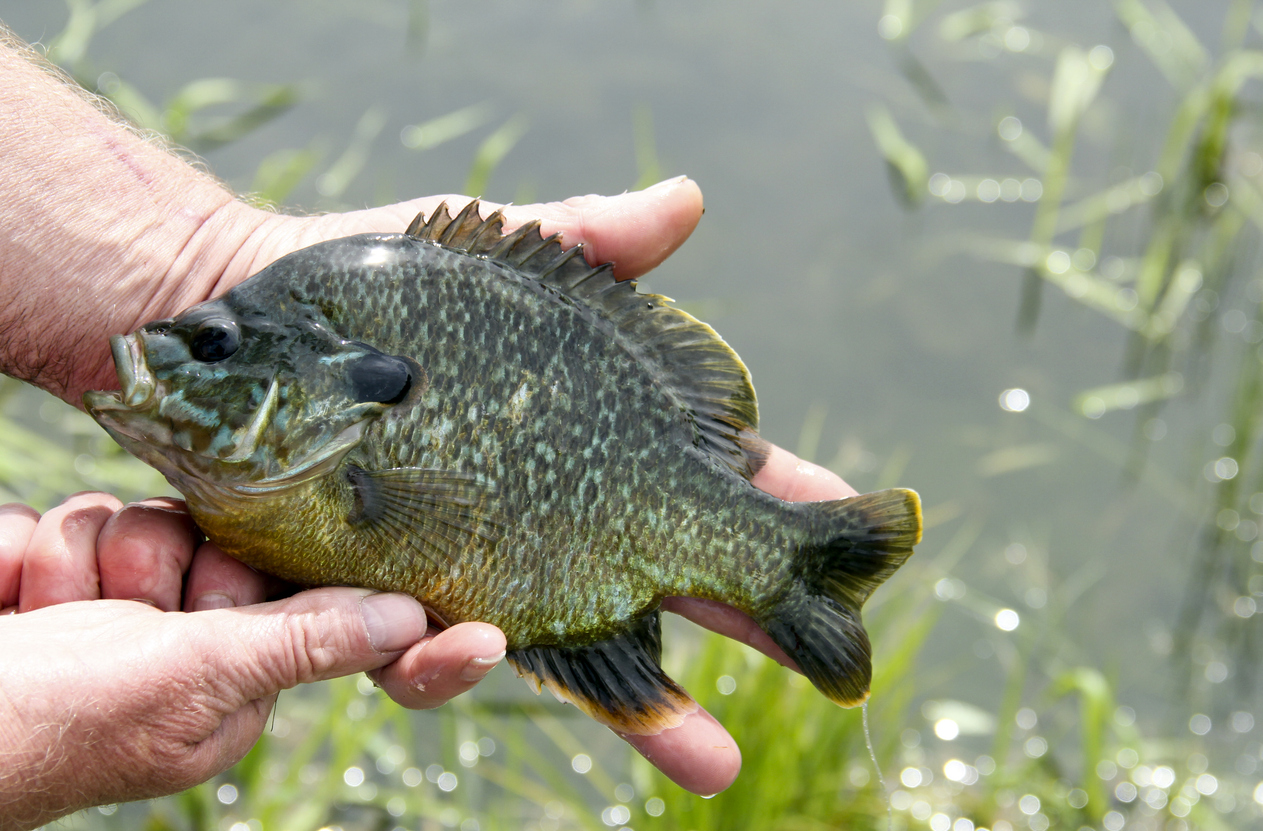
Sunfish may not get the same attention as bass or redfish, but they are among the most popular fish for beginners. Bluegill, redear sunfish, longear sunfish, and other panfish are common in ponds, creeks, and lakes.
These fish are usually easy to catch with simple gear. A small hook, light line, a bobber, and a worm can work very well. That makes sunfish a perfect first fish for kids.
They also teach basic fishing skills. Young anglers learn how to cast, watch a bobber, set a hook, and handle fish safely.
Sunfish are small, but they are aggressive feeders. Larger ones can put up a fun fight on ultralight tackle.
Red Drum
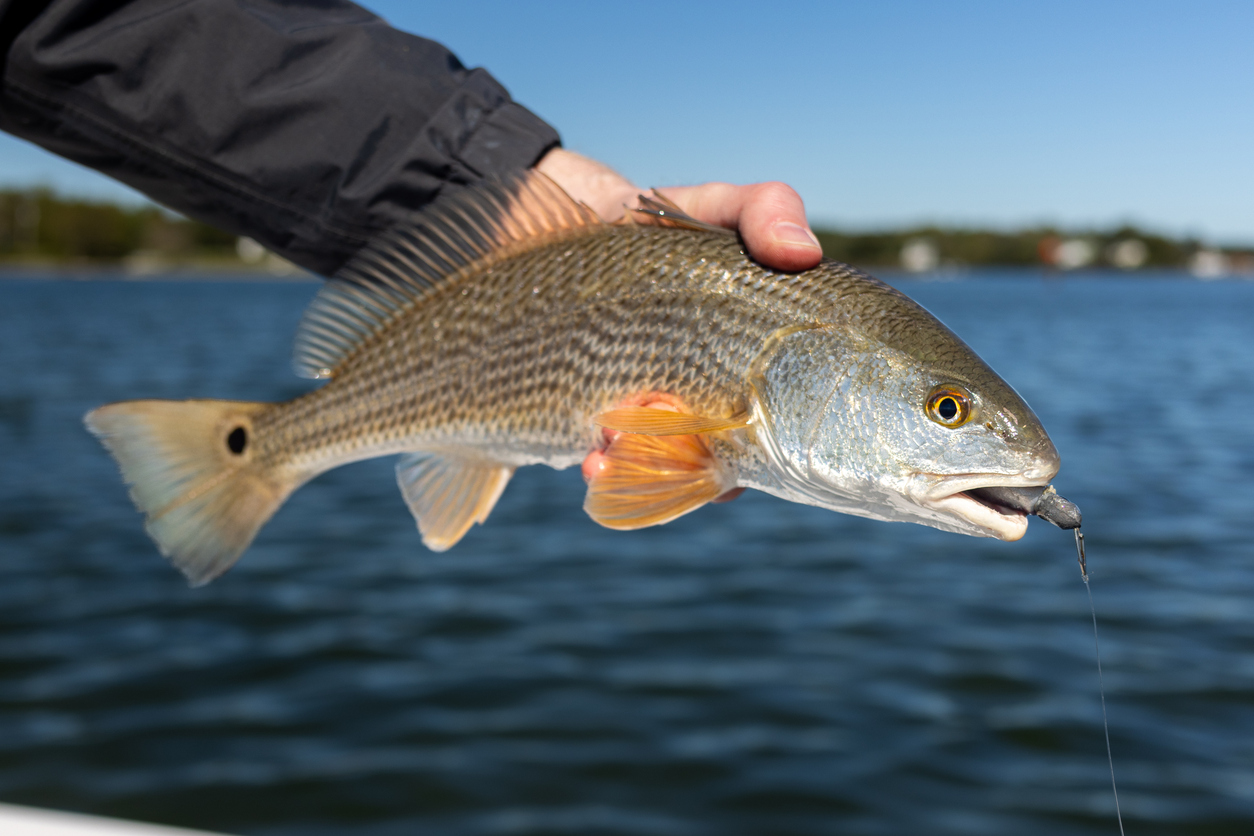
Red drum, often called redfish, are one of the most popular saltwater fish along the Texas coast. They live in bays, estuaries, marshes, surf zones, and near jetties.
TPWD’s marine hatcheries produce juvenile red drum, spotted seatrout, and southern flounder for stock enhancement along the Texas coast. That stocking work helps support important recreational fisheries.
Redfish are loved because they fight hard and can be caught in several ways. Anglers catch them with live shrimp, cut bait, mullet, crab, spoons, soft plastics, and topwater lures.
In shallow water, redfish sometimes reveal themselves by pushing wakes or showing their tails while feeding. That makes sight-fishing for redfish especially exciting.
They are also popular table fish, though anglers should always check current size and bag limits before keeping any fish. TPWD’s Outdoor Annual provides current saltwater bag and length limits by species.
Spotted Seatrout
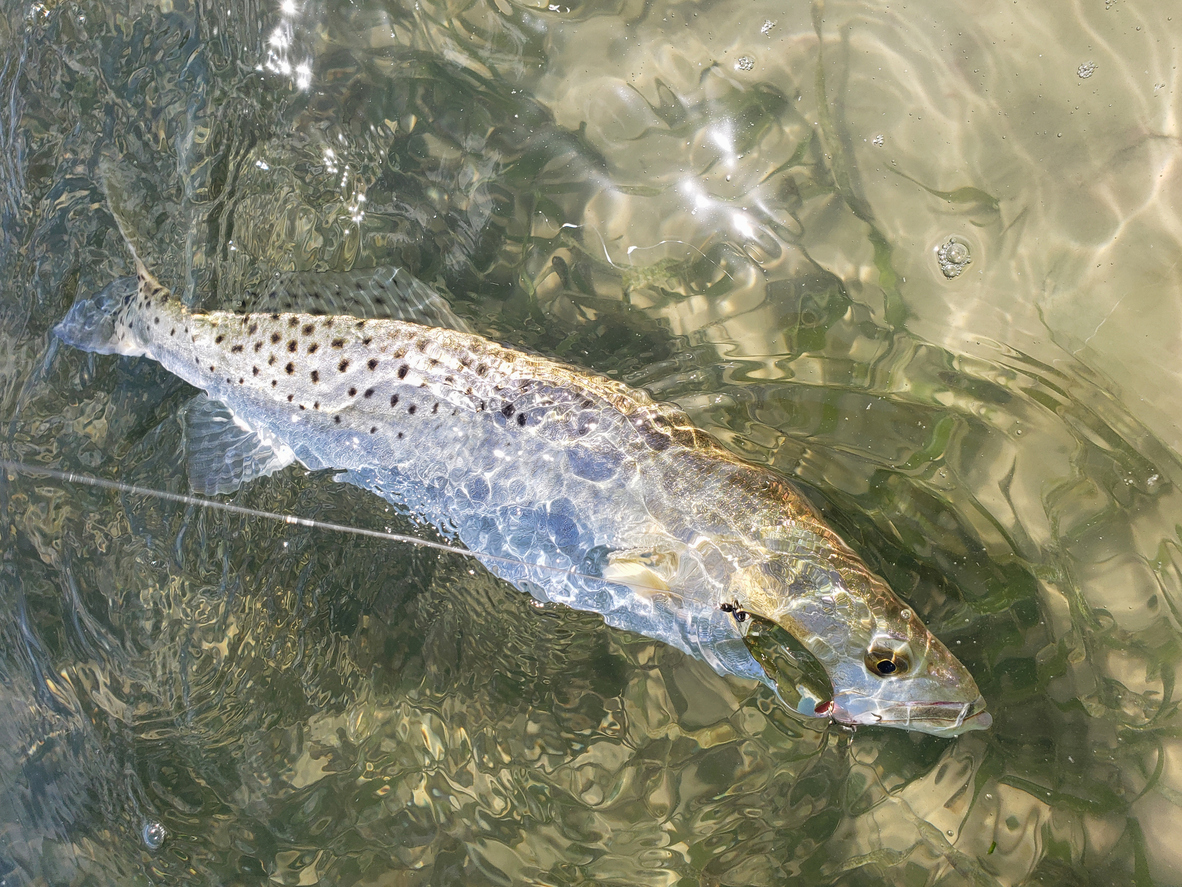
Spotted seatrout, also called speckled trout or specks, are another Texas coastal favorite. They are common targets in bays, grass flats, channels, and around oyster reefs.
Speckled trout appeal to many anglers because they strike artificial lures well. Soft plastics, suspending twitch baits, topwater plugs, and live shrimp are all common choices.
Early mornings can be a great time to target trout, especially during warmer months. Anglers often listen for baitfish activity or look for slicks on the water, which can signal feeding fish nearby.
Spotted seatrout regulations have changed in recent years, so anglers should check current rules before fishing. TPWD publishes specific seatrout bag and length limit information through its Outdoor Annual.
Flounder
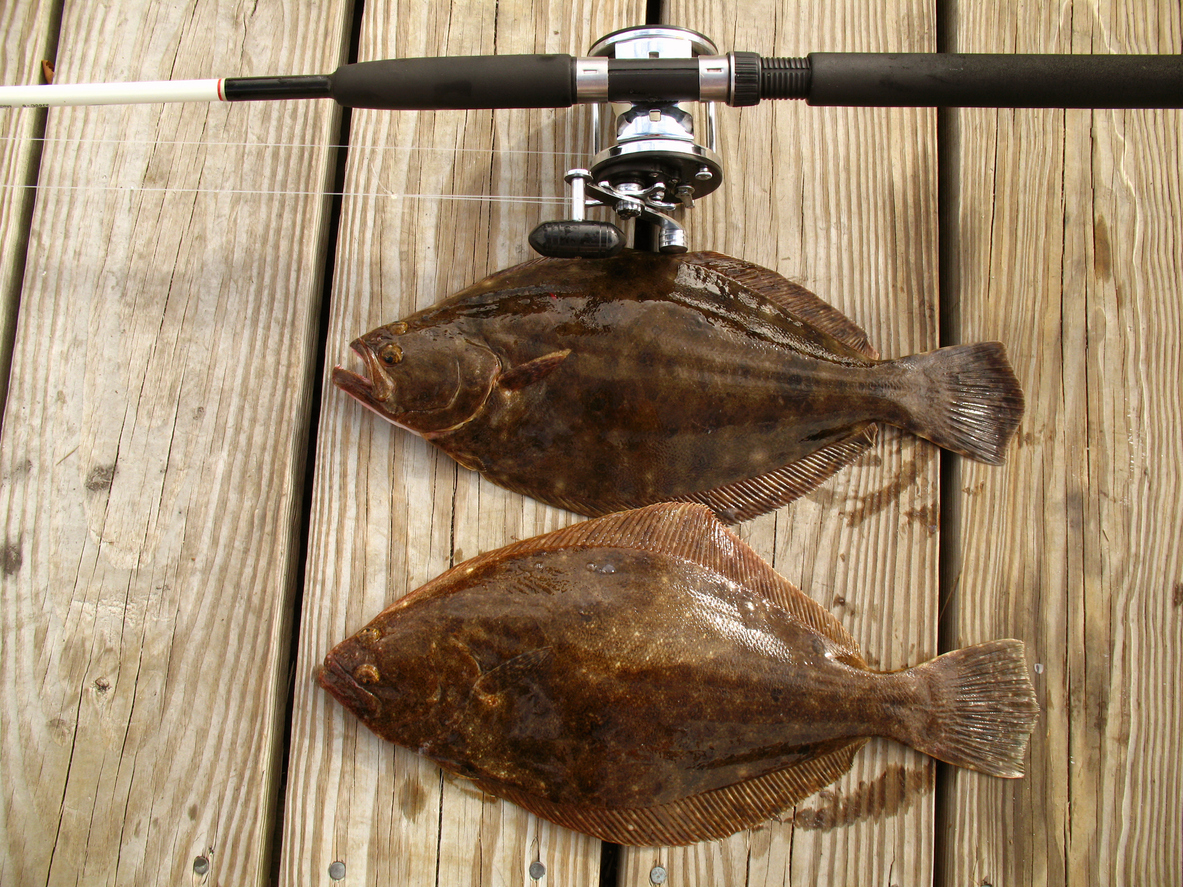
Flounder are one of the most unusual popular fish in Texas. Their flat bodies and sideways swimming style make them easy to recognize. They lie on the bottom and ambush baitfish or shrimp that pass too close.
Southern flounder are especially popular along the Texas coast. TPWD includes southern flounder in its marine hatchery stock enhancement program along with red drum and spotted seatrout.
Flounder fishing often requires patience. Anglers commonly work soft plastics, finger mullet, mud minnows, or shrimp slowly along the bottom. Flounder bites can feel like extra weight rather than a sharp strike.
They are prized as table fish. Their mild, white meat makes them a favorite for frying, baking, or stuffing.
Flounder regulations can be stricter than many other species, especially during seasonal closures or conservation periods. TPWD provides current flounder bag and length limit information, and recreational anglers in saltwater need the proper license and endorsement.
Black Drum
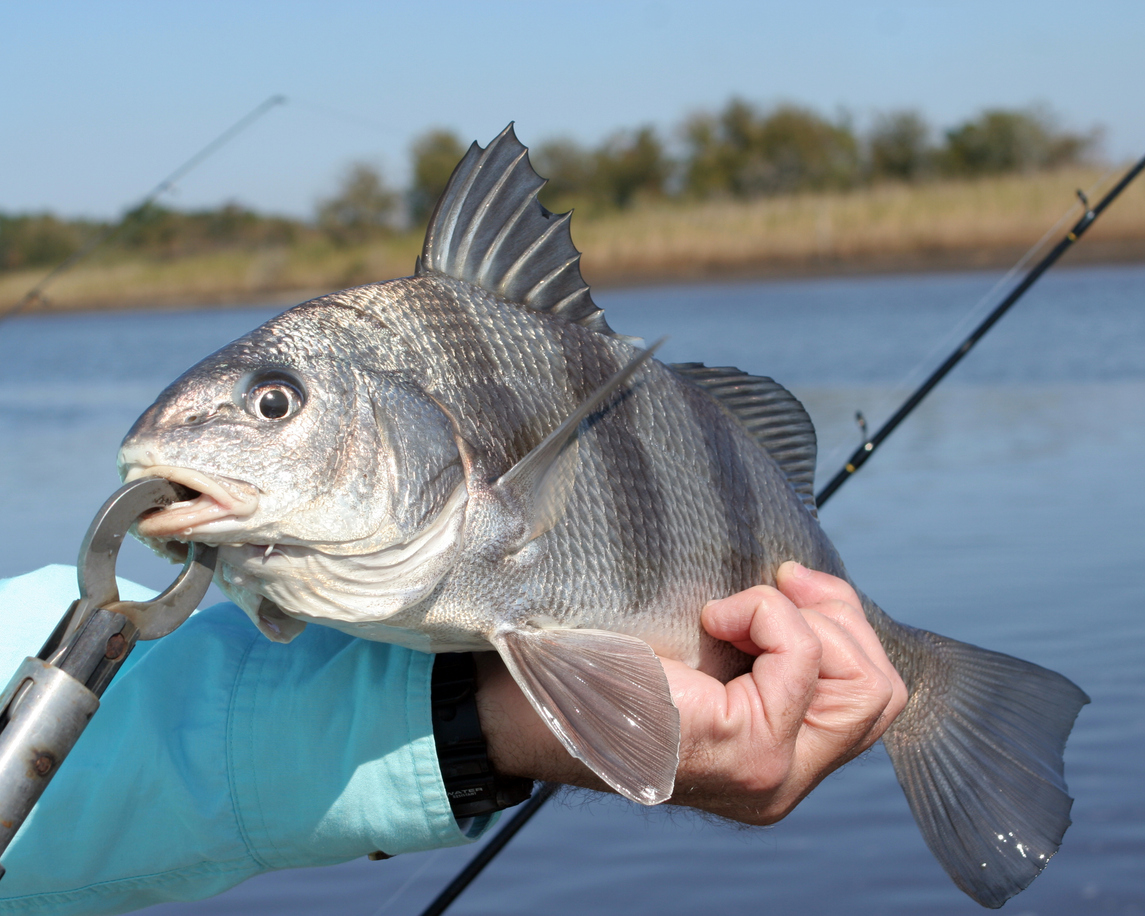
Black drums are popular because they are strong, common, and accessible to many coastal anglers. They can be caught from piers, jetties, bays, passes, and surf areas.
Smaller black drums, often called “puppy drum,” are good eating. Larger black drums can grow very big and put up a heavy fight, though many anglers release the oversized ones.
Black drums often feed near the bottom. Shrimp, crab, and cut bait are common choices. They are especially popular with anglers who enjoy bait fishing from shore or structure.
One reason black drums are beginner-friendly is that they do not always require fancy tackle. A solid rod, a bottom rig, and fresh bait can be enough.
Red Snapper
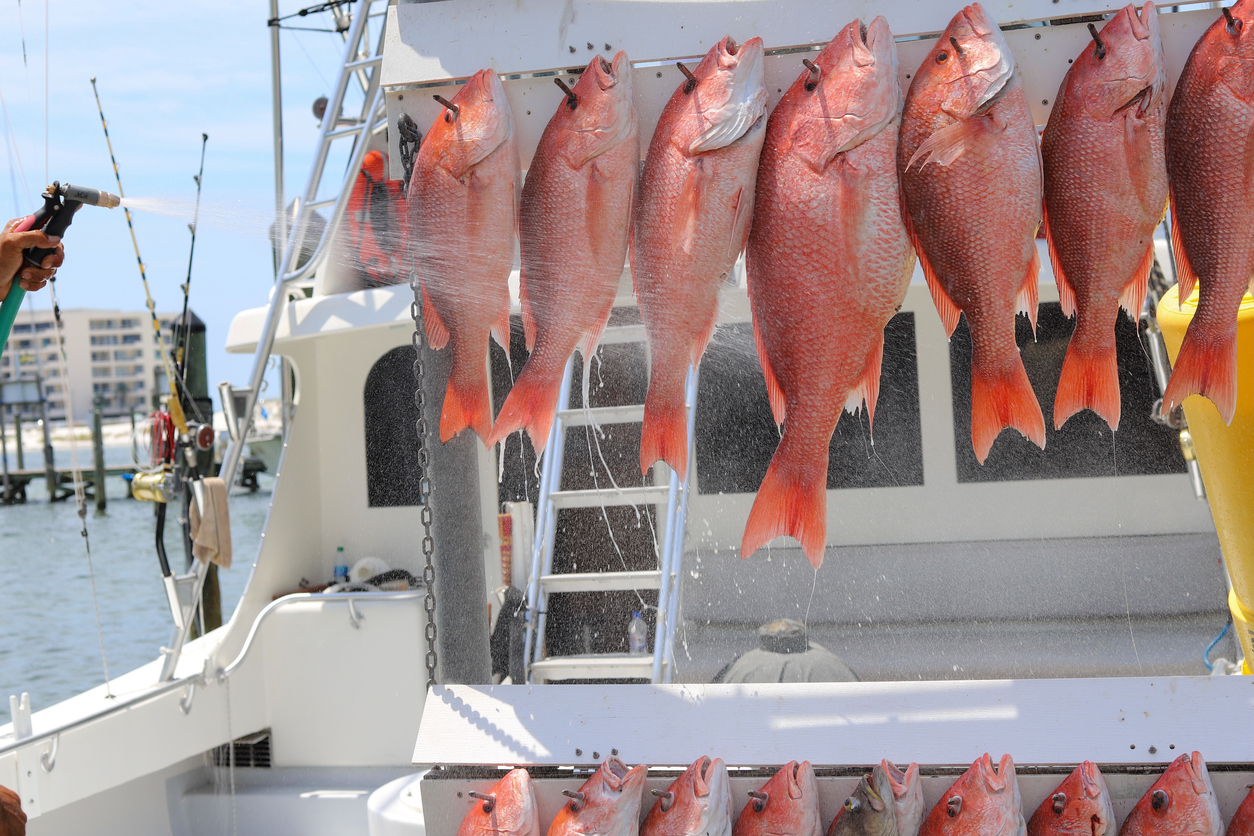
Red snapper are one of the most sought-after offshore fish in Texas. They are famous for their bright color, strong fight, and excellent flavor.
Anglers usually target red snapper around reefs, wrecks, oil platforms, and other offshore structures. This type of fishing typically requires a boat and heavier tackle.
Red snapper rules can be complex because state and federal waters may have different seasons and regulations. TPWD’s fishing regulations page directs anglers to current saltwater rules, including red snapper information.
Because of their popularity, red snapper are carefully managed. Anglers should always check the current season, bag limit, and length limit before planning a trip.
Guadalupe Bass
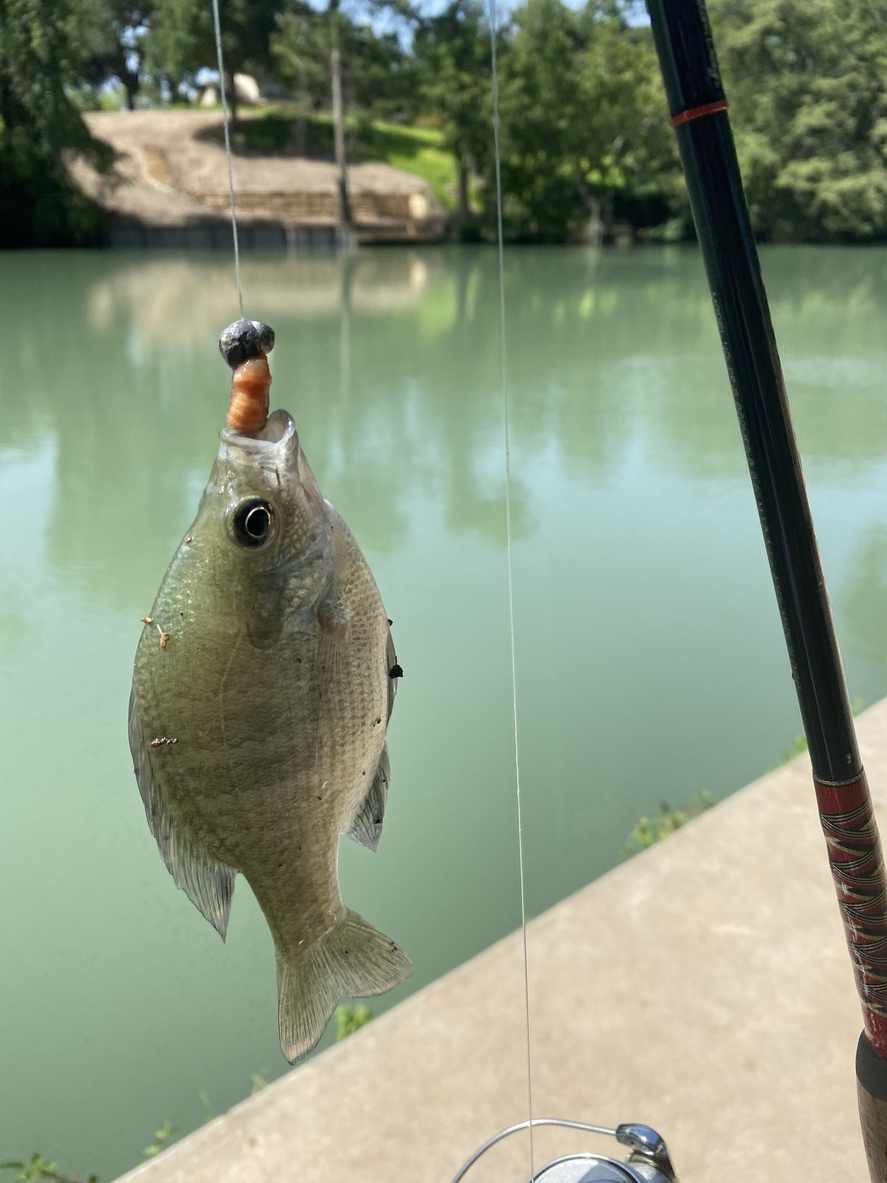
The Guadalupe bass deserves a special place on any Texas fishing list because it is the state fish of Texas. It is smaller than largemouth bass, but it is a fierce fighter in clear Hill Country rivers and streams.
TPWD includes the Guadalupe bass among its freshwater species publications and identifies it as the state fish of Texas.
Guadalupe bass are popular with anglers who enjoy wading, kayaking, and fishing moving water. They often strike small crankbaits, topwater lures, streamers, and soft plastics.
They are closely tied to Texas river fishing culture. Catching one in a clear Hill Country stream feels different from catching a largemouth in a reservoir.
What Makes These Fish So Popular?
The most popular fish in Texas usually share a few qualities. They are accessible, exciting, and rewarding. Some are easy for beginners. Others challenge experienced anglers.
Bass offer strategy. Catfish offer comfort and tradition. Crappie and white bass bring fast action when schools are active. Redfish, trout, and flounder connect anglers to the coast. Red snapper adds offshore adventure.
Texas also has a strong management system for both freshwater and saltwater fisheries. TPWD publishes current regulations, species guides, stocking information, and fishing resources for anglers across the state.
Tips for Fishing in Texas
Before heading out, check the latest regulations. Bag limits, length limits, seasons, endorsements, and waterbody-specific rules can change. Special regulations may apply on certain lakes, rivers, bays, and coastal areas.
It also helps to match your gear to the fish. Light tackle works well for crappie, sunfish, and white bass. Medium tackle handles largemouth bass, trout, and redfish. Heavier gear may be needed for big catfish, black drum, stripers, and offshore species.
Most of all, learn the habitat. Fish usually stay close to food, cover, structure, current, or temperature changes. Once you understand where a fish likes to live, catching it becomes much easier.
Final Thoughts
Texas has a fishing scene that fits almost every kind of angler. A beginner can catch sunfish from a pond. A family can chase crappie from a dock. A serious bass angler can hunt trophy largemouths on famous reservoirs. Coastal anglers can spend years learning redfish, trout, and flounder patterns.
That variety is what makes Texas fishing so appealing. The state offers simple bank fishing, quiet river trips, busy bay days, and offshore runs into the Gulf. No matter where you live in Texas, there is probably a popular fish waiting closer than you think.