

Texas has plenty of wildlife that can stop you in your tracks, but few animals command attention like the American alligator. Seeing one in the wild feels exciting because it is a reminder that Texas still has wetlands, bayous, marshes, lakes, and river bottoms where ancient-looking reptiles are part of the natural scene.
The good news is that you do not need to take risks to see one. Several Texas parks offer good chances of spotting alligators from trails, boardwalks, paddling routes, viewing areas, or shoreline overlooks. The key is knowing where to go, when to look, and how to behave once you see one.
Texas Parks and Wildlife reminds visitors that alligators are wild animals and should never be fed, approached, harassed, injured, or removed. The agency also warns that alligators are often more active around dawn and dusk, and visitors should swim only in designated areas where swimming is allowed.
Why Texas Has Great Alligator Habitat
Alligators are most common in the eastern and southeastern parts of Texas, where warm weather, wetlands, slow-moving water, and marshy habitat give them what they need. They can live in lakes, rivers, bayous, sloughs, swamps, ponds, and coastal marshes.
That means the best places to see them safely are often parks with a mix of water and established public access. Trails, boardwalks, ranger programs, observation platforms, and marked paddling routes help visitors enjoy the habitat without wandering too close to the animals.
A safe sighting usually looks simple. You may see an alligator floating with only its eyes and snout above the water. You may spot one sunning near a bank. Sometimes you may only see ripples, a tail, or a head near aquatic plants. The goal is to observe, not interact.
Brazos Bend State Park
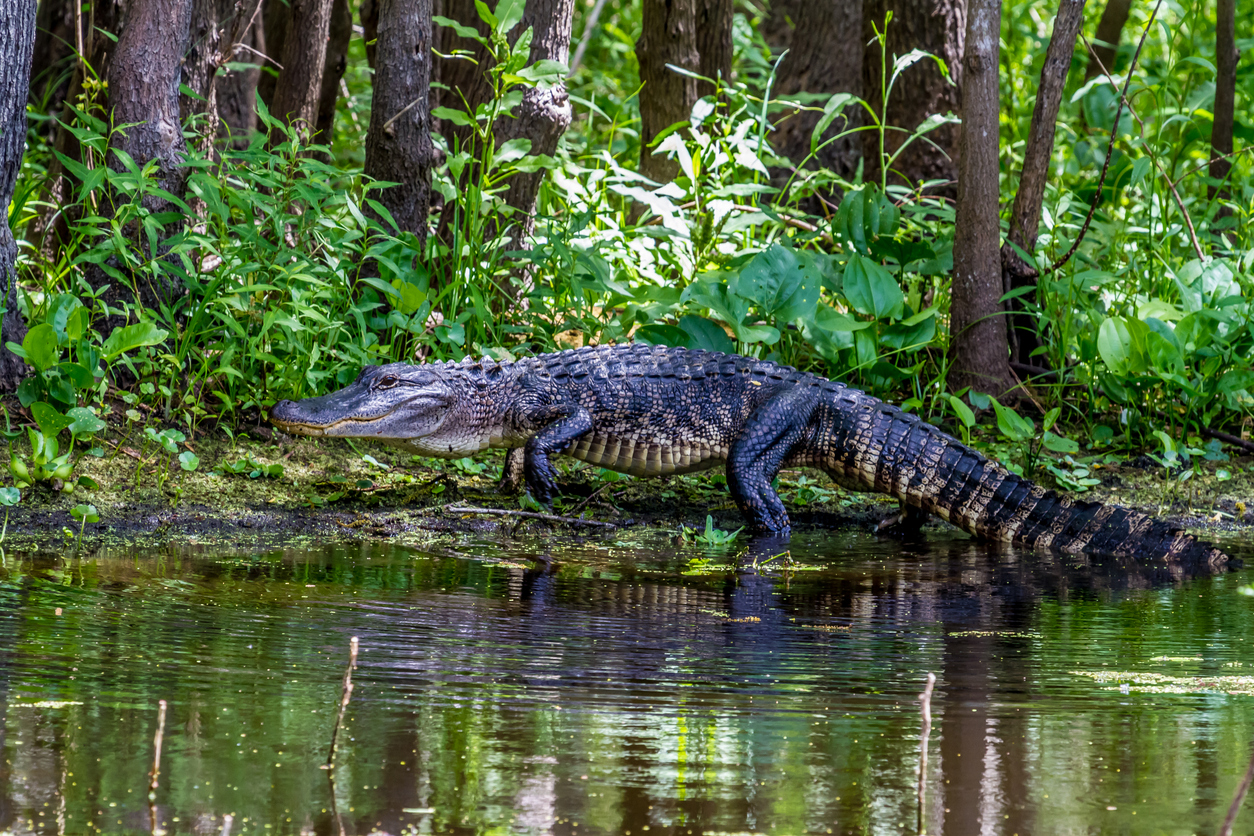
Brazos Bend State Park is probably the best-known alligator viewing park in Texas. Located southwest of Houston, it is famous for wetlands, lakes, trails, and wildlife watching. Texas Parks and Wildlife describes the park as a place where nature has “top billing,” with hiking, biking, fishing, picnicking, and wildlife viewing among the major activities.
The park’s landscape makes it especially good for alligator sightings. Brazos Bend includes about 5,000 acres of bottomland, upland coastal prairie, wetlands, forests, and prairie habitat. Those watery areas give alligators plenty of places to rest, hunt, and move through the park.
For visitors, the appeal is access. You can walk marked trails around lakes and wetlands, keeping a safe distance while scanning the water’s edge. Binoculars are a smart idea because they let you enjoy the view without moving closer.
Brazos Bend is a strong choice for families and first-time alligator watchers because the park is used to visitors coming for wildlife. Still, the rules matter. Stay on trails, give every alligator plenty of room, and never assume a still alligator is harmless. Stillness is normal behavior.
Martin Dies, Jr. State Park
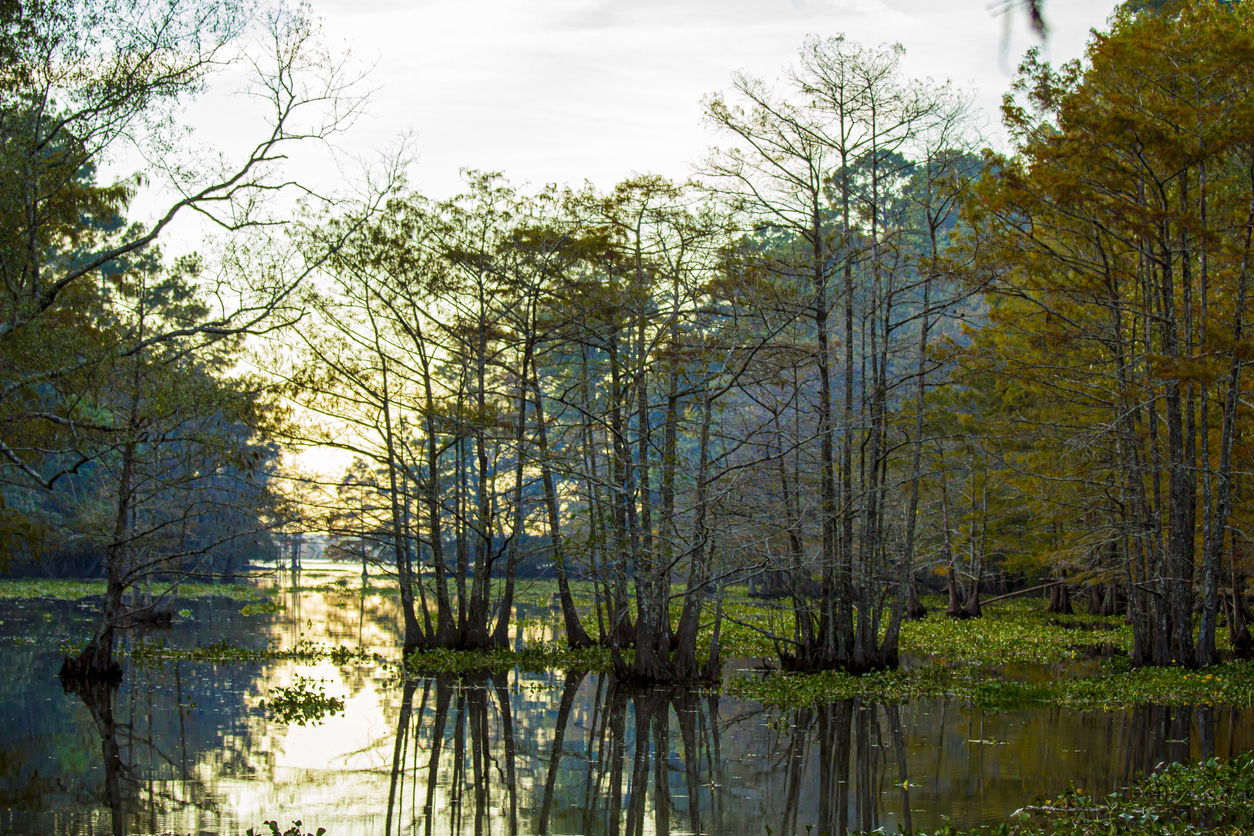
Martin Dies, Jr. State Park sits in East Texas, where the Neches and Angelina river systems shape a lush, watery environment. It is one of the best parks for visitors who want a quieter, more forested alligator-viewing experience.
Texas Parks and Wildlife notes that the park offers paddling, nature hikes, night hikes, animal programs, tree programs, art activities, geocaching, campfire programs, and star parties. The park also has nearly 14 miles of marked paddling trails crossing backwater sloughs, Spring Creek, the lake, and the Neches River.
Those backwater areas are the kind of habitat where alligators can be present. TPWD’s nature page for the park directly tells visitors to follow proper alligator etiquette so both people and alligators stay safe.
This park is especially interesting because you can experience alligator country from different angles. You might hike near water, join a ranger program, or paddle a marked route. Paddling can be a memorable way to see wildlife, but it also requires calm, smart behavior. Keep your hands and feet inside the boat, do not paddle toward an alligator, and give animals an easy path to move away.
Sea Rim State Park
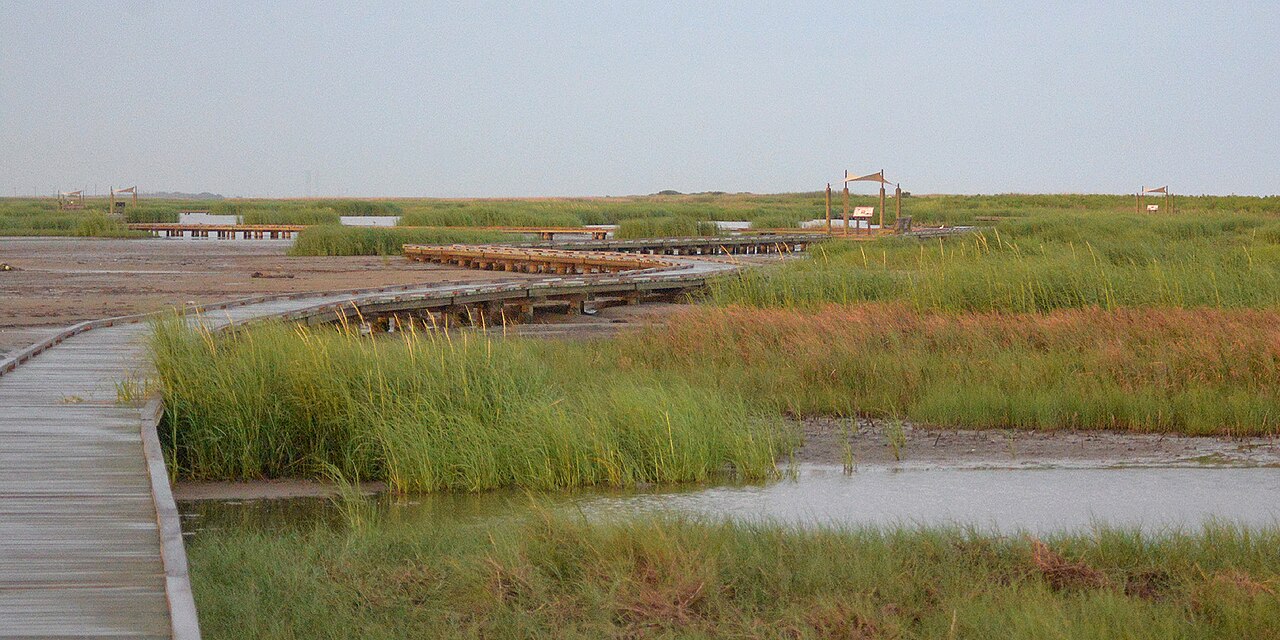
William L. Farr, Sea Rim State Park, Gambusia Nature Trail Boardwalk, Texas, CC BY 4.0
Sea Rim State Park offers one of the most unusual alligator-viewing settings in Texas. The park sits on the upper Texas coast, where beach habitat meets marshland. TPWD describes Sea Rim as having 5.2 miles of Gulf shoreline and 4,000 acres of marshlands.
That mix of coast and marsh makes Sea Rim different from inland parks. Visitors often come for beach time, birding, fishing, paddling, and marsh scenery. Alligators can live in the marshy areas, and sightings near coastal habitat can surprise people who expect alligators only in lakes or swamps.
Sea Rim is a good reminder that beaches near marsh systems are still wild places. An alligator on or near a beach should never be treated as a photo prop. Keep away, alert park staff if needed, and follow posted warnings.
This park is best for visitors who understand that alligator sightings may come with a broader coastal wildlife experience. You may see birds, marsh plants, crabs, fish, and other signs of life along the Gulf and wetlands. The alligator is only one part of the ecosystem.
Village Creek State Park
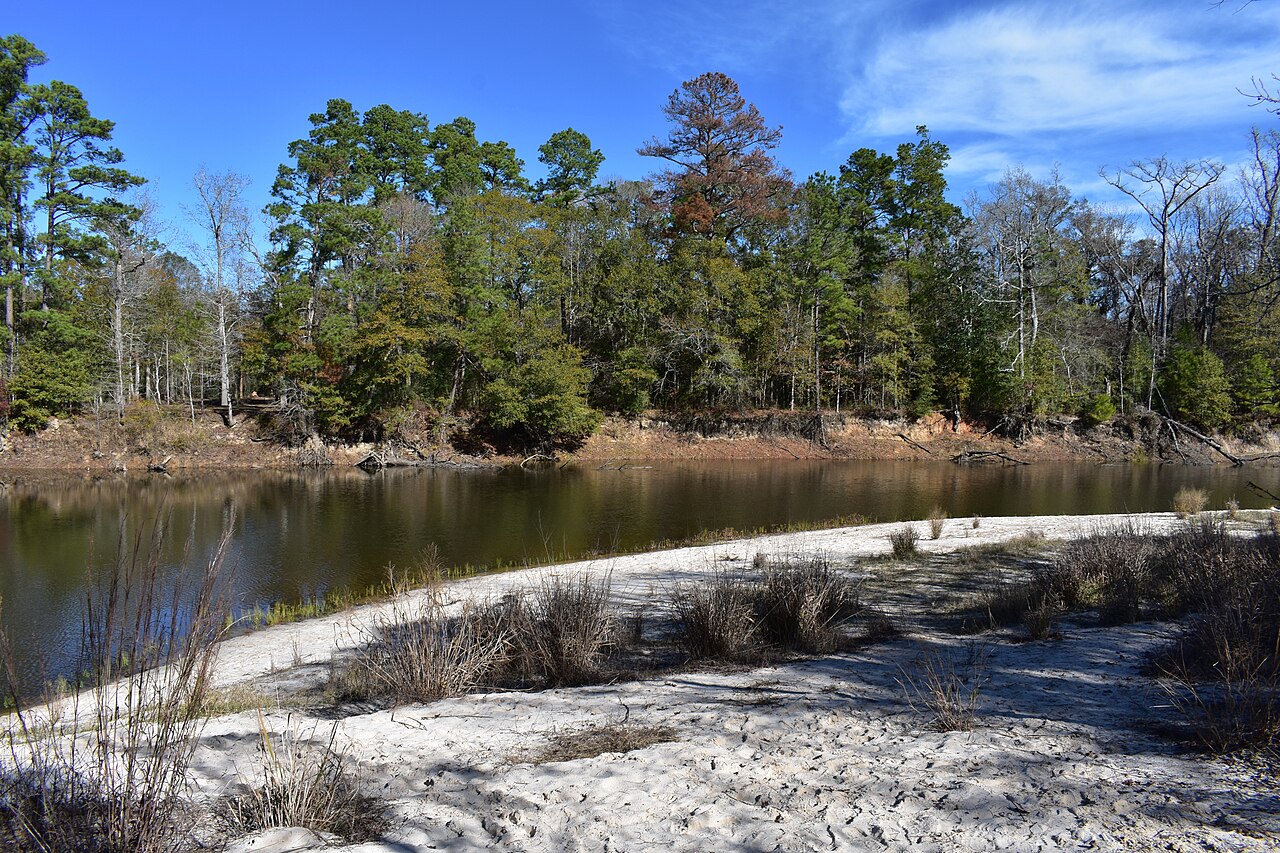
Urban Versis 32, Village Creek Swimming Hole, CC BY-SA 4.0
Village Creek State Park is another strong East Texas choice. The park sits along Village Creek, one of the few free-flowing creeks in Texas, and offers camping, picnicking, fishing, hiking, biking, nature study, geocaching, and wildlife viewing. TPWD also clearly states that alligators live in the area and directs visitors to alligator safety tips.
The park’s habitat explains why alligators may be present. Portions of Village Creek State Park lie in the floodplains of Village Creek and the Neches River. TPWD describes the area as having bottomland hardwood forests, cypress-tupelo swamps, baygall, and backwater sloughs.
Those are classic alligator-friendly landscapes. Slow water, shaded banks, wet forest, and sloughs all create places where reptiles, fish, amphibians, birds, and mammals can thrive.
Village Creek is a good pick for people who like a more natural, wooded setting. It may not have the same alligator-viewing reputation as Brazos Bend, but the habitat is right. Go with realistic expectations, look near water from a safe distance, and enjoy the whole park instead of focusing only on one animal.
Sheldon Lake State Park & Environmental Learning Center
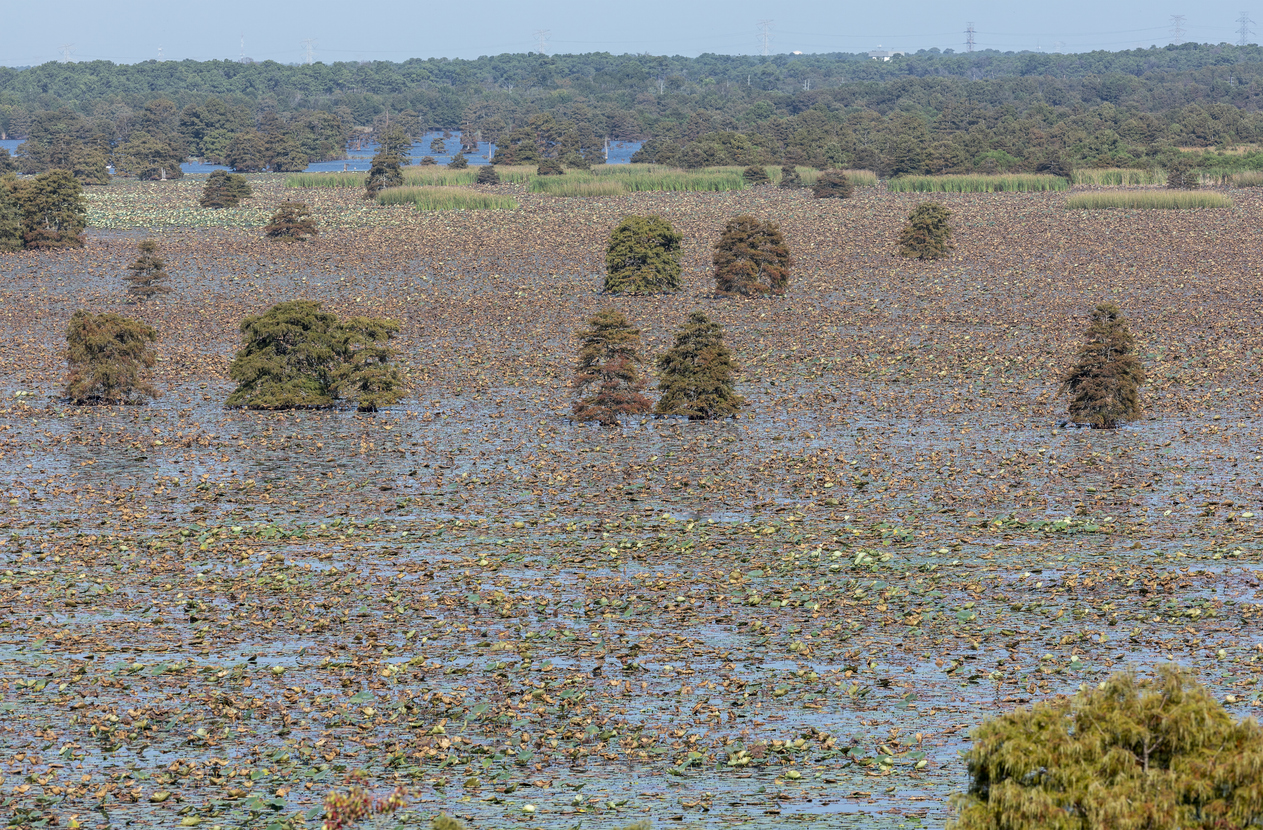
Sheldon Lake State Park & Environmental Learning Center is a standout because it combines wildlife habitat with education. It is located in the Houston area, making it a convenient option for many visitors.
TPWD states plainly that alligators live in the park and advises visitors to read alligator safety tips before visiting. The park’s interpretive guide also says Sheldon Lake provides fine habitat for the American alligator and describes the park as a 2,800-acre wildlife haven with ponds, wetlands, and prairie.
Sheldon Lake is a good choice for families, school groups, and visitors who want to learn as they explore. Trails, ponds, wetland areas, and educational programming can help people understand how alligators fit into a larger ecosystem.
Because the park is close to an urban area, it also teaches an important lesson. Wild animals can live near cities. That does not make them tame. An alligator in a city-area park deserves the same space and respect as one deep in the marsh.
Lake Livingston State Park
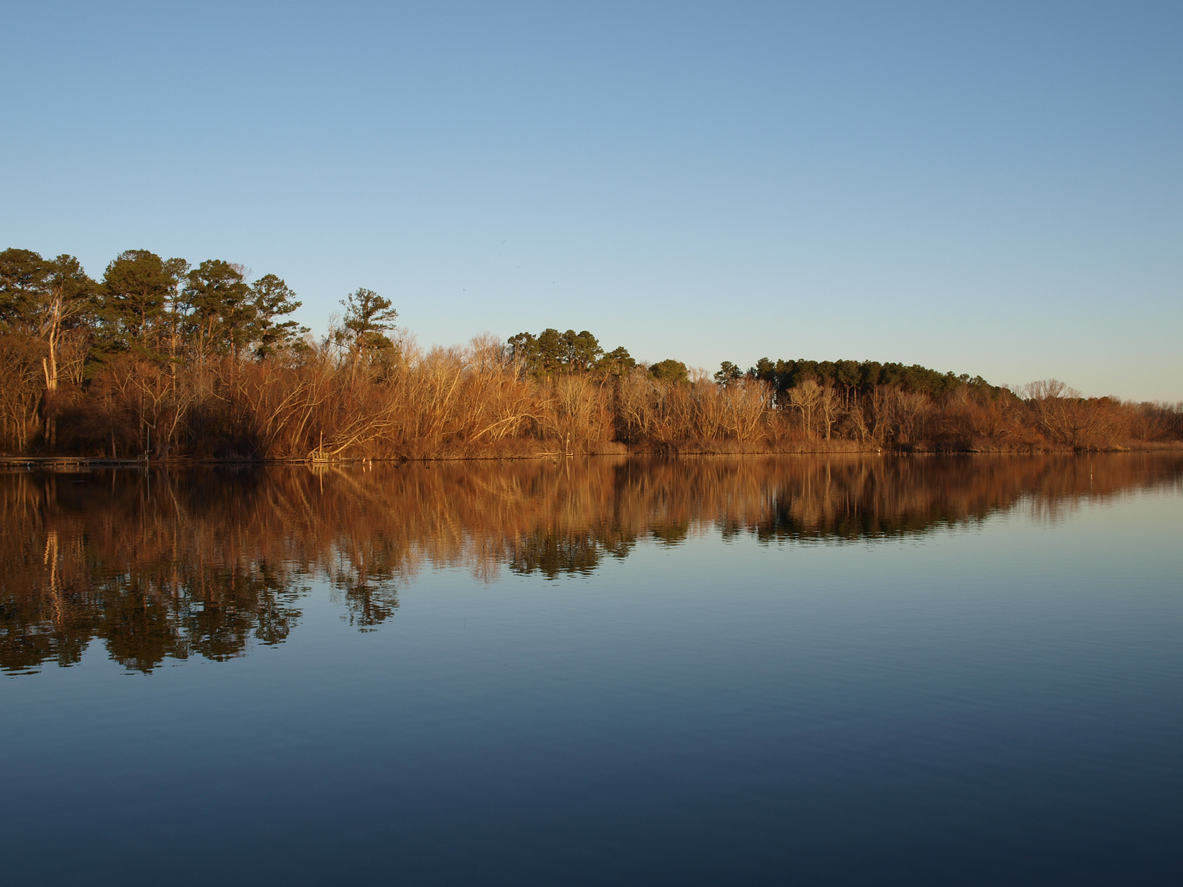
Lake Livingston State Park is another place where visitors may encounter alligators in East Texas. TPWD notes that the park offers swimming, fishing, boating, hiking, birding, camping, picnicking, biking, geocaching, and nature study. It also states that alligators live in the area and directs visitors to alligator safety tips.
The lake itself is large, and the surrounding habitat supports many kinds of wildlife. TPWD notes that Lake Livingston is located along the Central North American Flyway and at the western edge of the Mississippi Flyway, making it a strong bird-watching location.
This is a good park for visitors who want a full lake trip where an alligator sighting is possible, rather than guaranteed. You may come for fishing, camping, boating, or birding and spot an alligator along the way.
The same safety approach applies here. Swim only where allowed. Keep pets away from the water’s edge. Do not toss fish scraps near shore. Feeding alligators, even indirectly, can make them associate people with food, which creates danger for visitors and often ends badly for the animal.
Caddo Lake State Park
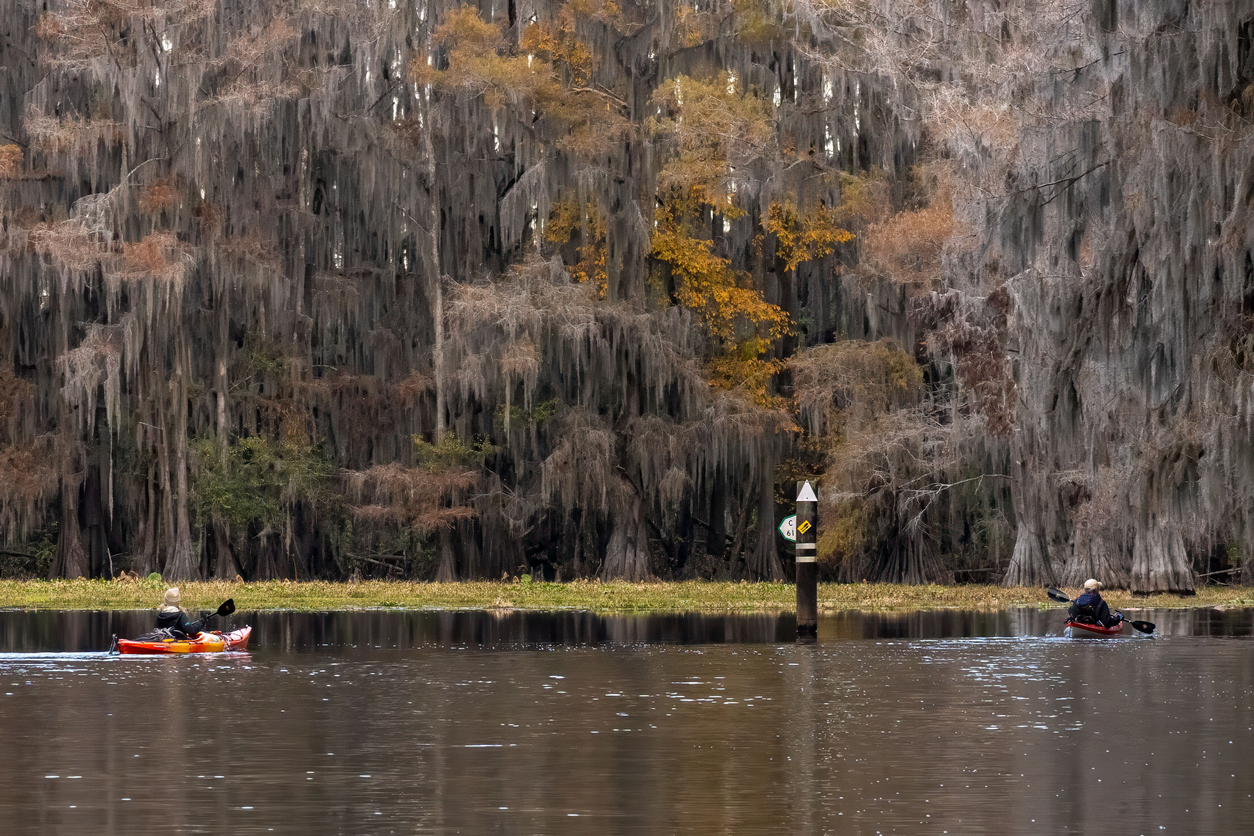
Caddo Lake State Park belongs on any list of Texas parks with a strong alligator-country atmosphere. The park is known for bayous, bald cypress, Spanish moss, paddling, fishing, and East Texas wetland scenery. TPWD describes Caddo Lake as a place where visitors can paddle Saw Mill Pond, stay in historic cabins, fish, and experience Big Cypress Bayou.
The park is also located near the 8,500-acre Caddo Lake National Wildlife Refuge and sits only four miles upstream from Caddo Lake. That broader wetland setting helps explain why the area feels so wild.
Caddo is a beautiful place for paddlers, photographers, and anyone who likes quiet water under cypress trees. If you see an alligator here, keep your distance and avoid blocking its path. On the water, never crowd an alligator against a bank or vegetation. Give it room to leave.
When Are You Most Likely to See One?
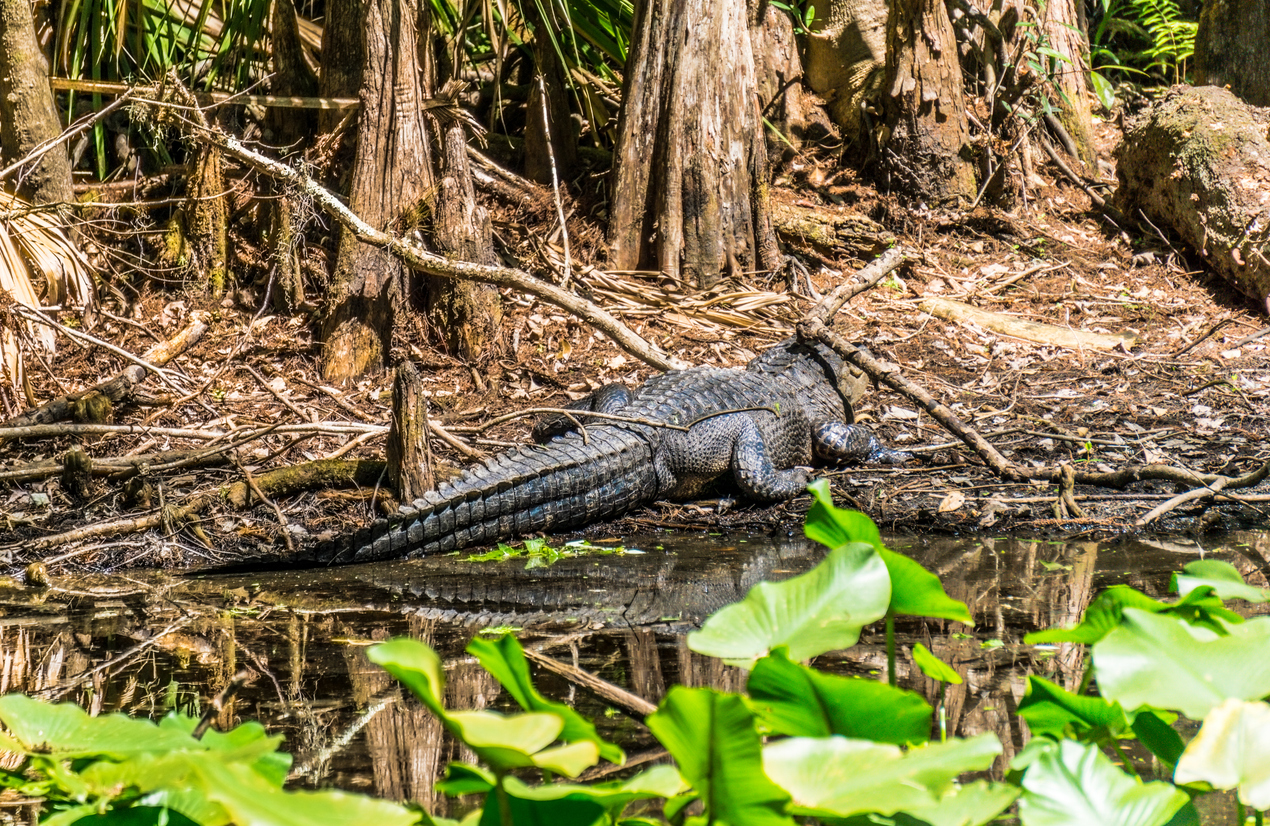
Warm weather usually improves your odds. Alligators are reptiles, so temperature affects their activity. They often bask in the sun to warm up, especially when conditions are mild. Early morning and late afternoon may bring activity near the water, though TPWD also notes that alligators are more likely to be active at dusk and dawn.
Spring through early fall tends to be the most active period in much of Texas. Cooler days may still bring sightings if an alligator is sunning, but you should never count on seeing one every visit.
Good places to scan include:
- Sunny banks near water
- Marsh edges
- Quiet ponds and sloughs
- Floating vegetation
- Logs, mud flats, and shallow water
Always look before stepping near the water’s edge. Alligators can be hard to see when only their eyes and snout are visible.
How to Watch Alligators Safely
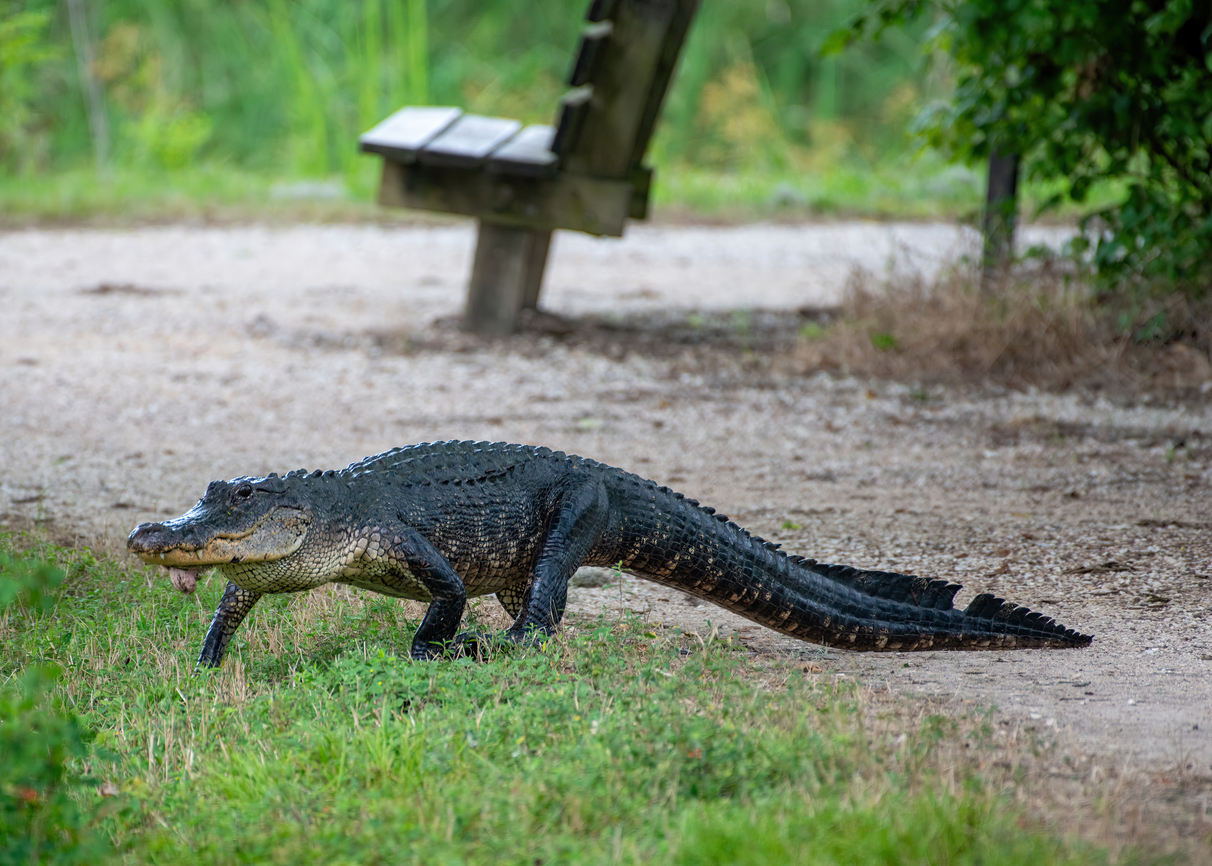
Safe alligator watching comes down to space, patience, and common sense. TPWD’s safety guidance is clear: do not feed, harass, injure, or remove alligators, and swim only in designated areas where swimming is allowed.
A few habits make a big difference:
- Keep a generous distance from every alligator.
- Never feed an alligator or throw food near one.
- Keep children close near water.
- Keep pets leashed and away from shorelines.
- Do not swim outside designated swimming areas.
- Avoid approaching alligators for photos.
- Leave baby alligators alone because the mother may be nearby.
- Tell park staff if an alligator is blocking a trail, campsite, boat ramp, or public area.
TPWD also explains that an alligator in or near normal alligator habitat is not automatically an emergency. A true emergency involves an alligator that has attacked a person or pet, or one creating a safety hazard in a public or private place such as a road, playground, parking lot, or public beach.
The Best Overall Choice
For the highest chance of seeing an alligator safely, Brazos Bend State Park is the strongest overall pick. Its wetlands, trails, visitor infrastructure, and reputation for wildlife viewing make it one of the easiest places in Texas to observe alligators responsibly.
For a wilder East Texas feel, Martin Dies, Jr. State Park, Village Creek State Park, and Caddo Lake State Park are excellent choices. For coastal marsh scenery, Sea Rim State Park stands out. For an educational Houston-area visit, Sheldon Lake State Park is a smart option. Lake Livingston State Park works well for a lake-focused trip where alligator sightings are possible.
Final Thoughts
Seeing an alligator in a Texas park can be unforgettable. It is exciting, a little humbling, and deeply connected to the wetland habitats that make East and Southeast Texas so special.
The safest sightings happen when visitors remember one simple rule: watch from a distance and let the animal behave naturally. Alligators do not need help, food, attention, or close-up photos. They need space.
Pick the right park, bring binoculars, stay aware near water, and follow posted rules. That way, you can enjoy one of Texas’s most impressive wild animals while keeping yourself, other visitors, and the alligators safe.