

Frisco, Texas has developed a reputation as one of the most sports-focused cities in the United States. Located just north of Dallas, it has grown quickly over the past few decades, and much of that growth has been shaped by a clear focus on athletics, recreation, and community activity.
Sports in Frisco are not limited to a few venues or seasonal events. They are built into the city’s layout, its economy, and its daily routines. From professional training facilities to local parks, the infrastructure supports participation at every level.
This approach has made Frisco a destination for teams, athletes, and families who want access to high-quality facilities and a consistent schedule of sporting events.
Planning a City Around Activity
Frisco’s development included long-term planning that prioritized recreation and sports. As new neighborhoods were built, space was set aside for fields, courts, and multi-use facilities. These were not treated as optional additions. They were considered essential parts of the community.
This planning affects how the city functions today. Residents have easy access to places where they can stay active. Youth leagues, school teams, and adult programs all have space to operate without overcrowding.
The city also benefits economically. Tournaments and competitions bring in visitors throughout the year. Hotels, restaurants, and local businesses see steady traffic tied to these events.
The Star and Ford Center
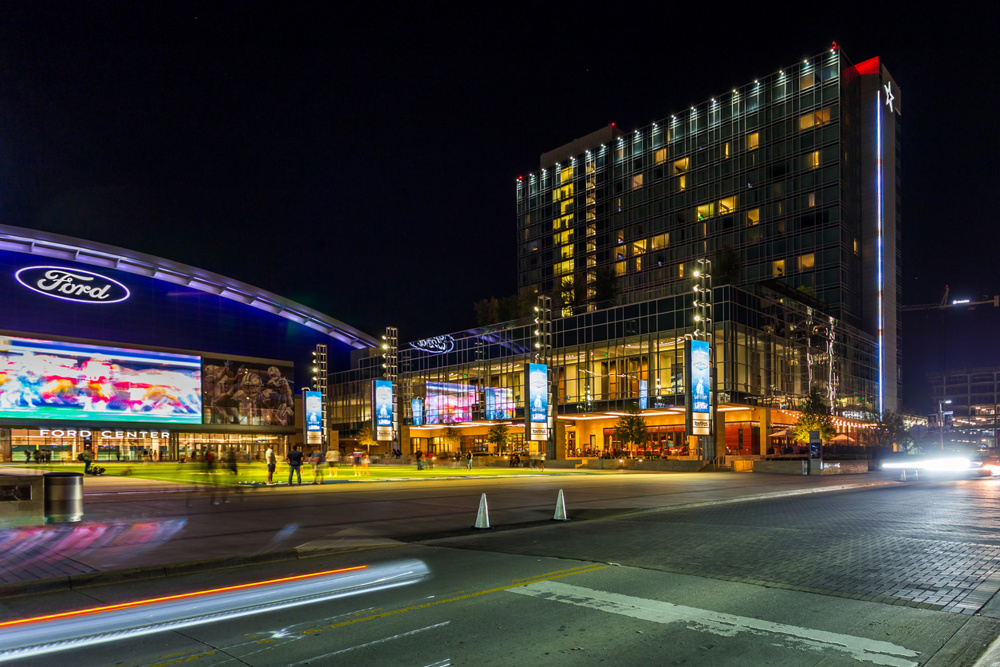
The Star is one of the most well-known developments in Frisco. It serves as the headquarters of the Dallas Cowboys and includes a mix of sports, business, and public spaces.
The complex is designed to be accessible. Visitors can walk through outdoor areas, view practice sessions, and attend events. Restaurants and retail spaces are built around the facility, making it a regular destination for both residents and visitors.
At the center of The Star is Ford Center, an indoor stadium that hosts a range of events. High school football games are a major part of its schedule, along with college competitions, tournaments, and community events.
The presence of a professional organization alongside local teams creates a shared environment. It allows younger athletes to experience high-level facilities while still competing in local leagues.
Toyota Stadium and Soccer Development
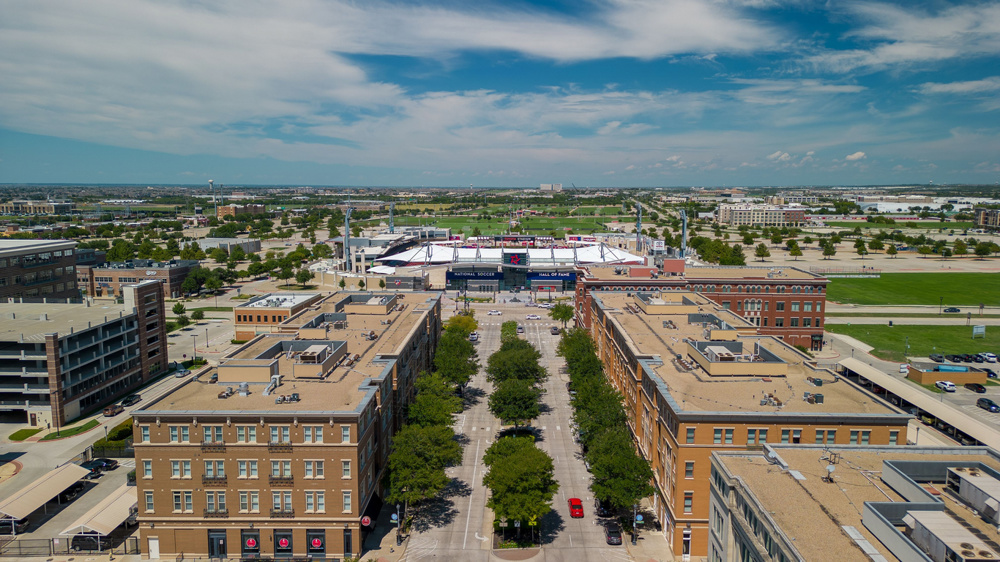
Toyota Stadium is another key part of Frisco’s sports landscape. It is home to FC Dallas, a Major League Soccer team, and also serves as a venue for a wide range of soccer events.
The stadium is part of a larger complex that includes multiple fields used for youth tournaments and training. On many weekends, these fields are filled with teams from across Texas and neighboring states.
This setup supports player development. Young athletes compete in organized leagues and tournaments while having direct exposure to professional-level facilities.
The National Soccer Hall of Fame is located at the stadium as well. It provides historical context and interactive exhibits, adding an educational component to visits.
Training Facilities and Recreation Centers
Frisco offers a wide range of training environments beyond its major stadiums. These include public recreation centers, private training facilities, and specialized venues for different sports.
The Frisco Athletic Center is one of the largest public facilities in the city. It includes fitness equipment, indoor courts, swimming pools, and group classes. Residents use it for both casual workouts and structured programs.
Other facilities focus on specific sports. Ice rinks, baseball training centers, and performance gyms are spread throughout the city. These spaces are used by both amateur and professional athletes.
Access to this variety allows individuals to train consistently without needing to travel outside the area.
Youth Sports as a Foundation
Youth sports play a central role in Frisco’s overall structure. Leagues and programs are available for a wide range of age groups and skill levels.
Local organizations coordinate schedules across multiple fields and facilities. This allows large numbers of participants to take part without significant scheduling conflicts.
The connection between youth programs and larger venues also stands out. Young athletes often compete in the same complexes used for major events. This creates a consistent experience from early participation through more advanced competition.
Schools in Frisco also support athletics with well-maintained facilities and organized programs. High school sports, especially football, attract strong local interest and regular attendance.
Events and Tournaments Throughout the Year
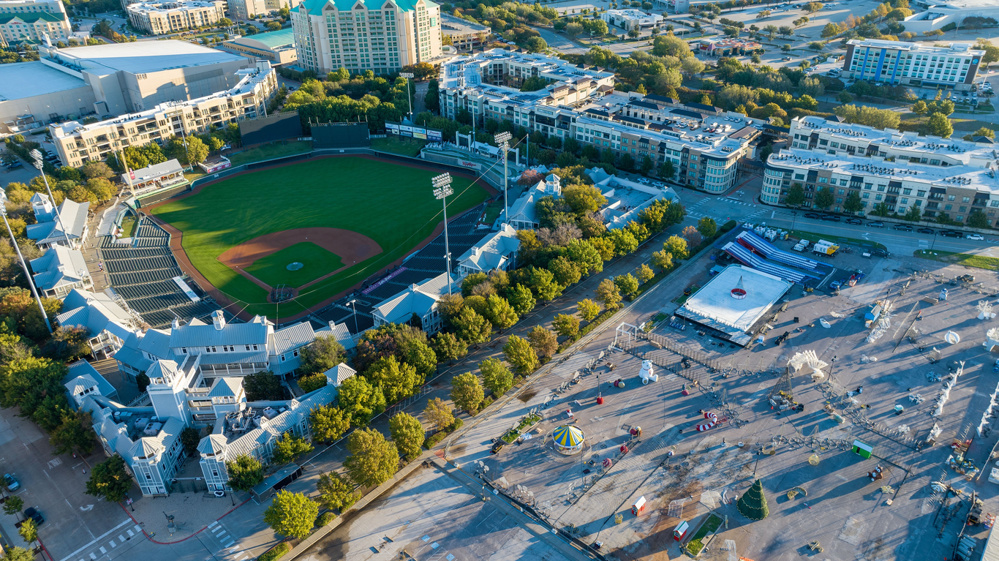
Frisco hosts a steady calendar of sporting events. These include local leagues, regional tournaments, and national competitions.
Soccer tournaments are among the most common, but the city also hosts events for baseball, basketball, football, and other sports. These events bring in teams and spectators from outside the area.
The impact is noticeable across the city. Hotels see increased bookings during tournament weekends. Restaurants and shops experience higher traffic. The local economy benefits from this consistent flow of visitors.
Because events are spread throughout the year, the activity level remains steady rather than seasonal.
A City Designed for Accessibility
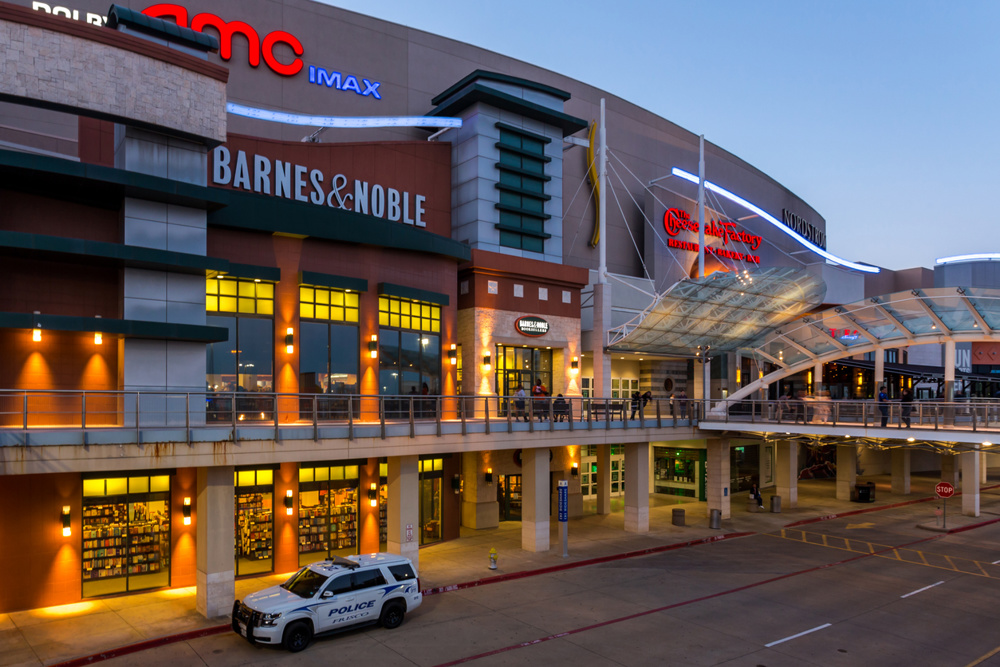
One of the key advantages of Frisco’s layout is accessibility. Many of the city’s major sports facilities are located within a short driving distance of each other.
This makes it easier for families and teams to move between games, practices, and events. It also allows visitors to attend multiple activities in a single trip.
Parks and smaller facilities are distributed across residential areas, so access is not limited to central locations. This reduces travel time for daily activities and supports regular participation.
Parking, road access, and nearby services are also designed to handle large crowds during major events.
Community Impact and Daily Life
Sports influence daily routines in Frisco. Many residents structure their schedules around practices, games, and fitness activities.
This has created a strong sense of community. Families often spend time at the same facilities, which leads to regular interaction. Teams and leagues provide a consistent way for people to connect.
Even residents who are not directly involved in sports are affected by this structure. Public spaces are active and well-maintained. Events provide regular entertainment options. Businesses benefit from the steady flow of customers tied to sports activity.
Balance Between Professional and Local Use
Frisco manages to support both professional-level facilities and local participation without one limiting the other.
Major venues like The Star and Toyota Stadium attract attention and investment. At the same time, public parks and recreation centers remain widely available.
This balance allows the city to serve multiple groups at once. Professional teams can train and compete while local residents continue to use nearby facilities for everyday activities.
The shared infrastructure helps maintain consistent quality across all levels of play.
Continued Growth and Future Development
Frisco continues to expand, and sports remain a central part of that growth. New facilities are added as demand increases, and existing venues are updated to keep up with usage.
The city’s approach has remained consistent. Planning includes space for recreation alongside residential and commercial development.
This ensures that sports and activity remain part of the city’s identity as it grows.
Conclusion
Frisco’s sports-centered lifestyle is the result of long-term planning, consistent investment, and a focus on accessibility.
Stadiums like The Star and Toyota Stadium draw attention, but the broader network of training centers, parks, and programs is what supports daily participation. Residents have regular access to facilities, and visitors have reasons to return throughout the year.
The structure of the city makes it easy to stay active, whether through organized sports or casual recreation. This has shaped both the community and the local economy.
Frisco offers a clear example of how sports can be integrated into city planning in a practical and sustainable way.