

The Woodlands, Texas stands out for a reason that becomes clear the moment you step outside. Instead of busy sidewalks pressed against traffic, you find winding trails shaded by tall trees. Instead of isolated neighborhoods, you see people moving easily between parks, schools, and shopping areas on foot or by bike. This is not accidental. It is the result of a carefully designed pathway system that has shaped how people live, move, and connect.
Often described as a master-planned community, The Woodlands was built with a clear vision. Nature would remain central. Daily life would feel balanced. And residents would have access to safe, scenic ways to travel without relying entirely on cars. Over time, that vision has grown into one of the most extensive and well-used pathway systems in the United States.
A Network Designed with Purpose
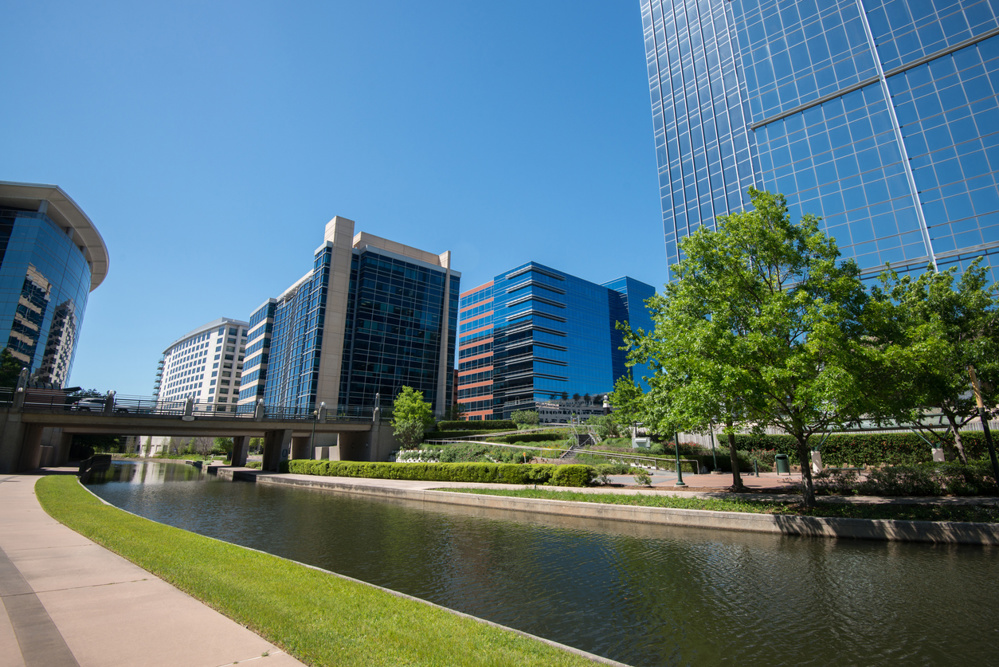
The pathway system in The Woodlands stretches for more than 200 miles. These paths weave through neighborhoods, cross under major roads, and link key destinations such as schools, parks, retail centers, and offices.
What makes this system unique is how early it was built into the community’s design. In many cities, walking and biking paths are added later as an afterthought. In The Woodlands, they were part of the original plan. Developers understood that people would value a lifestyle that allowed movement beyond driving.
Each pathway follows a consistent design approach. Most are wide enough for both walkers and cyclists. Many are separated from roadways, creating a safer and quieter experience. Bridges and underpasses reduce the need to cross busy streets. This level of planning encourages regular use, whether for commuting, exercise, or leisure.
Living Among the Trees
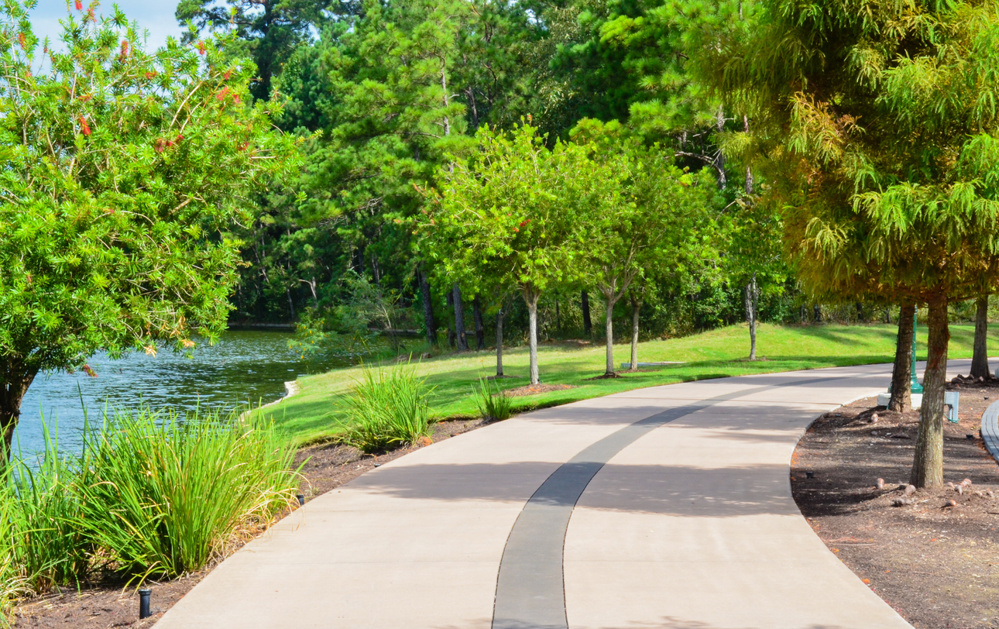
The Woodlands earned its name for a reason. Large portions of the original forest were preserved during development. Instead of clearing the land completely, planners worked around existing trees and natural features. As a result, the pathway system often feels like a journey through a forest rather than a suburban trail.
Tall pines and hardwoods provide shade, which is especially important in the Texas climate. This makes walking and biking more comfortable even during warmer months. The natural surroundings also create a sense of calm. Many residents describe their daily walks as a break from stress rather than just a form of transportation.
Wildlife is another part of the experience. It is not unusual to see birds, squirrels, or even deer along the trails. These encounters reinforce the idea that The Woodlands is not just a place to live, but a place to experience nature on a daily basis.
Connecting Neighborhoods and Daily Life
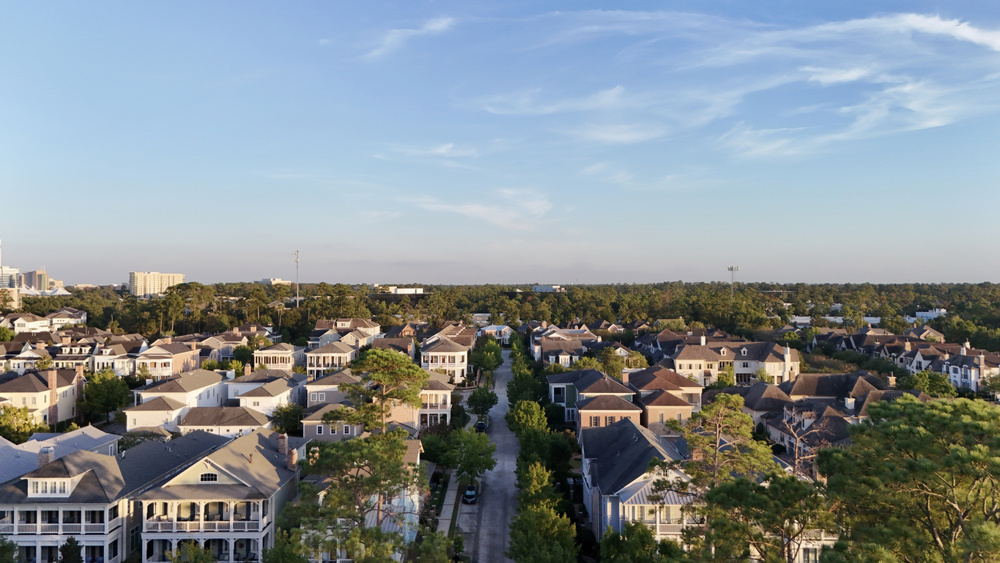
One of the strongest benefits of the pathway system is how it connects different parts of the community. Residents can travel from their homes to schools, grocery stores, parks, and workplaces without needing to drive.
Children can bike to school using safe routes that avoid major traffic. Parents often feel more comfortable allowing this level of independence because the paths are separated from busy roads. This creates a sense of freedom that is becoming less common in many suburban areas.
For adults, the pathways offer an alternative to short car trips. A quick ride to a nearby shopping center or a walk to a park becomes a practical choice. Over time, this reduces traffic congestion and supports a more active lifestyle.
The system also supports social interaction. When people walk or bike, they are more likely to greet neighbors, stop for conversations, and build connections. This contributes to a stronger sense of community.
Parks, Green Spaces, and Recreation
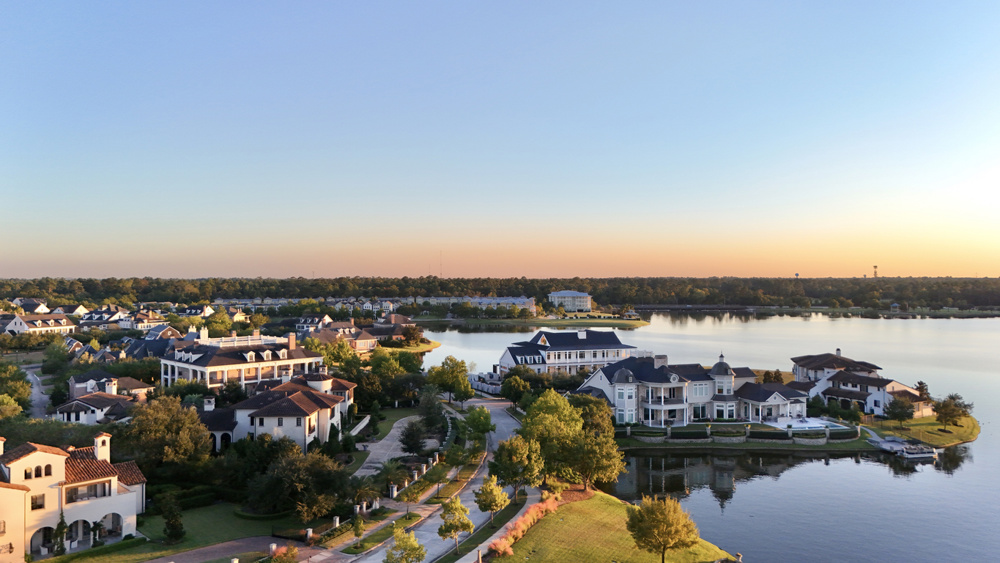
The pathways do not exist in isolation. They are closely tied to an extensive network of parks and green spaces throughout The Woodlands. More than 100 parks are connected by the trail system, offering easy access to recreation.
These parks range from small neighborhood spaces to large community destinations. Some include playgrounds and picnic areas, while others feature sports fields, lakes, and event spaces. Because the pathways link them together, residents can explore multiple parks in a single outing.
Cyclists often use the trails for longer rides, taking advantage of the continuous routes that stretch across the community. Joggers and walkers enjoy the variety of scenery, which helps keep routines from feeling repetitive.
The integration of pathways and parks creates a lifestyle where outdoor activity becomes part of everyday life rather than something that requires special planning.
A Healthier Way to Live
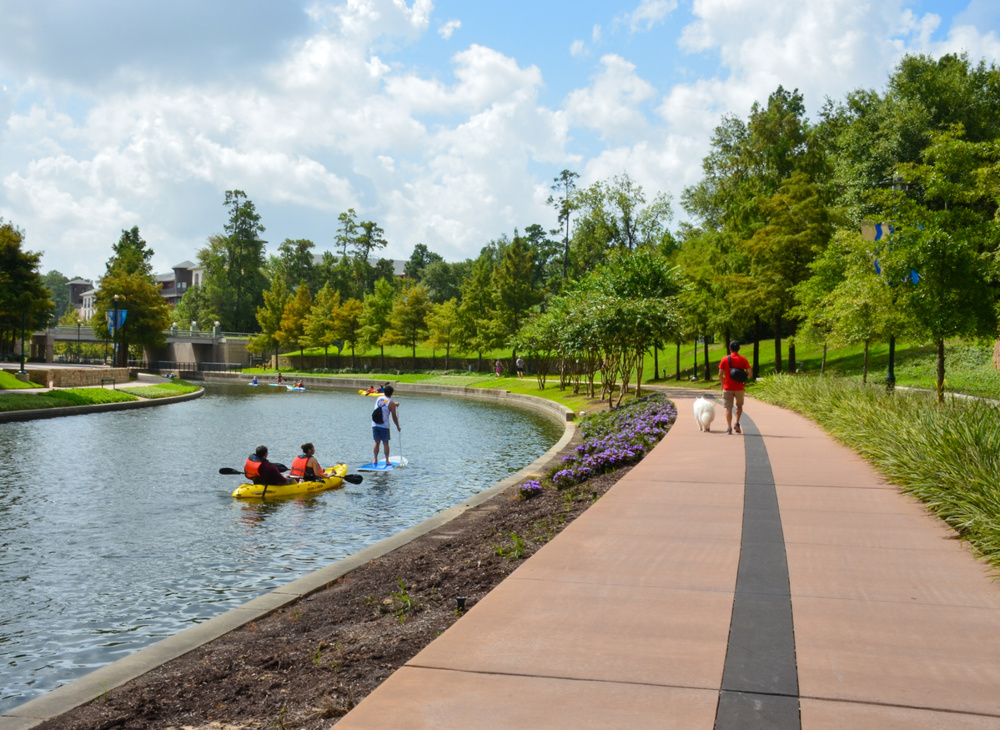
Access to safe and appealing pathways has a direct impact on physical health. When walking and biking are convenient, people are more likely to stay active. This can lead to improved cardiovascular health, better fitness levels, and reduced stress.
The mental health benefits are just as important. Spending time outdoors, especially in a natural setting, can improve mood and reduce anxiety. The combination of movement and nature creates a powerful effect that many residents rely on as part of their daily routine.
Families often take advantage of the trails together. Evening walks, weekend bike rides, and trips to nearby parks become shared activities. These habits can help build long-term healthy lifestyles for both children and adults.
Safety and Accessibility
Safety is a key factor in the success of the pathway system. The design minimizes interactions with traffic, which reduces the risk of accidents. Lighting is installed in many areas, making the paths usable even during early mornings or evenings.
Clear signage helps users navigate the system. Maps and markers indicate directions, distances, and connections to nearby destinations. This makes it easier for both residents and visitors to explore without confusion.
Accessibility is another important aspect. The pathways are designed to accommodate a wide range of users, including people with strollers, wheelchairs, and mobility devices. This inclusive approach ensures that more people can benefit from the system.
Environmental Benefits
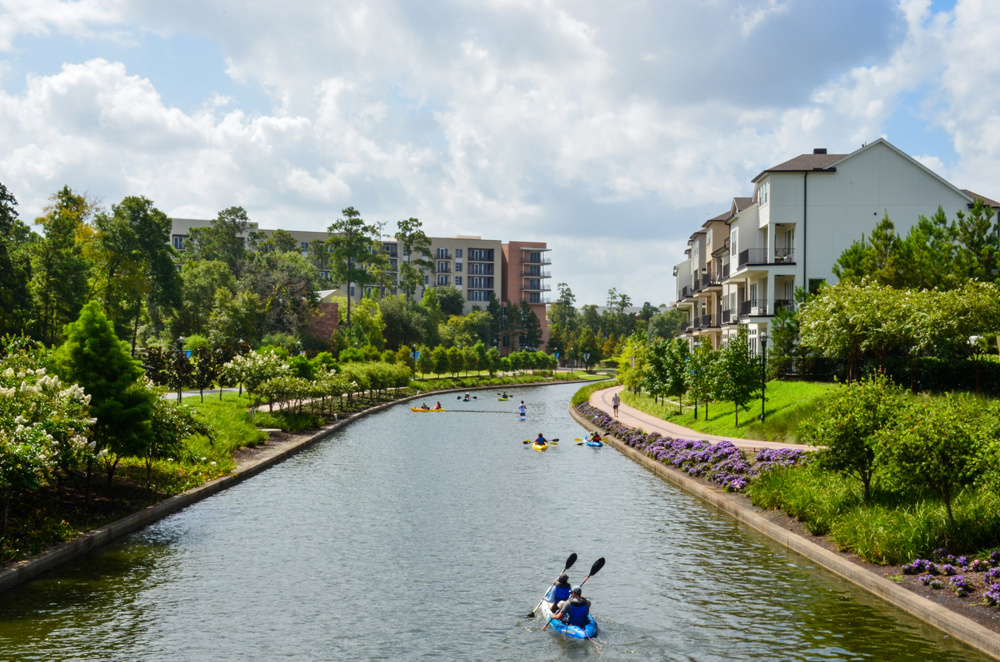
The pathway culture in The Woodlands also supports environmental sustainability. By encouraging walking and biking, the community reduces reliance on cars for short trips. This leads to lower emissions and improved air quality.
Preserving green spaces and trees also plays a role. Trees help regulate temperature, provide shade, and support local ecosystems. The integration of natural areas with the pathway system creates a balanced environment that benefits both people and wildlife.
Stormwater management is another consideration. Many pathways are designed to work with the natural landscape, allowing water to flow and drain without causing damage. This reduces the risk of flooding and helps maintain the health of the surrounding environment.
A Model for Modern Communities
The success of The Woodlands pathway system has drawn attention from urban planners and developers across the country. It demonstrates that thoughtful design can create communities that are both functional and enjoyable.
Key lessons from The Woodlands include the importance of early planning, the value of preserving natural features, and the impact of connectivity. When pathways are integrated from the beginning, they become a natural part of daily life rather than an added feature.
Other communities have started to adopt similar approaches, but few have achieved the same level of integration. The Woodlands remains a strong example of how infrastructure can shape behavior and improve quality of life.
Community Identity and Culture
Over time, the pathways have become part of The Woodlands’ identity. They are not just a transportation system. They represent a way of living that prioritizes balance, connection, and access to nature.
Residents often take pride in the trail system. It is common to hear people mention the pathways as one of the reasons they chose to live in the area. Events such as fun runs, cycling gatherings, and community walks further strengthen this connection.
The shared use of the pathways creates a sense of belonging. People from different neighborhoods and backgrounds cross paths regularly, creating opportunities for interaction that might not happen otherwise.
Looking Ahead
As The Woodlands continues to grow, the pathway system remains a central part of its development. Efforts are ongoing to maintain, expand, and improve the trails to meet the needs of a changing population.
Technology may play a role in the future, with features such as improved lighting, smart signage, and enhanced safety measures. At the same time, the core principles that shaped the system are likely to remain the same.
Preserving the balance between development and nature will continue to be a priority. The pathways will remain a key link between these elements, ensuring that residents can enjoy both convenience and natural beauty.
Conclusion
The pathway culture of The Woodlands is a clear example of how thoughtful planning can shape everyday life. With miles of trails, preserved natural surroundings, and strong connections between neighborhoods, the community offers a lifestyle that is both practical and enjoyable.
Walking and biking are not limited to recreation. They are part of daily routines. Parks and green spaces are not distant destinations. They are easily accessible through a network that encourages exploration and movement.
This approach creates a healthier, more connected community where people can engage with their surroundings and with each other. As cities continue to grow and evolve, The Woodlands provides a useful model for what is possible when design, nature, and community are brought together with care.