

Katy, Texas has changed in a big way over the past few decades. What was once a quiet area on the edge of Houston has grown into one of the most sought-after suburban communities in the region. Families, professionals, and retirees continue to move here for one simple reason: quality of life.
At the center of this growth is a clear idea. Build neighborhoods that feel complete. Give residents space to breathe. Add parks, trails, and gathering spots that make daily life better. This approach has helped shape Katy into a model for modern suburban living.
This is the story of how master-planned communities, outdoor spaces, and family-focused design turned Katy into a place people are proud to call home.
A Shift Toward Thoughtful Suburban Design
Suburbs used to follow a simple formula. Build homes, add roads, and let the city handle the rest. Over time, that model started to fall short. Residents wanted more than just a house. They wanted a sense of place.
Katy responded with a different approach. Developers began designing entire communities from the ground up. These master-planned neighborhoods included homes, schools, parks, retail areas, and shared spaces all within reach.
The goal was not just convenience. It was a connection.
Instead of long drives for basic needs, families could walk or bike to nearby parks, schools, and community centers. Streets were designed to feel safe and welcoming. Green space became a priority rather than an afterthought.
This shift helped redefine what suburban life could look like.
The Role of Master-Planned Communities
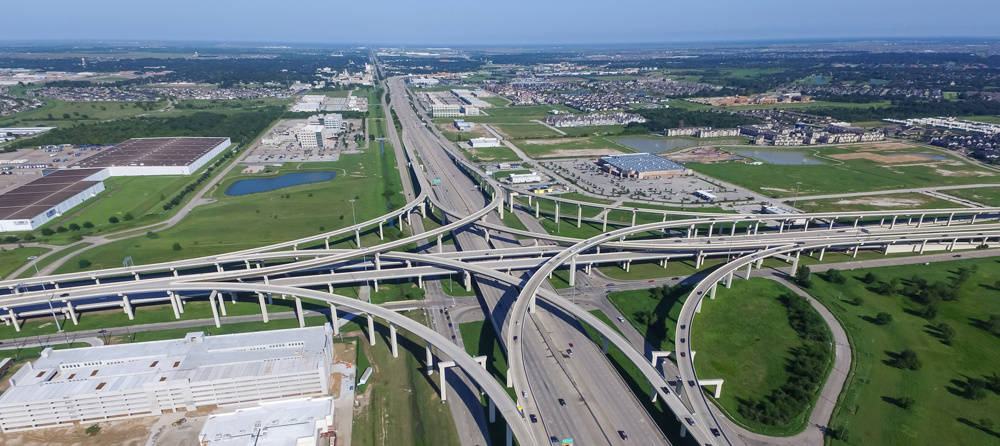
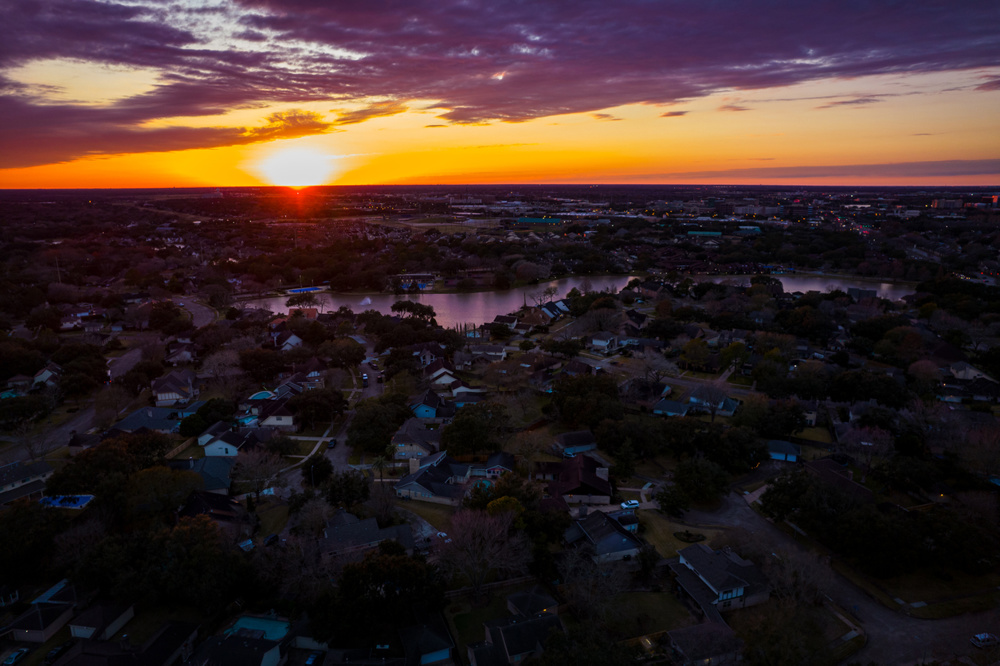
Master-planned communities play a major role in Katy’s identity today. Names like Cinco Ranch, Firethorne, Elyson, and Cane Island are well known across the Houston area. Each one offers its own layout, amenities, and style, yet they all share a common vision.
These communities are designed to support daily life in a smooth and comfortable way. Homes come in a range of sizes and price points, which helps attract a mix of residents. Streets are often curved and tree-lined, creating a calmer feel than traditional grid layouts.
Amenities are built into the plan from the start. Residents often have access to:
- Community pools and splash pads
- Fitness centers and sports courts
- Clubhouses for events and gatherings
- Lakes, greenbelts, and open fields
This built-in structure makes it easier for neighbors to meet and interact. It also creates a sense of identity within each neighborhood.
Over time, these communities have helped shape Katy’s reputation as a place where families can settle down and grow.
Parks That Bring People Together
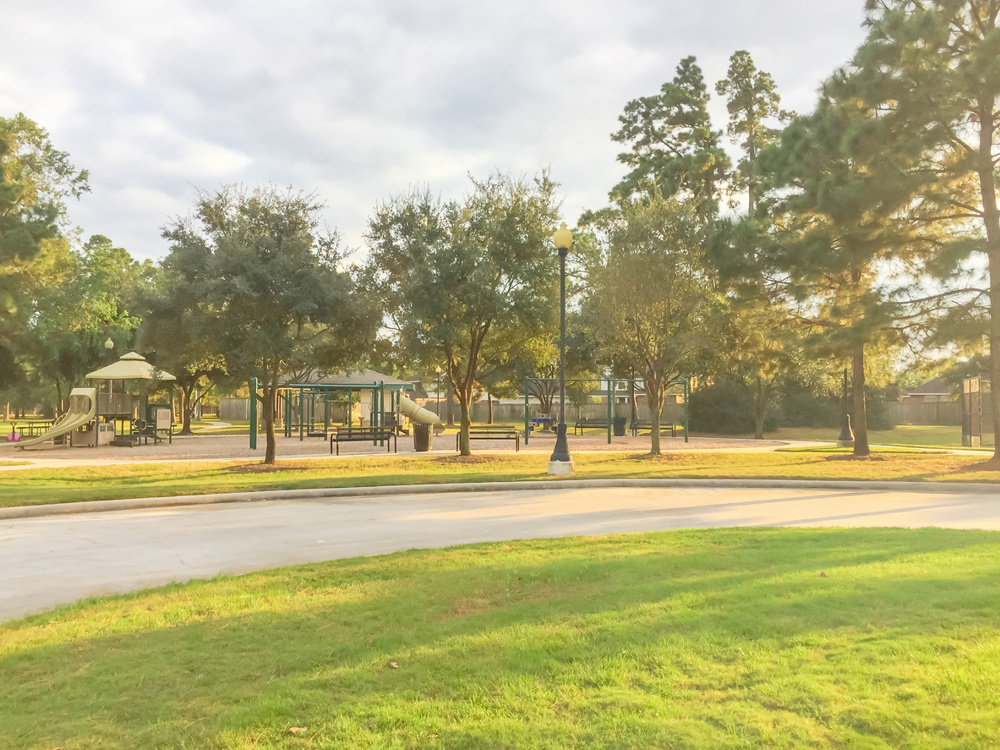
Parks are one of the strongest features of Katy’s suburban design. They are not treated as leftover land. They are central to how communities function.
Large parks offer room for organized sports, weekend picnics, and outdoor events. Smaller pocket parks provide quiet spots for relaxation, reading, or letting kids play close to home.
Many neighborhoods include playgrounds within walking distance of most homes. This makes it easier for families to spend time outside without planning a full trip across town.
Public parks across the Katy area add even more options. Mary Jo Peckham Park is a favorite among locals. It offers walking paths, a fishing lake, and indoor recreation spaces. Katy Park provides fields for soccer and baseball along with open areas for casual use.
These parks serve as gathering places. Birthdays, family reunions, and community events often take place here. They help turn neighborhoods into active, social environments.
Trails That Encourage Movement and Connection
Trails are another key part of Katy’s design. They link neighborhoods, parks, and amenities in a way that supports both movement and connection.
Many master-planned communities include miles of walking and biking trails. These paths often wind through green spaces, along lakes, or beside shaded streets. They are used for morning jogs, evening walks, and weekend bike rides.
The presence of trails changes how people move through their community. Instead of relying only on cars, residents have the option to walk or bike for short trips. This adds a level of freedom that older suburban layouts often lack.
Trails also create natural meeting points. Neighbors pass each other during walks. Families explore together. Over time, these small interactions help build stronger social ties.
For many residents, the trail system becomes part of their daily routine. It supports both physical health and a sense of belonging.
A Focus on Family Life
Katy’s growth has been closely tied to its appeal for families. Everything from school quality to neighborhood design plays a role in that appeal.
The Katy Independent School District is one of the top-rated districts in Texas. Strong academic programs, extracurricular options, and modern facilities attract families from across the region.
Beyond schools, the layout of communities supports family life in practical ways. Streets are often quieter, with slower traffic. Sidewalks and green spaces provide safe areas for kids to play.
Community events add another layer. Seasonal festivals, outdoor movie nights, and neighborhood gatherings are common. These events give families a chance to connect with others and feel part of something larger.
Local businesses also cater to this audience. Family-friendly restaurants, childcare services, and activity centers are easy to find. Everything works together to create an environment where raising children feels manageable and enjoyable.
Retail and Convenience Close to Home
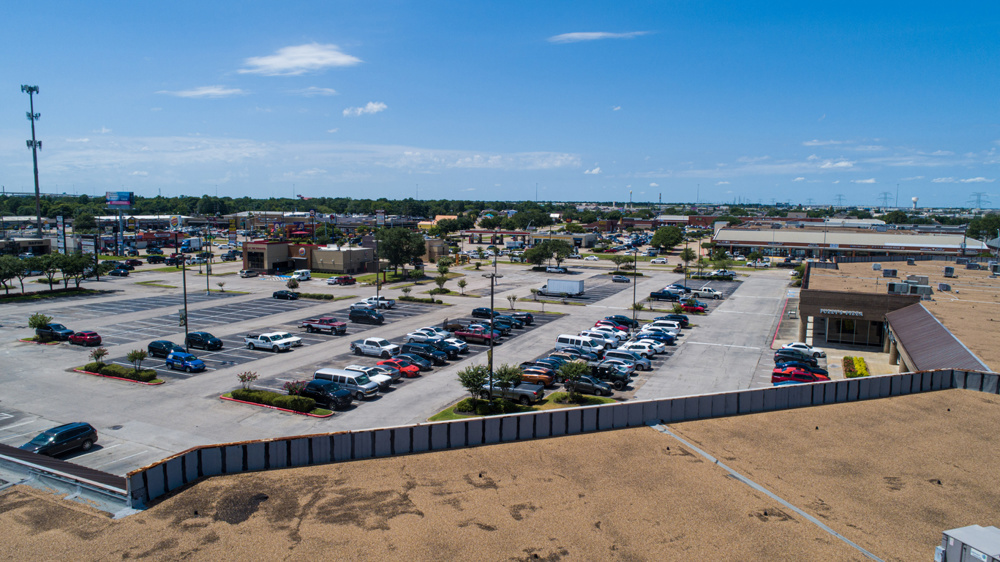
Modern suburban living requires more than homes and parks. Access to shopping, dining, and services is just as important.
Katy has grown into a strong retail hub. Katy Mills offers a large indoor shopping experience with a wide range of stores. LaCenterra at Cinco Ranch provides an outdoor setting with shops, restaurants, and entertainment options.
These centers are often located near residential areas, which keeps travel time short. Many master-planned communities also include smaller retail zones within their boundaries.
This mix of large and local options gives residents flexibility. Daily errands can be handled quickly, while larger shopping trips remain convenient.
The result is a balanced lifestyle. Residents enjoy suburban space without giving up access to modern amenities.
Green Space as a Long-Term Investment
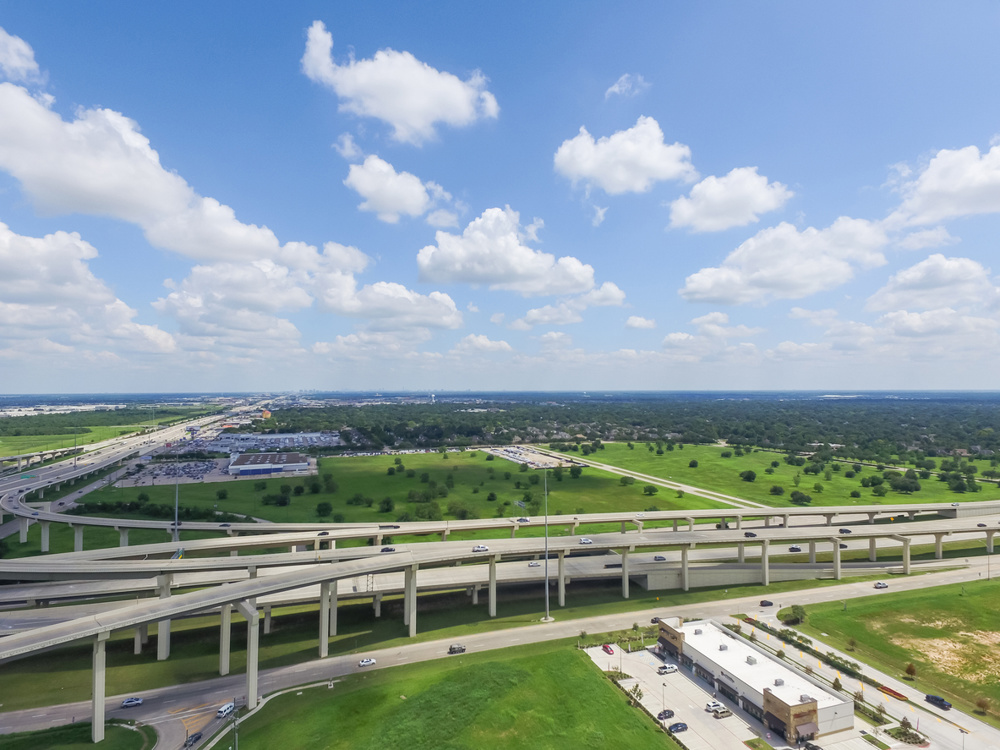
Green space in Katy is not just about appearance. It is also a long-term investment in the community.
Developers and planners understand that well-maintained parks and natural areas add value over time. Homes near green space often hold their value better. They also attract buyers who prioritize outdoor access.
Environmental benefits play a role as well. Green areas help manage drainage, reduce heat, and support local ecosystems. In a region known for heavy rainfall, thoughtful land use can make a real difference.
Many communities include lakes and retention ponds that serve both practical and recreational purposes. These features help control water flow while also adding visual appeal.
This approach shows how design choices can serve multiple goals at once.
The Appeal of Space Without Isolation

One of Katy’s strengths is its ability to offer space without creating a sense of isolation.
Homes often come with larger lots than those found in central Houston. Streets feel less crowded. Noise levels tend to be lower. These factors create a more relaxed environment.
At the same time, Katy remains connected to the broader Houston area. Major highways like Interstate 10 and the Grand Parkway provide access to job centers, medical facilities, and cultural attractions.
This balance allows residents to enjoy suburban living without feeling cut off from the city. It is a key reason why Katy continues to attract new residents year after year.
Community Identity and Pride
As Katy has grown, it has developed a strong sense of identity. Residents often take pride in their neighborhoods and the city as a whole.
Local traditions and events help reinforce this identity. Katy Market Day, for example, brings together vendors, residents, and visitors in a lively outdoor setting. Seasonal celebrations add to the community spirit.
Sports also play a role. High school football games draw large crowds and create shared experiences for families and neighbors.
These elements help turn Katy into more than just a place to live. They create a feeling of belonging that keeps people invested in their community.
Challenges That Come With Growth
Rapid growth brings benefits, but it also creates challenges.
Traffic has become a concern in some areas, especially during peak hours. As more people move in, roads and infrastructure must keep pace.
School capacity is another issue that requires ongoing attention. Expanding facilities and maintaining quality takes careful planning.
Housing costs have also risen. While Katy still offers a range of options, increasing demand has pushed prices higher in many neighborhoods.
City planners and developers continue to address these challenges. New roads, expanded schools, and additional community resources are part of the ongoing effort to support growth.
The Future of Katy’s Suburban Model
Katy’s approach to suburban living continues to evolve. New developments are building on the success of earlier master-planned communities while introducing fresh ideas.
Some newer neighborhoods place even greater emphasis on walkability. Others incorporate technology, such as smart home features and energy-efficient designs.
There is also a growing focus on mixed-use spaces. These areas combine residential, retail, and office elements in a single location. This creates more opportunities for residents to live, work, and spend time close to home.
As these trends continue, Katy is likely to remain a leader in suburban design.
Why Katy Stands Out
Many suburbs offer housing and basic amenities. Katy stands out because of how those elements are combined.
Parks are easy to access. Trails connect different parts of the community. Schools maintain strong reputations. Retail options meet everyday needs. Neighborhoods are designed with long-term livability in mind.
Each piece supports the others. Together, they create a place that feels complete.
For families, this means less time spent managing daily logistics and more time enjoying life. For individuals, it means access to both quiet spaces and active environments.
This balance is not easy to achieve, yet Katy has managed to do it well.
A Place Built Around Everyday Life
Katy’s rise as a family-focused suburb did not happen by chance. It is the result of careful planning, thoughtful design, and a clear understanding of what residents value.
Parks provide space to relax and connect. Trails encourage movement and interaction. Master-planned communities create structure and identity. Schools and services support daily life.
Each element contributes to a larger picture. A place where people can settle in, build relationships, and feel at home.
As more people look for communities that offer both comfort and connection, Katy continues to serve as a strong example of what modern suburban living can be.