

Sugar Land, Texas has built a reputation as one of the most livable communities in the Houston area. It blends suburban comfort with carefully designed outdoor spaces that invite people to slow down and enjoy their surroundings. Parks, lakes, and walking trails are not afterthoughts here. They are part of daily life.
Just southwest of Houston, Sugar Land offers a quieter pace without feeling disconnected. Residents enjoy access to nature, well-maintained public areas, and waterfront views that add a refreshing touch to suburban living. For visitors, the city provides a chance to experience a different side of the Greater Houston region, one that focuses on balance, community, and open space.
Let’s take a closer look at how Sugar Land’s waterfront areas and parks shape the city’s identity and why they continue to attract families, professionals, and outdoor enthusiasts.
A City Designed Around Livability
Sugar Land did not grow by accident. Much of its development has been planned with long-term livability in mind. Streets, neighborhoods, and public spaces were designed to work together rather than compete for space.
Green areas are spread throughout the city instead of being concentrated in one location. This means residents are rarely far from a park, trail, or scenic spot. The result feels intentional. You are never too far from a place to walk, relax, or spend time outdoors.
Water features also play a major role. Lakes, creeks, and fountains are woven into neighborhoods and public areas. These elements bring visual appeal, but they also help create a calmer environment.
Sugar Land Town Square: The Social Waterfront Hub
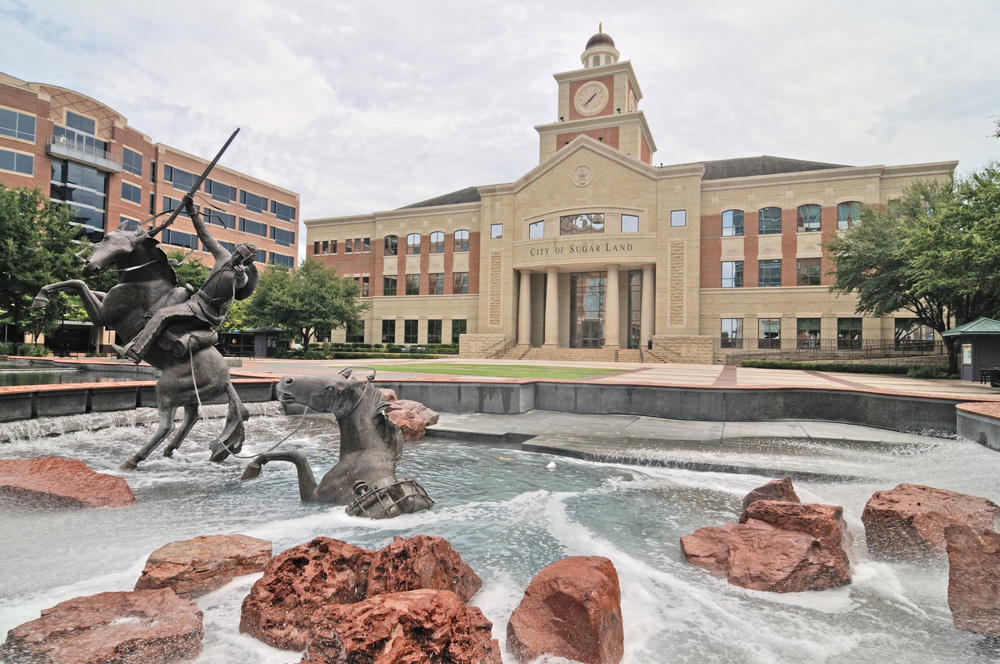
At the center of the city’s public life sits Sugar Land Town Square. This area serves as a gathering place for events, dining, and entertainment. While it is not a traditional waterfront with a large river or bay, it incorporates water features and open spaces that create a similar atmosphere.
The plaza often hosts concerts, seasonal festivals, and community events. Families gather here in the evenings, and visitors can enjoy restaurants that open out toward the square. The nearby water features add movement and a sense of openness, making the area feel less crowded even when it is busy.
Town Square shows how Sugar Land blends urban convenience with outdoor comfort. You can walk from a café to a public plaza and then relax near a water feature without needing to drive anywhere.
Oyster Creek Park: A Local Favorite
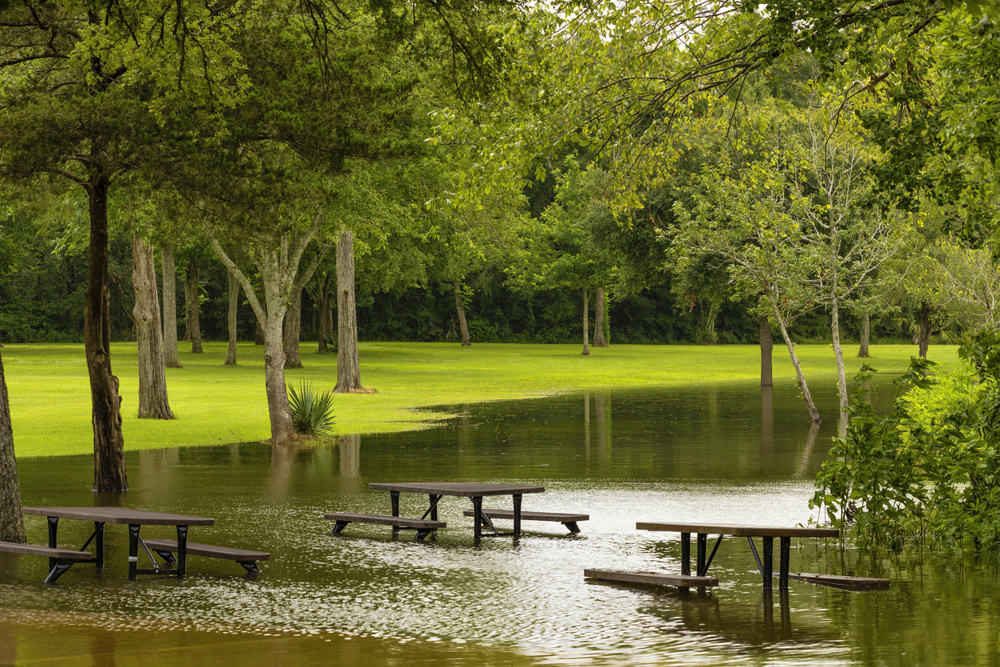
Oyster Creek Park stands out as one of Sugar Land’s most scenic and well-loved green spaces. It offers a mix of natural beauty and thoughtful design.
A winding creek runs through the park, crossed by pedestrian bridges that give visitors multiple vantage points. The trails are wide and easy to follow, making them accessible for walkers, joggers, and families with strollers.
Open lawns provide space for picnics or casual games, while shaded areas offer relief during warmer months. The amphitheater often hosts small performances or gatherings, adding a cultural layer to the park experience.
The presence of water is what gives Oyster Creek Park its character. The flowing creek, combined with landscaping and open space, creates a peaceful setting that feels far removed from the nearby city.
Brooks Lake and Nearby Green Spaces
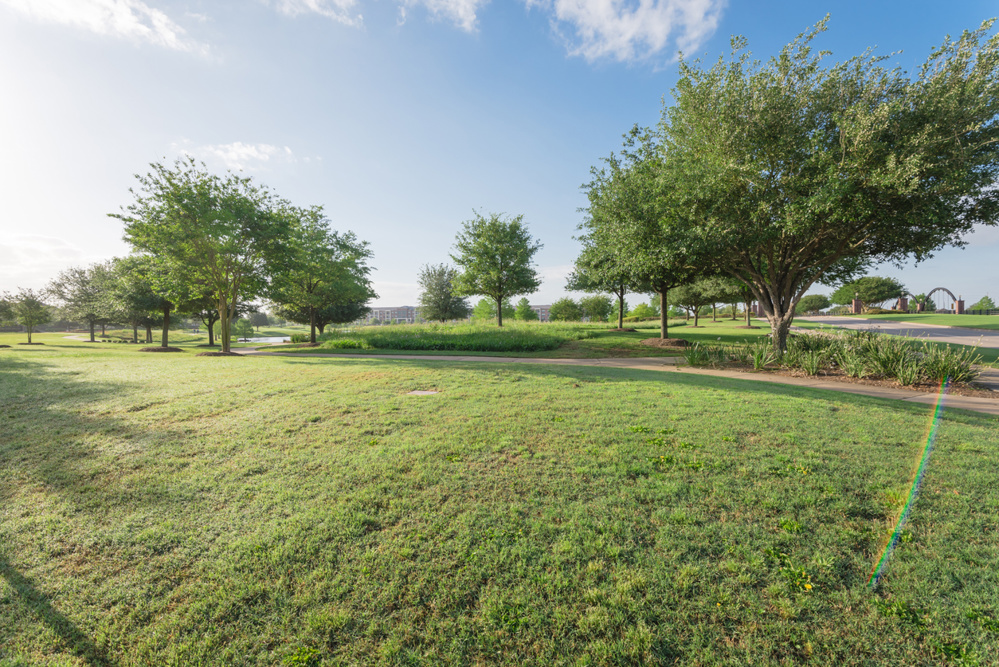
Brooks Lake offers another example of how Sugar Land integrates water into its environment. Surrounded by residential neighborhoods, the lake provides a quiet and scenic backdrop for daily life.
Walking paths around the lake are popular for morning exercise and evening strolls. The calm surface of the water reflects the sky and surrounding trees, creating a relaxing visual experience.
This area highlights one of Sugar Land’s strengths. Parks and waterfront features are not limited to large public spaces. Smaller, neighborhood-centered areas also play an important role in enhancing quality of life.
Residents do not need to travel far to enjoy nature. It is often right outside their door.
Cullinan Park: A More Natural Escape
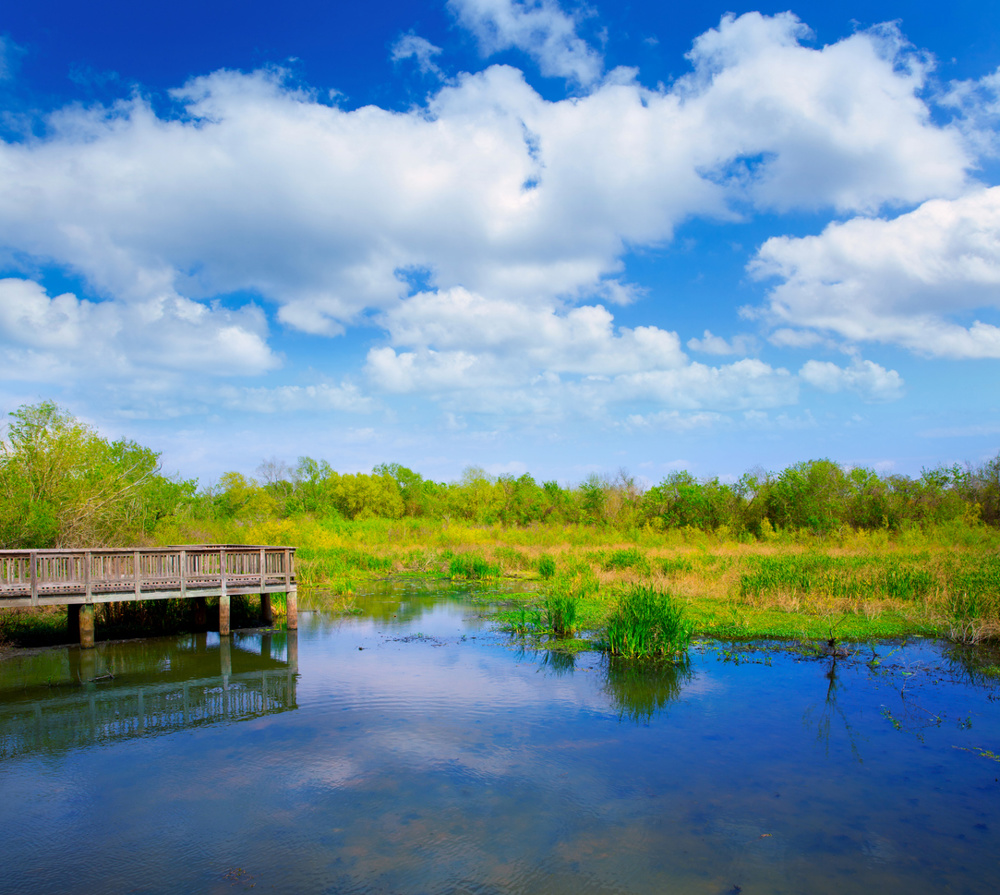
While many of Sugar Land’s parks are landscaped and maintained, Cullinan Park offers a more natural experience. This park focuses on preserving local ecosystems while still providing access for visitors.
Trails wind through wooded areas and around wetlands. Birdwatchers are especially drawn to this park due to the variety of species that can be spotted throughout the year.
The setting feels quieter and less structured than other parks in the city. There are fewer built features, which allows the natural environment to take center stage.
Cullinan Park shows another side of Sugar Land. It is not only about polished public spaces. It also values conservation and the chance to experience nature in a more untouched form.
Lost Creek Park and Neighborhood Greenways
Lost Creek Park is another example of how Sugar Land balances recreation with natural beauty. It includes sports facilities, open green space, and scenic walking areas along the creek.
Families often use the park for both active and relaxed activities. Children can play on the fields while adults enjoy a walk along the water.
Connecting parks through trails and greenways is a key feature of the city’s design. These connections allow people to move between neighborhoods and public spaces without relying entirely on roads.
It encourages a more active lifestyle. Walking and biking become part of everyday routines rather than occasional activities.
The Role of Water in Everyday Life
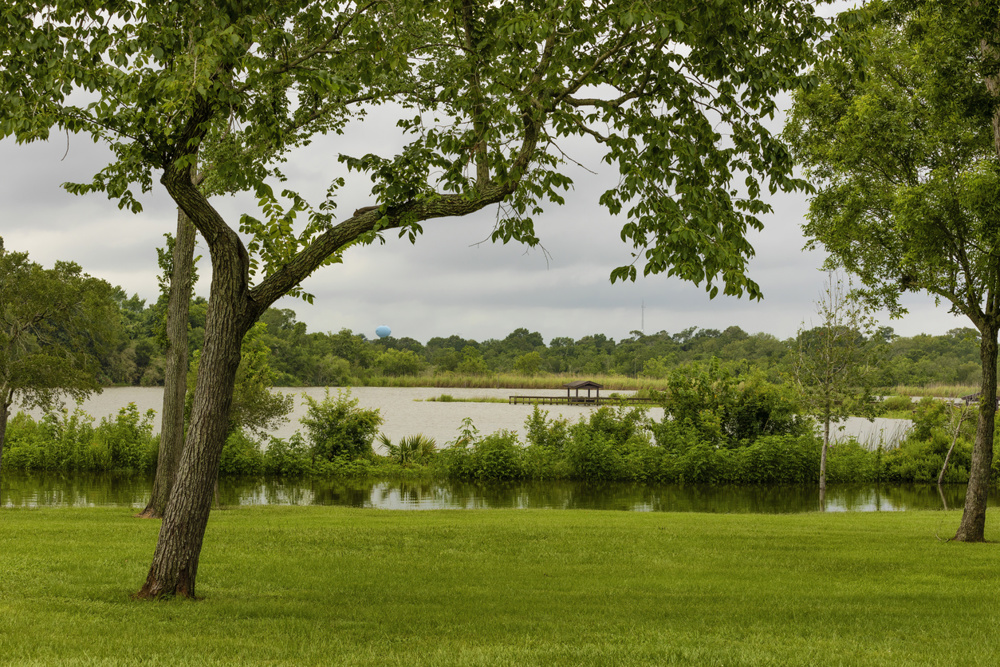
Water features in Sugar Land are not just decorative. They shape how people interact with their surroundings.
Lakes and creeks provide visual calm. They also influence temperature and create more pleasant outdoor conditions. Even small fountains in public spaces contribute to the overall atmosphere.
Many neighborhoods are built around water. Homes may face lakes or sit near walking paths that follow a creek. This design creates a stronger connection between residents and their environment.
It also adds a sense of identity to each area. A neighborhood near a lake feels different from one centered around a park or trail system.
Recreation for All Ages
Sugar Land’s parks are designed to serve a wide range of people. Children, adults, and seniors can all find something that suits their interests.
Playgrounds and open fields cater to families with young kids. Sports courts and fitness areas provide options for those who want more active recreation. Walking trails and shaded seating areas offer a slower pace for those who prefer it.
Accessibility is also a priority. Many parks include paved paths and clear signage, making them easy to navigate.
This inclusive approach helps build a strong sense of community. Parks become places where people of different ages and backgrounds come together.
Events That Bring Spaces to Life
Parks and waterfront areas in Sugar Land are not only for quiet moments. They also host events that bring energy and activity to the city.
Seasonal festivals, outdoor concerts, and community gatherings are common. These events make use of open spaces and often incorporate water features as part of the setting.
The combination of natural beauty and organized activity creates a balanced experience. Residents can enjoy peaceful surroundings one day and lively events the next.
It keeps public spaces feeling dynamic and engaging.
A Strong Emphasis on Maintenance
One of the reasons Sugar Land’s parks stand out is the level of care they receive. Landscapes are well-maintained, paths are kept clean, and facilities are regularly updated.
This attention to detail makes a difference. Visitors notice when a park feels safe and inviting. It encourages more frequent use and helps maintain a positive reputation for the city.
Maintenance also supports long-term sustainability. By taking care of existing spaces, Sugar Land ensures they remain enjoyable for future generations.
Proximity to Houston with a Different Feel
Sugar Land’s location near Houston is one of its biggest advantages. Residents can access the opportunities of a major city while enjoying a quieter environment at home.
The difference becomes clear when spending time in local parks or waterfront areas. The pace slows down. Traffic noise fades. Open space replaces crowded streets.
For many people, this balance is ideal. They can work or explore in Houston during the day and return to a more relaxed setting in the evening.
Real Estate and Lifestyle Appeal
The presence of parks and waterfront features has a direct impact on Sugar Land’s housing market. Homes near these areas are often in high demand.
Buyers are drawn to the lifestyle that comes with easy access to outdoor spaces. It adds value beyond the property itself.
Neighborhoods with lakes, trails, and nearby parks tend to foster stronger community connections. People are more likely to spend time outside and interact with neighbors.
This lifestyle appeal plays a major role in why Sugar Land continues to grow.
Education and Outdoor Learning

Parks in Sugar Land also support education in subtle ways. Schools and families often use these spaces for informal learning.
Children can explore nature, observe wildlife, and develop an appreciation for the environment. Parks like Cullinan offer opportunities to learn about local ecosystems.
Even structured programs and community events often include educational components. It helps reinforce the idea that outdoor spaces are valuable for both recreation and learning.
Safety and Community Planning
Safety is another key factor in Sugar Land’s park system. Well-lit paths, clear visibility, and regular maintenance all contribute to a secure environment.
The layout of parks and neighborhoods also supports this goal. Open designs and accessible routes make it easier for people to move around comfortably.
Community involvement plays a role as well. Residents take pride in their surroundings and often participate in local events and activities.
This sense of ownership helps maintain a welcoming atmosphere.
A Model for Suburban Development
Sugar Land offers a strong example of how suburban areas can prioritize quality of life. It shows that growth does not have to come at the expense of green space.
By integrating parks and waterfront features into its design, the city creates a more balanced environment. It supports both convenience and relaxation.
Other communities often look to Sugar Land as a model for planning and development. Its approach demonstrates that thoughtful design can lead to lasting benefits.
Why It Stands Out
What sets Sugar Land apart is not just the number of parks or the presence of water features. It is how these elements work together.
Each space feels connected to the larger community. Parks are not isolated. They are part of a network that supports daily life.
The focus on maintenance, accessibility, and variety ensures that these spaces remain relevant and enjoyable.
Residents do not have to choose between urban convenience and outdoor comfort. In Sugar Land, they can have both.
Final Thoughts
Sugar Land’s waterfront areas and parks reflect a clear vision. The city values open space, community connection, and a high quality of life.
From the lively atmosphere of Town Square to the quiet trails of Cullinan Park, each location offers something different. Together, they create a well-rounded environment that appeals to a wide range of people.
For those living nearby or visiting from Houston, Sugar Land provides a refreshing change of pace. It shows how thoughtful planning and a focus on outdoor spaces can shape a city in meaningful ways.
In the end, it is this balance that defines Sugar Land. Scenic spaces and suburban comfort come together to create a place that feels both active and relaxing at the same time.