

Allen, Texas has built a strong reputation for being a community that values quality of life. One of the clearest examples of that commitment is its greenbelt network. This system of trails, parks, and preserved open spaces runs through the city and connects neighborhoods, schools, and recreation areas in a way that feels natural and accessible.
The greenbelt network is not a single park or a short walking path. It is a connected system designed to support daily outdoor activity. Residents can walk, jog, bike, or simply relax in spaces that feel open and inviting. This network plays a key role in shaping how people in Allen live, move, and spend their time outdoors.
What Is a Greenbelt Network?
A greenbelt network is a planned system of open land that often includes trails, parks, and natural areas. These spaces are protected from heavy development so they can be used for recreation, environmental preservation, and community connection.
In Allen, the greenbelt network stretches across the city and links together different parts of the community. Instead of isolated parks, the city has created a web of outdoor spaces that flow into one another. This allows people to travel longer distances without leaving a natural setting.
The idea behind a greenbelt is simple. It gives residents access to nature without requiring long trips outside the city. At the same time, it helps protect natural features such as creeks, trees, and wildlife habitats.
The Role of Trails in Daily Life
Trails are one of the most visible and widely used parts of Allen’s greenbelt system. They serve many purposes, from exercise to commuting to relaxation.
Many of these trails are paved and well-maintained, making them accessible for walkers, runners, cyclists, and families with strollers. Others are more natural, offering a quieter and more rustic experience.
For many residents, trails are part of their daily routine. A morning walk before work, an afternoon bike ride with children, or an evening jog after dinner all become easy habits when trails are nearby. The convenience of having safe and connected paths encourages people to stay active.
Trails also provide an alternative way to move through the city. Some people use them to reach nearby parks, schools, or shopping areas without needing to drive. This adds a practical benefit to what might otherwise seem like purely recreational spaces.
Open Spaces That Feel Natural
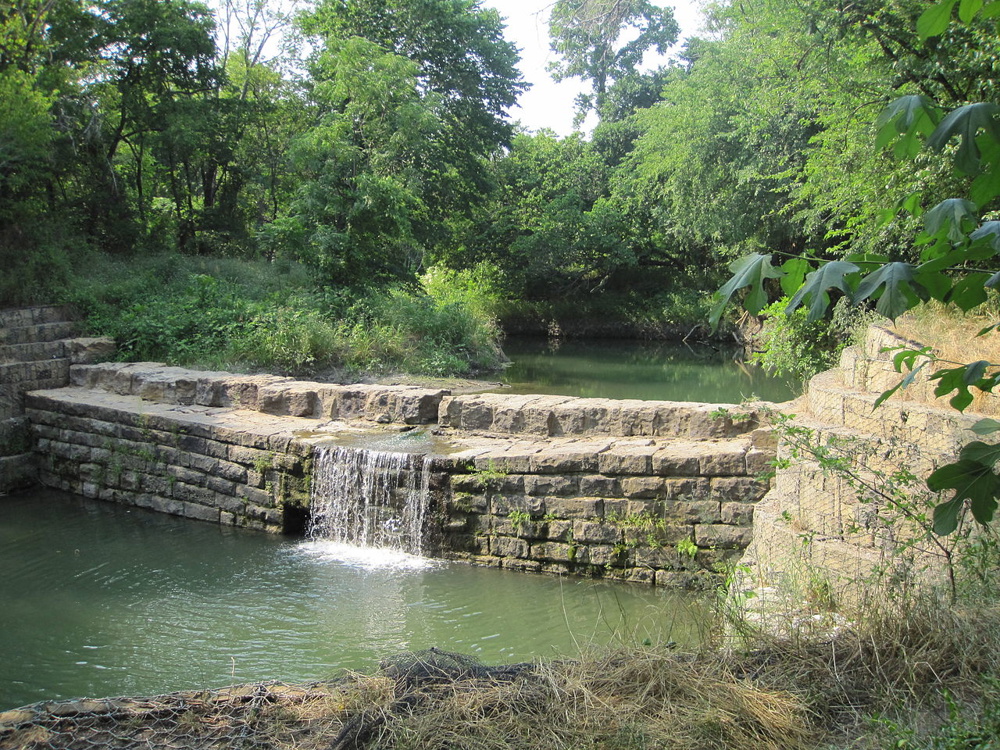
One of the defining features of Allen’s greenbelt network is its open space. These areas are not overly built or crowded with structures. Instead, they are designed to preserve a natural feel.
Large grassy fields, wooded areas, and creekside environments give residents a chance to step away from busy streets. These spaces offer room to spread out, whether for a casual picnic, a game of catch, or quiet time outdoors.
Open spaces also help maintain a sense of balance within the city. As neighborhoods grow, these areas ensure that there is still room for nature. They break up dense development and create visual relief, making the city feel less crowded.
For families, open spaces are especially valuable. Children have room to run, explore, and play freely. Parents can enjoy outdoor time without needing to travel far from home.
Connecting Neighborhoods and Communities
A major strength of Allen’s greenbelt network is how it connects different parts of the city. Trails often run behind neighborhoods, alongside creeks, or through park corridors. This creates a sense of continuity across the community.
Instead of isolated pockets, residents experience a connected environment. A person can start in one neighborhood and follow a trail to another area without interruption. This strengthens the feeling of being part of a larger community.
These connections also encourage social interaction. People meet neighbors while walking or biking. Families gather in shared spaces. Over time, these everyday encounters help build stronger relationships among residents.
The network also supports access to schools and public facilities. Some students can walk or bike along safe routes instead of relying on car transportation. This adds both convenience and a sense of independence.
Health and Wellness Benefits
Access to outdoor spaces has a direct impact on physical and mental health. Allen’s greenbelt network makes it easier for residents to stay active without needing a gym or special equipment.
Walking, jogging, and cycling are simple activities that can be done on the trails. Because the paths are close to home, people are more likely to use them regularly. Consistent physical activity supports heart health, improves endurance, and helps manage stress.
Mental well-being is another important benefit. Spending time outdoors can reduce anxiety and improve mood. The presence of trees, water, and open skies creates a calming environment that many people find refreshing.
For those with busy schedules, the convenience of nearby green space makes a difference. Even a short walk during a break can provide a mental reset.
Environmental Importance
The greenbelt network is not only about recreation. It also plays a key role in protecting the environment.
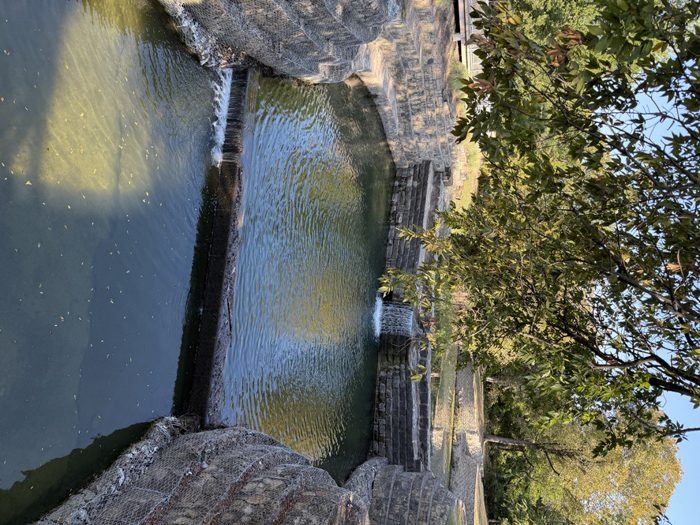
Creeks and drainage areas are often part of the greenbelt system. By preserving these natural corridors, the city helps manage water flow and reduce the risk of flooding. Vegetation along these areas absorbs rainwater and stabilizes the soil.
Trees and plant life within the greenbelt improve air quality and provide shade. They also support local wildlife, creating habitats for birds and other animals.
Maintaining these natural areas helps balance urban development with environmental responsibility. It ensures that growth does not come at the expense of natural resources.
Design and Planning
Creating a successful greenbelt network requires careful planning. In Allen, the system has been developed over time with a focus on long-term use.
City planners consider how trails connect to existing neighborhoods and future developments. They also look at how open spaces can be preserved while still allowing for growth.
Safety is an important factor in design. Trails are often well-lit and clearly marked. Crossings near roads are designed to be visible and secure. This encourages more people to use the network with confidence.
Accessibility is another key consideration. Many trails are designed to be usable for people of all ages and abilities. Smooth surfaces and gradual slopes make it easier for everyone to enjoy the space.
Everyday Outdoor Living
One of the most appealing aspects of Allen’s greenbelt network is how it supports everyday outdoor living. These spaces are not reserved for special occasions. They are part of daily life.
Residents can step outside their homes and quickly reach a trail or open space. This ease of access changes how people interact with their environment.
Simple activities become part of routine life. Walking a dog, meeting a friend for a stroll, or letting children play outside all happen within the greenbelt system. These moments add up and contribute to a more active and connected lifestyle.
Outdoor living also encourages people to spend less time indoors. Instead of relying on screens or structured activities, residents have the option to enjoy fresh air and natural surroundings.
Family-Friendly Features
Families benefit greatly from the greenbelt network. The combination of trails, open spaces, and nearby parks creates a safe and engaging environment for children.
Parents often look for places where their children can be active and explore safely. The greenbelt provides that opportunity. Wide paths and open areas reduce the risk of accidents, while natural surroundings encourage curiosity.
Some sections of the network connect directly to playgrounds or recreational facilities. This adds variety to outdoor time and keeps children engaged.
Family outings do not need to be complicated. A short walk, a bike ride, or a picnic in a nearby green space can turn into a meaningful experience.
Supporting Local Identity
Allen’s greenbelt network contributes to the city’s identity. It reflects a commitment to maintaining a balance between development and quality of life.
Residents often take pride in having access to well-maintained outdoor spaces. These areas become part of what makes the city attractive to both current residents and newcomers.
The network also supports community events. Walks, runs, and outdoor gatherings often take place along the trails or in connected parks. These events bring people together and highlight the value of shared spaces.
Future Growth and Expansion
Future development will likely include more access points, improved amenities, and enhanced maintenance. The goal is to ensure that the network remains accessible and enjoyable as the population increases.
Maintaining quality will be just as important as expanding size. Regular upkeep, clear signage, and safe conditions will help preserve the value of the network.
Growth also brings opportunities to introduce new features. Additional seating areas, scenic viewpoints, and educational signage can enhance the experience for users.
Why It Matters
Allen’s greenbelt network is more than a collection of parks and trails. It represents a thoughtful approach to city planning that prioritizes people and the environment.
By providing accessible outdoor spaces, the city supports healthier lifestyles, stronger communities, and a better overall quality of life. The network encourages residents to stay active, connect with others, and appreciate their surroundings.
It also shows how urban development and natural preservation can work together. Instead of choosing one over the other, Allen has created a system that benefits both.
Final Thoughts
Allen’s greenbelt network stands as a practical example of how outdoor spaces can be integrated into everyday life. Trails connect neighborhoods, open spaces offer room to breathe, and natural areas provide a sense of calm.
For residents, these features are not distant attractions. They are part of daily routines and simple moments. A walk in the evening, a bike ride on the weekend, or time spent in a quiet green space all contribute to a lifestyle that values balance and well-being.
As the city continues to grow, the greenbelt network will remain an important part of its identity. It supports not only recreation but also connection, health, and environmental care. In that way, it continues to shape how people experience life in Allen, one trail and one open space at a time.