

When people picture the Texas coast, they often think of summer heat, family vacations, and busy beaches packed with umbrellas and coolers. Winter tells a very different story. From South Padre Island up to Galveston and beyond, the Texas coastline slows down once temperatures dip. The crowds thin out, the air turns crisp, and the beaches feel wide open again.
Winter is one of the best-kept secrets for enjoying the Texas coast. It is a season made for long walks, quiet reflection, and some of the best shell collecting of the year. Storms reshape the shoreline, tides expose hidden areas, and the beach reveals things that stay buried during calmer months.
Whether you are a longtime coastal resident or a visitor looking for a quieter escape, winter beach walks in Texas offer a rewarding experience that feels both peaceful and full of discovery.
Why Winter Is a Special Season on the Texas Coast
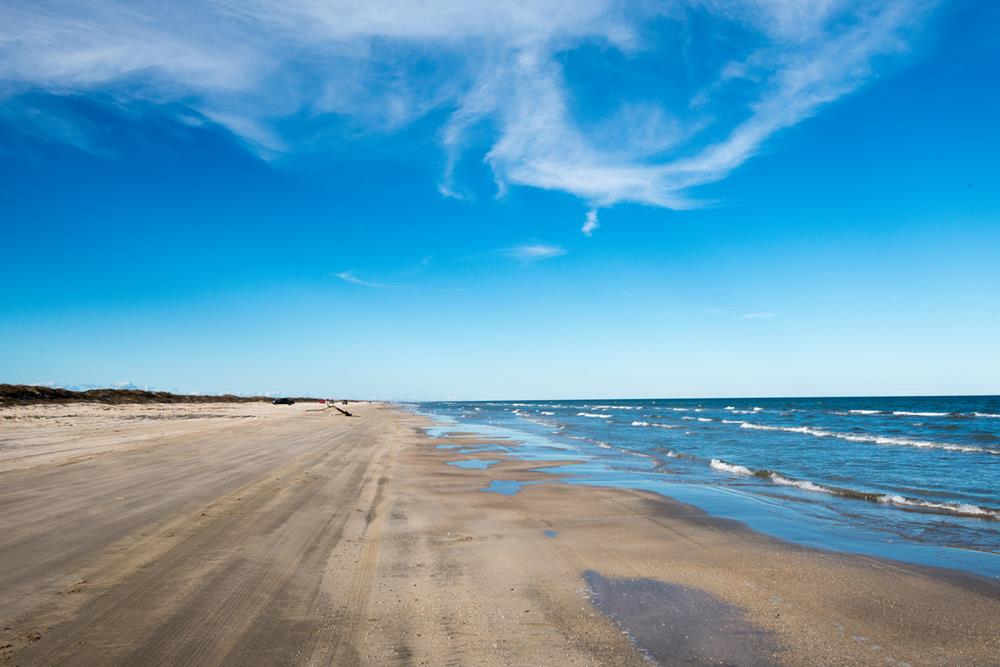
Texas winters are mild compared to many coastal regions. While temperatures can fluctuate, most winter days along the coast remain comfortable enough for outdoor activities. A light jacket, steady breeze, and clear skies often define a typical winter beach day.
The biggest change is the atmosphere. Tourist traffic drops significantly after summer. Parking becomes easy. Beach access roads feel relaxed. You can walk for long stretches without seeing another person.
The Gulf takes on a different personality in winter. Waves are stronger, the water darker, and the beach feels more dynamic. Each visit looks slightly different from the last, shaped by wind, tide, and weather.
For many Texans, winter becomes the favorite time to visit the coast once they experience it.
How Winter Storms Shape Texas Beaches
Cold fronts roll through Texas regularly during winter, and these systems play a major role in beach conditions. Strong north winds, higher surf, and shifting tides move large amounts of sand along the shoreline.
These storms uncover shells that were previously buried or pushed offshore. After a front passes, the beach often looks freshly rearranged. New shell lines form along the high tide mark, filled with shells, seaweed, driftwood, and other natural debris.
These wrack lines are where shell collectors focus their attention. Winter storms do the hard work for you, pulling shells from deeper water and placing them neatly along the shore.
Texas beaches are constantly changing, and winter is when those changes are most visible.
Winter Tides Along the Gulf Coast

Tides along the Texas Gulf Coast tend to have greater range during winter. Lower low tides expose more shoreline, making it easier to explore areas that are underwater during summer.
Checking tide charts before heading out helps you plan the best time to walk. A falling tide after a storm is ideal. This timing gives you access to freshly exposed sand while the waves continue to deliver new material.
Early morning low tides are especially productive. Overnight wave action often leaves untouched shell lines waiting to be explored.
Because Texas beaches are generally flat, even small changes in tide can uncover large areas of sand.
Why Winter Is the Best Time for Shell Collecting in Texas

Shell collecting along the Texas coast improves noticeably in winter. Rougher seas bring in larger and more intact shells, many of which originate farther offshore.
During summer, shells are often broken down by constant foot traffic and gentler wave action. Winter surf polishes shells naturally and pushes them higher up the beach, where they are easier to spot.
You are also competing with fewer collectors. Many beaches that are picked over in summer remain untouched for days in winter.
For collectors who value quality and variety over quantity, winter is the prime season.
Common Shells Found on Texas Beaches in Winter
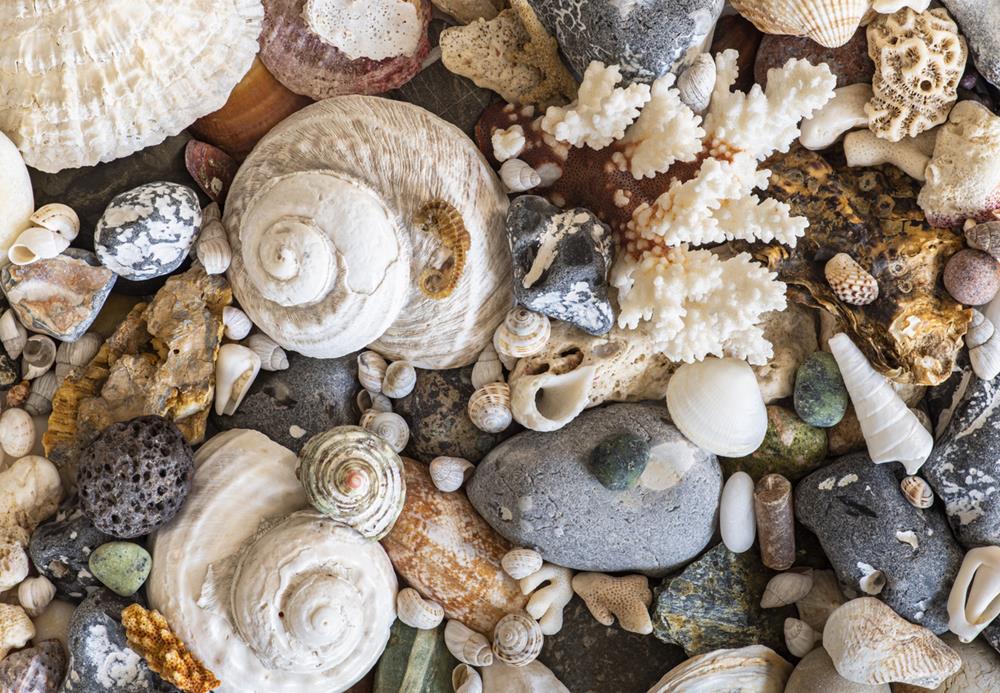
The Texas coast offers a wide range of shells, and winter highlights many favorites.
You may find:
- Lightning whelks, the official state shell of Texas, often large and well preserved
- Knobby whelks and pear whelks washed in by deeper currents
- Angel wing shells, especially after strong storms
- Scallop shells with clean ridges and pale colors
- Calico clams and coquina shells scattered along shell lines
- Oyster shells smoothed by winter surf
- Polished sea glass mixed into wrack lines
Some winter finds are heavier and thicker than summer shells, reflecting their offshore origins.
Shell variety can change from week to week depending on weather patterns, which keeps each visit interesting.
Best Texas Beaches for Winter Walks and Shelling
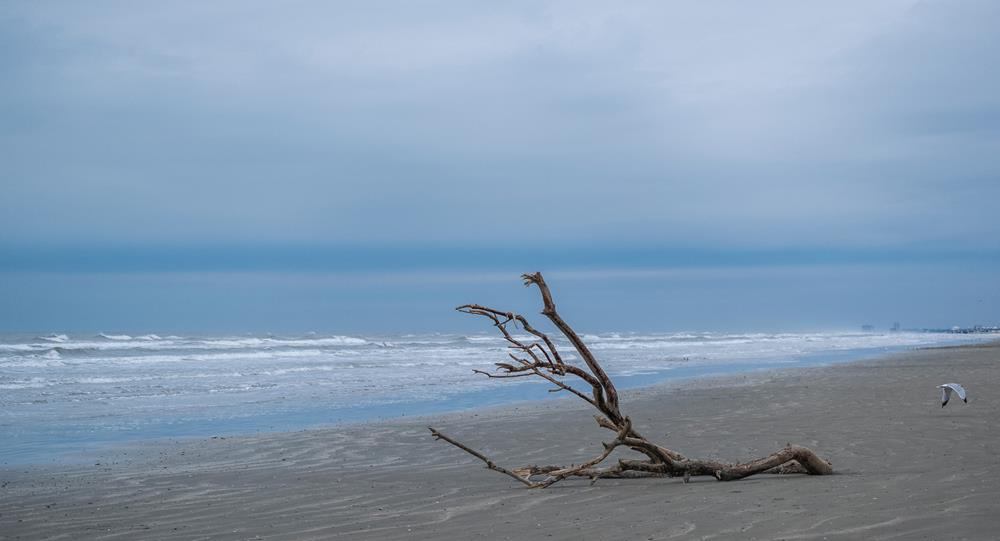
Texas offers hundreds of miles of accessible coastline, each with its own character.
South Padre Island is known for excellent shelling after winter fronts. Its wide beaches and strong currents make it a reliable spot for whelks and large clams.
Mustang Island and Padre Island National Seashore provide long, undeveloped stretches where winter storms deposit shells undisturbed. These areas reward patience and long walks.
Port Aransas combines easy access with productive shell lines, especially after cold fronts.
Galveston Island offers a mix of shells, sea glass, and driftwood, especially along quieter stretches away from the seawall.
Bolivar Peninsula is popular with winter shell collectors due to shifting sandbars and strong tidal movement.
Each area responds differently to storms, so rotating beaches can increase your chances of finding something special.
Winter Light and Color on the Texas Coast
Winter light changes how the Texas coast looks and feels. The sun sits lower in the sky, creating long shadows and highlighting textures in sand and shells.
Colors appear softer and more natural. Wet sand reflects the sky. Shell patterns stand out clearly. Sea glass glows subtly rather than shining harshly.
Overcast days are common in winter and often ideal for walking. Without glare, it is easier to spot shells mixed into seaweed and sand.
Photographers and collectors alike appreciate how winter reveals details that summer light tends to wash out.
Dressing for Winter Beach Walks in Texas
Texas winters are unpredictable. One day may feel warm and calm. The next may bring strong winds and sudden temperature drops.
Layering is the best approach. A light thermal base layer paired with a wind-resistant jacket works well. Coastal wind can make mild temperatures feel much colder.
Comfortable walking shoes or waterproof boots help when crossing wet sand and shallow tidal pools. Sand tends to be firmer in winter, making long walks easier.
A hat and light gloves add comfort on windy days. Even simple additions can make a long walk more enjoyable.
Always check the forecast before heading out, especially after cold fronts.
Staying Safe on Winter Beaches
Winter beaches are quieter, but safety still matters.
Pay attention to wave patterns. Winter surf can surge unexpectedly. Avoid turning your back on the water near the shoreline.
Be cautious around jetties, rocks, and piers. Wet surfaces can be slippery, and waves can break forcefully in these areas.
Watch tide changes carefully, especially on long walks. It is easy to travel farther than planned when the beach feels open and empty.
Cold water temperatures mean that accidental falls into the surf are more serious in winter. Staying alert and respecting conditions keeps outings safe.
Ethical Shell Collecting on the Texas Coast
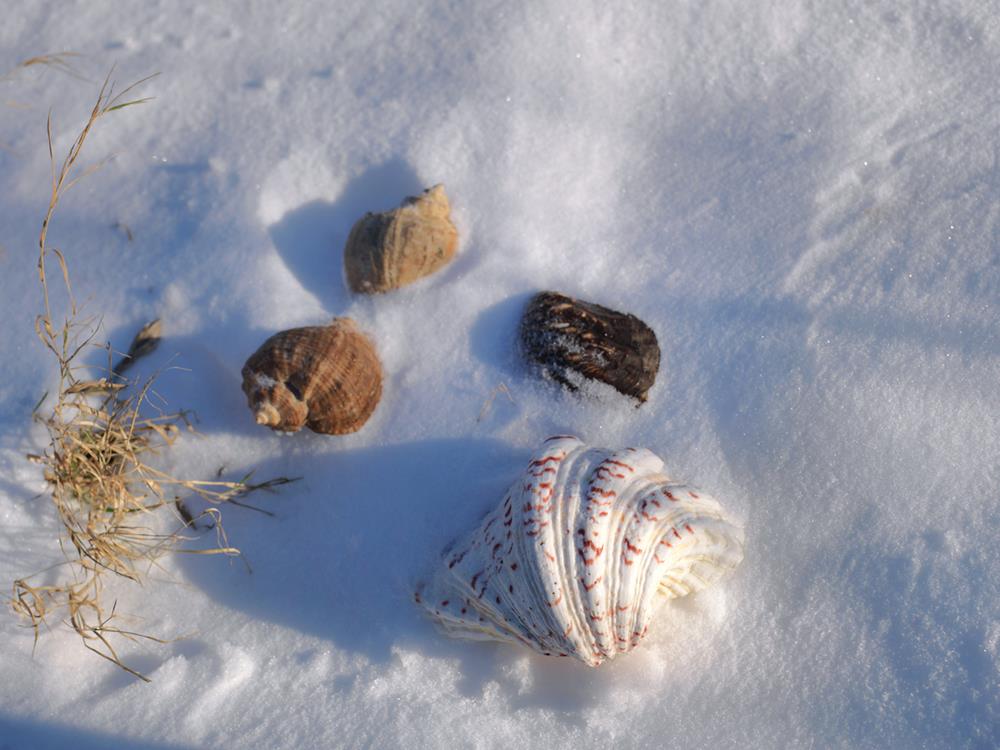
Responsible shell collecting helps preserve Texas beaches for wildlife and future visitors.
Only collect empty shells. If a shell contains a living animal, return it gently to the water.
Avoid collecting large amounts from one area. Taking a few meaningful finds leaves plenty behind for others and for natural processes.
Wrack lines provide food and shelter for shorebirds and small marine creatures. Explore them carefully and avoid disturbing them unnecessarily.
Some Texas beaches and parks have specific regulations regarding shell collecting. Checking local rules ensures you stay within guidelines.
The Calm of Winter Beach Walking
Winter beach walks offer mental benefits that go beyond collecting. The sound of the Gulf, the steady rhythm of waves, and the open horizon create a calming environment.
Walking without distractions encourages focus and reflection. Many people find winter beach walks restorative, helping them reset after busy weeks.
The act of searching for shells adds gentle purpose without pressure. Some days you find something remarkable. Other days, the walk itself becomes the reward.
This slower pace feels especially fitting along the Texas coast, where space and sky already encourage openness.
Cleaning and Displaying Your Finds
Back home, caring for shells is simple. Rinse them in fresh water to remove salt and sand. Let them air dry fully.
Avoid using harsh cleaners, which can damage natural surfaces and colors. Most Texas shells clean up beautifully with minimal effort.
Displaying shells in bowls, trays, or jars keeps their natural look intact. Some collectors label finds with dates and beach locations, creating a personal record of winter walks.
Each shell carries a story of wind, tide, and weather, making them meaningful reminders of time spent outdoors.
Winter Wildlife Along the Texas Shore
Winter brings changes in wildlife activity along the Texas coast.
Migratory birds arrive in large numbers. Sandpipers, gulls, pelicans, and herons are common sights. Bird activity often increases around wrack lines and tidal pools.
Seals are rare along the Texas coast, but dolphins remain active offshore year-round and are often visible from the beach.
Tide pools and shallow waters still support crabs, small fish, and other marine life. Observing these creatures adds depth to winter walks.
Respecting wildlife and keeping distance ensures these encounters remain positive.
Making Winter Beach Walks Part of Your Routine
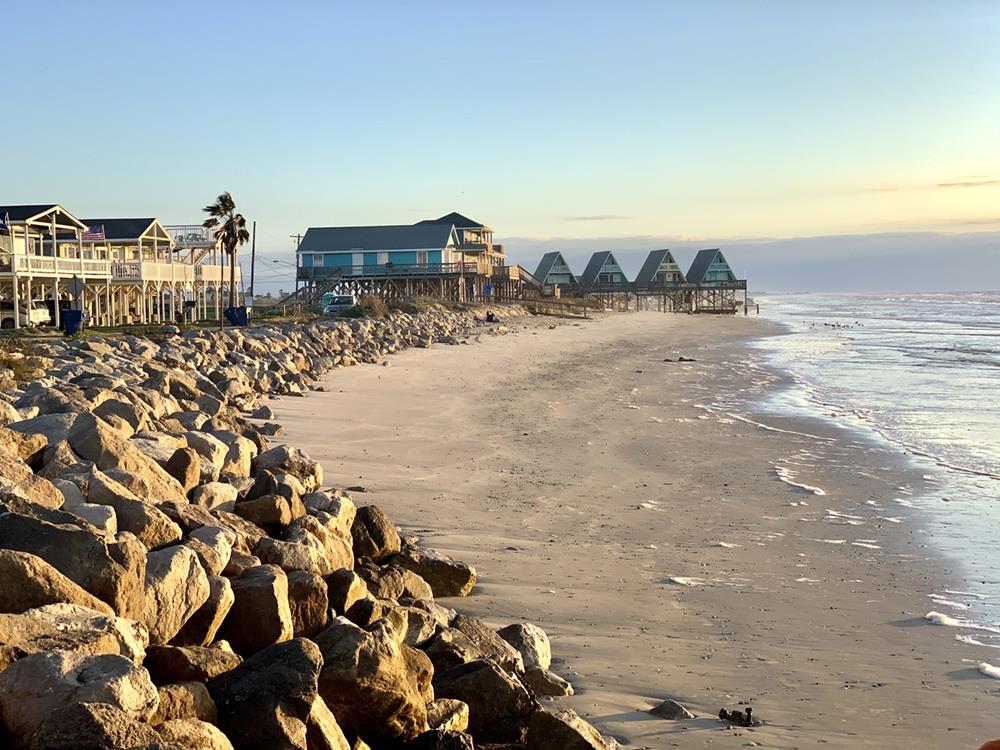
Visiting the coast regularly during winter reveals how quickly beaches change. One storm can reshape an entire stretch of shoreline overnight.
Returning to the same beach after each front helps you notice patterns in shell deposits and sand movement.
Some days offer abundant finds. Others feel quiet and spare. Both experiences add to your understanding of the coast.
Over time, winter beach walks can become a seasonal tradition, offering continuity during a time of year that often feels busy or unsettled.
A Quiet Side of the Texas Coast
Winter beach walks and shell collecting reveal a quieter, more personal side of the Texas coast. Without summer crowds, the shoreline feels generous and open, inviting patience and attention.
The season rewards those willing to dress for the weather, watch the tides, and walk slowly. Each visit offers something different, whether it is a rare shell, a dramatic sky, or a peaceful hour by the Gulf.
For Texans and visitors alike, winter proves that the coast is not a summer-only destination. It is a year-round place of movement, discovery, and calm, waiting to be appreciated one walk at a time.