

West Texas is a wide place with big skies, open land, and rock that feels like it belongs to the earth itself. If you like climbing and crave a setting that’s far from crowded gyms and busy popular crags, desert bouldering here should be on your list. The region’s mix of sandstone, limestone, and other desert stone makes for a range of problems. The setting and the climbing offer both challenge and quiet. This article covers where to go, what to expect, how to prepare, and why West Texas is becoming a favorite for boulderers seeking something different.
What Is Desert Bouldering

Bouldering is climbing without ropes on short but often challenging routes known as problems. The rocks usually don’t exceed 15–20 feet, and climbers use crash pads and partners who help guide falls. Desert bouldering refers to this style in dry, arid climates. In West Texas, that means climbing on weathered sandstone and limestone, under sun that hangs high most of the year and wind that shifts without notice. It’s desert climbing with little vegetation, unmarked trails, and lots of space.
Desert bouldering is different from forested or mountain crags because there’s less shade and fewer trees to hold water or shade. The earth is sandy and rocky, and the climbs tend to be dry unless rare rain has passed through. There’s a feeling of rawness. This part of Texas is not shaped by glacial ice and deep forests. It’s carved by wind and heat over millions of years. The rock here has texture and character, which adds to the climbing experience.
Why West Texas
West Texas has become an appealing destination for climbers because it’s remote, varied, and less crowded. The typical climbing spots in the U.S. draw crowds on weekends, and that can be great for social time but not ideal when you want a quiet day with chalk and challenge. West Texas lets you climb with a handful of friends, fewer climbers overall, and a sense of solitude that’s hard to find near major cities.
In addition, the types of rock here create problems that are fun and unique. The sandstone gives you crimpy edges, slopers, and side-pulls, while limestone areas offer pockets and technical footwork. The desert’s weathering patterns also produce interesting features and hold shapes you won’t see everywhere.
West Texas also has a culture that appreciates open space. The towns that support travelers and climbers here are friendly and relaxed. In towns like Fort Davis and Marfa, you’ll find local climbers who know their rocks and can point you to problems and areas that might not be on every guide app yet. The climbing community here is small but welcoming.
Key Areas for Desert Bouldering
There are several desert bouldering areas in West Texas that have become notable among climbers. Each has its own style and appeal, and most are best approached with a sense of adventure and self-sufficiency.
1. Hueco Tanks
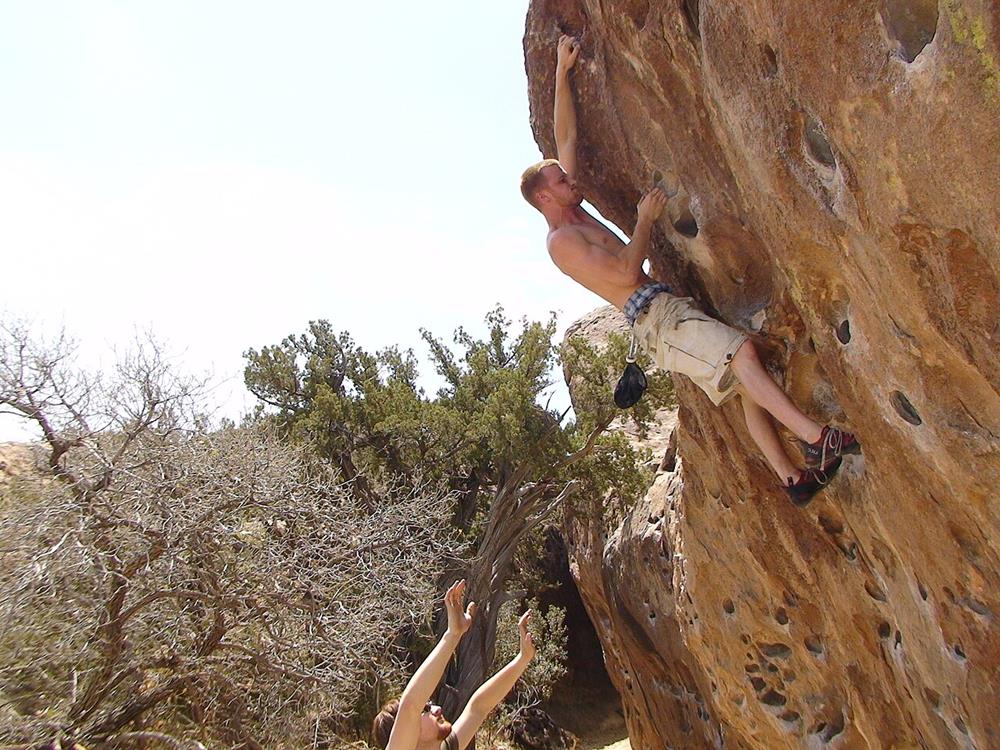
Hueco Tanks State Park stands out as an iconic desert bouldering destination. It’s near El Paso and has over 2,000 documented bouldering problems. The rock here is a coarse, honeycombed type of granite that holds chalk well. Hueco’s problems range from moderate to extremely difficult, and its open, tabletop rock formations make for classic desert climbing. Hueco is also known for its cultural significance, with ancient pictographs and petroglyphs throughout the park.
Because of its popularity, access to Hueco Tanks is regulated. Climbers need to make reservations in advance, and there are rules to protect the rock art and delicate desert environment. Climbers respect these rules because preserving the area’s natural and cultural heritage is part of the experience.
Hueco’s setting is harsh sun and open terrain. Early mornings are best for climbing before the heat builds. The park offers shade in some areas, but afternoons can be hot, especially in summer. The wind can kick up dust, so be prepared with eyewear and appropriate clothing.
2. Chambers of the Moon
Chambers of the Moon is a quieter area near Fort Davis and has become a favorite for climbers who want to explore new problems. The rock here is limestone, and its features vary from slopers to sharp edges that test balance and technique.
This area is less developed in terms of crowds and amenities. Trails are faint and often unmarked, so having a detailed approach description or GPS can help. Many climbers here enjoy the exploration aspect as much as the bouldering. You might share the area with a few climbers on a good day, but it’s not a place with large groups on weekends.
The setting is desert scrub and open sky. The local wildlife includes birds of prey and small mammals that have adapted to the heat. Water is scarce, so bring plenty.
3. Davis Mountains
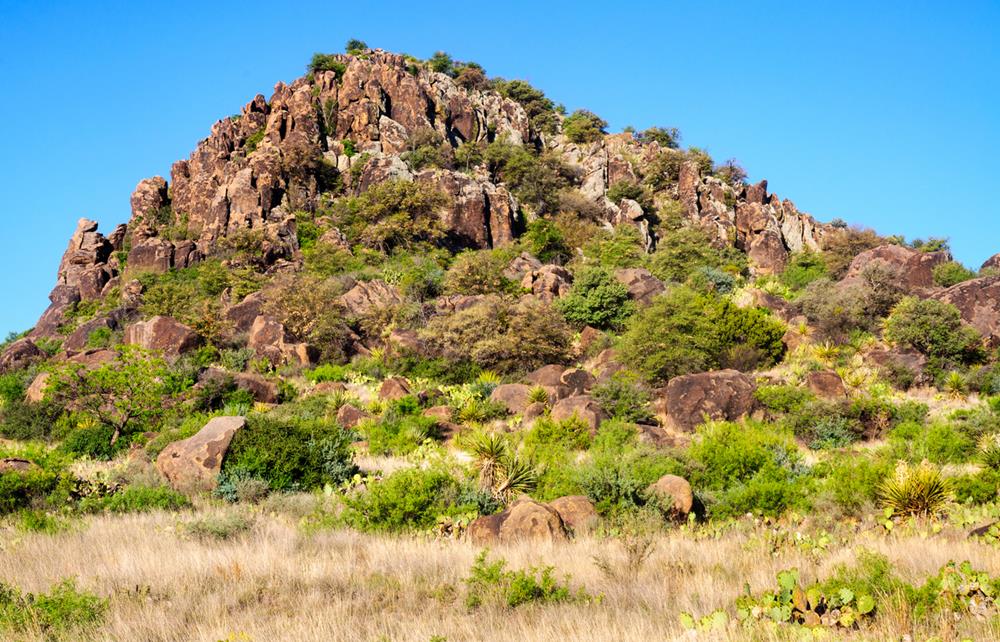
The Davis Mountains offer a broader range of climbing opportunities. They rise out of the desert and provide cooler air, steeper terrain, and more varied rock. The bouldering here is not as dense as Hueco, but it’s delightful for the quality of problems and the scenic backdrop.
The drives to Davis Mountain boulders can be long and often wind through ranch land. Respect private property signs and stay on designated roads. The climbs that are public are worth the trip, and most climbers here know each other by name.
The higher elevation means cooler air, which can be a relief in summer. The mornings and evenings can be crisp, and storms move through quickly. That means you might get a dramatic sunset or a sudden wind shift.
4. Big Bend Region
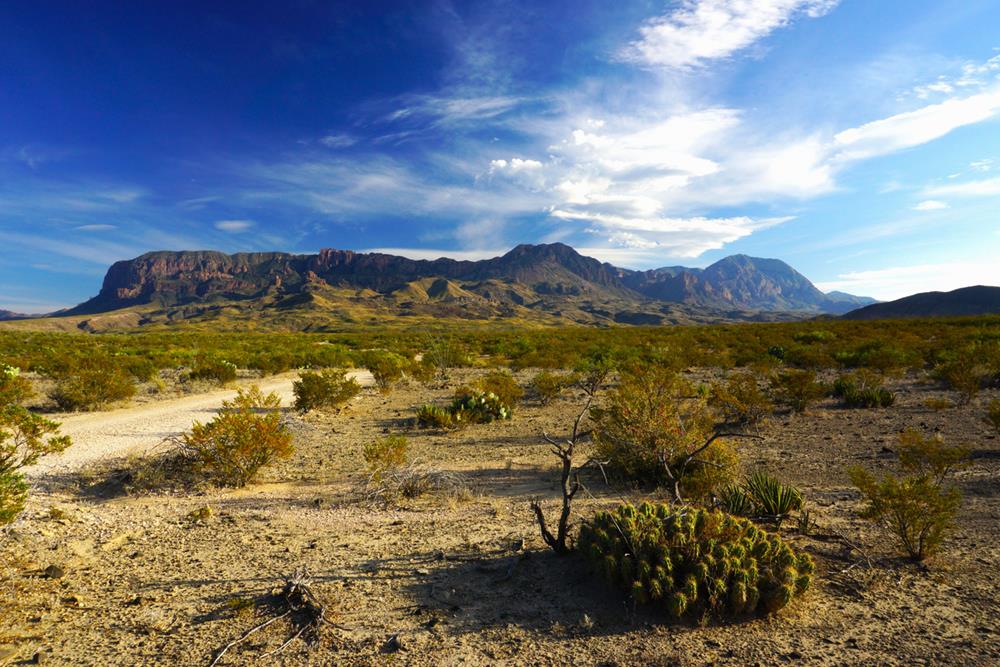
The Big Bend area is more backcountry, with sprawling terrain and canyons. Climbing here is for those who want solitude and are comfortable navigating desert landscapes. The rock varies from boulders in washes to formations along canyon walls.
Big Bend’s problems are fewer and more spread out. That makes it ideal for a road trip where you spend a day exploring and climbing different spots. Be prepared to hike, often without clear trails, and take navigation tools. The rewards include desert panoramas and climbs with little to no one around.
Water is extremely limited, and shade is rare. Plan climbs early in the day, and avoid the midday heat. Nights in this area can get cold, so if your trip includes overnight camping, pack layers.
Preparing for Desert Climbing
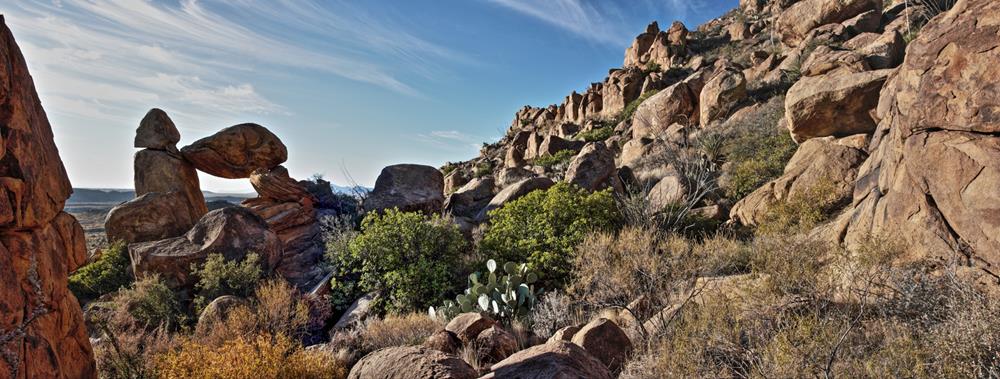
Climbing in West Texas deserts requires specific preparation. The setting is remote, the weather is extreme, and the terrain can be unforgiving if you’re not ready.
- Water and Hydration. Water is the most essential item you can bring. In desert environments, you dehydrate quickly. Carry more water than you think you need. On warm days, a liter per hour of activity is a good guideline. Electrolyte tablets or drinks help maintain your balance.
- Sun Protection. Sunscreen, hats, and long sleeves matter here. The sun doesn’t let up, and shade is hard to find. UV rays reflect off rock surfaces and heat the air. Apply sunscreen before you start and reapply during breaks.
- Footwear and Gear. Climbing shoes suited for sandstone and limestone work best. Sandstone is abrasive; softer shoes can wear quickly. Chalk helps with dry stone, and multiple pads make landings safer.
- Navigation and Communication. Many areas are not well marked. Phones may not have service. Carry maps, a GPS device, or offline route descriptions. Let someone know where you’re going and when you expect to return.
- First Aid and Safety. Have a basic first aid kit. The desert has sharp rocks, insects, rattlesnakes, and other hazards. Know how to treat cuts, sprains, and heat-related issues.
- Timing. Early morning and late afternoon are the best times to climb. Midday heat can sap energy and lead to dehydration. Weather in West Texas changes; afternoon winds and storms are common, especially in summer.
Climbing Techniques for Desert Rock
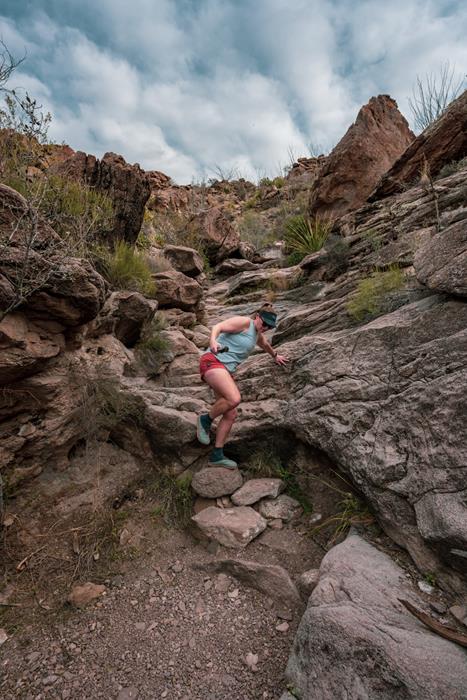
Desert rock often means technical footwork, balance, and sometimes dynamic moves.
- Smearing and Slopers. Smooth rock surfaces mean you use friction and body positioning more than big holds. Slopers require you to find balance points and keep weight centered.
- Crimps and Edges. Limestone often has small edges. Precision and strong fingers help. Work on foot placement and trust small holds.
- Dynamic Movement. Some problems need quick, powerful moves. Warm up thoroughly and test moves carefully. The desert rock can be sharp, so avoid falling on unstable landings.
- Reading the Rock. Look for features like pockets, runnels, and flakes. These guide your path. Take time to study problems before you start.
Seasonal Considerations
West Texas weather dictates climbing conditions.
- Spring and Fall. These seasons are ideal. Temperatures are moderate, skies are clear, and days are long enough for solid climbing.
- Summer. It’s hot. Early mornings and evenings are possible for climbs, but midday heat often stops play. Thunderstorms can develop in afternoons, bringing quick rain and lightning.
- Winter. Cold air can make rock feel crisp and climbs more challenging. If temperatures stay moderate, the climbs can be pleasant. Cold mornings warm up quickly under the sun.
Climbing Culture in West Texas
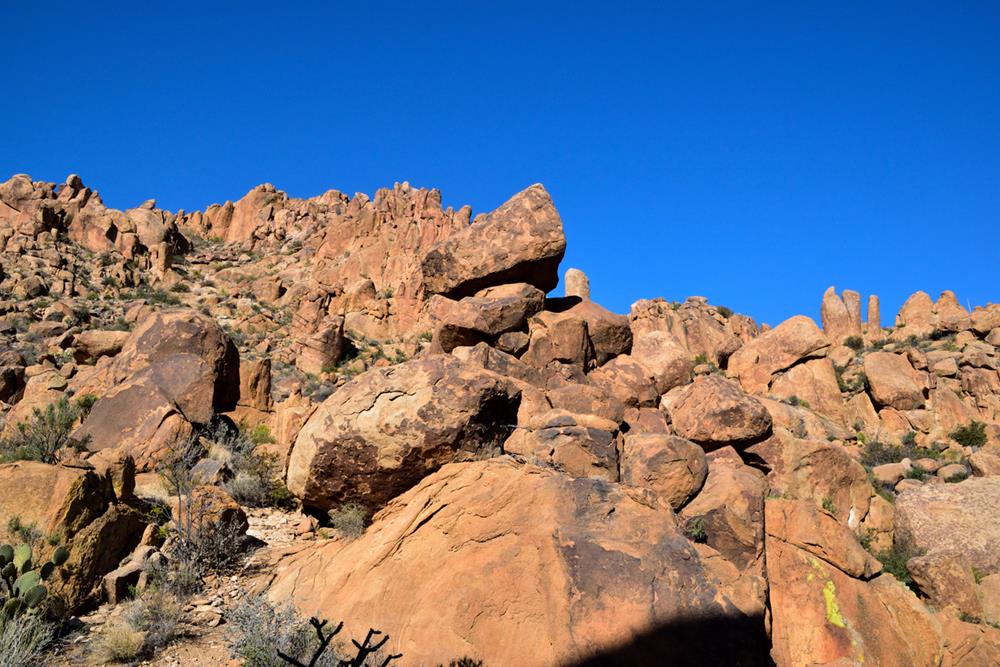
The local climbing culture in West Texas is grounded and welcoming. Climbers here are usually happy to share beta and stories about problems. Climbers who visit often return because of the friendly environment and unique climbing experiences.
Local outdoor shops in towns like El Paso and Fort Davis may have guidebooks and tips. Talk to locals, and you’ll find out about lesser-known problems that don’t show up on popular apps.
Community clean-ups and stewardship events are common too. Climbers here care about the desert environment. You’ll see efforts to protect fragile soil crusts, respect wildlife, and preserve cultural sites like rock art.
Staying Safe and Respecting the Land
- Leave No Trace. Pack out trash, respect plants and animals, and use established paths where possible. Desert soil is fragile. Disturbing cryptobiotic crusts can harm the ecosystem.
- Respect Cultural Sites. Areas like Hueco Tanks have ancient rock art. These are protected features. Follow park rules and don’t touch or chalk near pictographs.
- Private Property. Some climbing areas border or lie on private land. Respect fences, signs, and local regulations.
- Wildlife Awareness. Rattlesnakes, scorpions, and spiders live here. Be alert. Avoid putting hands or feet in unseen cracks.
Conclusion
Desert bouldering in West Texas is a distinct style of climbing with its own rewards. You get raw rock, open landscapes, and routes that challenge both body and mind. The area’s remoteness and character set it apart from more crowded climbing destinations.
Climbing here requires good preparation, respect for the desert environment, and a willingness to embrace conditions that are as basic as the land itself. If you plan well, bring appropriate gear, and stay aware of weather and safety, you’ll find West Texas a memorable place to climb. For those who enjoy exploration, solitude, and technical bouldering, West Texas delivers.