

Surfing in Texas surprises a lot of people. When most folks picture surfing, they think of California or Hawaii. Texas does not usually come to mind. Yet the Texas coast has a long, steady surf culture that welcomes beginners with open arms. Warm water, sandy bottoms, and friendly locals make it a solid place to learn. You do not need towering waves to get started. You need consistency, space, and forgiving conditions. Texas offers all of that.
The Gulf of Mexico behaves differently than the Pacific or Atlantic. Waves here are usually smaller and softer. That makes wipeouts less intimidating and pop ups easier to practice. Beginners often progress faster when they feel relaxed in the water. The Texas coast helps with that.
This guide walks through the best beginner surfing areas along the Texas shoreline. It also explains what makes each spot suitable for new surfers and what you should expect when you paddle out.
Why Texas Is a Good Place to Learn Surfing
Texas waves are typically generated by wind rather than deep ocean swells. That means the waves break with less power and more predictability. For beginners, this creates a safer learning environment. You can focus on timing, balance, and reading the water without feeling rushed.
Most Texas beaches have sandy bottoms instead of reefs or rocks. Falling on sand is far more forgiving. You can practice without worrying about cuts or scrapes from sharp surfaces.
The water temperature also helps. For much of the year, a light wetsuit or even boardshorts are enough. Comfort keeps you in the water longer, which leads to faster improvement.
Another advantage is space. Texas beaches are wide and long. Crowds are usually lighter than well known surf destinations. More room means fewer collisions and less pressure.
Surf Conditions Beginners Should Look For
Before diving into specific locations, it helps to understand what makes a good beginner surf spot.
Gentle waves are key. Look for knee to waist high surf. Bigger waves might look exciting, but they slow learning and increase fatigue.
Slow breaking waves give you more time to stand up. Texas beach breaks often peel gradually, which is ideal for beginners.
Light winds matter too. Early mornings tend to be the cleanest. Offshore or calm winds help shape smoother waves.
Finally, consistent wave patterns help you learn timing. Texas does not always deliver perfect consistency, but some areas perform better than others.
Galveston Island
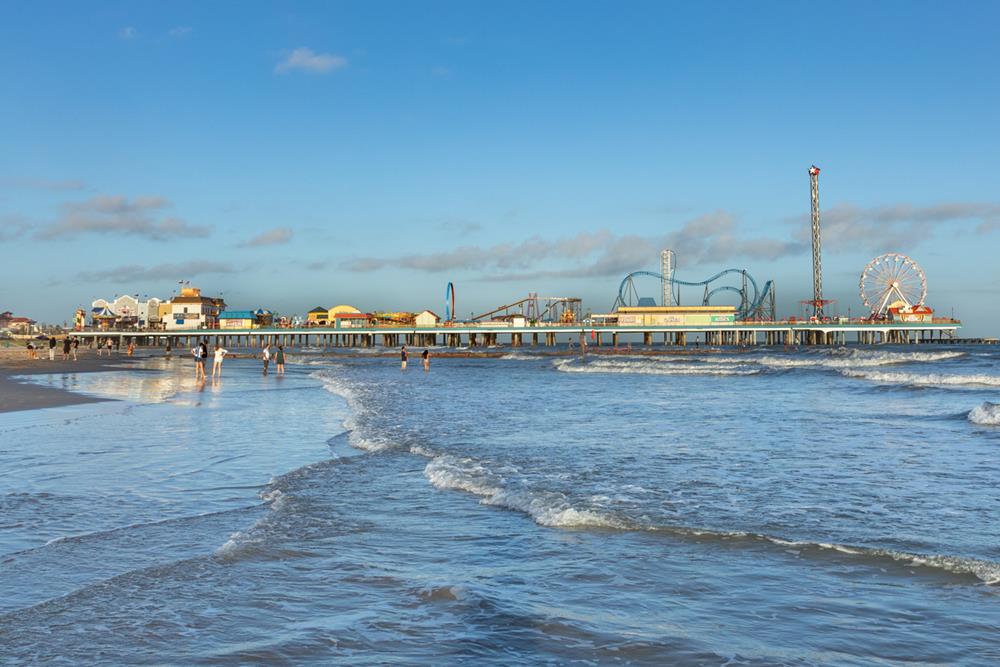
Galveston Island is one of the most popular beginner surf areas in Texas. Its proximity to Houston makes it accessible, and its long shoreline offers many entry points.
The waves here are usually small and manageable. Sandbars create gentle peaks that beginners can practice on without feeling overwhelmed.
Stewart Beach and East Beach are popular learning zones. These areas often have mellow conditions, especially during small swell days. You can find plenty of open space to paddle out and practice.
Galveston also has surf schools and rental shops. Lessons help speed up progress, especially if you are brand new. Having instructors nearby also adds peace of mind.
Parking and amenities are easy to find. Restrooms, food spots, and lifeguards make the experience more comfortable for beginners.
Surfside Beach
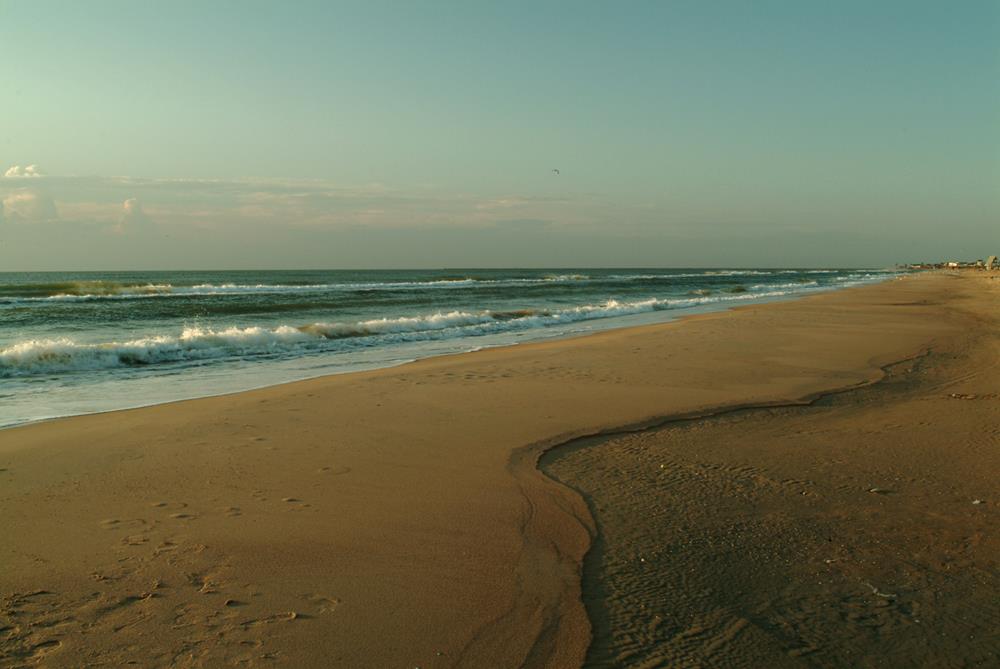
Surfside Beach sits south of Galveston and is another beginner friendly location. It has a quieter vibe and fewer crowds.
The waves here are usually soft and forgiving. On smaller days, they roll in gently and allow long rides on beginner boards.
Surfside benefits from a more natural beach layout. Fewer structures mean waves break more evenly along the shore. Beginners can spread out and avoid congested lineups.
This beach is also popular with locals who are welcoming and patient. That atmosphere helps new surfers feel less nervous in the water.
Early mornings work best at Surfside. Winds tend to be lighter, and wave shape improves before midday.
Quintana Beach County Park
Just down the road from Surfside is Quintana Beach County Park. This spot is well suited for beginners who want a relaxed setting.
Quintana often has smaller waves than surrounding areas. The beach slopes gently, which slows wave energy as it approaches shore.
This park also limits vehicle traffic near the surf zone. That makes the area safer and quieter for learning.
Facilities like showers and picnic areas add comfort, especially if you plan to spend several hours practicing.
Because Quintana is less crowded, beginners can take their time without pressure. It is a good place to build confidence.
Matagorda Beach

Matagorda Beach offers a more natural and open coastal experience. It is farther from major cities, which keeps crowds low.
The surf here varies, but many days deliver gentle beach breaks suitable for beginners. Sandbars shift often, creating fresh peaks that are not heavily surfed.
This beach is long and wide. You can walk away from other surfers and find your own space. That freedom helps beginners focus on the basics.
Conditions can change quickly, so checking the forecast is important. On calmer days, Matagorda becomes an excellent practice ground.
Bring supplies with you. Amenities are limited, and the area feels remote compared to other spots.
Port Aransas
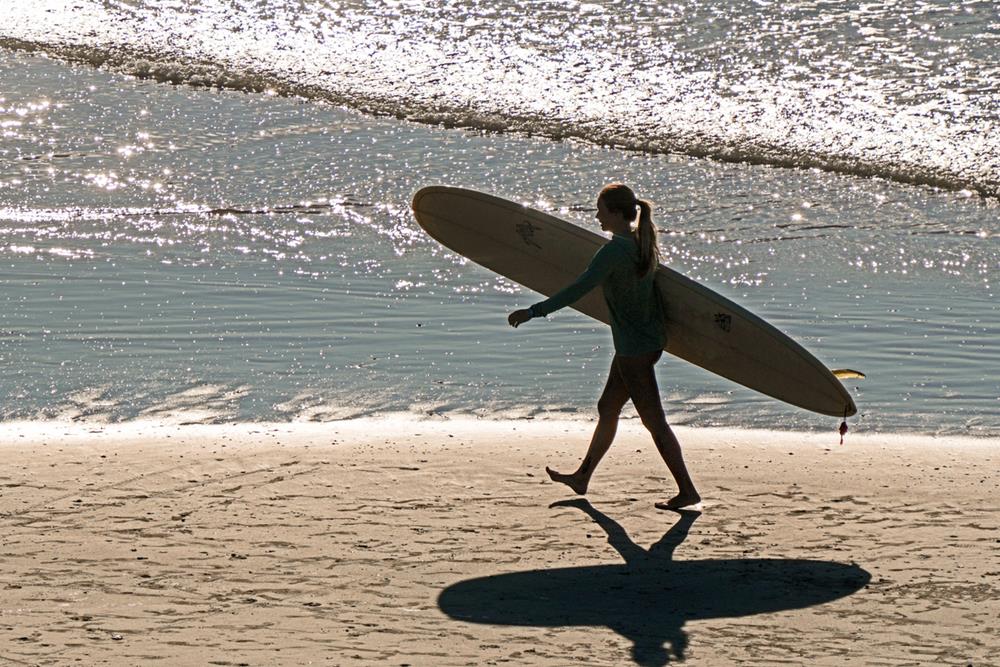
Port Aransas is one of the most well known surf towns on the Texas coast. It offers a mix of surf culture, friendly locals, and beginner suitable waves.
The jetties near Port Aransas can shape waves into cleaner breaks. Beginners should stay away from the rocks and surf the sandbar areas nearby.
When swells are small, the beach breaks here are ideal for learning. Waves roll in steadily and break softly.
Port Aransas also has surf shops and instructors. Renting a longboard and taking a lesson can help speed up your learning curve.
This town embraces beach life. That relaxed atmosphere helps beginners feel at ease both in and out of the water.
Mustang Island
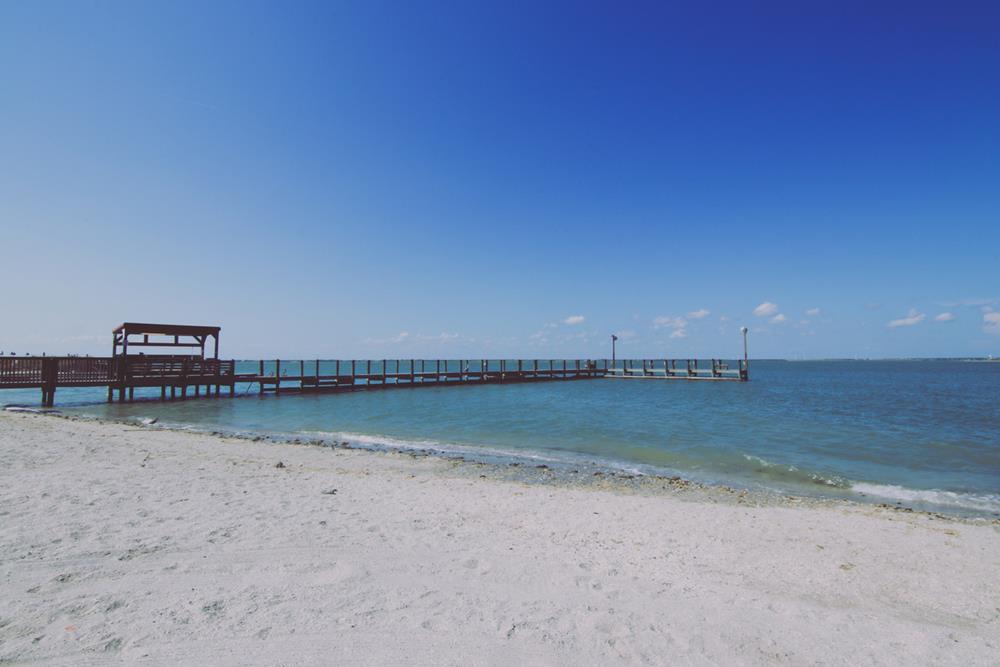
Mustang Island stretches south of Port Aransas and offers miles of surfable beach. This area works well for beginners who want space and flexibility.
The island’s beach breaks are typically gentle. On smaller days, waves crumble softly and allow easy takeoffs.
Because the island is long, you can drive along the beach and choose a spot that fits your comfort level. That freedom is helpful when conditions vary.
Wind can affect surf quality here, so mornings are best. Watching the tide also helps. Incoming tides often improve wave shape.
Mustang Island balances accessibility with a laid back feel, making it a solid choice for new surfers.
North Padre Island
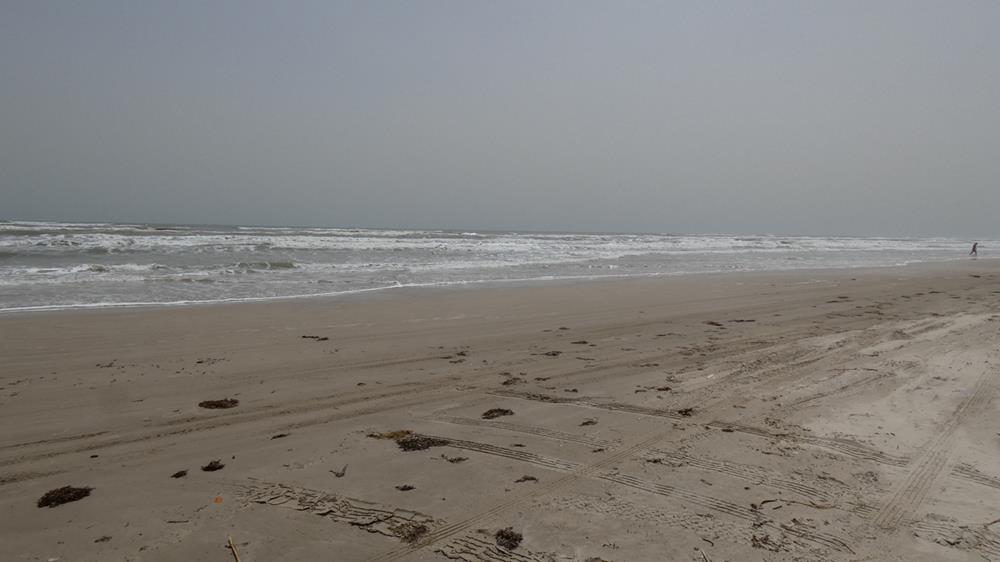
North Padre Island sits just south of Mustang Island and offers similar conditions with fewer people.
The waves here are often smaller and less crowded. That makes it a comfortable place to practice paddling and popping up.
Sandbars form naturally and shift with storms and tides. Beginners can explore different sections to find gentle breaks.
This area feels less commercial and more relaxed. That atmosphere suits surfers who prefer quiet sessions.
As with other Texas spots, wind plays a role. Calm mornings deliver the best learning conditions.
South Padre Island
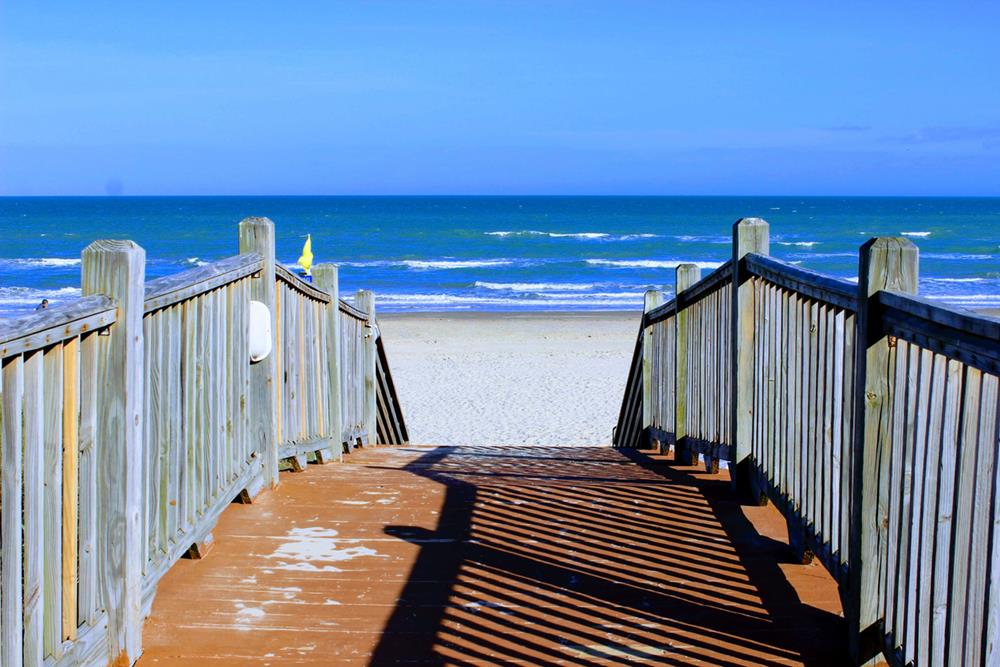
South Padre Island is one of the best beginner surf destinations in Texas. Its southern location gives it slightly more consistent waves than other areas.
The waves here are still manageable and soft, making them ideal for beginners. Many days feature knee to waist high surf with smooth faces.
South Padre has a strong surf community and several surf schools. Beginners can find lessons, rentals, and advice easily.
The island also has plenty of open beaches. You can find less crowded areas even during busy seasons.
Warm water and sunny weather add to the appeal. Learning feels more enjoyable when conditions are comfortable.
Safety Tips for Beginner Surfers in Texas
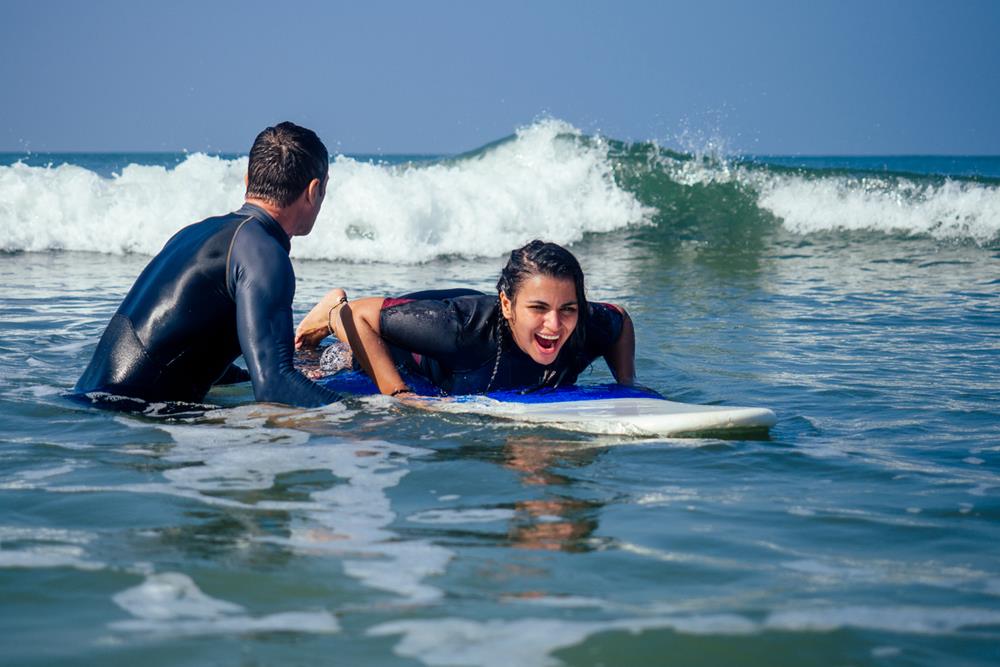
Learning to surf comes with responsibility. Understanding basic safety keeps your sessions positive.
Always check weather and surf forecasts before heading out. Sudden storms and strong winds can change conditions quickly.
Watch the water before entering. Look for rip currents, wave patterns, and other surfers.
Wear a leash to keep your board close. A loose board can be dangerous to others and yourself.
Start with a larger board. Longboards or foam boards provide stability and make catching waves easier.
Respect local surfers and follow basic etiquette. Waiting your turn and avoiding drop ins builds goodwill in the lineup.
Best Time of Year for Beginner Surfing
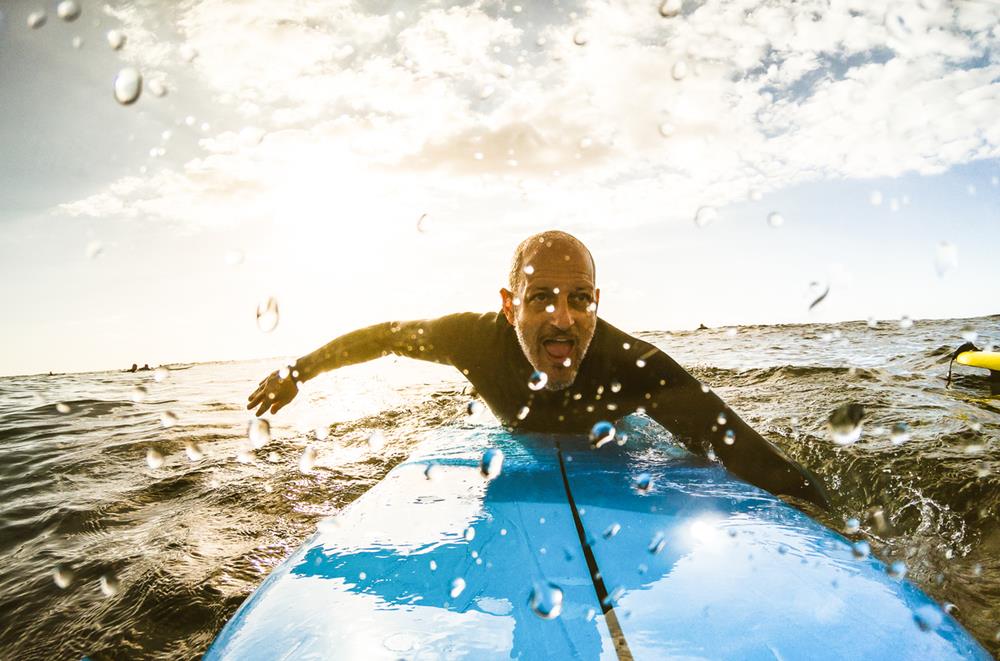
Texas surf varies by season. Beginners can find opportunities year round, but some times work better than others.
Spring and early summer often bring smaller, manageable waves. Winds can be light in the mornings, creating clean conditions.
Fall is another good season. Tropical systems sometimes send gentle swells that improve wave consistency without becoming overwhelming.
Winter can produce larger waves, but cold fronts bring strong winds. Beginners should choose calmer days carefully during this season.
No matter the time of year, mornings usually offer the best conditions.
Final Thoughts
Texas may not have towering waves, but it offers something just as valuable for beginners. It provides a welcoming place to learn. Soft waves, sandy bottoms, and wide beaches create an environment where progress feels natural.
Each area along the coast has its own personality. Some spots feel lively and social. Others feel quiet and open. Beginners can explore and find what suits them best.
Surfing is about patience and practice. Texas gives beginners room to grow without pressure. With time, confidence builds, and those first small rides turn into lasting memories.
If you are thinking about learning to surf, the Texas coast is a solid place to start. The waves may be modest, but the experience is rewarding.