

When people think about exploring the Texas outdoors, they often picture rugged canyons, pine forests, Hill Country rivers, or the mountains of West Texas. Those landscapes certainly deserve their reputation, but they can also overshadow another ecosystem that once covered millions of acres across the state: the native prairie.
Prairie parks rarely make the front page of travel guides because they don’t rely on dramatic elevation or towering rock formations. Their beauty is quieter. It comes through wide-open horizons, seasonal wildflowers, native grasses moving with the wind, abundant birdlife, and the chance to experience a landscape that played a defining role in Texas history.
Today, less than one percent of the original Texas Blackland Prairie remains intact, making protected prairie parks more important than ever. Visiting these places isn’t simply about taking a pleasant walk—it offers an opportunity to see one of the state’s rarest natural environments while enjoying a peaceful outdoor experience that feels very different from Texas’ more crowded destinations.
Texas Was Once Dominated by Prairies
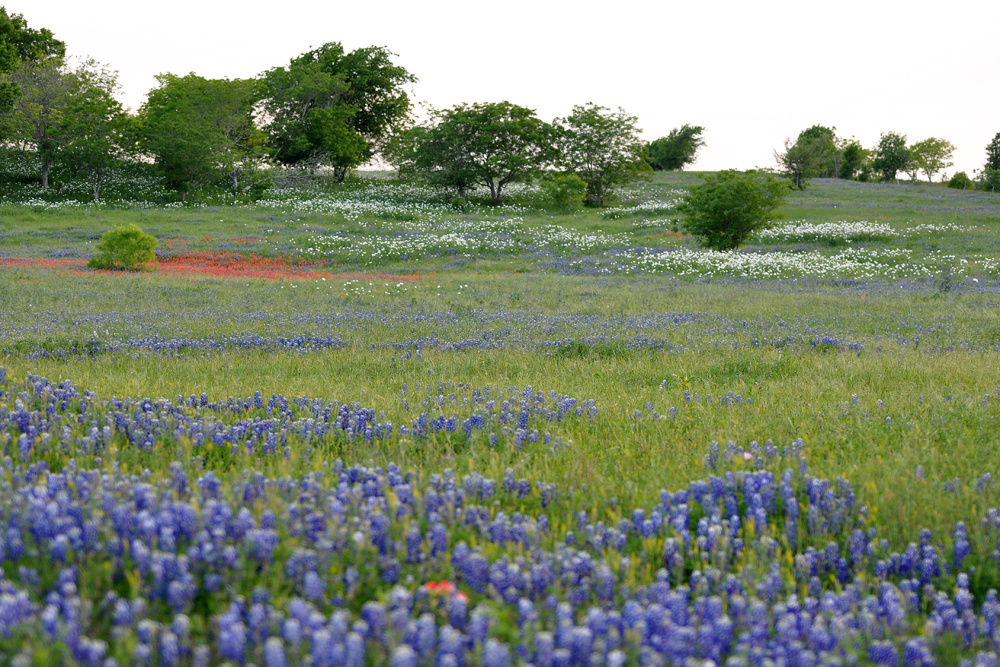
Before cities expanded and farmland reshaped much of the landscape, prairies stretched across enormous portions of Texas.
The Blackland Prairie, Coastal Prairie, and High Plains supported vast grasslands filled with native wildflowers, tall grasses, grazing bison, prairie chickens, pollinators, and countless other species. These ecosystems also played a major role in the lives of Indigenous peoples and later ranchers and settlers who depended on the fertile soils.
As agriculture and urban development accelerated during the nineteenth and twentieth centuries, much of this habitat disappeared. Today, the remaining prairie preserves represent small but significant reminders of what much of Texas once looked like.
That history gives prairie parks a deeper meaning beyond recreation.
Prairies Reward Slower Exploration
Prairie parks often surprise first-time visitors.
Instead of dramatic overlooks demanding immediate attention, prairies reveal their character gradually. Walking slowly allows visitors to notice blooming wildflowers, butterflies moving between native plants, hawks circling overhead, and grasses changing color as the light shifts throughout the day.
This slower pace appeals to hikers looking for quiet rather than adrenaline. Without steep climbs or difficult terrain, prairie trails encourage observation, photography, birdwatching, and appreciation for details that might otherwise go unnoticed.
Many visitors leave with a greater appreciation for landscapes they had previously overlooked while driving across Texas.
Lyndon B. Johnson National Grassland Offers Wide-Open Beauty
View this post on Instagram
Located northwest of Fort Worth near Decatur, Lyndon B. Johnson National Grassland is one of North Texas’ best places to experience open prairie landscapes.
The national grassland covers more than 20,000 acres of restored prairie, woodlands, and lakes, offering hiking, horseback riding, camping, wildlife viewing, and fishing opportunities. Trails wind through native grasses and scattered oak groves, creating scenery that changes dramatically with the seasons.
Spring brings colorful wildflowers, while autumn offers golden grasses stretching toward the horizon. Because the grassland is so expansive, visitors often find peaceful sections far removed from busy recreation areas.
Attwater Prairie Chicken National Wildlife Refuge Protects a Rare Ecosystem
View this post on Instagram
Near Eagle Lake, southwest of Houston, the Attwater Prairie Chicken National Wildlife Refuge preserves one of the last remaining examples of Gulf Coast coastal prairie.
The refuge was established primarily to protect the critically endangered Attwater’s prairie chicken, one of North America’s rarest birds. Although public access is limited to designated times and areas, educational programs and seasonal tours provide opportunities to learn about prairie restoration and wildlife conservation.
Visitors also encounter native grasses, seasonal wildflowers, butterflies, and numerous bird species throughout the refuge. For anyone interested in conservation, this is one of Texas’ most significant prairie destinations.
Clymer Meadow Preserve Protects the Blackland Prairie
Managed by The Nature Conservancy, Clymer Meadow Preserve near Celeste, northeast of Dallas, safeguards one of the largest remaining remnants of the Texas Blackland Prairie.
Because the preserve primarily focuses on conservation, public access is limited to scheduled tours and special events. Those guided visits allow participants to experience native tallgrass prairie while learning about restoration efforts, prairie ecology, and the remarkable diversity hidden within these seemingly simple landscapes.
During spring and early summer, blooming wildflowers create spectacular displays that rival many of Texas’ better-known destinations. The preserve demonstrates how much ecological richness survives within even relatively small prairie remnants.
Sheldon Lake State Park Combines Prairie and Wetlands
View this post on Instagram
Just east of Houston, Sheldon Lake State Park and Environmental Learning Center offers a different perspective on prairie landscapes.
While the park is known for its fishing lake and elevated observation tower, much of the surrounding environment includes restored coastal prairie mixed with wetlands that attract migratory birds throughout the year.
Walking trails pass through native vegetation where visitors commonly see herons, egrets, roseate spoonbills during migration, turtles, and numerous butterfly species. Its combination of prairie restoration and wetland habitat makes it one of Southeast Texas’ most rewarding educational parks.
Nash Prairie Preserve Showcases Native Grasslands
View this post on Instagram
Near West Columbia, Nash Prairie Preserve protects another important remnant of the Gulf Coast Prairie.
Owned and managed by the Nature Conservancy, the preserve supports hundreds of native plant species and demonstrates what coastal prairie looked like before widespread agricultural conversion.
Although public access is limited to guided events, the preserve has become an important research and education site where scientists, students, and visitors study prairie ecology and restoration. Its seasonal wildflower displays highlight the remarkable diversity often hidden beneath seemingly uniform grasslands.
Prairie Parks Are Outstanding for Birdwatching
Texas prairie parks attract an impressive variety of birds throughout the year.
Northern bobwhite, meadowlarks, scissor-tailed flycatchers, eastern meadowlarks, loggerhead shrikes, hawks, kestrels, and numerous migratory songbirds depend on these open habitats. During migration seasons, birdwatchers frequently discover species that rarely appear in forests or urban parks.
Because visibility is excellent across much of the prairie, wildlife is often easier to observe than in densely wooded environments. Even visitors without prior birdwatching experience usually notice the abundance of activity.
Wildflowers Change the Landscape Every Spring
Many Texans associate spring wildflowers with Hill Country highways.
Prairie parks deserve equal attention.
Bluebonnets, Indian paintbrushes, prairie verbena, winecups, prairie clovers, coreopsis, coneflowers, blazing stars, Maximilian sunflowers, and dozens of native grasses transform prairie preserves into colorful landscapes that shift throughout the growing season.
Because these plants evolved together over thousands of years, prairie wildflower displays often appear remarkably natural rather than carefully arranged. Each visit offers something different depending on rainfall and seasonal timing.
Prairie Parks Play an Important Conservation Role
Beyond recreation, prairie parks protect ecosystems that have become increasingly rare.
Native grasses develop deep root systems that help reduce erosion, improve soil health, store carbon, and absorb rainfall more effectively than many developed landscapes. These habitats also support pollinators that benefit agriculture throughout Texas.
Restoration projects underway in many parks demonstrate that damaged prairie can gradually recover when native plants are reintroduced and invasive species are managed. Visitors help support these efforts simply by appreciating and advocating for these protected landscapes.
Tips for Visiting Texas Prairie Parks
Prairie parks are enjoyable throughout the year, but spring is often the best time to visit thanks to cooler temperatures and abundant wildflowers.
Bring binoculars if you enjoy birdwatching, as open landscapes make wildlife easier to observe than in many forests. A camera with a moderate zoom lens is also helpful for photographing flowers, butterflies, and birds without disturbing them.
Wear sun protection, including a wide-brimmed hat and sunscreen, since many prairie trails offer limited shade. Carry plenty of water, particularly during late spring and summer, and stay on designated trails to help protect fragile native vegetation.
If you’re planning to visit preserves such as Clymer Meadow or Nash Prairie, check access policies beforehand because some conservation areas are open only during scheduled tours or special public events.
Why Prairie Parks Deserve More Attention
Texas prairie parks may never compete with Big Bend’s mountains or the waterfalls of the Hill Country for dramatic scenery, but that isn’t their purpose.
Their appeal lies in their openness, biodiversity, history, and remarkable sense of calm. Places like Lyndon B. Johnson National Grassland, Attwater Prairie Chicken National Wildlife Refuge, Sheldon Lake State Park, Clymer Meadow Preserve, and Nash Prairie Preserve offer visitors a chance to experience one of the state’s most endangered ecosystems while enjoying hiking, wildlife viewing, photography, and quiet reflection.