
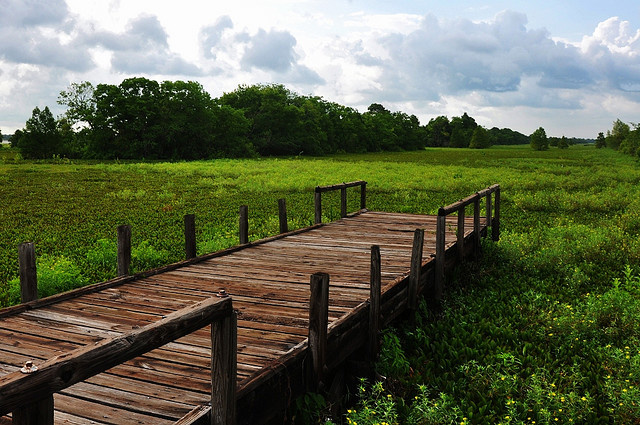
Texas is home to an incredible variety of landscapes, from mountains and deserts to forests, beaches, and coastal marshes. Some of the easiest places to experience these environments are the state’s boardwalk trails, which allow visitors to explore wetlands, swamps, marshes, and wildlife habitats without navigating rough terrain. Many are accessible for families, casual walkers, photographers, and birdwatchers who simply want to spend a relaxing day outdoors.
Unlike traditional hiking trails, boardwalks keep visitors above sensitive ecosystems while providing excellent views of native plants and wildlife. They also make it easier to enjoy areas that would otherwise be muddy, flooded, or difficult to reach. Whether you’re interested in migratory birds, towering cypress trees, or peaceful marsh scenery, Texas offers boardwalk trails that showcase some of the state’s richest habitats.
Cattail Marsh Scenic Wetlands & Boardwalk (Beaumont)
View this post on Instagram
One of the best boardwalk destinations in Texas is Cattail Marsh Scenic Wetlands & Boardwalk in Beaumont.
Part of the Tyrrell Park area, Cattail Marsh protects approximately 900 acres of wetlands that attract hundreds of bird species throughout the year. Elevated boardwalks and observation platforms allow visitors to explore the marsh while watching herons, egrets, roseate spoonbills, ducks, alligators, turtles, and countless other species from a safe distance.
Because the wetlands change with the seasons, every visit offers something a little different for photographers and wildlife enthusiasts.
Anahuac National Wildlife Refuge
Located along the upper Texas Gulf Coast, Anahuac National Wildlife Refuge is one of the premier birdwatching destinations in the state.
Several boardwalks and short nature trails provide access to freshwater marshes filled with migratory birds traveling along the Central Flyway. During migration seasons, visitors may spot snow geese, mottled ducks, ibis, shorebirds, and raptors using the refuge as an important resting area.
The flat terrain makes walking easy, while elevated viewing platforms provide excellent opportunities for wildlife photography.
Armand Bayou Nature Center (Pasadena)
View this post on Instagram
Just outside Houston, Armand Bayou Nature Center preserves one of the largest remaining coastal prairie, forest, and wetland ecosystems in the region.
Its network of boardwalks carries visitors through marshes lined with native vegetation where turtles, herons, egrets, and wading birds are commonly seen. Interpretive signs explain the area’s ecology, making it a rewarding destination for families and anyone interested in learning more about Gulf Coast habitats.
The center also offers guided tram tours and canoe trips that complement the boardwalk experience.
Smith Oaks Bird Sanctuary (High Island)
Birdwatchers from around the world travel to Smith Oaks Bird Sanctuary during spring migration.
Managed by the Houston Audubon Society, the sanctuary features elevated boardwalks leading to observation platforms overlooking rookeries where nesting great egrets, snowy egrets, roseate spoonbills, tricolored herons, and other colonial waterbirds raise their young. During peak migration, the sanctuary becomes one of the most remarkable birdwatching locations in North America.
Even outside migration season, the peaceful trails remain enjoyable for nature lovers.
Sea Rim State Park Marsh Boardwalk
View this post on Instagram
Sea Rim State Park combines Gulf Coast beaches with protected coastal marshes, giving visitors two very different ecosystems within a single park.
The marsh boardwalk offers an easy walk through salt marsh habitat where marsh birds, crabs, fish, and other wildlife thrive. Interpretive displays explain how these wetlands protect the coastline while supporting an extraordinary diversity of plant and animal life.
Because the boardwalk is relatively short and accessible, it’s an excellent stop for visitors of all ages.
Caddo Lake State Park
Few places in Texas feel as unique as Caddo Lake State Park.
Although the park is best known for paddling among bald cypress trees draped in Spanish moss, short boardwalk sections and accessible trails also provide opportunities to experience the famous swamp on foot. The combination of still water, towering trees, and abundant birdlife creates one of the most atmospheric landscapes anywhere in Texas.
Early mornings are especially beautiful, when mist often hangs over the water.
Sheldon Lake State Park and Environmental Learning Center
View this post on Instagram
Located east of Houston, Sheldon Lake State Park offers an easy introduction to wetland ecosystems.
Several walking paths and boardwalk sections wind through marsh habitats surrounding the lake, while an elevated observation tower provides sweeping views across the wetlands. Waterfowl, turtles, dragonflies, and numerous songbirds are commonly seen throughout the year.
It’s a convenient option for visitors looking for wildlife close to the Houston metropolitan area.
Estero Llano Grande State Park (Rio Grande Valley)
The World Birding Center at Estero Llano Grande State Park is one of the Rio Grande Valley’s premier wildlife destinations.
Boardwalks cross shallow wetlands and ponds where visitors regularly observe black-bellied whistling ducks, green jays, least grebes, kingfishers, and dozens of other South Texas bird species. Because the park sits within one of North America’s richest birding regions, every season brings new wildlife viewing opportunities.
Comfortable walking paths and excellent observation blinds make it accessible for visitors of varying abilities.
Brazos Bend State Park
View this post on Instagram
Although Brazos Bend State Park is best known for its alligators, it’s also one of the best places in Texas to enjoy easy walks through wetlands.
Several trails include boardwalk sections that cross marshes and ponds, allowing visitors to observe wildlife without entering sensitive habitat. Great blue herons, white ibises, egrets, turtles, and countless dragonflies are common sights, while the park’s lakes regularly attract both resident and migratory waterfowl.
The mostly level terrain makes it a comfortable destination for visitors who want a relaxing nature walk instead of a strenuous hike.
Sabal Palm Sanctuary
Near Brownsville, Sabal Palm Sanctuary protects one of the last remaining native sabal palm forests in Texas.
The sanctuary features elevated boardwalks that wind through dense subtropical vegetation and wetlands unlike almost anywhere else in the state. Birdwatchers come hoping to spot Green Jays, Altamira Orioles, Plain Chachalacas, and other Rio Grande Valley specialties that are rarely seen elsewhere in the United States.
Because the sanctuary sits within the World Birding Center network, it’s one of the best places to experience the unique ecology of South Texas.
Hagerman National Wildlife Refuge
View this post on Instagram
Overlooking Lake Texoma, Hagerman National Wildlife Refuge is another excellent destination for easy wildlife viewing.
While the refuge includes both gravel paths and boardwalk-style observation areas, its accessible routes provide outstanding views of wetlands that attract migratory birds throughout the year. During winter, thousands of ducks and geese arrive, while spring and fall migrations bring an ever-changing variety of songbirds and shorebirds.
Observation platforms throughout the refuge allow visitors to stop, watch wildlife, and enjoy the scenery without needing to hike long distances.
Village Creek State Park
Located in Southeast Texas near Lumberton, Village Creek State Park showcases the forests and wetlands of the Big Thicket region.
Short boardwalk sections and riverside trails provide easy access to bottomland hardwood forests where visitors frequently encounter woodpeckers, turtles, butterflies, and seasonal wildflowers. The calm setting makes it especially appealing for photographers and anyone looking for a peaceful walk through East Texas nature.
Because the park receives fewer visitors than some of the state’s better-known destinations, it often feels pleasantly uncrowded outside major holidays.
Texas Point National Wildlife Refuge
For visitors exploring the upper Texas Gulf Coast, Texas Point National Wildlife Refuge offers another rewarding wetland destination.
Although facilities remain modest, boardwalks and viewing areas provide access to important coastal habitats where migratory birds pause during their journeys along the Central Flyway. Shorebirds, terns, pelicans, gulls, and wading birds are common depending on the season, making the refuge especially popular among birdwatchers.
Its location near Sabine Pass also provides opportunities to observe coastal marsh ecosystems that are rarely experienced elsewhere in Texas.
What You Might See Along the Way
One of the biggest advantages of boardwalk trails is how much wildlife they make accessible.
Depending on the season and location, you may encounter great blue herons, snowy egrets, roseate spoonbills, ibises, ospreys, hawks, ducks, turtles, river otters, alligators, frogs, dragonflies, butterflies, and countless native wildflowers. Wetlands are among the most biologically productive ecosystems in Texas, so even a short walk can reveal something interesting.
Bringing binoculars often transforms an ordinary walk into a memorable wildlife-viewing experience.
Tips for Enjoying Texas Boardwalk Trails
Boardwalk trails are easy to walk, but a little preparation will make your visit more enjoyable.
- Visit early in the morning when wildlife is generally most active.
- Bring binoculars if you’re interested in birdwatching.
- Walk slowly and pause often—many animals are easier to spot when you stop moving.
- Wear neutral-colored clothing that blends into the environment.
- Stay on designated boardwalks to protect fragile wetlands and sensitive vegetation.
- Carry insect repellent, especially during warmer months along the Gulf Coast.
These simple habits increase your chances of seeing wildlife while helping preserve these important habitats.