

Camping often gets portrayed as the only “real” way to experience the outdoors, but that isn’t true in Texas. While thousands of visitors enjoy pitching a tent or parking an RV in state parks every weekend, many others prefer spending the day hiking, paddling, birdwatching, or exploring scenic landscapes before returning to a comfortable hotel, cabin, or bed-and-breakfast.
Texas is especially well suited to this style of travel. Across the state, many of the best parks and natural areas are located within easy driving distance of welcoming small towns and cities that offer comfortable lodging, local restaurants, and other conveniences. That means you can enjoy outstanding outdoor experiences without packing camping gear or sleeping on the ground.
Day Trips Can Be Just as Rewarding as Overnight Camping
One of the biggest misconceptions about outdoor travel is that longer always means better. Many Texas state parks can easily fill an entire day with hiking, wildlife viewing, photography, swimming, or paddling before visitors return to town for dinner and a good night’s sleep. Instead of spending time setting up camp and cooking outdoors, you can devote more of your schedule to actually exploring the park.
This approach also gives you greater flexibility. If weather changes unexpectedly or a trail closes, you’re not committed to staying overnight in the park. You can simply adjust your plans and explore another nearby attraction without disrupting the rest of your trip.
Stay Near the Park Instead of Inside It
View this post on Instagram
One of the easiest ways to plan a comfortable outdoor weekend is to stay in a nearby town rather than inside the park itself.
Many of Texas’ most popular parks are located only a few minutes from communities with hotels, historic inns, vacation rentals, and locally owned bed-and-breakfasts. You’ll still arrive early enough to enjoy the trails while returning each evening to air conditioning, comfortable beds, and local restaurants.
Fredericksburg is one of the best examples. Visitors can spend the day hiking at Enchanted Rock State Natural Area before returning to town for German-inspired restaurants, bakeries, coffee shops, and boutique hotels. Instead of preparing dinner over a campfire, you can enjoy a meal on Main Street and still be back at the park shortly after sunrise the next morning.
Many Texas Parks Work Perfectly as Day Destinations
View this post on Instagram
Some parks naturally lend themselves to day visits. Pedernales Falls State Park, west of Austin, offers hiking trails, scenic river overlooks, birdwatching, and photography opportunities that can comfortably fill several hours.
Likewise, Palo Duro Canyon State Park near Amarillo allows visitors to hike, drive scenic roads, and admire the canyon’s dramatic landscapes before returning to nearby hotels in Amarillo or Canyon. The same is true in other parts of the state.
Visitors exploring Colorado Bend State Park often stay in Lampasas, while those visiting Garner State Park frequently choose lodging in Concan or Leakey. Around Caddo Lake State Park, many travelers base themselves in Jefferson, combining outdoor recreation with one of Texas’ most historic small towns.
Choosing accommodations nearby rather than inside the park often provides more dining choices, additional amenities, and greater scheduling flexibility.
Cabins Offer a Comfortable Middle Ground
For travelers who want to stay close to nature without traditional camping, cabins can be an excellent compromise. Several Texas State Parks offer screened shelters, cabins, or historic accommodations, while nearby private lodges and vacation rentals provide even more options. Depending on the destination, you may enjoy modern beds, electricity, climate control, kitchens, and private bathrooms while still waking up just minutes from hiking trails.
Bastrop State Park is one example. Its historic Civilian Conservation Corps cabins allow visitors to experience the park’s famous Lost Pines landscape while enjoying many of the comforts of home. Similar cabin accommodations can also be found at parks such as Davis Mountains State Park, making them popular choices for travelers who want convenience without sacrificing scenery.
Plan Around Outdoor Activities Instead of Campsites
When camping isn’t part of the itinerary, it’s easier to organize your trip around experiences rather than logistics. Instead of searching for available campsites, think about what you actually want to do outdoors. One day might focus on hiking, another on kayaking, another on wildlife photography, or perhaps a scenic drive through the Hill Country or the Davis Mountains. This approach often results in a more balanced trip.
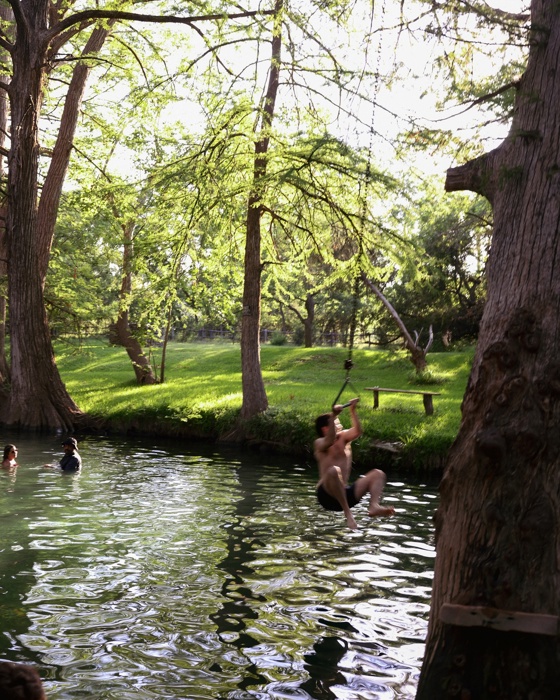
For example, visitors staying in Wimberley can hike at Blue Hole Regional Park in the morning, visit Jacob’s Well Natural Area in the afternoon if conditions allow, and spend the evening enjoying local restaurants and live music. The outdoor experience remains the centerpiece, but the overall trip feels less demanding.
Wildlife Watching Doesn’t Require Camping
Many people assume they need to spend the night outdoors to see Texas wildlife. In reality, some of the state’s best wildlife viewing happens during early morning and late afternoon, making it perfectly suited to day visitors. Arriving shortly after sunrise often provides excellent opportunities to spot deer, wild turkeys, roadrunners, hawks, and other species before returning to town later in the day.
Several destinations work particularly well for this style of travel. Aransas National Wildlife Refuge offers excellent birdwatching during cooler months, especially for visitors hoping to see endangered whooping cranes in winter. South Llano River State Park near Junction is another favorite for birdwatchers, while Brazos Bend State Park near Houston is well known for its alligators, turtles, and abundant birdlife.
You Can Still Enjoy Texas’ Dark Skies
View this post on Instagram
Camping isn’t required to experience one of Texas’ greatest natural attractions—its night sky. Communities such as Alpine, Marathon, and Fort Davis offer hotels and inns located close to some of the darkest skies in the continental United States. Visitors can spend the evening stargazing before returning to comfortable accommodations instead of sleeping outdoors.
The McDonald Observatory near Fort Davis makes this especially easy. Its popular Star Parties combine professional telescopes with educational presentations, allowing visitors to experience West Texas’ remarkable night skies without bringing camping equipment or specialized astronomy gear.
Build Your Trip Around One Comfortable Home Base
One of the easiest ways to enjoy the outdoors without camping is to choose one town and use it as your base for the entire trip.
Rather than changing hotels every night, stay in one location and explore several nearby parks and natural areas. This reduces packing, shortens daily drives, and gives you time to enjoy the town itself instead of constantly being on the road.
Several Texas towns work especially well for this approach. Fredericksburg provides easy access to Enchanted Rock State Natural Area and Old Tunnel State Park. Bastrop sits close to both Bastrop State Park and Buescher State Park, while Jefferson makes an excellent base for exploring Caddo Lake State Park. In West Texas, Alpine allows visitors to reach Big Bend National Park, Davis Mountains State Park, Fort Davis, and Marfa without changing accommodations.
Mix Outdoor Activities with Time to Relax
One advantage of skipping camping is that your schedule can feel much more balanced.
Instead of spending part of the day gathering firewood, preparing camp meals, or setting up equipment, you can devote that time to hiking another trail, visiting a scenic overlook, or enjoying lunch in a nearby town. Many travelers discover they actually experience more of Texas this way.
The best itineraries also avoid trying to fill every hour.
A morning hike followed by lunch at a local café, an afternoon scenic drive, and an evening watching the sunset often creates a more memorable trip than racing between five different attractions. Slowing down also leaves room for unexpected roadside stops, wildlife sightings, or recommendations from local residents.
Hotels Make Early Starts Easier Than Many People Expect
Some people assume that staying outside a park means losing valuable time each morning. In reality, many hotels and vacation rentals are only 10 to 30 minutes from major outdoor destinations. Leaving shortly after sunrise often gets you to the trailhead before the busiest part of the day, especially during spring and fall.
This strategy works particularly well at parks that become crowded later in the morning. Visitors staying in Fredericksburg can arrive at Enchanted Rock State Natural Area shortly after the gates open, while travelers based in Canyon can reach Palo Duro Canyon State Park early enough to enjoy cooler temperatures before afternoon heat arrives.
Good Food Is Part of the Experience
View this post on Instagram
Choosing not to camp also opens the door to one of the best parts of traveling through Texas—its local restaurants.
Small towns often have family-owned diners, barbecue restaurants, bakeries, coffee shops, and Tex-Mex cafés that become memorable parts of the trip. Ending a day outdoors with a good meal is something many travelers enjoy just as much as the hike itself.
Every region offers something different. Visitors in Fredericksburg can enjoy German-inspired cuisine, Jefferson has Southern comfort food, Rockport is known for fresh Gulf seafood, and Alpine offers everything from local cafés to Southwest-inspired restaurants. Exploring those local businesses also helps support the communities that serve as gateways to nearby parks.
You Can Pack Much Lighter
Without camping gear, preparing for an outdoor weekend becomes much simpler. There’s no need to bring tents, sleeping bags, camp stoves, lanterns, coolers packed with several days of food, or other bulky equipment. Instead, you can focus on the items that actually make your time outdoors more comfortable.
A lightweight daypack is usually enough. Most visitors only need comfortable hiking shoes, refillable water bottles, sunscreen, insect repellent, weather-appropriate clothing, a hat, snacks, binoculars if they’re interested in wildlife, and a camera or smartphone. Packing lighter also leaves more room in the car for purchases from local shops or farmers markets.
Reservations Still Matter
Choosing hotels instead of campsites doesn’t eliminate the need to plan ahead.
Popular parks such as Enchanted Rock State Natural Area, Garner State Park, Pedernales Falls State Park, and Palo Duro Canyon State Park often require or strongly recommend advance day-use reservations during busy weekends. Hotels in nearby towns can also fill quickly during wildflower season, fall foliage, major festivals, and holiday weekends.
Making reservations early provides more flexibility. Once accommodations and park entry are secured, you can adjust the rest of your itinerary as weather or personal preferences change without worrying about availability.
Comfort Doesn’t Make the Trip Less Adventurous
Some people mistakenly believe staying in a hotel somehow makes an outdoor trip less authentic.
The reality is that most visitors spend only a small portion of the day sleeping. What creates memorable outdoor experiences is the time spent hiking, paddling, photographing wildlife, exploring scenic drives, or watching sunsets—not necessarily where you sleep afterward.
For many travelers, comfortable accommodations actually make it easier to enjoy multiple active days. Getting a good night’s sleep, taking a hot shower, and eating a proper meal often leave people feeling more energized for the next day’s adventures.
Tips for Planning an Outdoor Trip Without Camping
If you’re planning your first camping-free outdoor getaway, these tips can help make the experience smoother:
- Choose one town as your home base instead of changing hotels throughout the weekend.
- Book accommodations close to the parks you plan to visit, ideally within a 30-minute drive.
- Reserve day-use passes in advance for popular Texas State Parks during busy seasons.
- Start outdoor activities early to enjoy cooler temperatures and avoid larger crowds.
- Support local businesses by dining at independent restaurants and shopping at locally owned stores.
- Leave room in your schedule for scenic drives, overlooks, and unexpected discoveries instead of planning every minute.
Texas Outdoors Are for Everyone
Camping is just one way to experience Texas, but it certainly isn’t the only way.
Thousands of visitors enjoy the state’s rivers, canyons, forests, mountains, deserts, beaches, and wildlife every year while staying in hotels, historic inns, cabins, or vacation rentals. In many cases, that approach allows them to see more, travel more comfortably, and spend less time managing campsite logistics.
Whether you’re hiking Enchanted Rock, paddling through Caddo Lake, exploring Big Bend National Park, watching birds at Aransas National Wildlife Refuge, or driving through the Davis Mountains, you don’t need a tent to have an unforgettable adventure. With a little planning and the right home base, you can experience some of Texas’ finest outdoor destinations while ending each day with the comfort of a real bed, a hot meal, and the anticipation of tomorrow’s adventure.